The best walks and hikes around Pösing
4.5
(1913)
8,030
hikers
517
hikes
Hiking around Pösing, a municipality in the Upper Palatinate region of Germany, offers diverse landscapes for outdoor exploration. The area is characterized by the Regen River, which provides opportunities for riverside trails, and extensive forests that feature varied terrain. Trails range from easy walks to more challenging routes, catering to different fitness levels.
Best hiking trails around Pösing
- The most popular hiking route is Wetterfeld Castle Ruins – Mucia Rest Chapel loop from Pösing, a 6.9 miles (11.1 km)…
Last updated: July 4, 2026
4.3
(4)
21
hikers
11.0km
02:56
130m
130m
Moderate hike. Good fitness required. Easily-accessible paths. Suitable for all skill levels.
4.8
(5)
14
hikers
16.9km
04:53
420m
420m
Moderate hike. Good fitness required. Easily-accessible paths. Suitable for all skill levels.

Sign up for free
4.3
(4)
27
hikers
8.10km
02:03
10m
10m
Moderate hike. Good fitness required. Easily-accessible paths. Suitable for all skill levels.
5
hikers
8.52km
02:28
220m
220m
Moderate hike. Good fitness required. Easily-accessible paths. Suitable for all skill levels.
3.0
(1)
11
hikers
Easy hike. Great for any fitness level. Easily-accessible paths. Suitable for all skill levels.
Get access to more routes and recommendations from other explorers.
Sign up for free
Already have an account?
Our route recommendations are based on thousands of hikes, rides, and runs completed by other people on komoot.
Start today with a free account
Your next adventure awaits.
Login or Signup

Tips from the Community

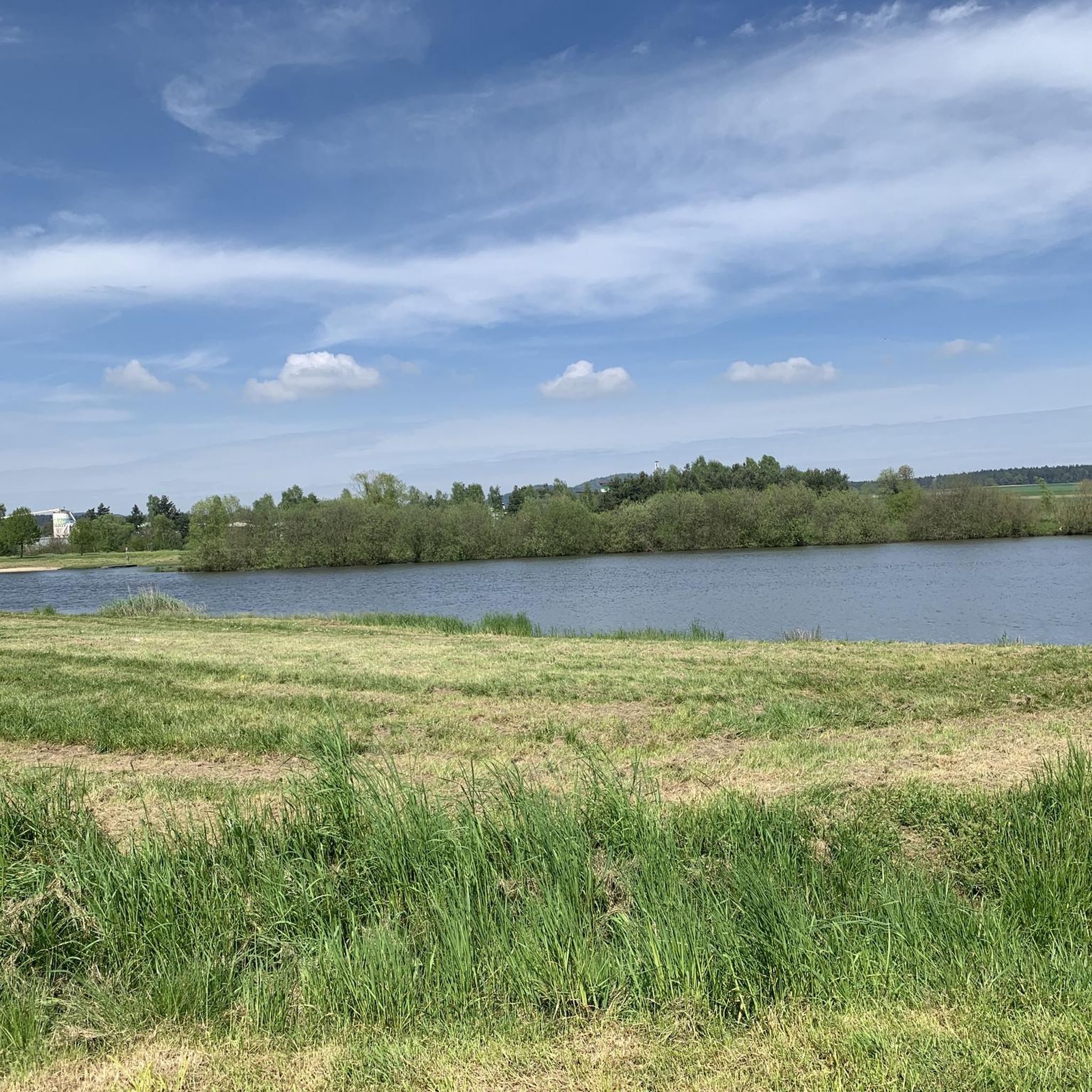
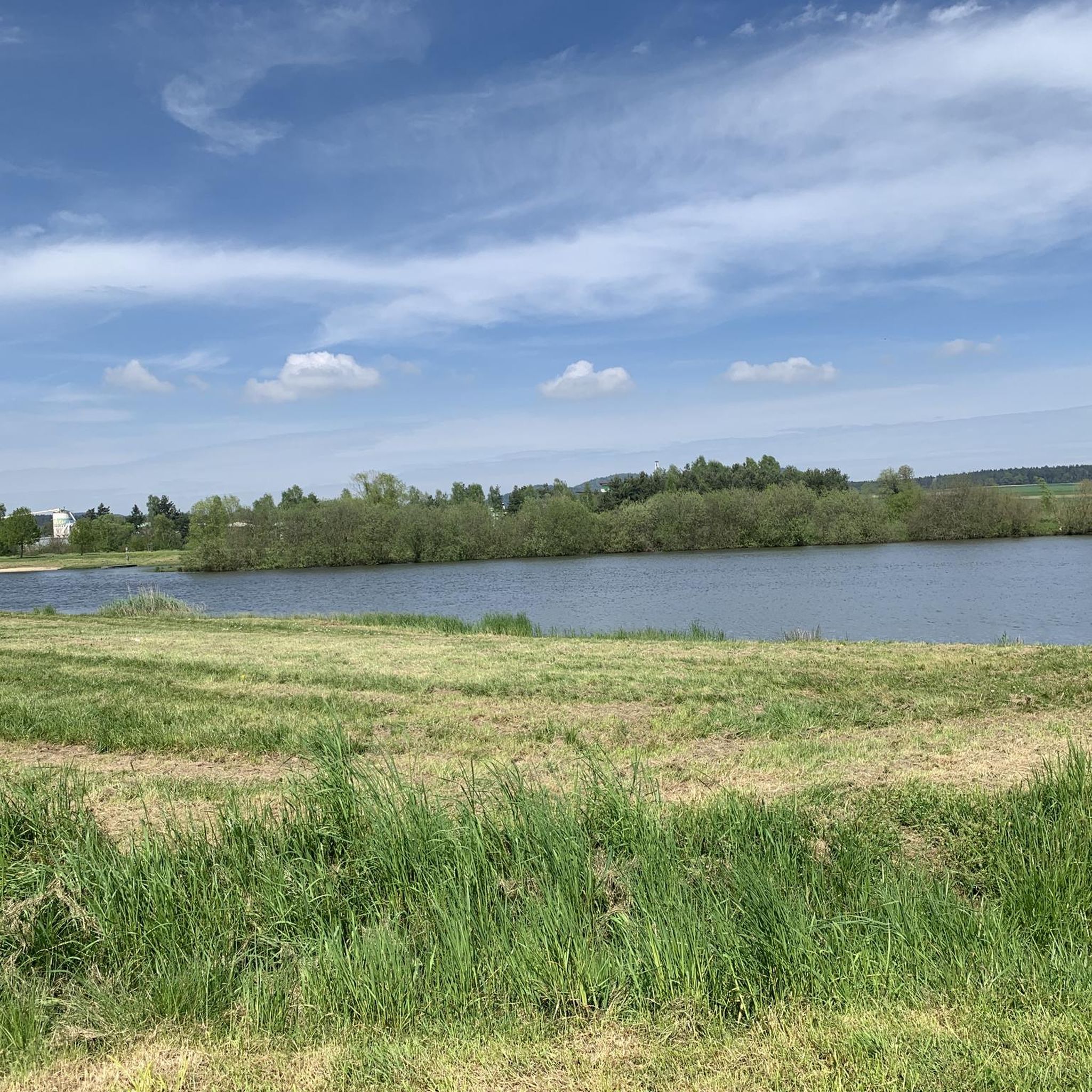
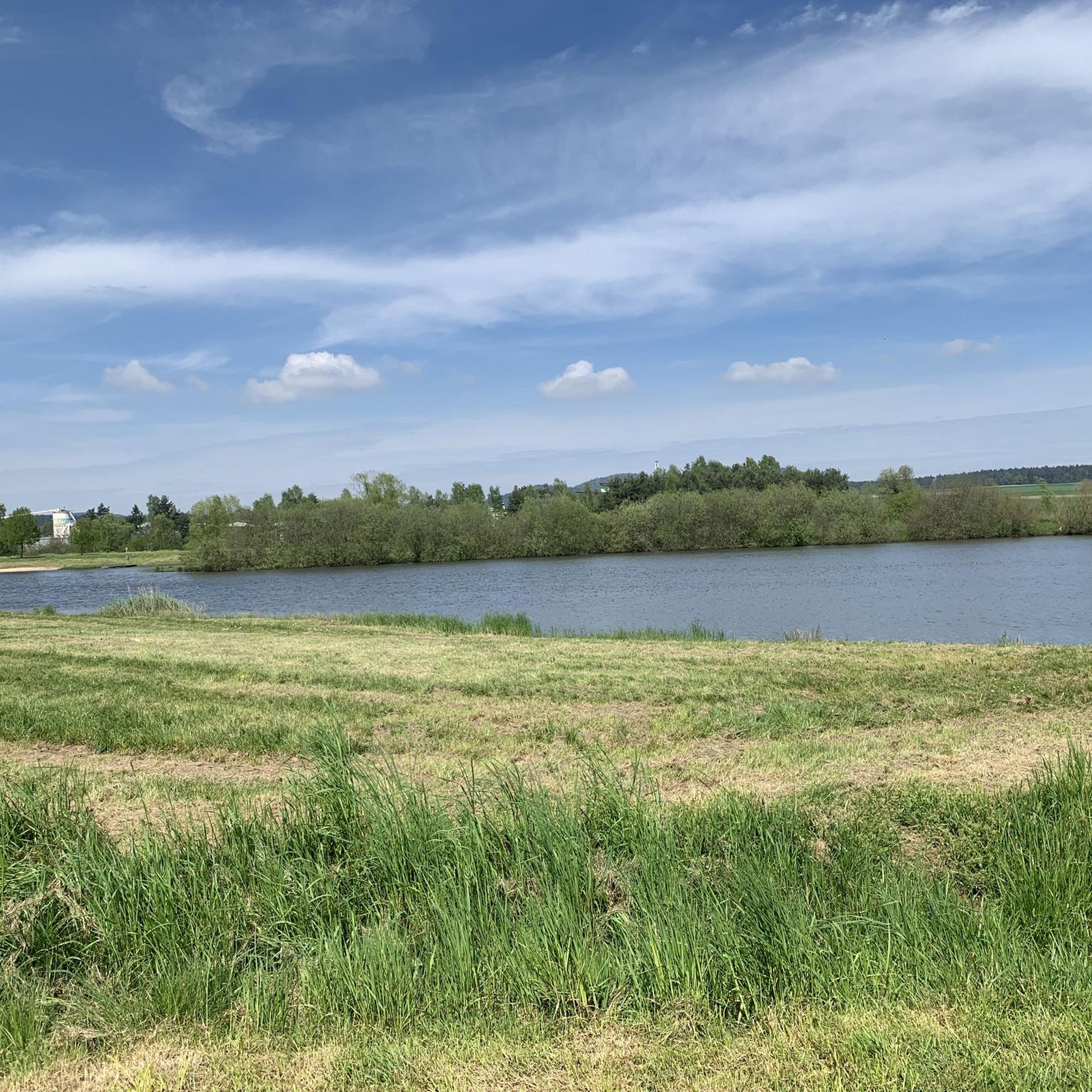
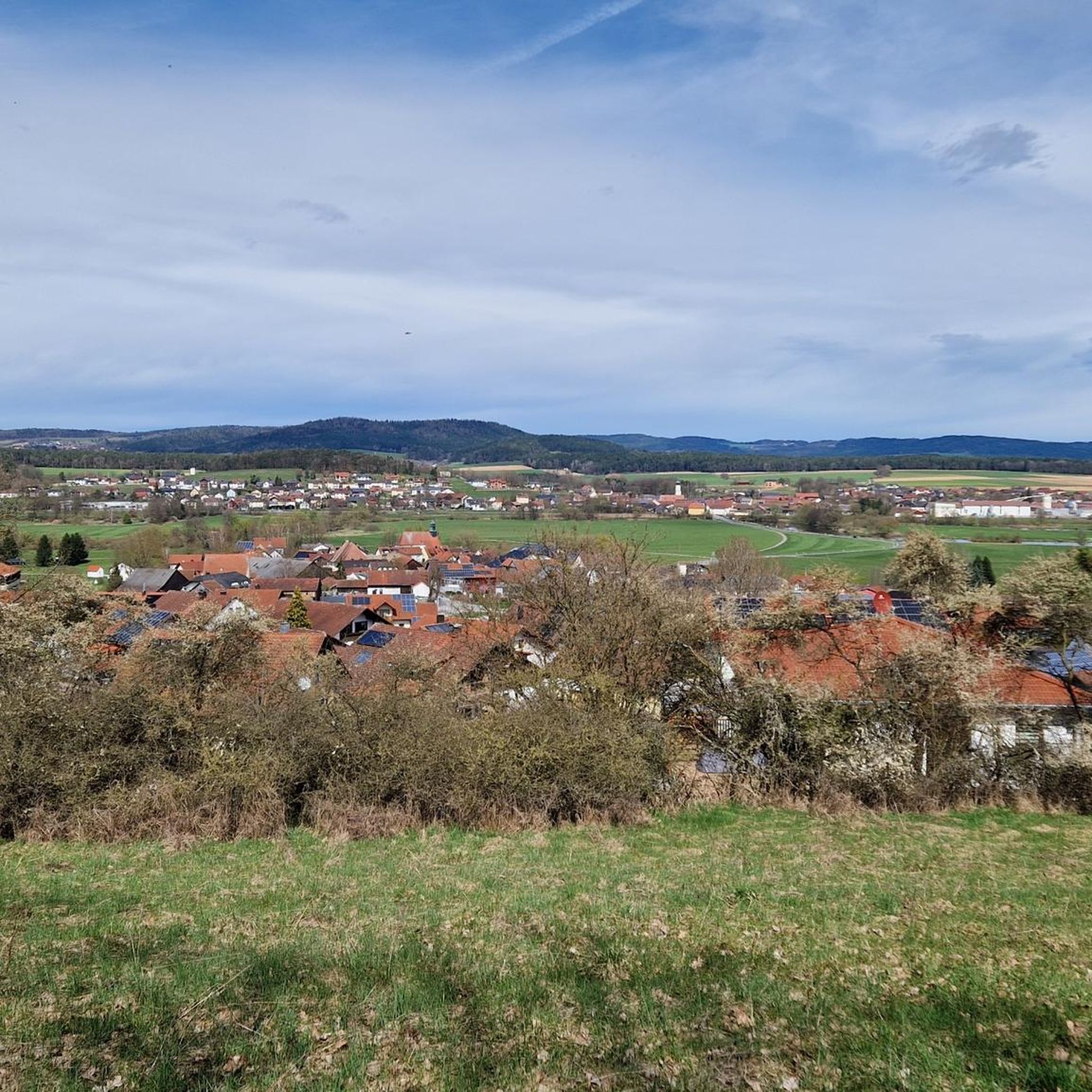
From here you have a magnificent view.
0
0

Plague Cross This is a plain cross without any markings; it has a rough, porous surface and a faint suggestion of the Iron Cross shape. It is believed to be a plague cross, marking the extent of the plague's spread during the Middle Ages. It is located near the entrance to the Wetterfeld Castle ruins. Originally, it stood on Federal Highway 85, opposite the Wetterfeld town entrance. The cross had to be moved during road construction. Today, the roundabout above the tunnel occupies the former location. Source: www.kreuzstein.eu
2
0
Pilgrimage Chapel Streicherröhren To trace the history of this pilgrimage chapel, we come across an old hand-drawn map from around 1570, which is located in the Bavarian State Archives in Munich. On this map, a small wayside shrine is marked on the road between Untertraubenbach and Roding—a shrine that may have been the origin of the Streicherröhren pilgrimage site. According to tradition, the origin of the pilgrimage itself is attributed to a miracle that is said to have occurred in 1661. While this cannot be historically verified, we do know that in 1715 there was a wooden chapel in Streicherröhren, which was already visited by many pilgrims, and that votive tablets had been placed there decades earlier. The small pilgrimage evidently enjoyed considerable popularity, which also explains why it subsequently attracted opponents, particularly in Roding, who, due to their own pilgrimage to Heilbrünnl, viewed the development of Streicherröhren with envy. The parish priest of Roding complained in Regensburg about the "unauthorized gatherings" and "superstition" and was thus able to obtain permission, with the consent of the local landowner, to discontinue the pilgrimage. On his own initiative, he sent men to Streicherröhren, had the chapel dismantled, and the offerings, the miraculous image, and the votive tablets brought back to Roding. With the permission of Elector Max Emmanuel of Bavaria, the chapel was rebuilt, and a new miraculous image was presented in 1718. When the pilgrimage declined towards the end of the 18th century, a miraculous healing, confirmed by both ecclesiastical and secular authorities, helped to revive it. The chapel was renovated, and the miraculous image, previously painted on glass, was replaced with one on wood. During the 19th century, the chapel acquired its present form: Framed within a simple fieldstone structure, the miraculous image, a simple depiction of the Virgin Mary with the Christ Child as Queen, was placed behind a simple iron grille. Donated votive tablets and images, as well as candles and inscriptions inside the chapel, show us that Streicherröhren is still visited by many people seeking help and solace. Source: Excerpts from www.bayerischer-wald.de
3
0
Plague Cross This is a plain cross without any markings; it has a rough, porous surface and a faint suggestion of the Iron Cross shape. It is believed to be a plague cross, marking the extent of the plague's spread during the Middle Ages. It is located near the entrance to the Wetterfeld Castle ruins. Originally, it stood on Federal Highway 85, opposite the Wetterfeld town entrance. The cross had to be moved during road construction. Today, the roundabout above the tunnel occupies the former location. Source: www.kreuzstein.eu
2
0
Wetterfeld Castle Ruins As early as 1118, Gottfried von Wetterfeld appears as an influential ministerialis (unfree knight) of the Diepoldings, the powerful Margraves of Cham and Vohburg. He seems to have maintained good relations with many monasteries, especially Reichenbach Abbey—no wonder, since Abbot Reginboto was his brother. Numerous donations to various monasteries by Gottfried are documented, a widespread practice among knights to secure their salvation. In a donation from 1155, Heinrich is even mentioned as an imperial ministerialis, which demonstrates the family's rapid political rise. In 1179, Karl and Heinrich "de Weterinfeld" appear, after which the family disappears from the historical record. It is not until 1268 that we hear of a Deinhardus, who is now subject to the Bavarian dukes; perhaps they lost their independence with the inheritance of the Hohenstaufen dynasty. From 1283 onward, the Wittelsbachs sent judges to Wetterfeld. Ducal ministeriales from the surrounding area succeeded in office: Hauzendorfer, Katzdorfer, Zenger, and others. In 1322, it was pledged to the Chamerau family. In 1329, Wetterfeld came under the control of the Palatine line of the Wittelsbachs, who also appointed judges. In 1410, it passed to the sub-principality of Neumarkt-Neunburg, with the Degenberger, Nothaft, and Zenger families, among others, serving as administrators. During the Hussite raids of 1428 and 1433, the castle was destroyed and subsequently rebuilt. A unique feature of Wetterfeld is the four "castle guards"—four legally independent building complexes within the castle, which were granted separately—making the ownership situation quite complex. In 1621, during the Thirty Years' War, the Upper Palatinate, including Wetterfeld, came under the rule of Duke Maximilian of Bavaria. Later in the war, Wetterfeld was destroyed twice by the Swedes and subsequently rebuilt. But the castle and its buildings continued to deteriorate, and the administrators increasingly relocated their offices outside the castle. In 1812, the administrative office was moved to Roding, the castle grounds were subdivided, and private houses were built over. Wetterfeld is a moated castle—a branch of the Regen River bordered the complex to the northeast. The still clearly visible, deep, walled moat could be filled with sluice gates in case of attack. Essentially, only the large gate tower, built of rubble stone with corner quoins, remains. Its upper, habitable floors make it a variation of the late medieval residential tower. Source: www.burgenseite.de
1
0

Fantastically beautiful rocks. A must-see if you're in the area.
0
0

From the observation tower you can enjoy a fantastic view of the Regen and the surrounding fields and meadows.
0
0

The Felsenkanzel is a large stone lookout point
0
0
Frequently Asked Questions
How many hiking trails are available in Pösing?
Pösing offers a wide variety of hiking experiences, with over 500 trails to explore. These range from easy walks to more challenging routes, catering to different fitness levels.
What kind of terrain can I expect on hikes around Pösing?
The landscape around Pösing is notably varied, characterized by the meandering Regen River, extensive forests, and diverse terrain situated between the towns of Cham and Roding. You can expect picturesque riverside paths, wooded areas with varied slopes, and routes that combine natural beauty with historical sites.
Are there easy hiking routes suitable for beginners in Pösing?
Yes, Pösing has numerous easy hiking routes perfect for beginners or those looking for a relaxed stroll. There are over 340 easy trails available. An example is the View of Untertraubenbach – Regen River Bridge loop from Regentalaue zwischen Cham und Pösing, which is an easy 3.4 km path.
What do other hikers say about the trails in Pösing?
The hiking trails in Pösing are highly regarded by the komoot community, with an average rating of 4.5 stars from over 1600 reviews. Hikers often praise the well-maintained trails, the beautiful natural scenery, and the diverse options available for all abilities.
Are there any circular hiking routes in Pösing?
Yes, many of the trails in Pösing are designed as circular routes, allowing you to start and end at the same point. A popular moderate circular route is the Wetterfeld Castle Ruins – Mucia Rest Chapel loop from Pösing, which covers 11.0 km.
What historical landmarks can I see along the hiking trails?
Pösing's trails often lead past interesting historical sites. You can explore the Kürnburg Castle Ruins, which is featured on the Kürnburg Castle Ruins – Information Pavilion Forest Adventure Trail loop from Pösing. Another notable site is the Wetterfeld Castle Ruins.
Are there any natural features or attractions to see while hiking?
Absolutely. The Regen River is a defining natural feature, offering picturesque riverside paths. You can experience this on the Pösinger bathing pond – Regen River Bridge loop from Pösing. The region is also rich in dense forests, providing varied and engaging hiking experiences.
Are there family-friendly hiking options in Pösing?
Many of Pösing's easier trails are suitable for families. The varied terrain and presence of natural features like the Regen River and the Pösing Swimming Pond offer engaging experiences for all ages. Look for routes marked as 'easy' for the most family-friendly options.
What is the best time of year for hiking in Pösing?
Pösing is a great hiking destination throughout much of the year. Spring and autumn offer pleasant temperatures and beautiful scenery with blooming flowers or vibrant fall foliage. Summer is also popular, especially for trails near the Regen River or the Pösing Swimming Pond, though it can be warmer.
Are dogs allowed on the hiking trails in Pösing?
Generally, dogs are welcome on most hiking trails in Pösing. It's always a good idea to keep your dog on a leash, especially in nature protection areas or when passing through villages, and to be mindful of other hikers and wildlife. The diverse forest and riverside paths provide excellent opportunities for walks with your canine companion.
How can I get to the hiking trails in Pösing using public transport?
While specific public transport details for individual trailheads are not provided, Pösing is a municipality in the Upper Palatinate region of Germany. It is advisable to check local bus or train schedules connecting to Pösing or nearby towns like Cham and Roding, which may offer connections closer to trail starting points.
Are there any moderate difficulty hikes for experienced hikers?
Yes, Pösing offers 172 moderate trails for those seeking a bit more challenge. The Mucia Rest Chapel loop from Pösing is a moderate 8.7 km route with some elevation gain, providing a rewarding experience for more experienced hikers.
Most popular attractions around Pösing

Get inspired with the komoot mobile app


Explore more
Browse the best Hikes in other regions.
