The best road cycling routes in Majona
4.1
(36)
997
riders
23
rides
Road cycling in Majona, located in the eastern part of La Gomera, is characterized by its incredibly rugged and steep topography. The terrain features deep ravines and impressive cliffs that descend towards the sea, providing significant elevation changes for cyclists. Diverse microclimates support varied flora, including Canary Island pines, junipers, and laurel forests in the ravines. This challenging landscape offers demanding routes for road cyclists seeking rigorous climbs and descents.
Best road cycling routes in Majona
- The most popular road…
Last updated: July 1, 2026
5.0
(1)
12
riders
30.5km
02:02
960m
960m
Hard road ride. Very good fitness required. Mostly well-paved surfaces and easy to ride.
18
riders
48.7km
03:16
1,590m
1,590m
Hard road ride. Very good fitness required. Mostly well-paved surfaces and easy to ride.

Sign up for free
5.0
(1)
9
riders
36.2km
02:32
1,190m
1,190m
Hard road ride. Very good fitness required. Some segments of this route may be unpaved and difficult to ride.
5.0
(2)
23
riders
41.9km
02:56
1,490m
1,480m
Hard road ride. Very good fitness required. Mostly well-paved surfaces and easy to ride.
5.0
(8)
126
riders
54.0km
03:16
1,440m
1,440m
Hard road ride. Very good fitness required. Mostly well-paved surfaces and easy to ride.
Get access to more routes and recommendations from other explorers.
Sign up for free
Already have an account?
Our route recommendations are based on thousands of hikes, rides, and runs completed by other people on komoot.
Start today with a free account
Your next adventure awaits.
Login or Signup
Tips from the Community

La Mosca, or La Mouche, was a French privateer sunk off Vallehermoso in 1801, during the naval conflicts between France and England. According to local history, the ship arrived pursued by three English warships, and its captain, finding himself cornered, decided to run the corvette aground on the beach rather than surrender it intact to the enemy. Anglo-French sources cite the pursuit by HMS Diamond and link the episode to March 6, 1801. For years, the shipwreck left real traces in the area: cannons, bullets, metal fragments, and wooden remains documented on Vallehermoso beach; in 1969, two large bronze cannons, each weighing about a thousand kilos, were even recovered. Between history and legend, La Mosca remains one of the most powerful tales of this northern coast: a pursued ship, a captain with no way out, and a sea that still today seems capable of swallowing everything.
1
0
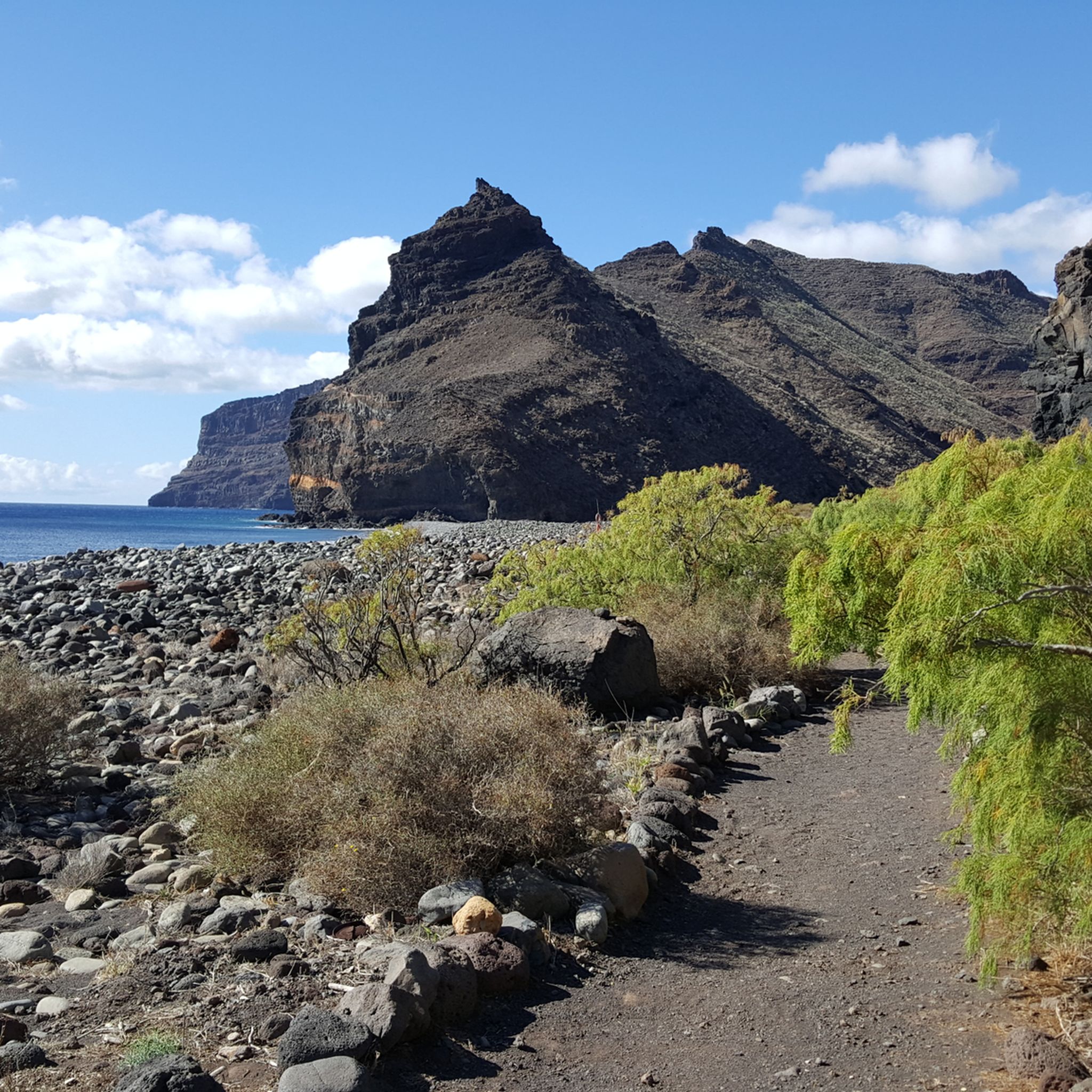
Small volcanic beach located below the northern cliffs of La Gomera, in a much wilder and more authentic setting than a tourist one. Here the Atlantic enters with force and the coast combines black sand with large pebbles polished by the sea, creating that characteristic landscape of the island. Even so, the area is very well equipped, with umbrellas, a beach bar, restrooms, and a quiet atmosphere perfect for stopping after a hike. Very close to here, ancient storms and shipwrecks caused by the harshness of this northern coast are remembered, where the ocean and the wind have always marked the life of Vallehermoso.
1
0
The so-called Castillo del Mar is not a historical or defensive castle, but a large structure built on the coast of Vallehermoso as part of an old recreational and maritime project. For years it functioned as a leisure area linked to the sea and the natural pools in the area, becoming one of the most recognizable places on the northern coast of La Gomera. The most striking thing is its location: built practically over the Atlantic and constantly battered by the sea and storms. Strong waves damaged the structure greatly over the years, and it ended up becoming almost a kind of "modern ruin" facing the ocean, much photographed for the contrast between concrete, waves, and volcanic cliffs.
1
0
This black sand and pebble beach hides one of La Gomera's most curious stories: the shipwreck of the ship “La Mosca” at the beginning of the 19th century. According to documents and oral tradition, the French vessel ended up running aground on this coast while fleeing or seeking refuge from English ships and Atlantic storms. For years, cannons and wreckage appeared on the seabed and some were even seen embedded in the old walls of the breakwater. Today the area is much quieter: sunshades, a relaxed atmosphere, and a wild beach surrounded by enormous volcanic cliffs. And right next door, it is highly recommended to stop at Bar Pirata for a bite to eat after the route. Simple cuisine, local produce, and that kind of place where a cold beer and any dish taste even better facing the Atlantic.
1
0

Strassendorf, which houses several small restaurants. We went to "Casa Conchita" after our tour.
0
0
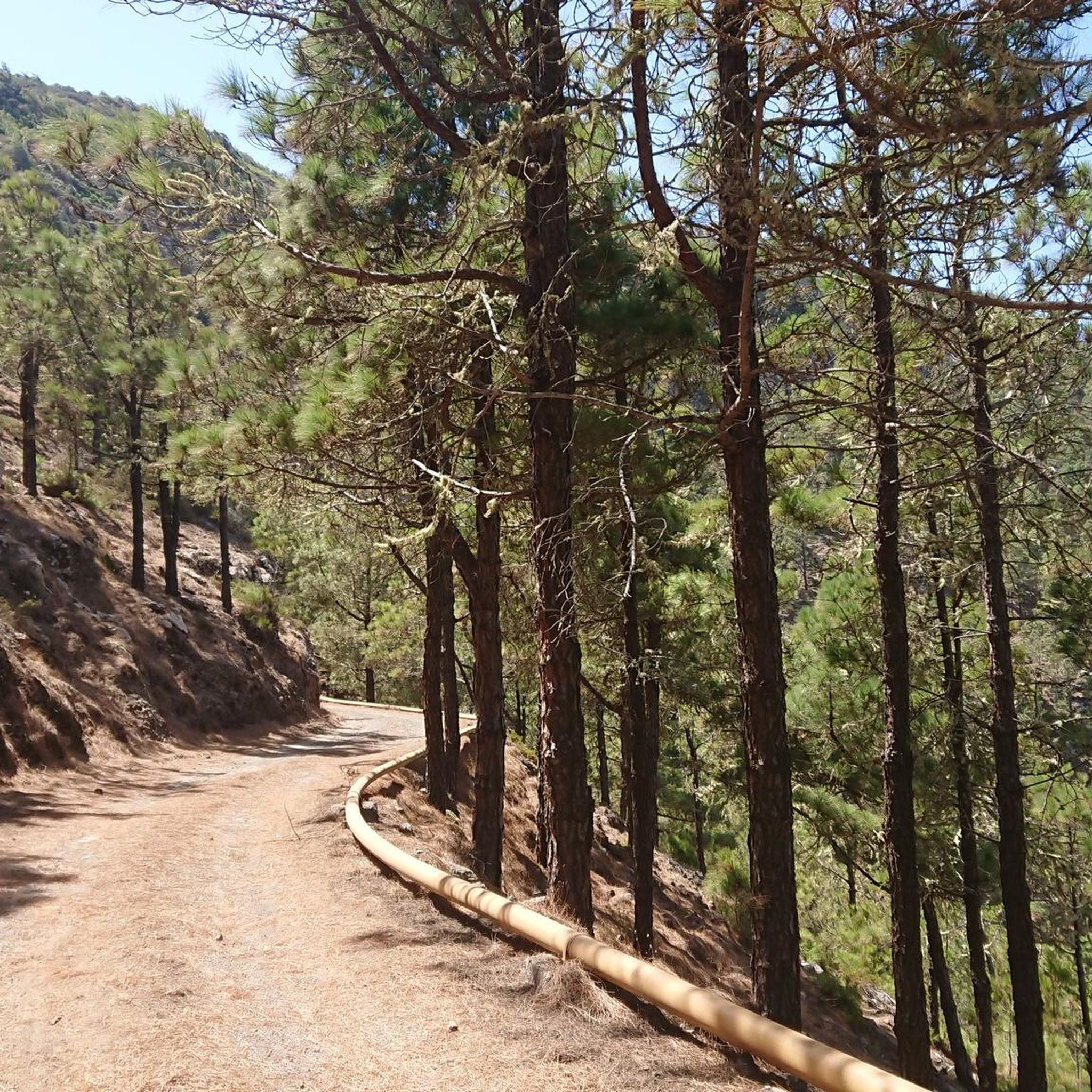
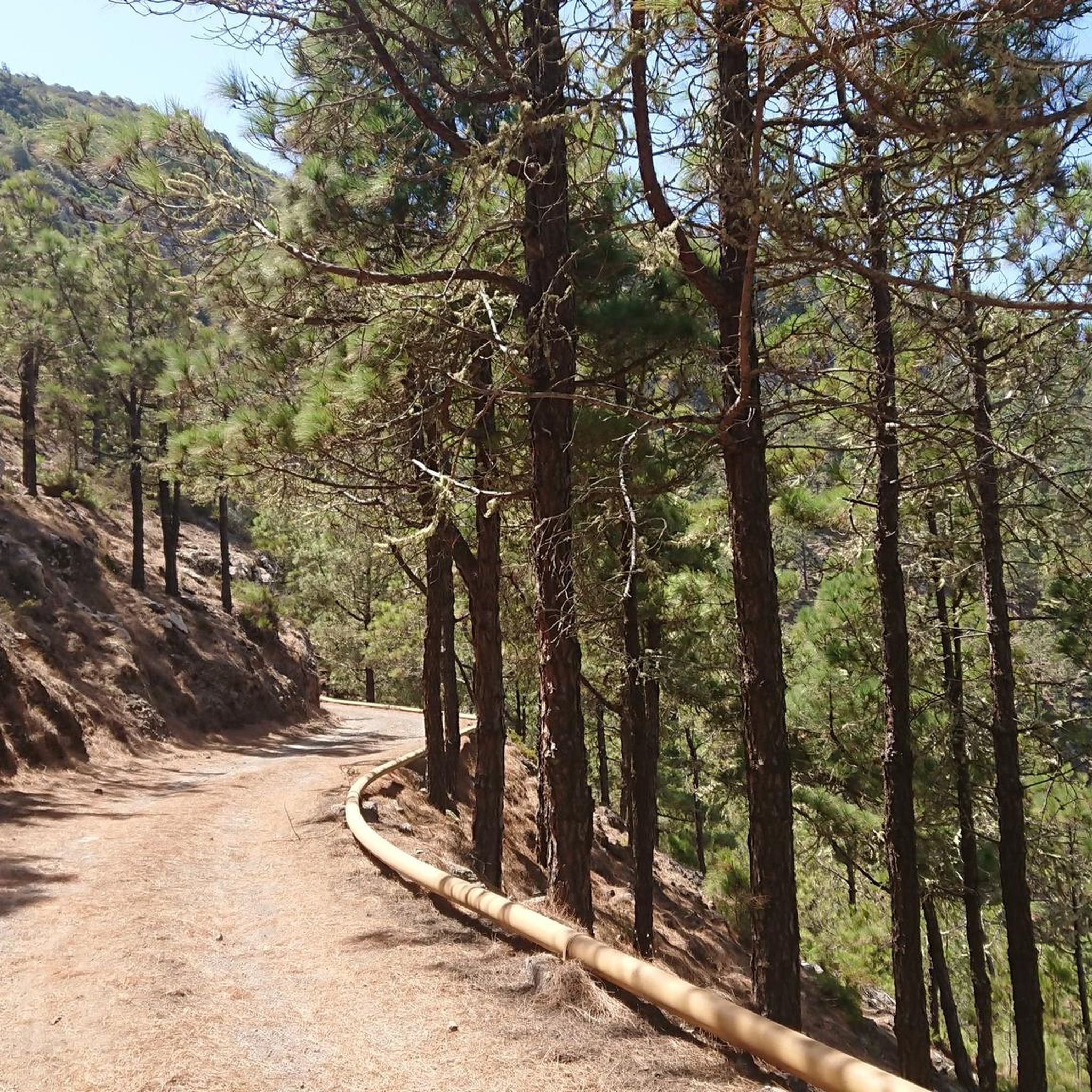
The forest is already mystical and beautiful on the approach road. While hiking, the scent of the forest adds to the experience.
0
0

Juego de Bolas Visitor Center, the starting point for understanding La Gomera The Juego de Bolas Visitor Center is located in the northeast of La Gomera, near the village of La Palmita (Agulo). It serves as the information center for Garajonay National Park—and also offers a pleasant respite surrounded by greenery. What to see and do The visitor center provides a clear overview of the island: its geology, unique laurel forests, and the traditional way of life on La Gomera. Inside, you'll find exhibitions on flora, fauna, and culture, supplemented by film footage and a model of the island. Outside, you can stroll through a small botanical garden with native plants and picnic areas with mountain views. For hikers Juego de Bolas is an excellent starting point for hikes in the north of the island, towards Agulo, Las Rosas, or the edge of the Garajonay Forest. Situated at an altitude of approximately 800 meters, it is easily accessible by car or taxi. Practical Information Location: La Palmita – Agulo, La Gomera Opening Hours: Daily during the day (closed on some holidays) Facilities: Restrooms, information desk, small shop, Juego de Bolas restaurant next to the entrance Admission: Free
0
0

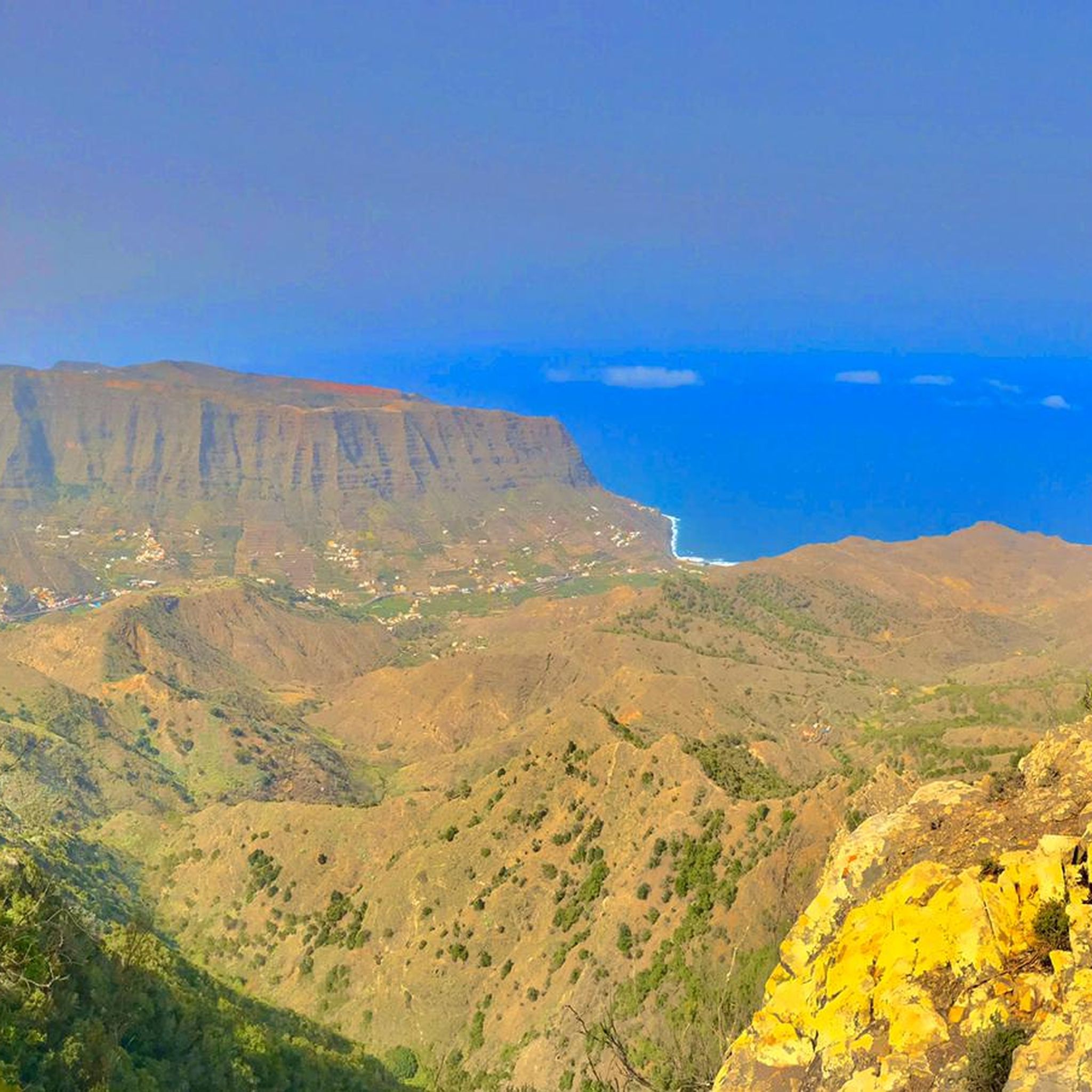
Great view of Tenerife on our hike to Table Mountain 😎
0
0
Frequently Asked Questions
How many road cycling routes are available in Majona?
Majona offers a selection of 19 road cycling routes. These routes cater to various skill levels, with options ranging from easy to difficult, allowing cyclists to explore the region's unique topography.
What are the difficulty levels of road cycling routes in Majona?
The road cycling routes in Majona are known for their challenging terrain. Out of 19 routes, 11 are classified as difficult, 7 as moderate, and 1 as easy. This reflects the park's rugged and steep topography, which features significant elevation changes and deep ravines.
What kind of views can I expect on Majona's road cycling routes?
Road cycling in Majona offers breathtaking vistas. Routes often provide extensive views of the dramatic landscapes, including deep ravines, impressive cliffs meeting the sea, and diverse flora. Some routes, like the Best view of Teide – Saint Catherine of Alexandria loop from Hermigua, even offer distant sights of Teide, while others, such as the Section with Several Tunnels – View of San Sebastián loop from Montaña Ismael, provide views towards San Sebastián.
Are there any circular road cycling routes in Majona?
Yes, Majona features several circular road cycling routes. An example is the From Agulo through the Garajonay Natural Park – circular route through La Gomera, which takes you through varied terrain and offers a comprehensive experience of the region.
What is the best time of year for road cycling in Majona?
La Gomera, including Majona, generally offers favorable conditions for cycling year-round due to its mild climate. However, the park's upper reaches can experience mist, which contributes to its unique microclimates. It's always advisable to check local weather forecasts, especially for winter cycling, as conditions can vary with elevation.
What attractions can I explore near the road cycling routes in Majona?
Beyond the cycling, Majona Natural Park itself is a significant attraction. You can explore natural caves, ancient rock engravings, and old sacrificial altars, reflecting its rich ethnographic heritage. Notable highlights include the Majona Natural Park itself, the Scenic Ascent to Degollada de la Cumbre, and the Abandoned Settlement of El Palmar. The nearby island capital, San Sebastián de la Gomera, also offers historical buildings and the Casa de Colón museum.
Are there any longer, more challenging road cycling routes for experienced riders?
Majona is well-suited for experienced riders seeking a challenge. Routes like the Agulo Road – Best view of Teide loop from Hermigua, at 30.4 miles (49.0 km) with significant elevation gain, or the Red Path (La Gomera) – Abrante Viewpoint loop from Hermigua, offer demanding climbs and descents amidst stunning scenery.
What do other cyclists say about road cycling in Majona?
The road cycling routes in Majona are highly rated by the komoot community, with an average score of 3.9 stars from over 20 reviews. Cyclists often praise the challenging terrain, the dramatic landscapes, and the rewarding views of the deep ravines and coastal cliffs.
Where can I find parking for road cycling routes in Majona?
While specific parking areas for each route are not detailed, the park is accessible from Las Casetas, located on the road connecting San Sebastián with Hermigua. This suggests that parking may be available in or near these towns, or at designated points along the main access roads.
Can I reach road cycling routes in Majona using public transport?
The park is accessible from Las Casetas, which is on the road connecting San Sebastián with Hermigua. These towns are typically served by public transport on La Gomera, which could provide access points to the cycling routes. It's recommended to check local bus schedules for the most current information on routes and stops.
What makes Majona's landscape unique for road cycling?
Majona's landscape is defined by its incredibly rugged and steep topography, carved by deep ravines and impressive cliffs that meet the sea. This creates a unique and challenging environment for road cycling, offering demanding climbs and descents with dramatic, ever-changing scenery and diverse microclimates supporting varied flora.
Are there any routes that pass through tunnels in Majona?
Yes, some road cycling routes in Majona feature tunnels. For instance, the Section with Several Tunnels – View of San Sebastián loop from Montaña Ismael explicitly mentions passing through several tunnels, adding a unique element to the ride.
What are the typical distances of road cycling routes in Majona?
The road cycling routes in Majona vary in distance, catering to different preferences. You can find routes ranging from approximately 17.7 miles (28.4 km), like the Section with Several Tunnels – View of San Sebastián loop from Montaña Ismael, up to 30.4 miles (49.0 km) for routes such as the Agulo Road – Best view of Teide loop from Hermigua.
Most popular routes in Majona
Most popular attractions in Majona

Get inspired with the komoot mobile app


Explore more
Browse the best Road cycling routes in other regions.
