Attractions and Places To See in Archipiélago De Chinijo - Top 20
Best attractions and places to see in Archipiélago De Chinijo. This archipelago, located off the northern coast of Lanzarote, is Europe's largest marine reserve and a Natural Park. It features volcanic landscapes, diverse biodiversity, and a pristine marine environment. The region is part of a UNESCO Biosphere Reserve, offering a unique blend of geological wonders and ecological importance.
Best attractions and places to see in Archipiélago De Chinijo
- The most popular attractions is Playa de las Conchas, a beach…
Last updated: July 6, 2026
Famara Cove Beach
Highlight • Beach
Translated by Google •
Tip by

Caleta del Sebo
Highlight • Settlement
Translated by Google •
Tip by
Sign up now to discover places like this
Get recommendations on the best single tracks, peaks, & plenty of other exciting outdoor places.
Sign up for free
Playa del Risco (Risco Beach)
Highlight • Beach
Translated by Google •
Tip by

Playa de las Conchas
Highlight • Beach
Translated by Google •
Tip by

The Gracioseros Trail
Highlight • Trail
Translated by Google •
Tip by
Sign up for free to discover even more attractions in Archipiélago De Chinijo.
Sign up for free
Already have an account?
Start today with a free account
Your next adventure awaits.
Login or Signup
Popular around Archipiélago De Chinijo
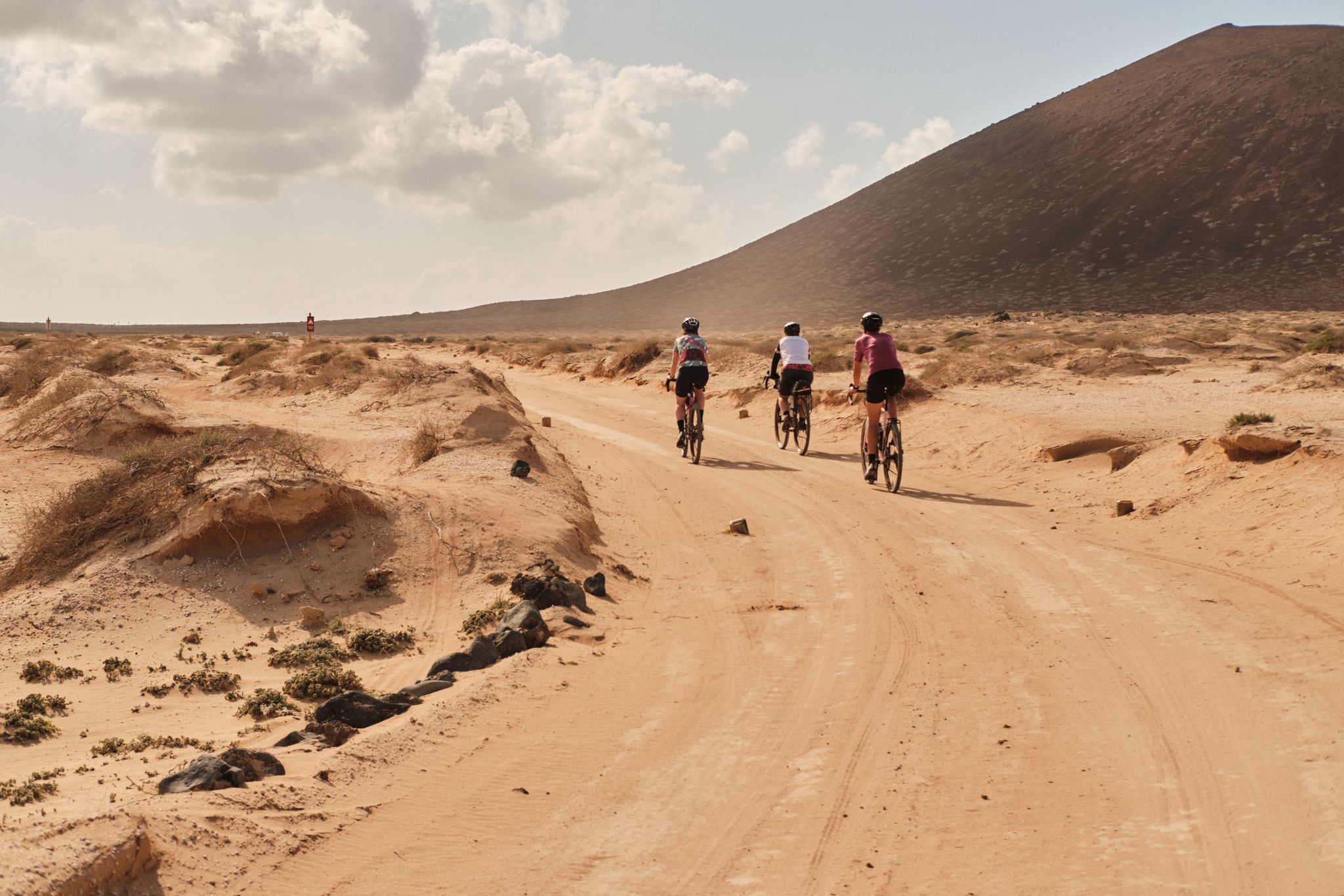
GranGuanche gravel – Komoot women's rally 2023
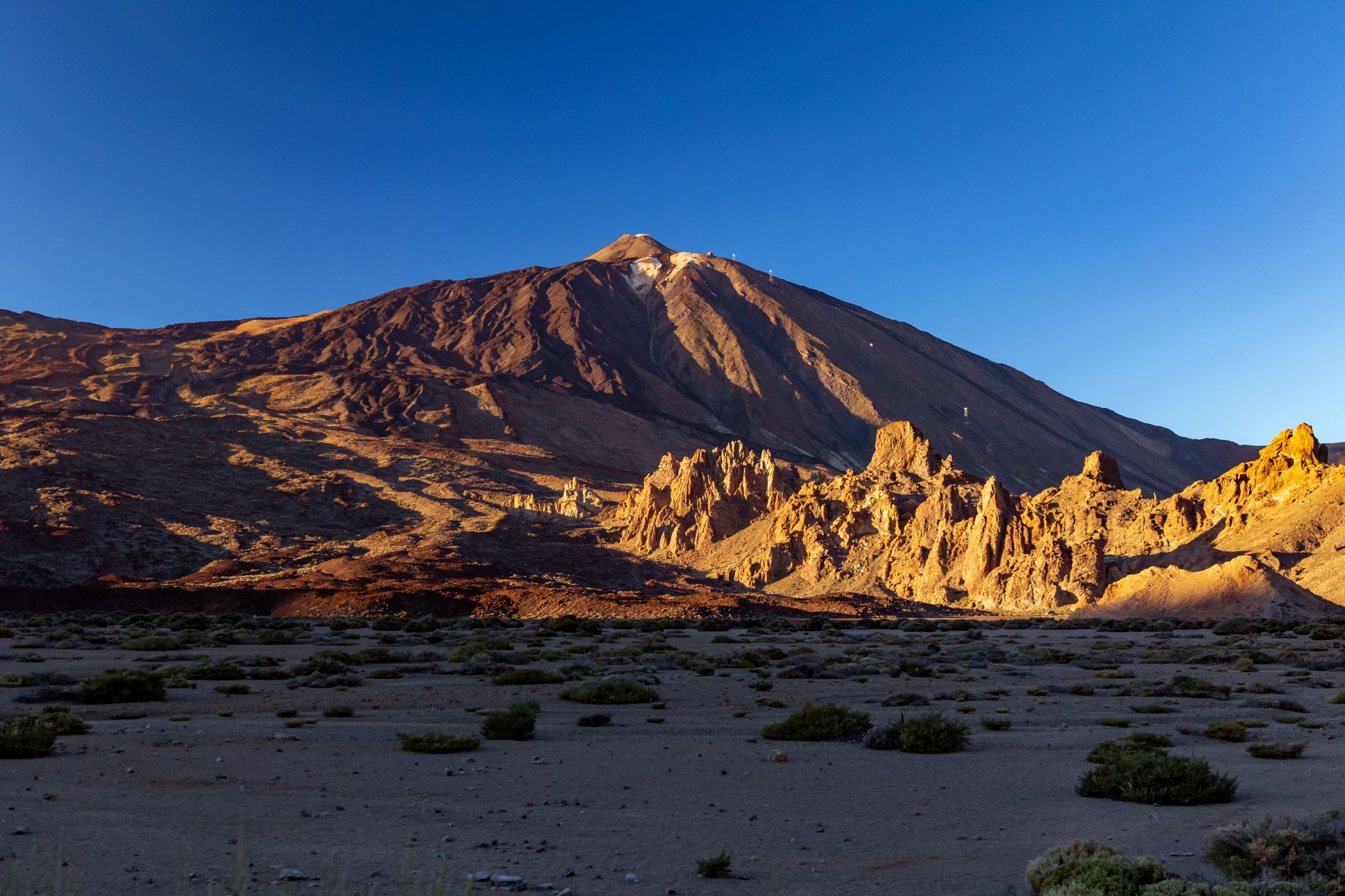
Six fascinating ways to discover the Canary Islands on foot
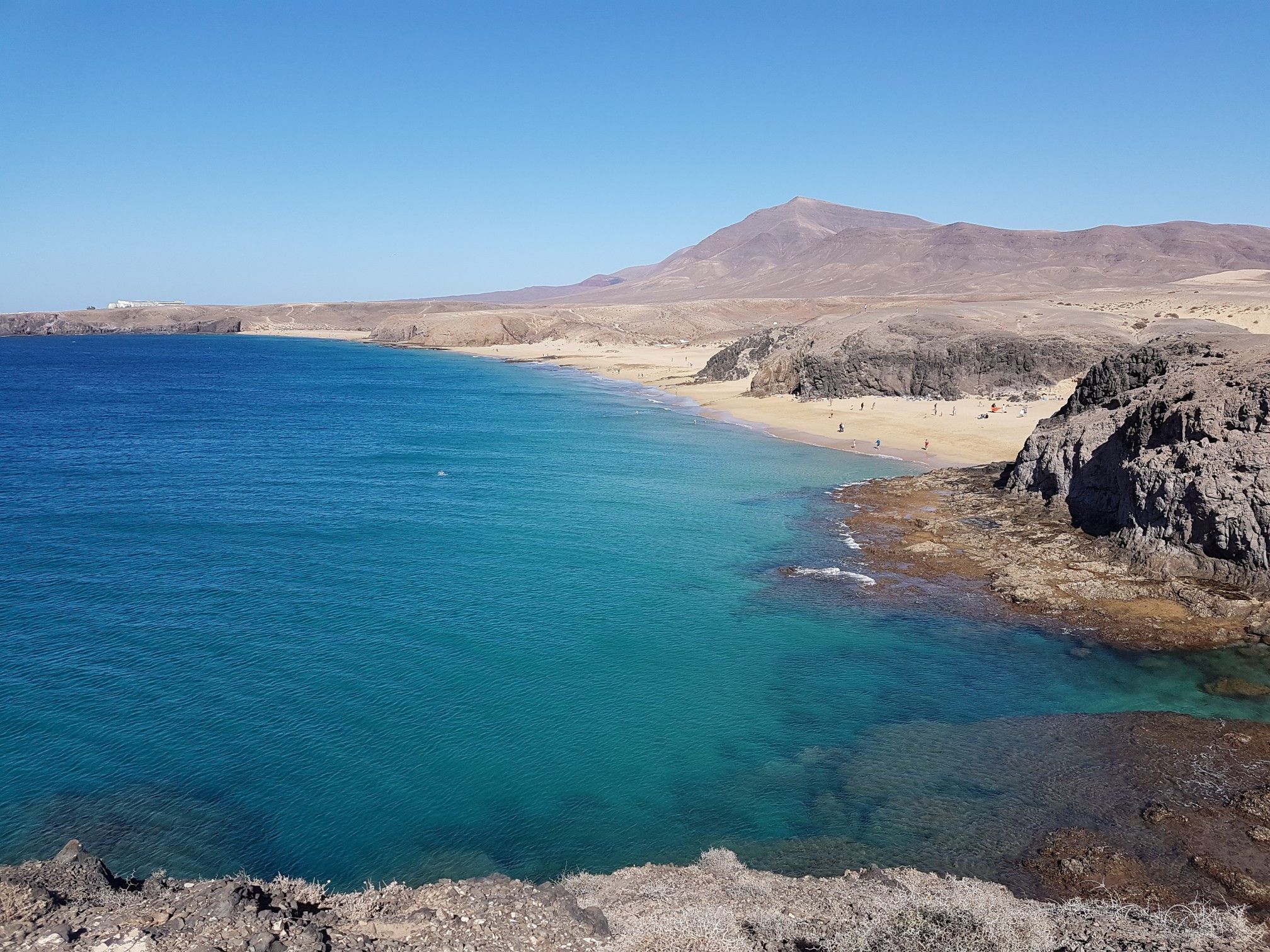
Volcanic and coastal hikes in Lanzarote
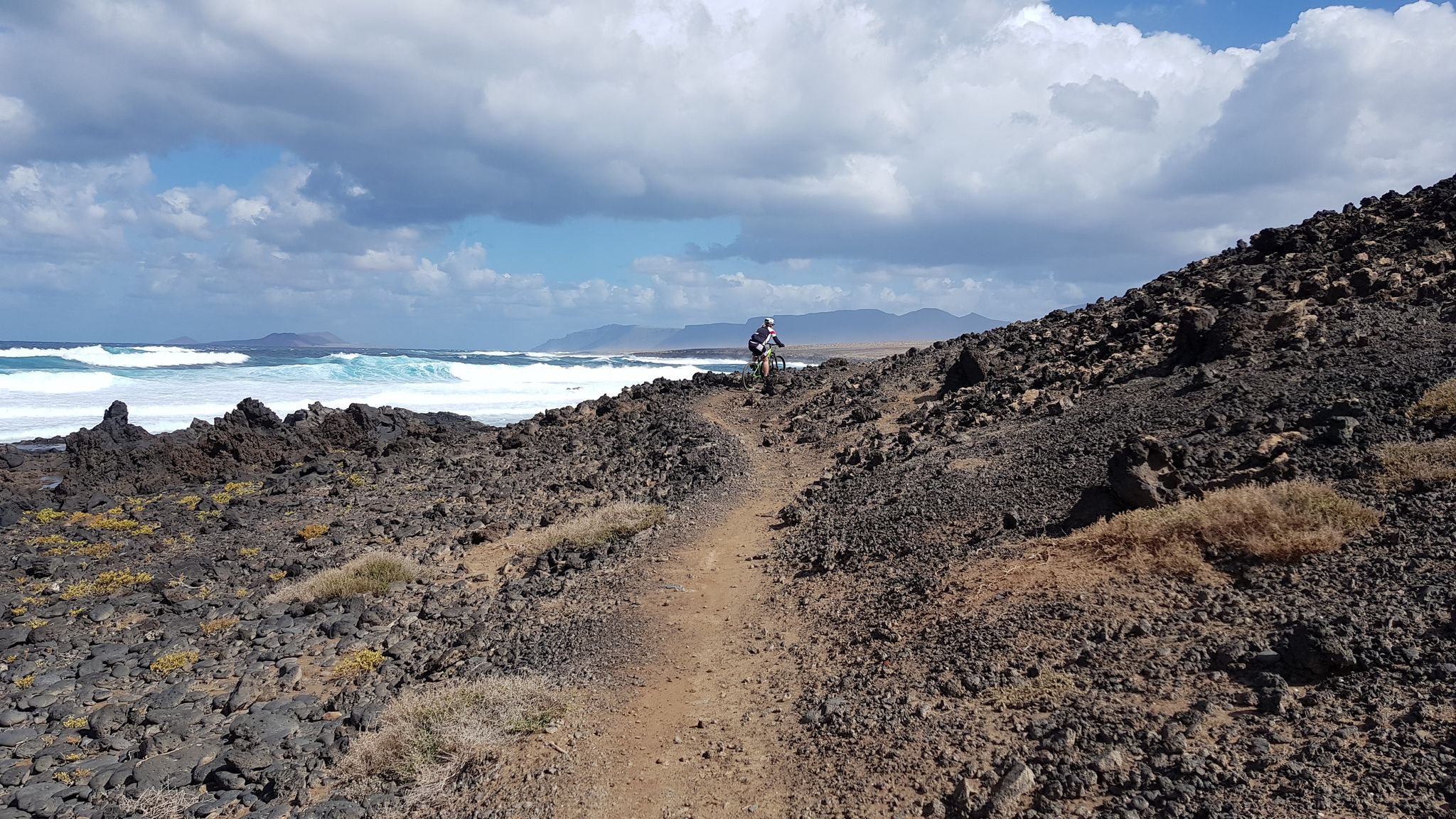
MTB on the island of volcanoes – Pedales de Lava
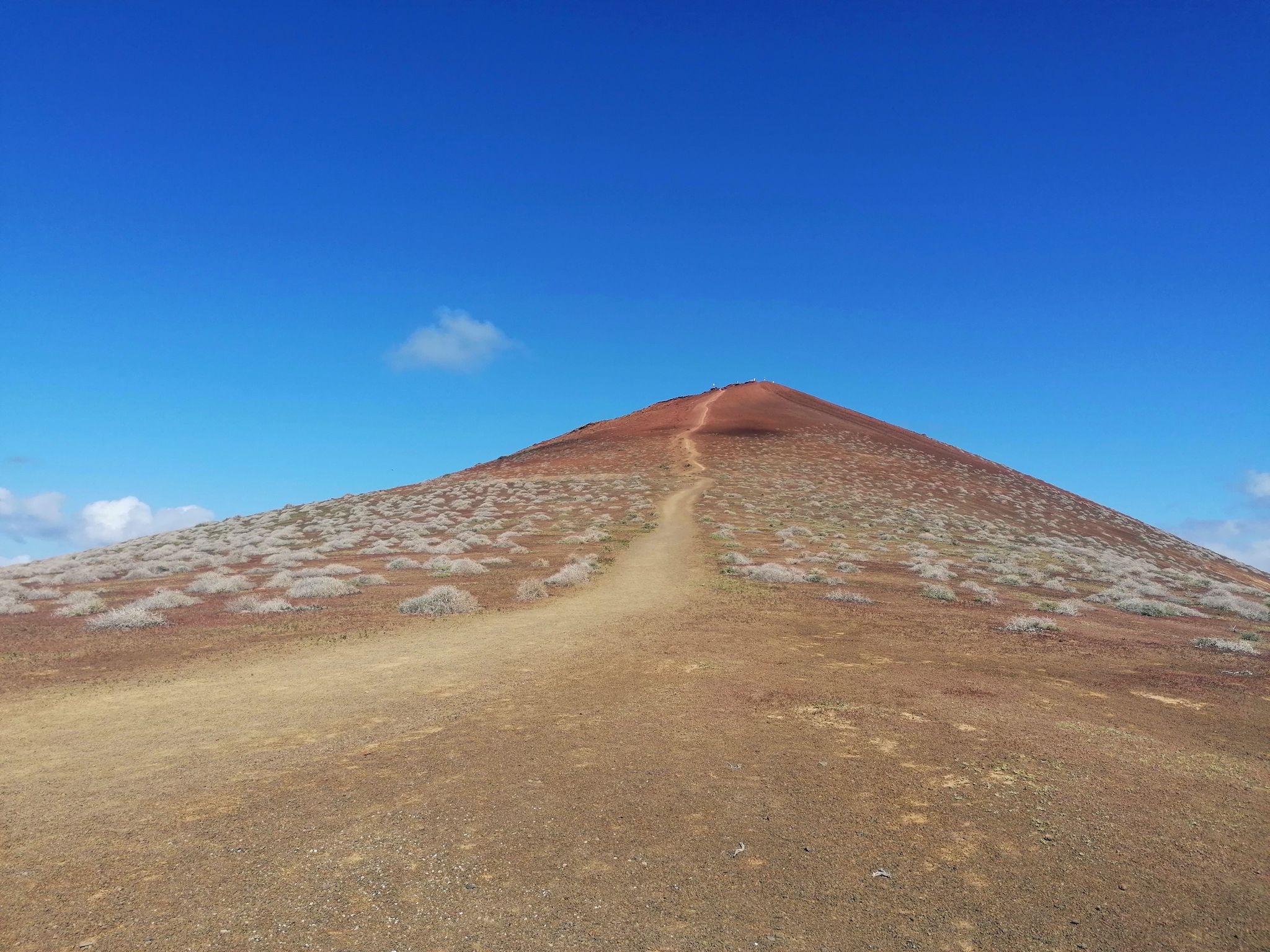
Adventures on the eighth island – hiking in La Graciosa
Las Cumbres Reinas de España — Spanish mountain trail races
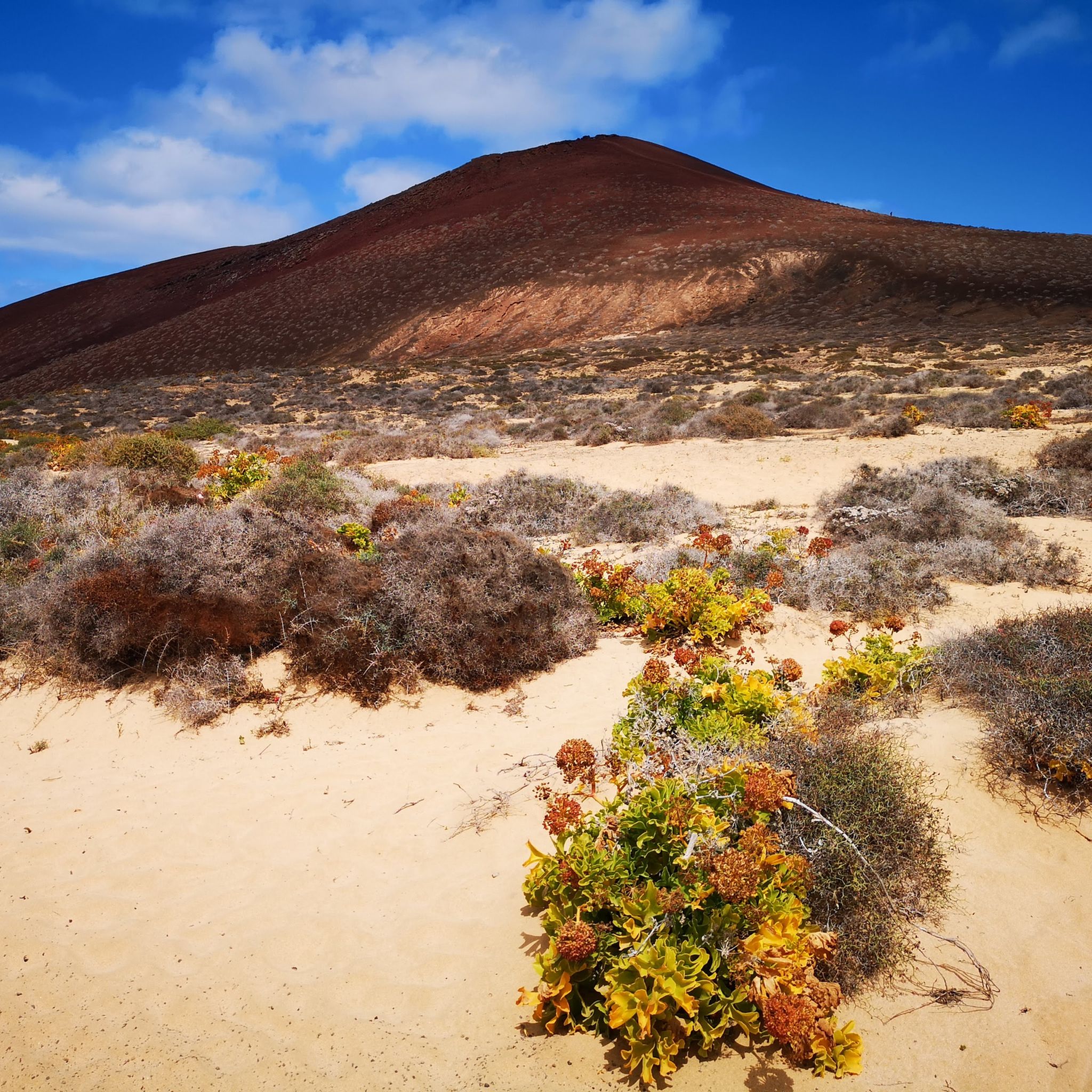
Hiking in Archipiélago De Chinijo
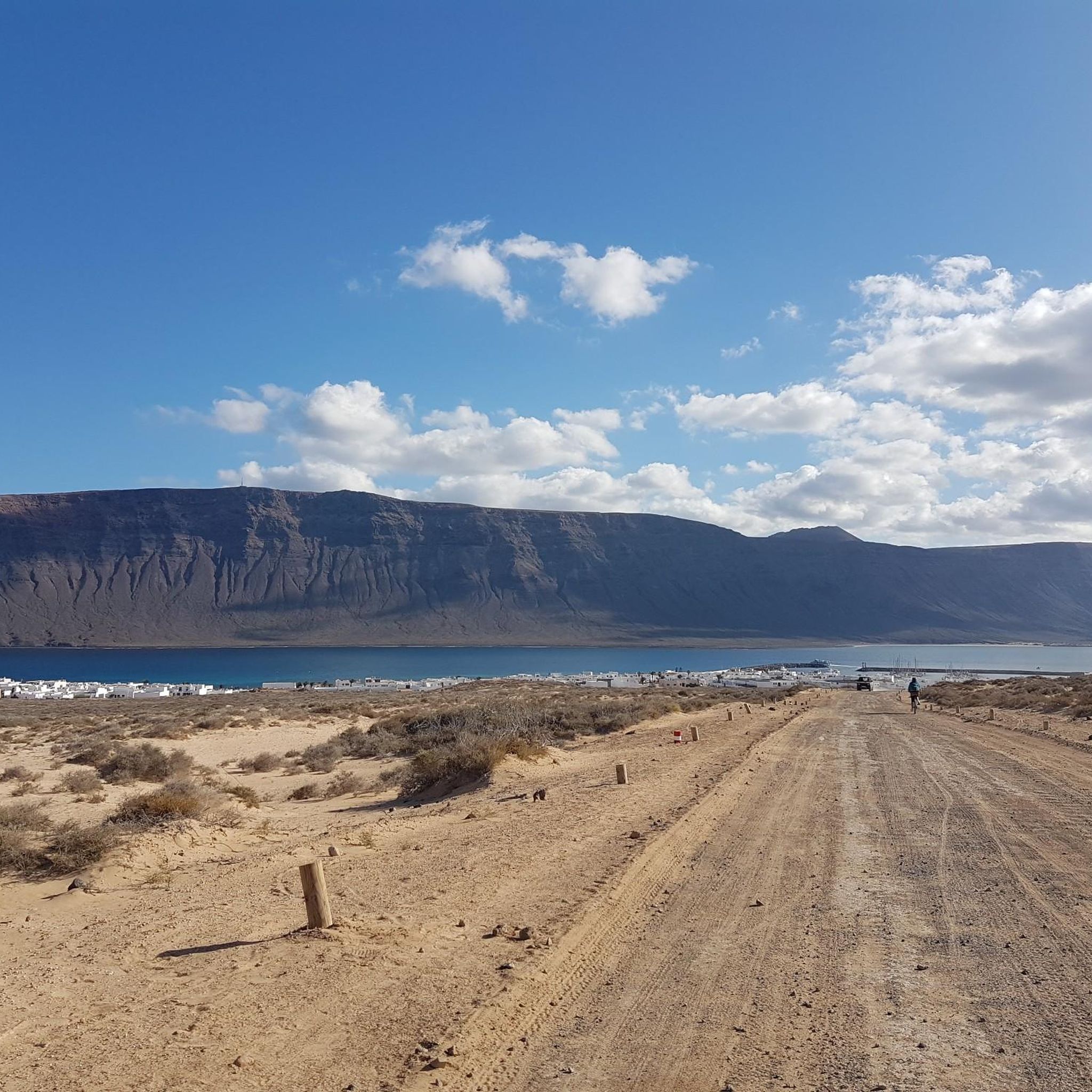
Road Cycling Routes in Archipiélago De Chinijo
Cycling in Archipiélago De Chinijo
MTB Trails in Archipiélago De Chinijo
Other adventures in Archipiélago De Chinijo


Tips from the Community

the largest town on the island with bike shops and restaurants
0
0
absolute dream beach and little visited
0
0

Because the weather is always great year-round, this is my 14th trip and I love it, and Playa de las Conchas on La Graciosa is the most beautiful and popular beach in the Canary Islands. That's true, but the walk there from the port is quite strenuous. However, once you know what awaits you, it's all forgotten. My tip if you want to try it: take the first ferry from Orzola (Lanzarote) to La Graciosa at 8:00 AM. You'll arrive there at 8:30 AM. Then go to one of the small supermarkets and get drinks, filled baguettes, etc., put them in your backpack, and off you go, always along the coast. You'll be surprised how peaceful the world can be because, apart from the waves and the wind, you hear nothing else. If that isn't relaxation, I don't know what is. If you also take a towel, you can lie down in one of the numerous bays on the way to Playa de las Conchas and linger for a while, enjoying the scenery, and then continue your walk. You won't be disappointed.
0
0


A short ferry ride of around 30 minutes for €28. This island is worth seeing.
1
0

Frequently Asked Questions
What unique natural features can I explore in Archipiélago De Chinijo?
The Archipiélago De Chinijo is renowned for its volcanic landscapes, including numerous cones and craters, which are approximately 10 million years old. It is also home to Europe's largest marine reserve, spanning 70,700 hectares, exceptionally rich in marine biodiversity. Additionally, the archipelago is a crucial breeding ground for seabirds and birds of prey, making it a Special Protection Area for Birds.
Which islands and islets make up the Archipiélago De Chinijo?
The archipelago consists of several notable islands and islets. The largest and only inhabited island is La Graciosa, featuring settlements like Caleta del Sebo and Pedro Barba. Other significant, uninhabited islands include Alegranza, known for its wild landscape and caldera, and Montaña Clara, which boasts the largest volcanic crater in the archipelago. Additionally, there are the remote and rugged islets of Roque del Este and Roque del Oeste (also known as Roque del Infierno).
Where can I find stunning panoramic views of the archipelago?
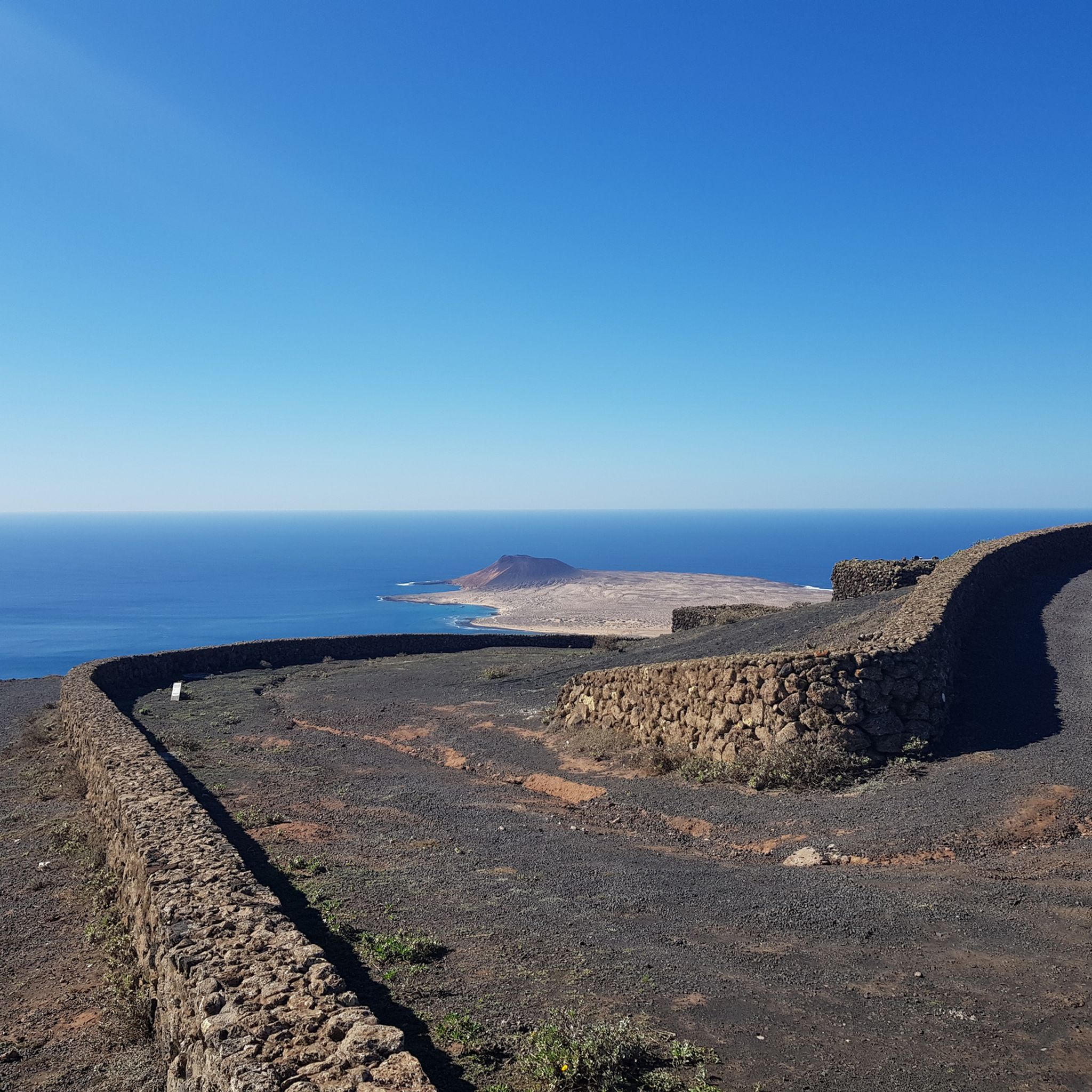
For breathtaking panoramic views, visit Mirador del Río on Lanzarote, designed by César Manrique, which offers spectacular vistas of the archipelago and the strait separating Lanzarote from La Graciosa. Another excellent spot is the Risco de Famara, a large cliff on Lanzarote's northern coast, providing expansive views of the entire Chinijo Archipelago.
Are there notable beaches in the Archipiélago De Chinijo?
Yes, the archipelago boasts several stunning beaches. On La Graciosa, Playa de las Conchas is a popular choice with clear sand and views of Montaña Clara, though currents can be strong. Other beautiful beaches on La Graciosa include Playa Ambar, Playa de la Francesa, and Playa Montaña Amarilla. On Lanzarote, you can find Famara Cove Beach, known for surfing and long walks, and the secluded Playa del Risco (Risco Beach), accessible via a challenging descent with views of La Graciosa.
What outdoor activities are popular in Archipiélago De Chinijo?
Visitors can enjoy a variety of outdoor activities. Popular options include sailing trips, exploring volcanic landscapes, bird watching, snorkeling, diving, hiking, and cycling. La Graciosa, in particular, is excellent for hiking and cycling due to its unpaved streets and tranquil atmosphere.
Are there hiking trails suitable for different skill levels in the archipelago?
Yes, there are hiking trails for various skill levels. For example, on La Graciosa, you can find moderate routes like 'La Graciosa – south coast to Montaña Amarilla' or more challenging ones such as 'La Graciosa – circular by the north of the island'. Easy hikes are also available, like 'Church of Caleta del Sebo – Ravine of the Rabbits loop'. You can find more details on hiking routes at Hiking in Archipiélago De Chinijo and Easy hikes in Archipiélago De Chinijo.
Can I go cycling in the Archipiélago De Chinijo?
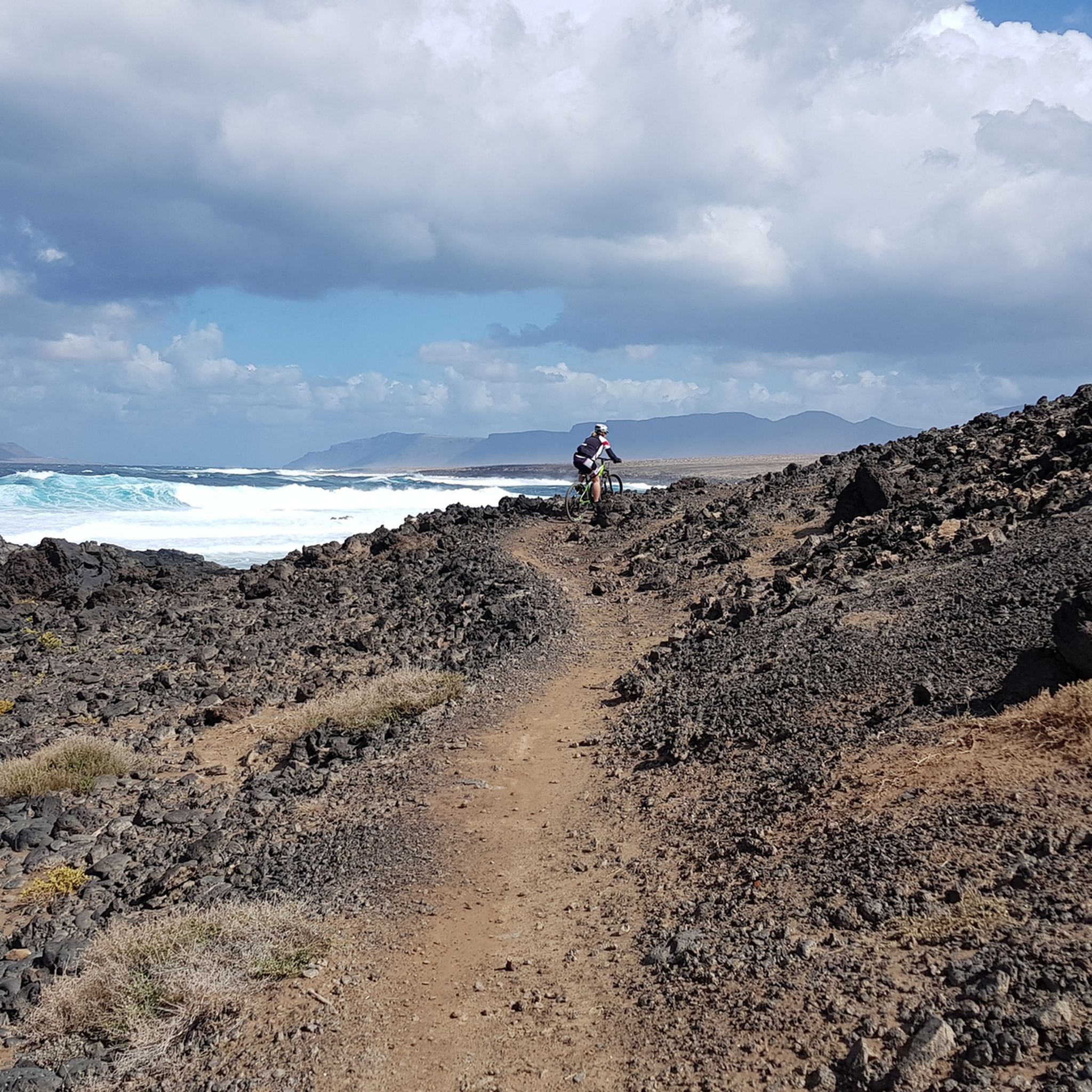
Cycling is a popular activity, especially on La Graciosa, where the unpaved streets and lack of motor vehicles create an ideal environment. There are various MTB trails available, such as 'Ruta del Coral y Ruta del Norte — circular por el Parque Natural del Archipiélago Chinijo' or 'Caleta del Sebo – Playa de Lambra loop'. For more cycling options, refer to MTB Trails in Archipiélago De Chinijo.
Is diving or snorkeling possible in the marine reserve?
Absolutely. The Archipiélago Chinijo Marine Reserve is Europe's largest and is exceptionally rich in marine biodiversity, making it an excellent spot for diving and snorkeling. You can encounter 234 species of fish, groupers, spiny lobsters, and limpets in its pristine waters. It's advisable to check for any specific permits required for diving in protected areas.
What is the best time of year to visit Archipiélago De Chinijo?
The Archipiélago De Chinijo enjoys a mild climate year-round, making it a suitable destination for most seasons. However, for outdoor activities like hiking, cycling, and enjoying the beaches, the spring (April-May) and autumn (September-October) months offer pleasant temperatures and fewer crowds. Summer can be warm, while winter remains mild.
Are there any permits required to visit certain islands or for activities?
Yes, some areas within the archipelago require prior permission. For instance, Montaña Clara is privately owned, and visitors need prior permission to visit. Similarly, Alegranza is uninhabited and protected, so access is restricted. It's also advisable to inquire about any specific permits needed for activities like diving within the marine reserve to ensure compliance with conservation regulations.
Are there family-friendly activities available in Archipiélago De Chinijo?
Yes, the archipelago offers several family-friendly options, particularly on La Graciosa. The main settlement of Caleta del Sebo is a quiet town with sandy streets, perfect for leisurely strolls. Many beaches, while some have strong currents, offer opportunities for sand play and enjoying the coastal scenery. Gentle cycling routes and exploring the unique volcanic landscapes can also be enjoyable for families.
What are the accommodation and dining options like in the archipelago?
The primary hub for accommodation and dining is Caleta del Sebo on La Graciosa. This charming village offers a selection of restaurants where you can enjoy local cuisine, as well as supermarkets for supplies. There are also accommodation options available in Caleta del Sebo and the smaller, picturesque village of Pedro Barba on La Graciosa, providing a tranquil base for exploring the archipelago.
How can I get around the Archipiélago De Chinijo, especially on La Graciosa?
Access to the archipelago is primarily by ferry from Órzola in Lanzarote to Caleta del Sebo on La Graciosa. On La Graciosa itself, motor vehicle access is limited to preserve its tranquil atmosphere. The best ways to get around are by walking, cycling (bike rentals are available in Caleta del Sebo), or using the island's limited taxi services. The unpaved streets make for a unique and peaceful travel experience.
Most popular routes in Archipiélago De Chinijo
Most popular attractions in Archipiélago De Chinijo

Get inspired with the komoot mobile app


Explore more
Still not found the Highlight you’re looking for? See guides of the top attractions in other regions:
