The best cycling routes in Peñón Del Zaframagón
4.9
(179)
1,096
riders
12
rides
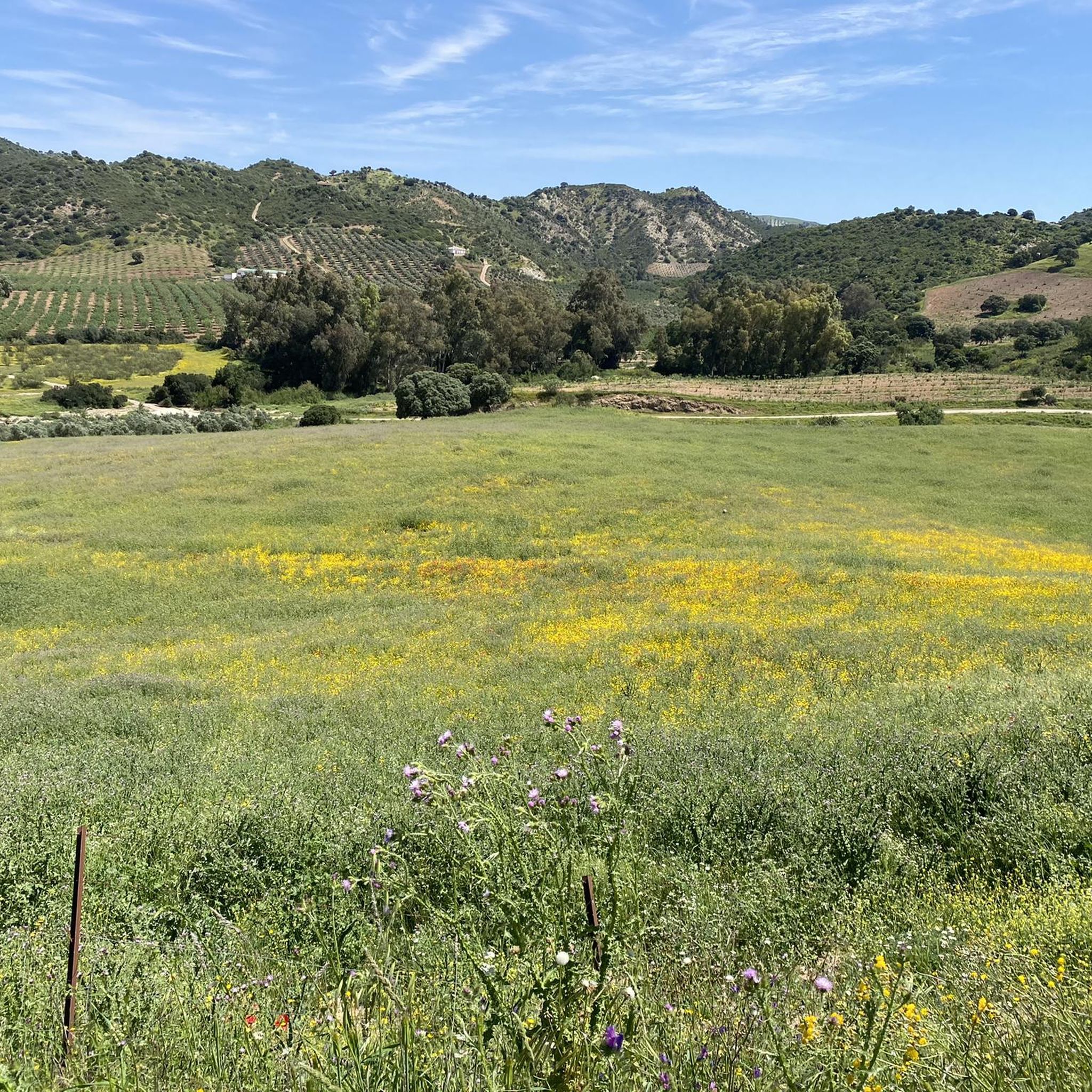
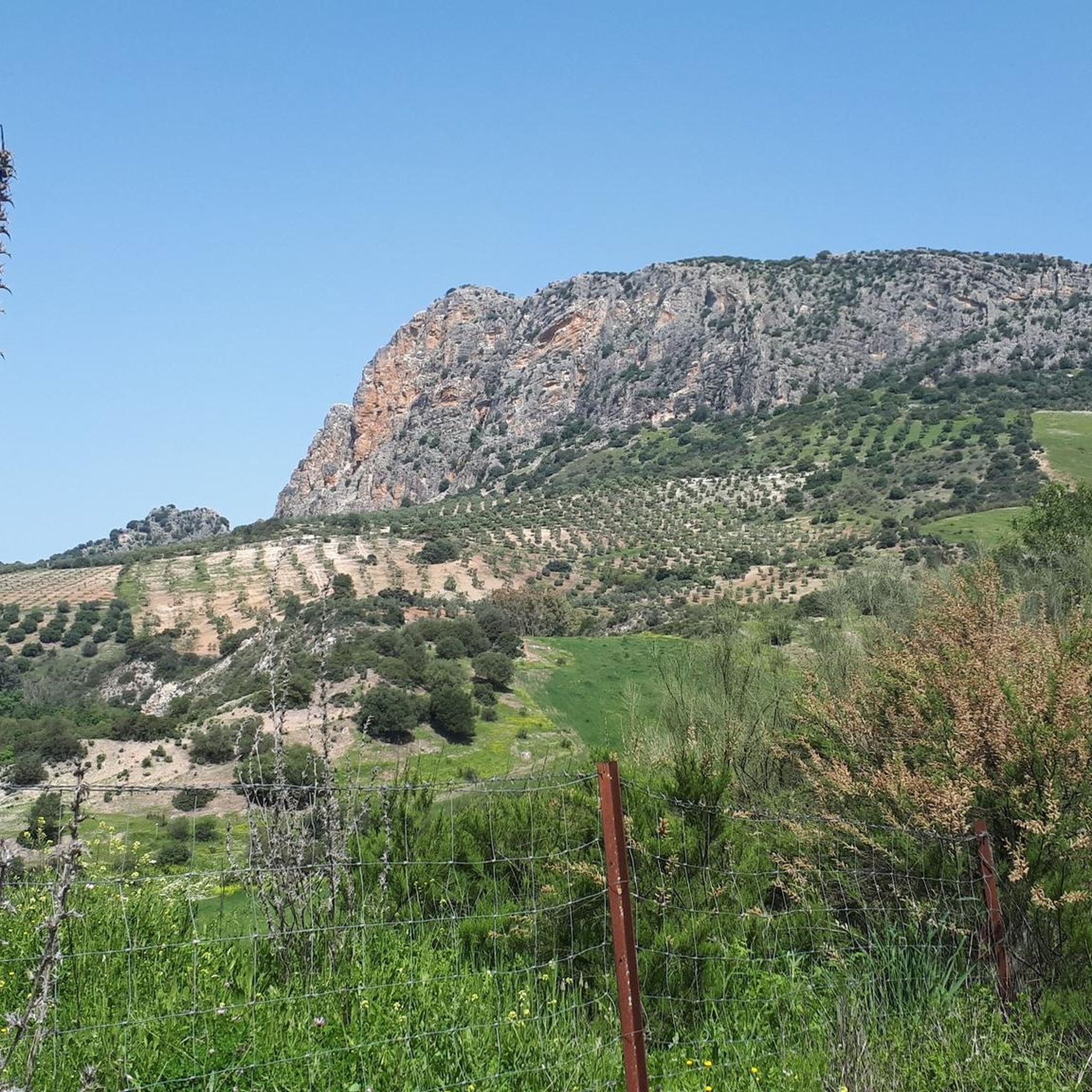
Touring cycling in Peñón Del Zaframagón is centered around the Vía Verde de la Sierra, a converted railway line offering a traffic-free path through the region's diverse landscapes. The area features a prominent 584-meter limestone crag, the Peñón de Zaframagón, and the Guadalporcún River carving through the El Estrechón gorge. This karstic topography includes numerous tunnels and viaducts, providing varied terrain for cyclists.
Best touring cycling routes in Peñón Del Zaframagón
- The most popular touring cycling route is La Colada…
Last updated: July 4, 2026
5.0
(2)
21
riders
16.8km
01:12
300m
300m
Moderate bike ride. Good fitness required. Mostly paved surfaces. Suitable for all skill levels.
9
riders
Moderate bike ride. Good fitness required. Mostly paved surfaces. Suitable for all skill levels.

Sign up for free
4.7
(27)
136
riders
34.8km
02:23
470m
470m
Hard bike ride. Very good fitness required. Mostly paved surfaces. Suitable for all skill levels.
4.9
(68)
323
riders
48.8km
03:24
780m
780m
Hard bike ride. Very good fitness required. Mostly paved surfaces. Suitable for all skill levels.
5.0
(5)
38
riders
32.2km
02:13
480m
480m
Hard bike ride. Very good fitness required. Mostly paved surfaces. Suitable for all skill levels.
Get access to more routes and recommendations from other explorers.
Sign up for free
Already have an account?
Our route recommendations are based on thousands of hikes, rides, and runs completed by other people on komoot.
Start today with a free account
Your next adventure awaits.
Login or Signup
Tips from the Community

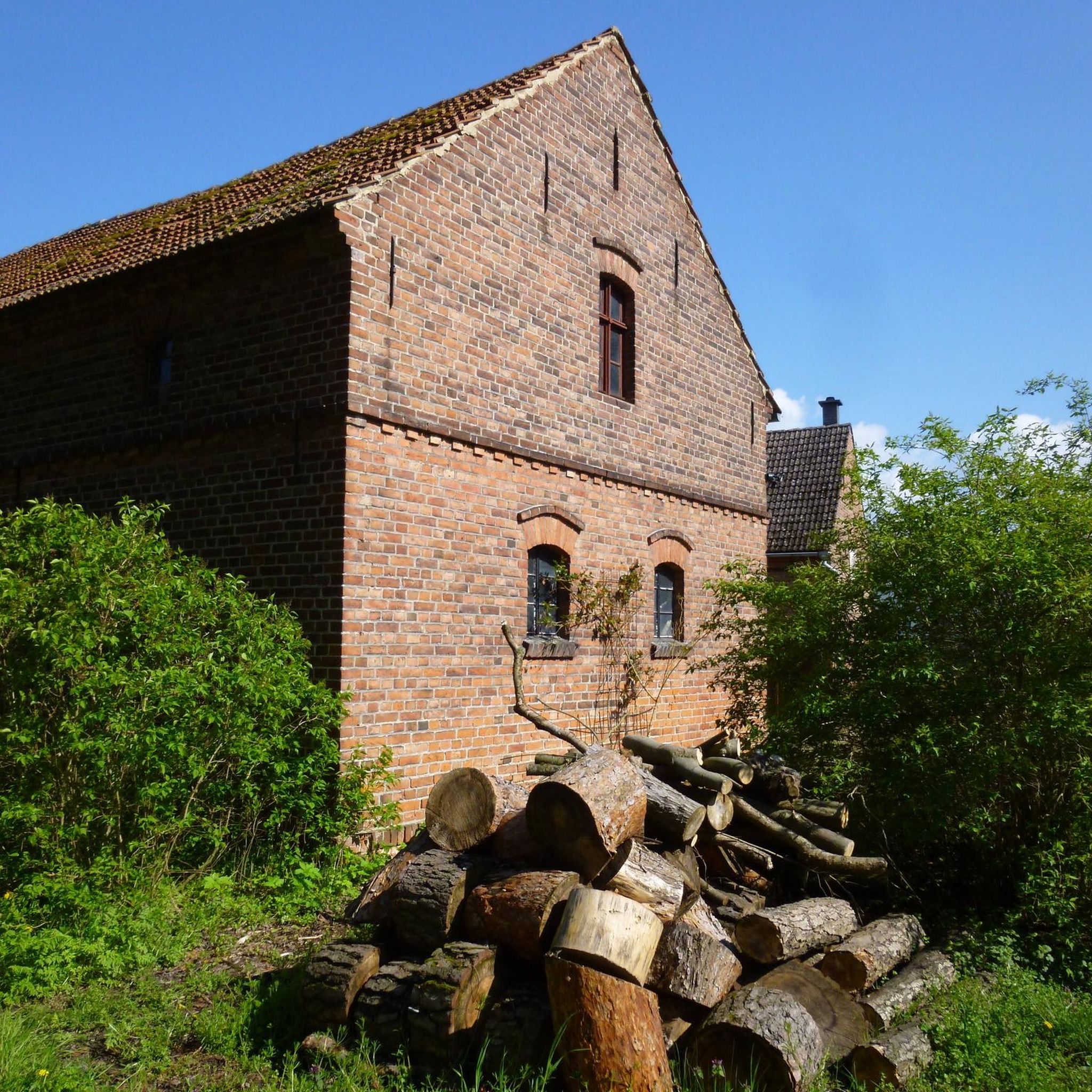
Railway Tunnel No. 1 of the Sierra Greenway Nature Trail. This tunnel crosses an outcrop of sandstone and marl to maintain the gradient of the railway line. This outcrop will be crossed by the following four tunnels. It is 170 meters long and is equipped with lighting; however, a flashlight is recommended. The tunnels in this railway section were constructed using shoring (supporting the excavation) with wooden beams and props, followed by formwork for the concrete slab that supports the tunnel. The tunnel entrance is finished with hewn limestone from a quarry located opposite Zaframagón.
8
0
Railway tunnel no. 2 of the Sierra Greenway Nature Trail. Located 560 meters from the previous tunnel, it is 60 meters long and has no artificial lighting, so a flashlight is recommended. This tunnel passes through an outcrop of marl and sandstone. The tunnels in this railway section were constructed using shoring (supporting the excavation) with wooden beams and props, followed by formwork for the concrete slab that supports the tunnel. The tunnel entrance is finished with hewn limestone from a quarry located opposite Zaframagón.
8
0
Railway Tunnel No. 3 of the Sierra Greenway Nature Trail. Located 505 meters from the previous tunnel, it is 70 meters long and has no artificial lighting, so a flashlight is recommended. This tunnel passes through an outcrop of marl and sandstone. The tunnels in this railway section were constructed using shoring (supporting the excavation) with wooden beams and props, followed by formwork for the concrete slab that supports the tunnel. The tunnel entrance is finished with hewn limestone from a quarry located opposite Zaframagón.
8
0
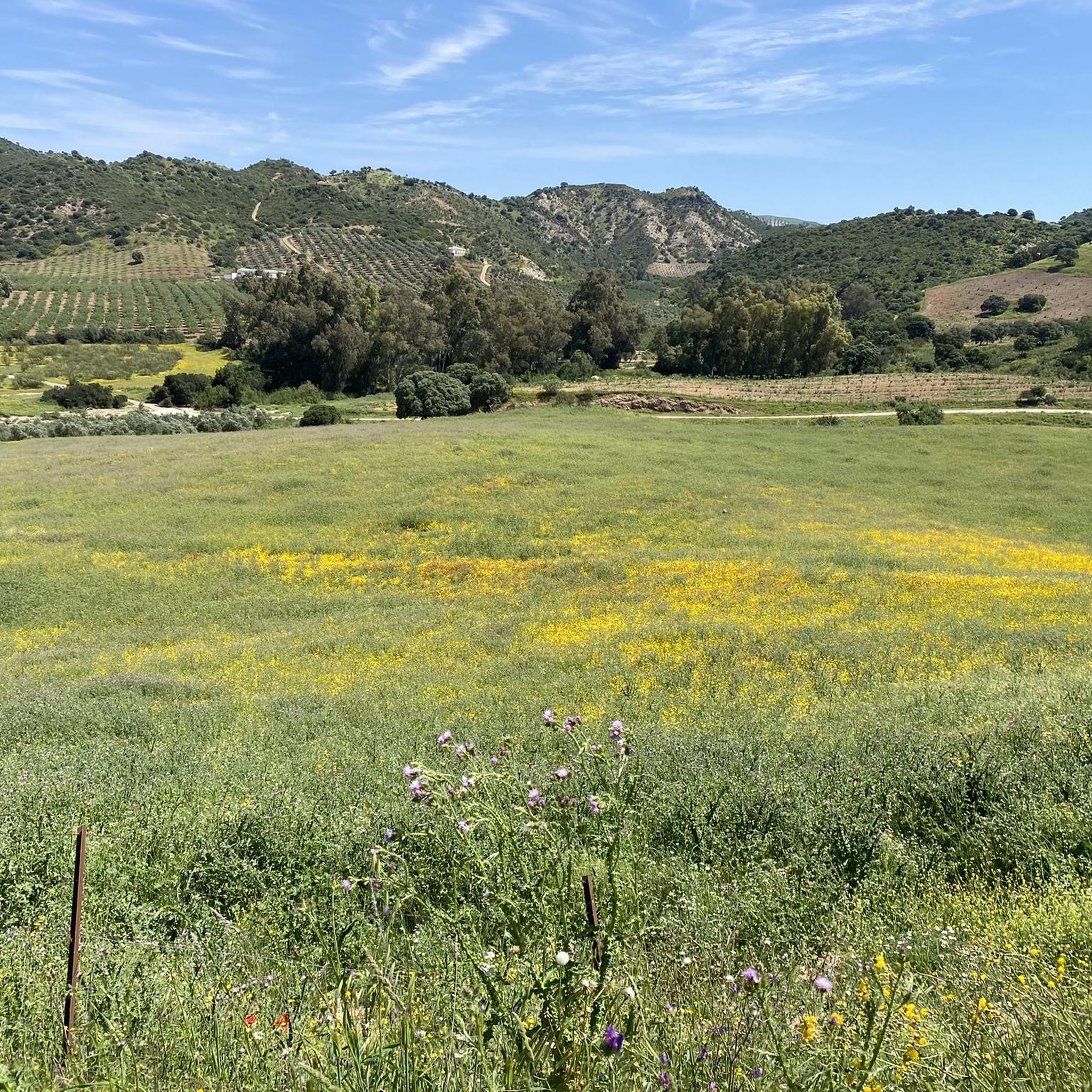
Now the highlight is right 👍; Picnic spot with beautiful panoramas.
8
0
Railway Tunnel No. 5 of the Sierra Greenway Nature Trail. Located 1,030 meters from the previous tunnel, it is 200 meters long and artificially lit; however, a flashlight is recommended. This tunnel crosses a hilly terrain of Triassic clays and sandstones (180 million years old), shaped by water. These are the dominant lithologies along much of the route. Half a kilometer before the tunnel entrance, the trail crosses the Cordel del Morón cattle trail, just 500 meters from the CA-9102 road that connects the town of Olvera with the Antequera A-384 road. This cattle trail will cross again along the trail at the junction of the Guadalporcún and Guadalete rivers.
7
0
Railway Tunnel No. 7 of the Sierra Greenway Nature Trail. Located 310 meters from the previous tunnel, it is 275 meters long and has artificial lighting; however, a flashlight is recommended. This tunnel is excavated in clay and sandstone. The tunnels in this railway section were constructed using shoring (supporting the excavation) with wooden beams and props, followed by formwork for the concrete slab that supports the tunnel. The tunnel entrance is finished with hewn limestone from a quarry located opposite Zaframagón.
7
0
Railway tunnel no. 11 of the Sierra Greenway Nature Trail. Located 2,258 meters from the previous tunnel, it is 42 meters long and has no artificial lighting, so a flashlight is recommended. This tunnel is excavated in clay and sandstone. The tunnels in this railway section were constructed using shoring (supporting the excavation) with wooden beams and props, followed by formwork for the concrete slab that supports the tunnel. The tunnel entrance is finished with hewn limestone from a quarry located opposite Zaframagón.
8
0
Railway tunnel no. 14 of the Sierra Greenway Nature Trail. Located 920 meters from the previous tunnel, it is 105 meters long and has no artificial lighting, so a flashlight is recommended. This tunnel is excavated in clay and sandstone.
7
0
Frequently Asked Questions
What types of touring cycling routes can I find in Peñón Del Zaframagón?
Peñón Del Zaframagón offers a variety of touring cycling routes, primarily centered around the Vía Verde de la Sierra. You'll find paths ranging from moderate to difficult, with options that include tunnels, viaducts, and scenic loops. There are 10 routes available, with 3 moderate and 7 difficult options to choose from.
Are there any family-friendly touring cycling routes in Peñón Del Zaframagón?
The Vía Verde de la Sierra, which forms the backbone of cycling in Peñón Del Zaframagón, is generally well-maintained and traffic-free, making it suitable for families. While specific 'easy' routes aren't listed, the moderate routes, such as the La Colada Tunnel – Olvera loop from Antigua estación de Navalagrulla, offer a good balance of distance and elevation for those with some cycling experience.
What are the main natural attractions to see while cycling in Peñón Del Zaframagón?
While cycling, you'll encounter several notable natural features. The most prominent is the Peñón de Zaframagón Nature Reserve itself, a striking limestone crag home to one of Europe's largest griffon vulture colonies. You'll also pass through the dramatic El Estrechón gorge carved by the Guadalporcún River, featuring vertical walls and small waterfalls. The Vía Verde also includes 30 tunnels and 4 viaducts, offering unique views of the karstic landscape.
Can I observe wildlife during my touring cycling trip?
Absolutely. The Peñón de Zaframagón Nature Reserve is renowned for its rich wildlife. The main highlight is the griffon vulture colony, which you can often spot soaring overhead. The area is also home to other birds of prey like Egyptian vultures and Bonelli's eagles, as well as mammals such as foxes, genets, and otters along the rivers.
Are there any circular touring cycling routes available?
Yes, many of the routes in Peñón Del Zaframagón are designed as loops. For example, the moderate Navalagrulla Station – Zaframagón Viaduct loop from Antigua estación de Navalagrulla offers a scenic circular ride. For a more challenging option, consider the difficult 🇪🇦Coripe Vulture Valley – Coripe loop from Coripe.
What is the best time of year to go touring cycling in Peñón Del Zaframagón?
The region generally offers pleasant cycling conditions for much of the year. Spring and autumn are ideal, with milder temperatures and lush landscapes. Summer can be warm, but the numerous tunnels along the Vía Verde provide cool respite. Winter is also an option, though it can be cooler and wetter.
What are some notable man-made structures or landmarks along the cycling routes?
The Vía Verde de la Sierra itself is a testament to engineering, incorporating 30 tunnels and 4 impressive viaducts from the old railway line. You'll cycle across structures like the Zaframagón Viaduct and the Bridge Over the Guadalporcún River, which are highlights in themselves.
What do other touring cyclists say about the routes in Peñón Del Zaframagón?
The touring cycling routes in Peñón Del Zaframagón are highly regarded by the komoot community, holding an average rating of 4.9 out of 5 stars from over 100 reviews. Cyclists frequently praise the unique experience of riding through tunnels and over viaducts, the stunning natural scenery, and the opportunity to spot griffon vultures.
Are there any particularly challenging touring cycling routes for experienced riders?
Yes, for experienced touring cyclists seeking a challenge, there are several difficult routes. The View of Rocky Mountain Peak – Zaframagón Viaduct loop from Coripe is a demanding option, covering over 60 km with significant elevation gain. Another difficult route is the Viaducto de Gillete – Viaducto de Los Azares loop from Coripe, which is nearly 35 km long.
Are there facilities like cafes or restaurants along the Vía Verde de la Sierra?
Yes, along the Vía Verde de la Sierra, particularly at the former railway stations in towns like Coripe, Olvera, and Puerto Serrano, you can find various services. These often include accommodation, restaurants, and cafes where you can refuel and rest during your ride.
Is the Vía Verde de la Sierra suitable for all types of touring bicycles?
The Vía Verde de la Sierra is generally well-maintained, with mostly paved surfaces, making it suitable for most touring bicycles. However, it's worth noting that some sections, like the Via Verde de la Sierra (90% gravel) highlight, indicate that parts of the route may have a gravel surface. A touring bike capable of handling light gravel would be ideal for the full experience.
How accessible is Peñón Del Zaframagón for cyclists using public transport?
While the Vía Verde de la Sierra is a converted railway line, direct train services to the trailheads are no longer available. However, various towns along the route, such as Olvera, Coripe, and Puerto Serrano, are accessible by bus services, which can often accommodate bicycles or have nearby bike rental facilities. It's advisable to check local bus schedules and bike transport policies in advance.
Most popular routes in Peñón Del Zaframagón
Most popular attractions in Peñón Del Zaframagón

Get inspired with the komoot mobile app


Explore more
Browse the best Cycling routes in other regions.
