The best road cycling routes in Peñón Del Zaframagón
4.3
(3)
134
riders
8
rides
Road cycling routes in Peñón Del Zaframagón traverse a landscape characterized by dramatic dolomitic limestone formations and deep gorges, such as El Estrechón. The region is notable for its karstic morphology, featuring steep walls and cliffs that rise above river valleys. A significant feature for cyclists is the Vía Verde de la Sierra, a paved greenway following a former railway line, offering traffic-free routes through varied terrain including olive groves and tunnels. This area provides a mix of challenging climbs…
Last updated: July 10, 2026
5.0
(1)
42
riders
51.1km
02:23
650m
650m
Moderate road ride. Good fitness required. Mostly well-paved surfaces and easy to ride.
22
riders
81.1km
04:27
1,680m
1,680m
Hard road ride. Very good fitness required. Mostly well-paved surfaces and easy to ride.

Sign up for free
3.0
(1)
10
riders
33.6km
01:41
490m
490m
Moderate road ride. Good fitness required. Mostly well-paved surfaces and easy to ride.
10
riders
50.7km
02:42
980m
980m
Hard road ride. Very good fitness required. Mostly well-paved surfaces and easy to ride.
3
riders
52.1km
02:55
1,000m
1,000m
Hard road ride. Very good fitness required. Mostly well-paved surfaces and easy to ride.
Get access to more routes and recommendations from other explorers.
Sign up for free
Already have an account?
Our route recommendations are based on thousands of hikes, rides, and runs completed by other people on komoot.
Start today with a free account
Your next adventure awaits.
Login or Signup
Popular around Peñón Del Zaframagón
Tips from the Community

The Parish of Our Lady of the Incarnation is one of Olvera's most iconic monuments, both for its imposing architecture and its historical and religious significance. It was commissioned by the Dukes of Osuna at the end of the 18th century and completed in 1843. It was built on the remains of an old Moorish mosque and a Gothic-Mudejar church, the apse of which is still preserved in the baptismal chapel. It has undergone several restorations, the most recent between 1994 and 1999, and again in 2010 after a fire damaged a processional image.
1
0

The Iglesia Parroquial de Nuestra Señora de la Encarnación in Olvera is the town's most striking church building and, together with the neighboring Moorish castle, dominates the town's panorama. It towers high above the historic Barrio de la Villa district and is visible from afar. The church was built in 1822 in the neoclassical style on the foundations of an earlier Renaissance church. This, in turn, stood on the site of a former Muslim mosque, as was common in many Andalusian towns. Construction dragged on for decades and was not completed until the end of the 19th century. The church is characterized by its monumental façade, flanked by two large towers. The building's style was inspired by the great cathedrals of Spain – unusually imposing for a town the size of Olvera.
0
1

I'm not familiar with this location. What I'm asking for is information about where the tour starts.
0
0

Puerto Serrano is a farming village located in a rolling rural area at the northwestern edge of the Sierra de Cádiz mountains. The town is situated just off the highway from Seville to Ronda, near the border with the province of Seville, but is easily overlooked by those heading to either city. Puerto Serrano, modern in appearance and with a population of about 7,000, is located near the Guadalete River and, to the south, a hill called Picacho.
8
0

Brief historical overview This castle surrounded the medieval city and was part of the defensive line of the Nazarene of Granada, built at the end of the 12th century by the Chetani over an Arab fortress after its reconquest by Alfonso XI after a stege in 1322 during the War of Granada Since the castle no longer has military importance, it serves to exercise defensive functions
5
0

The "ever-flowing source"😳🤗
0
1
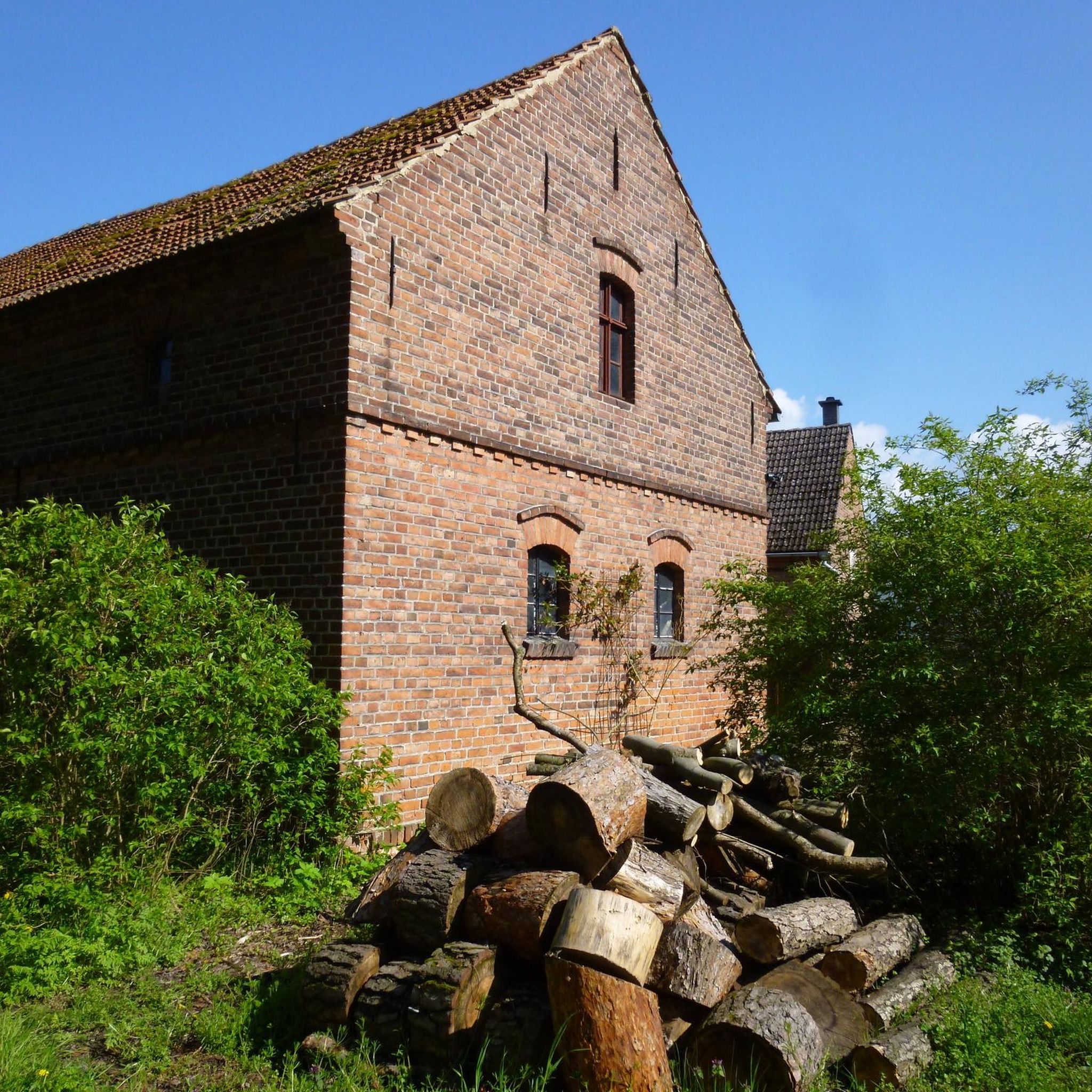
The Molino de Siré is a historic molino in Puerto Serrano, located in the Sierra de Cádiz. Originally built as a Carmelite convent in the 17th century, it was later converted into an oil and grain mill. The molino has a beautiful fachada with a large tower and a central square that has now been adapted to the function of the mill. The building has been recognised as a Site of Special Cultural Heritage by the Junta de Andalucía.
7
0

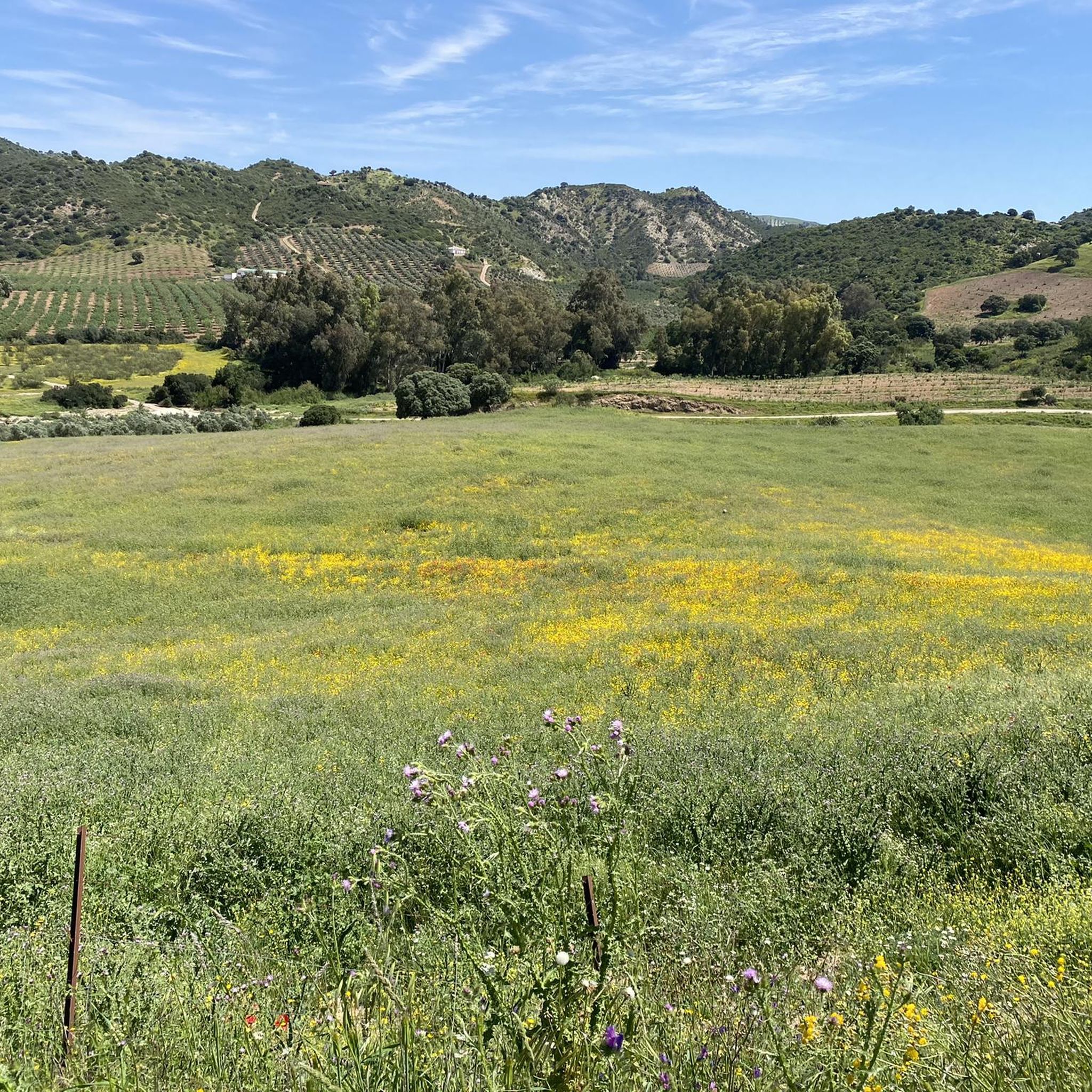
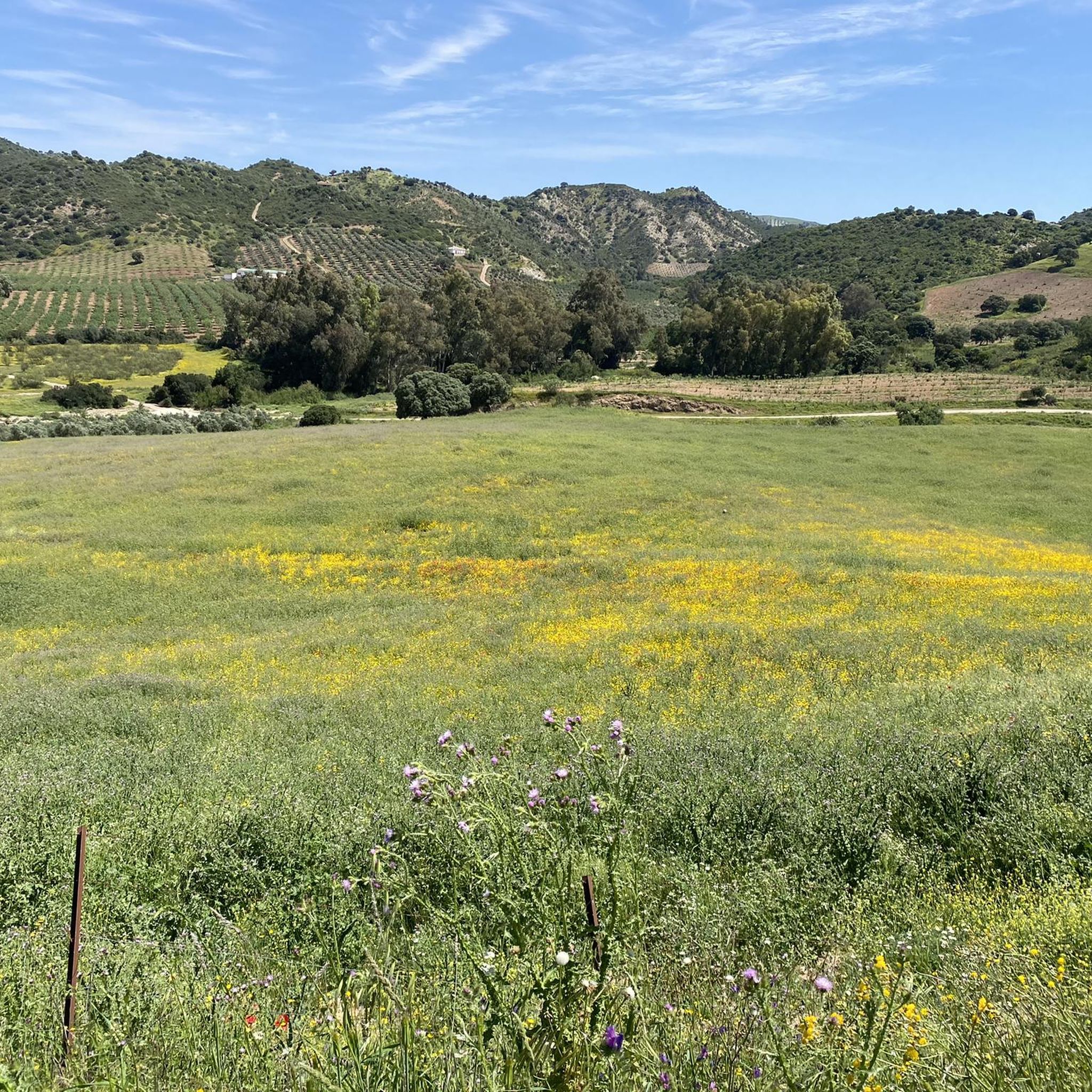
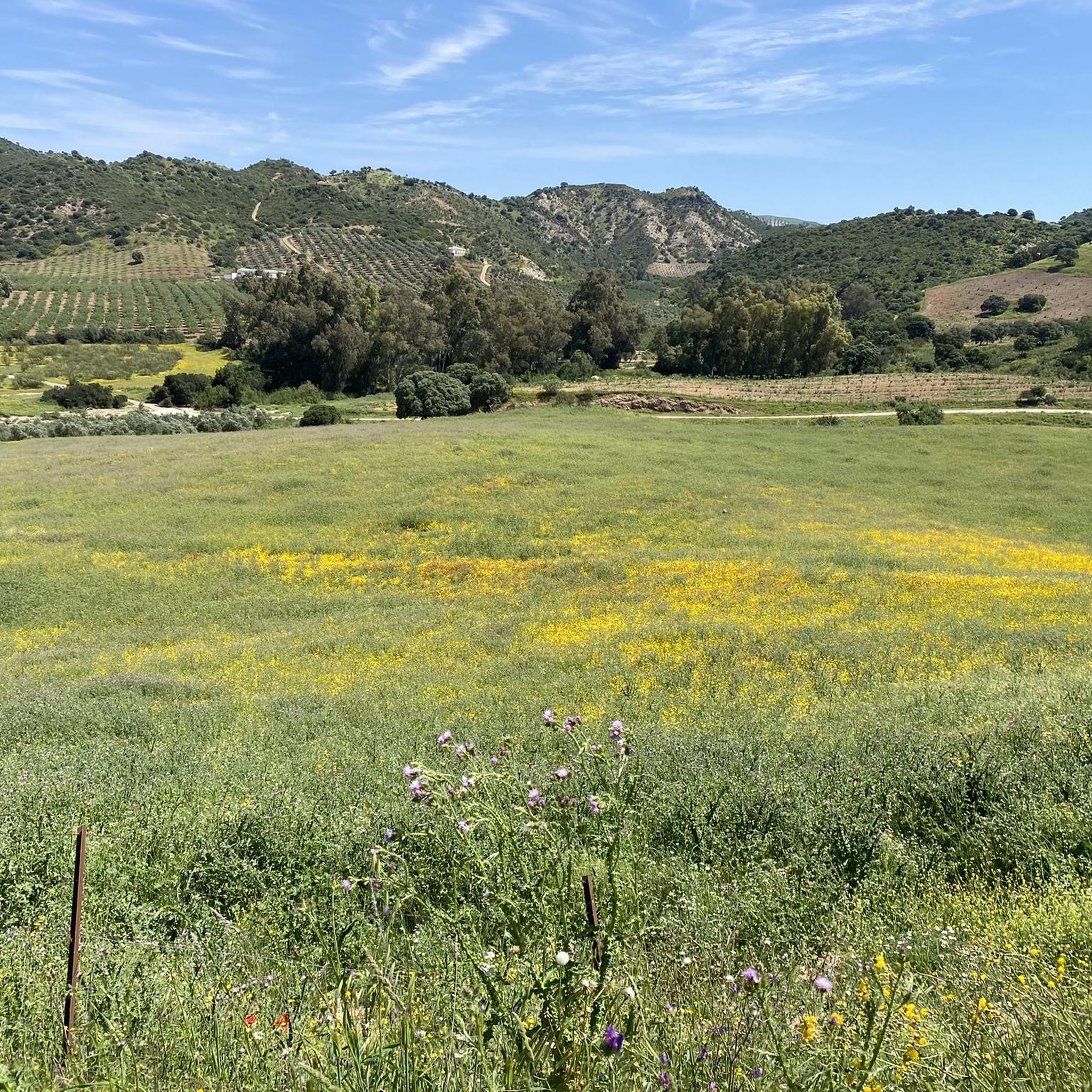
Picturesque road with a view of Zahara de la Sierra.
0
0
Frequently Asked Questions
What types of terrain can I expect on road cycling routes in Peñón Del Zaframagón?
Road cycling routes in Peñón Del Zaframagón feature a diverse landscape, from the smooth, traffic-free Vía Verde de la Sierra, which follows a former railway line, to more challenging climbs through dolomitic limestone formations. You'll encounter impressive geological features, steep walls, and cliffs, especially around the Peñón de Zaframagón itself, as well as picturesque olive groves and river valleys.
Are there routes suitable for beginners or families in Peñón Del Zaframagón?
Yes, the Vía Verde de la Sierra is an excellent option for beginners and families. This 36.5 km paved greenway offers a smooth, traffic-free experience with gentle gradients, making it accessible for all skill levels. It passes through tunnels and over viaducts, providing a unique and enjoyable ride.
What are some notable natural features or landmarks to see while cycling?
While cycling, you can experience the dramatic El Estrechón Gorge, carved by the Guadalporcún River, and the impressive Peñón de Zaframagón itself, a 584-meter-high dolomitic limestone mass. The Zaframagón Viaduct offers spectacular views over the ravine and the Peñón, and is an excellent spot for birdwatching. You can also visit the Zaframagón Interpretation Centre and Ornithological Observatory, located in the old Zaframagón station, to learn about the region's griffon vulture colony.
How difficult are the road cycling routes in Peñón Del Zaframagón?
The routes vary in difficulty. The Vía Verde de la Sierra offers accessible, paved sections suitable for all skill levels. However, other routes, such as the difficult Pass of the Doves – Zahara Reservoir loop from Coripe, feature significant elevation gains and challenging climbs, catering to more experienced cyclists. Overall, there are options ranging from moderate to difficult.
What is the best time of year to go road cycling in Peñón Del Zaframagón?
The region's climate makes it suitable for cycling for much of the year. The landscapes remain green and vibrant, especially after rain. Spring and autumn generally offer the most pleasant temperatures for road cycling, avoiding the peak heat of summer while still enjoying good weather.
Are there any specific viewpoints or scenic spots along the routes?
Absolutely. The Zaframagón Viaduct is a prime location, offering breathtaking panoramic views of the El Estrechón ravine and the Peñón de Zaframagón. Many sections of the Vía Verde de la Sierra also provide stunning vistas of the surrounding mountains, valleys, and olive groves.
Where can I park my car when planning a road cycling trip?
Parking is generally available in the towns along the Vía Verde de la Sierra, such as Olvera, Coripe, and Puerto Serrano. These towns serve as convenient starting points for many cycling routes in the area.
Can I spot any wildlife while road cycling in Peñón Del Zaframagón?
Yes, Peñón Del Zaframagón is globally significant for its wildlife. It hosts one of Europe's largest nesting colonies of griffon vultures, which you can often see soaring above the cliffs. The area is also home to other raptors like booted and Bonelli's eagles, Egyptian vultures, and eagle owls. Small mammals such as foxes, weasels, badgers, and otters can also be found in the streams.
What do other road cyclists enjoy most about road cycling in Peñón Del Zaframagón?
The area is highly rated by the komoot community, with an average score of 4.0 stars. Reviewers often praise the unique experience of cycling through old railway tunnels and over impressive viaducts on the Vía Verde de la Sierra, as well as the stunning natural beauty and the chance to observe griffon vultures.
Are there any road cycling routes that offer views of the Zahara Reservoir?
Yes, the difficult Pass of the Doves – Zahara Reservoir loop from Coripe is a 79.5 km path that features significant elevation gain and provides views towards the Zahara Reservoir, offering a rewarding experience for advanced cyclists.
How many road cycling routes are available in Peñón Del Zaframagón?
There are several road cycling routes available in Peñón Del Zaframagón, with komoot featuring 5 distinct routes. These include options like the moderate Coripe – Towards Coripe loop from Coripe and the challenging Puerto del Castaño – View of Zahara de la Sierra loop from Coripe.
Most popular routes in Peñón Del Zaframagón
Most popular attractions in Peñón Del Zaframagón

Get inspired with the komoot mobile app


Explore more
Browse the best Road cycling routes in other regions.
