The best cycling routes in Bajo Guadalquivir
4.3
(1549)
14,736
riders
651
rides
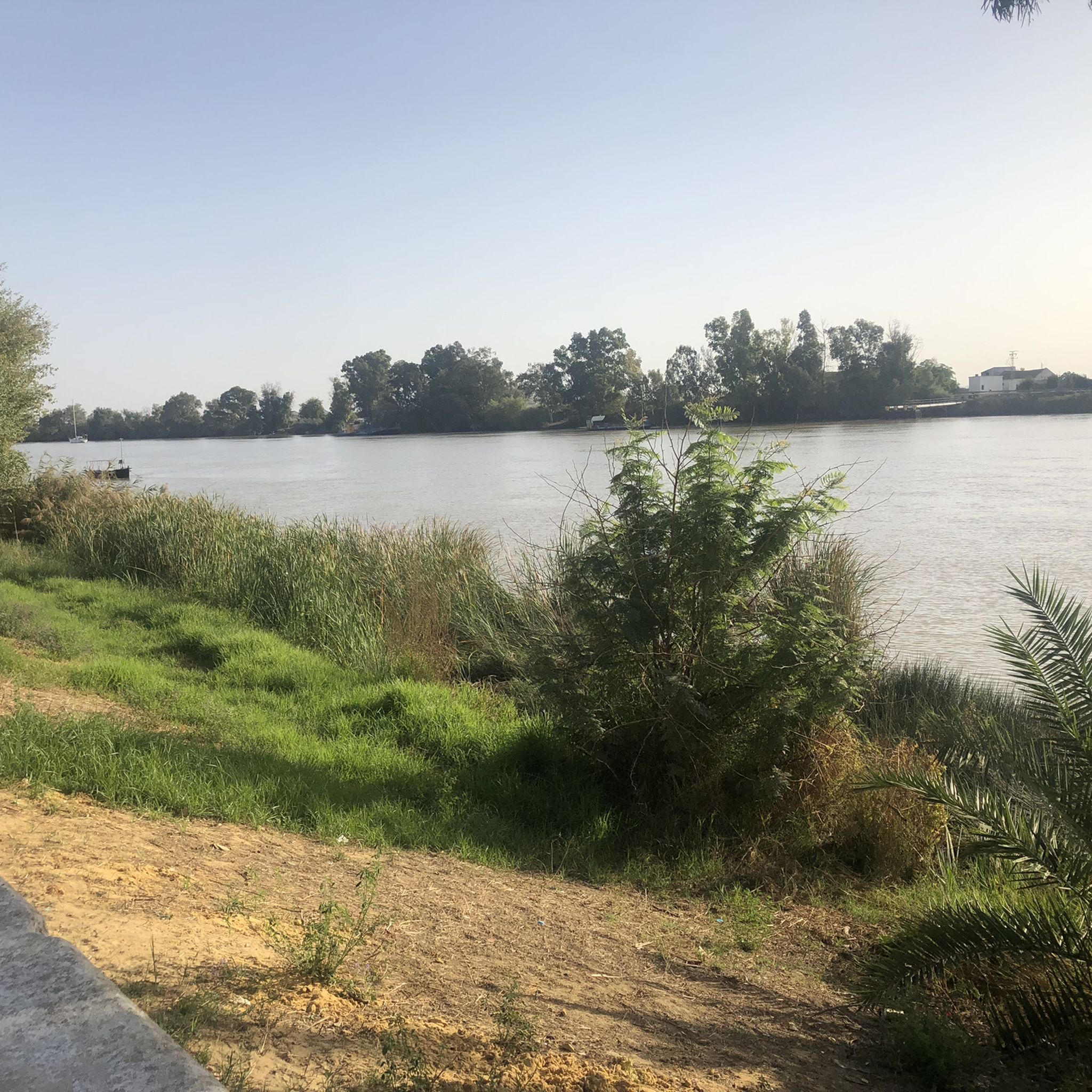
Touring cycling in Bajo Guadalquivir is characterized by its predominantly flat terrain, shaped by the Guadalquivir River and its extensive marshlands. The landscape features vast agricultural lands, including rice fields and vineyards, offering open country routes. Cyclists can also find riparian vegetation along riverbanks and connect to the peripheral conservation areas of Doñana Natural Area. This region provides accessible routes through unique marshland and agricultural landscapes.
Best touring cycling routes in Bajo Guadalquivir
- The most popular touring cycling route is…
Last updated: October 14, 2026
2.9
(13)
34
riders
Easy bike ride. Great for any fitness level. Mostly paved surfaces. Suitable for all skill levels.
4.8
(15)
81
riders
Easy bike ride. Great for any fitness level. Mostly paved surfaces. Suitable for all skill levels.

5.0
(3)
86
riders
34.7km
02:44
170m
170m
Moderate bike ride. Good fitness required. Mostly paved surfaces. Suitable for all skill levels.
5.0
(1)
81
riders
70.8km
06:08
550m
550m
Hard bike ride. Very good fitness required. Mostly paved surfaces. Suitable for all skill levels.
4.4
(14)
97
riders
18.9km
01:10
50m
50m
Easy bike ride. Great for any fitness level. Mostly paved surfaces. Suitable for all skill levels.
Get access to more routes and recommendations from other explorers.
Already have an account?
Our route recommendations are based on thousands of hikes, rides, and runs completed by other people on komoot.
Start today with a free account
Your next adventure awaits.
Other adventures in Bajo Guadalquivir

Tips from the Community

Nice recommendable bar
0
0

The Barqueta Bridge spans the Guadalquivir River. It is one of the main access routes to the northern part of Isla de la Cartuja and is located near the Science and Technology Park, as well as the Isla Mágica theme park. It connects La Cartuja with La Resolana and with the old town near the Monastery of San Clemente.
1
0
The hotel was built between 1916 and 1928 on the orders of the King of Spain Alfonso XIII, to offer luxurious accommodation for the 1929 Ibero-American Exposition.
2
0
The building was constructed in 1682 outside the city walls of that time. Initially, the building served as a maritime school for the training of orphans (Universidad de Mareantes).
2
0

It is better to walk on the sidewalk that overlooks the Centenario Bridge that leads to Tablada and not next to the Fair
1
0

It's worth the short kilometer walk from the main excavation site. The site has already been seriously damaged since its restoration, and aside from taking a picture from above, there are no other options... But whatever. 😉
0
0

Seville Cathedral, also known as the Cathedral of Saint Mary of the See, is one of the largest Gothic cathedrals in the world. Built on the site of a former mosque, its construction began in 1401 and was completed in 1507. Some highlights include: La Giralda: The bell tower, originally a minaret of the mosque, is one of Seville's most recognizable symbols. Royal Chapel: Houses the remains of several monarchs, including Ferdinand III of Castile. Main Altarpiece: Considered one of the largest altarpieces in Christendom, with an impressive collection of sculptures and reliefs. The cathedral also houses a rich art collection, including works by Murillo and Goya.
15
0

The Torre Abdel Aziz is a historic tower in Seville, Spain, built during the Almohad period. The tower has a unique hexagonal shape and is located at the intersection of Avenida de la Constitución and Calle Santo Tomás. The tower is named after the emir Abd al-Aziz ibn Musa, who ruled Seville from 714 to 719. An interesting tradition is that the flag of San Fernando was first raised at this location after the conquest of Seville in 1248. The tower is part of the old city walls and was originally connected to the Torre de la Plata and the Real Alcázar.
8
0
Frequently Asked Questions
How many touring cycling routes are available in Bajo Guadalquivir?
Bajo Guadalquivir offers a wide selection of touring cycling routes, with over 600 options available on komoot. These routes cater to various skill levels, including over 220 easy routes, more than 310 moderate routes, and around 70 more challenging tours.
What is the general terrain like for touring cycling in Bajo Guadalquivir?
The terrain in Bajo Guadalquivir is predominantly flat, shaped by the Guadalquivir River and its extensive marshlands. You'll cycle through vast agricultural areas, including rice fields and vineyards, offering open country routes. Riverbanks often feature lush riparian vegetation, and some areas slightly further from the river may present gently rolling hills and olive orchards, adding variety to your rides.
Are there easy touring cycling routes suitable for beginners or families?
Yes, Bajo Guadalquivir is ideal for beginners and families due to its generally flat topography. There are over 220 easy routes available. A great option is the Alcala del Rio from Seville – circular via La Algaba and La Rinconada, an easy 21.0-mile (33.7 km) trail traversing flat agricultural areas.
What kind of natural features and landmarks can I expect to see along the cycling routes?
Cycling routes in Bajo Guadalquivir offer diverse sights. You'll encounter the expansive Guadalquivir River and its marshlands, which are excellent for birdwatching. Key landmarks include the Bridge over the Guadalquivir River and the San Juan Bridge. You can also explore the Doñana Marshes and cycle along the Carlos De Mesa Promenade.
Are there circular touring cycling routes available?
Yes, many touring cycling routes in Bajo Guadalquivir are designed as circular loops, allowing you to start and end at the same point. An example is the Alcala del Rio from Seville – circular via La Algaba and La Rinconada, which offers a convenient loop through agricultural areas.
What do other touring cyclists enjoy most about cycling in Bajo Guadalquivir?
The area is highly rated by the komoot community, with an average score of 4.3 stars from over 1,100 reviews. Reviewers often praise the region's flat and accessible terrain, the unique marshland and agricultural landscapes, and the opportunities for birdwatching. The blend of natural beauty with cultural towns also receives high marks.
Can I access touring cycling routes using public transport?
Many routes in Bajo Guadalquivir are accessible via public transport, particularly those starting from larger towns like Seville. Seville is a common starting point and is well-connected, allowing cyclists to reach various trailheads. It's advisable to check local public transport options for specific route starting points.
Are there any routes that combine urban cycling with natural landscapes?
Absolutely. Routes like the Tower of Gold – Plaza de España, Seville loop from Estadio Olímpico offer a fantastic blend of urban cycling through Seville's cultural landmarks and scenic riverside sections, allowing you to experience both the city's vibrancy and the tranquility of the Guadalquivir.
What is the best time of year to go touring cycling in Bajo Guadalquivir?
The generally mild climate of Bajo Guadalquivir makes it suitable for cycling for much of the year. Spring (March to May) and autumn (September to November) are particularly pleasant, offering comfortable temperatures and often vibrant landscapes. Summers can be very hot, so early morning or late afternoon rides are recommended if visiting during this season.
Are there dedicated cycling paths or greenways in the region?
Yes, the region benefits from purpose-built bikeways, green trails, and abandoned railway lines converted into Vías Verdes (Greenways), facilitating safe and pleasant cycling. A dedicated cycling lane often runs parallel to the Guadalquivir River, connecting with the Seville Greenway, providing excellent infrastructure for touring cyclists.
Are there any routes that explore the Green Corridor of Seville?
Yes, you can explore the Green Corridor of Seville on a touring bike. The San Juan Bridge – Green Corridor of Seville loop from San Juan Bajo is a 26.8-mile (43.2 km) trail that leads through these green spaces and dedicated cycling paths, offering a refreshing ride.
What kind of cultural experiences can I find along the cycling routes?
Cycling routes frequently link charming historical towns and villages, offering cultural immersion alongside natural beauty. You can visit places like Seville, Los Palacios y Villafranca, Las Cabezas de San Juan, and Lebrija. These towns provide opportunities to experience local gastronomy, artisan workshops, and even flamenco traditions, enriching your cycling tour.
Most popular routes in Bajo Guadalquivir
Most popular attractions in Bajo Guadalquivir

Get inspired with the komoot mobile app


Explore more
Browse the best Cycling routes in other regions.
