Attractions and Places To See in Baixa Limia - Top 11
Best attractions and places to see in Baixa Limia include a diverse landscape within the Baixa Limia-Serra do Xurés Natural Park, which forms part of a cross-border biosphere reserve. This region in southern Ourense, Galicia, Spain, features significant natural beauty with granite formations and diverse flora. It also offers rich historical landmarks, including impressive Roman archaeological remains and ancient megalithic monuments. The area is known for its ecological importance and cultural heritage.
Best attractions and places to see in Baixa…
Last updated: October 17, 2026
Dolmen of Casola do Foxo
Highlight • Historical Site
Translated by Google •
Tip by

Corgo da Fecha Waterfall
Highlight • Waterfall
In the rainy season, the water descends forcefully to the Caldo River.
Translated by Google •
Tip by

Sign up now to discover places like this
Get recommendations on the best single tracks, peaks, & plenty of other exciting outdoor places.
Corga da Fecha Natural Pool
Highlight • Natural
You will need to climb some rocks to reach the top of the waterfall that leads to the pool.
Translated by Google •
Tip by
Rocky riverside trail at Portela do Homem
Highlight (Segment) • Trail
Translated by Google •
Tip by

Rio Salas Bridge
Highlight • Bridge
Tip by

Sign up for free to discover even more attractions in Baixa Limia.
Already have an account?
Start today with a free account
Your next adventure awaits.
Tips from the Community

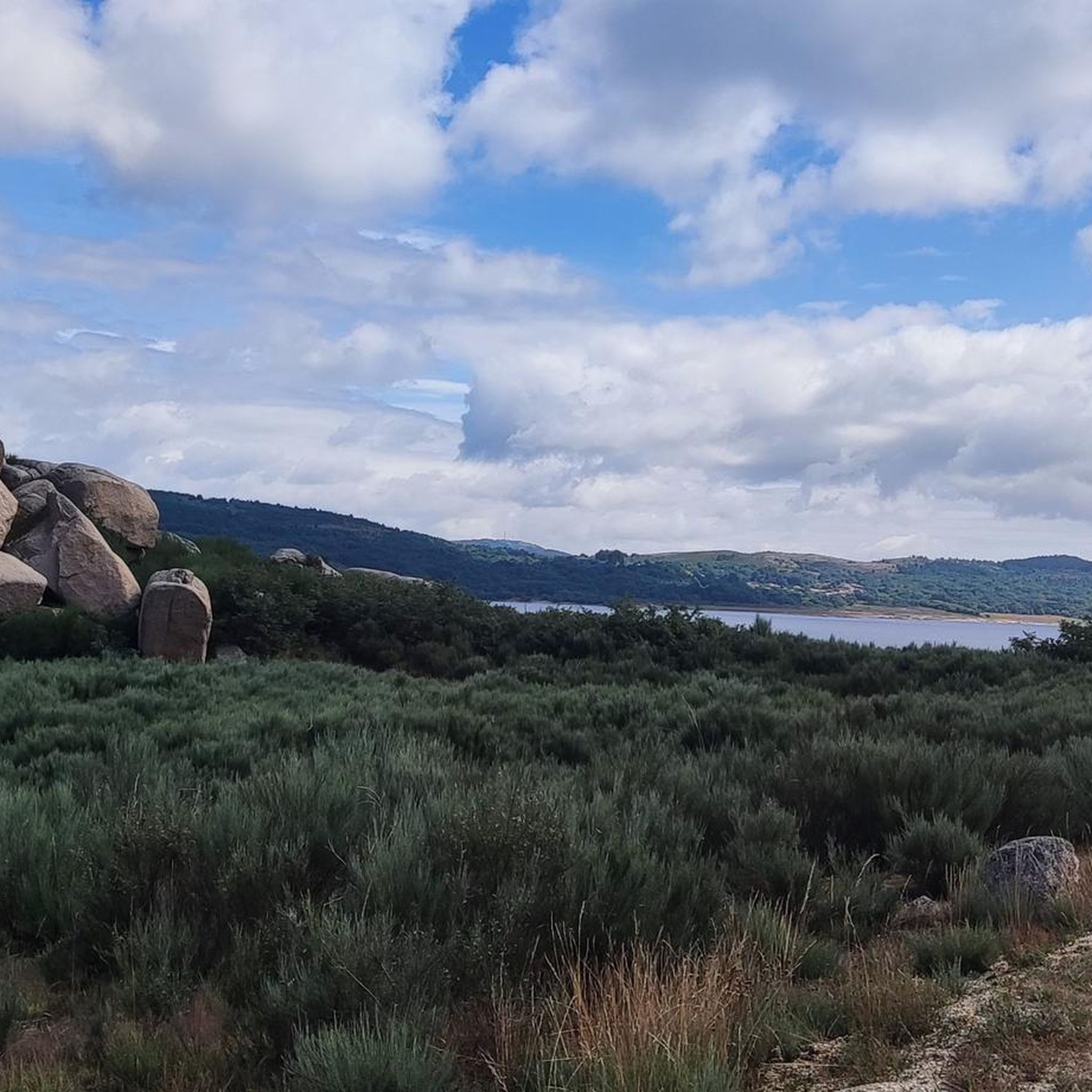
There is a beautiful landscape nearby to enjoy.
0
0

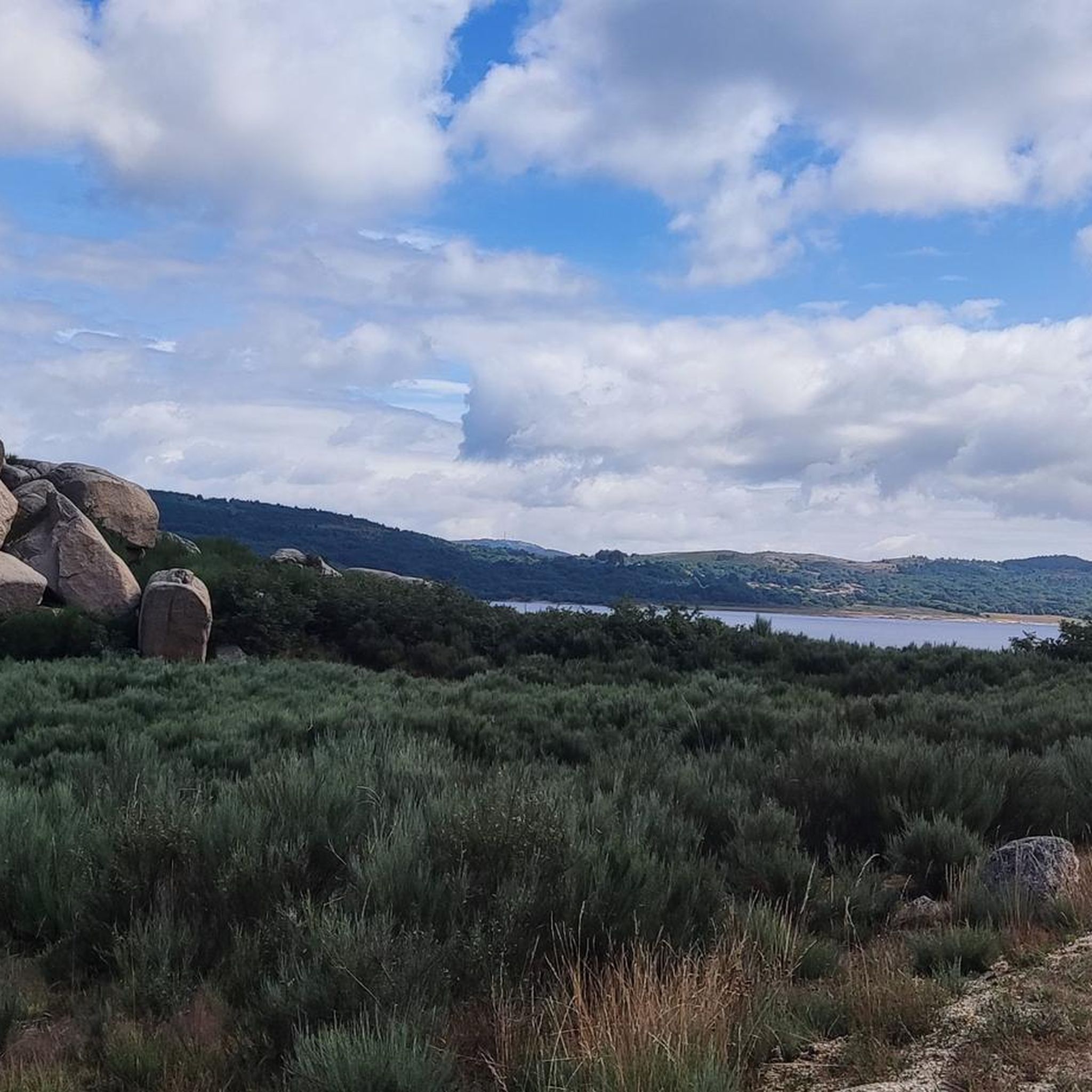
The bridge stands out for its integration into the natural environment, crossing the reservoir that is fed by the Salas River. It is an important route for both local traffic and visitors moving around the Encoro de Salas Park, facilitating access to the hiking trails and recreational areas surrounding the reservoir. The combination of the bridge with the reservoir and the surrounding mountainous landscape makes it a visually attractive spot for nature and photography lovers.
0
0
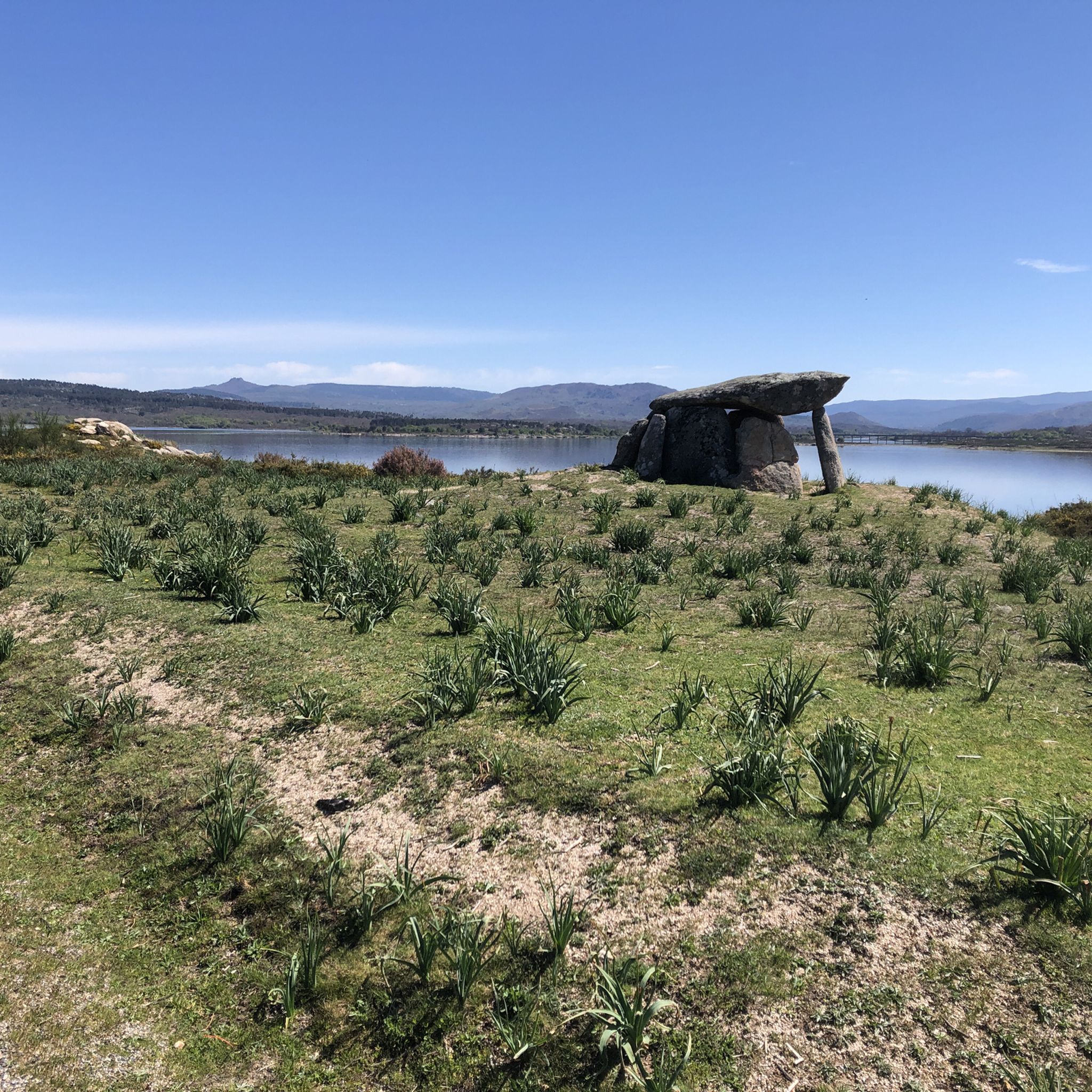
It has a burial chamber with approximate dimensions of 3.5 metres long, 2 metres wide and a height of up to 2 metres. The stones that form it, known as orthostats, can reach an estimated weight of between 500 and 1,500 kilograms each, depending on their size and thickness. These large granite slabs, typical of dolmens, were carefully placed by Neolithic communities as collective funerary monuments, reflecting the effort and ritual importance of the place.
1
0
Dating back to the Neolithic period (approximately between 4,000 and 3,000 BC), this dolmen, made up of large stone slabs arranged vertically and covered by a top slab, served as a collective tomb. It is one of the most representative examples of prehistoric funerary architecture in the region.
1
0

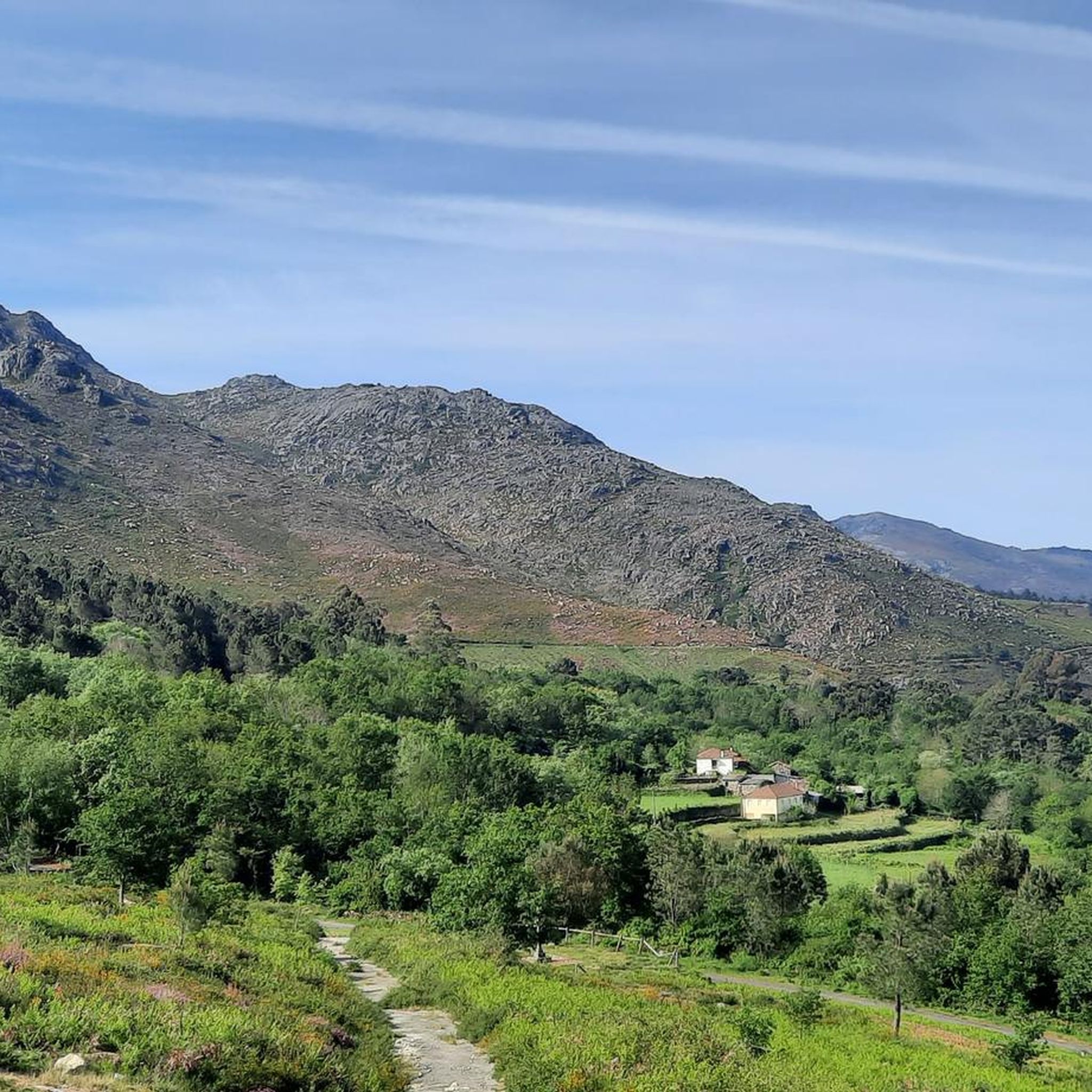
don't go off track
0
2

Bridge over the encoro de Salas pass very close to the border between Spain and Portugal. At both ends of the bridge are directional signs to various historical sites located around the hall.
1
0
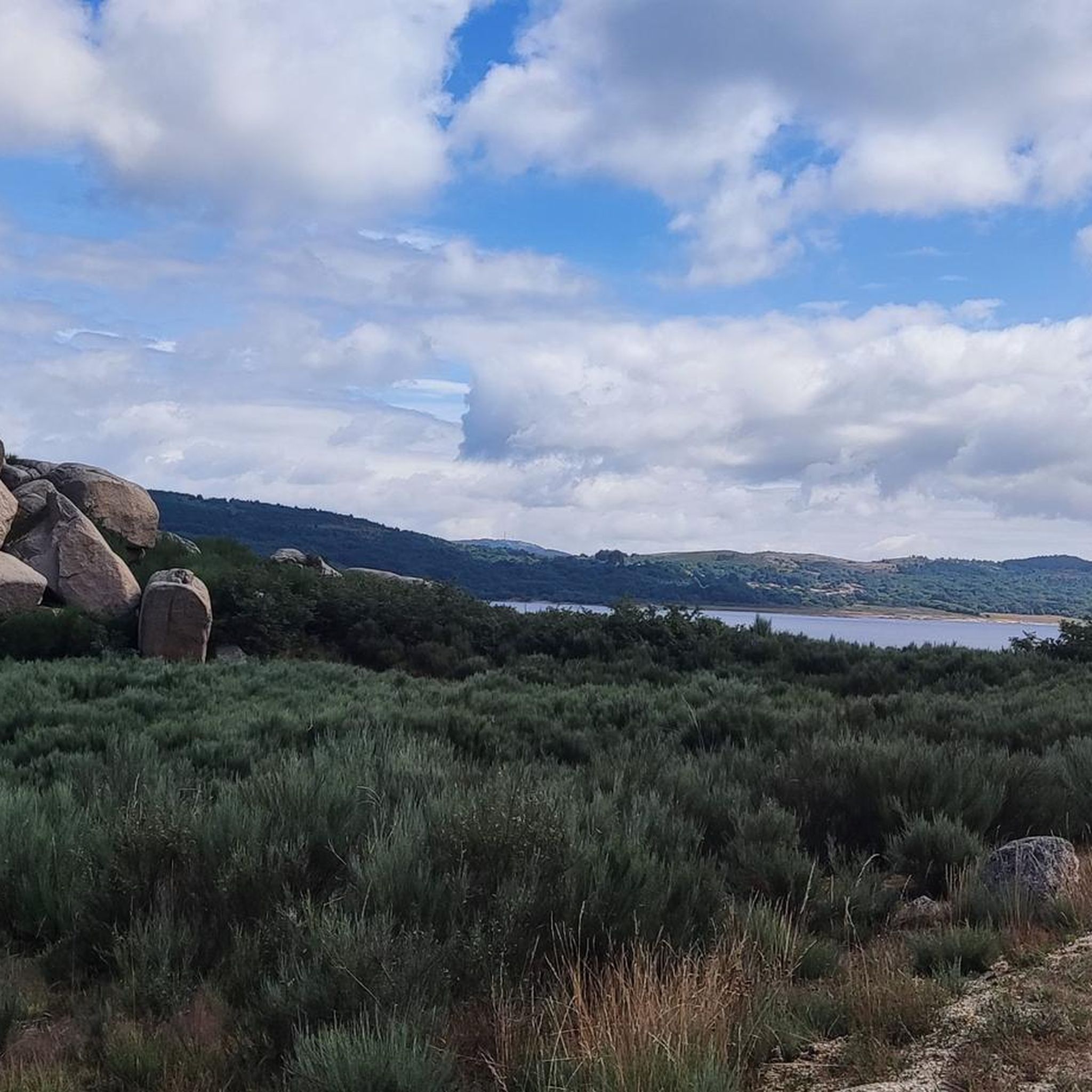
Man-made rock formation used for centuries to trap wolves in the mountains. A deep pit was created inside to trap the wolves.
2
0
Frequently Asked Questions
What natural attractions can I explore in Baixa Limia?
Baixa Limia is home to the extensive Baixa Limia-Serra do Xurés Natural Park, which is part of a cross-border biosphere reserve. Within the park, you can discover impressive waterfalls like the Corgo da Fecha Waterfall, especially powerful during the rainy season, and the serene Corga da Fecha Natural Pool with its crystalline waters. The region also features scenic reservoirs like Lindoso and Salas, offering beautiful landscapes.
What historical and cultural sites are worth visiting in Baixa Limia?
The region boasts a rich history, with significant Roman archaeological remains such as Aquis Querquennis, a Roman camp and *mansio viaria* near the As Conchas reservoir, and the ancient Roman Caldaria of Bande hot springs. You can also visit the megalithic Dolmen of Casola do Foxo, a Neolithic burial site, and the pre-Romanesque church of Santa Comba de Bande. The unique historical territory of Couto Mixto, which functioned as an independent entity, also offers a fascinating glimpse into the past.
Are there good hiking opportunities in Baixa Limia?
Yes, the Baixa Limia-Serra do Xurés Natural Park is an excellent destination for hiking. You can find routes that lead to natural wonders like the Corgo da Fecha Waterfall or explore the Rocky riverside trail at Portela do Homem, located right on the border with Portugal along an ancient Roman road. For more detailed routes, you can explore the various running trails in Baixa Limia, many of which are suitable for hiking.
What kind of cycling routes can I find in Baixa Limia?
Baixa Limia offers diverse cycling opportunities, from touring to road cycling. You can find routes that take you past historical sites like the Dolmen of Casola do Foxo or along scenic paths near the Río Caldo Hot Springs. Explore cycling routes in Baixa Limia for touring bikes or check out road cycling routes for more challenging rides, often featuring significant elevation changes.
What is the best time of year to visit Baixa Limia?
The best time to visit Baixa Limia largely depends on your planned activities. For hiking and outdoor exploration, spring (April-May) and autumn (September-October) offer pleasant temperatures and lush landscapes. During the rainy season, waterfalls like Corgo da Fecha are particularly impressive. Summers can be warm, ideal for enjoying natural pools, while winters are cooler and can be suitable for those seeking solitude.
Are there any family-friendly attractions or activities in Baixa Limia?
Many of Baixa Limia's natural and historical sites can be enjoyed by families. Easy walks within the Baixa Limia-Serra do Xurés Natural Park, exploring the Roman ruins of Aquis Querquennis, or visiting the Dolmen of Casola do Foxo can be engaging for all ages. The Rio Salas Bridge area also offers scenic views and access to recreational areas around the reservoir.
Can I bring my dog to the trails and attractions in Baixa Limia?
The Baixa Limia-Serra do Xurés Natural Park generally welcomes dogs, but it's always advisable to keep them on a leash, especially in protected areas, to respect wildlife and other visitors. Specific regulations might apply to certain trails or natural monuments, so checking local signage or park information centers is recommended for the most current guidelines.
Where can I learn more about the history and nature of Baixa Limia?
You can visit the Interpretation Center 'Aquae Querquennae - Via Nova' near Aquis Querquennis for insights into the Roman history of the area. Additionally, the Puerta de Lobios Interpretation Centre provides information about the Baixa Limia-Serra do Xurés Natural Park, its ecology, and cultural heritage.
What unique cultural elements can I observe in Baixa Limia?
Baixa Limia preserves traditional architecture, including old single-story houses, mills, walled beehives (alvarizas), shepherds' cabins (chivanas), and raised granaries (hórreos). A poignant example of cultural impact is the village of Aldea de Aceredo, which was submerged by a reservoir and periodically resurfaces during droughts, offering a unique glimpse into the past.
What wildlife can I expect to see in the Baixa Limia-Serra do Xurés Natural Park?
The natural park is a Special Protection Area for birds, offering opportunities to spot species like the golden eagle, eagle owl, and various harriers. It's also home to a healthy population of Iberian wolves, wild boar, red deer, Spanish Ibex, wildcats, and otters. Efforts are also underway to reintroduce the Galician pony or garrano.
Are there any viewpoints or scenic spots in Baixa Limia?
Absolutely. The Baixa Limia-Serra do Xurés Natural Park itself offers stunning scenery with granite formations and high peaks. The Rocky riverside trail at Portela do Homem provides beautiful valley views, and the Rio Salas Bridge offers amazing views over the reservoir and surrounding mountainous landscape, perfect for nature and photography lovers.
Most popular routes in Baixa Limia
Most popular attractions in Baixa Limia

Get inspired with the komoot mobile app


Explore more
Still not found the Highlight you’re looking for? See guides of the top attractions in other regions:
