Top 20 Natural Monuments in Snowdonia
Best natural monuments in Snowdonia National Park, or Eryri, offer a diverse range of landscapes from towering peaks to serene lakes and dramatic waterfalls. This region in North Wales is renowned for its natural features, providing opportunities for outdoor activities and vistas. The landscape was sculpted by glaciation, and many areas hold cultural significance rooted in Welsh legend. These natural wonders provide a deep connection with nature for visitors.
Best natural monuments in Snowdonia
- The most popular natural monuments is…
Last updated: June 26, 2026
Snowdon Summit (Yr Wyddfa)
Highlight • Summit
Its glory …
Tip by

Penygadair summit, Cadair Idris
Highlight • Summit
Tip by

Sign up now to discover places like this
Get recommendations on the best single tracks, peaks, & plenty of other exciting outdoor places.
Sign up for free
Glyder Fach summit and the Cantilever Stone
Highlight • Summit
Tip by
Tryfan Summit
Highlight • Summit
Tip by
Glyder Fawr summit
Highlight • Summit
Tip by

Sign up for free to discover even more natural monuments in Snowdonia.
Sign up for free
Already have an account?
Start today with a free account
Your next adventure awaits.
Login or Signup
Popular around Snowdonia
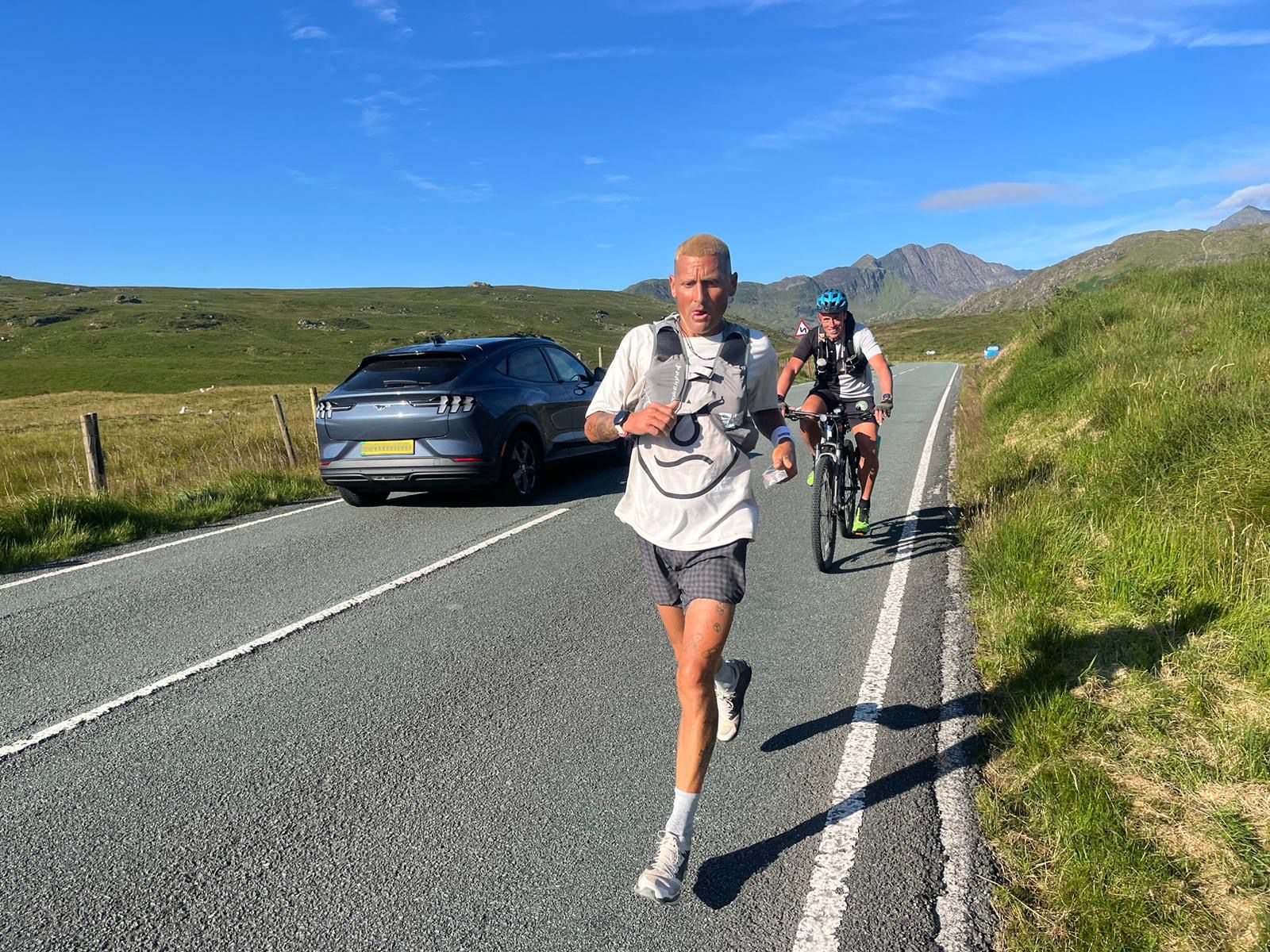
Supporting the National Three Peaks FKT in true Green Runners’ Style
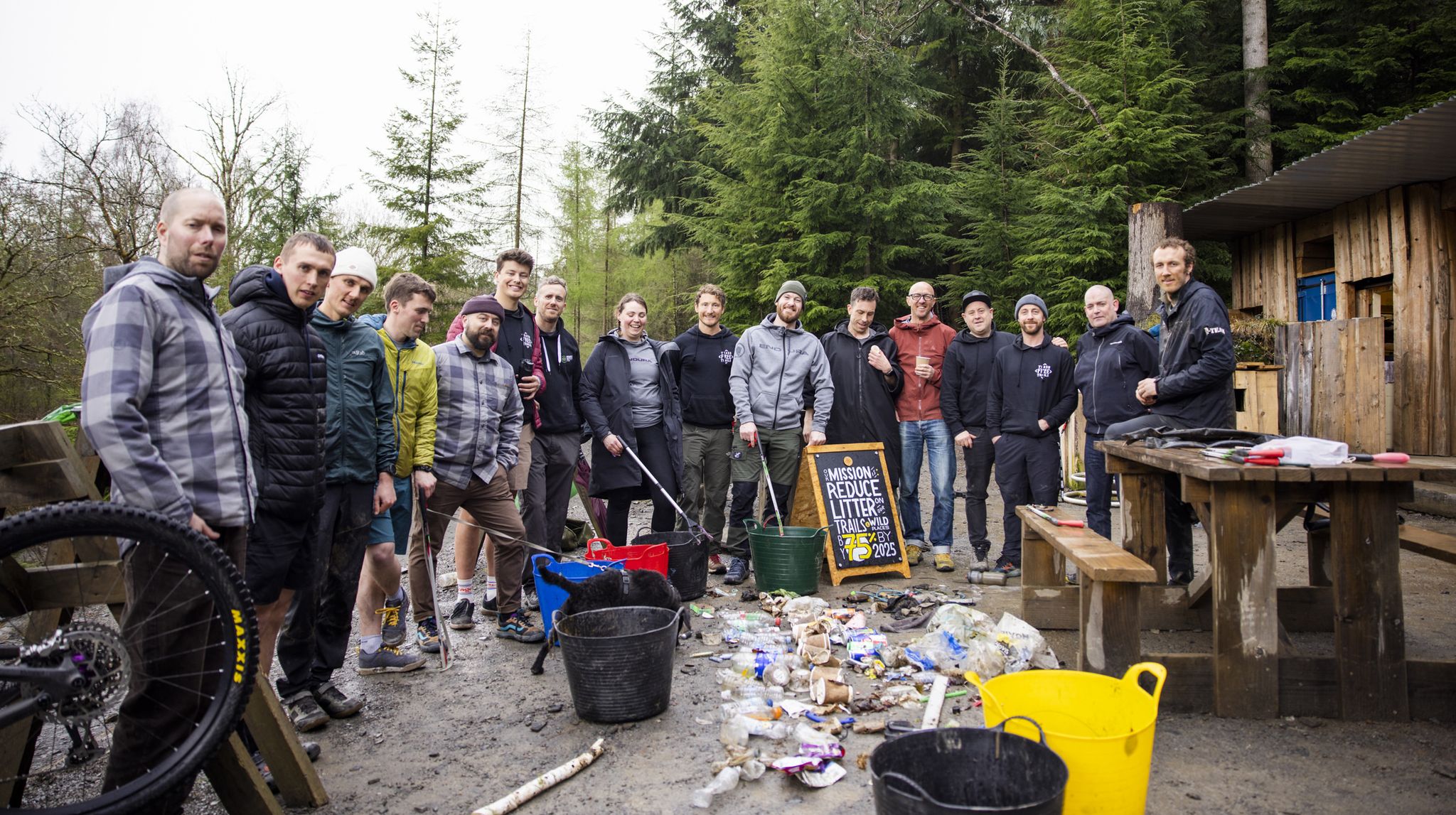
Adventures with a Purpose – our A-TEAMers’ best routes
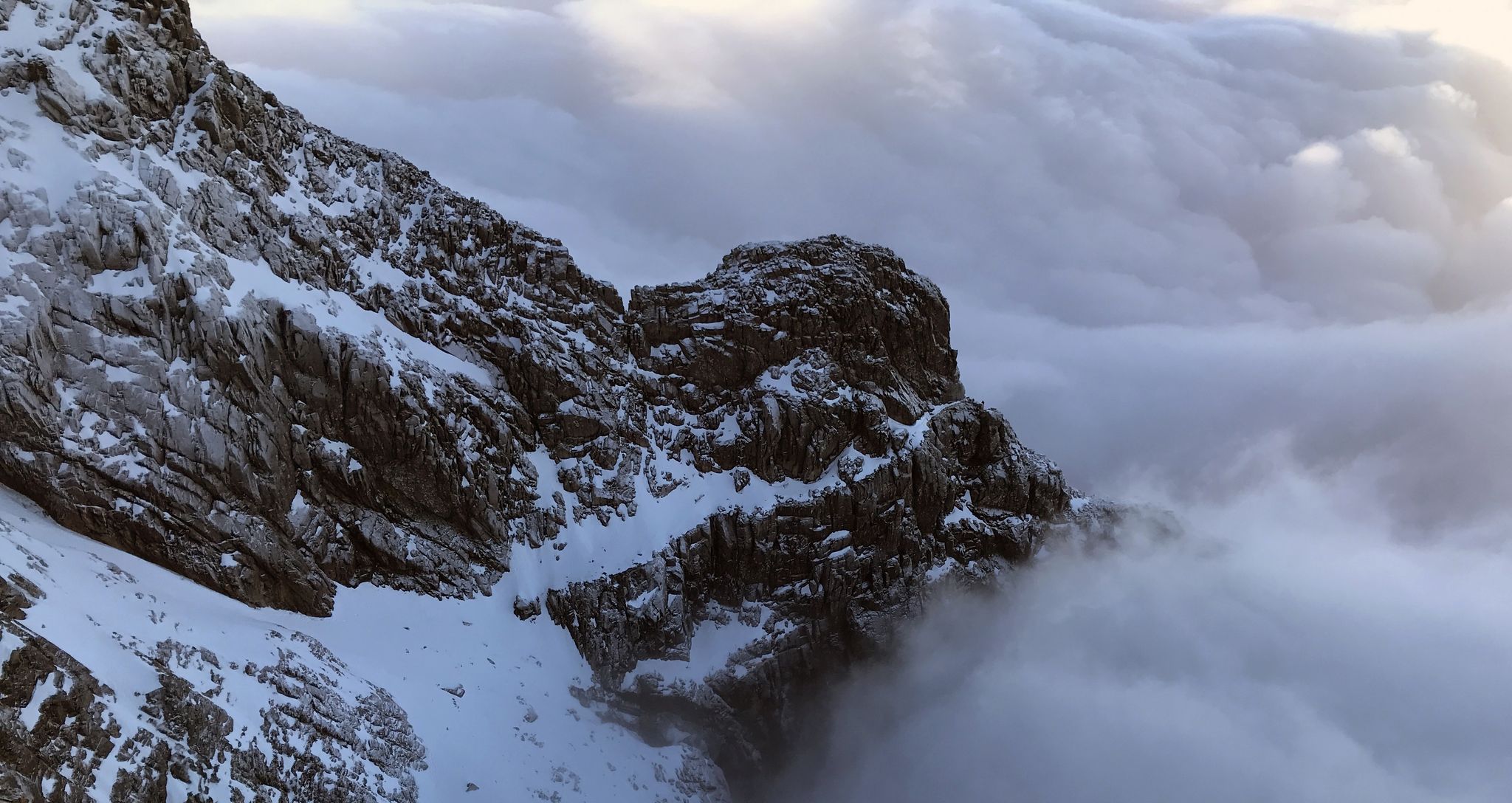
Ephemeral Lines – Stunning UK Winter Ridges
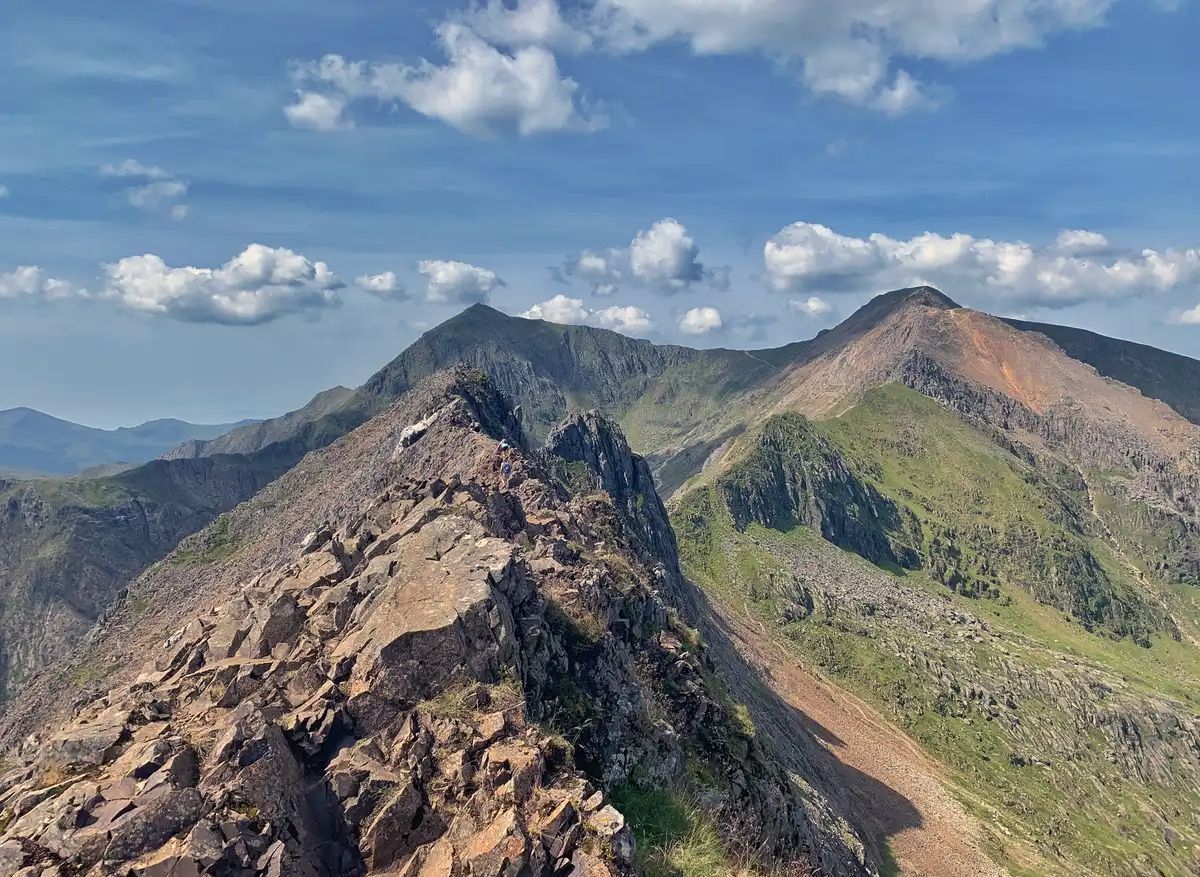
The Dragon's Back – running the spine of Wales
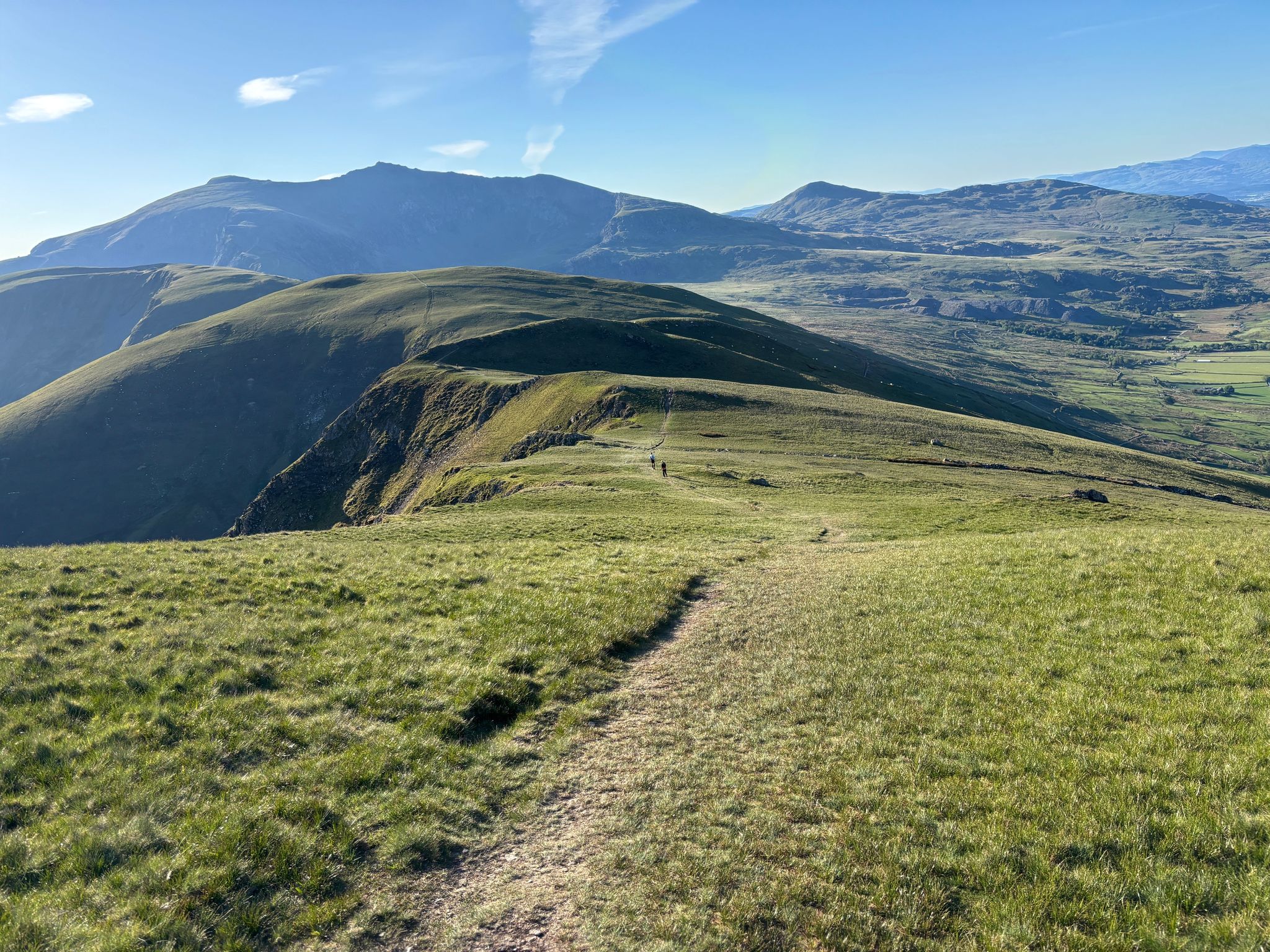
Ultra Trail Snowdonia by UTMB – 100 epic miles in Eryri
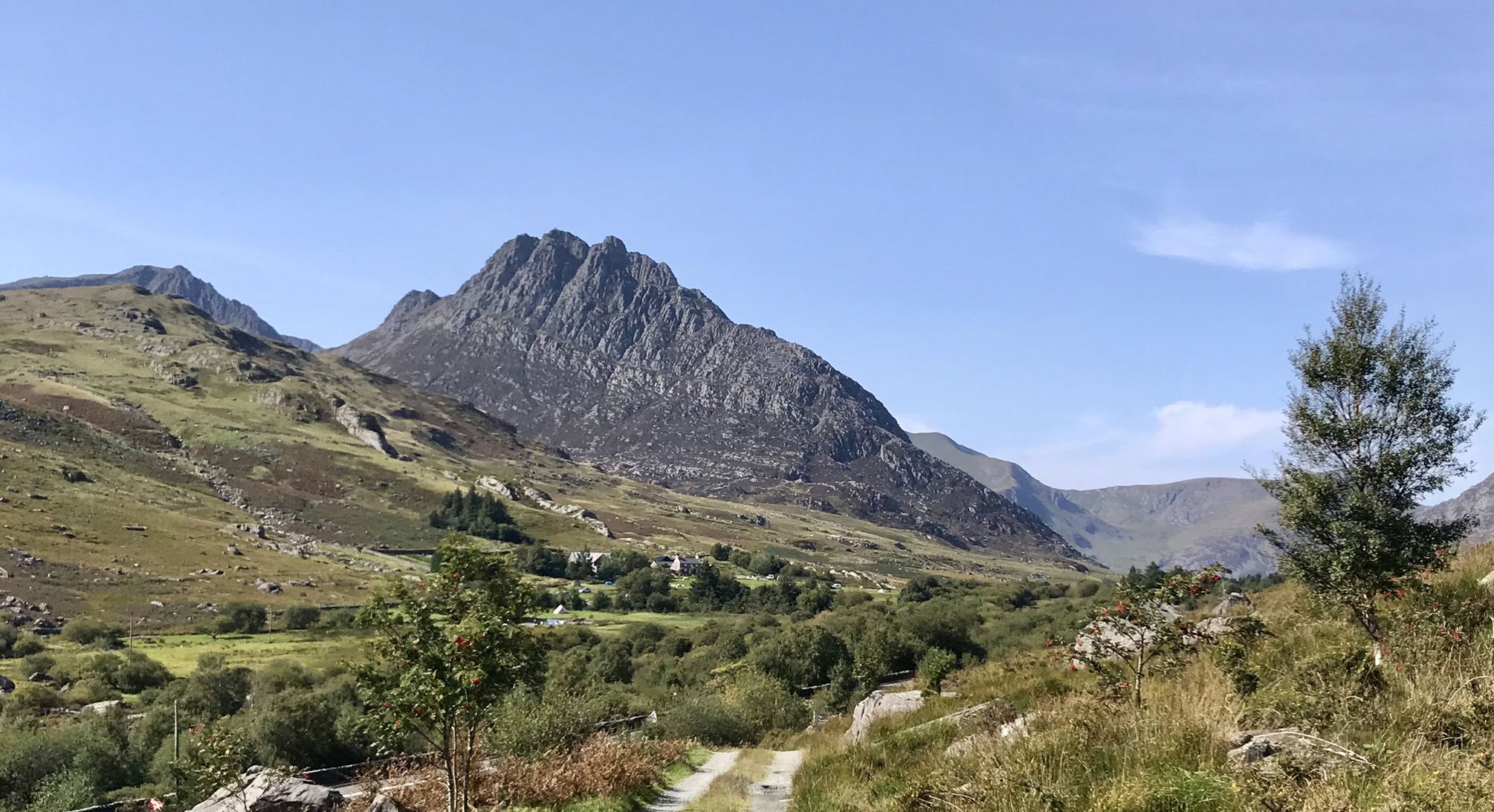
Snowdonia Way – A dramatic hike through Eryri's mountainous heart
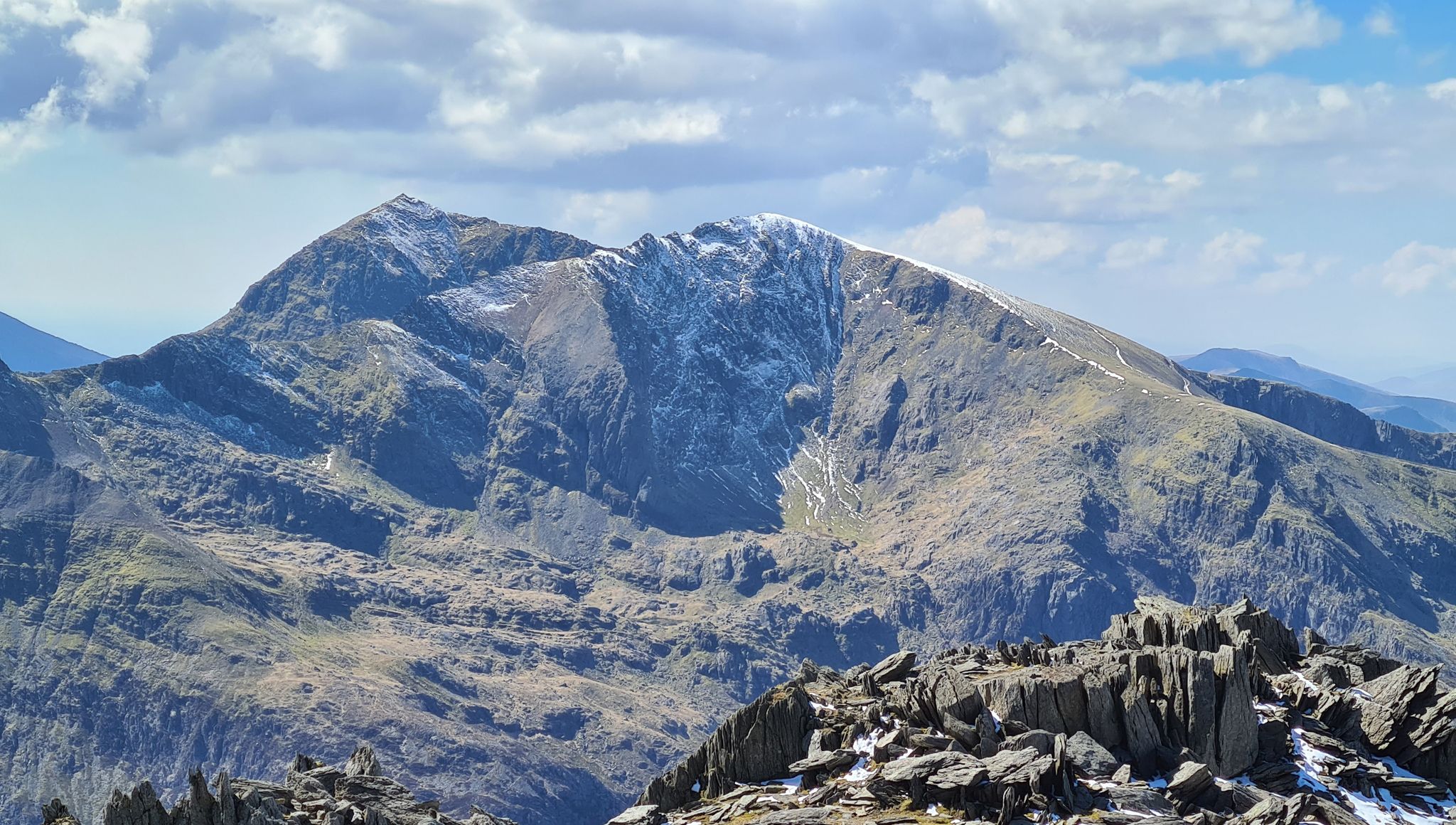
Snowdonia Way Mountain Route – Rise to Eryri's awesome summits
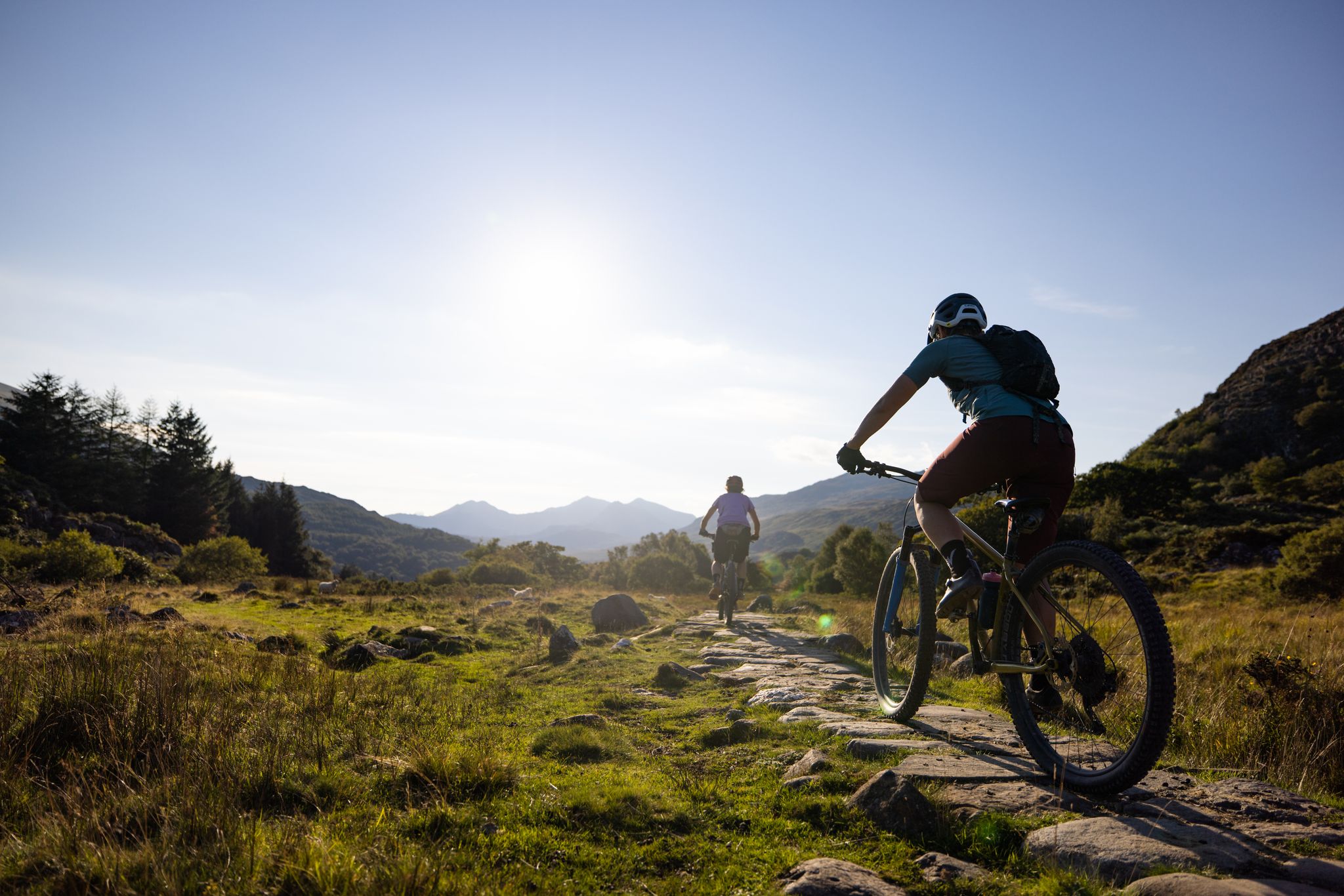
Traws Eryri — Bikepacking Snowdonia from Machynlleth to Conwy
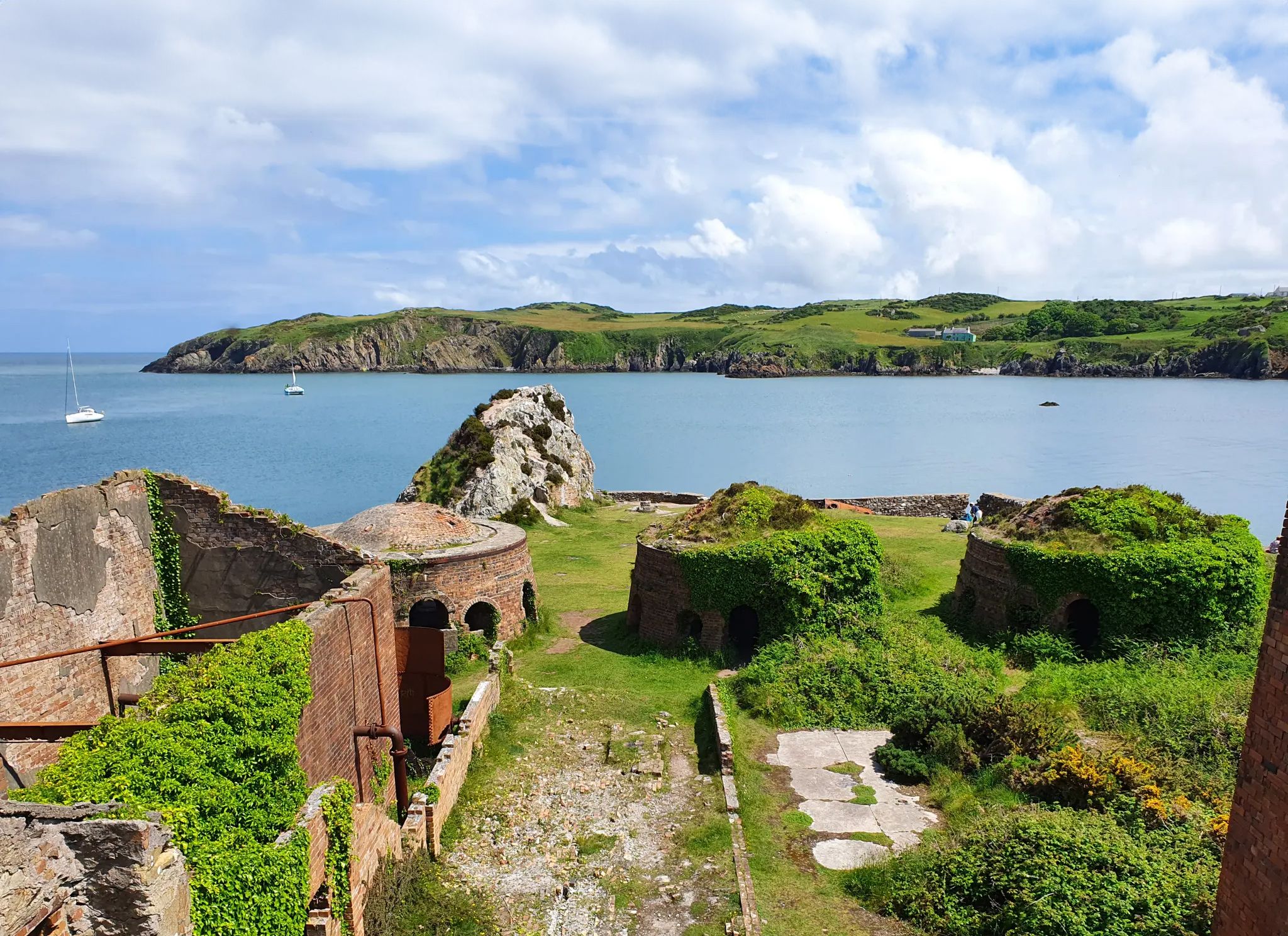
O Fon i Fynwy — Exploring Wales on foot from top to bottom
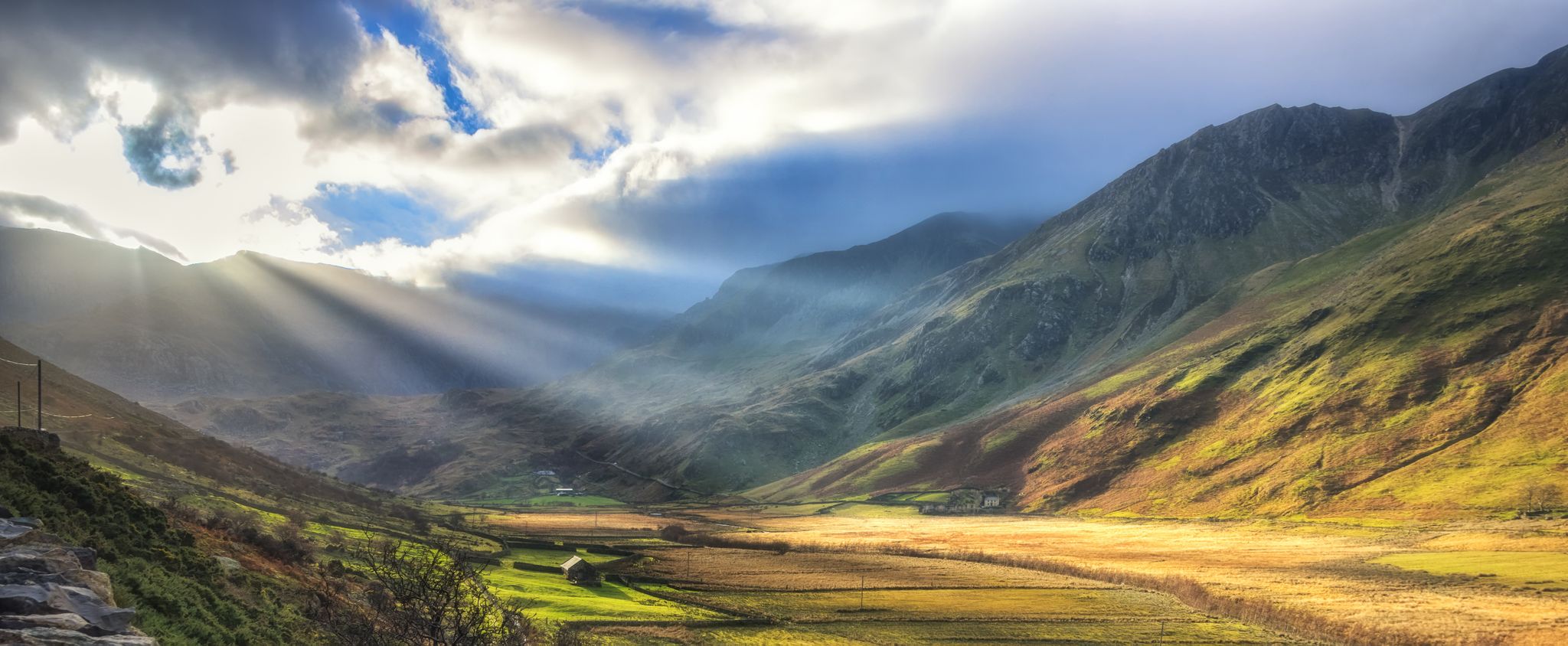
Snowdonia Slate Trail — Unearth one of Wales' most spectacular hikes
Other adventures in Snowdonia


Tips from the Community

According to legend, Cader is named after a giant called Idris Gawr. 'Cadair Idris' means 'Chair of Idris' in English, while 'Cader' can also refer to an ancient fortress. The place is known as Cader Idris rather than Cadair, but both names are used. The most famous local fable is that if you spend the night on the mountain, you will go mad or become a poet. (Visit Wales)
6
0
It is worth the effort. At the top, you enjoy a beautiful view in all directions. It cannot be captured in photos.
6
0

A wonderful spiky summit with fine views to Yr Wyddfa and into Ogwen Valley. The summit itself is a scramble over very large jumbled boulders.
0
0

Lovely views but tricky summit to find boulders everywhere you need to climb up to the summit if wet would be unsafe cantilever stone looks amazing only problem with glyders is very bad on the foot but really enjoyed it I did tryfan north face then down the south side up the loose scree that was some climb and half top of glyders then Down one hell of a loose scree up y garn then down devils kitchen I wouldn't advise going down that if you are not good on your feet it's hell I've done it both ways going up is so much easier going down devils kitchen is really bad
0
0

Expect tricky terrain. It's very rocky and uneven with hidden holes.
0
0
The Castle of the Winds is a true highlight on this or any other mountain. Spectacular and spiky it makes for a great scramble over the top!
0
0

You can't miss these two huge stones right on the summit of Tryfan. Traditionally climbers would jump from one to the other to gain the freedom of the mountain. But be warned people have died in the attempt.
0
0
The name "Snowdon" is first recorded in 1095 as Snawdune, and is derived from the Old English elements snaw and dun, meaning "hill of snow". The Welsh name for the mountain, Yr Wyddfa, is first recorded in Latin as Weddua vaur in 1284. This is probably an approximation of Pen y Wyddfa Fawr. The element gwyddfa in this context means "height, promontory", and also occurs in the Welsh name for the town of Mold, Yr Wyddgrug. Gwyddfa later developed the meaning "gravestone heap", and there is a legend that the giant Rhita is buried beneath the cairn on the summit of the mountain. According to one legend, the giant Rhita was slain and buried on the mountain by King Arthur, while another legend suggests that Rhita was killed by the giant Idris who lived on the mountain Cadair Idris. The mountain is also associated with other figures from Arthurian legend, a legendary Afanc (water monster) and the Tylwyth Teg (fairies). (Wikipedia)
12
1
Frequently Asked Questions
How challenging are the natural monuments in Snowdonia for hikers?
Snowdonia offers a range of challenges. Peaks like Snowdon Summit (Yr Wyddfa) and Penygadair summit, Cadair Idris provide rewarding treks, with routes varying from gentler paths to difficult ascents. The Glyders, including Glyder Fach summit and Glyder Fawr summit, and Tryfan Summit are known for their rugged terrain and are popular with experienced hikers and scramblers. For those seeking less strenuous options, there are easy walks around lakes and waterfalls.
Which natural monuments offer the best panoramic views in Snowdonia?
Many natural monuments in Snowdonia boast incredible views. On a clear day, the summit of Snowdon (Yr Wyddfa) offers panoramic vistas stretching to the Irish Sea. The Glyders, including Glyder Fach and Glyder Fawr, provide stunning views across the surrounding countryside and towards the Snowdon Massif. From Penygadair summit, Cadair Idris, you can enjoy expansive views over the Mawddach estuary. Even lower-level spots like the Cregennan Lakes offer tremendous views of the Mawddach Estuary and Barmouth Bridge.
Are there any family-friendly natural monuments or activities in Snowdonia?
Yes, Snowdonia has several family-friendly options. The walk to Aber Falls is a gentle 2km path suitable for families, leading to an impressive 120-foot waterfall. Llyn Padarn is ideal for leisurely walks and water sports, with a surrounding country park. Bala Lake is also popular for watersports and enjoying the scenic landscape. For a less strenuous ascent to a mountain summit, the historic Snowdon Mountain Railway can take you to the top of Snowdon.
What unique geological features can I find among Snowdonia's natural monuments?
Snowdonia's landscape was sculpted by glaciation, resulting in many unique features. Snowdon Summit (Yr Wyddfa) contains fossilized shell fragments, indicating its ancient seafloor origins. Glyder Fach is famous for the precariously balanced Cantilever Stone, while Tryfan is recognizable by its two prominent stone pillars at the summit, known as Adam and Eve. Cwm Idwal, within the Ogwen Valley, features unique rock formations like the Devil's Kitchen and Twll Du (Black Hole).
What are the best natural monuments for water activities in Snowdonia?
Bala Lake (Llyn Tegid) is the longest natural lake in Wales and a popular destination for watersports such as fishing, kayaking, sailing, and canoeing. Llyn Padarn is another excellent choice for water sports and leisurely walks. Llyn Gwynant, situated in a deep glacial valley, is perfect for enjoying a picnic by the water or leisurely strolls.
Can I find easy walking trails around Snowdonia's natural monuments?
Yes, there are several easy walking trails. The path to Aber Falls is a gentle 2km walk suitable for most abilities. The Llyn Idwal loop from Ogwen Cottage is an easy hike, as is the Precipice Walk & Llyn Cynwch loop. You can find more easy hikes in the region by exploring the Easy hikes in Snowdonia guide.
What is the best time of year to visit Snowdonia's natural monuments?
The best time to visit Snowdonia's natural monuments generally depends on your preferred activities. Spring and autumn offer pleasant temperatures for hiking and fewer crowds than the peak summer months. Summer provides the warmest weather and longest daylight hours, ideal for exploring, but popular spots can be busy. Winter offers a dramatic, often snow-covered landscape for experienced hikers, but conditions can be challenging and require appropriate gear and experience.
Are there any natural monuments in Snowdonia with cultural or legendary significance?
Yes, Snowdonia is rich in folklore. Mount Snowdon (Yr Wyddfa) is steeped in legend, said to be the resting place of the giant Rhita Gawr. Cadair Idris, meaning 'Chair of Idris,' stems from a Welsh legend of a giant who used it as a seat for stargazing, adding a layer of cultural intrigue to its natural beauty.
What kind of wildlife can I spot near Snowdonia's natural monuments?
Snowdonia's diverse landscapes support a variety of wildlife. In Cwm Idwal, you might spot the rare Snowdon lily. The tranquil Cregennan Lakes are ideal for birdwatching. The entire national park is a haven for various bird species, and if you're lucky, you might encounter mountain goats or other native mammals in the more remote areas. For more information on nature and wildlife, you can visit visitsnowdonia.info.
Where can I find impressive waterfalls among Snowdonia's natural monuments?
Snowdonia is home to several stunning waterfalls. Aber Falls is an impressive waterfall plunging 120 feet into a shimmering pool, surrounded by lush greenery. Swallow Falls (Rhaeadr Ewynnol), near Betws-y-Coed, is Wales's highest continuous waterfall, where the Afon Llugwy tumbles dramatically through a beautiful setting. Llyn Gwynant also offers panoramic views of cascading waterfalls and meandering rivers.
Are there facilities like cafes or shelters at the natural monuments?
At the summit of Snowdon (Yr Wyddfa), there is a summit station with a cafe, open during the summer months, offering refreshments and shelter. Near the highest point of Penygadair summit, Cadair Idris, you can find a small shelter. The town of Bala, near Bala Lake, offers cafes, restaurants, and shops. However, many natural monuments are remote, so it's always best to be prepared with your own supplies.
Which natural monuments are suitable for experienced scramblers and climbers?
Experienced scramblers and climbers will find thrilling challenges at several natural monuments. Tryfan Summit is a favorite, offering a challenging ascent that often involves using hands as well as feet, with routes like the North Ridge. The Glyders, including Glyder Fach, are known for routes like Bristly Ridge and Y Gribin arête, which offer challenging ascents and dramatic terrain.
Are there any less crowded, tranquil natural monuments to visit?
For a more tranquil experience, the Cregennan Lakes, located in the southern part of Snowdonia, offer a serene escape and are often less crowded than other popular spots. They are ideal for quiet contemplation, leisurely walks, and birdwatching. Llyn Gwynant also provides a secluded paradise for enjoying nature away from the busiest areas.
Most popular routes in Snowdonia
Most popular attractions in Snowdonia

Get inspired with the komoot mobile app


Explore more
Extend your search for the best caves by checking out these guides of the top ones in Snowdonia:
