The 20 Most Amazing Peaks in Snowdonia
Mountain peaks in Snowdonia National Park, or Eryri, are a prominent feature of North Wales, offering a diverse range of experiences for outdoor enthusiasts. The region is characterized by its majestic peaks, deep valleys, and glacial formations. These mountains are rich in historical significance and Welsh legend. Snowdonia provides varied terrain, from the highest peaks in Wales to challenging scrambles and scenic ridges.
Best mountain peaks in Snowdonia
- The most popular mountain peaks is Snowdon Summit (Yr Wyddfa), a…
Last updated: June 22, 2026
Snowdon Summit (Yr Wyddfa)
Highlight • Summit
Its glory …
Tip by

Penygadair summit, Cadair Idris
Highlight • Summit
Tip by

Sign up now to discover places like this
Get recommendations on the best single tracks, peaks, & plenty of other exciting outdoor places.
Sign up for free
Glyder Fach summit and the Cantilever Stone
Highlight • Summit
Tip by
Moel Siabod summit
Highlight • Viewpoint
Translated by Google •
Tip by

Tryfan Summit
Highlight • Summit
Tip by
Sign up for free to discover even more peaks in Snowdonia.
Sign up for free
Already have an account?
Start today with a free account
Your next adventure awaits.
Login or Signup
Popular around Snowdonia
Supporting the National Three Peaks FKT in true Green Runners’ Style
Adventures with a Purpose – our A-TEAMers’ best routes
Ephemeral Lines – Stunning UK Winter Ridges
The Dragon's Back – running the spine of Wales
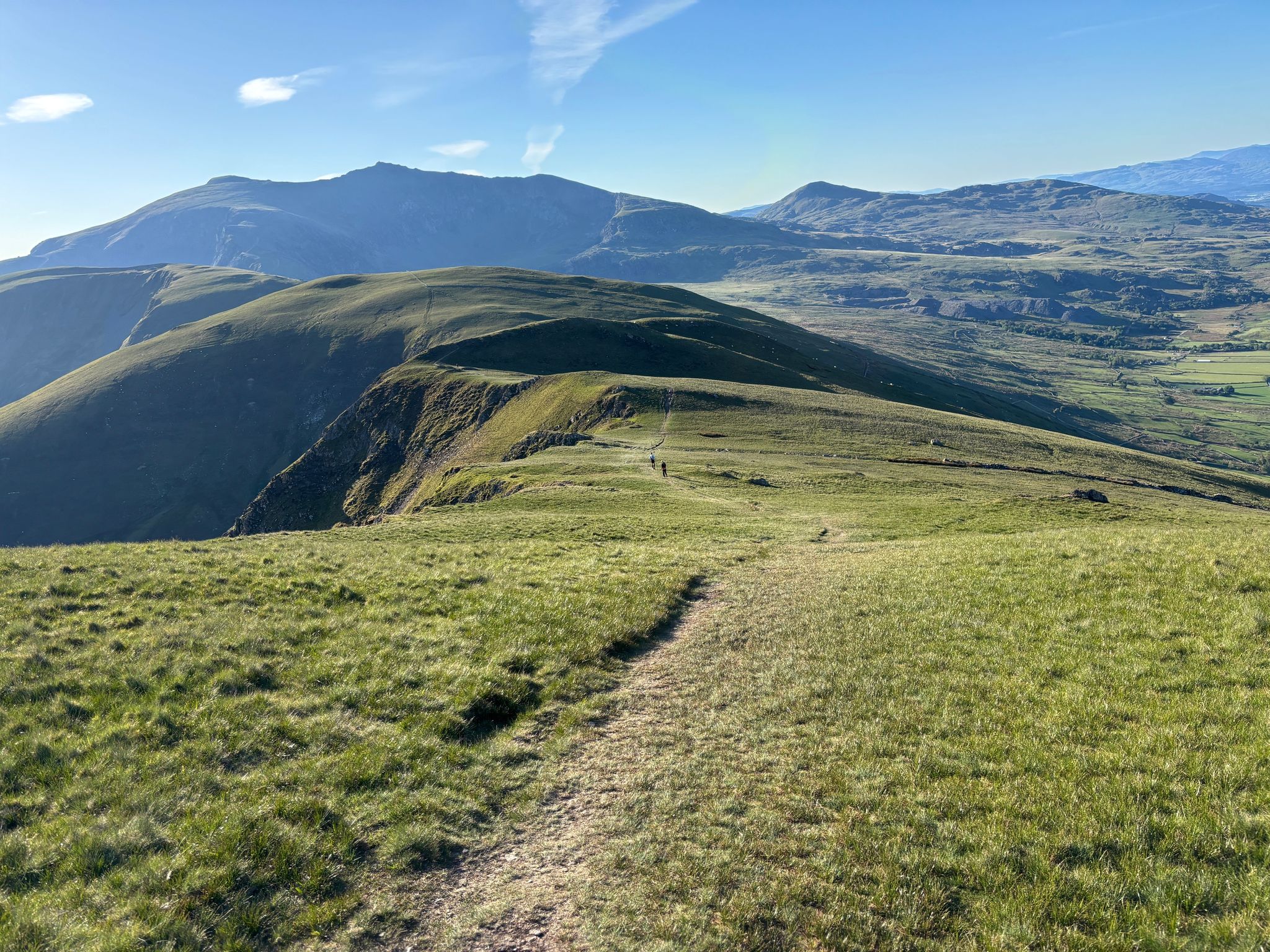
Ultra Trail Snowdonia by UTMB – 100 epic miles in Eryri
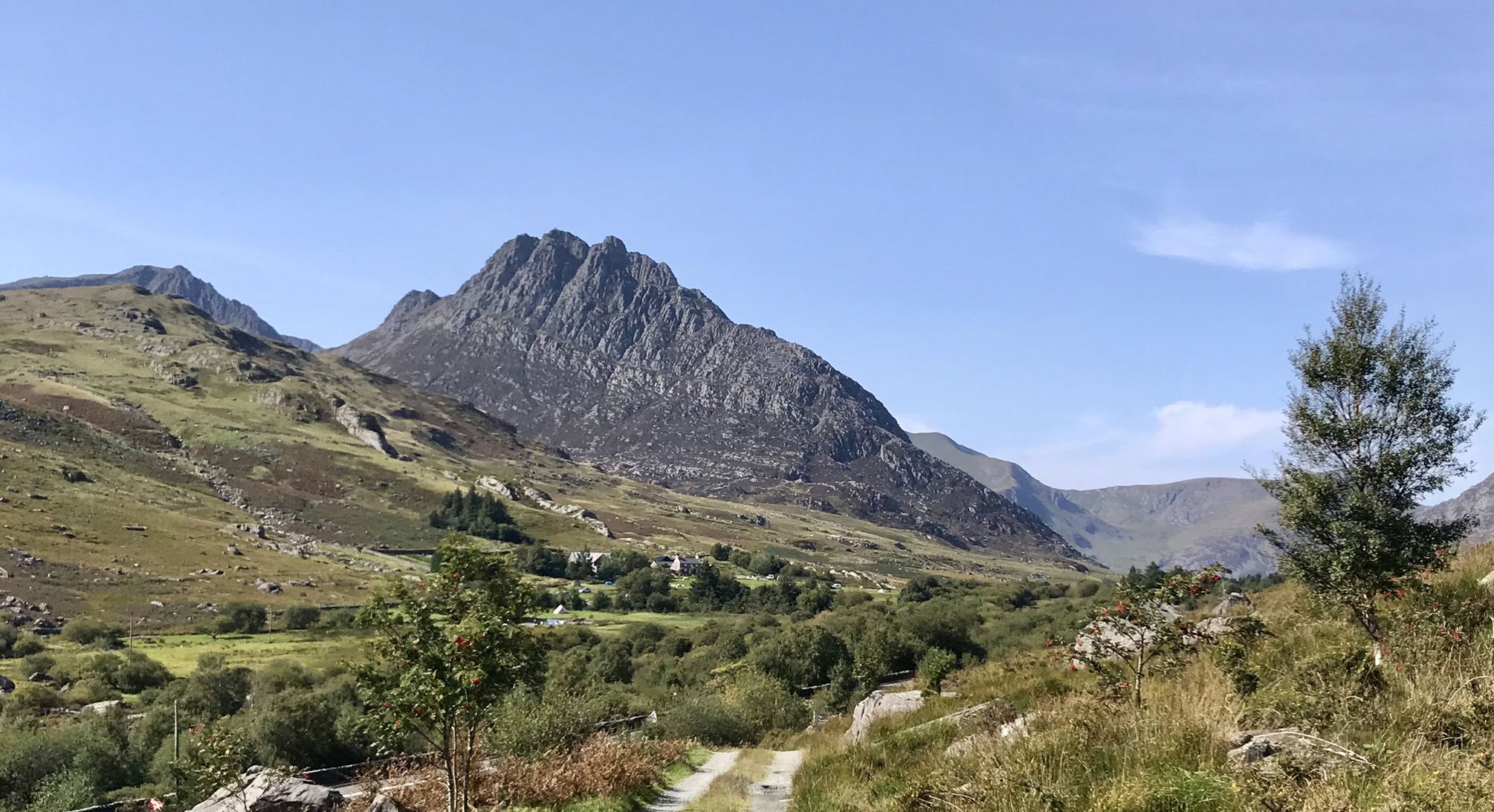
Snowdonia Way – A dramatic hike through Eryri's mountainous heart
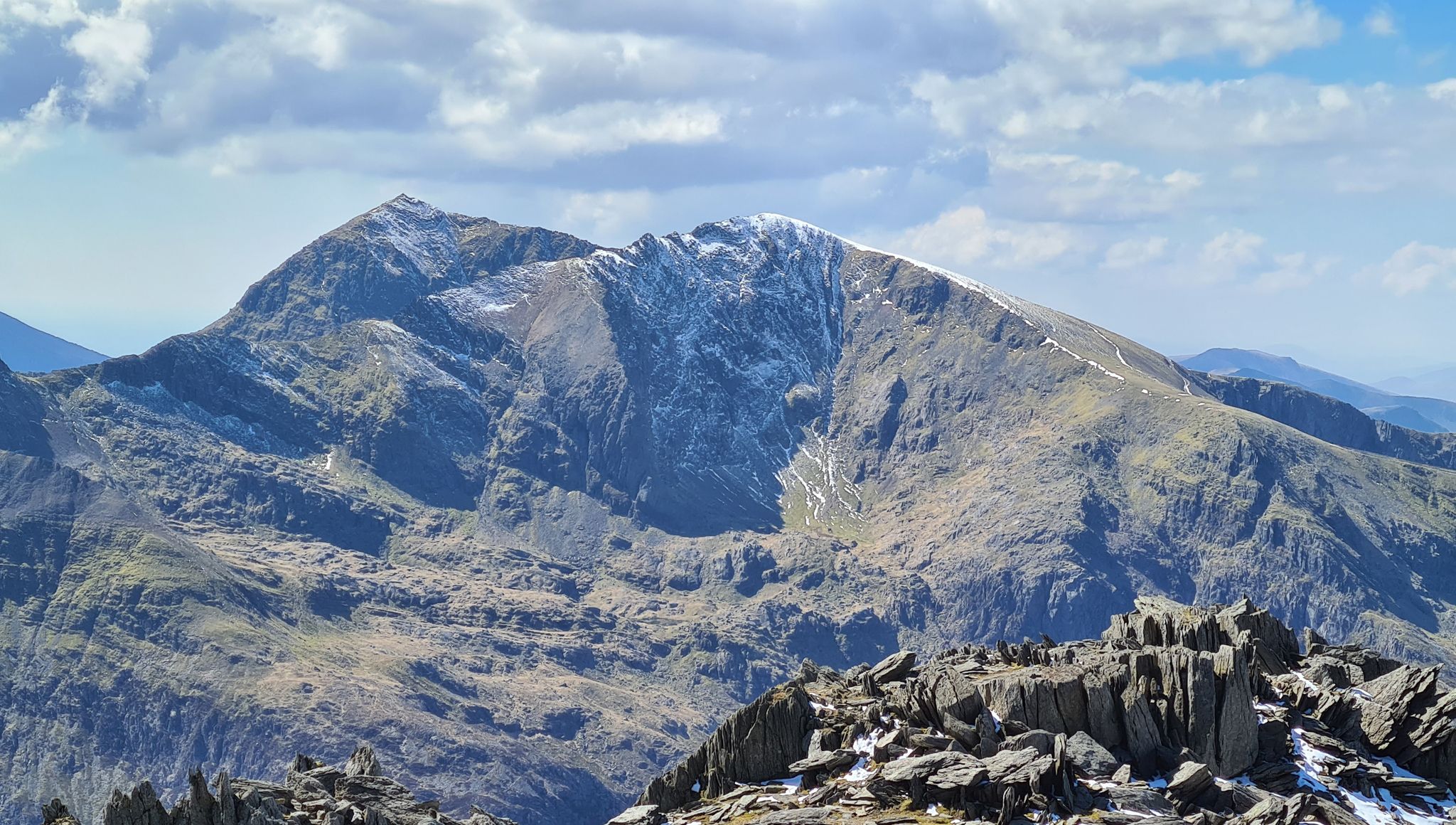
Snowdonia Way Mountain Route – Rise to Eryri's awesome summits
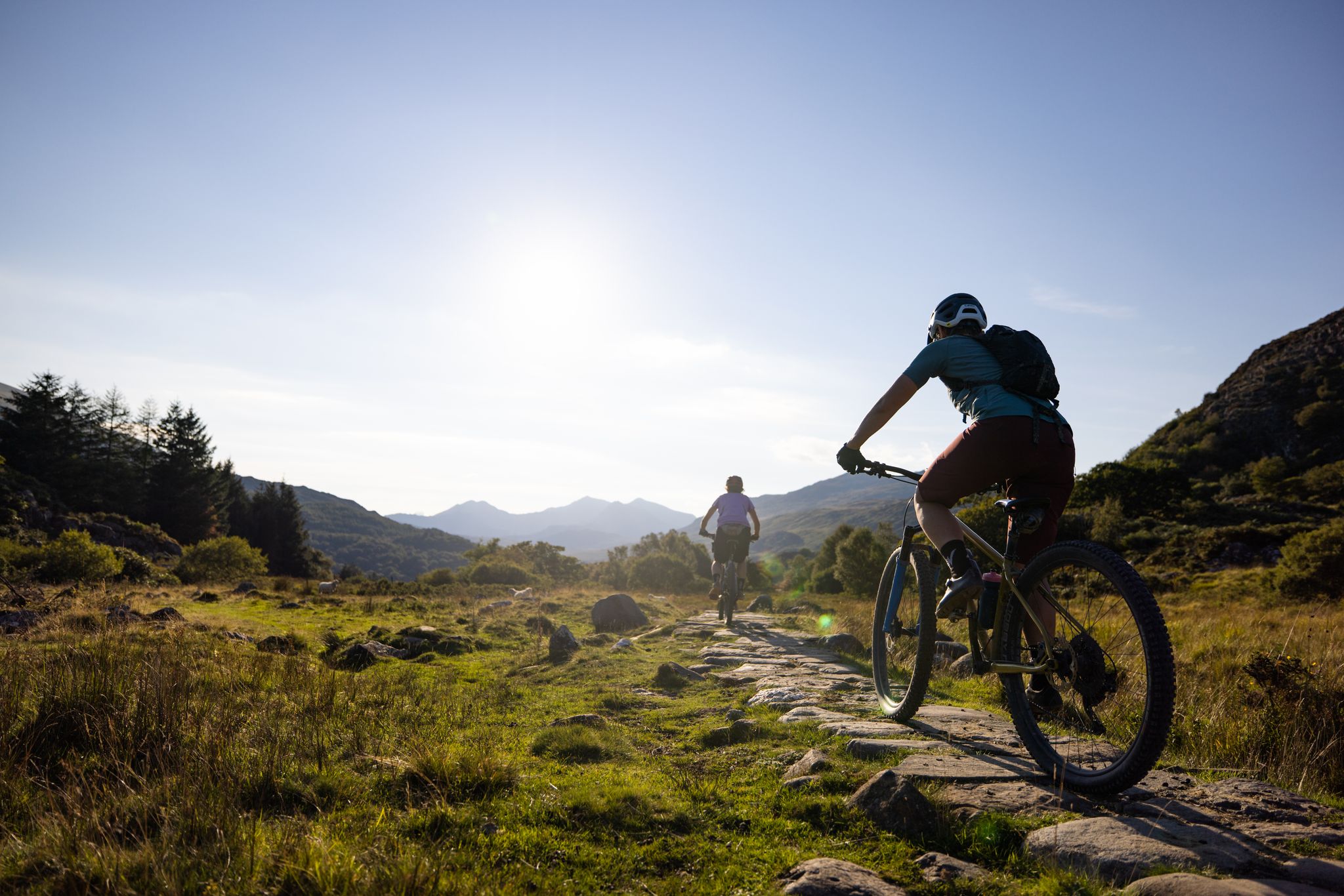
Traws Eryri — Bikepacking Snowdonia from Machynlleth to Conwy
O Fon i Fynwy — Exploring Wales on foot from top to bottom
Snowdonia Slate Trail — Unearth one of Wales' most spectacular hikes
Other adventures in Snowdonia


Tips from the Community

According to legend, Cader is named after a giant called Idris Gawr. 'Cadair Idris' means 'Chair of Idris' in English, while 'Cader' can also refer to an ancient fortress. The place is known as Cader Idris rather than Cadair, but both names are used. The most famous local fable is that if you spend the night on the mountain, you will go mad or become a poet. (Visit Wales)
6
0
It is worth the effort. At the top, you enjoy a beautiful view in all directions. It cannot be captured in photos.
6
0

Moel Siabod is a terrific viewpoint as it is isolated from the other main peaks of Eryri. On the day I climbed it I was fortunate to experience an inversion, where the clouds form a layer below the summit.
0
0

Lovely views but tricky summit to find boulders everywhere you need to climb up to the summit if wet would be unsafe cantilever stone looks amazing only problem with glyders is very bad on the foot but really enjoyed it I did tryfan north face then down the south side up the loose scree that was some climb and half top of glyders then Down one hell of a loose scree up y garn then down devils kitchen I wouldn't advise going down that if you are not good on your feet it's hell I've done it both ways going up is so much easier going down devils kitchen is really bad
0
0

Expect tricky terrain. It's very rocky and uneven with hidden holes.
0
0
The Castle of the Winds is a true highlight on this or any other mountain. Spectacular and spiky it makes for a great scramble over the top!
0
0
There are fantastic views of Snowdonia from the top of Moel Siabod, but the weather must be clear. From the top it is possible to see 13 of the 14 highest peaks in Wales on a clear day without turning your head.
12
0
Frequently Asked Questions
What are some of the most popular mountain peaks in Snowdonia?
Snowdonia National Park is home to many majestic peaks. Among the most popular are Snowdon Summit (Yr Wyddfa), the highest mountain in Wales, offering six distinct paths. Other highly regarded peaks include Penygadair summit, Cadair Idris, known for its imperious cliffs and views to the Irish Sea, and Glyder Fach summit, famous for its jumbled boulders and the Cantilever Stone.
Which mountain peaks in Snowdonia offer challenging climbs and scrambles?
For those seeking a challenge, Tryfan is renowned for its sharp ridges and scrambling opportunities, with the North Ridge being a classic. Crib Goch, part of the Snowdon massif, offers a rocky, knife-edge arête, recommended only for experienced mountain walkers with Grade 1 scrambling experience. Glyder Fawr also presents challenging routes like the Devil's Kitchen through steep crags and boulder fields.
Are there family-friendly mountain walks in Snowdonia?
While many peaks offer challenging routes, some paths on Snowdon, such as the Llanberis Path, are considered more accessible and can be suitable for families with older children or those looking for a less strenuous ascent. Moel Siabod also offers varied ascent options, including easy grass slopes, making it a good choice for a family day out with fantastic views.
What unique natural features can I expect to see on Snowdonia's peaks?
Snowdonia's peaks boast diverse natural features. On Glyder Fach, you'll find the iconic Cantilever Stone and jumbled boulders. Glyder Fawr features the spectacular glacial valley of Cwm Idwal, home to Llyn Idwal and the Devil's Kitchen chasm. Cadair Idris is known for its impressive cliffs, enticing ridges, and scenic tarns. Carnedd Llewelyn offers grand corries and a large dome-shaped plateau.
When is the best time to visit Snowdonia's mountain peaks?
The best time to visit Snowdonia's mountain peaks is generally during the warmer, drier months from late spring to early autumn (May to September). During this period, the weather is more stable, days are longer, and trails are typically in better condition. However, the weather in Snowdonia can change rapidly at any time of year, so always be prepared for all conditions.
What gear is recommended for hiking Snowdonia's peaks, especially in winter?
Regardless of the season, always pack waterproof and windproof layers, sturdy hiking boots, a map and compass (and know how to use them), sufficient food and water, and a first-aid kit. In winter, additional gear such as crampons, an ice axe, and appropriate winter clothing are essential due to snow, ice, and rapidly changing conditions. Always check the weather forecast before heading out.
Where can I find parking near Snowdonia's mountain trailheads?
Parking is available at various trailheads across Snowdonia, though it can be limited and fill up quickly, especially during peak season. Popular starting points like Llanberis for Snowdon, or areas near Tryfan and the Glyderau, have designated parking. It's advisable to arrive early, especially for popular peaks, or consider using public transport or shuttle services where available.
How can I reach Snowdonia's mountain peaks using public transport?
Snowdonia National Park has a network of public transport options, including buses, that can take you to various trailheads. The Snowdon Sherpa bus service, for example, connects many of the main starting points for Snowdon. Planning your route in advance and checking bus schedules is recommended, especially outside of peak season, as services can be less frequent.
Are there dog-friendly trails on Snowdonia's peaks?
Many trails in Snowdonia are dog-friendly, but it's crucial to keep dogs on a lead, especially in areas with livestock, ground-nesting birds, or challenging terrain. Some routes, particularly those involving scrambling like parts of Tryfan or Crib Goch, may not be suitable for dogs. Always check specific trail guidelines and be mindful of your dog's capabilities and safety.
What other outdoor activities can I do near Snowdonia's mountain peaks?
Beyond peak bagging, Snowdonia offers a wealth of outdoor activities. You can explore various waterfall hikes, enjoy gravel biking on trails like the Gwydir Mawr Trail, or go cycling around scenic lakes and valleys. The region also provides opportunities for rock climbing, wild swimming in tarns, and exploring historic quarries.
Which Snowdonia peaks offer a quieter experience away from the crowds?
While Snowdon can be very busy, peaks like Carnedd Llewelyn in the Carneddau range offer wide-open views and opportunities for long days in the hills with fewer crowds. Moel Siabod, an iconic isolated peak, also provides a tranquil ambiance and superb panoramic views of the major ranges without the same level of foot traffic as Snowdon.
What do visitors enjoy most about hiking Snowdonia's peaks?
Visitors frequently praise the breathtaking panoramic views from the summits, especially on clear days, which can stretch across Snowdonia, Anglesey, and even to the Irish Sea. The diverse range of routes catering to all skill levels, from gentle inclines to challenging scrambles, is also highly valued. The sense of accomplishment from reaching a summit and the rich historical and mythical significance of the mountains add to the overall appeal.
Most popular routes in Snowdonia
Most popular attractions in Snowdonia

Get inspired with the komoot mobile app


Explore more
See even more amazing summits in Snowdonia with these guides:
