Attractions and Places To See in Snowdonia - Top 20
Best attractions and places to see in Snowdonia include a diverse landscape of towering peaks, serene lakes, and historic sites in North Wales. The region, known as Eryri, features rugged mountains, medieval castles, and glistening lakelands. It offers a range of outdoor activities and cultural experiences. Snowdonia National Park contains all 15 mountains in Wales over 3,000 feet high, alongside numerous glacial lakes and forests.
Best attractions and places to see in Snowdonia
- The most popular attractions is Snowdon Summit (Yr Wyddfa), a summit that is Wales' highest point. It offers various routes to its summit, from gentle inclines to challenging arêtes.
- Another must-see spot is Glyder Fach summit and the Cantilever Stone, a summit known for its jumbled boulders and craggy outcrops. This highlight features the Cantilever Stone, a balanced rock formation.
- Visitors also love Penygadair summit, Cadair Idris, a complex and striking mountain. Its name, meaning ‘Chair of Idris’, derives from the Welsh legend of a giant who created a mountainous seat for stargazing.
- Snowdonia is known for its mountains, lakes, and cultural sites. The region offers a variety of attractions to see and explore, from natural landmarks to historic castles.
- The attractions in Snowdonia are appreciated by the komoot community, with more than 1100 upvotes and over 700 photos shared across its highlights.
Last updated: July 6, 2026
Snowdon Summit (Yr Wyddfa)
Highlight • Summit
Its glory lies in the myriad routes to the summit. There's everything from the gentle inclines of the Llanberis path to the knife-edged arête of Crib Goch. The south side of the mountain is generally quieter, with the South Ridge in particular a fine route up. The Miners' and Pyg Tracks are straightforward, classic approaches that enter the incredible natural amphitheatre that holds Llyn Llydaw and Glaslyn.
To get the summit to yourself, rise early and avoid peak season.
Tip by

Penygadair summit, Cadair Idris
Highlight • Summit
Tip by

Sign up now to discover places like this
Get recommendations on the best single tracks, peaks, & plenty of other exciting outdoor places.
Sign up for free
Glyder Fach summit and the Cantilever Stone
Highlight • Summit
Tip by
Moel Siabod summit
Highlight • Viewpoint
Translated by Google •
Tip by

Tryfan Summit
Highlight • Summit
For newcomers to scrambling terrain, the South Ridge is shorter and easier: a perfect introduction. Its many buttresses and gullies offer yet more options for those wanting to push the grades or tie themselves to a rope.
The summit is magnificent, with stonking views to Glyder Fach and in the opposite direction to the high Carneddau. Twin monoliths Adam and Eve crown this masterpiece. To jump between the two is a nerve-wracking experience, said to bestow those brave enough with the 'freedom of Tryfan.'
Tip by
Sign up for free to discover even more attractions in Snowdonia.
Sign up for free
Already have an account?
Start today with a free account
Your next adventure awaits.
Login or Signup
Popular around Snowdonia
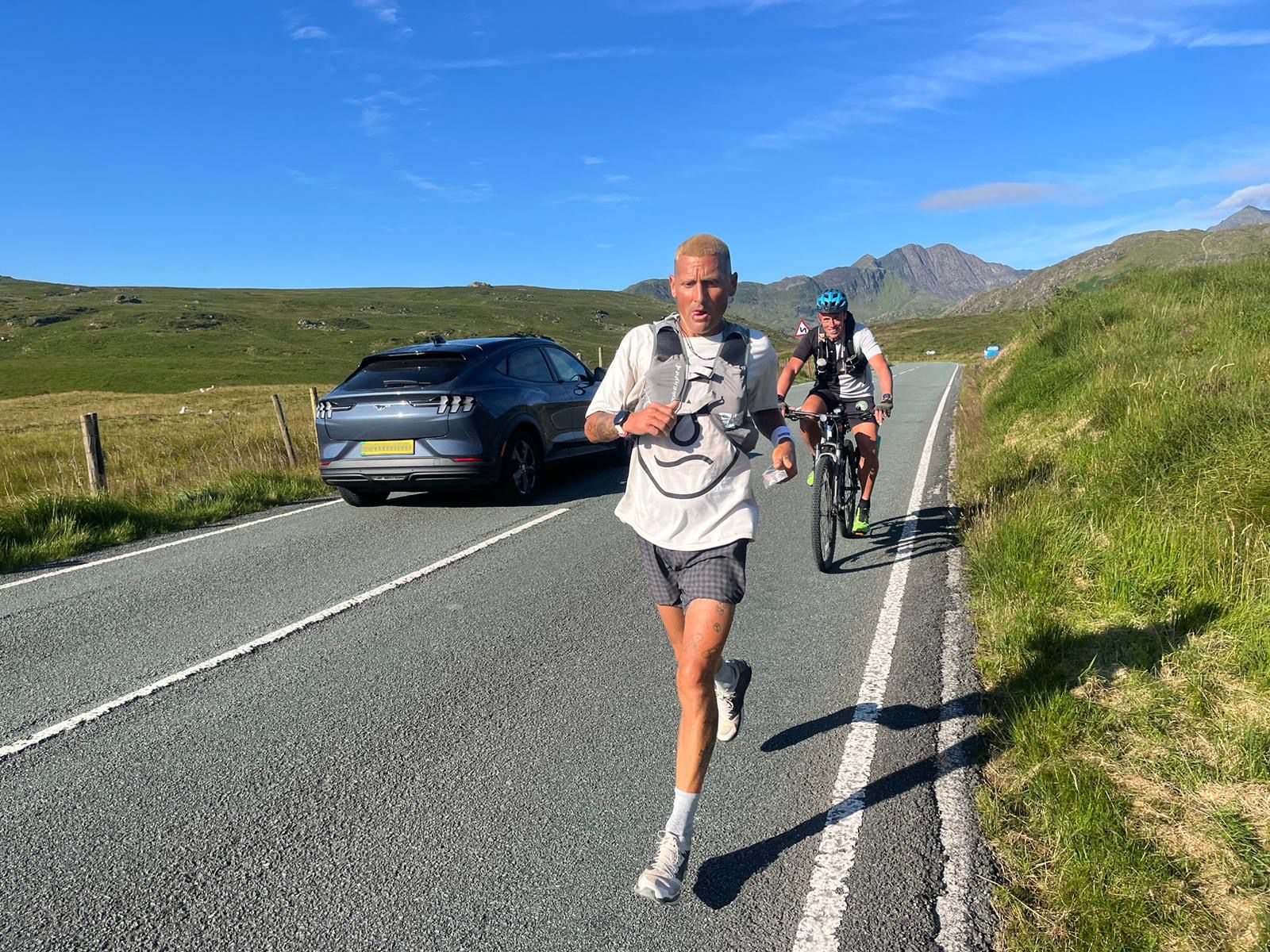
Supporting the National Three Peaks FKT in true Green Runners’ Style
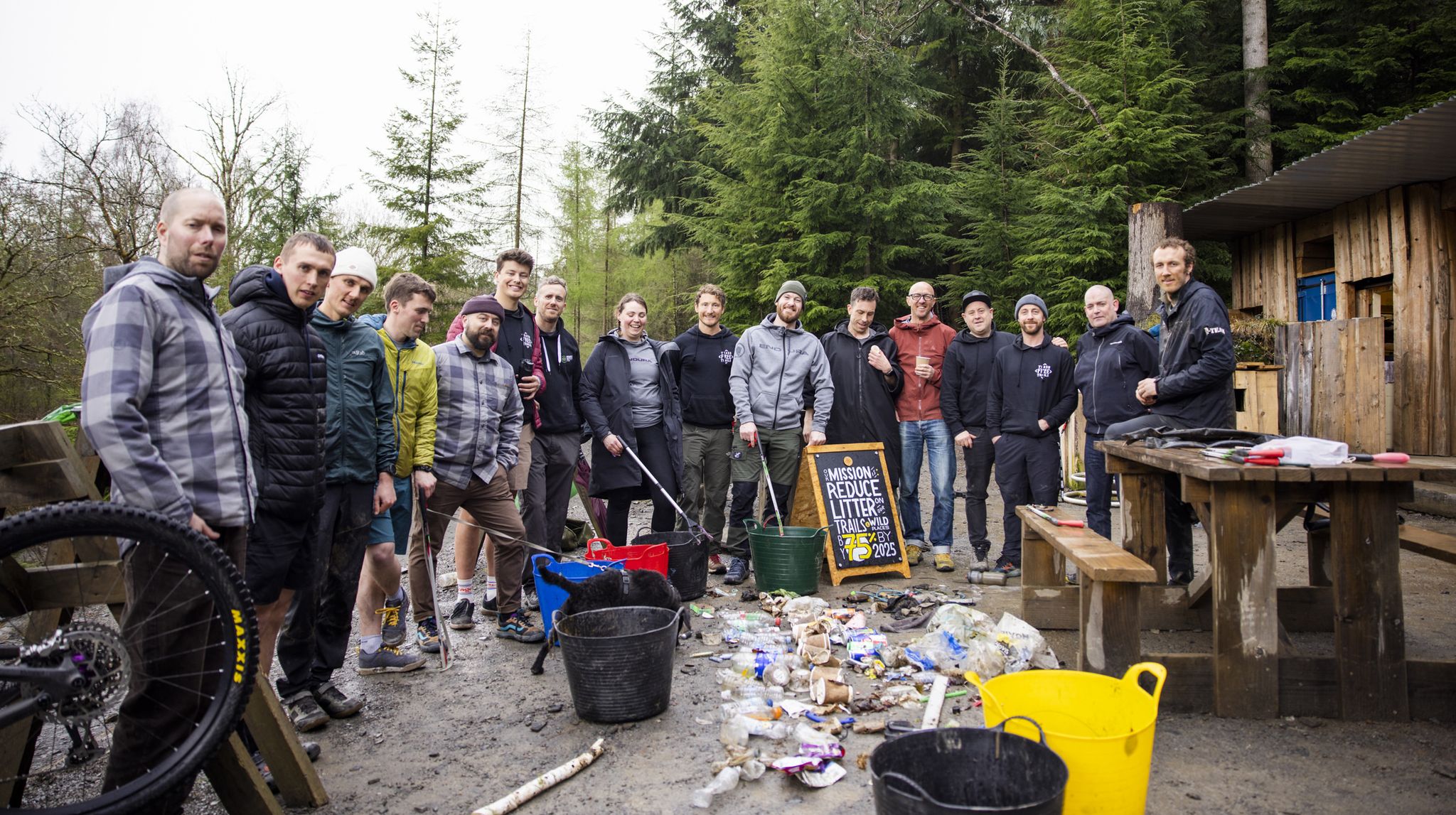
Adventures with a Purpose – our A-TEAMers’ best routes
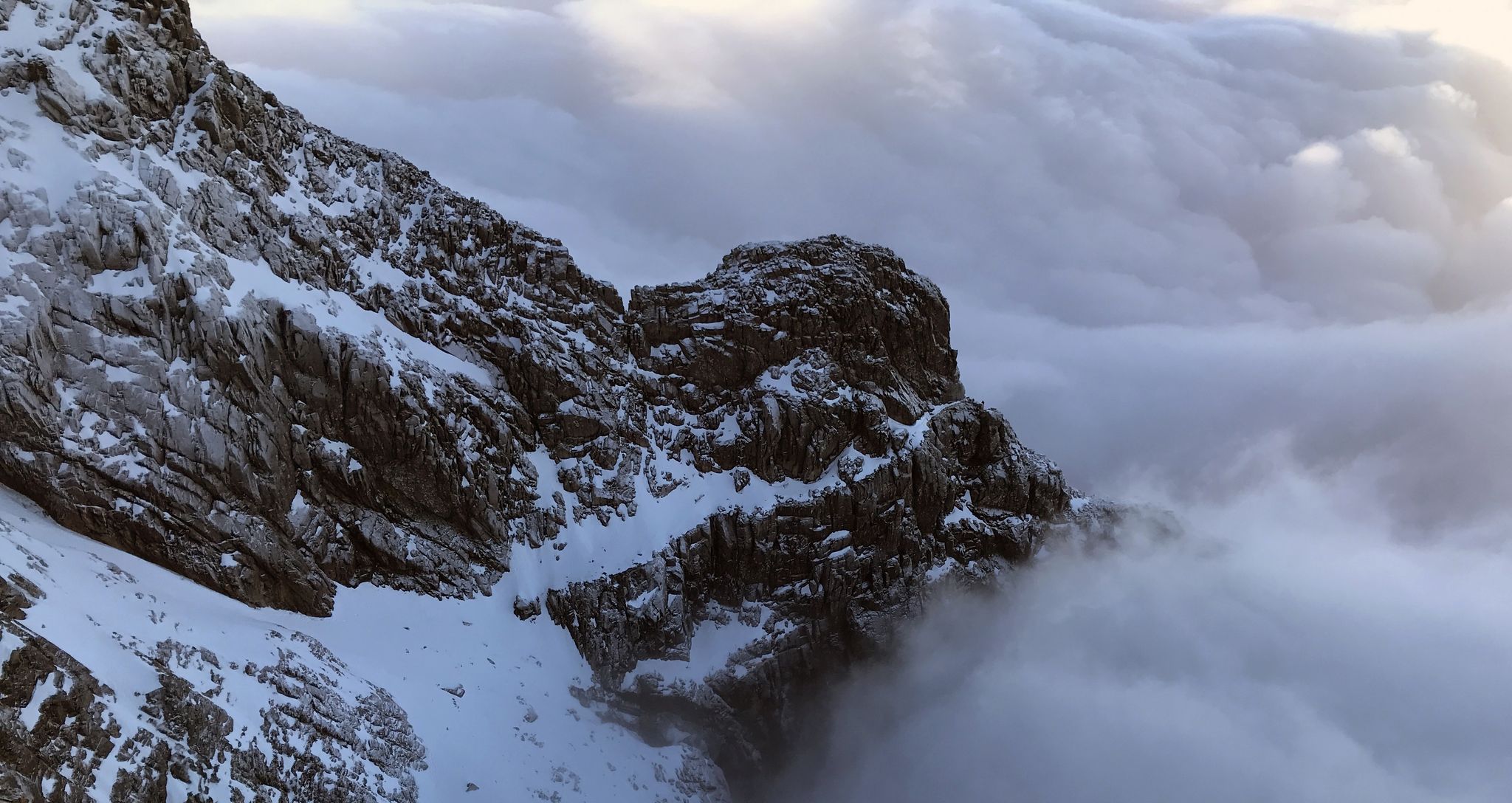
Ephemeral Lines – Stunning UK Winter Ridges
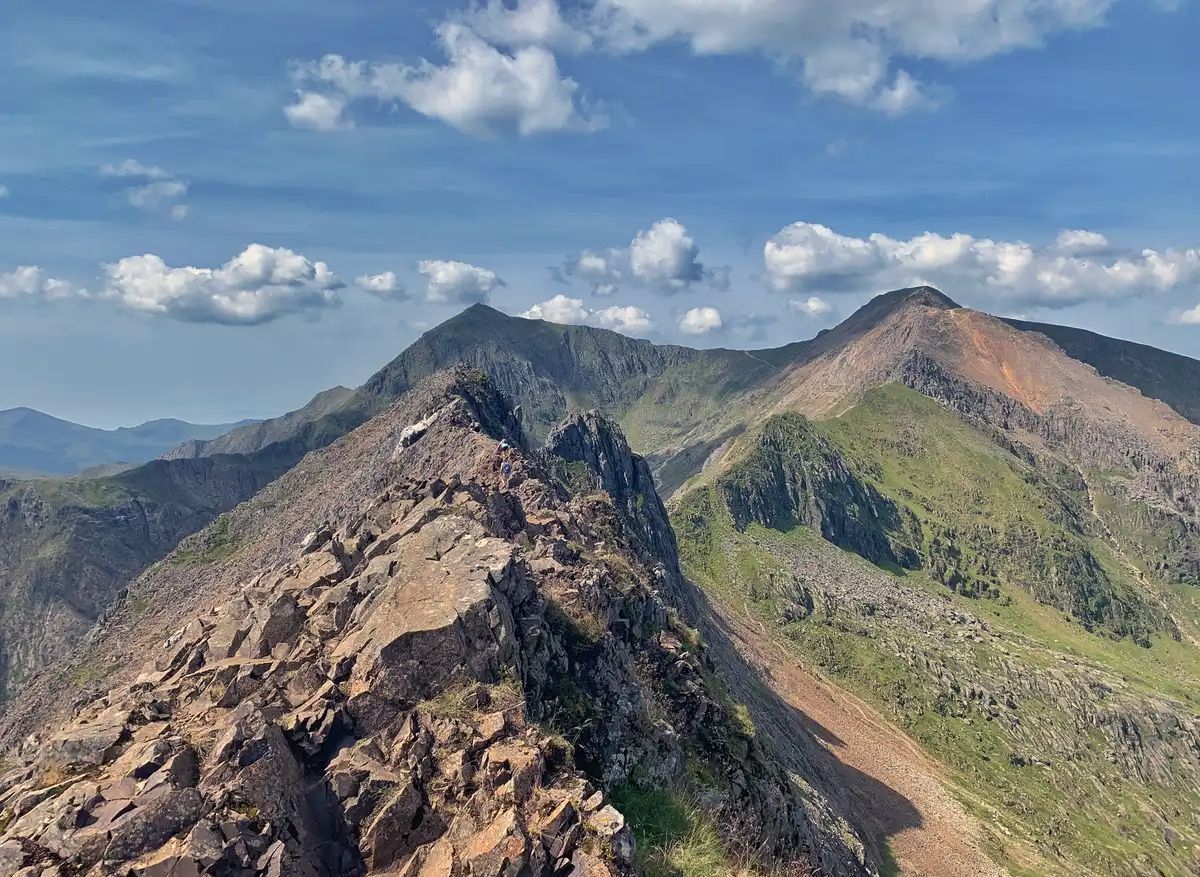
The Dragon's Back – running the spine of Wales
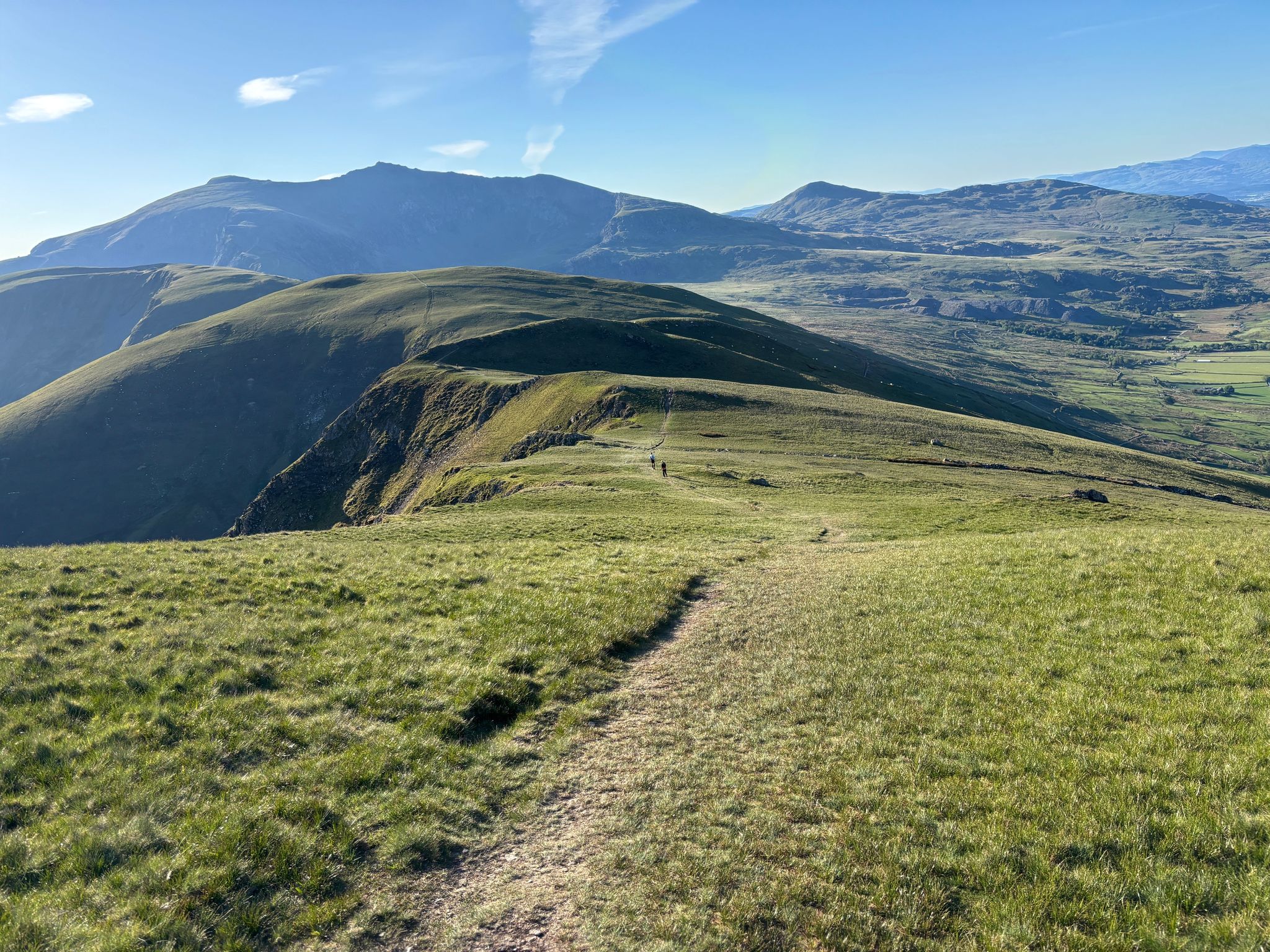
Ultra Trail Snowdonia by UTMB – 100 epic miles in Eryri
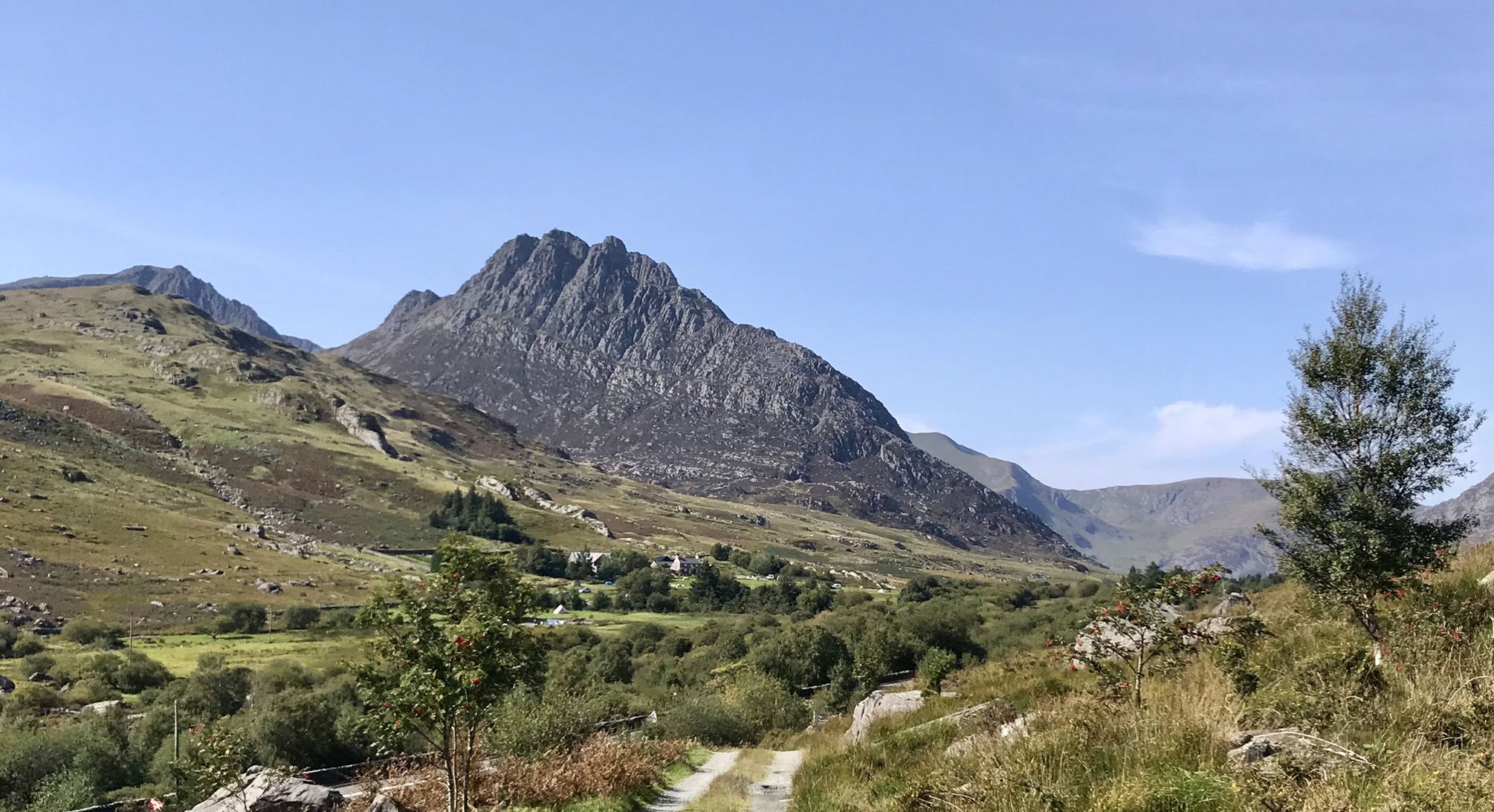
Snowdonia Way – A dramatic hike through Eryri's mountainous heart
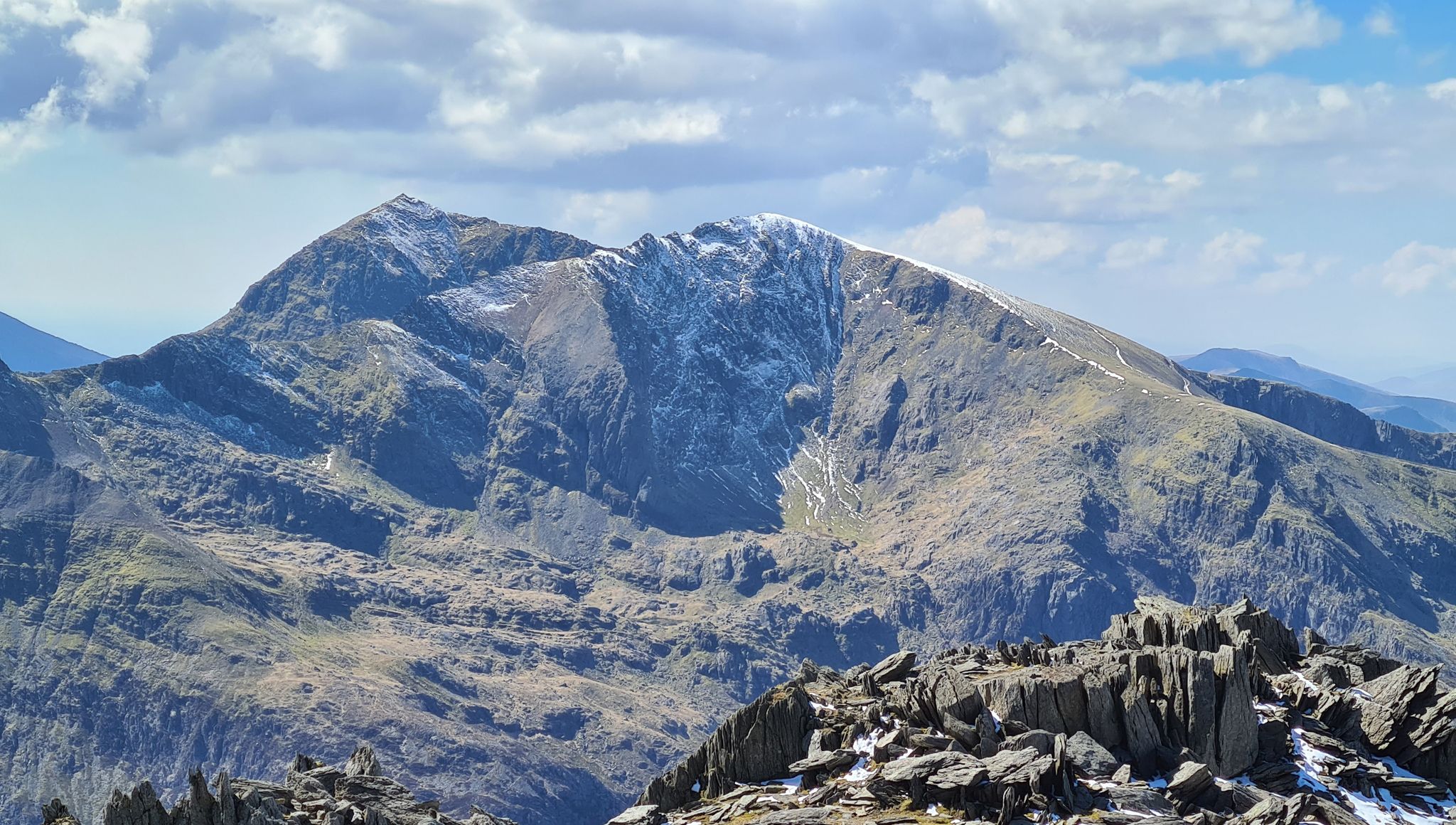
Snowdonia Way Mountain Route – Rise to Eryri's awesome summits
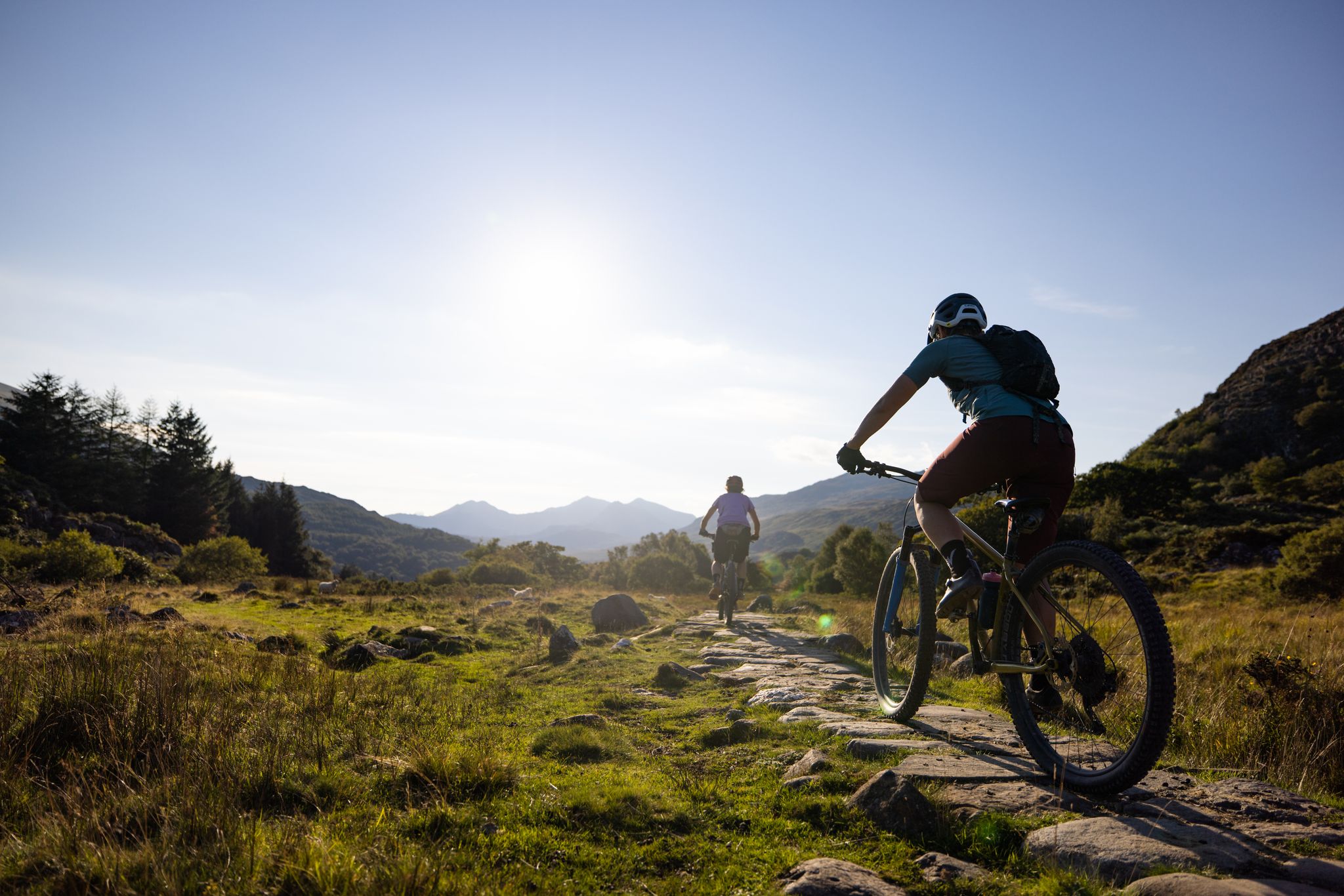
Traws Eryri — Bikepacking Snowdonia from Machynlleth to Conwy
O Fon i Fynwy — Exploring Wales on foot from top to bottom
Snowdonia Slate Trail — Unearth one of Wales' most spectacular hikes
Other adventures in Snowdonia


Tips from the Community

According to legend, Cader is named after a giant called Idris Gawr. 'Cadair Idris' means 'Chair of Idris' in English, while 'Cader' can also refer to an ancient fortress. The place is known as Cader Idris rather than Cadair, but both names are used. The most famous local fable is that if you spend the night on the mountain, you will go mad or become a poet. (Visit Wales)
6
0
It is worth the effort. At the top, you enjoy a beautiful view in all directions. It cannot be captured in photos.
6
0

Moel Siabod is a terrific viewpoint as it is isolated from the other main peaks of Eryri. On the day I climbed it I was fortunate to experience an inversion, where the clouds form a layer below the summit.
0
0

Lovely views but tricky summit to find boulders everywhere you need to climb up to the summit if wet would be unsafe cantilever stone looks amazing only problem with glyders is very bad on the foot but really enjoyed it I did tryfan north face then down the south side up the loose scree that was some climb and half top of glyders then Down one hell of a loose scree up y garn then down devils kitchen I wouldn't advise going down that if you are not good on your feet it's hell I've done it both ways going up is so much easier going down devils kitchen is really bad
0
0

Expect tricky terrain. It's very rocky and uneven with hidden holes.
0
0
The Castle of the Winds is a true highlight on this or any other mountain. Spectacular and spiky it makes for a great scramble over the top!
0
0
There are fantastic views of Snowdonia from the top of Moel Siabod, but the weather must be clear. From the top it is possible to see 13 of the 14 highest peaks in Wales on a clear day without turning your head.
12
0
Frequently Asked Questions
What are the best natural features and viewpoints to experience in Snowdonia?
Snowdonia is renowned for its dramatic landscapes. Key natural features include the majestic Snowdon Summit (Yr Wyddfa), the highest mountain in Wales, offering panoramic views. Other notable peaks with stunning vistas are Penygadair summit, Cadair Idris, known for its imperious cliffs, and Glyder Fach summit and the Cantilever Stone, famous for its jumbled boulders and unique rock formation. For a less strenuous ascent to incredible views, consider the Snowdon Mountain Railway. The region also boasts numerous glacial lakes like Bala Lake (Llyn Tegid) and stunning waterfalls such as Swallow Falls (Rhaeadr Ewynnol) and Aber Falls.
Are there any historic castles or cultural sites worth visiting in Snowdonia?
Yes, Snowdonia is rich in history and culture. You can explore magnificent medieval fortresses like Caernarfon Castle, Harlech Castle, and Conwy Castle, all UNESCO World Heritage sites. Dolbadarn Castle, a 13th-century ruin, also offers a glimpse into the past. For a unique cultural experience, visit Portmeirion, a quirky Italianate village, or the National Slate Museum in Llanberis, which delves into the region's industrial heritage. Tŷ Siamas, the National Centre for Folk Music in Dolgellau, provides insights into Welsh musical traditions.
What outdoor activities can I do near Snowdonia's attractions?
Snowdonia is an outdoor enthusiast's paradise. You can find numerous opportunities for hiking, cycling, and mountain biking. For challenging mountain hikes, explore routes around Snowdon, Cadair Idris, and the Glyderau range. You can find detailed mountain hiking routes in the Mountain Hikes in Snowdonia guide. Cycling enthusiasts can enjoy scenic routes around Bala Lake or the Ogwen Valley, with more options available in the Cycling in Snowdonia guide. For mountain biking, trails like Gwydir Mawr and the Beast of Brenin offer thrilling experiences; check the MTB Trails in Snowdonia guide for more.
What are some family-friendly attractions in Snowdonia?
Snowdonia offers several attractions suitable for families. The Snowdon Mountain Railway provides a scenic and less strenuous way to reach the summit of Snowdon. Bala Lake (Llyn Tegid) is Wales' largest natural lake, offering recreational facilities, and the Bala Lake Steam Railway provides a charming journey along its shores. The National Slate Museum in Llanberis is an engaging historical site for all ages. For adventure, Zip World offers thrilling activities like the world's fastest zip line and Bounce Below in subterranean slate mines, while Llechwedd Slate Caverns provides an underground exploration.
When is the best time to visit Snowdonia for outdoor activities?
The best time to visit Snowdonia for outdoor activities generally depends on your preferences. Spring (April-May) and Autumn (September-October) often offer pleasant temperatures, fewer crowds, and stunning scenery, especially with autumn colours. Summer (June-August) is popular for its longer daylight hours and warmer weather, though it can be busier. Winter (November-March) can be challenging due to colder temperatures, shorter days, and unpredictable weather, but offers a unique, rugged beauty for experienced hikers. Always be prepared for sudden weather changes, regardless of the season.
Are there any easy walks or beginner hikes in Snowdonia?
While Snowdonia is known for its challenging peaks, there are also easier options. The Llanberis Path on Snowdon is considered one of the more gentle routes to the summit. Many of the forest trails, such as those in Gwydir Forest near Betws-y-Coed, offer less strenuous walking opportunities. The Mawddach Trail, mentioned in the MTB Trails in Snowdonia guide, is an easy, flat route suitable for walking and cycling. Exploring the charming villages like Betws-y-Coed and Beddgelert also provides opportunities for gentle strolls along rivers and through picturesque scenery.
What are some unique or hidden gems in Snowdonia?
Beyond the most famous peaks, Snowdonia holds several unique spots. Portmeirion, with its Italianate architecture and coastal walks, offers a truly distinctive experience. The Cregennan Lakes, nestled in the shadow of Cadair Idris, are a serene spot popular with landscape photographers, offering views of the Mawddach Estuary. Ynys Enlli (Bardsey Island), an International Dark Sky Sanctuary, is a trust-owned island with ancient monastic ruins and rich wildlife. For a historical gem, explore Tre'r Ceiri, one of Britain's best-preserved Iron Age hill forts.
What are the options for getting to the summit of Snowdon (Yr Wyddfa)?
You have several options to reach the summit of Snowdon (Yr Wyddfa). For hikers, there are various routes ranging from the relatively gentle Llanberis Path to more challenging arêtes like Crib Goch. The Miners' and Pyg Tracks are classic approaches that lead into the incredible natural amphitheatre below the summit. For those seeking a less strenuous ascent, the Snowdon Mountain Railway offers a scenic journey directly to the top. Remember to check weather conditions before any ascent.
Where can I find cafes or places to eat near Snowdonia's attractions?
Many popular areas and attractions in Snowdonia offer dining options. The summit of Snowdon (Yr Wyddfa) has a summit station with a cafe during the summer months. Charming villages like Betws-y-Coed and Llanberis are tourist hubs with a variety of cafes, pubs, and restaurants. Capel Curig, at the foot of Moel Siabod, also has cafes. It's always a good idea to pack snacks and water, especially when venturing into more remote areas.
What is the significance of the Cantilever Stone on Glyder Fach?
The Cantilever Stone is a famous and much-photographed rock formation located on Glyder Fach summit. It's known for its seemingly impossible balance, appearing to defy gravity as it juts out from the mountain. It's a popular spot for hikers to take unique photos and is a highlight of the Glyderau range, which is characterized by its jumbled boulders and craggy outcrops.
Can I go wild swimming in Snowdonia's lakes?
Snowdonia is home to numerous glacial lakes, and while many are beautiful, wild swimming requires caution. Lakes like Llyn Ogwen, Llyn Padarn, and Llyn Cwellyn are popular, but the water can be very cold, even in summer. Some highlight tips for Penygadair summit, Cadair Idris, mention that you need a 'cast-iron constitution' to swim in the lakes on either side of the ridge. Always prioritize safety, check local conditions, and be aware of currents and depths before entering the water.
What do visitors enjoy most about Snowdonia's attractions?
Visitors to Snowdonia consistently praise the breathtaking natural beauty and the sense of accomplishment from exploring its peaks. Many highlight the spectacular views from summits like Snowdon (Yr Wyddfa) and Moel Siabod on clear days. The unique geological features, such as the Cantilever Stone on Glyder Fach, also captivate many. The variety of routes, from gentle paths to challenging scrambles, means there's something for every ability, and the rich history found in its castles and museums adds another layer of enjoyment.
Most popular routes in Snowdonia
Most popular attractions in Snowdonia

Get inspired with the komoot mobile app


Explore more
Still not found the Highlight you’re looking for? See guides of the top attractions in other regions:
