Attractions and Places To See around Parco interprovinciale di Montioni - Top 18
Best attractions and places to see around Parco interprovinciale di Montioni include a protected natural area spanning approximately 7,000 hectares, characterized by dense Mediterranean vegetation, diverse wildlife, and significant archaeological evidence. The park features rolling hills, extensive forests, and state nature reserves, offering varied natural environments. It preserves the remains of protohistoric, Etruscan, and Roman settlements, alongside medieval buildings and historical industrial sites. With approximately 100 kilometers of trails, the park provides opportunities for exploring its natural beauty and historical…
Last updated: October 17, 2026
La Pievaccia Tower
Highlight • Monument
Translated by Google •
Tip by

Terme della Baciocca
Highlight • Historical Site
Translated by Google •
Tip by

Sign up now to discover places like this
Get recommendations on the best single tracks, peaks, & plenty of other exciting outdoor places.
Ruins of the Elisa Baciocchi Thermal Baths
Highlight • Historical Site
Translated by Google •
Tip by

Montioni Village
Highlight • Settlement
Showing Translation
Tip by
Trail to Pievaccia, Parco Interprovinciale di Montioni
Highlight • Trail
Translated by Google •
Tip by

Sign up for free to discover even more attractions around Parco interprovinciale di Montioni.
Already have an account?
Start today with a free account
Your next adventure awaits.
Popular around Parco interprovinciale di Montioni
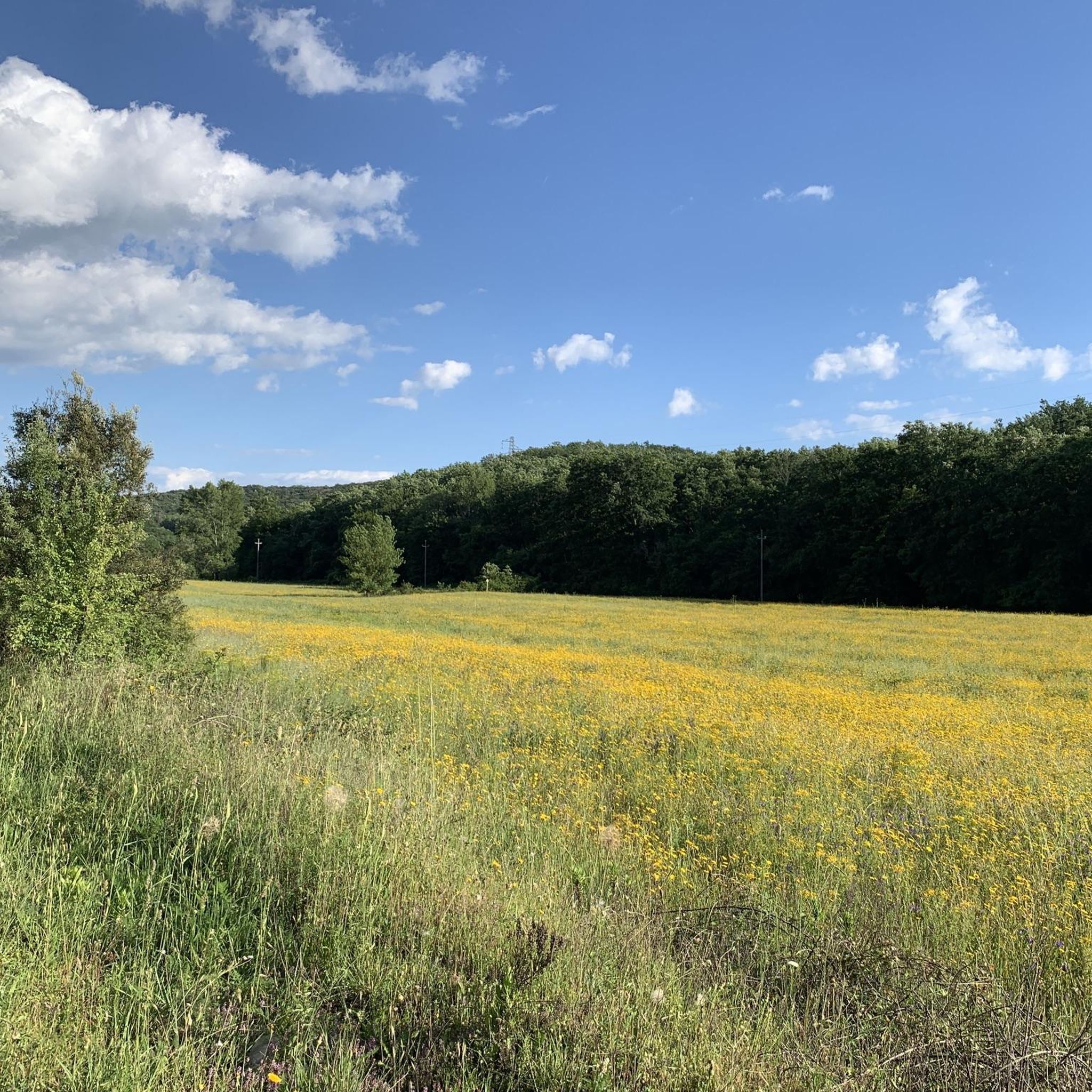
Cycling around Parco interprovinciale di Montioni
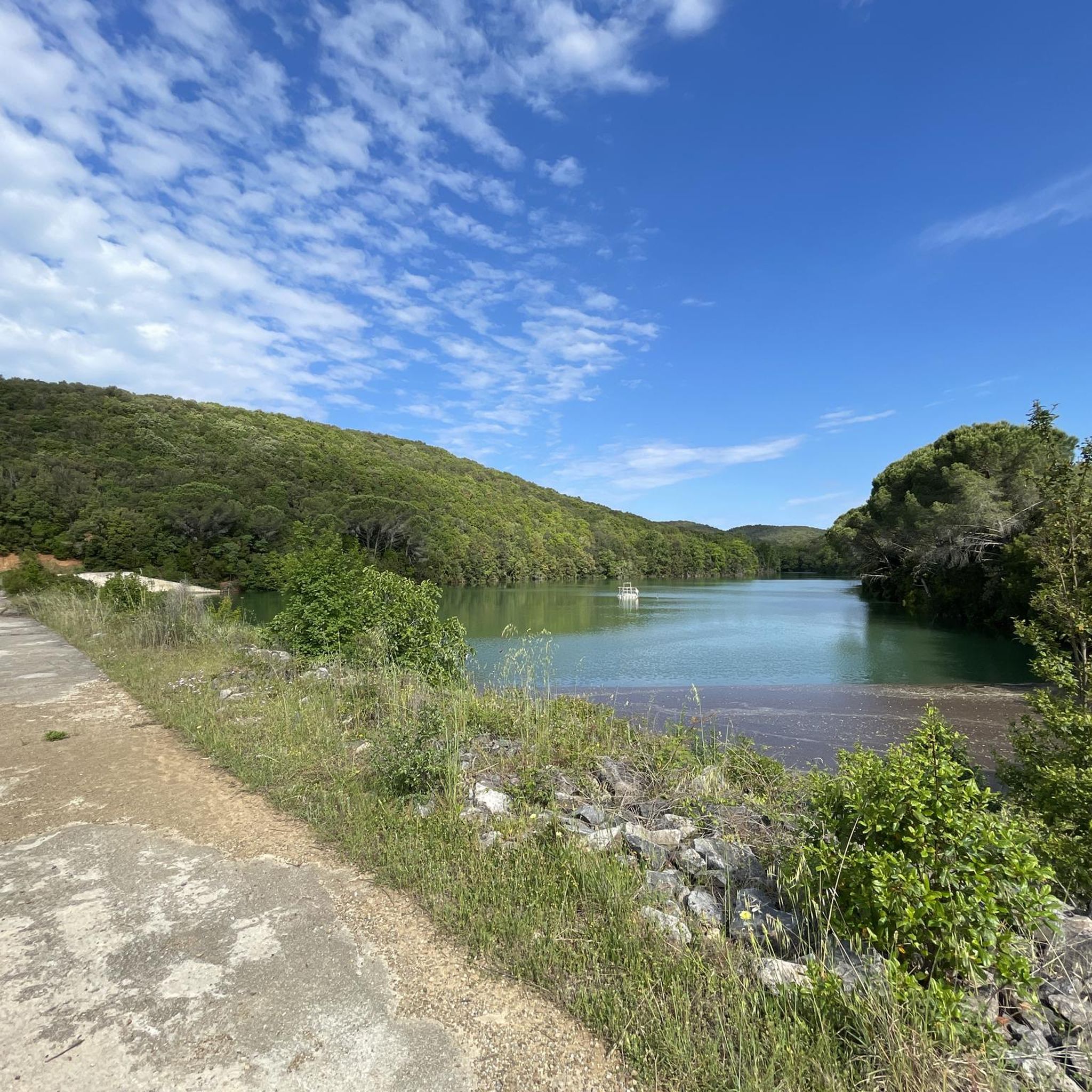
Road Cycling Routes around Parco interprovinciale di Montioni
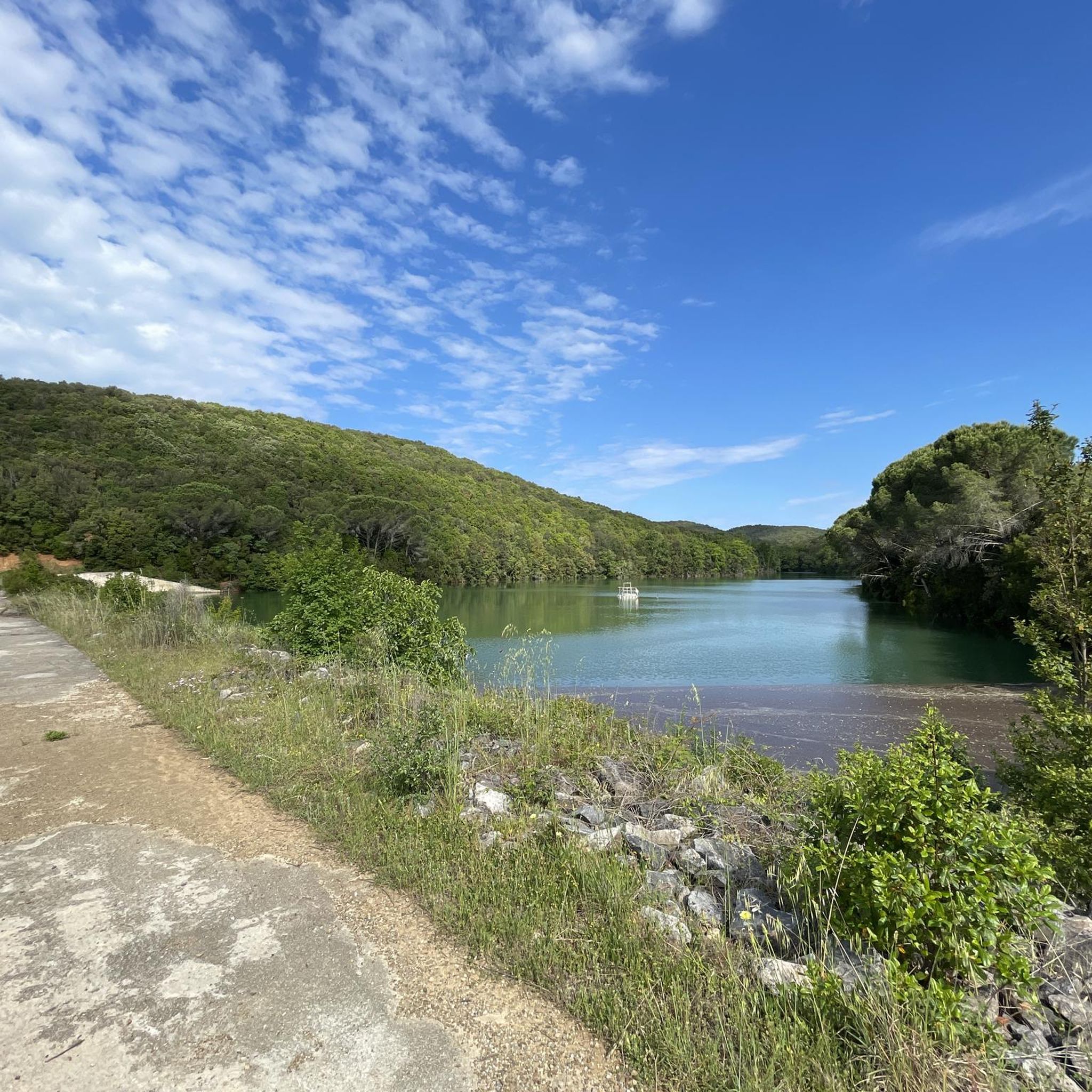
Hiking around Parco interprovinciale di Montioni
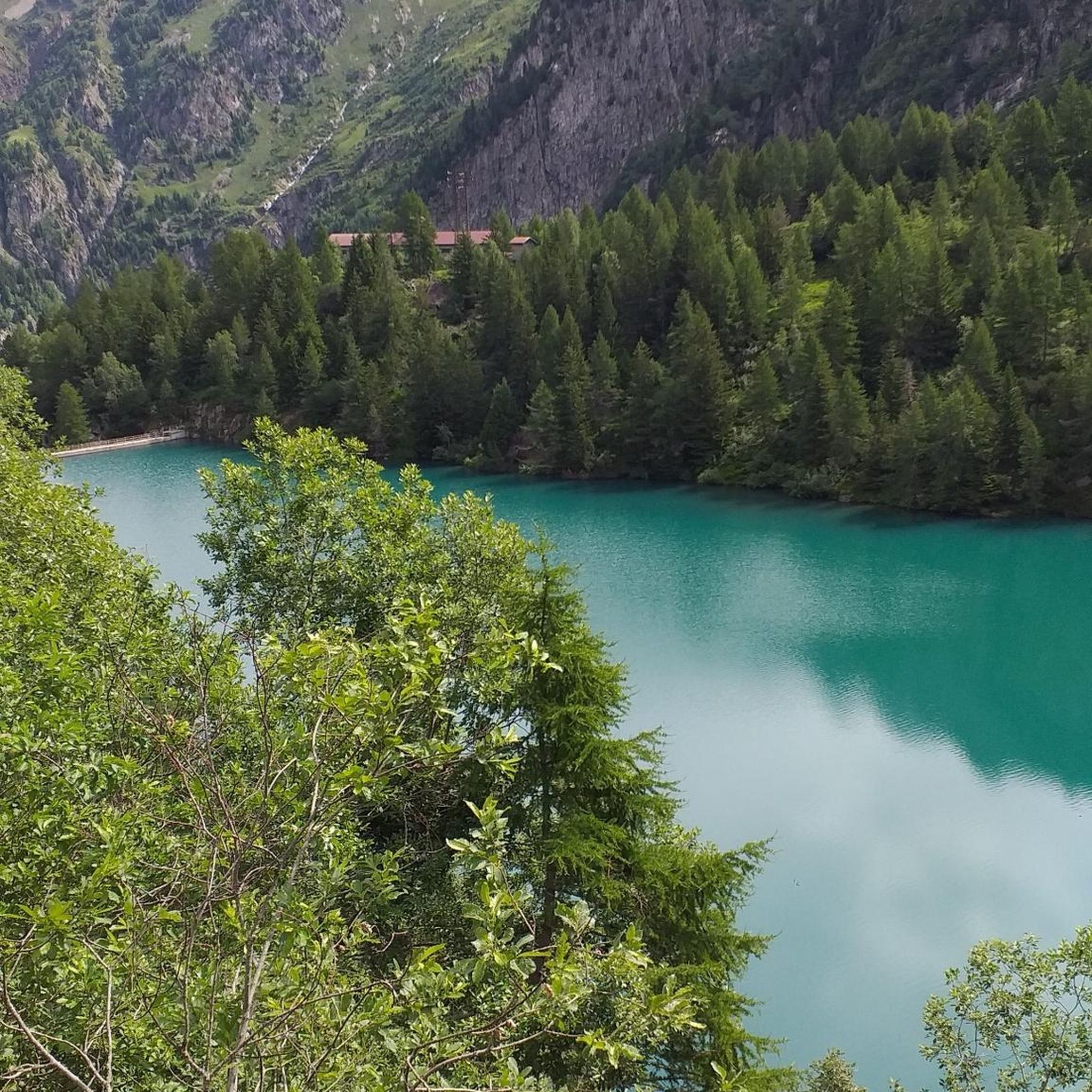
Gravel biking around Parco interprovinciale di Montioni
MTB Trails around Parco interprovinciale di Montioni
Running Trails around Parco interprovinciale di Montioni
Tips from the Community

Route Details Length: Approximately 7.4 km (variable up to 11-13 km depending on the chosen starting point). Travel time: Approximately 2 hours and 15 minutes. Elevation gain: 180–300 meters. Difficulty: Moderate (sure-footedness required in the final section). Itinerary Features The start: You walk through Mediterranean scrub, holm oak woods, and dirt roads. Lago del Bicocchi: A picturesque artificial basin along the route. The final climb: You take dirt tracks and firebreaks; the last few hundred meters towards the summit (Poggio Chiecco) feature a steeper and more challenging climb. La Pievaccia: The remains of an imposing fortified ecclesiastical complex and a medieval tower, offering a 360-degree panoramic view of the Val di Cornia and the Gulf of Follonica.
0
0
The Baciocca Baths, located in the Montioni Natural Park between Follonica and Grosseto, are a small thermal complex built around 1809 at the behest of Elisa Bonaparte Baciocchi, Napoleon's sister. Today they appear as ruins immersed in vegetation, but at the time they were an elegant wellness center with marble tubs made by Antonio Canova.
0
0


The Terme della Baciocca are a small thermal complex built in the early 19th century by order of Elisa Bonaparte, sister of Emperor Napoleon Bonaparte, wife of Captain Felice Baciocchi. Following his descent into Italy, Napoleon entrusted the government of the conquered territory of Piombino to his brother-in-law in 1805. In all respects, however, it was mainly the sister who took care of the management. During research in the territory that was part of the Principality of Piombino, Elisa ordered the construction of a village near the ancient alum mines of Montioni. A hilly area immediately behind the sea of the Gulf of Follonica. In the surroundings of this village, having discovered a source of sulphurous water that flowed at 31°C, the Princess had thermal baths built for her exclusive use. The architecture of this complex built entirely of exposed stone, presents regular geometric shapes, such as the numerous arches, classic of rationalist architecture. The structure has remained intact in its majority to the present day, only the roof and part of the floor are no longer present. Inside, Elisa Bonaparte had two important marble bathtubs from Canova's workshop placed. Bathtubs no longer present on the site today but fortunately recovered and preserved. One is located in Follonica, inside the Ex Ilva park and the other in Portoferraio, on the island of Elba. The ancient Terme della Baciocca are today located inside the Montioni Natural Park and can be visited for free with a short walk inside the park, where it is possible to continue the excursion through paths immersed in greenery, suitable for both trekking and mountain biking.
0
0
Beautiful 360 ° panorama from above the Pievaccia towards the coast and the hinterland not to be missed it is worth knowing and spending 5 minutes to admire the landscape.
0
0

It is a thermal structure built on a source of hot thermal water at 43° by Elisa Baciocchi, sister of Napoleon Bonaparte, in 1809 which she used when she was visiting the alum quarries. It was restructured by Duke Leopold II in 1856 to open it for public use but the source disappeared after a few years. This is a thermal structure built on a hot thermal water source at 43° by Elisa Baciocchi, Napoleon Bonaparte's sister, in 1809. She used it when she visited the alum quarries. It was renovated by Duke Leopold II in 1856 to open it for public use but the source disappeared after a few years
0
0
"Montioni" is a small Tuscan village that was famous in the past for coal production and for being a thermal center. The current Montioni residential complex was built in 1809 by Elisa Baciocchi, Napoleon Bonaparte's sister, who was appointed Princess of the Principality of Piombino by him. The village was built near ancient alum quarries, an important mineral much sought after in antiquity for use in the tanning industry. For those arriving here, there is a large unguarded parking lot and a bar. Near the bar (hours to be verified) there is also a fountain. From here, different wide and well-marked paths can be taken on foot, by mountain bike or on horse back.
0
0
Small Tuscan village famous in the past for charcoal production and for being a spa town, The small inhabited area of Montioni constitutes the natural gateway to the homonymous Park. The current inhabited cluster of Montioni was born in 1809 at the behest of Elisa Baciocchi, sister of Napoleon Bonaparte, by whom she was appointed Princess of the Principality of Piombino. The village was built near the ancient alum quarries, an important mineral highly sought after in antiquity for uses in the tanning industry. For those arriving here, there is a large, unguarded parking lot and a bar. Near the bar (check opening hours) there is also a fountain. From here originate different wide and well-marked trails that can be done on foot, by MTB or on horseback.
0
0
Frequently Asked Questions
What historical sites can I explore in Parco Interprovinciale di Montioni?
The park is rich in history, featuring the remains of protohistoric, Etruscan, and Roman settlements. You can visit the medieval building of La Pievaccia Tower, the crumbling Ruins of the Old Montioni Castle, and the remnants of the Terme della Baciocca, which were sulfurous baths including a private spa for Elisa Bonaparte. Don't miss the historical alum quarries and the Montioni Village, developed during the Napoleonic era.
What natural features are prominent within Parco Interprovinciale di Montioni?
The park is characterized by dense Mediterranean vegetation, including holm oaks, conifers, and turkey oaks, with riparian woodlands in more humid areas. You'll find rolling hills, such as Poggio al Chiecco, offering scenic views. A notable natural highlight is Bicocchi Lake, an artificial lake often included in hiking itineraries. The park also encompasses the Poggio Tre Cancelli and Marsiliana State Nature Reserves.
What kind of wildlife can I expect to see in Parco Interprovinciale di Montioni?
Parco Interprovinciale di Montioni is home to diverse fauna. You might spot ungulates like roe deer, wild boar, and fallow deer, as well as smaller mammals such as weasels, foxes, hedgehogs, porcupines, and even wild cats. The park is also a haven for birdlife, including various birds of prey like the short-toed eagle, buzzard, and kestrel, alongside nocturnal raptors like the scops owl and barn owl.
Are there any viewpoints offering scenic panoramas in the park?
Yes, from higher elevations within the park, such as Poggio al Chiecco, you can enjoy expansive views across the valleys and down to the Mediterranean Sea. The La Pievaccia Tower also offers an incredible landscape view of the Gulf of Follonica and Elba island.
What outdoor activities are available in Parco Interprovinciale di Montioni?
The park boasts approximately 100 kilometers of trails, ideal for walking, cycling, and horseback riding. Popular routes include loops around Bicocchi Lake and to La Pievaccia Tower. You can also explore the Path of Poggio Saracino, which traces the historical coexistence of humans and nature, passing old mining villages and alum processing sites.
Are there cycling routes suitable for different skill levels near the park?
Yes, the area around Parco Interprovinciale di Montioni offers a variety of cycling routes. For touring cyclists, you can find routes like the 'Levante Pinewood – Mozza Tower loop from Cura Nuova' which is moderate. Road cyclists have options such as the 'Cornia River – Fonte degli Angeli loop from San Lorenzo' for an easy ride, or more challenging routes like the 'Historic Village of Sassetta – View of the Tuscan Hills loop'. Gravel biking is also popular, with routes like the 'Carbonifera Hydropower Station – Mozza Tower loop from Vignale - Riotorto' being an easy option. You can find more details on these routes in the Cycling around Parco interprovinciale di Montioni, Road Cycling Routes around Parco interprovinciale di Montioni, and Gravel biking around Parco interprovinciale di Montioni guides.
Can I find easy hiking trails in Parco Interprovinciale di Montioni?
The park offers an extensive network of trails, and many are suitable for walking. While some routes can be intermediate or challenging, there are paths that are considered family-friendly and easier to navigate, particularly around areas like Bicocchi Lake and within the Montioni Village area, which serves as a natural gateway with well-signposted paths.
Is Parco Interprovinciale di Montioni suitable for families?
Yes, the park is suitable for families. Many trails are accessible for walks, and areas like Bicocchi Lake and Montioni Village are noted as family-friendly. There are also designated picnic areas where families can relax and enjoy meals amidst nature.
What is the best time of year to visit Parco Interprovinciale di Montioni?
The park's Mediterranean climate makes it enjoyable for much of the year. Spring and autumn generally offer the most pleasant temperatures for outdoor activities like hiking and cycling, with lush vegetation and comfortable conditions. Summer can be warm, but the dense forests provide shade. Winter offers a different, quieter experience, though some trails might be affected by weather.
Are there facilities or services available within the park, such as parking or cafes?
Yes, at Montioni Village, which is a natural gateway to the park, you will find a large unattended car park and a bar. There is also a fountain near the bar. These facilities provide convenience for visitors starting their exploration of the park.
Can I bring my dog to Parco Interprovinciale di Montioni?
While the guide data does not explicitly state dog-friendly policies, natural parks in Italy often allow dogs on trails if kept on a leash. It's advisable to check local regulations or signage upon arrival to ensure compliance and respect for wildlife and other visitors.
What is the significance of Montioni Village?
Montioni Village was established in 1809 by Elisa Baciocchi, Napoleon Bonaparte's sister, near ancient alum quarries. It was historically important for coal production and as a thermal center. Today, it serves as a natural gateway to the park, offering parking, a bar, and access to various well-signposted trails for walking, mountain biking, or horseback riding.
What is the story behind the thermal baths in the park?
The park is home to the Terme della Baciocca, a small thermal complex built in the early 19th century by order of Elisa Bonaparte, Napoleon's sister. She had these private thermal baths constructed for her exclusive use after a source of sulphurous water was discovered. Another thermal structure, the Ruins of the Elisa Baciocchi Thermal Baths, was built on a hot thermal water source at 43°C, later restructured for public use, though the source eventually disappeared.
Most popular routes around Parco interprovinciale di Montioni

Get inspired with the komoot mobile app


Explore more
Still not found the Highlight you’re looking for? See guides of the top attractions in other regions:
