The best running trails around Regional Park Boschi di Carrega
4.1
(148)
5,831
runners
303
runs
Jogging around Regional Park Boschi di Carrega offers diverse landscapes and natural features just outside Parma. The park is characterized by gentle, rolling hills with minimal elevation changes, making it suitable for various running levels. A network of well-maintained paths winds through extensive woodlands, interspersed with valleys, meadows, and several artificial lakes. These features provide a tranquil setting for running and exploring the region's natural beauty.
Best jogging routes around Regional Park Boschi di Carrega
- The most popular jogging route…
Last updated: October 22, 2026
4.3
(3)
4
runners
8.27km
00:59
160m
160m
Moderate run. Good fitness required. Mostly paved surfaces. Suitable for all skill levels.
76
runners
Moderate run. Good fitness required. Mostly paved surfaces. Suitable for all skill levels.

5.0
(3)
65
runners
12.0km
01:24
130m
130m
Moderate run. Good fitness required. Mostly paved surfaces. Suitable for all skill levels.
4.0
(1)
43
runners
15.5km
01:40
250m
250m
Hard run. Very good fitness required. Mostly paved surfaces. Suitable for all skill levels.
3.2
(5)
42
runners
7.08km
00:44
20m
20m
Moderate run. Good fitness required. Mostly paved surfaces. Suitable for all skill levels.
Get access to more routes and recommendations from other explorers.
Already have an account?
Our route recommendations are based on thousands of hikes, rides, and runs completed by other people on komoot.
Start today with a free account
Your next adventure awaits.
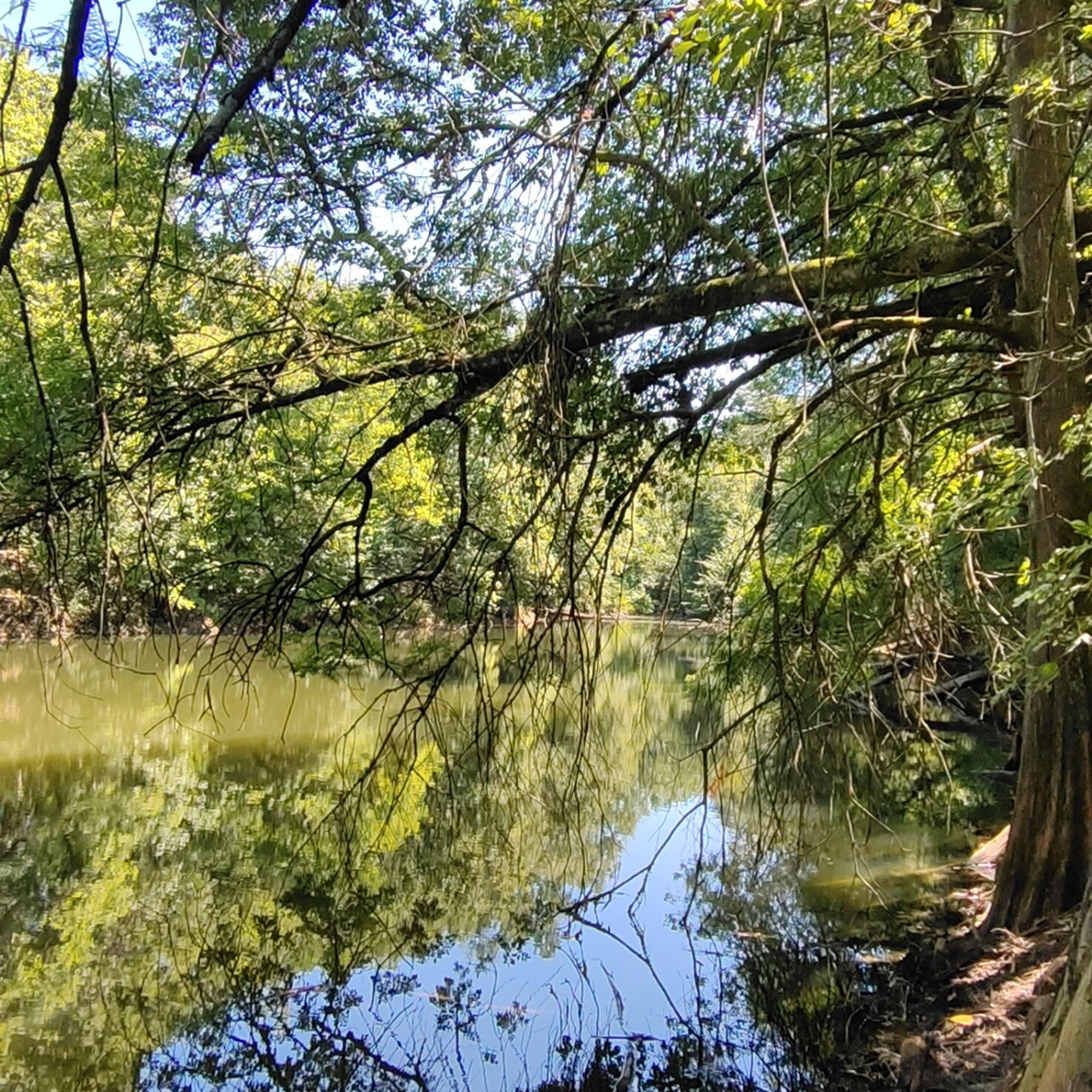
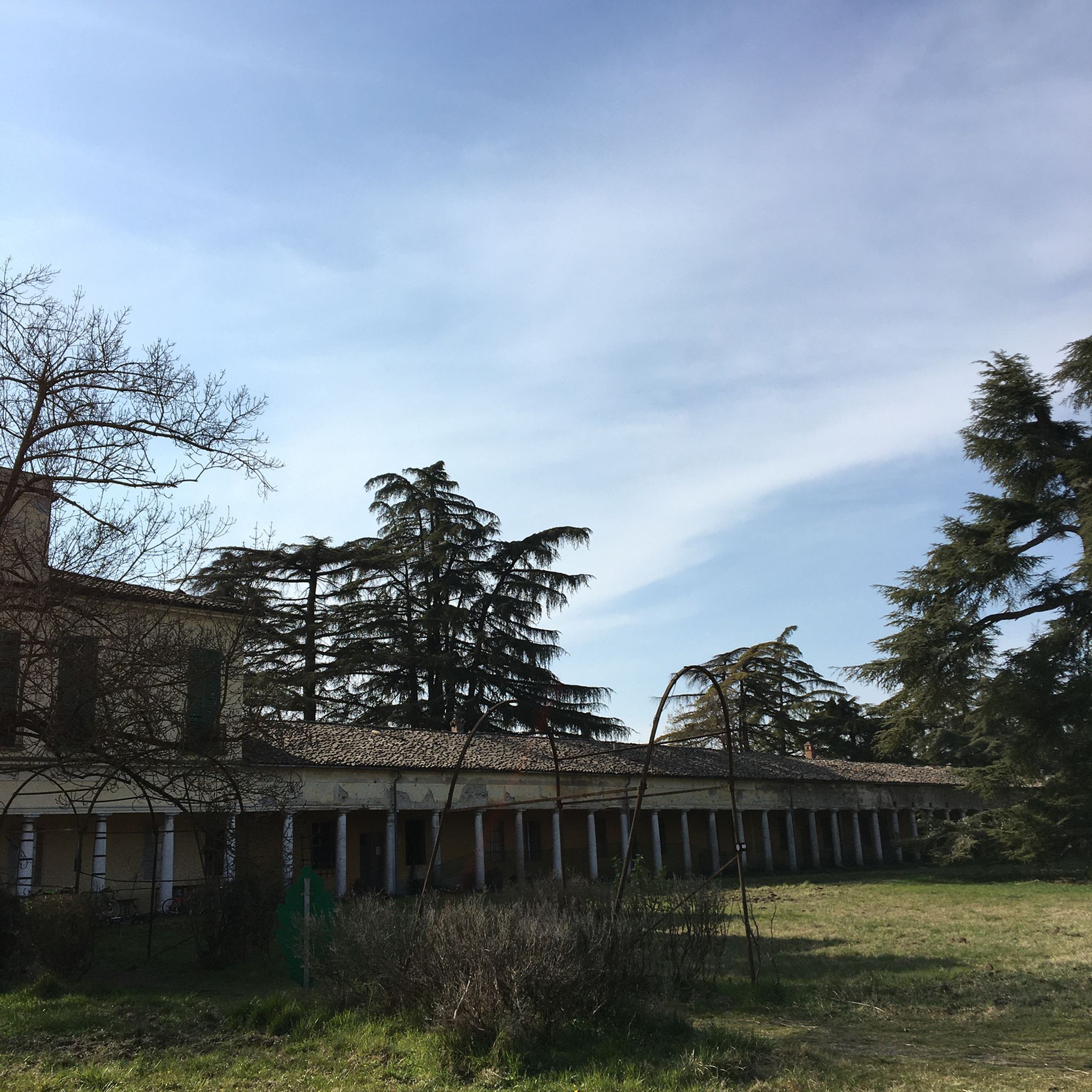
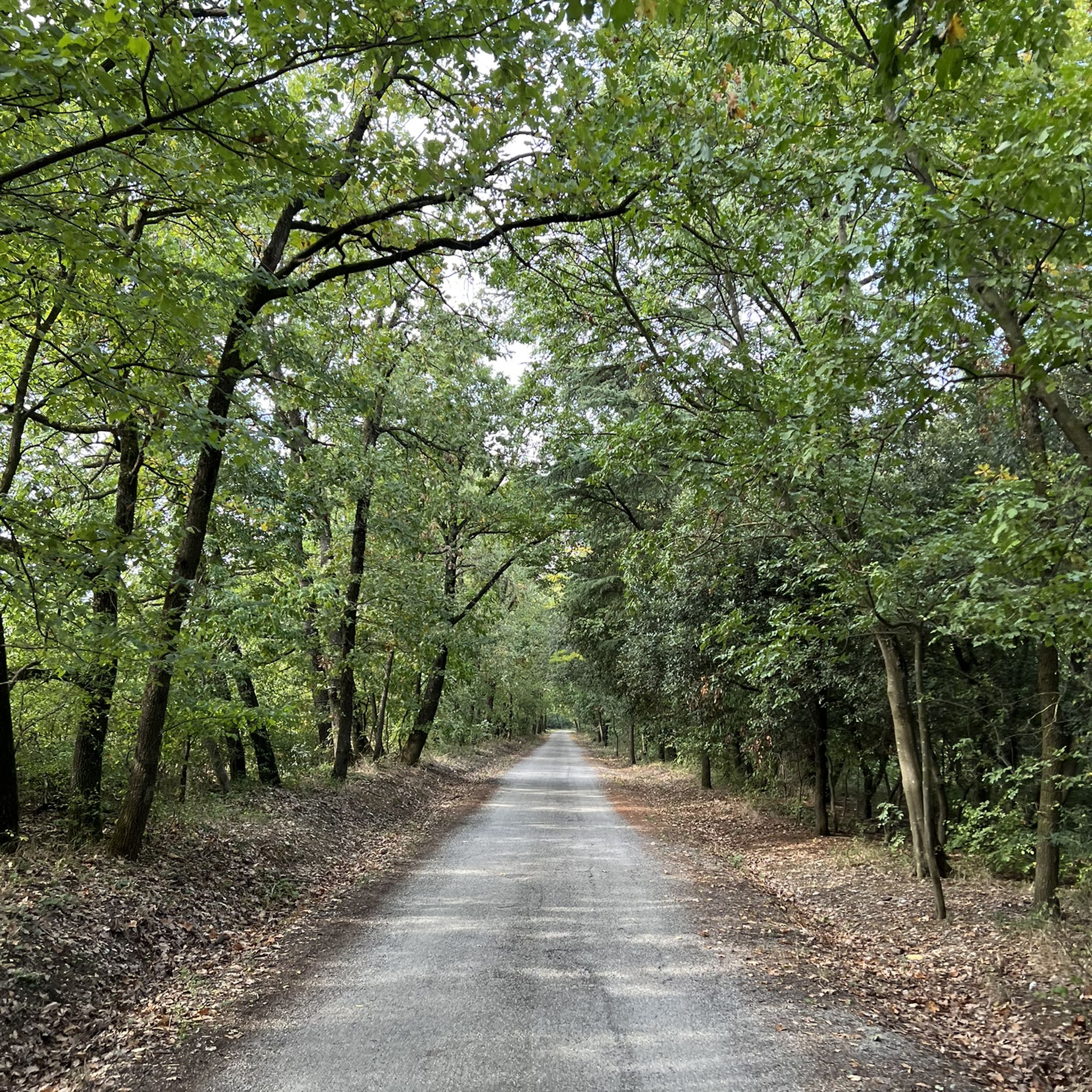
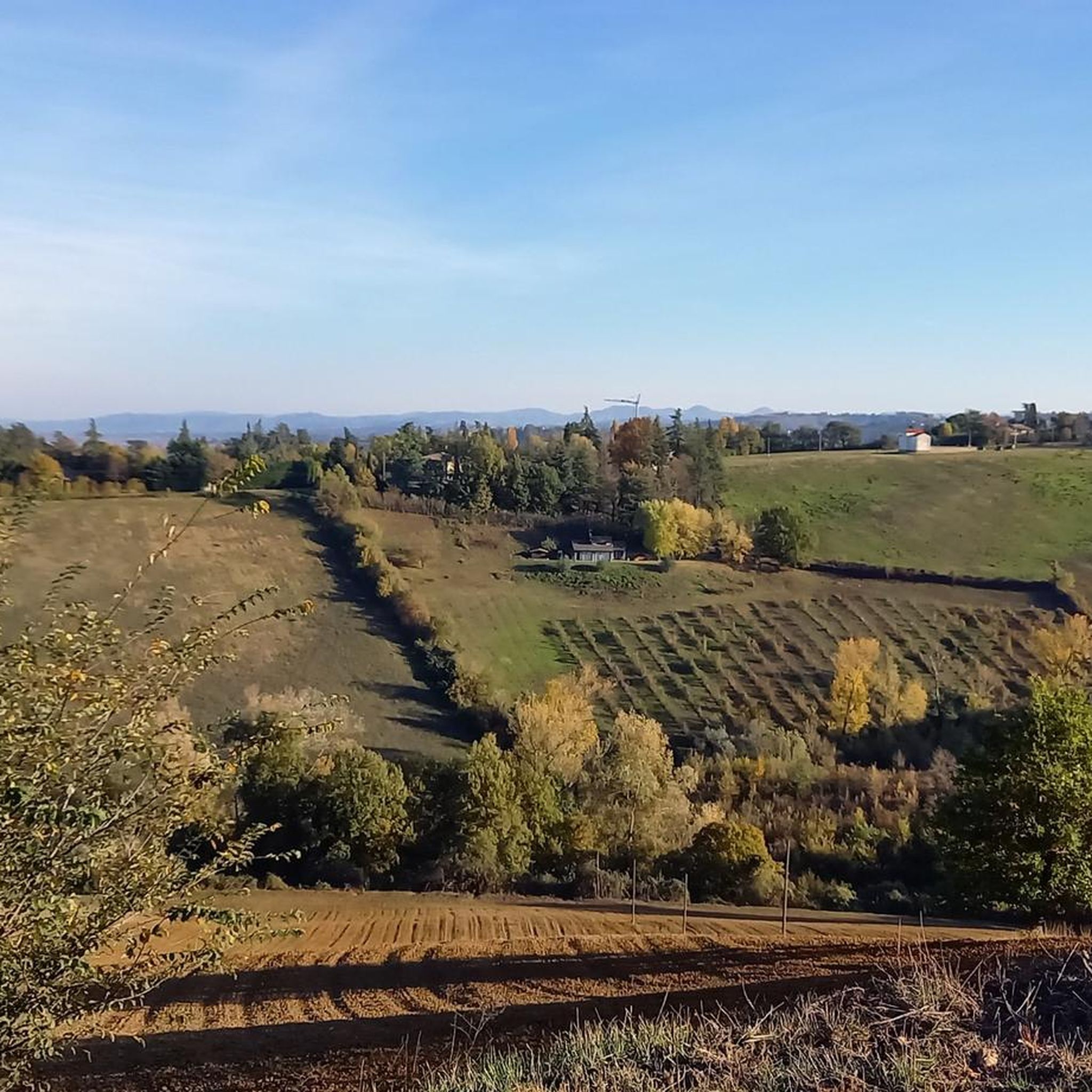
Tips from the Community

The Boschi di Carrega Regional Nature Park was established in 1982 as the first regional park in Emilia-Romagna. It is located in the province of Parma, extending for about 1270 hectares on the river terraces between the Taro river and the Baganza stream, in the municipal territories of Collecchio, Sala Baganza and Fornovo di Taro. This green lung protects a hilly area of immense naturalistic, historical and cultural value, famous for its ducal atmospheres and elegant landscapes.
0
0

La corte di Giarola è una corte rurale medievale dotata di chiesa interna, situata nell'omonima località presso Pontescodogna, frazione di Collecchio, in provincia di Parma; costituisce la sede dell'Ente di Gestione per i Parchi e la Biodiversità Emilia Occidentale, del museo del pomodoro, del museo della pasta, del Teatro alla Corte, del centro visite "Sotto il segno dell'acqua", di due sale convegni e di un ristorante.[1][2] È il punto di partenza per semplici camminate nel Parco del Taro. STORIA: La corte fu costruita originariamente tra l'VIII e il IX secolo per volere della casata di Ingo, nobile franco; l'edificio nacque quale presidio fortificato a controllo del vicino guado di un ramo della via Francigena attraverso il fiume Taro; a causa della sua prossimità al corso d'acqua, la località era conosciuta col nome di Glarola, forse di origine latina, in riferimento alla grande quantità di ghiaia depositata sulle sponde. La più antica testimonianza della sua esistenza risale al 1034, quando Glariola fu citata in un rogito di compravendita di terreni da parte di Alberto Prete a Giovanni di Viarolo. I discendenti di Ingo, feudatari della zona,nel 1045 donarono il castrum con la sua cappella romanica alla badessa Imila del monastero di San Paolo di Parma. L'anno seguente il vescovo Cadalo cedette alcune terre in castro clariolae alle monache. Nei decenni seguenti le religiose trasformarono la struttura in una corte agricola indipendente,[4][5] protetta da mura e dotata di abitazioni, stalle, caseificio e mulino alimentato dalle acque del canale Naviglio; le boscose e paludose terre circostanti furono bonificate e coltivate. Nel 1187 il papa Gregorio VIII emanò una bolla confermando alla badessa di San Paolo i diritti sull'Ecclesiam Sancti Nicomedi de Glarola, oltre a numerose altre del Parmense. A difesa dell'edificio e del guado il vescovo di Parma fece inoltre erigere una torre difensiva, che si aggiunse ai vicini castelli di Collecchio, Segalara, Madregolo e Carona. Nel 1308 i Rossi e i Lupi, dopo la loro cacciata da Parma, presero possesso della struttura fortificata di Giarola, che pochi mesi dopo fu contrattaccata dalle truppe di Giberto III da Correggio e distrutta al termine di un aspro combattimento; sopravvissero solo la corte agricola e la cappella. Nel 1440 ogni residua struttura fortificata fu completamente demolita o trasformata in abitazioni. Nel 1451 la corte ospitò durante il suo viaggio il duca di Milano Francesco Sforza,mentre nel 1495 vi si accamparono, in vista della battaglia di Fornovo, le truppe di Ludovico il Moro. Secondo il Catasto farnesiano del 1562, la corte, dipendente dalla magistratura di Parma e abitata da 110 persone, gestiva un territorio di 1140 biolche parmigiane, corrispondenti a circa 342 ettari, appartenenti in gran parte al monastero di San Paolo; le coltivazioni si estendevano in particolare nella pianura occidentale, in quanto all'epoca il fiume Taro scorreva molto più a ovest. Nel 1760 la chiesa romanica fu modificata in stile neoclassico. Dopo la conquista napoleonica del ducato di Parma e Piacenza, la corte rimase per alcuni anni soggetta direttamente al Comune (o mairie) di Parma, ma nel 1806 fu aggregata a quello di Collecchio. In seguito alla soppressione degli ordini religiosi che colpì anche le benedettine del monastero di San Paolo, nel 1811 la tenuta fu confiscata dal governo francese e affittata a imprenditori agricoli, primi tra tutti i conti Camillo e Alessandro Zileri. Gli abitanti della struttura raggiunsero la quota di 312 nel 1855, per calare un po' alla volta nei decenni seguenti. Le terre furono lottizzate e alienate a privati, mentre la corte fu acquistata alla fine del XIX secolo dalla famiglia Montagna, che dedicò parte dei terreni circostanti alla coltivazione di pomodori e costruì in adiacenza una fabbrica di conserva e un moderno caseificio con annesso allevamento di suini, affittati a conduttori esterni. Durante la seconda guerra mondiale, il 17 aprile 1945 la corte fu colpita dai bombardamenti alleati, che causarono la morte di nove persone[14] e il parziale crollo della chiesa di San Nicomede, di cui rimasero in piedi soltanto alcune porzioni delle murature esterne; il luogo di culto fu ricostruito nel 1950 nelle originarie forme romaniche. La fabbrica conserviera fu alienata nel 1957 all'imprenditore Ercole Azzali; pochi anni dopo fu però chiusa, mentre il caseificio sopravvisse ancora per qualche tempo. Dopo la cessazione dell'attività, il degrado aumentò, finché nel 1998 la corte e le strutture annesse furono acquistate dall'Ente Parco Fluviale Regionale del Taro, poi Ente di Gestione per i Parchi e la Biodiversità Emilia Occidentale, che ne avviò i lavori di ristrutturazione, adibendo parte dell'edificio a propria sede; nell'ala est furono inoltre ricavati un percorso espositivo e una sala auditorium. Nel 2005 fu recuperata la casa colonica esterna, destinata a Laboratorio storico. Nel 2006, su finanziamento della Regione Emilia-Romagna, del Comune di Collecchio e della Fondazione Cariparma, l'ala sud, originariamente adibita a legnaia e deposito, fu trasformata in sala teatrale; il Teatro alla Corte fu inaugurato nel settembre del 2007; nello stesso anno furono avviati i lavori di sistemazione dell'ala ovest, ove all'interno delle antiche stalle trovò spazio nel 2010 il Museo del pomodoro. Nel 2013 il cantiere dell'ala ovest fu completato recuperando anche l'antico pastificio e il mulino; l'anno seguente gli ambienti divennero la sede del Museo della pasta. Nel 2014 fu inoltre ricostruito il tetto della chiesa di San Nicomede,sede parrocchiale a servizio della frazione di Pontescodogna. Nel 2019 fu ristrutturato l'antico caseificio posto nell'ala nord ovest, al cui interno nel novembre dello stesso anno fu inaugurato l'Agrilab Giarola, un laboratorio di cucina per promuovere la biodiversità agroalimentare, i prodotti del territorio e la loro stagionalità. FONTE ed altre b notizie: https://it.wikipedia.org/wiki/Corte_di_Giarola
0
0

"It still remains to be added," writes Sigfried Grän OFM in 'Noah, the builder of the ark and inventor of viticulture', "what we left out above in the summary of the Noah story. Noah not only survives the flood and, after his rescue, offers a burnt offering to the Creator. He also incidentally becomes the inventor of viticulture. (...) In ancient Israel, the vine was considered the noblest of all plants. To own a vineyard, to enjoy its fruits and to be able to rest in the peace of its shade was ... the epitome of a happy and blessed existence." (Source: "In the Land of the Lord. Franciscan Magazine for the Holy Land", Issue 4/2024)
1
0

From behind the courtyard you enter the Taro Park towards the canals and the butterfly path
0
0

Talignano is a hamlet of the municipality of Sala Baganza (PR), it is crossed by the Scodogna stream, and is located at the entrance to the road that leads to the Boschi di Carrega and which subsequently leads to the municipality of Sala Baganza.
1
0
The court of Giarola is a medieval rural court with an internal church, located in the locality of the same name near Pontescodogna, a hamlet of Collecchio. The court was originally built between the 8th and 9th centuries at the behest of the Ingo family, a Frankish noble; the building was born as a fortified garrison to control the nearby ford of a branch of the Via Francigena across the Taro river; due to its proximity to the watercourse, the locality was known by the name of Glarola, perhaps of Latin origin, in reference to the large quantity of gravel deposited on the banks.
1
0
The parish church of San Biagio, also known as the parish church of Talignano, is a Catholic place of worship with Romanesque forms. The parish church was probably built at the beginning of the 12th century by the friars belonging to the now disappeared Cistercian monastery of Rocchetta, which at the time stood on a slope of the nearby Mount Prinzera, even if the first evidence of its existence dates back only to 1230; in Romanesque style, it was born as an intermediate stop for pilgrims who traveled the Via Francigena, who could find hospitality in the annexed hospice which was later destroyed. Between the 16th and 18th centuries the church was modified with the addition of Baroque and Neoclassical decorations. Between 1930 and 1940 the building was completely restored by removing the added superstructures, with the aim of returning it to its original appearance: the exterior was almost entirely recovered with the demolition of the plaster and the reconstruction of the Romanesque decorations, the part of the rectory annexed to the church was demolished and some single-lancet windows were opened in the apse.
2
0
The parish church of San Biagio, also known as the parish church of Talignano, is a Romanesque-style place of Catholic worship located in via della Pieve 8 in Talignano, a hamlet of Sala Baganza, in the province and diocese of Parma, on the edge of the regional natural park of Carrega Woods; it belongs to the group of Parma parish churches and is part of the pastoral area of Calestano-Felino-Sala Baganza.
1
0
Frequently Asked Questions
What kind of terrain can I expect on the running routes in Regional Park Boschi di Carrega?
The park features diverse terrain, primarily characterized by gentle, rolling hills with minimal elevation changes. You'll find a network of well-beaten and well-maintained paths winding through extensive woodlands, interspersed with valleys, expansive meadows, and fields. The routes are generally suitable for runners of all levels, offering a pleasant and serene experience.
Are there running routes suitable for beginners or those looking for an easy jog?
Yes, the park's terrain with its gentle, rolling hills and minimal strenuous climbs makes it ideal for runners of all levels, including beginners. While specific 'easy' routes aren't explicitly detailed as such in the guide, the overall character of the park ensures many paths are accessible. For example, routes like Parco dei boschi di Carrega: Monte Castione e i laghi – loop run offer gentle climbs through woodlands and past lakes.
What natural features can I see while jogging in Boschi di Carrega?
Regional Park Boschi di Carrega is rich in natural beauty. You'll encounter diverse woodlands with chestnut, oak, and conifer trees, as well as native hardwoods. The park also features several picturesque artificial lakes and reflecting pools, such as Lago della Vigna, Lago della Svizzera, Lago della Grotta, and Lago dei Pini. Keep an eye out for the centuries-old 'Beechwood of Maria Amalia' and the abundant local fauna, including roe deer and various bird species.
Are there any historical landmarks or attractions along the running trails?
Absolutely. The park is dotted with significant historical architecture. You can jog past the neoclassical Casino dei Boschi, an elegant building with a rich history, and other structures like the Casinetto and Prolunga. The Casino dei Boschi di Carrega is a notable highlight. The park's history as a hunting reserve for noble families adds a unique charm to your run.
Can I find circular running routes in Regional Park Boschi di Carrega?
Yes, many of the routes in the park are designed as loops, offering a convenient way to explore without retracing your steps. Examples include Lago della Svizzera – Casino dei Boschi loop from Collecchio and Lake of Switzerland – Casino dei Boschi di Carrega loop from Sala Baganza, which take you through diverse woodlands and past artificial lakes.
What do other runners say about the trails in Regional Park Boschi di Carrega?
The running routes in Regional Park Boschi di Carrega are highly rated by the komoot community, with an average score of 4.1 stars from more than 10 reviews. Runners often praise the tranquil setting, the well-maintained paths, and the beautiful blend of natural scenery and historical elements, making it an inspiring environment for outdoor pursuits.
Are the running routes in Boschi di Carrega suitable for families?
Yes, the park's gentle, rolling hills and well-maintained paths make many routes suitable for families. The minimal elevation changes mean that children and those looking for a less strenuous activity can comfortably enjoy the trails. The 'Alice path' in the Bosco della Capannella is even specifically equipped for disabled and blind visitors, highlighting the park's inclusivity.
Is there parking available for runners at Regional Park Boschi di Carrega?
While specific parking locations aren't detailed in the guide, regional parks typically offer designated parking areas for visitors. Given its proximity to Parma and its popularity for outdoor activities, it's reasonable to expect parking facilities near key access points to the park's trail network.
What is the best time of year to go running in Regional Park Boschi di Carrega?
The park offers a pleasant experience throughout much of the year. The diverse flora, including over 400 species of fungi, makes certain seasons particularly vibrant. Spring and autumn are generally ideal for running, with comfortable temperatures and beautiful foliage. Summer mornings or evenings can also be pleasant, while winter offers a unique, tranquil atmosphere, though some paths might be affected by weather conditions.
Are dogs allowed on the running trails in Regional Park Boschi di Carrega?
Regional parks often have specific regulations regarding dogs. While the guide doesn't explicitly state the rules, many parks in Italy allow dogs on trails, often requiring them to be kept on a leash. It's always best to check local signage or the official park website for the most current regulations regarding pets to ensure a pleasant experience for everyone.
How many running routes are available in the Regional Park Boschi di Carrega area?
There are over 10 running routes available for you to explore in the Regional Park Boschi di Carrega area. These routes offer a variety of distances and experiences, from moderate loops around lakes to trails that pass by historical landmarks.
What are some of the notable lakes I might encounter on a run?
The park is home to several charming artificial lakes and reflecting pools that add to its scenic beauty. You might run past Lake of Switzerland (Lago della Svizzera), Lago della Grotta, Lago della Vigna, Lago della Navetta, Lago dei Pini, and Lago Ponte Verde. These water bodies were originally created for landscape design and irrigation, and now provide picturesque spots along the trails.
Most popular routes around Regional Park Boschi di Carrega
Most popular attractions around Regional Park Boschi di Carrega

Get inspired with the komoot mobile app


Explore more
Browse the best Running Trails & Routes in other regions.
