Attractions and Places To See around International Tagus Natural Park - Top 6
Best attractions and places to see around International Tagus Natural Park include a variety of natural and historical sites. This region, straddling the border between Spain and Portugal, is characterized by its river landscapes, rock formations, and historical crossings. Visitors can explore 6 distinct places, offering insights into the area's geography and past. The park provides opportunities for wildlife spotting and experiencing the unique borderland environment.
Best attractions and places to see around International Tagus Natural Park
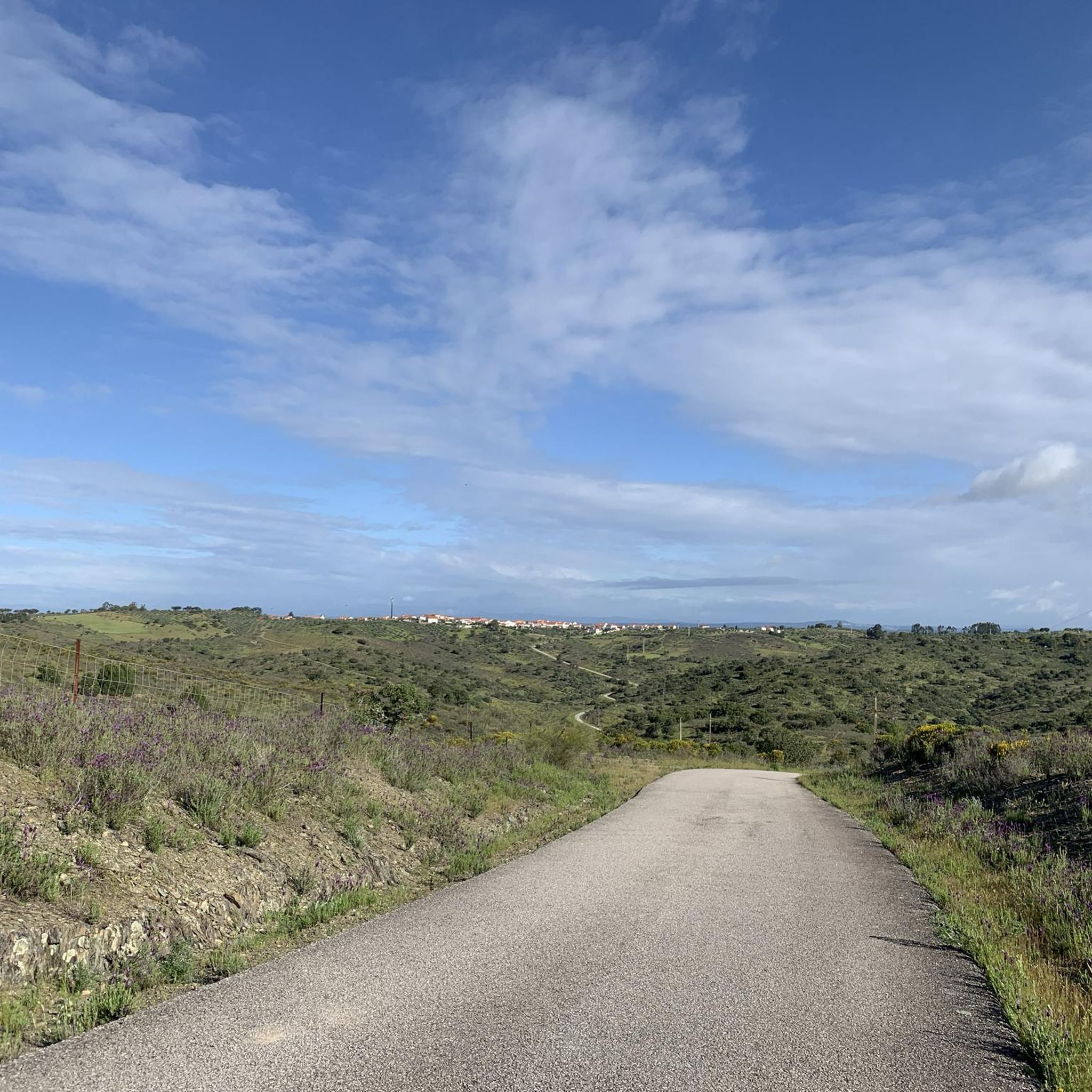
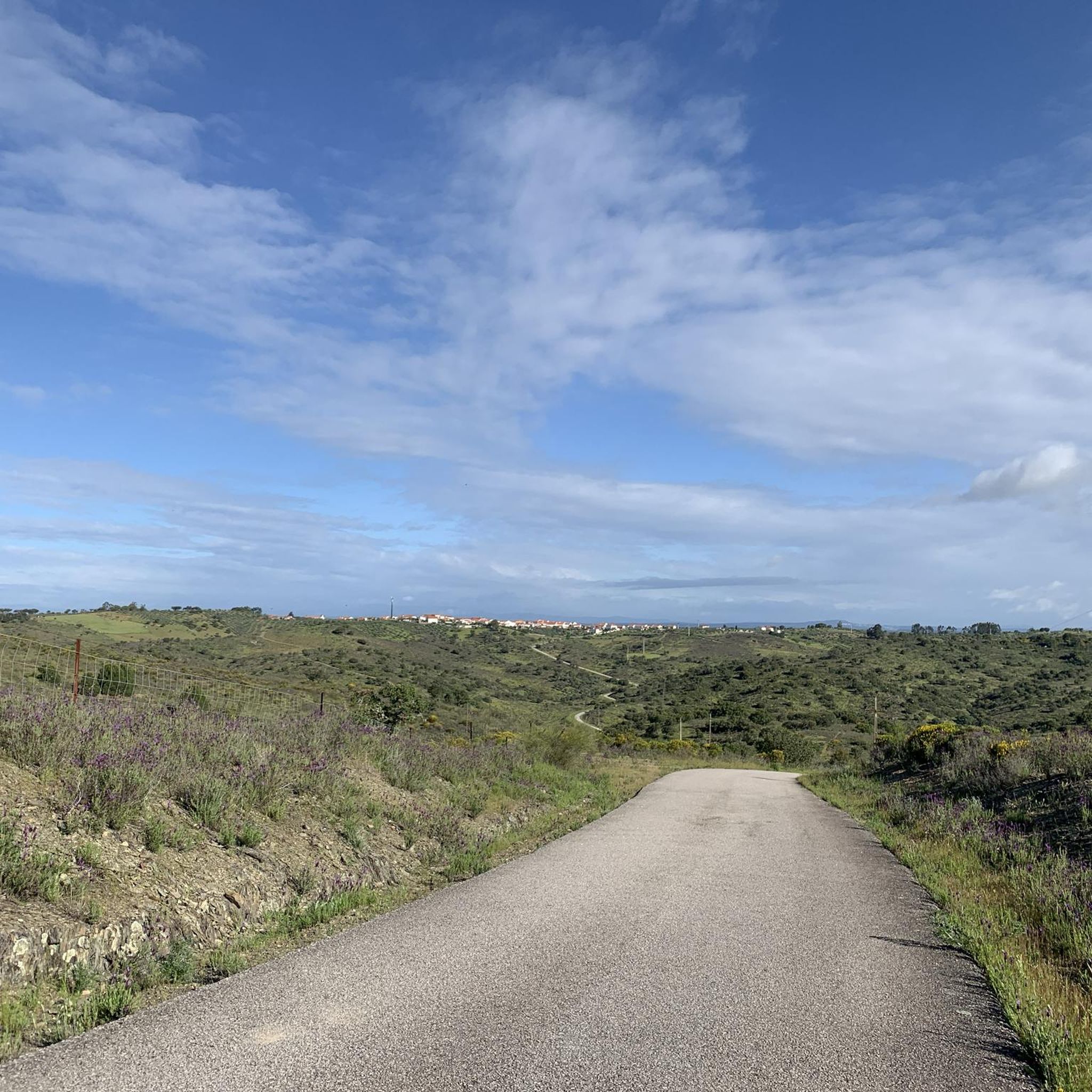
- The most popular attractions is Scenic Road in Parque Natural do Tejo Internacional, a cycle_way that offers beautiful views and green landscapes. This road is noted for its lack of car traffic, making it suitable for bike touring.
- Another must-see spot is Segura International Bridge, a historical bridge. It was built in the Roman province of Lusitania to connect ancient routes and serves as an international crossing over the Erjas river between Spain and Portugal.
- Visitors also love Erjas River Crossing, a river that forms a natural border between Spain and Portugal. The river landscape and rock formations provide an interesting area for walks, historically used as trade routes.
- International Tagus Natural Park is known for its historical sites, natural monuments, and scenic viewpoints. The area offers a variety of attractions to see and explore, from ancient ruins to river crossings.
- The attractions around International Tagus Natural Park are appreciated by the komoot community, with 1 upvote and 4 photos shared.
Last updated: July 2, 2026
Segura International Bridge
Highlight • Bridge
On the Portuguese side, it connects with a local road to reach the town of Segura, from which this bridge takes its name.
It was built in the Roman province of Lusitania to give continuity to the Roman road that connected Norba Caesarina (on the Via de la Plata) with the civitas Egitania (Idanha-a-Velha, Portugal) and with Bracara Augusta (Braga, Portugal), in order to save the Erjas river. This river marks the border line between Spain and Portugal, and the bridge serves as an international crossing between both countries.
Translated by Google •
Tip by

Erjas River Crossing
Highlight • River
Translated by Google •
Tip by
Sign up now to discover places like this
Get recommendations on the best single tracks, peaks, & plenty of other exciting outdoor places.
Sign up for free
Scenic Road in Parque Natural do Tejo Internacional
Highlight (Segment) • Cycleway
Tip by

Caseta del Río Erjas Viewpoint
Highlight • Viewpoint
Translated by Google •
Tip by
Alares Ruins
Highlight • Settlement
Tip by
Sign up for free to discover even more attractions around International Tagus Natural Park.
Sign up for free
Already have an account?
Start today with a free account
Your next adventure awaits.
Login or Signup
Popular around International Tagus Natural Park

Tips from the Community

The Erjas River (also known as the Eljas River in Spain and the Erges River in Portugal) is a tributary of the Tagus River that serves as a natural border between Spain and Portugal for approximately 50 km.
6
0
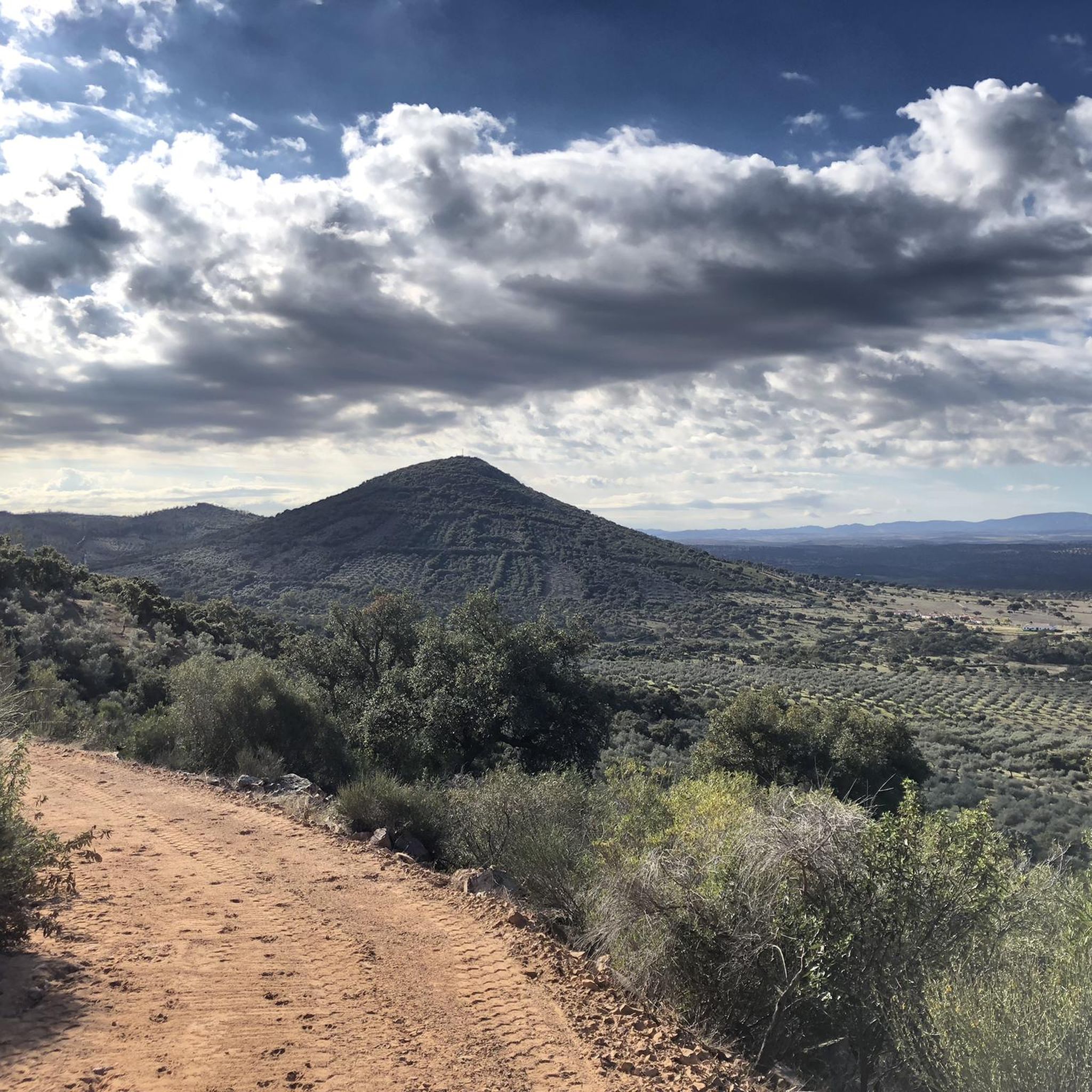
The Mirador de la Caseta del Río Erjas, also known as the Eljas River in Portuguese, is a picturesque place that offers stunning views on the border between Spain and Portugal.
9
0
On the Spanish side, the bridge is located in the municipality of Alcántara in the province of Cáceres. It is reached via the regional highway EX-207 from the nearby town of Piedras Albas. On the Portuguese side, it connects with a local road to reach the town of Segura, from which this bridge takes its name. It was built in the Roman province of Lusitania to give continuity to the Roman road that connected Norba Caesarina (on the Via de la Plata) with the civitas Egitania (Idanha-a-Velha, Portugal) and with Bracara Augusta (Braga, Portugal), in order to save the Erjas river. This river marks the border line between Spain and Portugal, and the bridge serves as an international crossing between both countries.
9
0

This road is perfect for bike touring. No cars, beautiful views, never-ending green land wild animals.
0
0
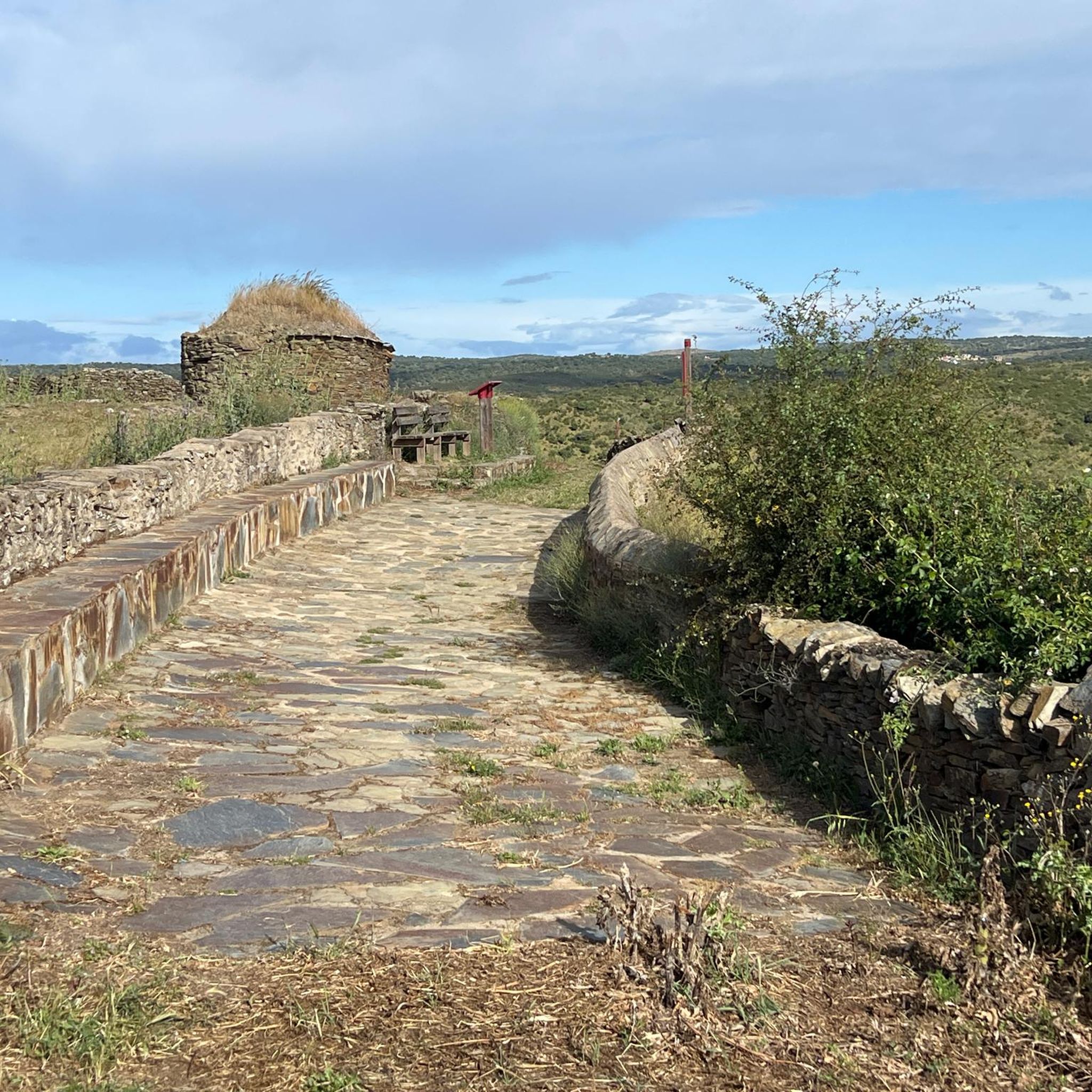
A gravel path from Soalheiras, brings you to the ruins of this beautiful old village, that was abandoned around 100 years ago, due to some conflicts between populations. Visiting this spot at sunset makes it even more magical.
0
0

Border bridge over the Erjas river near the town of Segura.
2
0
One of the many 'smugglers' trade routes at the Erjas River crossing between Spain and Portugal. The river landscape and rock formations formed over time are an incredible place to walk.
3
1
Viewpoint over the Erjas river and the border between Portugal and Spain. River crossing must be done safely in the dry season. During the rainy season this can be more difficult.
2
0
Frequently Asked Questions
What natural features can I explore around International Tagus Natural Park?
The region is characterized by its river landscapes and rock formations, particularly along the Erjas River Crossing, which forms a natural border between Spain and Portugal. You can also find scenic viewpoints, such as the Caseta del Río Erjas Viewpoint, offering stunning views of the river and border.
Are there historical sites to visit in the International Tagus Natural Park area?
Yes, the area is rich in history. You can visit the Segura International Bridge, a historical Roman bridge that connected ancient routes between Spain and Portugal. Another interesting historical site is the Alares Ruins, an abandoned village that offers a glimpse into the region's past.
What kind of outdoor activities can I do near these attractions?
The International Tagus Natural Park area is excellent for cycling. You can explore a Scenic Road in Parque Natural do Tejo Internacional, which is perfect for bike touring with beautiful views and no car traffic. For more structured routes, there are various cycling guides available, including Road Cycling Routes, MTB Trails, and general Cycling routes around the park.
Are there any family-friendly activities or walks in the park?
While specific 'family-friendly walks' are not detailed, the general landscape around the Erjas River Crossing offers interesting areas for walks with its river landscape and rock formations. The Scenic Road in Parque Natural do Tejo Internacional, being car-free, could also be suitable for families cycling together.
Can I spot wildlife in International Tagus Natural Park?
Yes, the International Tagus Natural Park is known for its biodiversity. The Scenic Road in Parque Natural do Tejo Internacional is noted for its wild animals, and the park generally provides opportunities for wildlife spotting due to its natural riverine environment.
What makes the International Tagus Natural Park unique?
The park's uniqueness stems from its location straddling the border between Spain and Portugal, with the Erjas River forming a natural boundary. This creates a distinctive river landscape with historical crossings and a blend of natural and cultural heritage, including ancient trade routes and border bridges like the Segura International Bridge.
Are there any viewpoints to enjoy panoramic scenery?
Absolutely. The Caseta del Río Erjas Viewpoint offers stunning views over the Erjas river and the border between Portugal and Spain. Additionally, the Scenic Road in Parque Natural do Tejo Internacional provides beautiful views of green landscapes throughout its course.
What do visitors enjoy most about the attractions in this region?
Visitors appreciate the blend of natural beauty and historical significance. The car-free Scenic Road in Parque Natural do Tejo Internacional is popular for its peaceful cycling and views. The historical context of sites like the Segura International Bridge and the unique river landscape of the Erjas River Crossing are also highly valued.
Are there any hidden gems or less-known spots worth visiting?
The Alares Ruins could be considered a hidden gem. This beautiful old village, abandoned about 100 years ago, offers a magical experience, especially at sunset, and is reached via a gravel path from Soalheiras.
What are the best options for cycling in the area?
The Scenic Road in Parque Natural do Tejo Internacional is highlighted as perfect for bike touring due to its lack of car traffic and beautiful green landscapes. For more diverse cycling experiences, komoot offers dedicated guides for Road Cycling, Mountain Biking, and general Cycling routes, catering to different preferences and skill levels.
How can I access the Segura International Bridge?
The Segura International Bridge is accessible from both Spain and Portugal. On the Spanish side, it's located in the municipality of Alcántara, Cáceres, via the regional highway EX-207 from Piedras Albas. On the Portuguese side, a local road connects it to the town of Segura.
Most popular routes around International Tagus Natural Park

Get inspired with the komoot mobile app


Explore more
Still not found the Highlight you’re looking for? See guides of the top attractions in other regions:
