Attractions and Places To See around Wohldorfer Wald - Top 20
Best attractions and places to see around Wohldorfer Wald, Hamburg's largest contiguous deciduous forest, offers a diverse range of natural and cultural points of interest. This protected nature reserve features a landscape shaped by hilly glacial moraines and boasts a rich tree population. It forms part of a larger biotope network, connecting with areas like the Duvenstedter Brook Nature Reserve. The region provides extensive opportunities for outdoor recreation and exploring historical sites.
Best attractions and places to see around Wohldorfer Wald
- The most popular attractions is Wohldorfer Wald Nature Reserve, a forest that is Hamburg's largest closed deciduous forest and a designated recreation area since 1770. It is home to 14 different bat species and 4 beetle species considered "primeval forest relicts," indicating its ancient and well-preserved nature.
- Another must-see spot is Copper Mill and Copper Pond, Wohldorf, a historical site featuring a well-preserved half-timbered mill and an idyllic pond. Visitors can experience a sense of stepping back in time, with the historic Wohldorfer manor house and the neo-baroque country house nearby.
- Visitors also love Fish ladder at the Mühlenteich Ammersbek, an other man-made structure designed to help fish navigate the Ammersbek stream. It offers a meditative experience watching the water flow and is an important part of maintaining the ecological continuity of the Ammersbek.
- Wohldorfer Wald is known for its natural features, historical sites, and extensive hiking and cycling trails. The area provides a variety of attractions to see and explore, from ancient forests and diverse wildlife to historical buildings and engineered waterways.
- The attractions around Wohldorfer Wald are appreciated by the komoot community. With more than 490 upvotes and over 110 photos, these 27 highlights offer diverse experiences for visitors.
Last updated: July 6, 2026
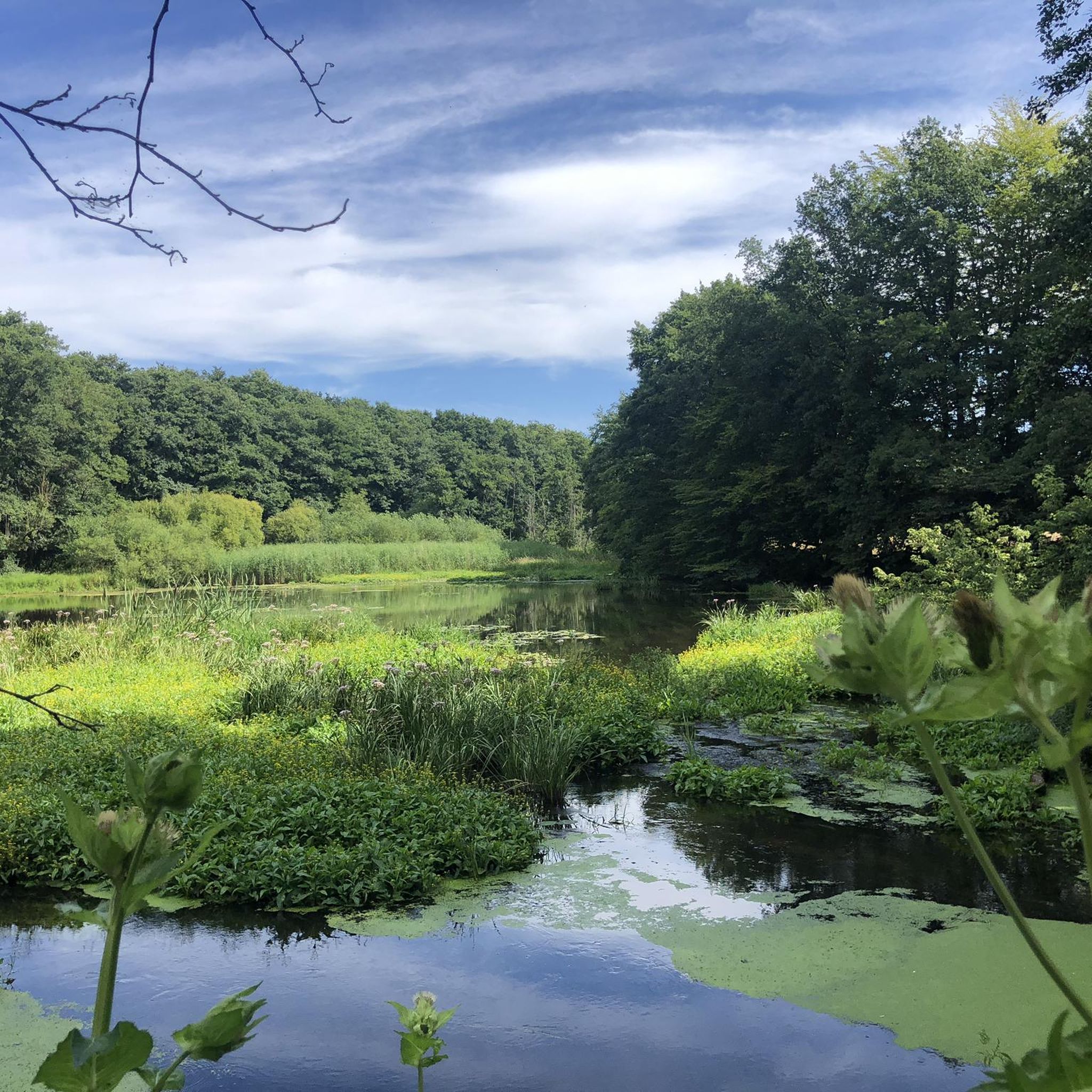
Copper Mill and Copper Pond, Wohldorf
Highlight (Segment) • Historical Site
Translated by Google •
Tip by

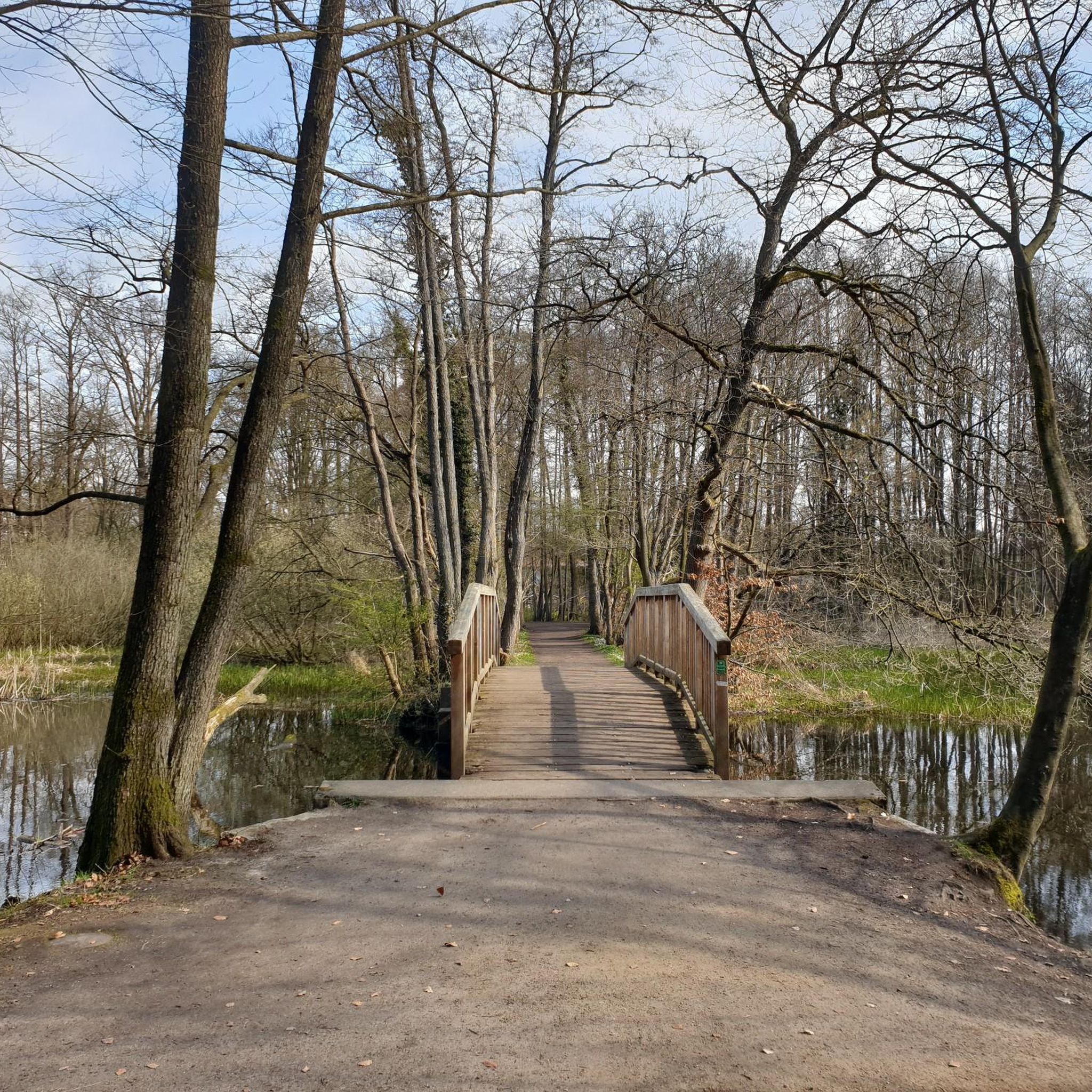
Fish ladder at the Mühlenteich Ammersbek
Highlight • Structure
Translated by Google •
Tip by

Sign up now to discover places like this
Get recommendations on the best single tracks, peaks, & plenty of other exciting outdoor places.
Sign up for free
War Memorial Wohldorf-Ohlstedt
Highlight • Monument
Translated by Google •
Tip by
Ammersbek Weir
Highlight • Structure
Translated by Google •
Tip by
Old Copper Mill and Copper Mill
Highlight • Historical Site
de.wikipedia.org/wiki/Hamburg-Wohldorf-Ohlstedt
Translated by Google •
Tip by

Sign up for free to discover even more attractions around Wohldorfer Wald.
Sign up for free
Already have an account?
Start today with a free account
Your next adventure awaits.
Login or Signup

Tips from the Community

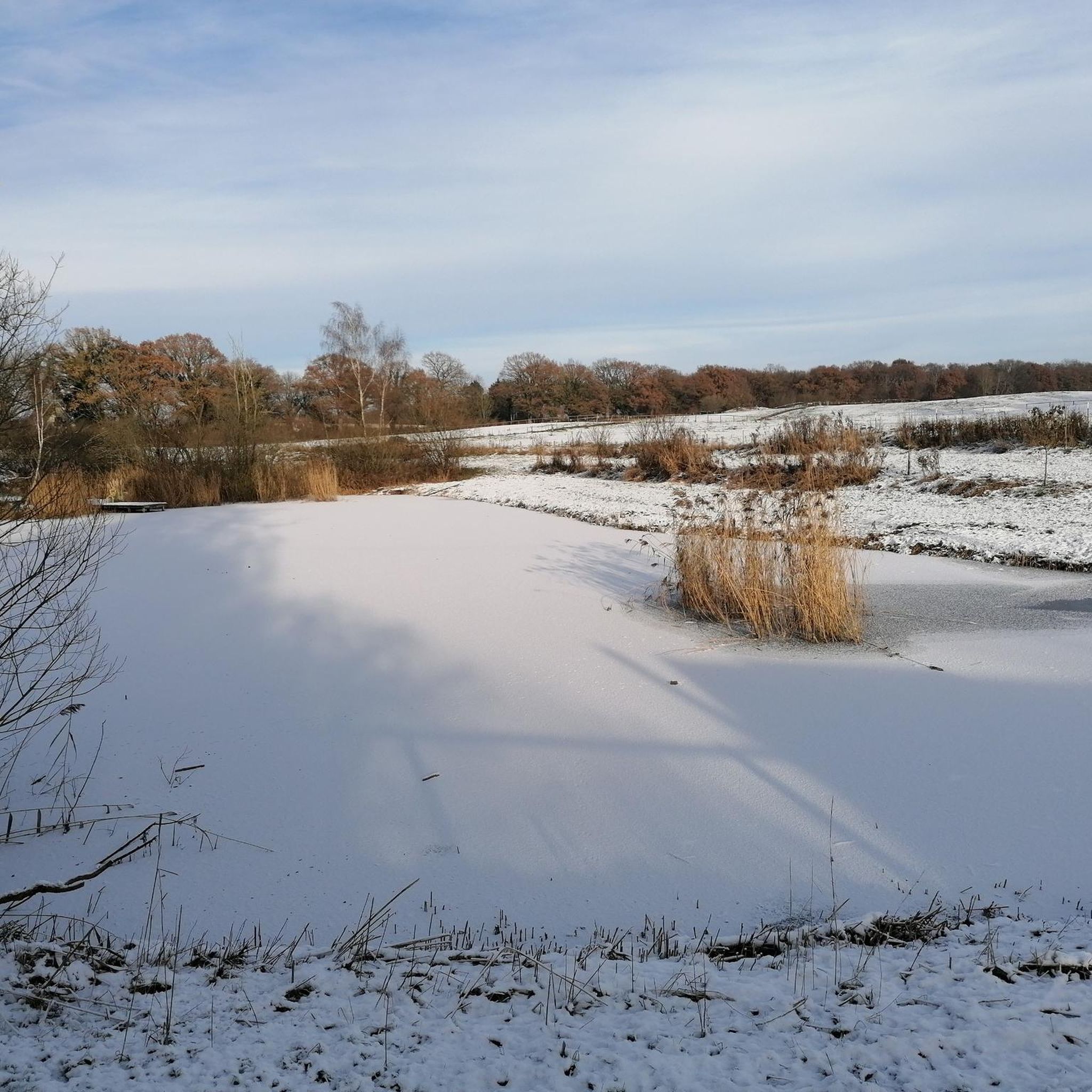
On a walk or bike tour in or on the Duvenstedter Brook, you can stop by the Kupfermühle and the Kupferteich. Furthermore, there are beautifully restored former small workers' houses, some with lovingly designed gardens.
0
0

Perfect starting and ending point of the route
0
0

The memorial stands on a historic ice cellar.
0
0


The dead soldiers of the First World War from this community are listed by name.
0
0

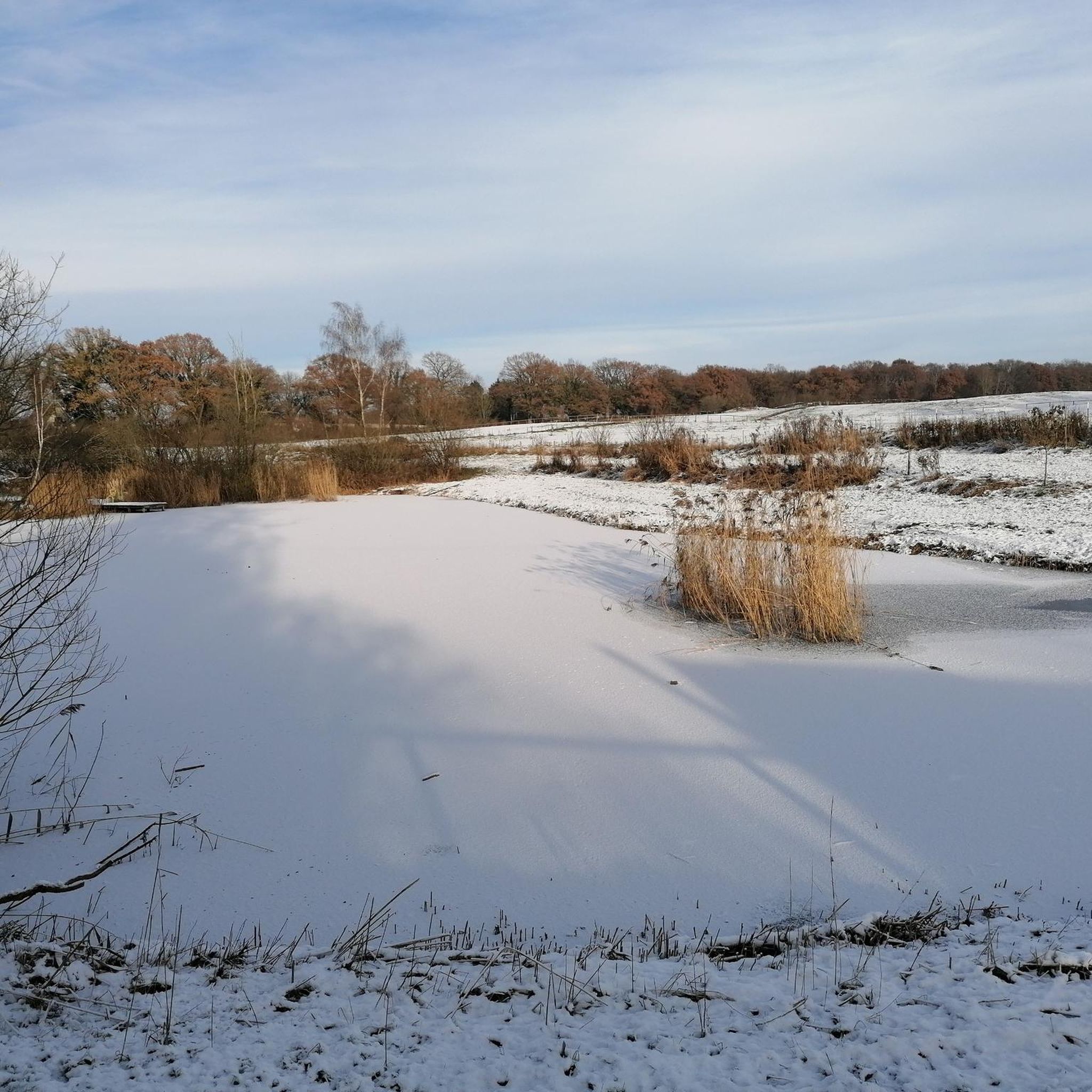
The weir keeps the Ammersbek in check before it meets the Alster
1
0
From pool to pool A fish ladder is not a normal staircase - fish don't have legs. It is a diversion, i.e. a small stream or canal that leads around an obstacle. It usually consists of several basins filled with water. These are arranged like the steps of a staircase. This allows the fish to swim or jump from tank to tank - ideally in both directions. Here is the information board about the fish ladder: https://www.hamburg.de/contentblob/425322/5c919571a457f99716f48bde985811df/data/infotafel-fischtreppe-ammersbek.pdf
0
0

Monument to the fallen and ice cellar in the dim past.
0
0
Frequently Asked Questions
What kind of natural landscapes can I discover in the Wohldorfer Wald area?
The region is rich in diverse natural landscapes. You can explore the ancient deciduous forest of Wohldorfer Wald Nature Reserve, characterized by hilly glacial moraines and a rich tree population including ash, oak, and beech. Adjacent to it is the Duvenstedter Brook Nature Reserve, featuring a mix of forests, meadows, moors, and ponds. The Ammersbek stream, with its picturesque sections like the Kupferteich and Mühlenteich, also adds to the scenic beauty.
Are there any historical sites or cultural landmarks to visit?
Yes, the area offers several historical and cultural points of interest. You can visit the Copper Mill and Copper Pond, Wohldorf, which features a well-preserved half-timbered mill and an idyllic pond, alongside the historic Wohldorfer manor house. Other notable sites include the Herrenhaus, a stately mansion from 1714, and the neo-baroque Kupferhof villa. You can also see the historical farm workers' houses on Herrenhausallee.
What kind of outdoor activities are available for visitors?
The Wohldorfer Wald and Duvenstedter Brook offer extensive networks of well-marked paths perfect for hiking and cycling. You can find various routes for different skill levels, including loops through Wohldorfer Wald and along the Alster. For more specific activities, there are options for gravel biking, road cycling, and mountain biking, with routes ranging from easy to difficult.
Are there family-friendly attractions or activities in the area?
Absolutely! The Wohldorfer Wald Nature Reserve itself is family-friendly, offering opportunities for walks and nature observation. A highlight for families is the Historical-Ecological Adventure Trail, which features 30 interactive stations, a barefoot path, a wobbly footbridge, and a long-jump pit, providing an engaging way to learn about the forest. The Fish ladder at the Mühlenteich Ammersbek can also be a point of interest for children to observe the water flow and learn about fish migration.
What unique wildlife can be spotted in Wohldorfer Wald?
Wohldorfer Wald is a haven for wildlife. It's home to 14 different bat species and four beetle species considered 'primeval forest relicts,' indicating its ancient and well-preserved nature. With a bit of luck, you might also spot otters, kingfishers, black woodpeckers, and woodcocks. The adjacent Duvenstedter Brook Nature Reserve is known for deer, wild boar, polecats, martens, weasels, badgers, and numerous bird species like cranes and storks.
How can I access Wohldorfer Wald using public transport?
Wohldorfer Wald is easily accessible by public transport. You can take the U1 subway line to Ohlstedt station, which is just a short walk from the southern tip of the forest, making it convenient for visitors without a car.
What is the significance of the Fish ladder at the Mühlenteich Ammersbek?
The Fish ladder at the Mühlenteich Ammersbek is an important man-made structure designed to help fish navigate the Ammersbek stream. It allows fish species like roach and perch to overcome a 2.60-meter height difference at the weir, ensuring ecological continuity from the source of the Ammersbek to the Alster. It offers a meditative experience watching the water flow.
Are there any specific trails for geology enthusiasts?
Yes, for those interested in geology, there is a dedicated Soil Nature Trail. This trail offers insights into the region's young moraine landscape through accessible soil profiles, allowing visitors to explore the subsurface soil layers and understand the area's glacial history.
What do visitors particularly enjoy about the Copper Mill and Copper Pond area?
Visitors often describe the Copper Mill and Copper Pond, Wohldorf as having a magical atmosphere, feeling like stepping back in time. They appreciate the great well-preserved half-timbered houses and old cobblestone streets, especially when walking through the historic Wohldorf past the grain mill, the Wohldorfer manor house, and the copper mill. The idyllic scenery of the pond and the surrounding historical buildings are frequently praised.
What is the Ammersbek Weir and why is it a point of interest?
The Ammersbek Weir is a structure on the Ammersbek stream that helps regulate water flow. It's a point of interest, particularly when the stream carries a lot of water, showcasing the power of nature and the engineering designed to manage it. It's one of several weirs along the Ammersbek before it merges with the Alster.
What is the best season to visit Wohldorfer Wald?
Wohldorfer Wald offers beauty throughout the year. Spring brings lush greenery and blooming flora, while autumn transforms the deciduous forest into a vibrant spectacle of colors. Summer is ideal for long walks and cycling, and even winter offers serene, peaceful landscapes for those who enjoy colder weather hiking.
Most popular routes around Wohldorfer Wald
Most popular attractions around Wohldorfer Wald

Get inspired with the komoot mobile app


Explore more
Still not found the Highlight you’re looking for? See guides of the top attractions in other regions:
