Attractions and Places To See around Gangolfsberg-Heppberg - Top 20
Best attractions and places to see around Gangolfsberg-Heppberg include prominent natural features and historical sites within the Rhön Biosphere Reserve. The region is characterized by the Gangolfsberg mountain, known for its basalt formations and ancient ramparts. Visitors can explore unique geological formations and remnants of early medieval settlement. The area also offers numerous opportunities for hiking and experiencing the natural landscape.
Best attractions and places to see around Gangolfsberg-Heppberg
- The most popular attractions is Basalt Prism Wall at Gangolfsberg,…
Last updated: July 6, 2026
Basalt Prism Wall at Gangolfsberg
Highlight • Natural Monument
Translated by Google •
Tip by

Thuringian Hut
Highlight • Mountain Hut
Translated by Google •
Tip by

Sign up now to discover places like this
Get recommendations on the best single tracks, peaks, & plenty of other exciting outdoor places.
Sign up for free
Teufelskeller (Devil’s Cellar)
Highlight • Cave
Translated by Google •
Tip by
Ruins of the Gangolfskapelle (Milseburg)
Highlight • Historical Site
Tip by

Basalt Stone Path to Prismenwand
Highlight • Trail
Translated by Google •
Tip by

Sign up for free to discover even more attractions around Gangolfsberg-Heppberg.
Sign up for free
Already have an account?
Start today with a free account
Your next adventure awaits.
Login or Signup
Popular around Gangolfsberg-Heppberg
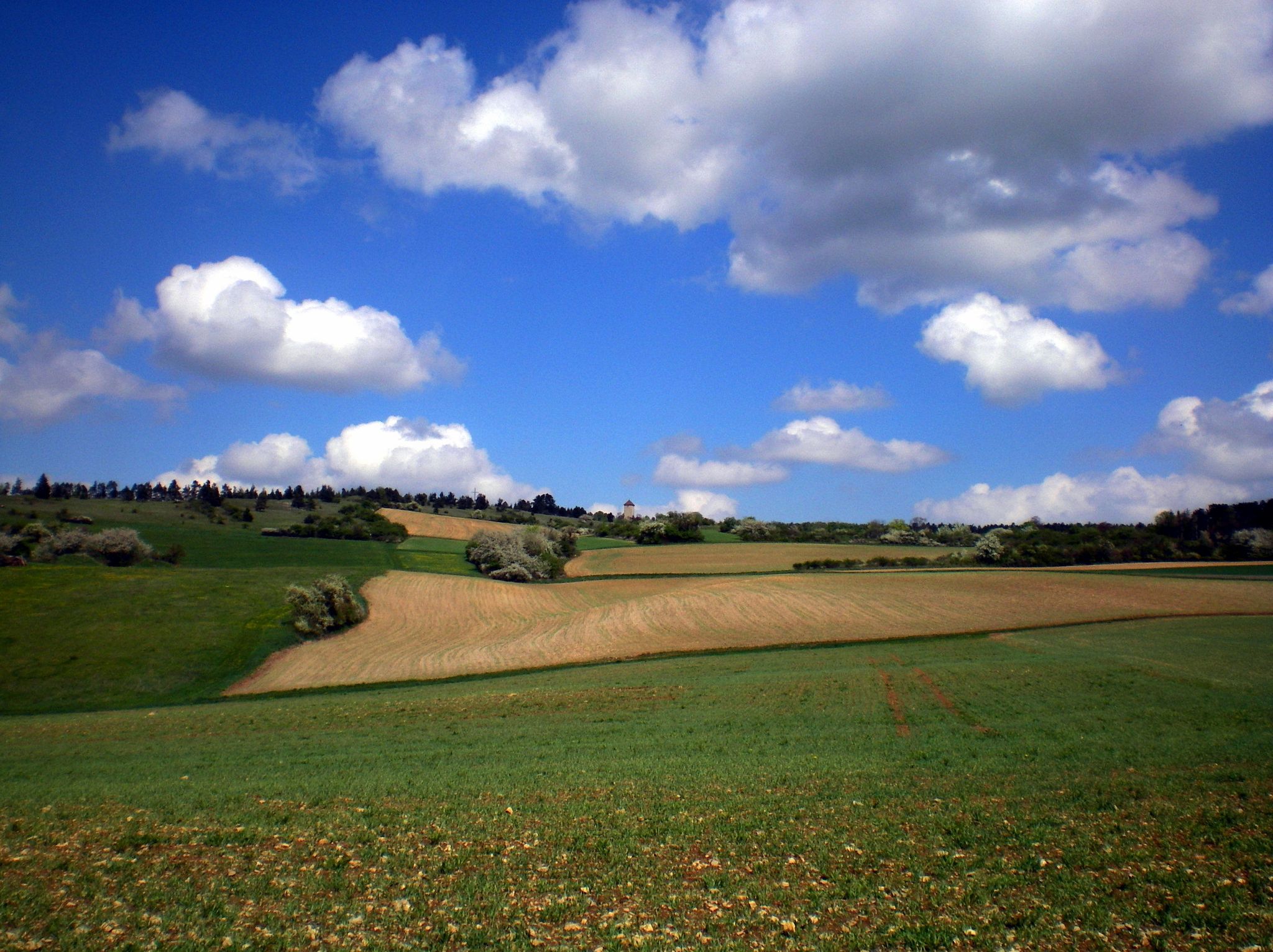
Naturlehrpfade – Natur und Wissen
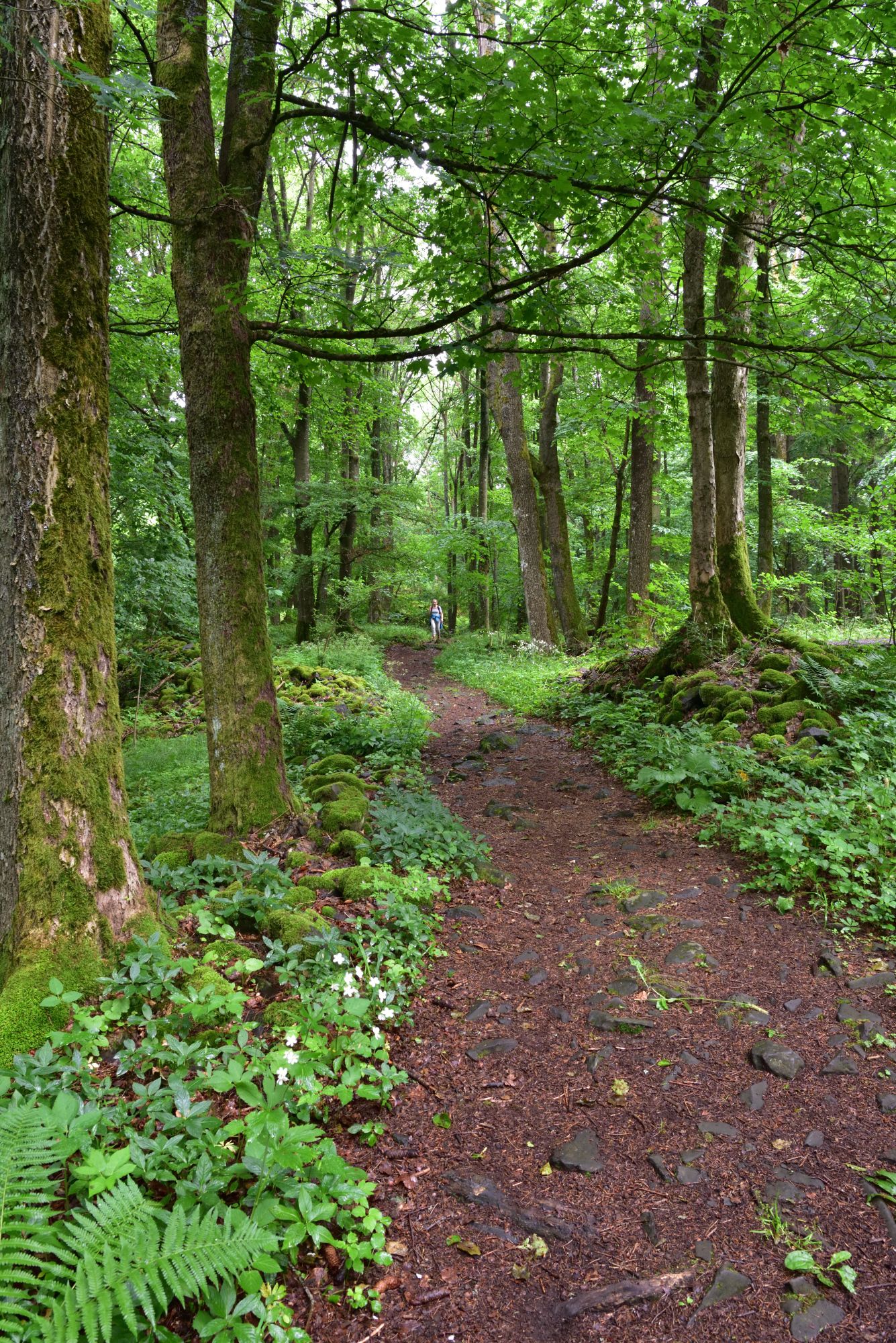
Rundwanderwege um Oberelsbach
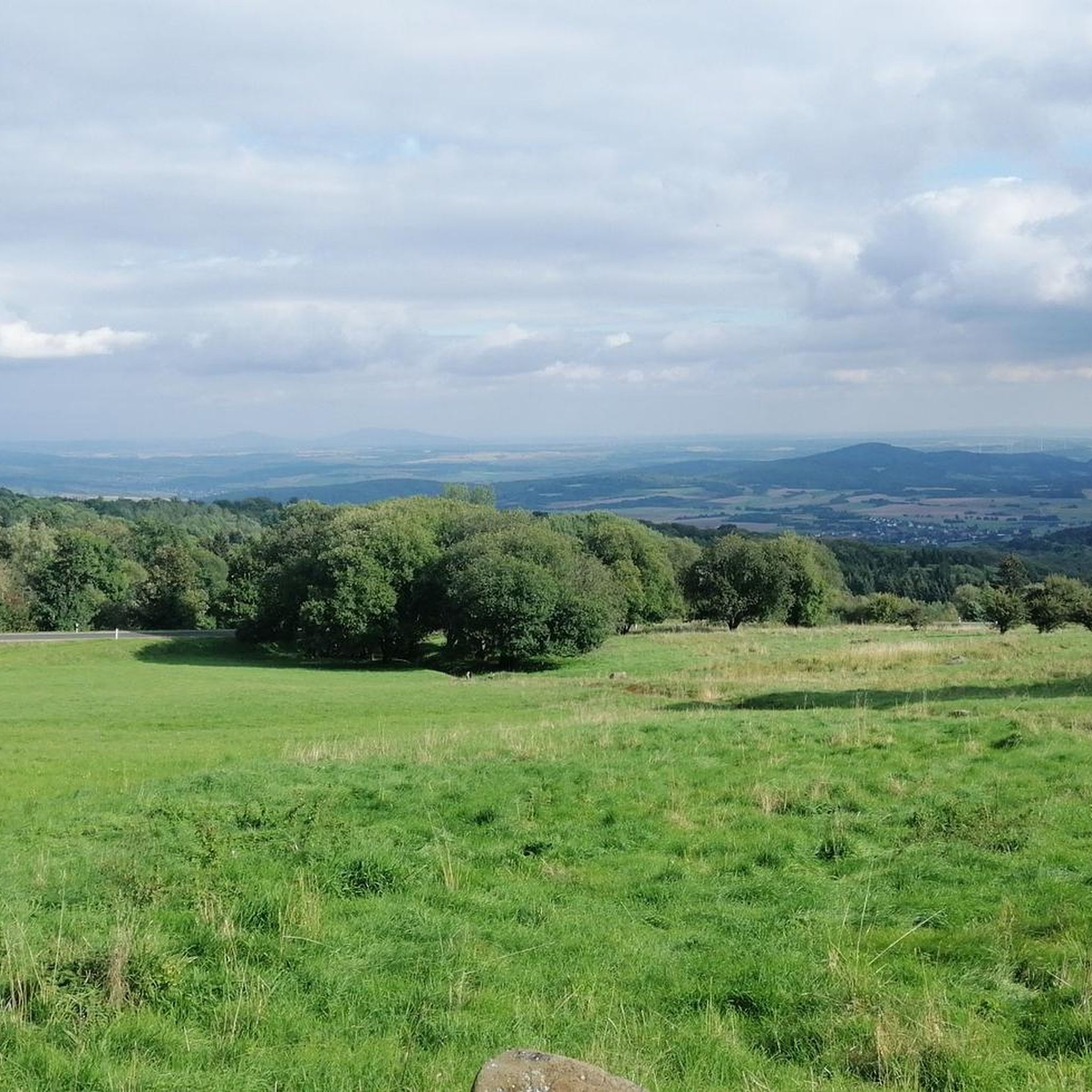
Hiking around Gangolfsberg-Heppberg
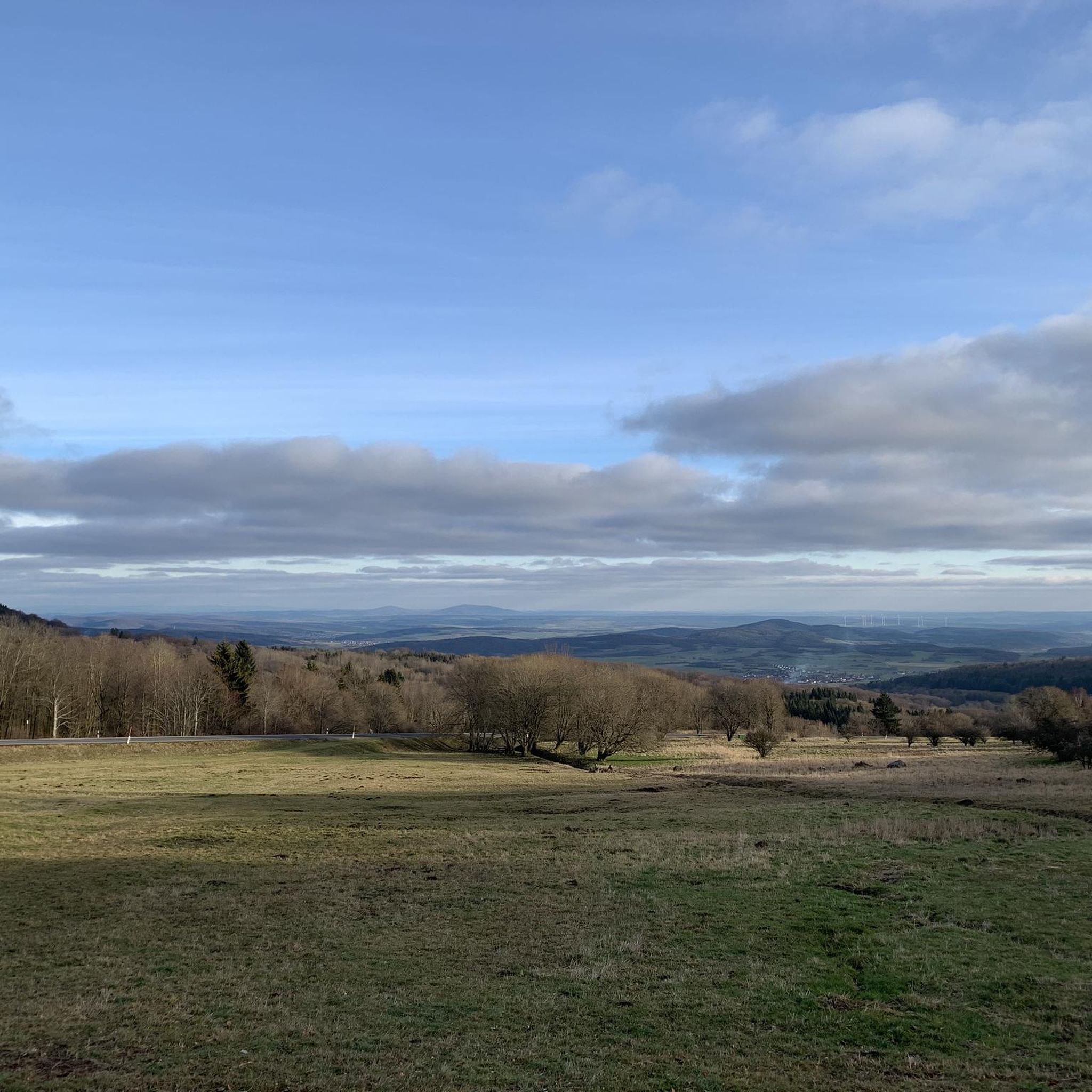
Cycling around Gangolfsberg-Heppberg
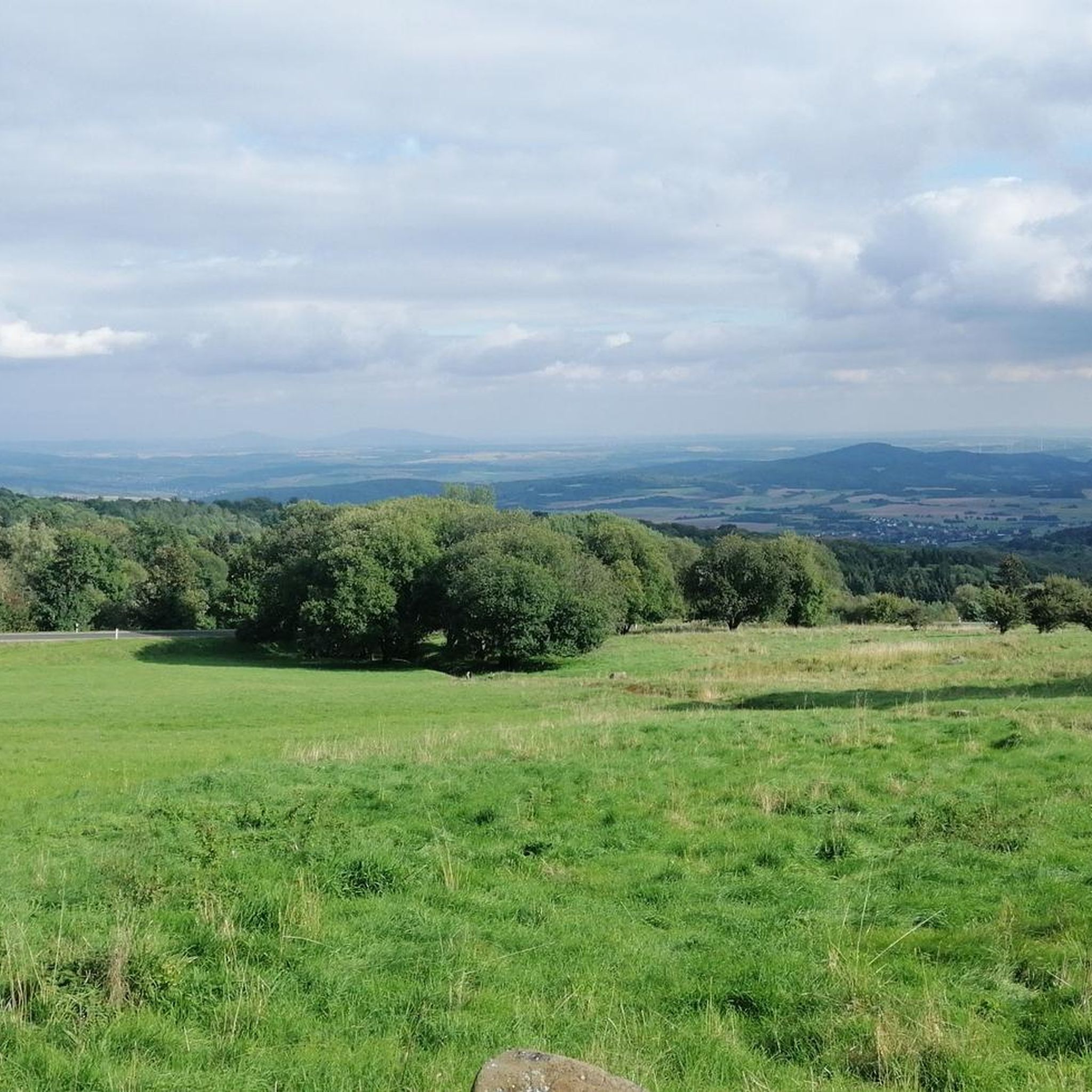
Running Trails around Gangolfsberg-Heppberg
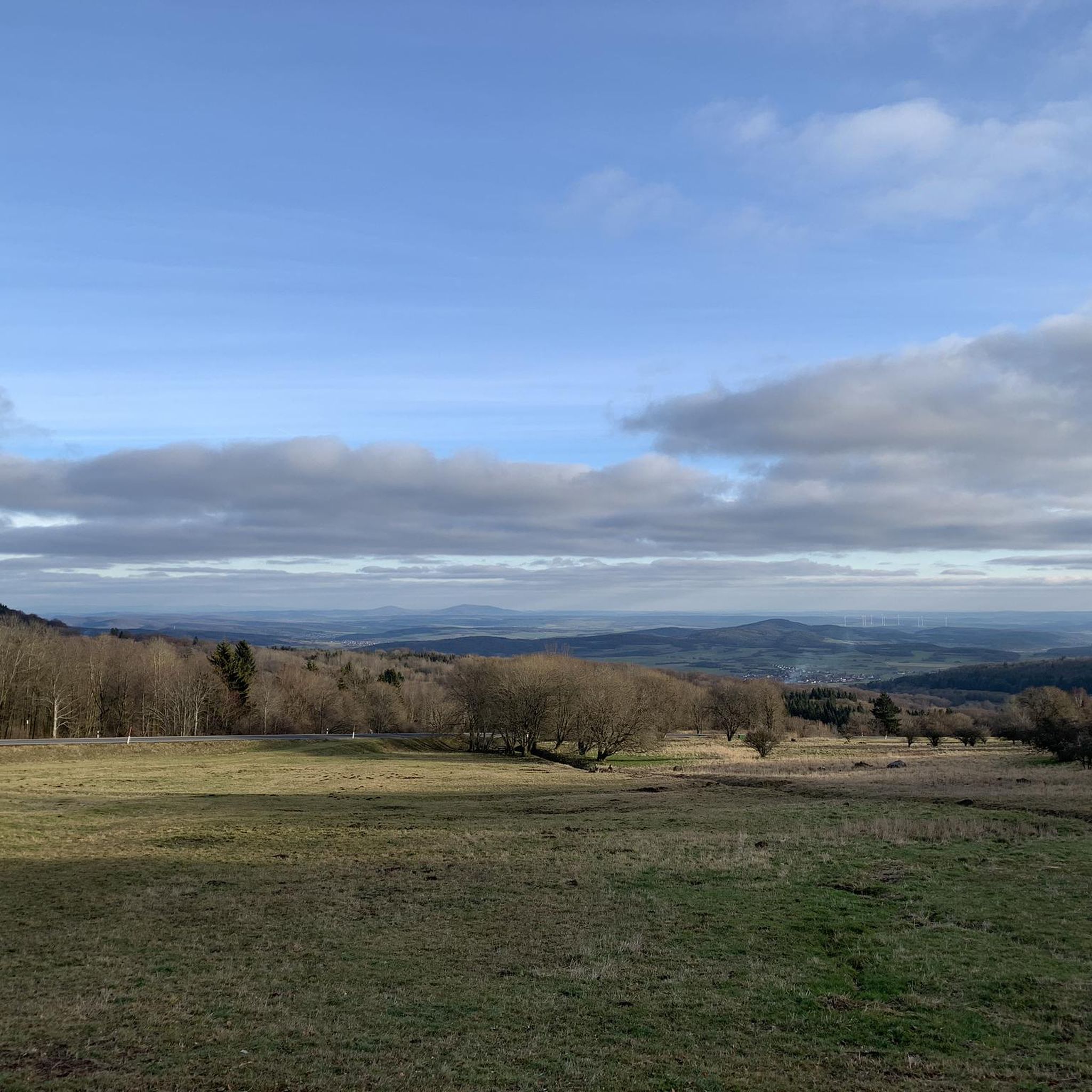
Road Cycling Routes around Gangolfsberg-Heppberg
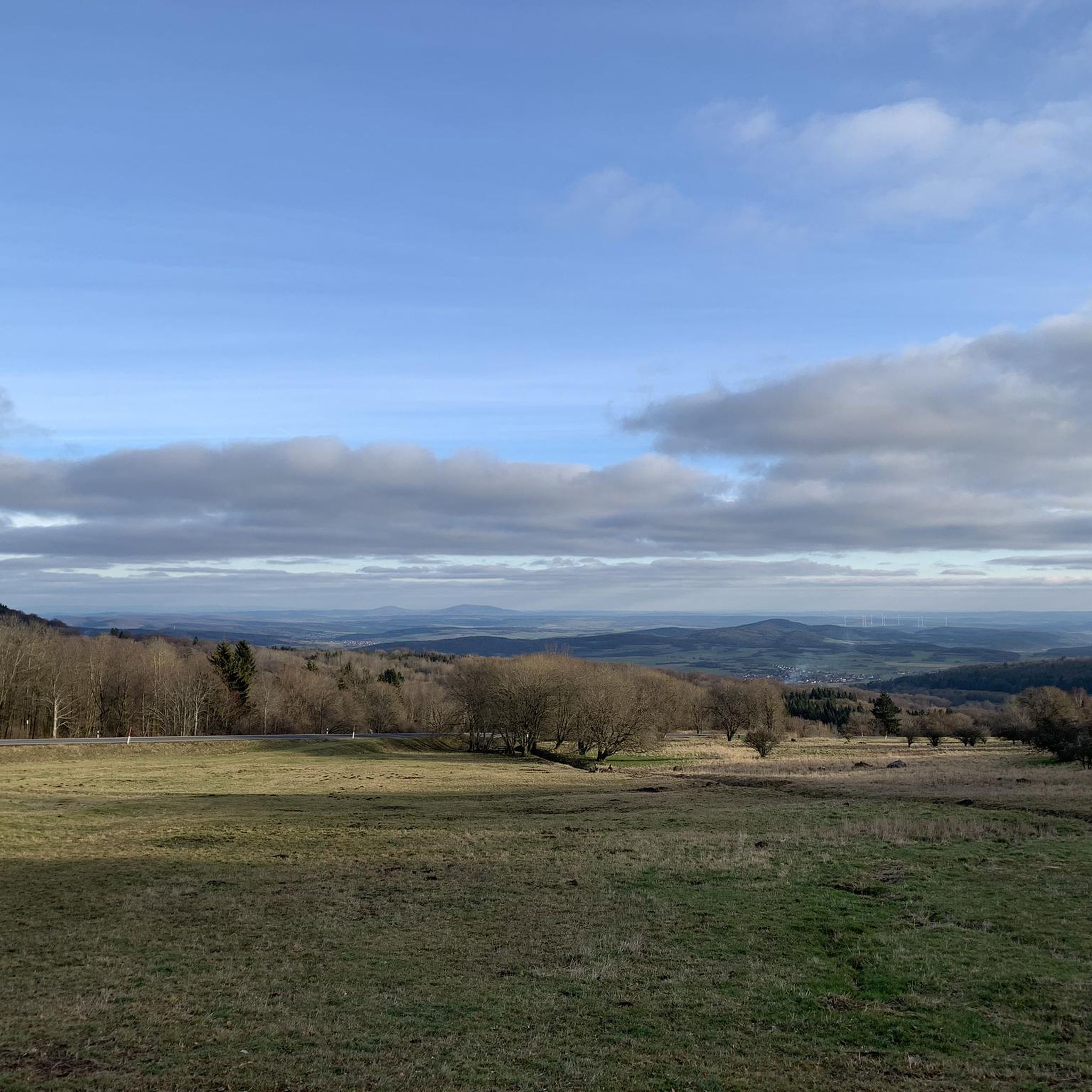
MTB Trails around Gangolfsberg-Heppberg
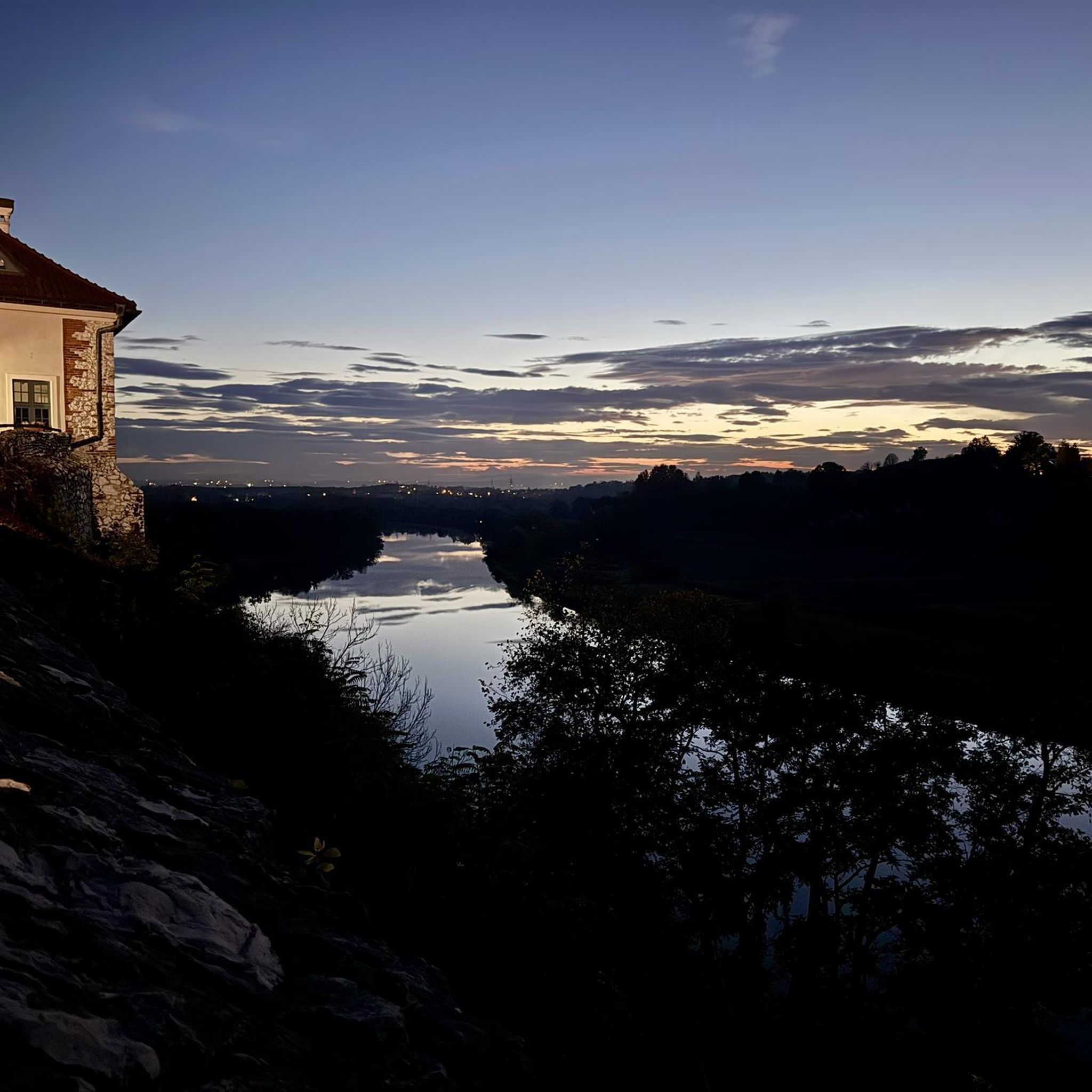
Gravel biking around Gangolfsberg-Heppberg

Mountain Hikes around Gangolfsberg-Heppberg
Other adventures around Gangolfsberg-Heppberg

Tips from the Community

Already interesting - unfortunately you can't see much of it
0
0

We like to take a break here. A beautiful place in the middle of nature.
0
0

A mighty rock. Legend of the Devil's Cellar: When the Rhön was still pagan, the devil still felt like the master of the area. But then Saint Kilian came to the country, preached Christianity, and many were baptized. This made the devil terribly angry. When work began on building a church in the valley, the devil became so angry that he dragged all the stones that had been brought to build the church up to the Gangolfsberg and joined them together to form a grotto so tightly that no one could separate them. When people noticed this, they drew a cross on every building stone. The devil had to leave it alone. But the stones that he had brought up previously formed the Devil's Church. The devil lived hidden in this Devil's Church, which was actually just a dark cave, and continued to cause mischief on earth. Unsuspecting farmers, berry pickers, and hard-working forest workers had to make his acquaintance. He offered the good people money to win them over to his schemes and to lead them astray. One day, however, someone confided in a priest because he had a bad conscience. That same day, some brave men set out with the priest to drive the devil out of his hiding place with prayers and holy water. And so it happened. The cave smelled of sulphur and when the priest sprayed the holy water, the devil came out of the cave cursing loudly and has not been seen since. That is why the place is still called the Devil's Cellar today and sometimes it is said that it still smells of sulphur today.
2
0

A slightly different staircase... definitely a challenge when it's wet
9
0

Concentration, good shoes and sure-footedness are required here. Open your eyes and slow down.
4
0

The path lives up to its name, you have to be really careful. Especially when the stones are wet.
5
0

Non-slip shoes with good traction are helpful here.
5
0

This impressive path leads to or from the basalt prism wall - made of basalt prisms 🙃
5
0
Frequently Asked Questions
What unique natural geological formations can I explore around Gangolfsberg-Heppberg?
The region is renowned for its striking geological features. You can visit the Basalt Prism Wall at Gangolfsberg, an absolute natural highlight within the Biosphere Reserve core zone, featuring well-preserved basalt columns up to 10 meters high. Nearby, you'll also find the Teufelskeller (Devil’s Cellar), a significant cave and natural monument also located in the core zone.
Are there any historical sites to visit in the Gangolfsberg-Heppberg area?
Yes, the area has historical significance. You can explore the Ruins of the Gangolfskapelle (Milseburg), which are remnants of an 8th-century chapel that gave the mountain its name. Additionally, on the summit region of Gangolfsberg, you can find the Wandanlage Gangolfsberg, remnants of a double rampart system dating from Celtic to Merovingian times, suggesting early medieval settlement.
What kind of hiking trails are available around Gangolfsberg-Heppberg?
The Gangolfsberg-Heppberg area offers diverse hiking opportunities. A notable trail is the Naturlehrpfad Gangolfsberg (Gangolfsberg Nature Trail), an informative forest trail with boards explaining the region's geology and volcanic origins. Some sections have steep ascents, requiring good footwear and moderate fitness. For more options, you can explore various Mountain Hikes around Gangolfsberg-Heppberg, including routes like 'The steps up to Kreuzberg' or 'Marienbrünnlein – Kreuzberg Summit loop'.
Where can I find good viewpoints or scenic spots in the region?
Many attractions offer fantastic views. The Thuringian Hut is situated in a great location with panoramic views of the Rhön. The Gangolfsberg mountain itself, though forested at the summit, is a prominent feature. Additionally, the Basalt Stone Path to Prismenwand offers scenic perspectives on the way to the Basalt Prism Wall.
Are there any places to eat or get refreshments near the attractions?
Yes, you can find refreshments at the Thuringian Hut, which offers delicious homemade food and a great view. This guesthouse is located approximately 650 meters east of the Gangolfsberg summit, making it a convenient stop during your visit.
What should I know about mountain biking in the Gangolfsberg-Heppberg Biosphere Reserve?
To protect the environment, mountain biking within the core zone of the Biosphere Reserve and Nature Park Gangolfsberg, where highlights like the Basalt Prism Wall and Teufelskeller are located, is only permitted on marked MTB/cycle paths. It is important to stick to these designated trails out of consideration for hikers and nature.
What do visitors enjoy most about the Gangolfsberg-Heppberg area?
Visitors particularly appreciate the unique natural beauty and the geological wonders, such as the well-preserved basalt columns at the Basalt Prism Wall. The historical sites, like the ancient chapel ruins, also draw interest. Many enjoy the challenging yet rewarding hiking trails and the stunning panoramic views from various points, often combined with traditional homemade food at local huts.
Are there any family-friendly options for activities or attractions?
While many trails can be challenging, the Naturlehrpfad Gangolfsberg (Gangolfsberg Nature Trail) offers an educational experience for families, with information boards about the local geology and nature. The Thuringian Hut is also listed as family-friendly, providing a good spot for a break and a meal with children.
What is the best time to visit Gangolfsberg-Heppberg for outdoor activities?
The region is generally popular for hiking and cycling, suggesting spring through autumn are ideal for outdoor activities when the weather is milder and trails are clear. Spring offers blooming nature, while autumn provides beautiful foliage. Winter hiking is possible but may require specific gear due to snow or ice on some of the steeper sections.
Can I find cycling routes near the attractions?
Yes, the area is popular for cycling. You can find various options, including Road Cycling Routes around Gangolfsberg-Heppberg and Gravel biking around Gangolfsberg-Heppberg. Routes range from moderate to difficult, such as the 'Mittelstreu–Unsleben cycle path' for road cycling or the 'Schwarzes Moor loop' for gravel biking.
What is the terrain like on the trails around Gangolfsberg-Heppberg?
The terrain around Gangolfsberg-Heppberg is varied, often characterized by its volcanic origins. Trails can include stony paths, such as the Basalt Stone Path to Prismenwand, which can be challenging, especially when wet. Some sections, particularly on the Naturlehrpfad Gangolfsberg, feature steep ascents with an 'alpine character,' requiring good footwear and a moderate fitness level.
Most popular routes around Gangolfsberg-Heppberg
Most popular attractions around Gangolfsberg-Heppberg

Get inspired with the komoot mobile app


Explore more
Still not found the Highlight you’re looking for? See guides of the top attractions in other regions:
