The best road cycling routes around Nübel
4.6
(246)
3,463
riders
366
rides
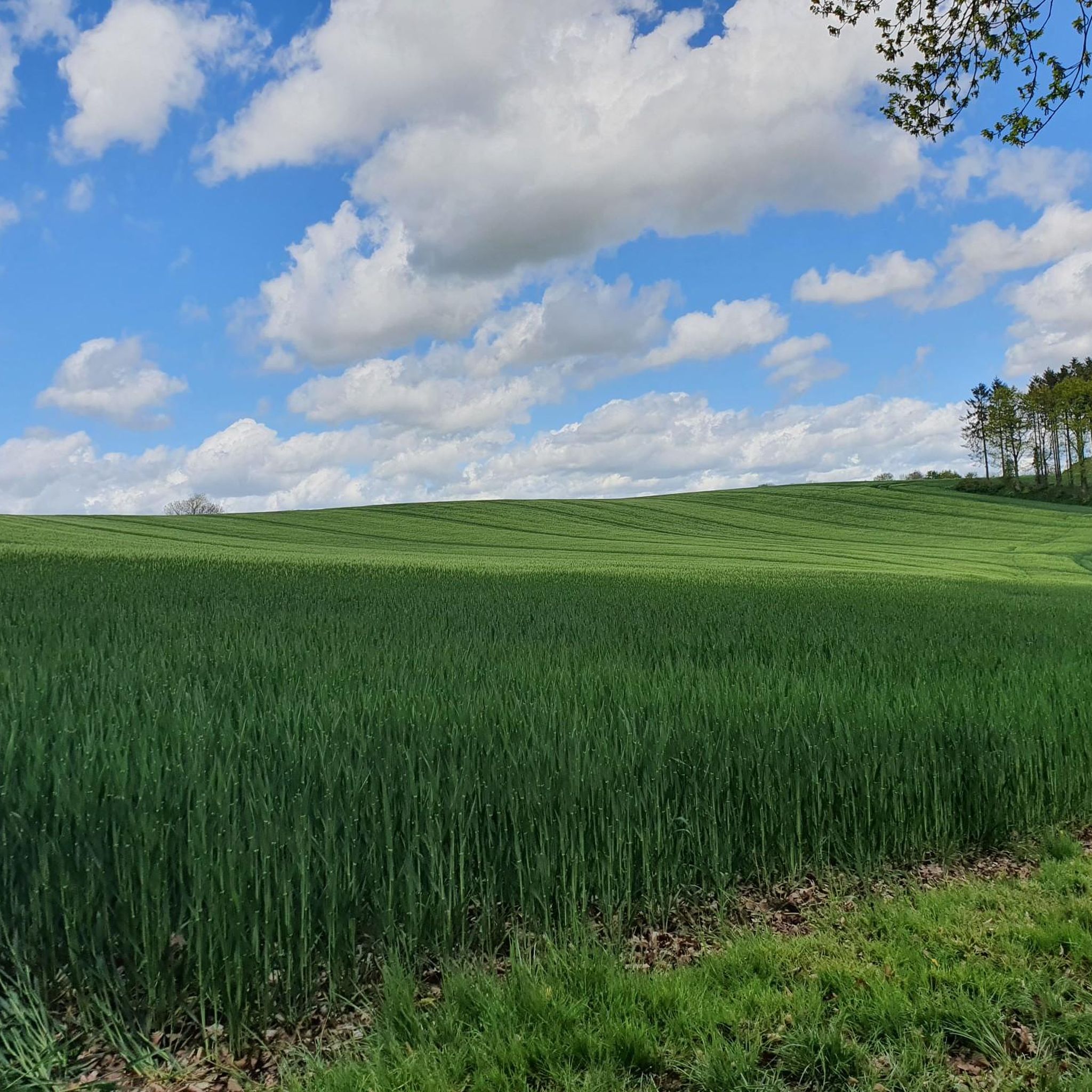
Road cycling around Nübel, located in the Angeln region of Schleswig-Holstein, Germany, offers diverse landscapes. The area features gently rolling hills, coastal sections along the Schlei Fjord, and inland moraines. Cyclists can expect varied terrain, including flat sections and gentle inclines, often on quiet, paved roads that traverse moorland, heath, and meadows. The region also includes forests and fens, providing a mix of scenic environments for road cyclists.
Best road cycling routes around Nübel
- The most popular road cycling route…
Last updated: October 9, 2026
38
riders
66.1km
02:41
290m
290m
Moderate road ride. Good fitness required. Some segments of this route may be unpaved and difficult to ride.
14
riders
25.4km
01:07
80m
80m
Easy road ride. Great for any fitness level. Mostly well-paved surfaces and easy to ride.

4.5
(2)
10
riders
49.6km
02:09
230m
230m
Moderate road ride. Good fitness required. Mostly well-paved surfaces and easy to ride.
13
riders
26.3km
01:07
120m
120m
Easy road ride. Great for any fitness level. Mostly well-paved surfaces and easy to ride.
6
riders
38.2km
01:38
170m
170m
Easy road ride. Great for any fitness level. Mostly well-paved surfaces and easy to ride.
Get access to more routes and recommendations from other explorers.
Already have an account?
Our route recommendations are based on thousands of hikes, rides, and runs completed by other people on komoot.
Start today with a free account
Your next adventure awaits.
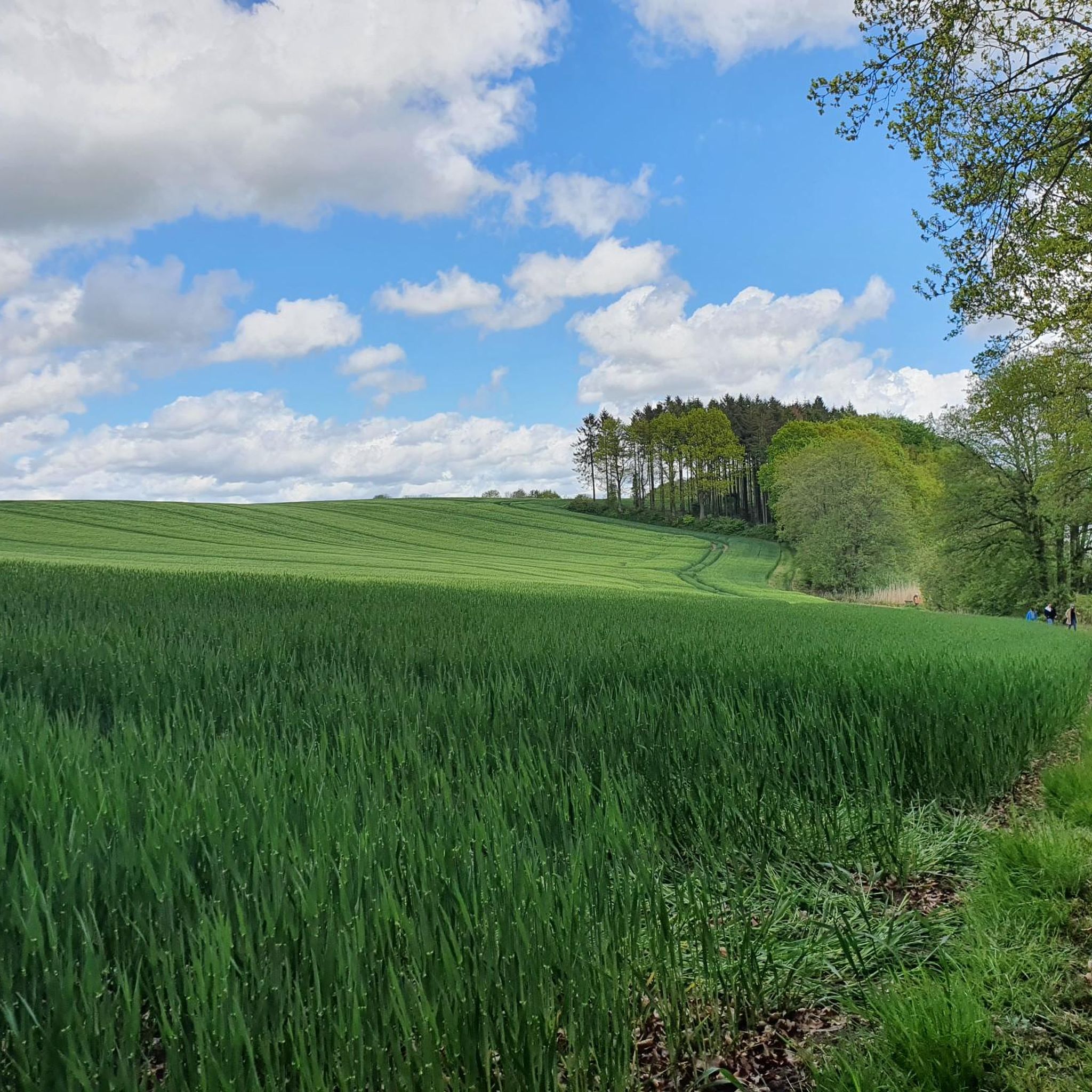
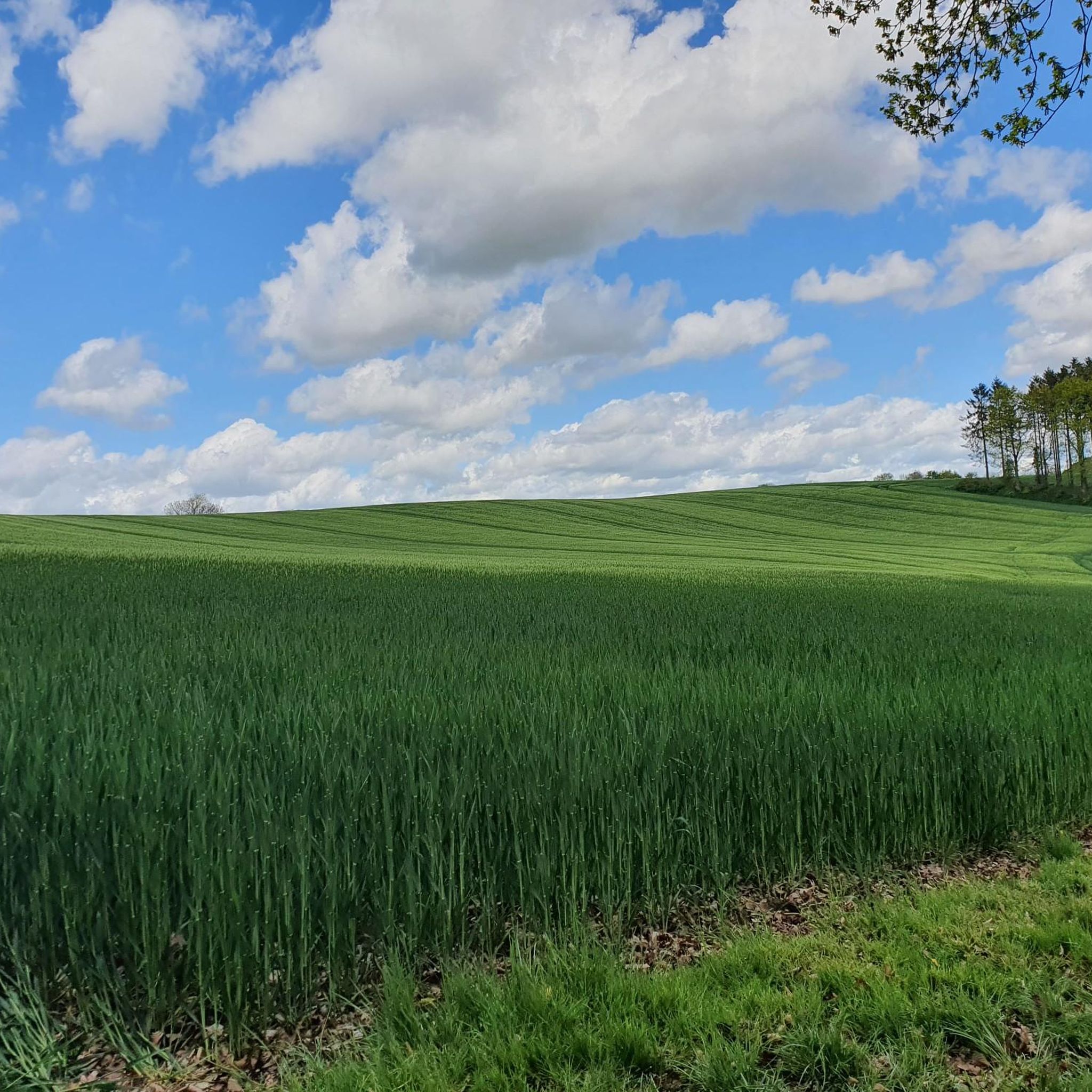
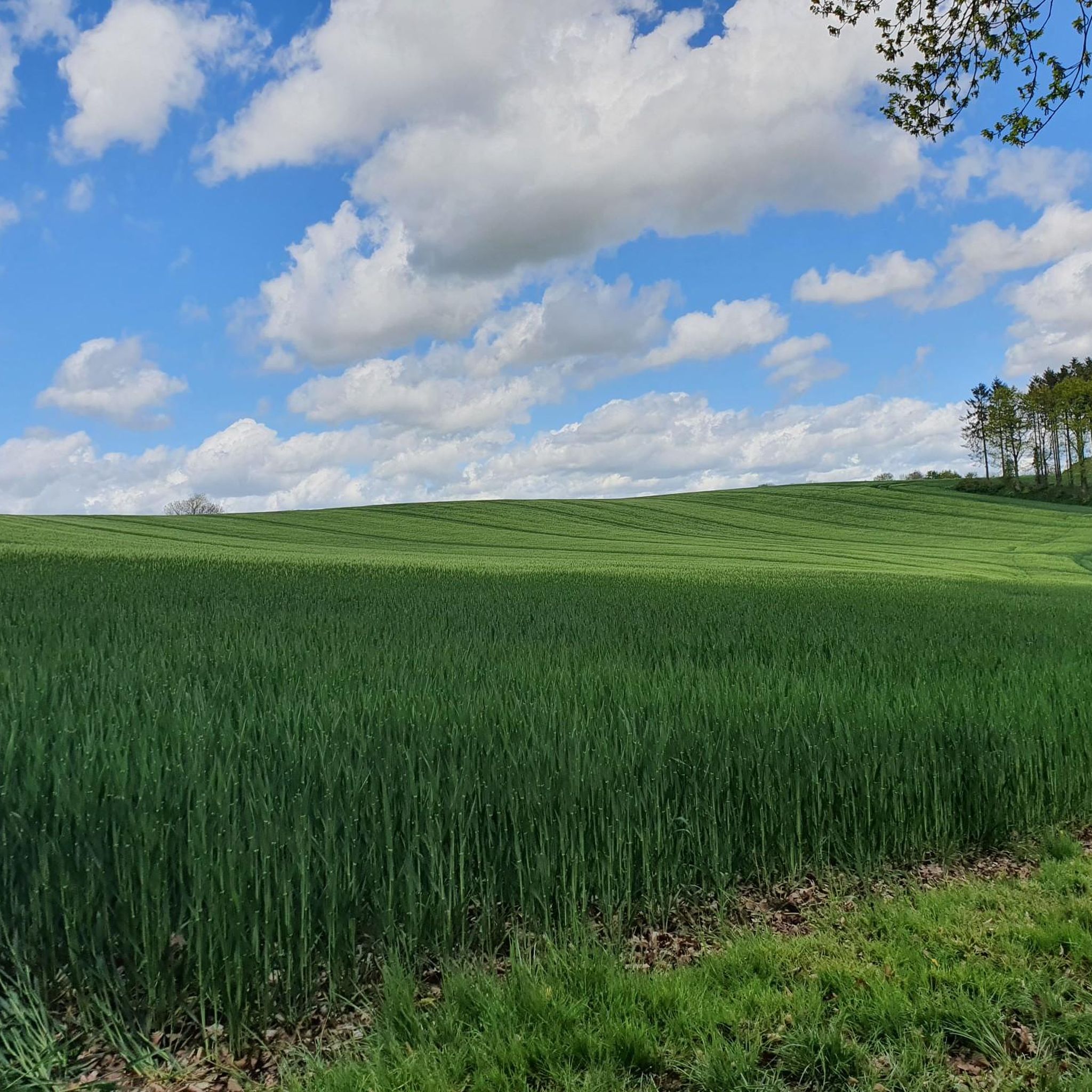
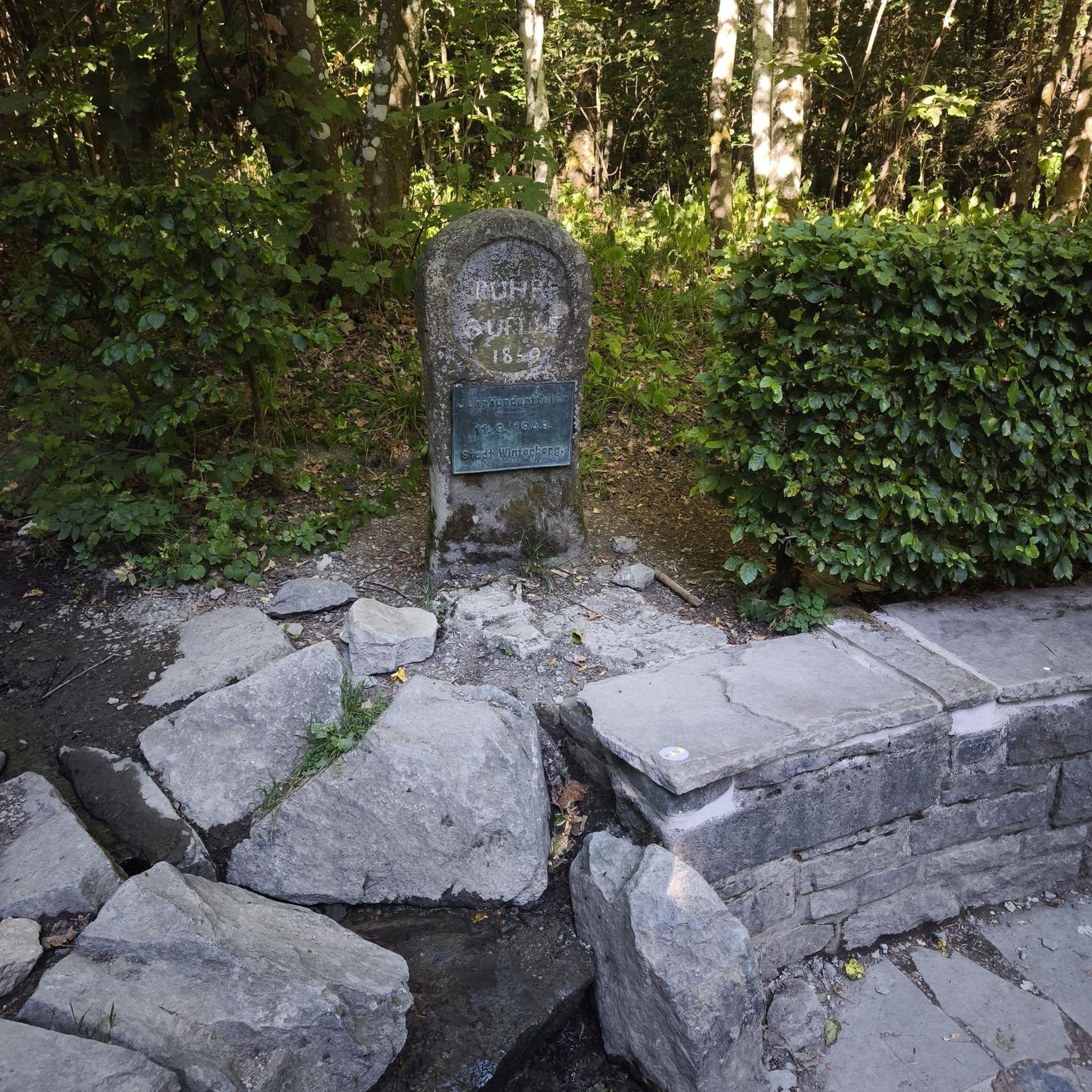
Tips from the Community

Always delicious fish sandwiches and cold drinks
0
0

This incline and the one curve that could be interpreted as a serpentine immediately give you that Alpine feeling 😄
0
0

The giant in Ulsnis is a landmark that is in very good condition, and there is also a bench here for a break 👍
3
0

The castle houses Schleswig-Holstein's most important museums and is integrated into a variety of cultural events. In addition to changing exhibitions (including contemporary artists), theater performances are held in the courtyard at irregular intervals, as are concerts. The entire area and a large number of the interior rooms are accessible to visitors. Part of the castle's original furnishings have been preserved and can be viewed as part of the museum tours. Particularly noteworthy are the festive Hirschsaal (Deer Hall) from 1591 and the two-story Renaissance chapel. The castle is considered the most important secular building in the state of Schleswig-Holstein.
15
2
At the beginning of 1945, more and more refugees from the eastern territories of the German Reich arrived in Schleswig, their number rising to almost 18,000 by the summer. Gottorf, like many of the country's residences, was used as a temporary reception camp, and several hundred refugees were housed in the castle.[31] In the post-war period, the entire complex was made available to the Schleswig-Holstein State Museums from 1948 onwards.
15
2
After the war of 1848, the Danes first set up a hospital and then a barracks in the castle,[22] in order to be able to operate more effectively against the insurgents in Schleswig-Holstein. The building was adapted to the new needs, and the interior lost much of its once significant furnishings. The former state rooms and ducal apartments were converted into dormitories and dining rooms. The outbuildings were demolished and replaced by extensive stables, and the defensive structures were demolished. Gottorf remained a barracks[22] when it fell to Prussia in 1867 as a result of the Second Schleswig War, and it retained this function until 1945.
15
2
Subsequently, Gottorf became the center of power of the Dukes of Schleswig and was repeatedly at the center of political conflicts. In 1283, the young Duke Waldemar IV of Schleswig was imprisoned in the castle for a time by the Danish King Eric V. In 1329, Gottorf was besieged for the first time (unsuccessfully) by a coalition of Jutland nobles in their fight against Count Gerhard III of Holstein, who had served as Duke for several years.[6] In June 1340, the castle was transferred as a pledge into the permanent possession of the Counts of Holstein from the House of Schauenburg,[7] who resided in Gottorf until their extinction in 1459. Initially as counts, after Count Gerhard VI was invested with the duchy by the Danish regent Margaret I in 1386[8], then formally again as dukes.[9]
15
2
After the Schleswig bishop Niels II was captured during the Battle of Lohheide in 1261, Gottorf became the property of Duke Eric I of Schleswig. In return, the bishops received lands on the lower reaches of the Treene, where the episcopal castle of Schwabstedt was built a short time later.[4] It was only the duke, as the contemporary annals of the Rude monastery report, who had a new castle built "at great expense", which replaced the older ducal castle on the Möweninsel in the Schlei.
16
2
Frequently Asked Questions
What kind of terrain can I expect on road cycling routes around Nübel?
The region around Nübel, part of the Angeln peninsula, offers a varied landscape shaped by the last Ice Age. You'll find gently rolling hills, coastal sections along the Schlei Fjord, and inland moraines. Routes often traverse a charming mosaic of moorland, heath, meadows, and even some forests and fens, predominantly on quiet, paved roads.
Are there road cycling routes suitable for beginners or less experienced riders?
Yes, Nübel offers a good selection of routes for all abilities. There are 71 easy road cycling routes available. An excellent option for a more relaxed ride is the Holm District, Schleswig – View over the Schlei loop from Schleswig, which is classified as easy and covers 28.8 km.
What are some longer road cycling routes for more advanced cyclists?
For experienced riders seeking a longer challenge, the region provides several options. The Ellingstedter Weg – Painted Utility Box in Busdorf loop from Gottorf Castle is a substantial 75.5 km route that takes you through the Angeln region. Another good choice is the The Giant of Ulsnis – View over the Schlei loop from Tolk, covering 47.2 km with extensive views over the Schlei Fjord.
Are there circular road cycling routes available around Nübel?
Yes, many of the road cycling routes around Nübel are designed as loops, allowing you to start and end at the same point. For example, the popular Langsee Road Cycling Route loop from Nübel is a 21.3 km circular trail offering views of the Langsee.
What historical or cultural sights can I see along the road cycling routes?
The region is rich in historical and cultural attractions. You can cycle past the historic Holm Fishermen's Quarter in Schleswig, explore the charming town of Kappeln with its bascule bridge, or visit the smallest town in Germany, Arnis. Many routes also offer scenic views, such as the View over the Schlei.
Which routes offer the best views of the Schlei Fjord?
The Schlei Fjord is a central feature of the region's cycling landscape. Routes like the The Giant of Ulsnis – View over the Schlei loop from Tolk offer extensive views over the fjord. The 'Viking Route' and various 'Schlei Cycling Routes' mentioned in regional guides also provide continuous water views and scenic landscapes along Germany's longest Baltic Sea inlet.
What do other road cyclists enjoy most about road cycling in Nübel?
The road cycling routes around Nübel are highly rated by the komoot community, with an average score of 4.6 stars from over 240 reviews. Cyclists often praise the diverse landscapes, the quiet, well-paved roads, and the combination of coastal views with charming inland scenery.
Are there any specific attractions or landmarks near the routes that are worth a stop?
Absolutely. Along the routes, you might encounter the Missunde Ferry across the Schlei, offering a unique crossing experience. The Schleswig Harbour is another picturesque spot, and the Winningmay Avenue provides a pleasant stretch for cycling.
When is the best time of year for road cycling in Nübel?
The Angeln region is generally pleasant for road cycling from spring through autumn. The mild climate and varied landscapes are best enjoyed during these seasons. While winter cycling is possible, be mindful of weather conditions, as coastal areas can be windy and temperatures can drop significantly.
Are there options for combining road cycling with other activities, like visiting towns or coastal areas?
Yes, the region is perfect for combining cycling with exploration. Many routes pass through or near charming towns like Schleswig and Kappeln, allowing for cultural stops. The proximity to the Baltic Sea coast also means you can easily integrate seaside relaxation into your cycling tours, with towns like Maasholm offering coastal experiences.
How many road cycling routes are there in total around Nübel?
There are over 390 road cycling routes available around Nübel, offering a wide variety of options for different skill levels and preferences. This includes 71 easy routes, 316 moderate routes, and 7 more challenging routes.
Most popular attractions around Nübel

Get inspired with the komoot mobile app


Explore more
Browse the best Road cycling routes in other regions.
