Attractions and Places To See around Slotssøen - Top 9
Best attractions and places to see around Slotssøen include a variety of historical sites, natural landscapes, and recreational facilities. This region features 9 distinct places to explore, offering insights into local history and opportunities for outdoor activities. The area is centered around Slotssøen, a lake with historical significance dating back to the 16th century. Visitors can discover both cultural landmarks and family-friendly attractions within close proximity.
Best attractions and places to see around Slotssøen
- The most popular attractions is Koldinghus…
Last updated: October 11, 2026
Koldinghus Castle
Highlight • Castle
Translated by Google •
Tip by

Slotssøen (Kolding Castle Lake)
Highlight • Lake
Translated by Google •
Tip by

Sign up now to discover places like this
Get recommendations on the best single tracks, peaks, & plenty of other exciting outdoor places.
Staldgården, Kolding
Highlight • Historical Site
Translated by Google •
Tip by

Legeparken Kolding
Highlight (Segment) • Rest Area
Translated by Google •
Tip by

Carl Ploug Memorial Stone
Highlight • Monument
He was the son of the assistant teacher and later head …
Translated by Google •
Tip by
Sign up for free to discover even more attractions around Slotssøen.
Already have an account?
Start today with a free account
Your next adventure awaits.
Tips from the Community

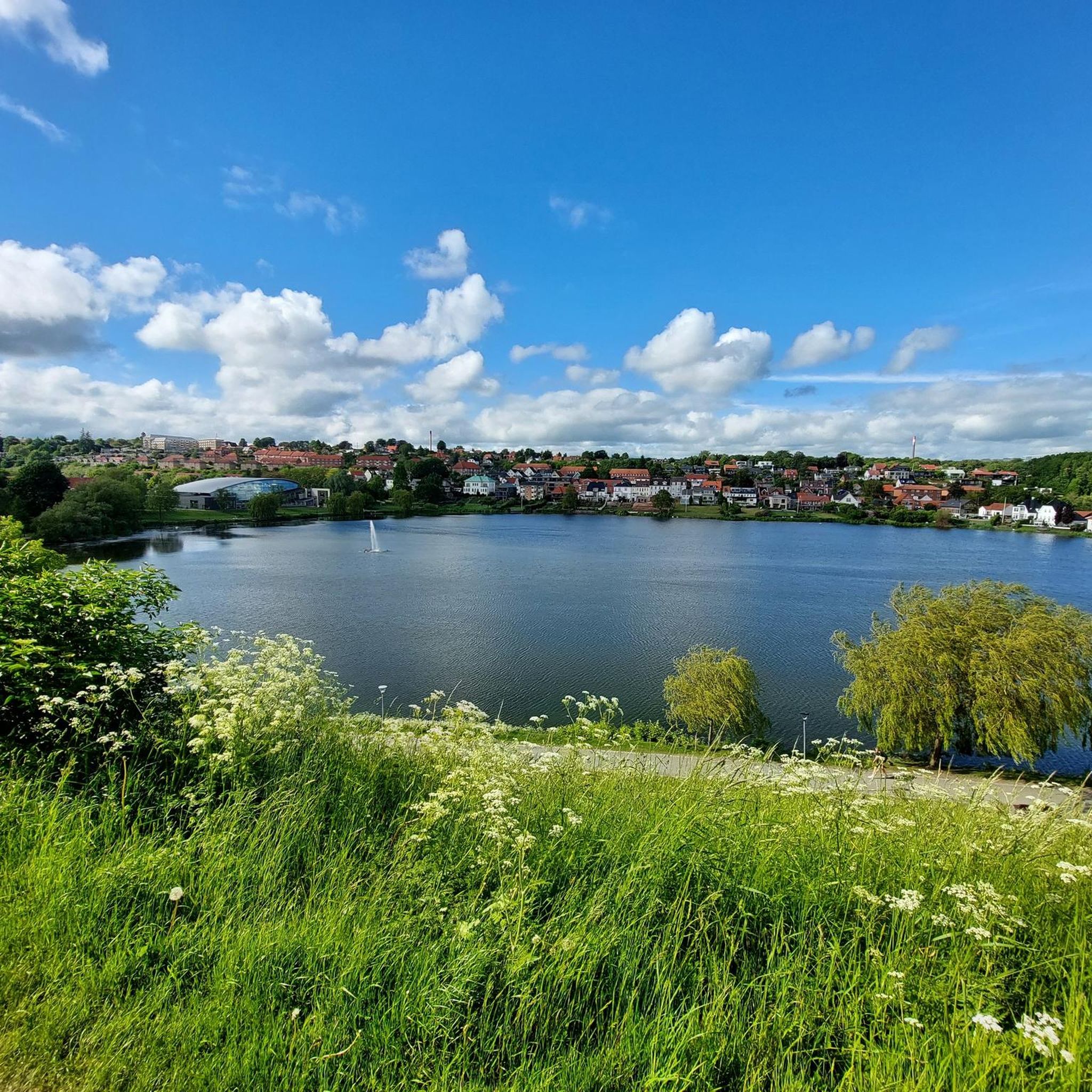
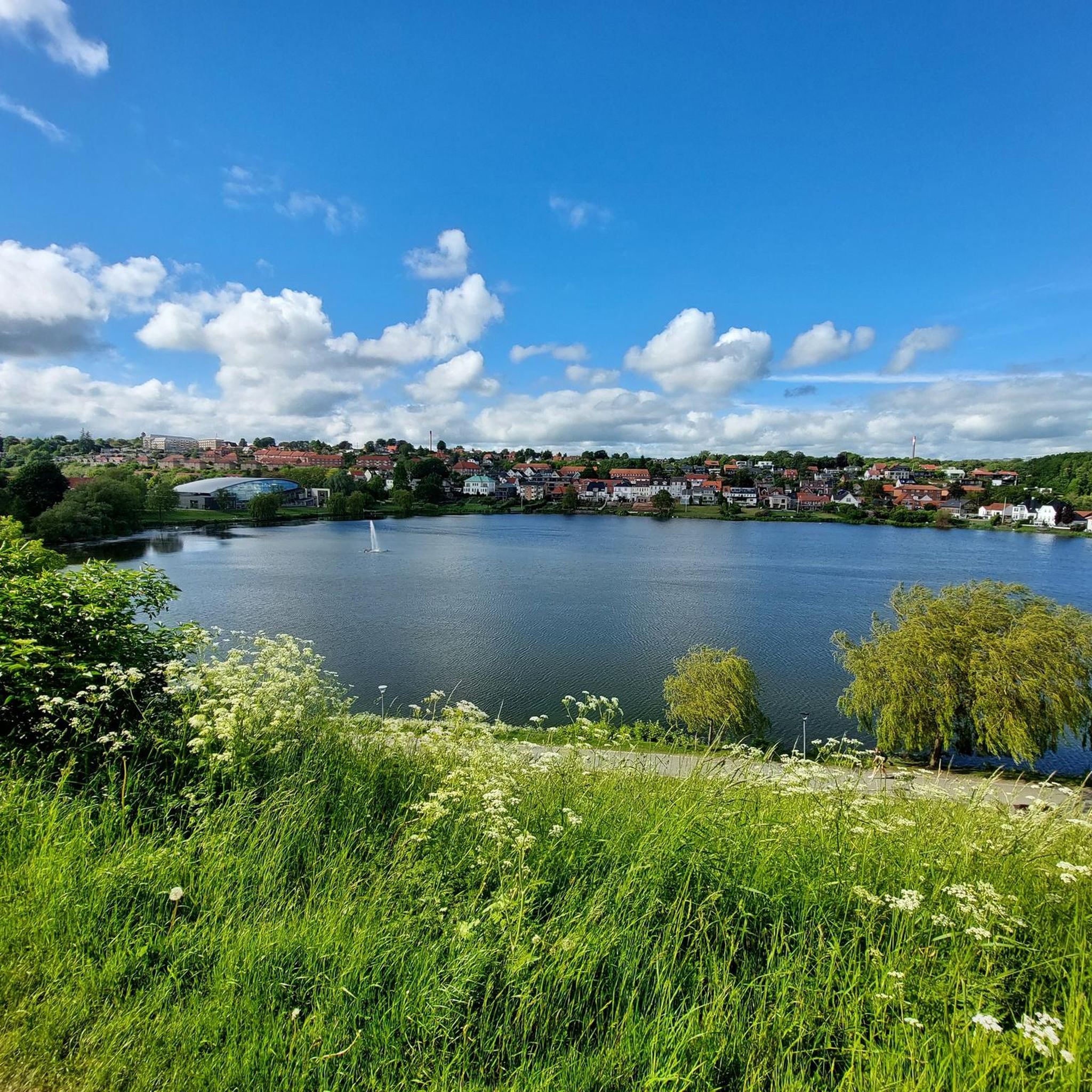
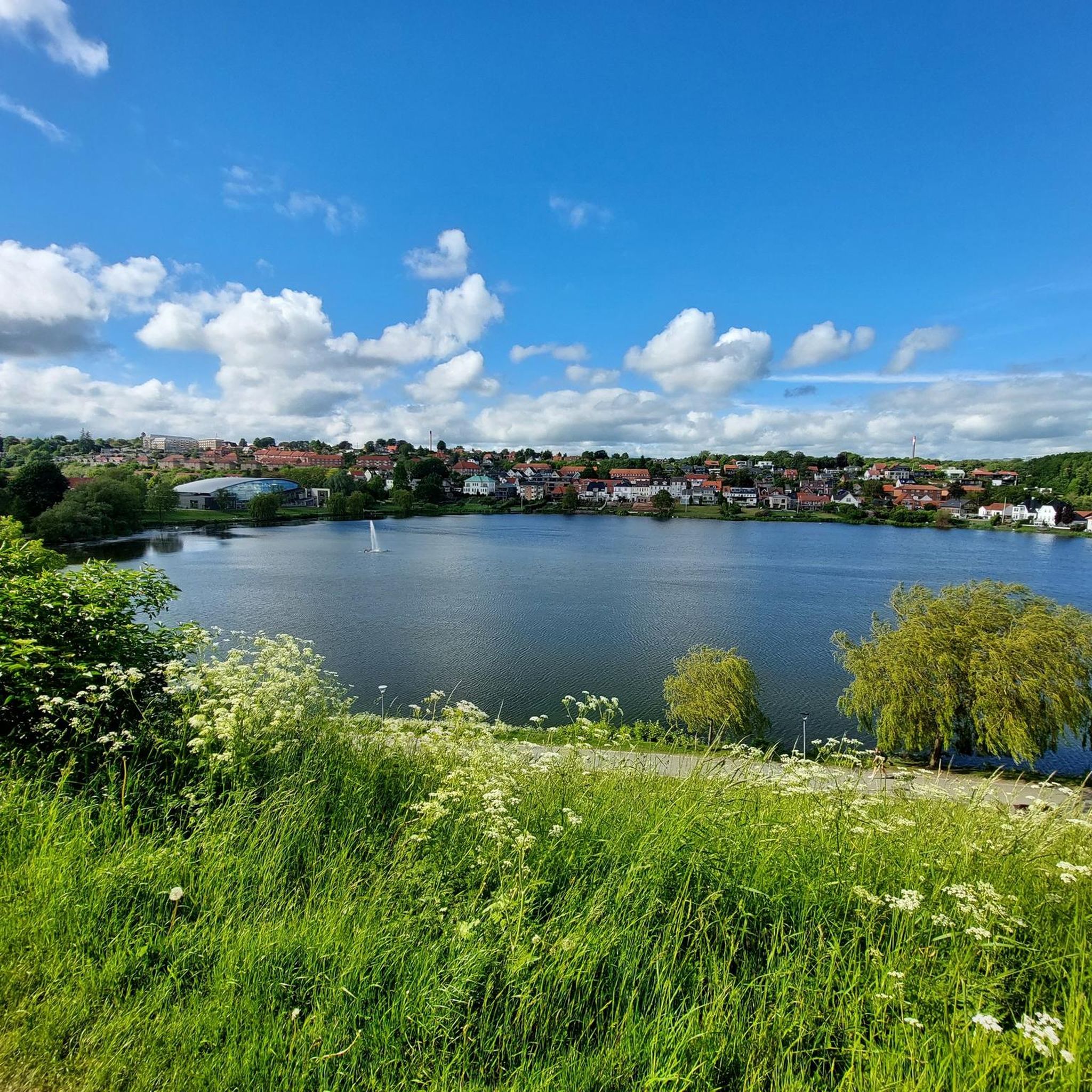
Slotssøen is a lake in Kolding, Denmark. It was the millpond for the castle mill, which Queen Dorothea built in 1570[1] or 1566, right next to Koldinghus Castle. The castle island belongs to the monarch, so fishing or sailing on the lake is not permitted. However, there is a rowboat that, according to old regulations, is available for use by royal guests who wish to fish.[2] The old regulation has since been repealed, and nowadays the boat is maintained voluntarily by the St. George's Guild in Kolding.[3] The parking lot in front of the Kolding Library is a reclaimed section of Castle Lake. This occurred when the Castle Sea Road was built as a ring road in 1970.[1] To walk around Castle Lake, you must go to Søgade on the opposite side of Koldinghus Castle. The lake is located on the island. In the 20th century, several water closets were built in the city, but these had to be banned, partly because some of the sewage pipes ended in two open ditches that ran directly from Låsbygade into Castle Lake. The outflow otherwise went directly into the river or fjord. In 1921, following a report prepared by the city engineer in October 1921, the city council decided to launch a comprehensive sewage project for the built-up area of Kolding. By the end of the work in 1923, only a quarter of the city's wastewater had been discharged into Castle Lake. From 1926 onward, the sewage system was extended to the southern part of the city. With the completion of the new sewage system, toilets without septic tanks could be installed.
1
0
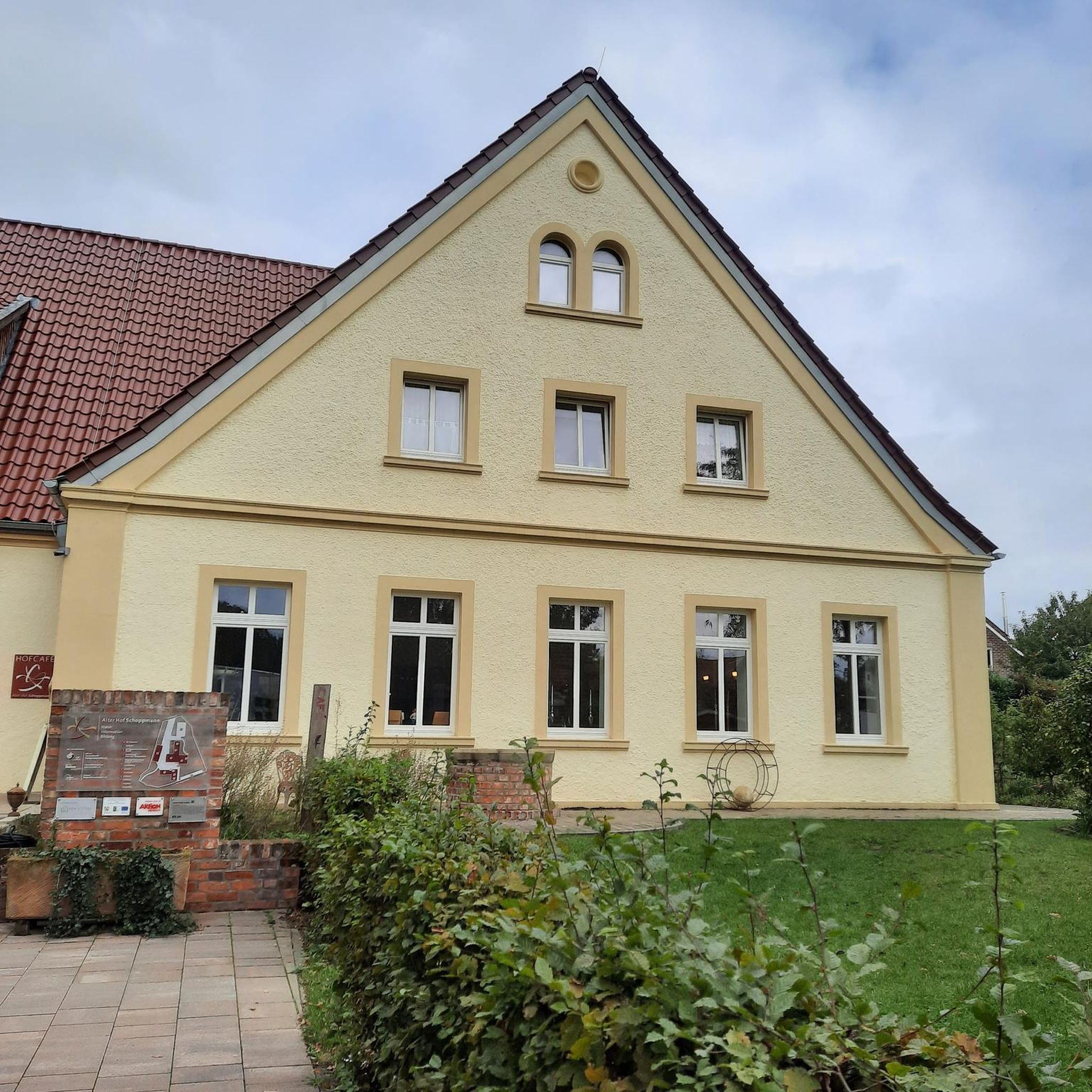
The Kolding Stables (Staldgården) are located east of and adjacent to Koldinghus Castle and were founded around the same time: in the 14th century. The current buildings were constructed in the 17th century, consist of three wings, and were primarily used by the military. [1] The first buildings on the site formed a kind of forecourt to the main castle, Koldinghus. From the mid-16th century onward, they were used as the king's stables and in the residence of Christian IV. In the 19th century, there were strong, tower-like pavilions in the two eastern corners. These were later removed. From the late 17th century, Staldgården had an increasing tactical military influence on the positioning of the military's cavalry regiments. Christian V had divided the crown's estates into cavalry districts, whose purpose was to provide cavalry in times of war. Frederick IV continued this system, and in 1718 Staldgården became the cavalry headquarters, initially for the Koldinghus Cavalry District and later for the Holstein Lance Regiment. During the Anglo-English Wars of 1808–1814, the large buildings were used to store military equipment. Koldinghus burned down on the night of March 28–29, 1808, but the fire did not reach the stables. [1] After about 200 years of horses at Staldgården, this ended in 1923 when the military ceased breeding and riding horses. The buildings were subsequently used as a military depot, and after World War II, Staldgården served as the supply base for the Danish Brigade in Germany from 1947 to 1958. In 2008, Staldgården housed the Kolding Air Reporting District, the Kolding Home Guard Company, the Kolding Naval Home Guard Company, the Kolding Air Home Guard Company, and the conservation workshop for the Koldinghus Museum. [1] As of January 1, 2021, the Kolding Local History Museum is located at Staldgården. Here you will find an exhibition about Kolding during the occupation, where you can visit Cell II, Denmark's only remaining Gestapo cell. The Kolding Museum also has sites in Skamlingsbanken and Christiansfeld. [2]
0
0
After the death of Frederick VI in December 1839, he began working on the newspaper Fædrelandet. Journalism became his life's work. The rise of the "Academicum," stemming from the rejection of the more refined "Studenterforening," gave him a leading position among the students, and his work at Fædrelandet, where he became editor in 1841, connected him with the opposition. His ideals were political freedom, national identity in Denmark, and Scandinavian unity.
0
0


nice place and great to relax
0
0

nice place to take a break
0
0

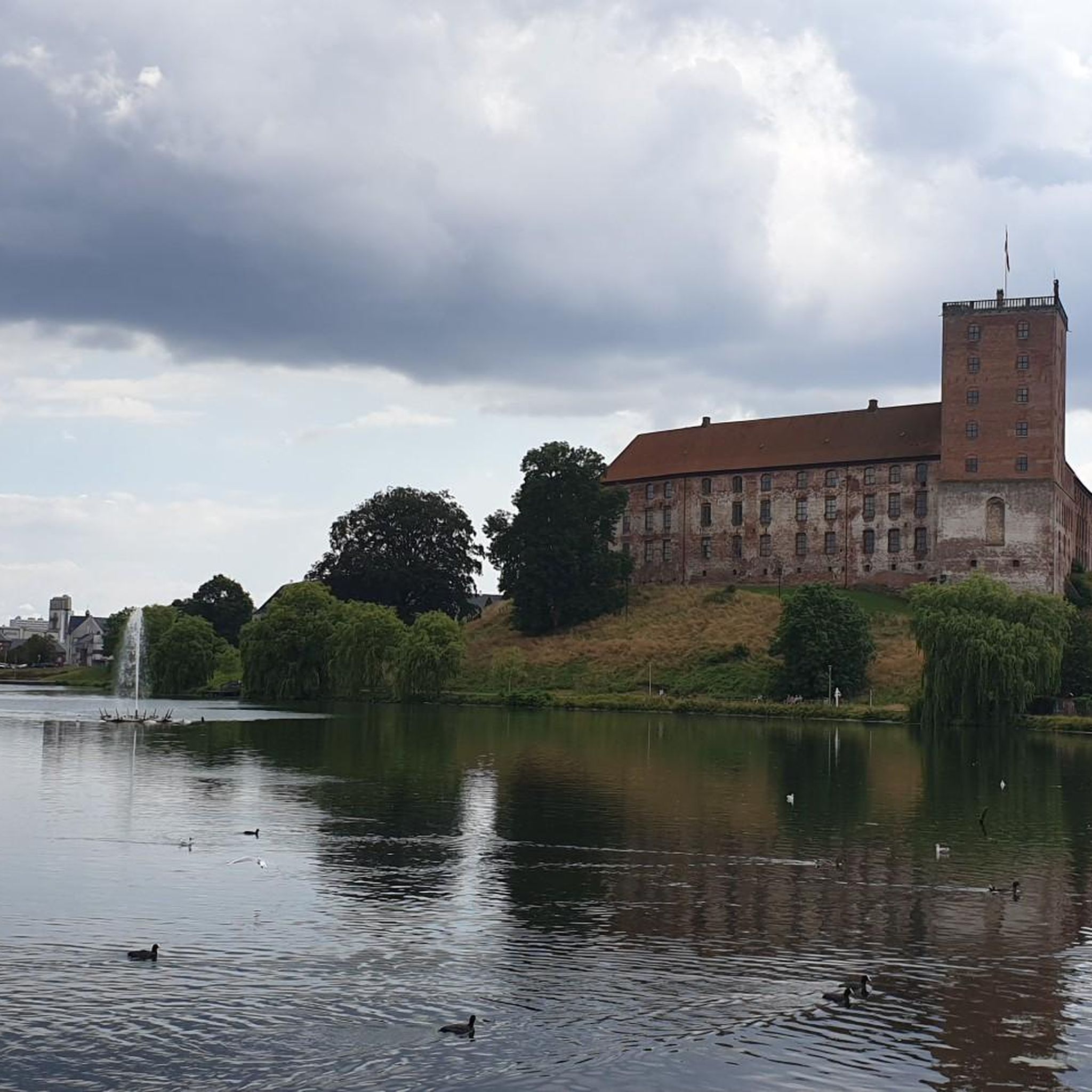
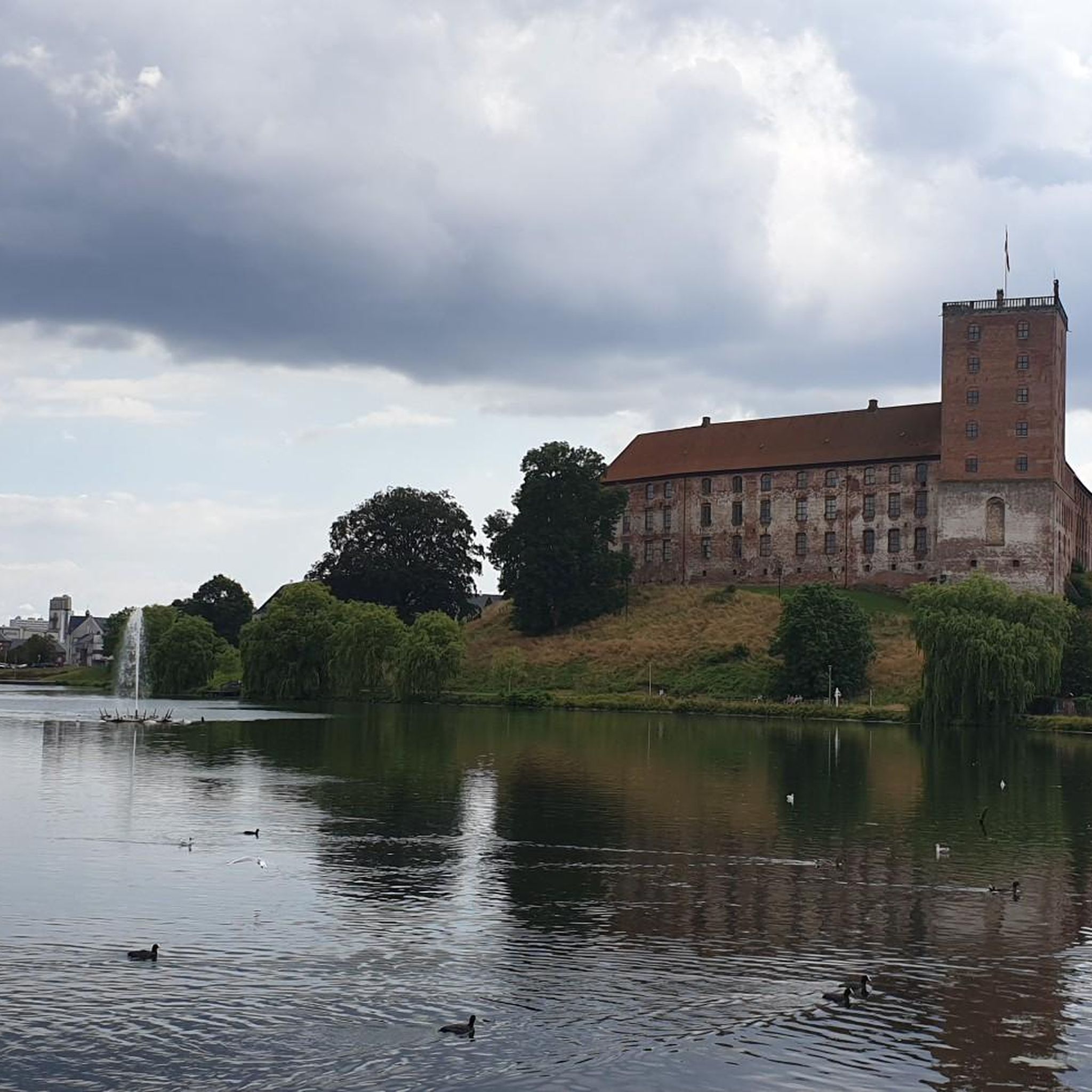
Very beautiful lake with a view of a castle!
1
0
Koldinghus is a Danish royal castle in the town of Kolding in eastern Jutland, built in the mid-12th century. It burned down in 1808 and remained unused as a ruin for a long time, but was then rebuilt as part of a long-term restoration.
2
0
Frequently Asked Questions
What historical sites can I explore around Slotssøen?
The primary historical site is Koldinghus Castle, which offers a deep dive into the Danish-Schleswig border region's history. You can also visit Staldgården, Kolding, a former military stable yard adjacent to the castle, which now houses a museum. The lake itself, Slotssøen (Kolding Castle Lake), was created in the 16th century by Queen Dorothea and holds historical significance.
Are there any natural attractions or viewpoints near Slotssøen?
Yes, Slotssøen (Kolding Castle Lake) is a beautiful natural feature with numerous resting places along its banks. The tower of Koldinghus Castle also offers magnificent views of the surrounding area.
Are there family-friendly activities available around Slotssøen?
Absolutely. Legeparken Kolding is an amusement park designed for both children and adults, featuring climbing, swinging, sliding, kettcars, mini golf, and boat rentals. It also provides barbecue areas and activity houses.
What kind of outdoor activities can I do near Slotssøen?
The area around Slotssøen is excellent for outdoor activities. You can find various routes for hiking, mountain biking, and touring cycling. For example, there are easy hikes like the 'Koldinghus – Koldinghus Castle loop' and more challenging MTB trails such as 'Troldhedestien – Koldinghus Castle loop'. Explore more options on the easy hikes around Slotssøen guide, MTB Trails around Slotssøen guide, and Cycling around Slotssøen guide.
Are there easy walking or hiking trails around Slotssøen?
Yes, the popular Kærlighedsstien (Love Path) around Slotssøen (Kolding Castle Lake) is perfect for a nice, easy walk. You can also find several easy hiking routes, including circular walks, detailed in the easy hikes around Slotssøen guide.
Can I find dog-friendly walking paths around Slotssøen?
Many of the paths around Slotssøen (Kolding Castle Lake), including the Kærlighedsstien, are suitable for dog walking. Always ensure your dog is on a leash and follow local regulations regarding pets in public areas.
Are there wheelchair-accessible paths or attractions around Slotssøen?
While specific accessibility details for all paths are not provided, the main paths around Slotssøen (Kolding Castle Lake) are generally flat and well-maintained, making them suitable for wheelchairs. Legeparken Kolding also offers accessible areas.
What is the best time of year to visit Slotssøen?
The summer months are particularly vibrant, with free concerts and various activities on the lake during the Kolding Culture Night. The Kolding Light Festival also culminates with fireworks at the lake. However, the area is beautiful year-round, with each season offering a different experience.
How much time should I allocate for visiting the attractions around Slotssøen?
To fully experience Koldinghus Castle, including its museum and exhibitions, you might need 2-3 hours. A leisurely walk around Slotssøen (Kolding Castle Lake) can take 1-2 hours. If you plan to enjoy the activities at Legeparken Kolding, you could easily spend half a day or more. A full day allows for a comprehensive visit to the main attractions.
Are there dining options or cafes near the Slotssøen attractions?
Yes, Legeparken Kolding has a kiosk and barbecue areas. The area around Slotssøen, being close to Kolding city center, also offers various cafes and restaurants within easy walking distance.
Is parking available for visitors to Slotssøen's attractions?
Parking is generally available in Kolding city center and near the major attractions like Koldinghus Castle and Legeparken Kolding. Look for designated parking areas or public car parks in the vicinity.
What wildlife might I encounter around Slotssøen?
As a lake environment, Slotssøen (Kolding Castle Lake) is home to various bird species and aquatic life. You might observe ducks, swans, and other waterfowl. The surrounding green spaces can also attract small mammals and insects.
What should I wear for a walk around Slotssøen in winter?
In winter, it's advisable to dress in warm layers. A waterproof and windproof outer jacket, warm hat, gloves, and sturdy, waterproof footwear are recommended to stay comfortable while walking around Slotssøen (Kolding Castle Lake), as temperatures can be low and winds can be chilly.
What are some unique or less-known attractions in the Slotssøen area?
Beyond the castle, the Carl Ploug Memorial Stone commemorates a significant Danish poet, journalist, and politician from Kolding. Staldgården, Kolding, with its military history and current museum, also offers a unique glimpse into the region's past.
What do visitors enjoy most about Slotssøen?
Visitors particularly appreciate the blend of history and nature, with the impressive Koldinghus Castle overlooking the serene Slotssøen (Kolding Castle Lake). The family-friendly amenities at Legeparken Kolding and the scenic walks around the lake are also highly rated.
Most popular routes around Slotssøen

Get inspired with the komoot mobile app


Explore more
Still not found the Highlight you’re looking for? See guides of the top attractions in other regions:
