The best road cycling routes around Mittelbiberach
4.8
(25)
308
riders
26
rides
Road cycling routes around Mittelbiberach traverse a landscape characterized by rolling hills, green meadows, and a mix of dense forests and expansive fields. The region's varied terrain includes both gentle inclines and some steeper climbs, providing diverse options for cyclists. The Iller River, forming a natural boundary, offers routes along its banks, while the Upper Swabian hill country presents picturesque paths through charming villages.
Best road cycling routes around Mittelbiberach
- The most popular road cycling route is View of Seekirch…
Last updated: July 9, 2026
28
riders
70.6km
02:56
450m
460m
Moderate road ride. Good fitness required. Mostly well-paved surfaces and easy to ride.
5.0
(1)
39
riders
15.7km
00:38
80m
80m
Easy road ride. Great for any fitness level. Mostly well-paved surfaces and easy to ride.

Sign up for free
5.0
(1)
27
riders
Easy road ride. Great for any fitness level. Mostly well-paved surfaces and easy to ride.
5.0
(4)
28
riders
46.7km
01:54
280m
280m
Easy road ride. Great for any fitness level. Mostly well-paved surfaces and easy to ride.
4.5
(2)
17
riders
62.0km
02:39
490m
490m
Moderate road ride. Good fitness required. Mostly well-paved surfaces and easy to ride.
Get access to more routes and recommendations from other explorers.
Sign up for free
Already have an account?
Our route recommendations are based on thousands of hikes, rides, and runs completed by other people on komoot.
Start today with a free account
Your next adventure awaits.
Login or Signup
Tips from the Community

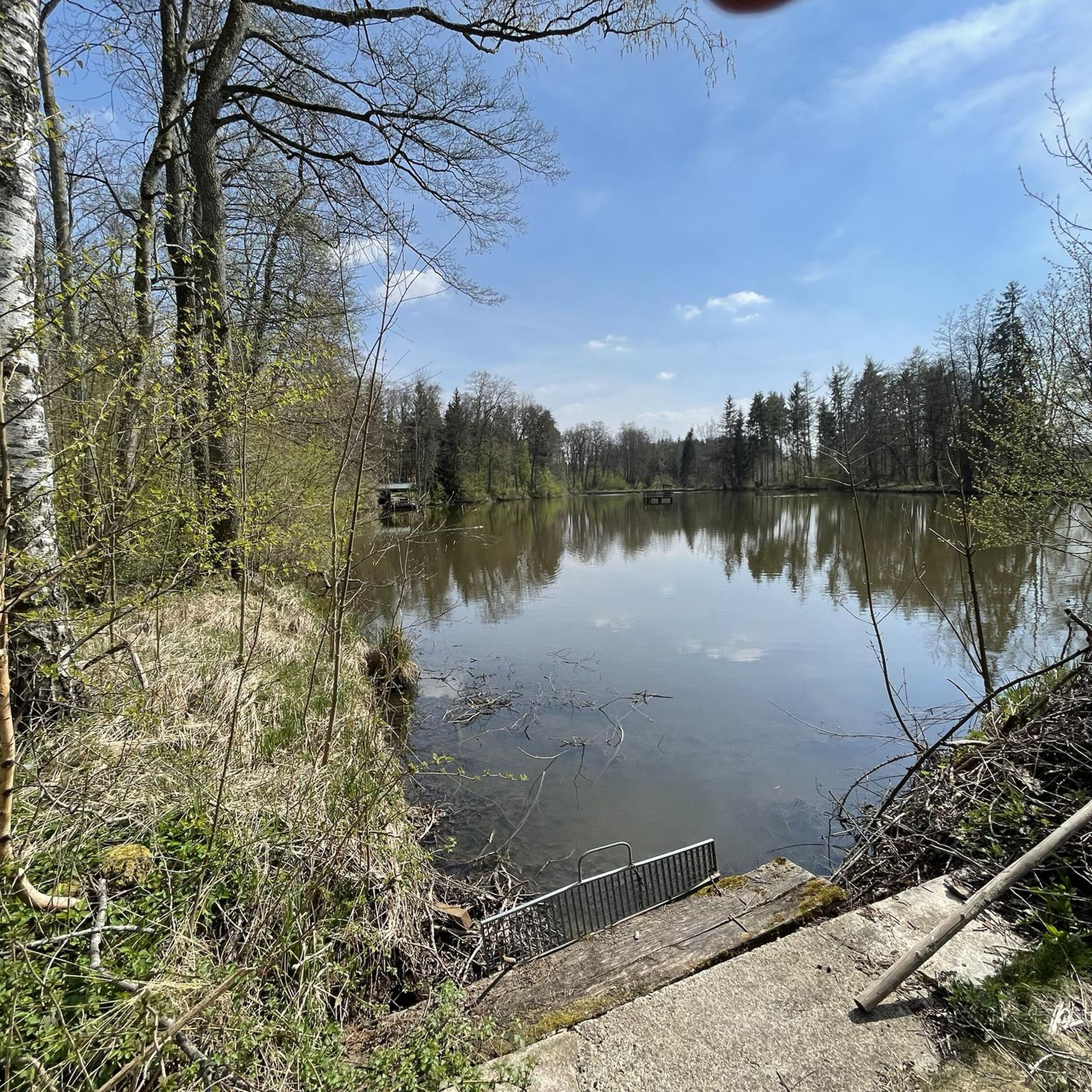
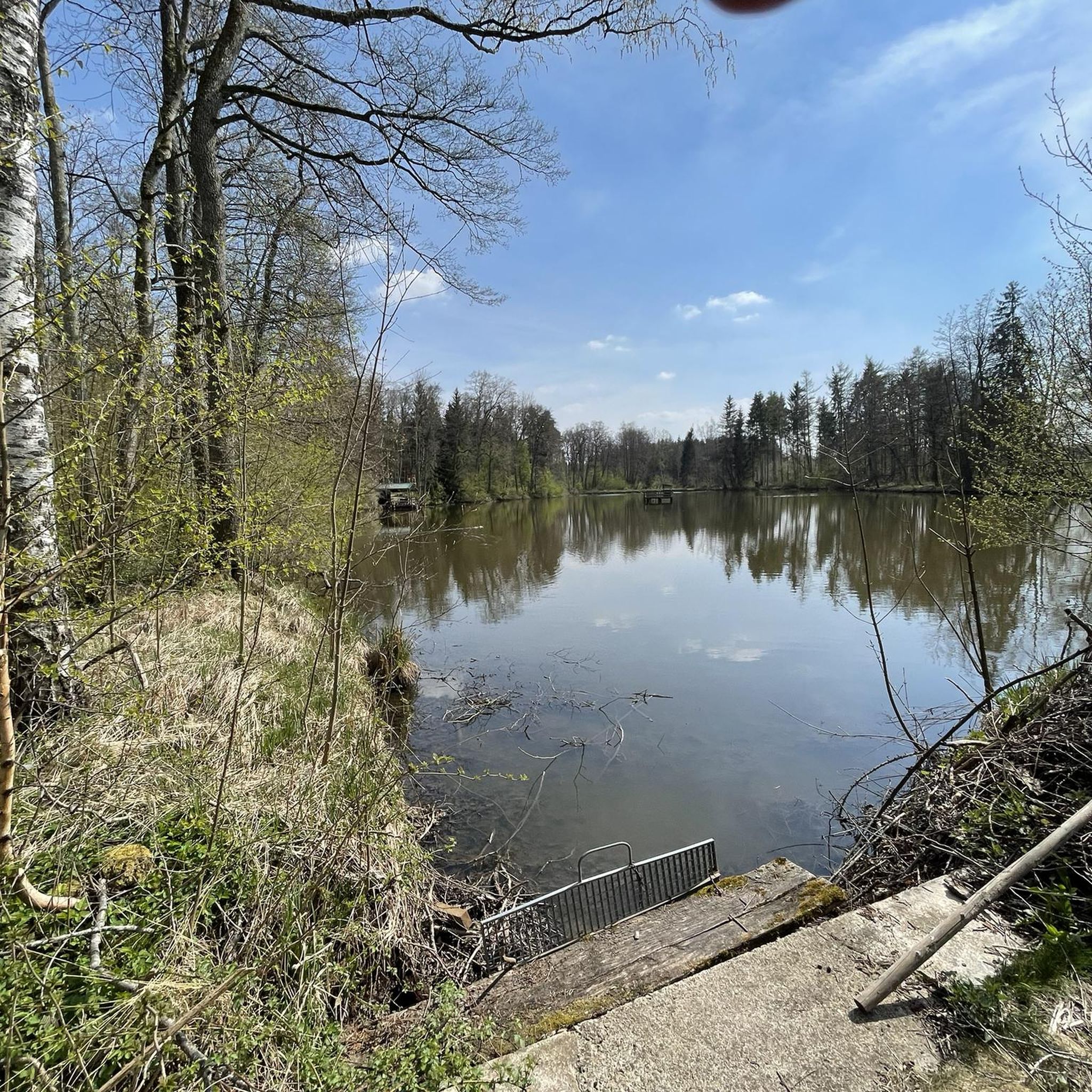
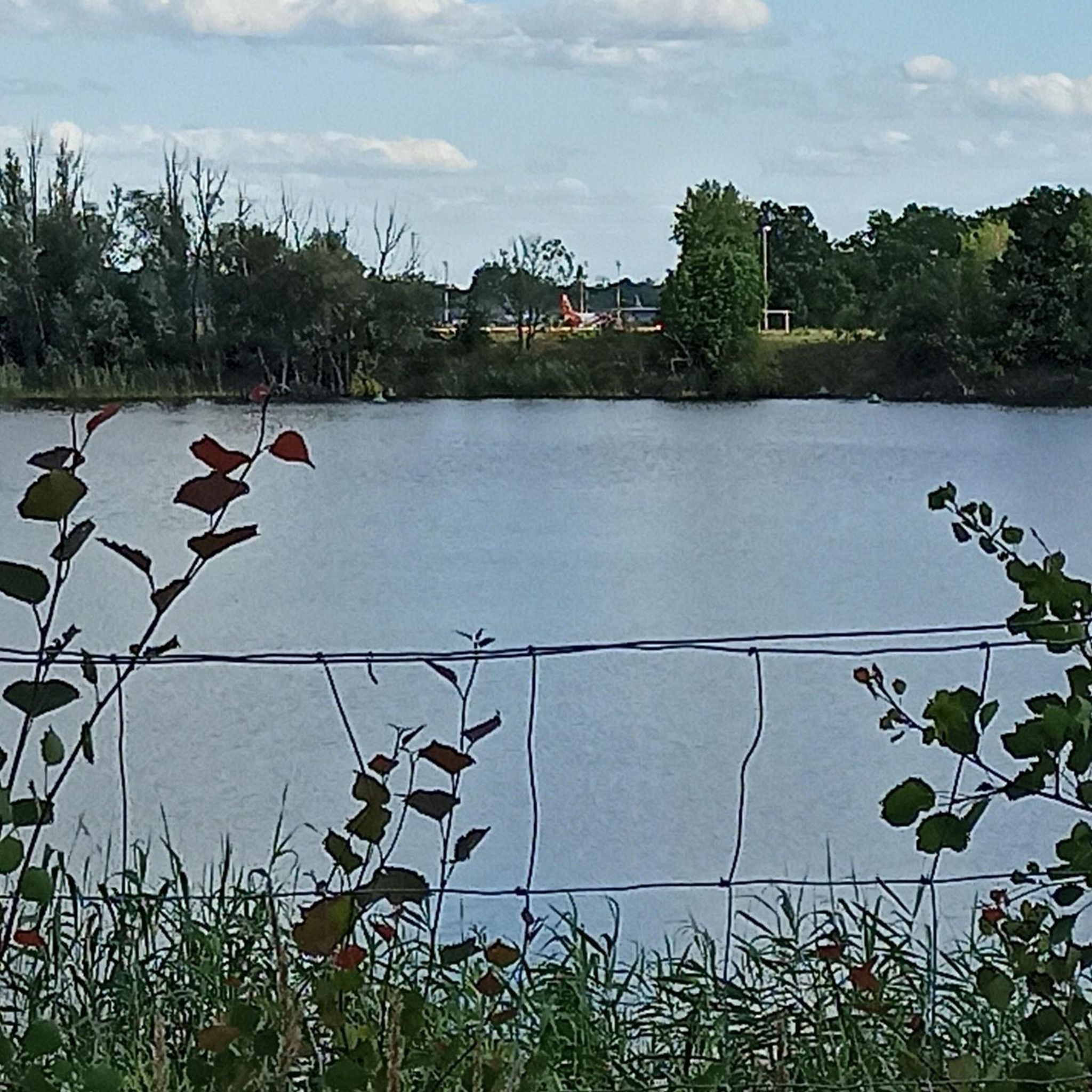
From the cycle path, you can catch a glimpse of the beautiful Ummendorf natural lake. Those who wish to rest can do so here on a small bench with a view of the lake.
2
0

Good place to stop for a break, there is a weekly market on Saturday mornings until around 2 p.m.
1
0

At the junction of Riedlinger and Saulgauer Streets, where the Capuchin monastery was built in 1615, stood the Leonhard Chapel, which – first mentioned in documents in 1383 – was destroyed in 1531 and rebuilt in 1564. A Mount of Olives was built along the path to it. Perhaps in connection with the construction of the new Leonhard Chapel, but certainly at the latest with the construction of the Capuchin monastery, a new Mount of Olives was built to replace the one that had also been destroyed in 1531. It has been renovated repeatedly, including in 1666, 1830, 1882, and 1914. During the construction of the town hall, the Mount of Olives was accidentally destroyed. Rebuilt at the expense of the person who caused the destruction, it received its current painting, and the salvaged statues were re-erected. Source: Sign on the building and https://www.biberach-riss.de/PDF/%C3%96lberg.PDF?ObjSvrID=2940&ObjID=3836&ObjLa=1&Ext=PDF&WTR=1&_ts=1536309529
1
0

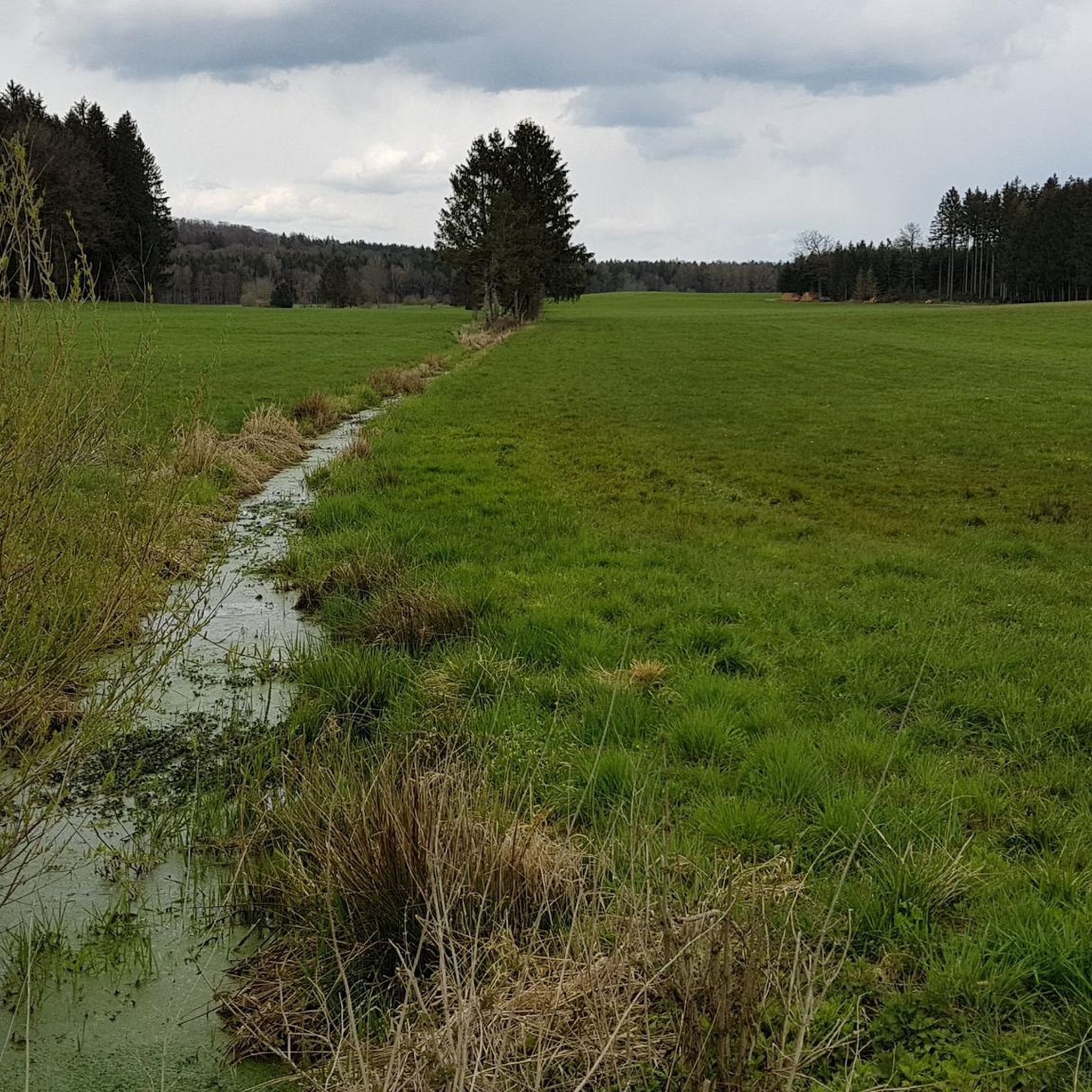
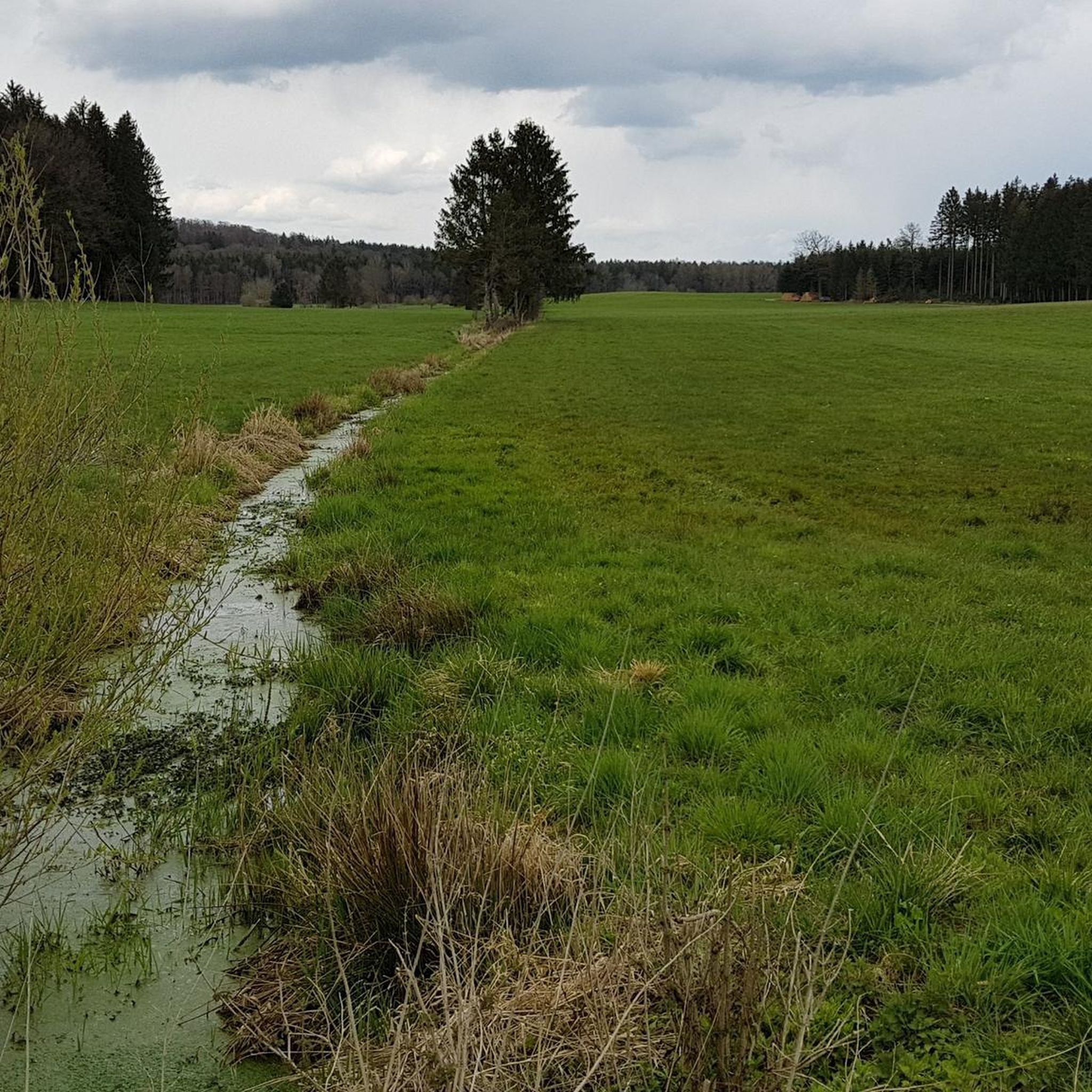
The overgrown plain, which is now used for agriculture, still gives an idea of the former extent of the Federsee
1
0

The White Tower, a striking landmark of Biberach, was completed in 1484 after eight years of construction as a late Gothic brick building. With a height of 41 meters and a diameter of 10 meters, it still dominates the cityscape today. The walls, which are up to 2.80 meters thick and taper towards the top, testify to its original function as a defense and watchtower. As a status symbol of the wealthy imperial city of Biberach, the tower received its characteristic white paint job. It formed the end of the medieval city fortifications, which once included 24 small turrets and four city gates. Together with the Gigelturm, it is one of the last remaining towers of the former city fortifications. As part of the "Historical City Tour", you have the opportunity to climb the White Tower every Saturday afternoon and enjoy the incomparable view of the city. Biberach's City Garden was created in 1977 based on designs by the landscape architects Mien Ruys (1904-1999) from Amsterdam and Jo Hagel from Biberach. In summer, the lower level of the garden transforms into a sea of flowers. Among the flowers, shrubs, and a small pond, one can relax on one of the many seating areas. Located slightly higher up and carved into the mountain is the City Garden Rondell, where concerts are held during the summer holidays. The White Tower overlooks the City Garden. Several paths lead up to Gigelberg, past the White Tower and Gigelturm, and over the Hirschgraben.
2
0

longitudinal and transverse grooves present
0
0
Biberach has a small city park next to the town hall, next to it a beautiful market square, and historical buildings that have been beautifully renovated. Unfortunately, there is little greenery in the city center, almost everything is open to car traffic and therefore there are cars everywhere, parked or driving... so it can be stressful to explore the city center by bike. It's a real shame and a missed opportunity for Biberach's city center.
2
0
Frequently Asked Questions
How many road cycling routes are available in Mittelbiberach?
Mittelbiberach offers a diverse network of over 20 road cycling routes, catering to various skill levels. You'll find a good mix of easy and moderate trails to explore the region's scenic landscapes.
What kind of terrain can I expect on road cycling routes around Mittelbiberach?
The region is characterized by rolling hills, green meadows, and a mix of dense forests and expansive fields. While many routes feature gentle inclines, some offer steeper climbs, providing a varied and engaging experience for cyclists. You can also find routes along the Iller River and through the picturesque Upper Swabian hill country.
What is the best time of year for road cycling in Mittelbiberach?
The most pleasant seasons for road cycling in Mittelbiberach are spring and summer, when the weather is mild and nature is vibrant. Autumn also offers beautiful tours as the leaves change color, creating a picturesque backdrop for your rides.
Are there road cycling routes suitable for beginners in Mittelbiberach?
Yes, Mittelbiberach has several easy road cycling routes perfect for beginners. For instance, the Biberach Old Town – White Tower, Biberach loop from Mittelbiberach is an easy 9.8-mile (15.8 km) path that allows you to enjoy the scenery without significant challenges.
Are there more challenging road cycling routes in Mittelbiberach?
For those seeking a more demanding ride, Mittelbiberach offers moderate routes with varied terrain and elevation changes. The View of Seekirch – Schwaigfurter Weiher loop from Mittelbiberach is a moderate 43.7-mile (70.4 km) trail that includes rolling hills and provides a good workout.
What historical landmarks or natural features can I see along road cycling routes?
Many routes offer views of charming villages with half-timbered houses and blossoming orchards, especially beautiful in spring. You can also pass by historical sites like Schlössle Alberweiler or Stadion Castle. The Iller River itself is a significant natural feature with routes along its banks.
Are there circular road cycling routes in Mittelbiberach?
Yes, many road cycling routes in Mittelbiberach are designed as loops, allowing you to start and end at the same point. An example is the Ummendorf Natural Lake loop from Mittelbiberach, a 15.0-mile (24.1 km) trail through natural landscapes.
What do other road cyclists enjoy most about the routes in Mittelbiberach?
The road cycling routes in Mittelbiberach are highly rated by the komoot community, with an average score of 4.7 stars from over 20 reviews. Cyclists often praise the varied terrain, the picturesque views of rolling hills and green meadows, and the charming villages along the way.
Are there family-friendly road cycling options in Mittelbiberach?
While road cycling routes generally cater to individual riders, many of the easier, flatter sections along riverbanks or through less hilly terrain can be suitable for families with older children. Always check the route's difficulty and elevation profile to ensure it matches your family's capabilities.
Can I find cafes or places to rest along the road cycling routes?
Yes, the region's charming villages often feature cafes and restaurants where you can take a break and refuel. The Upper Swabian hill country, in particular, is known for its welcoming atmosphere and local eateries. Consider routes that pass through towns like Biberach for more options.
Is parking available for road cyclists in Mittelbiberach?
Parking is generally available in and around Mittelbiberach, particularly in village centers or designated parking areas near popular starting points for routes. It's advisable to check specific starting locations for detailed parking information before your ride.
Can I reach road cycling routes in Mittelbiberach using public transport?
Mittelbiberach and the surrounding district of Biberach are connected by public transport, including bus services. While direct access to all trailheads might vary, you can often reach central points in Mittelbiberach or nearby towns, from where you can start your cycling tour. Check local transport schedules for specific connections.
Most popular routes around Mittelbiberach
Most popular attractions around Mittelbiberach

Get inspired with the komoot mobile app


Explore more
Browse the best Road cycling routes in other regions.
