Top 4 Caves around San Agustín
Caves around San Agustín offer diverse natural formations and historical sites within a mountainous landscape. This region, particularly in areas like Montanejos and near Xàtiva in Spain, features a variety of cave systems and rock shelters. Visitors can explore large caverns, observe unique rock formations, and discover sites with historical significance. The area is characterized by gorges, rivers, and scenic trails that lead to these underground attractions.
Best caves around San Agustín
- The most popular caves is The Cueva Negra…
Last updated: October 12, 2026
The Cueva Negra
Highlight • Cave
Translated by Google •
Tip by

Rufino Rock Shelter
Highlight • Cave
Translated by Google •
Tip by

Sign up now to discover places like this
Get recommendations on the best single tracks, peaks, & plenty of other exciting outdoor places.
Views of the caves
Highlight • Cave
Translated by Google •
Tip by

Cirat Cave
Highlight • Cave
The access is via a dirt track, although with considerable slope it is easy to reach by MTB 🚵🏽♀️ or off-road vehicle. …
Showing Translation
Tip by

Sima de El Paúl
Highlight • Cave
Showing Translation
Tip by
Start today with a free account
Your next adventure awaits.

Tips from the Community

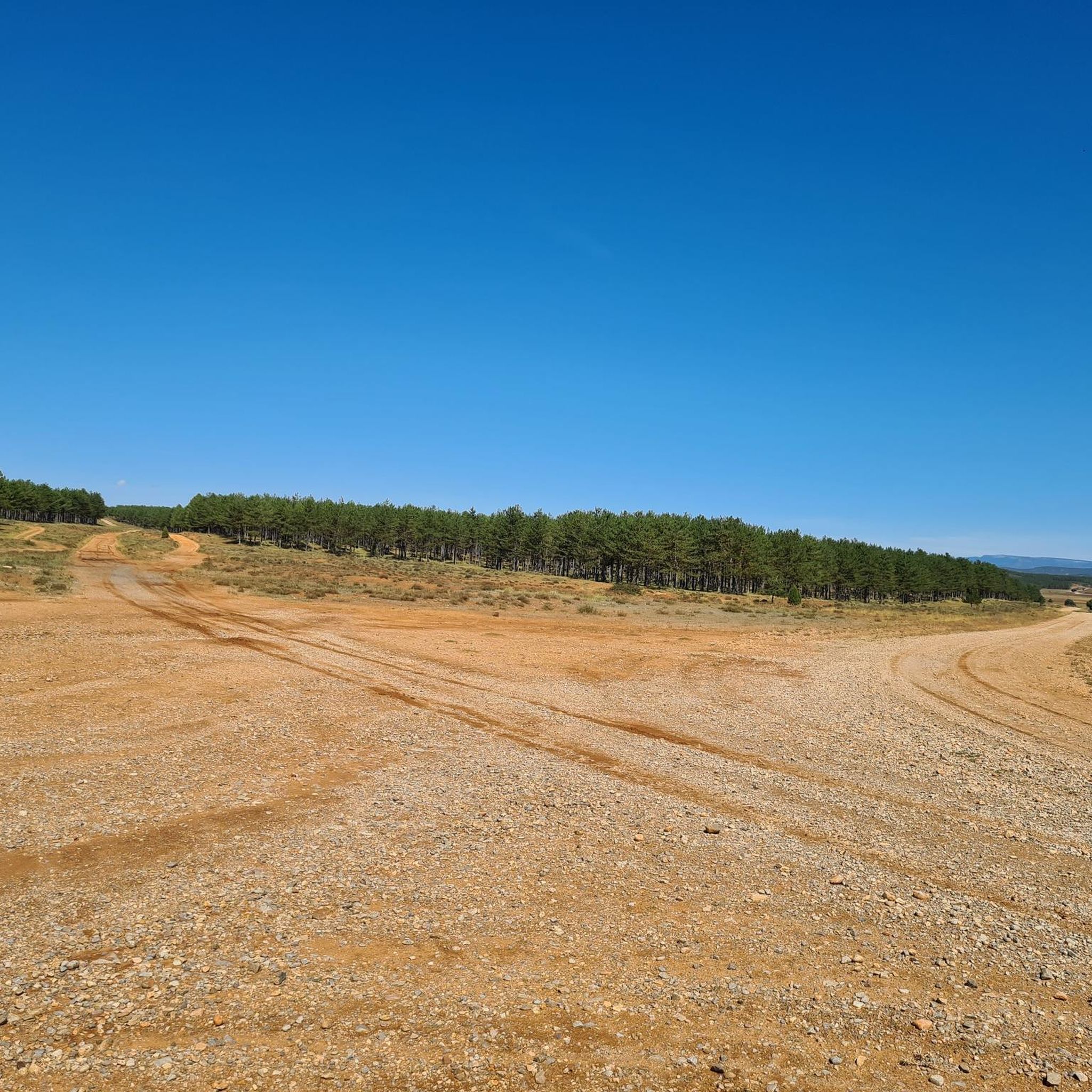
The cave of Cirat is located near Montán. The access is via a dirt track, although with considerable slope it is easy to reach by MTB 🚵🏽♀️ or off-road vehicle. Forget about going up to it in a street vehicle 🚙. Although the first few meters of the cave are accessible, it is a large cave, so you must be equipped and accompanied by someone experienced to explore it in depth.
0
0
Ideal place to walk and get some fresh air, spectacular landscapes, and if you feel like it, you can swim in the river.
1
0
It is accessed from the road that goes from Manzanera to El Paul. The track that takes you to the summit is located 200 meters before the turn-off to El Paul. You will rarely find places like this high up on a mountain. If you go by car, BE CAREFUL, the track is not suitable for all vehicles.
1
0

The Abrigo de Rufino is a well-known rock overhang and a key point on a popular hiking route in Montanejos, Castellón province, Spain, part of the Valencian Community. This route often leads to the Fuente de los Baños spring, past the Mirador de Chillapájaros viewpoint and the Cirat Dam (Presa de Cirat), and offers spectacular scenery with gorges, rivers, and rock formations.
0
0

Mountain goats can also be seen quite frequently
1
0

A landscape with history. In the vicinity of Xàtiva is the Cova Negra, declared a Municipal Natural Area in 2006, an essential visit.
11
3

One of the places to visit if you are in the Montanejos area and without a doubt it will surprise you! It is a cave of immense dimensions that you can enter and you will feel small inside. A very curious place to visit especially with children.
7
1

Caves excavated in the mountain.
1
0
Frequently Asked Questions
What is the most significant natural cave system near San Agustín, Colombia?
The most significant natural cave system accessible from the San Agustín area is the Cueva de los Guácharos National Natural Park. This park is Colombia's oldest national park and is renowned for its deep caves inhabited by guácharo birds (oilbirds), as well as its diverse ecosystems and trekking opportunities.
What makes Cueva de los Guácharos National Natural Park unique?
Cueva de los Guácharos is unique for being Colombia's oldest national park, a UNESCO Biosphere Reserve, and home to the nocturnal guácharo birds. It offers a blend of adventure, biodiversity observation, and geological exploration within extensive Andean and cloud forest landscapes, featuring fascinating cave systems and waterfalls.
Are there any family-friendly caves to explore directly within San Agustín?
While San Agustín is famous for its archaeological park, prominent natural caves suitable for general family exploration are not found directly within the archaeological park itself. The primary natural cave experience in the region is at Cueva de los Guácharos National Natural Park, which involves more extensive trekking.
What kind of wildlife can be seen in the caves near San Agustín?
In the caves of Cueva de los Guácharos National Natural Park, you can observe the park's namesake, the *guácharo* birds (oilbirds). These nocturnal birds inhabit the deep, dark caves and emerge at night to forage. The park also protects extensive Andean oak forests, supporting diverse ecosystems.
What is the difficulty level for visiting Cueva de los Guácharos National Natural Park?
Visiting Cueva de los Guácharos National Natural Park typically involves a multi-day expedition with trekking through Andean and cloud forest landscapes. It is considered a significant adventure into unspoiled nature, suggesting a moderate to difficult level of physical activity.
Are permits required to visit Cueva de los Guácharos National Natural Park?
Yes, permits are generally required to enter and explore Cueva de los Guácharos National Natural Park. It is advisable to arrange your visit through authorized tour operators or directly with the park administration to ensure you have the necessary permissions and guidance. You can find more information on the official park website: Parques Nacionales Naturales de Colombia.
What outdoor activities can I do near San Agustín, besides visiting caves?
Beyond cave exploration, San Agustín offers a variety of outdoor activities. You can find numerous hiking trails, including easy routes like the Aceicuca Trail or more challenging ones such as the Circular route to Morrón de Olba. There are also running trails and traffic-free bike rides available in the surrounding area.
What is the best time of year to visit San Agustín and its natural attractions?
The best time to visit San Agustín and its natural attractions, including the Cueva de los Guácharos National Natural Park, is generally during the drier seasons. This typically falls between December and March, and again from July to August, when trails are less muddy and weather conditions are more favorable for outdoor activities.
Are there guided tours available for the caves in the San Agustín region?
Yes, guided tours are available for Cueva de los Guácharos National Natural Park. These tours are highly recommended as they provide valuable insights into the history, geology, and biology of the caves, as well as the cultural importance indigenous communities placed on these sacred sites. Guides also ensure visitor safety and adherence to park regulations.
How can I get to Cueva de los Guácharos National Natural Park from San Agustín?
Accessing Cueva de los Guácharos National Natural Park from San Agustín typically involves a journey that may include a combination of bus travel and then local transport or a guided tour arrangement. It's advisable to plan your trip in advance, as the park is located in a remote area and requires specific logistics for entry and exploration. Consult local tour operators in San Agustín for the most current transportation options.
Are there any archaeological caves near San Agustín?
While the San Agustín Archaeological Park is famous for its ancient sculptures and tombs, the region research indicates that prominent natural caves within the park itself are not a primary feature. The archaeological sites like 'El Tablón' are known for sculptured stones, not natural cave systems for exploration. The focus for natural caves is the Cueva de los Guácharos National Natural Park.
Most popular routes around San Agustín
Most popular attractions around San Agustín

Get inspired with the komoot mobile app


