The best traffic-free bike rides around Lac De La Palisse
21
riders
3
rides
Gravel biking around Lac De La Palisse offers routes through the Ardèche region, characterized by its position on the young Loire River and the surrounding Ardèche Mountains. The terrain includes river valleys, pine and beech woods, and natural meadows, with notable features like the La Palisse Dam and basalt cliffs. The area is part of the Ardèche Mountains Regional Nature Park, providing a diverse environment for cycling. Riders can expect varied elevations and unpaved paths suitable for gravel bikes.
Best…
Last updated: July 13, 2026
1
riders
31.0km
02:16
520m
510m
Hard gravel ride. Very good fitness required. Mostly paved surfaces. Suitable for all skill levels.
17
riders
118km
09:18
2,210m
2,210m
Hard gravel ride. Very good fitness required. Mostly paved surfaces. Suitable for all skill levels.

Sign up for free
3
riders
39.4km
03:18
870m
880m
Hard gravel ride. Very good fitness required. Mostly paved surfaces. Suitable for all skill levels.
Our route recommendations are based on thousands of hikes, rides, and runs completed by other people on komoot.
Start today with a free account
Your next adventure awaits.
Login or Signup
Popular around Lac De La Palisse
Tips from the Community


Etymology: comes from Mas d’Adam, the name of the old estate that was located on the site of the current village, which was ceded by the lord of Géorant to the bishop of Viviers to allow him to found the abbey of Mazan. It all begins with the foundation of the Cistercian abbey in the heart of the village. This takes place between 1119 and 1122. At the beginning of the 12th century, canons came to settle on the site of Mas d’Adam (a toponym that would evolve into MAZAN), and were joined by monks from the abbey of Bonnevaux. These religious men built a huge abbey, of which only the remains exist today, which experienced a period of apogee that lasted until the Hundred Years' War. It gave birth to four other abbeys which are Bonneval, Sénanque, Sylvanès and le Thoronet as well as establishments for nuns. After this prosperous period, misfortunes followed one another at the abbey of Mazan: it was plundered by the great companies of the Hundred Years' War, then attacked by the Huguenots in the modern period. Before this last looting, the monks, according to legend, would have melted a golden bell with all their treasures, which they would have buried somewhere, facing and opposite the bull's-eye window, within earshot of the rooster's crow. montagnedardeche.com/patrimoine-culturel/village-de-mazan-labbaye-2387
0
0
Etymology: comes from Mas d’Adam, name of the old domain which was located at the site of the current village which was ceded by the lord of Géorant to the bishop of Viviers to allow him to found the abbey of Mazan. It all begins with the foundation of the Cistercian abbey in the heart of the village. This takes place between 1119 and 1122. At the beginning of the 12th century, canons came to settle on the site of Mas d’Adam (toponym that would evolve towards MAZAN), and were joined by monks from the abbey of Bonnevaux. These religious men built an immense abbey, of which only the remains are left today, which experienced a period of apogee that lasted until the Hundred Years' War. It gave birth to four other abbeys which are Bonneval, Sénanque, Sylvanès and le Thoronet as well as establishments of nuns. After this prosperous period, misfortunes followed one another at the abbey of Mazan: it was plundered by the great companies of the Hundred Years' War, then attacked by the Huguenots in the modern period. Before this last pillage, the monks, according to legend, would have melted a golden bell with all their treasures, which they would have buried somewhere, opposite and in front of the bull's eye, within earshot of the cock's crow. https://www.montagnedardeche.com/patrimoine-culturel/village-de-mazan-labbaye-2387/
0
0

These ruins once housed the Choisinets castle and orphanage. The construction of this unusual building spanned the entire second millennium. The ruins of two towers dating from the 12th and 17th centuries are still in good condition, testifying to the various architectural influences.
0
0

Market on Tuesdays (summer) and Saturdays
0
0
There we found the Meteil bread seller (a mixture of rye and sourdough) from the previous day's market in Costaros, under the market hall. Producers of fruit and vegetables, cheeses, and charcuterie. Everything for an ideal picnic.
0
0

Must have been a monastery or something similar. Unfortunately the entrance is blocked 🤷🏻♂️👍🙂
1
0

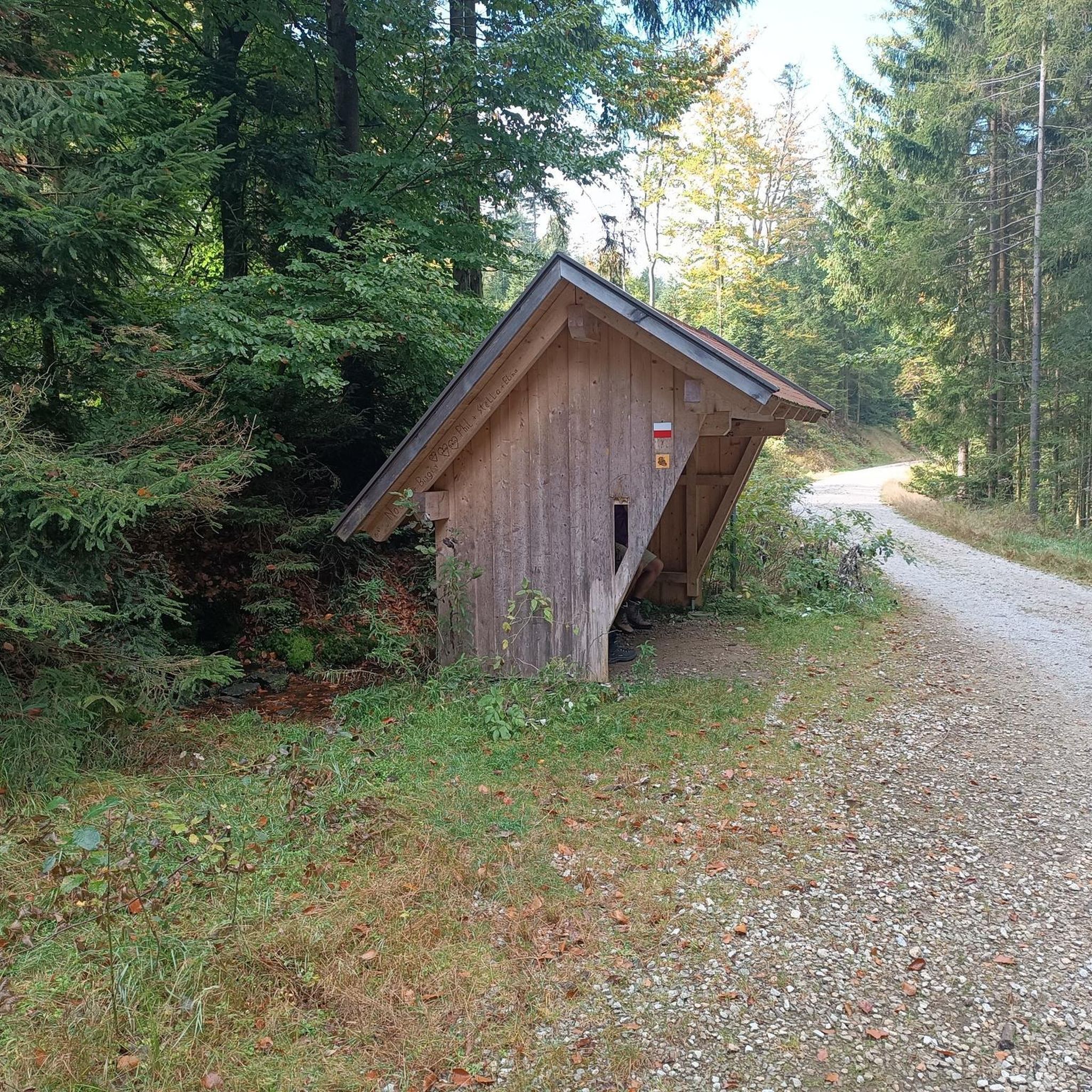
Cemetery of St-Cirgue-en-Montage. Outside, to the left of the entrance.
0
0
Frequently Asked Questions
How many no-traffic gravel bike trails are available around Lac de la Palisse?
Our guide features three dedicated no-traffic gravel bike routes in the Lac de la Palisse area, offering diverse experiences for riders seeking quiet paths away from cars. These routes are generally considered challenging, providing a good workout amidst serene landscapes.
What kind of terrain can I expect on no-traffic gravel bike trails near Lac de la Palisse?
The terrain around Lac de la Palisse is varied and engaging for gravel bikers. You can expect to ride through river valleys, pine and beech woods, and natural meadows. The region is part of the Ardèche Mountains Regional Nature Park, so routes often feature unpaved paths, forest tracks, and some elevation changes, reflecting the area's ancient volcanic landscapes and the young Loire River.
Are there any family-friendly no-traffic gravel bike routes in the area?
While the routes listed in this guide are rated as 'difficult' due to their length and elevation, the broader Lac de la Palisse leisure area offers pedestrian paths and a 'Randoland circuit' designed for families. Depending on their condition, some of these paths might be suitable for gravel bikes, offering a gentler experience. Always check the specific path conditions before heading out with family.
Can I bring my dog on these traffic-free gravel bike trails?
The Ardèche Mountains Regional Nature Park, which encompasses the Lac de la Palisse area, generally welcomes dogs on trails, often requiring them to be on a leash to protect local wildlife and ensure a pleasant experience for all users. It's always best to check specific local regulations or signage at trailheads for any particular restrictions.
What are some natural features or landmarks I might see on these routes?
Riding around Lac de la Palisse offers views of unique natural features. You'll be cycling near the young Loire River and may spot the La Palisse Dam. When water levels are low, impressive basalt cliffs and 'mini canyons' are revealed. The wider region also boasts ancient volcanic sites like Mont Gerbier de Jonc (the source of the Loire River) and Mont Mézenc, offering dramatic backdrops to your ride.
Are there any circular no-traffic gravel bike routes?
Yes, all three routes in this guide are circular, allowing you to start and end at the same point without needing a shuttle. For example, the challenging Mazan Abbey – Mazan-l'Abbaye loop from Saint-Cirgues-en-Montagne covers over 30 km with significant elevation gain, providing a full loop experience.
Where can I park my car when accessing these trails?
The Lac de la Palisse leisure area provides accessible parking facilities, including a dedicated camper van area. This makes it convenient to park your vehicle and start your no-traffic gravel biking adventure directly from the lake.
Is public transport available to reach the no-traffic gravel trails around Lac de la Palisse?
While the Lac de la Palisse area is somewhat remote, public transport options might be limited directly to the trailheads. It's generally recommended to arrive by car, especially with a gravel bike. However, local bus services might connect to nearby towns, from which you could cycle to the lake. Always check regional transport schedules in advance.
What is the best time of year to go gravel biking around Lac de la Palisse?
The Ardèche region, including Lac de la Palisse, is beautiful in spring and autumn. These seasons offer pleasant temperatures, vibrant foliage, and fewer crowds, making for ideal gravel biking conditions. Summer can be warm, but the forested sections of trails provide welcome shade. Winter can bring colder temperatures and potentially snow at higher elevations.
Are there options for longer, more challenging no-traffic gravel rides?
Absolutely. For experienced gravel bikers seeking a significant challenge, the Lake Naussac – Lake Naussac loop from Le Lac-d'Issarlès is a demanding route spanning over 118 km with more than 2200 meters of elevation gain. This route offers an epic day out on traffic-free paths.
Where can I find refreshments or accommodation near the no-traffic gravel trails?
The Lac de la Palisse leisure area itself offers picnic spots. For more substantial refreshments or accommodation, you'll find options in nearby villages and towns. The Ardèche region is known for its charming guesthouses and local eateries, especially in tourist-friendly areas. It's advisable to plan your stops, especially on longer routes, as services might be sparse directly on the trails.
Are the pedestrian paths around Lac de la Palisse suitable for gravel bikes?
The pedestrian paths around Lac de la Palisse are primarily designed for walking. While some sections might be rideable on a gravel bike, especially if they are well-maintained and wide, their suitability can vary. Always be mindful of pedestrians, yield right-of-way, and respect any signage indicating bike restrictions. For dedicated gravel riding, the longer routes in this guide offer more appropriate terrain.
What makes the Lac de la Palisse area unique for no-traffic gravel biking?
The Lac de la Palisse area stands out for its tranquil, unspoiled natural environment within the Ardèche Mountains Regional Nature Park. It offers a unique blend of volcanic landscapes, river valleys, and dense forests, providing a serene backdrop for traffic-free gravel biking. The presence of the young Loire River and the La Palisse Dam adds to its distinctive charm, allowing riders to experience wild and changing landscapes away from busy roads.
Most popular routes around Lac De La Palisse

Get inspired with the komoot mobile app


Explore more
Browse the best Gravel rides in other regions.
