Attractions and Places To See around Embalse de Valdecañas - Top 5
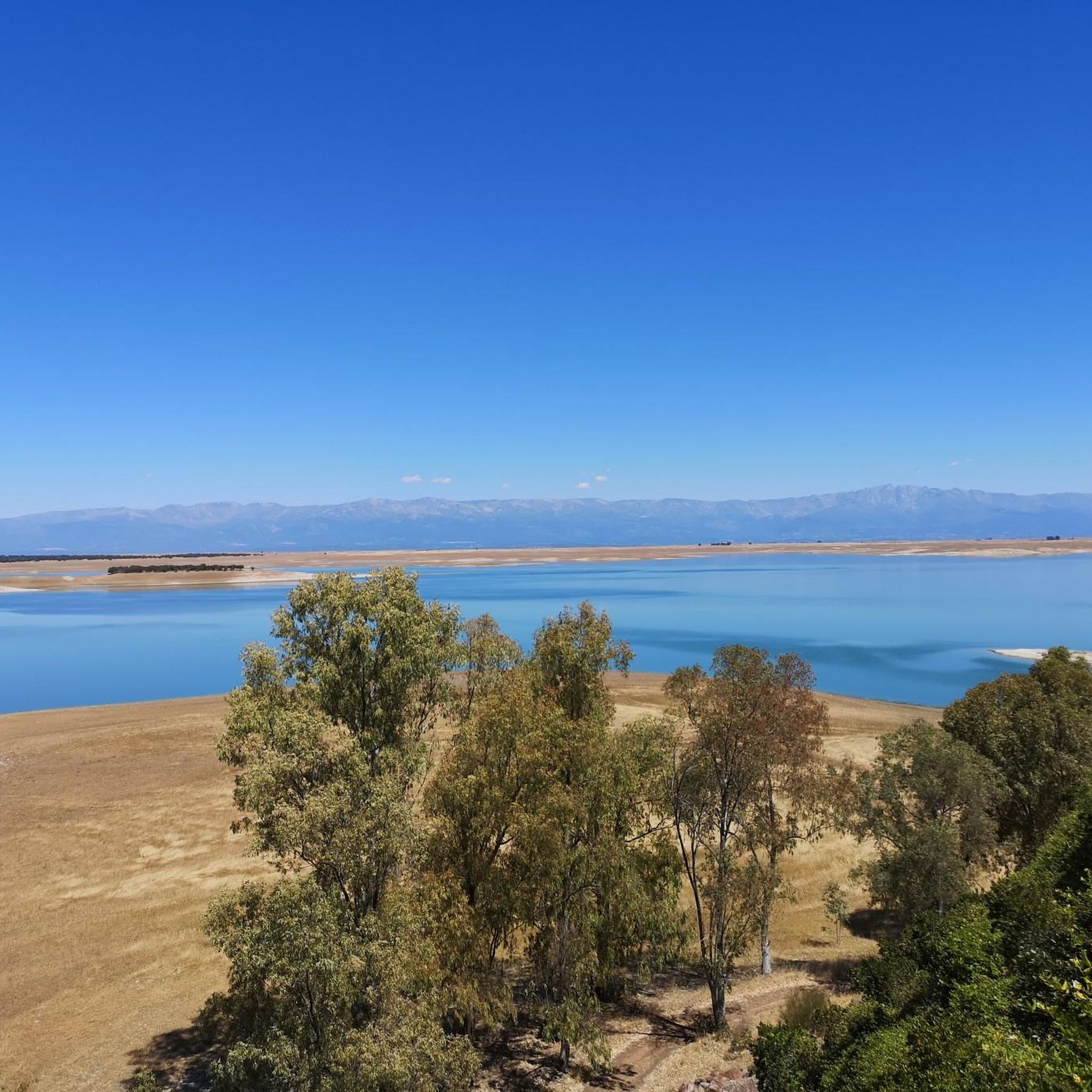
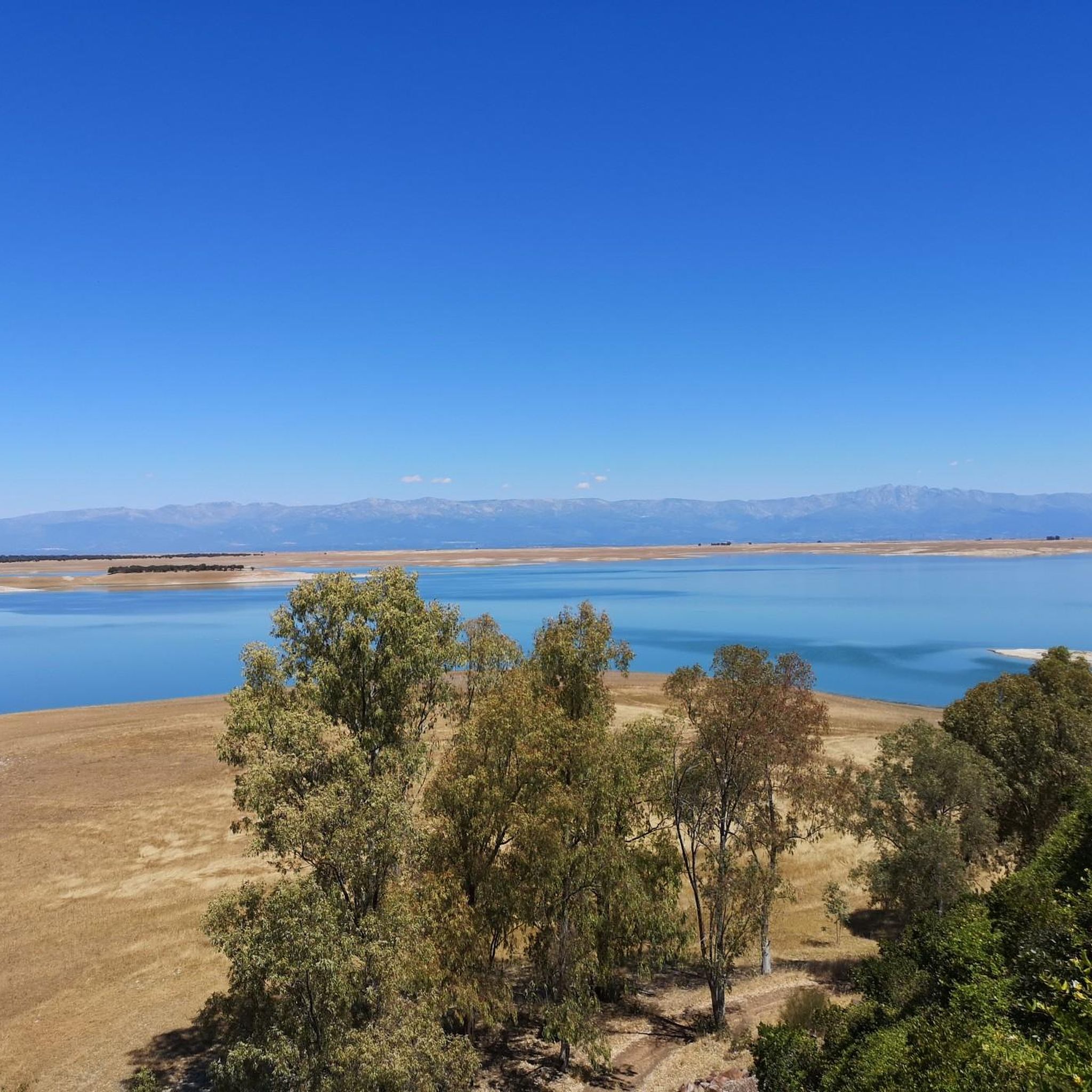
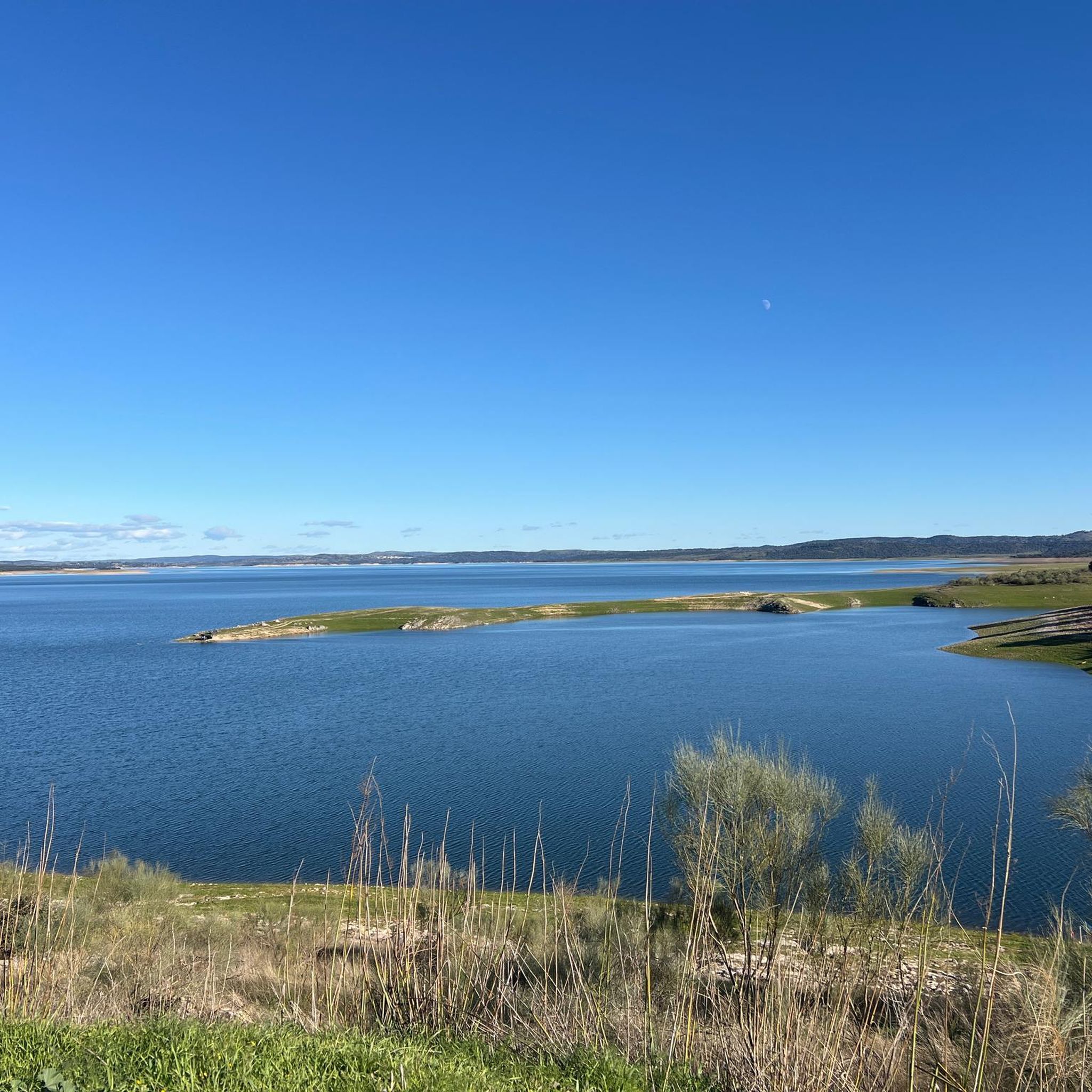
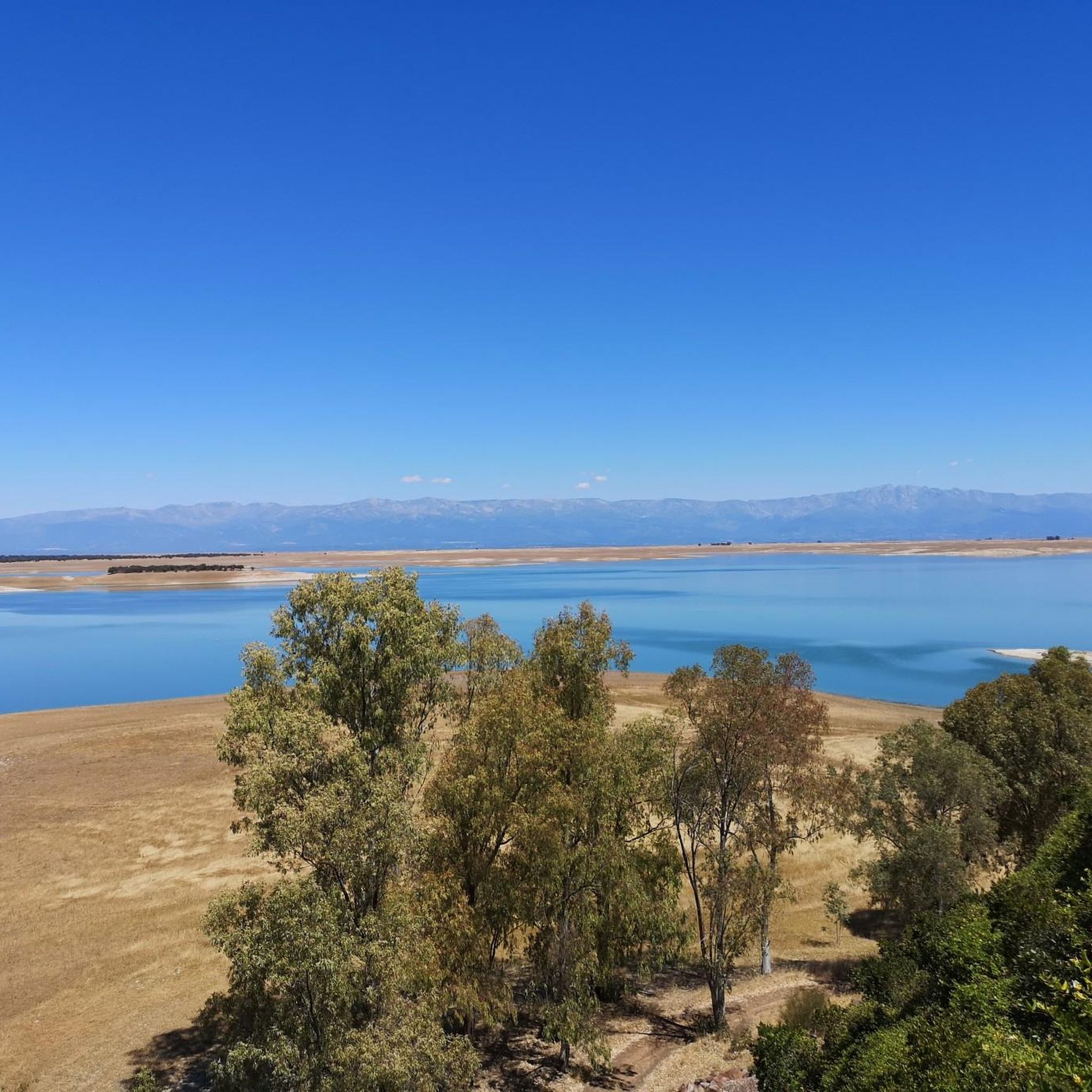
Attractions and places to see around Embalse de Valdecañas include a diverse range of historical landmarks, natural beauty, and cultural sites. This significant reservoir on the Tagus River in Cáceres, Spain, is known for its ancient Roman ruins and impressive engineering. The area offers serene landscapes and is recognized as a Special Protection Area for Birds. Visitors can explore sites that reveal themselves with fluctuating water levels, adding a unique dimension to the region's appeal.
Best attractions and places to…
Last updated: July 2, 2026
Temple of the Woodcutters of Augustobriga
Highlight • Historical Site
Translated by Google •
Tip by

Talavera la Vieja (ruins)
Highlight • Historical Site
Translated by Google •
Tip by

Sign up now to discover places like this
Get recommendations on the best single tracks, peaks, & plenty of other exciting outdoor places.
Sign up for free
Valdecañas Reservoir Bridge
Highlight • Bridge
Translated by Google •
Tip by
Views of the Valdecañas Reservoir
Highlight • Viewpoint
Translated by Google •
Tip by
View of Valdecañas Reservoir Dam
Highlight (Segment) • Viewpoint
Translated by Google •
Tip by
Start today with a free account
Your next adventure awaits.
Login or Signup


Tips from the Community

A must-see photo stop if your route takes you there...
0
1

According to Don Javier. The dolmen is impressive if you have been lucky enough to see it.
0
4

Bridge over the Tagus River and the EX-118 Valdecañas Reservoir road between Bohonal de Ibor and Peraleda de la Mata. You can't walk past without stopping for a photo.
1
1
Spectacular but ghostly remains of a marble temple from an ancient Roman city called Augustobriga. Close your eyes and imagine what the city looked like in its great days.
1
1

Talavera la Vieja corresponds to the Roman city of Augustobriga, halfway between Mérida (Emérita Augusta) and Talavera de la Reina (Caesarobriga). For a long time it was doubted that this was the Roman city, until an inscription was discovered that unquestionably linked the ancient city with the town of Talavera la Vieja. It is interesting to note that the only Roman portico of the Curia that is preserved today comes from this city. Today it is next to the EX-118, since it was saved from the flood by moving the stones and relocating them in the place where they are now. This historical monument is better known as "the marbles".
9
0
Under its waters is a bronze age site with a dolmen that emerges when the waters recede.
11
0
Crossing the Tagus River from Valdemoreno, you begin to climb by bicycle to see the dam of the Valdecañas Reservoir.
1
0
Remains of a marble temple from an ancient Roman city called Augustobriga. Spectacular views of the Valdecañas reservoir and the bridge that crosses Guadalupe.
1
1
Frequently Asked Questions
What historical sites can I explore around Embalse de Valdecañas?
The region is rich in history. You can visit the Temple of the Woodcutters of Augustobriga, which are the remains of a Roman marble temple offering spectacular views of the reservoir. Another significant site is Talavera la Vieja (ruins), the ancient Roman city of Augustobriga, known for its preserved Roman portico. When water levels are low, the Bronze Age megalithic complex known as the Dolmen de Guadalperal, often called the 'Spanish Stonehenge,' emerges from the reservoir, as do the ruins of the Casa Grande de Alarza, a former convent.
Are there any notable natural features or viewpoints around the reservoir?
Yes, the Embalse de Valdecañas itself is a prominent natural feature and a Special Protection Area for Birds (ZEPA), making it ideal for birdwatching. You can enjoy scenic views from the Valdecañas Reservoir Bridge, which spans the Tagus River. Another popular spot is the View of Valdecañas Reservoir Dam, accessible via an ascent from Valdemoreno, offering panoramic perspectives of the dam and surrounding landscape.
What outdoor activities can I do near the attractions?
The area around Embalse de Valdecañas is excellent for outdoor enthusiasts. You'll find numerous trails for cycling, gravel biking, and mountain biking. For example, you can explore routes like the 'Temple of Augustóbriga – Ermita de San Blas, Toril loop' for gravel biking or the 'Valdecañas Reservoir Loop' for cycling. Discover more options in the Gravel biking around Embalse de Valdecañas, Cycling around Embalse de Valdecañas, and MTB Trails around Embalse de Valdecañas guides.
Are there any family-friendly attractions or activities?
Many of the viewpoints, such as the Valdecañas Reservoir Bridge and the general Views of the Valdecañas Reservoir, are considered family-friendly and offer easy access for scenic enjoyment. Exploring the historical ruins can also be an engaging educational experience for families, especially when the water levels are low and more sites are revealed.
What is the best time to visit Embalse de Valdecañas?
The best time to visit often depends on your interests. For birdwatching and enjoying the natural landscape, spring and autumn offer pleasant temperatures. If you're hoping to see the submerged archaeological sites like the Dolmen de Guadalperal or the Casa Grande de Alarza, visiting during periods of low water levels, typically in late summer or early autumn, would be ideal.
Can I find any medieval landmarks in the vicinity?
Yes, the Talavera la Vieja (ruins), while primarily Roman, is part of a landscape with a long history. Additionally, the Castillo de Belvís de Monroy, a medieval castle, is located in the nearby town of Belvís de Monroy and dominates the surrounding landscape, visible from a distance.
What makes the Valdecañas Reservoir unique?
The Valdecañas Reservoir is unique due to its blend of natural beauty and historical significance. It's one of Spain's largest reservoirs and a Special Protection Area for Birds. What truly sets it apart is how fluctuating water levels reveal ancient submerged sites, including Roman ruins and a Bronze Age dolmen, offering a dynamic archaeological experience.
Are there any specific places for birdwatching?
The entire Embalse de Valdecañas is designated as a Special Protection Area for Birds (ZEPA), making it an excellent location for birdwatching. The vast expanse of water and surrounding natural habitats attract a diverse range of avian species throughout the year.
What are some lesser-known or 'hidden gem' attractions?
Beyond the more prominent sites, you might find interest in the Iglesia de San Bartolomé Apóstol in Bohonal de Ibor, known for its bóveda in the main altar. Also, the Acueducto de las Herrerías, part of a 7-kilometer canal system, offers a glimpse into historical engineering. The Granito Rollo de Almaraz and Torre de Almaraz in Almaraz are also points of interest for those exploring the region.
What do visitors enjoy most about the attractions around Embalse de Valdecañas?
Visitors particularly enjoy the spectacular views from historical sites like the Temple of the Woodcutters of Augustobriga and the scenic vistas from the Valdecañas Reservoir Bridge. The unique experience of seeing ancient ruins emerge from the water, such as the Dolmen de Guadalperal, also captivates many. The blend of history, nature, and opportunities for outdoor activities is highly appreciated.
Are there any specific hiking trails near the historical sites?
While specific hiking trails directly *to* every historical site might vary, the region offers numerous routes that pass by or provide access to these areas. For instance, the Roman ruins of Augustobriga are often incorporated into cycling and gravel biking routes. You can find detailed routes and guides for exploring the area on foot or by bike in the Cycling around Embalse de Valdecañas and Gravel biking around Embalse de Valdecañas guides.
What is the significance of the Tagus River in this region?
The Tagus River is a fundamental natural element of the landscape, as the Embalse de Valdecañas itself is formed on this significant river. The river has shaped the geography and history of the area, with landmarks like the Valdecañas Reservoir Bridge spanning its waters and ancient settlements like Augustobriga having thrived along its banks.
Most popular routes around Embalse de Valdecañas

Get inspired with the komoot mobile app


Explore more
Still not found the Highlight you’re looking for? See guides of the top attractions in other regions:
