The best gravel rides around Embalse de Valdecañas
16
riders
6
rides
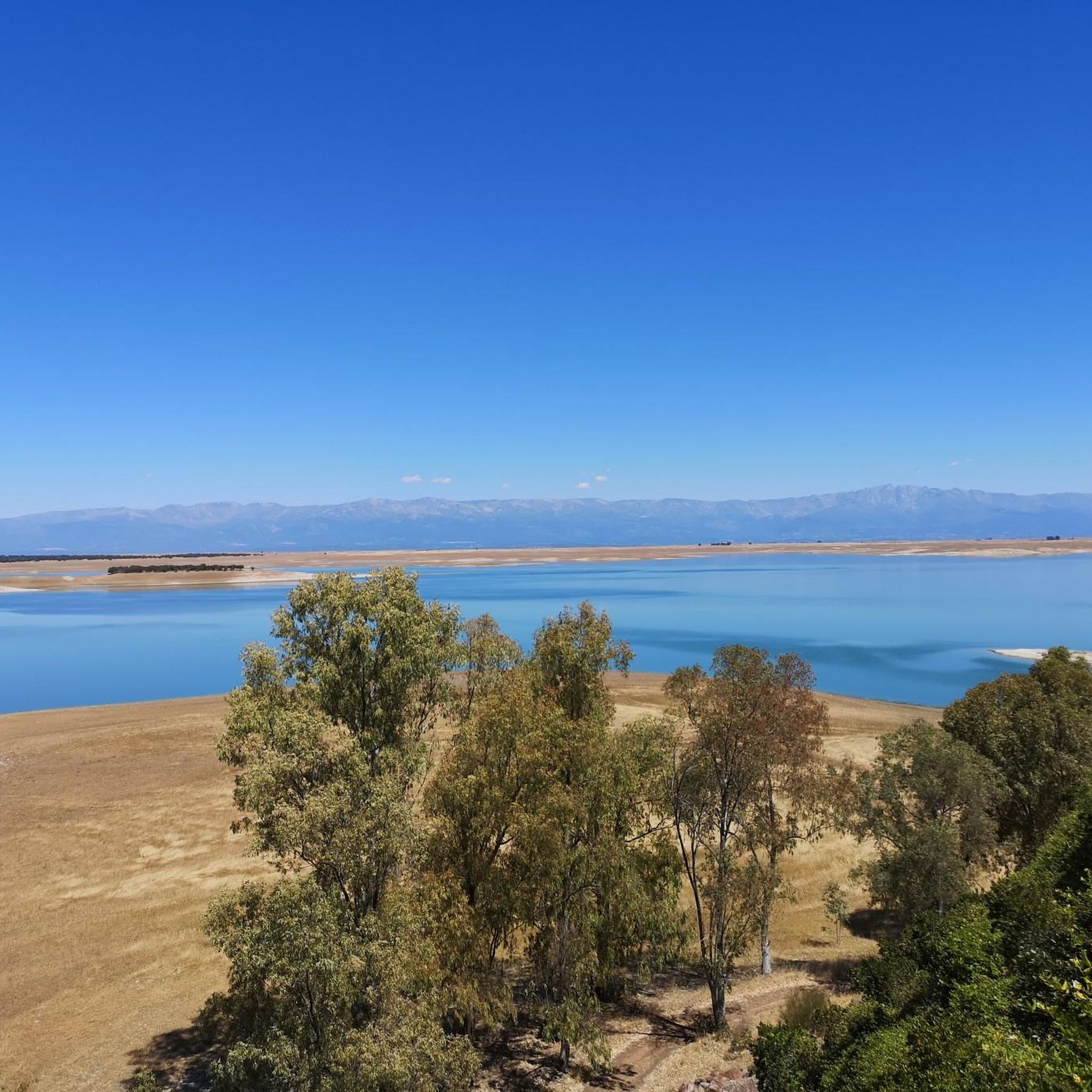
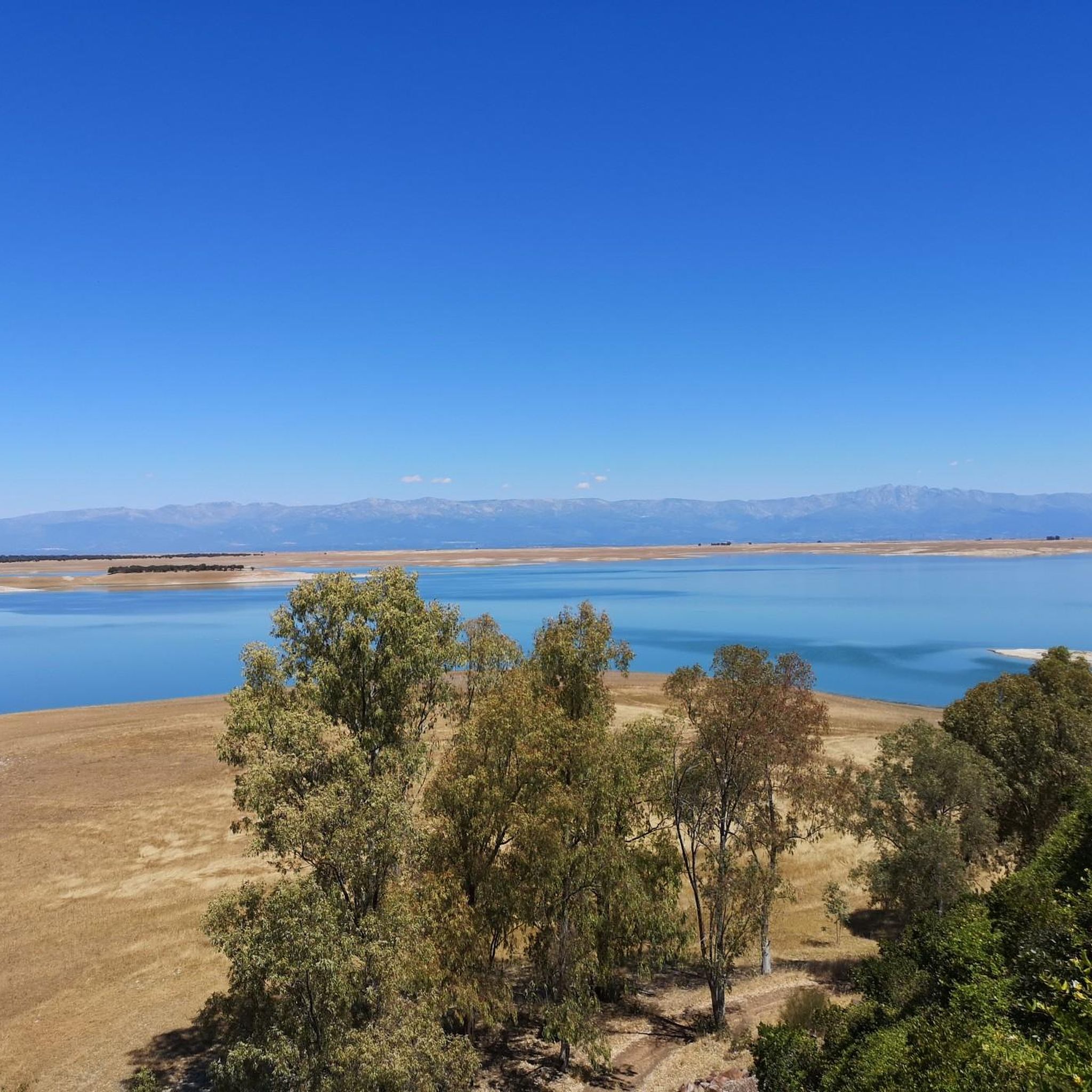
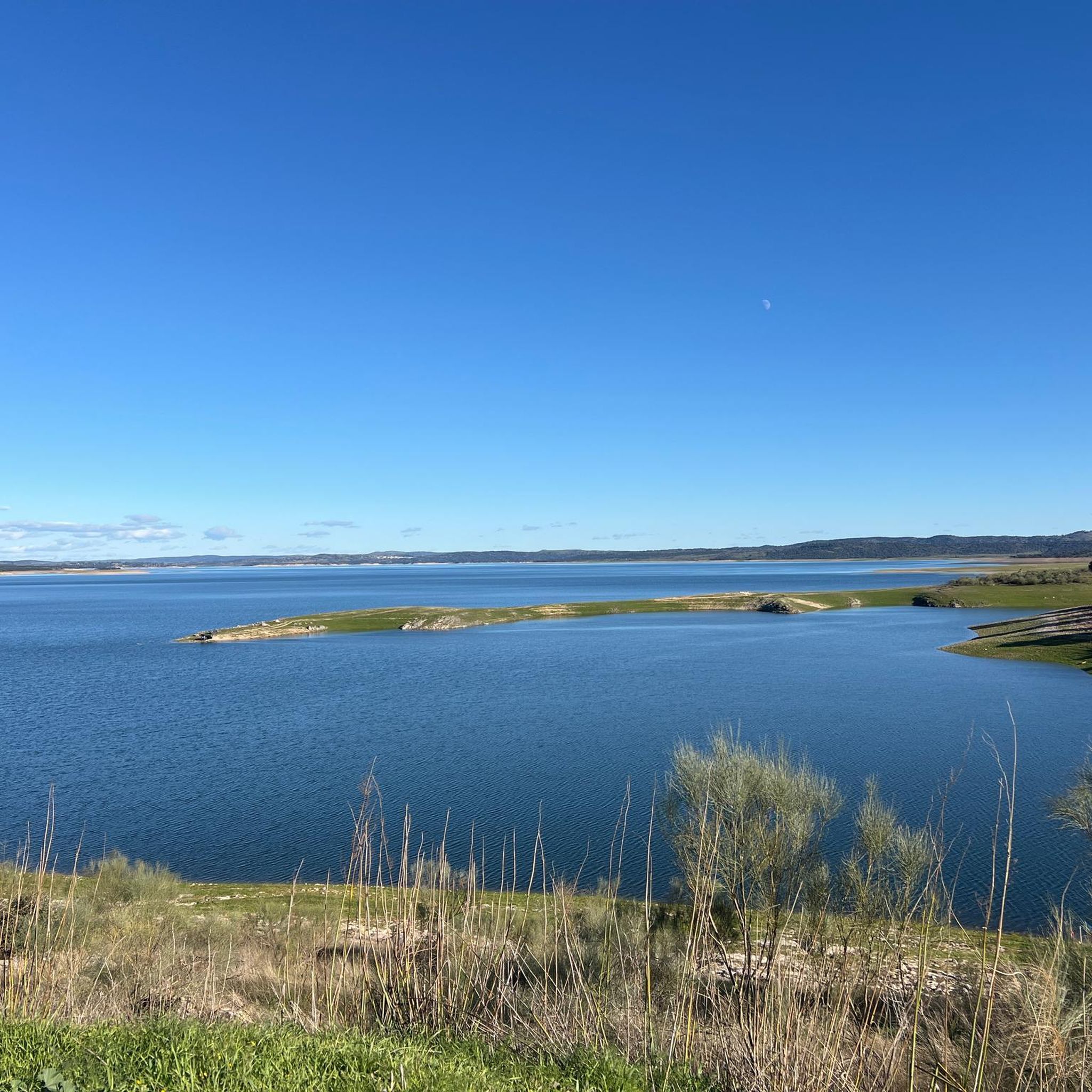
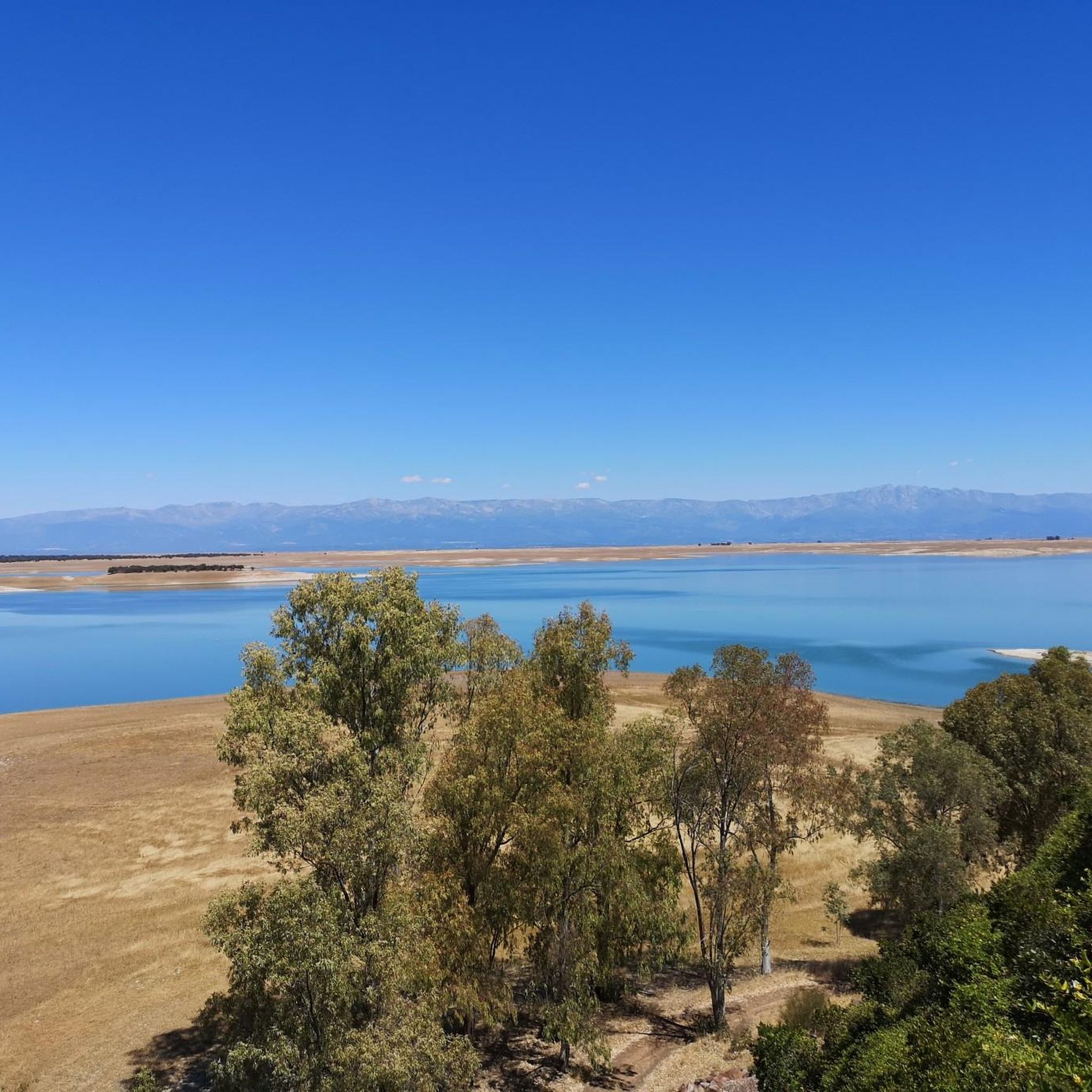
Gravel biking around Embalse de Valdecañas offers diverse landscapes in the Cáceres province of Spain. The region is characterized by the expansive Valdecañas Reservoir, formed by the Tagus River, providing routes along its shores. Terrain varies from smoother sections to unpaved paths, often passing through dehesas ibéricas. Historical sites, including Roman ruins and ancient megalithic complexes like the Dolmen of Guadalperal, are integrated into the natural environment.
Best gravel bike trails around Embalse de Valdecañas
- The most popular gravel bike…
Last updated: July 13, 2026
2
riders
Hard gravel ride. Very good fitness required. Mostly paved surfaces. Suitable for all skill levels.
2
riders
30.4km
02:01
240m
240m
Moderate gravel ride. Good fitness required. Mostly paved surfaces. Suitable for all skill levels.

Sign up for free
2
riders
80.8km
05:38
1,010m
1,010m
Hard gravel ride. Very good fitness required. Mostly paved surfaces. Suitable for all skill levels.
2
riders
Moderate gravel ride. Good fitness required. Mostly paved surfaces. Suitable for all skill levels.
2
riders
39.4km
02:55
480m
480m
Hard gravel ride. Very good fitness required. Mostly paved surfaces. Suitable for all skill levels.
Our route recommendations are based on thousands of hikes, rides, and runs completed by other people on komoot.
Start today with a free account
Your next adventure awaits.
Login or Signup

Tips from the Community

Historic bridge commissioned by the Archbishop of Toledo in the 14th century, in spring/summer home to hundreds of swifts, creating a unique spectacle.
0
0

🐂 Verraco vetón (Villar del Pedroso, Cáceres) The verraco vetón of Villar del Pedroso is a stone sculpture from pre-Roman times, created by the Celtic people of the Vettones more than 2,000 years ago (approx. 5th–1st centuries BC). Carved in granite, it represents an animal (bull, pig, or boar)
2
0

You will automatically cycle past it 👍😎
0
0

On the slopes of the Monfragüe Biosphere Reserve, the small town of Serrejón is surrounded by native oak forests. The bell tower of the 15th-century San Ildefonso church can be seen rising above the city as you cycle towards it.
0
0

Toril is a municipality in the province of Cáceres located very close to the Monfragüe National Park. Its landscape is characterized by the typical Extremaduran meadows of cork oaks and holm oaks. In the town, the church of San Blas stands out, a picturesque work from the 16th century.
1
0
The Picazo reservoir is in a pasture area a few kilometers from Serrejón. Together with the other ponds that are scattered near the path, it is an ideal place to stop and watch a great diversity of birds.
0
1
Valdecasa de Tajo is a small municipality in Extremadura in the province of Cáceres. In its surroundings there are several historical vestiges, such as the ruins of an Arab castle, a pre-Roman boar, cruises and hermitages.
1
0
Villar del Pedroso is a municipality in the province of Cáceres, bordering Toledo to the north, where the Tagus acts as a border. Its municipal term has Celtiberian, Roman and medieval vestiges.
2
0
Frequently Asked Questions
What kind of terrain can I expect on gravel bike trails around Embalse de Valdecañas?
The region offers a diverse mix of terrain, from smoother sections along the reservoir shores to more challenging, rougher paths. You'll often find yourself cycling through dehesas ibéricas, which are traditional Mediterranean woodlands, and areas with unique microclimates. This variety ensures an engaging experience for gravel bikers.
Are there any historical landmarks or interesting sights to see along the gravel routes?
Yes, the area is rich in history. Many routes pass by significant sites. You can explore the remains of the Temple of the Woodcutters of Augustobriga, offering impressive views of the reservoir, or the ancient Roman city ruins of Talavera la Vieja, known for its preserved Roman portico. When water levels are low, you might even catch a glimpse of the prehistoric Dolmen of Guadalperal, often called the 'Spanish Stonehenge'.
What are the difficulty levels of the gravel bike trails in this area?
The gravel trails around Embalse de Valdecañas cater to various skill levels. You'll find both moderate and difficult routes. For instance, the Temple of Augustóbriga – Ermita de San Blas, Toril loop from Bohonal de Ibor is a challenging 95.1 km ride, while the Gravel loop from Laguna de Casasola offers a moderate 48.7 km option.
Are there any circular gravel bike routes available?
Yes, many of the gravel routes in the Embalse de Valdecañas area are designed as loops, allowing you to start and finish in the same location. Examples include the Los Matorrales Roman Monument – Temple of Augustóbriga loop from Bohonal de Ibor and the Castle of Belvís de Monroy – View of Castillo de Monroy loop from Peraleda de la Mata.
What is the best time of year to go gravel biking around Embalse de Valdecañas?
The region experiences a distinct microclimate. Generally, spring and autumn offer the most pleasant temperatures for gravel biking, avoiding the intense heat of summer and potential chill of winter. These seasons also provide lush landscapes and comfortable riding conditions.
Are there good viewpoints along the gravel trails?
Absolutely. The reservoir itself is a central feature, offering spectacular views. Routes often provide panoramic vistas of the water and surrounding landscapes. Notable spots include the Valdecañas Reservoir Bridge and various views of the Valdecañas Reservoir and its dam.
Are the gravel bike trails suitable for families?
While some routes are quite challenging, there are moderate options that might be suitable for families with older, experienced children. It's always best to check the specific route's distance, elevation, and difficulty grade on komoot to ensure it matches your family's capabilities.
Can I bring my dog on the gravel bike trails?
Many outdoor trails in Spain are dog-friendly, especially in natural areas like the dehesas. However, it's always recommended to check local regulations for specific trails or protected areas. Ensure your dog is well-behaved, on a leash where required, and that you carry water for them, especially on longer rides.
Where can I find parking for gravel biking trailheads?
Many towns and villages around the Embalse de Valdecañas, such as Bohonal de Ibor or Peraleda de la Mata, serve as starting points for routes and typically offer public parking facilities. It's advisable to check the starting point of your chosen route on komoot for specific parking recommendations.
Are there any cafes or places to stop for refreshments along the routes?
The routes often pass through or near small towns and villages where you can find local cafes or shops to refuel. Planning your route with komoot allows you to identify these points of interest beforehand, ensuring you have opportunities for refreshments and breaks.
What kind of natural features can I expect to see while gravel biking here?
Beyond the impressive reservoir, you'll encounter the unique landscapes of dehesas ibéricas, characterized by scattered oak trees and open pastures. The Tagus River, which feeds the reservoir, is also a prominent natural element. The region's biodiversity and distinct microclimate make it interesting for birdwatching and observing various animal species.
How many gravel bike routes are available in the Embalse de Valdecañas area?
There are several curated gravel bike routes available for the Embalse de Valdecañas region, offering diverse experiences. These include both moderate and difficult options, allowing you to choose a ride that suits your fitness and skill level.
Most popular routes around Embalse de Valdecañas
Most popular attractions around Embalse de Valdecañas

Get inspired with the komoot mobile app


Explore more
Browse the best Gravel rides in other regions.
