The best gravel rides in Sierra De Híjar
5.0
(1)
18
riders
4
rides
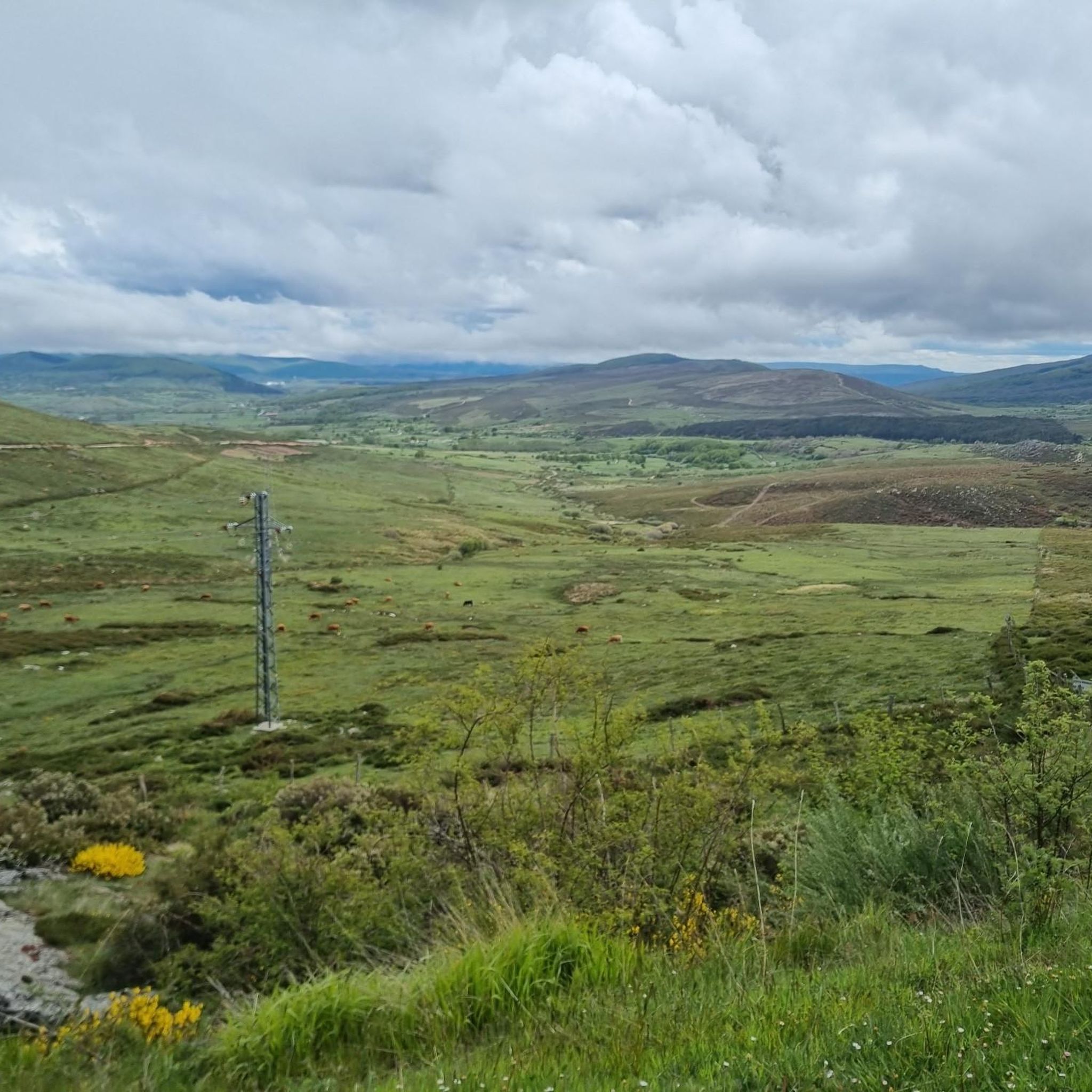
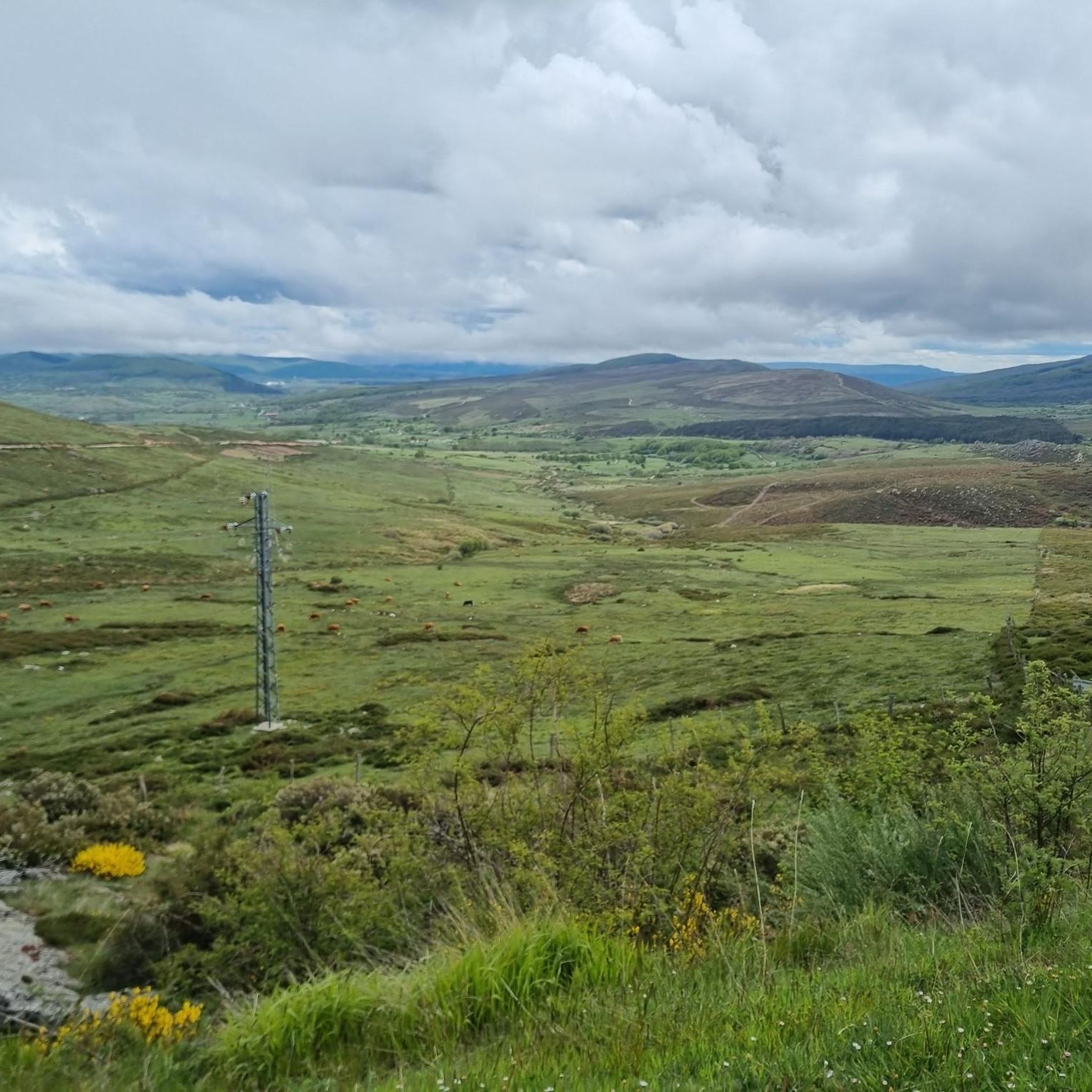
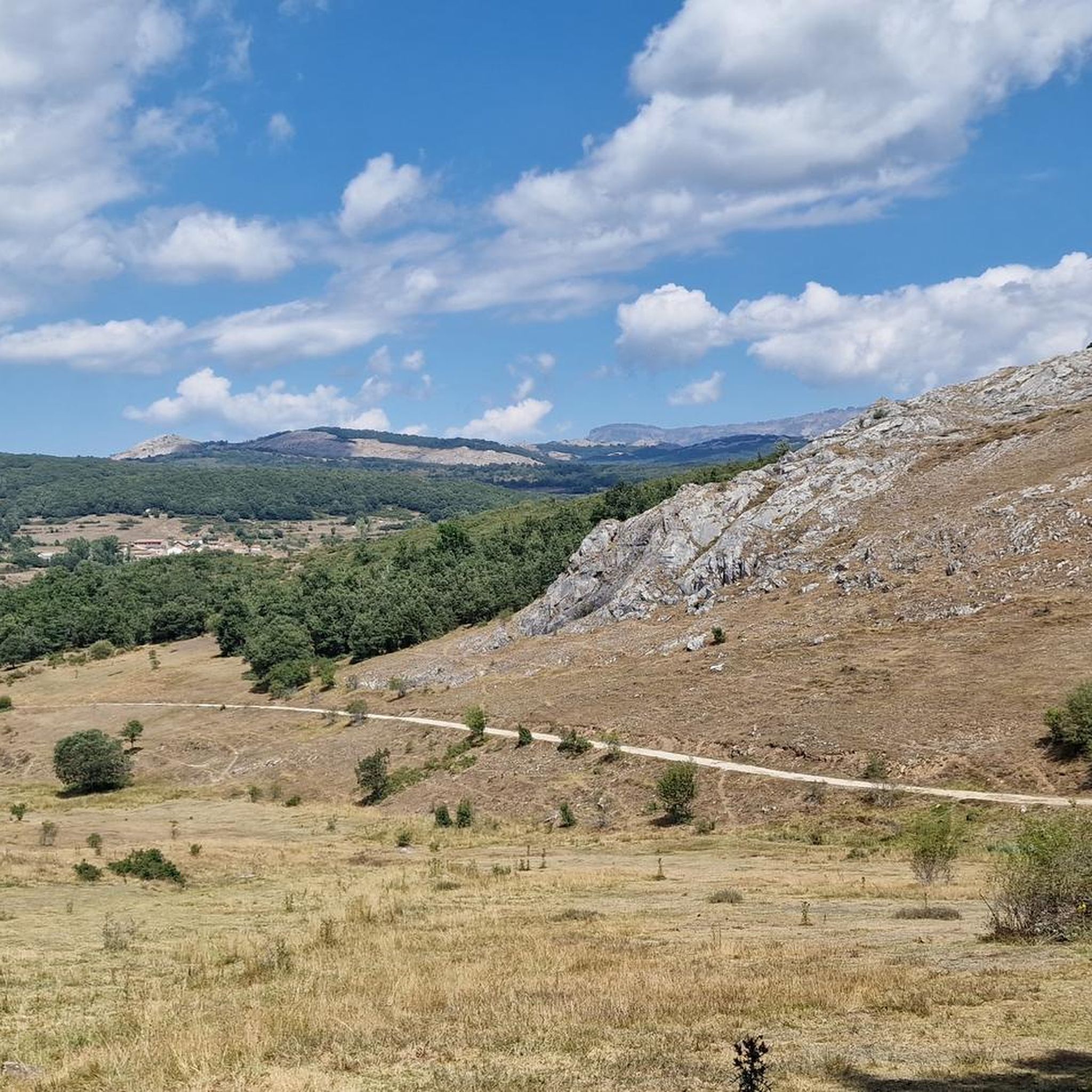
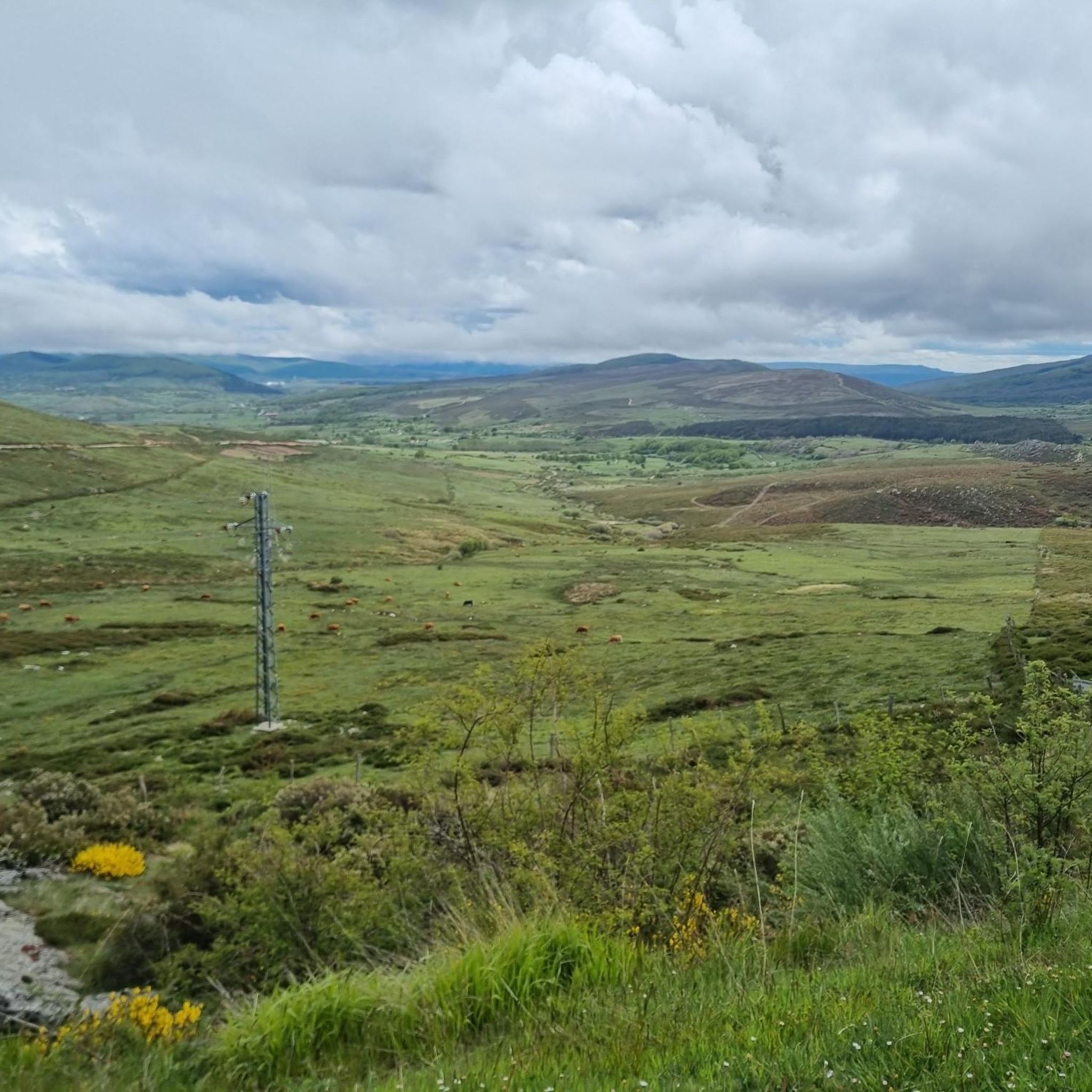
Gravel bike trails in Sierra De Híjar traverse a diverse and rugged landscape within the Cantabrian Mountains. The region features varied topography, from Atlantic forests of beeches and oaks to mountain pastures and rocky terrain at higher elevations. Cyclists encounter significant elevation changes, including winding roads through pine-covered slopes and mountain passes. Riverine landscapes and glacial cirques also contribute to the varied riding environments.
Best gravel bike trails in Sierra De Híjar
- The most popular gravel bike trail is Salinas…
Last updated: July 9, 2026
5.0
(1)
11
riders
72.3km
05:20
1,010m
1,010m
Hard gravel ride. Very good fitness required. Mostly paved surfaces. Suitable for all skill levels.
2
riders
45.6km
03:27
840m
840m
Hard gravel ride. Very good fitness required. Mostly paved surfaces. Suitable for all skill levels.

Sign up for free
1
riders
37.1km
02:41
660m
660m
Hard gravel ride. Very good fitness required. Mostly paved surfaces. Suitable for all skill levels.
2
riders
31.2km
02:05
340m
340m
Hard gravel ride. Good fitness required. You may need to push your bike for some segments of this route.
2
riders
42.5km
03:12
690m
690m
Hard gravel ride. Very good fitness required. You may need to push your bike for some segments of this route.
Our route recommendations are based on thousands of hikes, rides, and runs completed by other people on komoot.
Start today with a free account
Your next adventure awaits.
Login or Signup
Tips from the Community

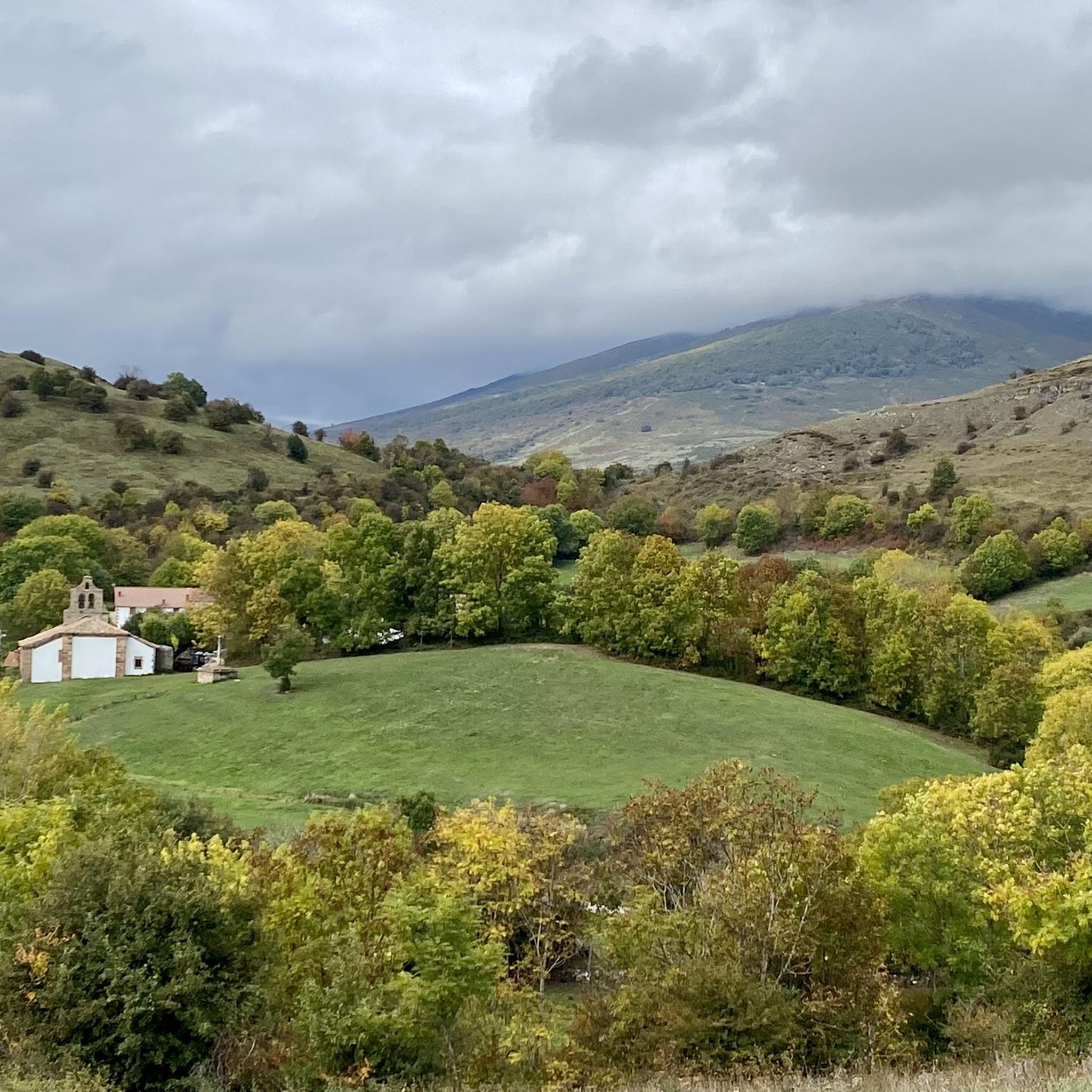
The next town is Vallespinoso de Aguilar. The hermitage of Santa Cecilia, immediately standing out on a castle hill, is dated to the 12th century and was declared a historical-artistic monument in 1951. The portico has well-carved capitals and the location conveys the atmosphere of a fortress sanctuary.
0
0

The Church of the Assumption, located in Barrio de Santa María, is an outstanding example of the Romanesque in the Palencia Mountain. Built in the 16th century on the remains of a 12th-century Romanesque church, it preserves elements such as the apse and the nave of the Gospel.
2
0
Nice railway bridge that crosses the Pisuerga river on the outskirts of Salinas de Pisuerga.
1
0
The hermitage of Santa Cecilia de Vallespinoso de Aguilar, declared a Historic-Artistic Monument, combines nature, landscape and art. Its construction in the 12th century presents a rectangular nave with a cannon cover and a semicircular apse. Its exterior stands out with well-worked ashlars, a peculiar tower and an imposing cover. The interior impresses with its verticality and a beautiful staircase that joins the nave and head. Sculptures such as the Samson capital and the acanthus leaf capital accentuate its beauty.
2
0

Religious sanctuary of the town of Barrio de Santa María. This church dates from the 16th century, although it was built on an old Romanesque-style church from the end of the 12th century.
0
0

This small hermitage is located on top of a high rock that gives you great views. It's also a good place to take shelter in a rain storm.
0
0
This old fountain is just off the main road. There are a few places to sit and a laundry area for old clothes here as well.
0
0
This medieval stone bridge is on the outskirts of Salinas de Pisuerga, a picturesque little town on the banks of the Pisuerga River.
1
0
Frequently Asked Questions
How many gravel bike trails are available in Sierra De Híjar?
Currently, there are 4 gravel biking routes detailed in Sierra De Híjar. These routes offer a challenging experience for riders.
What is the typical terrain like for gravel biking in Sierra De Híjar?
The Sierra de Híjar region offers a diverse and rugged landscape. You can expect a mix of surfaces including compacted earth, loose gravel, and forest trails, often transitioning between well-preserved Atlantic forests, mountain pastures, and rocky terrain at higher elevations. The routes frequently feature significant elevation changes, winding through pine-covered slopes and demanding mountain passes.
What is the difficulty level of gravel biking routes in Sierra De Híjar?
The gravel biking routes currently featured in Sierra De Híjar are generally considered difficult. They involve significant elevation gains and varied terrain, making them suitable for experienced gravel riders looking for a challenge.
Are there any circular gravel biking routes in Sierra De Híjar?
Yes, all the gravel biking routes in this guide are circular. For example, you can explore the challenging Salinas de Pisuerga Bridge – Hermitage of Santa Cecilia loop from Barruelo de Santullán, or the Historic Center of Reinosa – Cruz de Fuentes loop from Reinosa.
What natural features or landmarks can I expect to see along the gravel trails?
Gravel biking in Sierra De Híjar offers stunning views and natural attractions. You'll encounter picturesque river courses, including the source of the Río Híjar with its beautiful waterfalls, and historic elements like a Roman bridge. Higher elevations provide panoramic views of the Cantabrian Mountains, including peaks like Cuchillón, Tres Mares, and Peña Labra, and sometimes even the distant Picos de Europa.
What is the best time of year for gravel biking in Sierra De Híjar?
Due to its 'border' climate and mountainous terrain, the best time for gravel biking in Sierra De Híjar is typically during the warmer months, from late spring to early autumn. Winter can bring challenging conditions, including snow and ice at higher elevations, making some routes less accessible or more difficult.
Are there any family-friendly gravel biking options in Sierra De Híjar?
While the routes listed in this guide are rated as difficult, the broader Sierra de Híjar region is known for diverse trails that can accommodate various activities, including some family-friendly options. For specific family-friendly gravel routes, it's advisable to look for less challenging paths or converted railway lines in the wider Cantabrian Mountains area, as the featured routes here involve significant climbs and rugged terrain.
Are dogs allowed on the gravel biking trails in Sierra De Híjar?
Generally, dogs are welcome on many outdoor trails in natural areas like Sierra De Híjar, especially if kept on a leash and under control. However, specific regulations can vary, particularly in protected areas or private lands. Always check local signage and be mindful of livestock and wildlife.
Are there options for parking near the gravel trails in Sierra De Híjar?
While specific parking details for each route are not provided, towns like Reinosa and Barruelo de Santullán, which serve as starting points for some routes, typically offer public parking facilities. It's recommended to check local parking availability in these towns before your ride.
What do other gravel bikers enjoy the most about gravel biking in Sierra De Híjar?
The komoot community highly rates the gravel biking experience in Sierra De Híjar, with an average score of 5.0 stars. Riders often praise the region's dramatic mountainous terrain, extensive forests, and breathtaking vistas, which provide a challenging and engaging gravel biking adventure.
Are there any cafes or places to refuel along the gravel biking routes?
The gravel biking routes in Sierra De Híjar often pass through or start from towns like Reinosa and Barruelo de Santullán, where you can find cafes, restaurants, and shops to refuel. However, many sections of the routes traverse remote natural landscapes, so it's always wise to carry sufficient water and snacks, especially on longer rides like the Aurora Fountain – Historic Center of Reinosa loop from Río Ebro.
Most popular routes in Sierra De Híjar

Get inspired with the komoot mobile app


Explore more
Browse the best Gravel rides in other regions.
