The best traffic-free bike rides around Saint-Jean-Pied-De-Port
4.8
(6)
35
riders
2
rides
Gravel biking around Saint-Jean-Pied-De-Port offers diverse and challenging terrain at the foot of the Pyrenees. The region features a mix of paved and unpaved roads, rolling hills, lush forests, and dramatic mountain landscapes. Cyclists can expect significant elevation gains, traversing mountain passes and river valleys. This area provides an extensive network of routes suitable for various skill levels, characterized by its mountainous backdrop and historic pathways.
Best no traffic gravel bike trails around Saint-Jean-Pied-De-Port
- The most popular no traffic gravel…
Last updated: October 16, 2026
4.6
(5)
23
riders
51.8km
04:01
1,320m
1,320m
Hard gravel ride. Very good fitness required. Mostly paved surfaces. Suitable for all skill levels.
5.0
(1)
3
riders
37.4km
03:19
1,310m
1,310m
Hard gravel ride. Very good fitness required. Mostly paved surfaces. Suitable for all skill levels.

2
riders
19.4km
02:03
750m
750m
Hard gravel ride. Very good fitness required. Mostly paved surfaces. Suitable for all skill levels.
1
riders
39.9km
03:13
1,090m
1,090m
Hard gravel ride. Very good fitness required. Mostly paved surfaces. Suitable for all skill levels.
Our route recommendations are based on thousands of hikes, rides, and runs completed by other people on komoot.
Start today with a free account
Your next adventure awaits.
Popular around Saint-Jean-Pied-De-Port
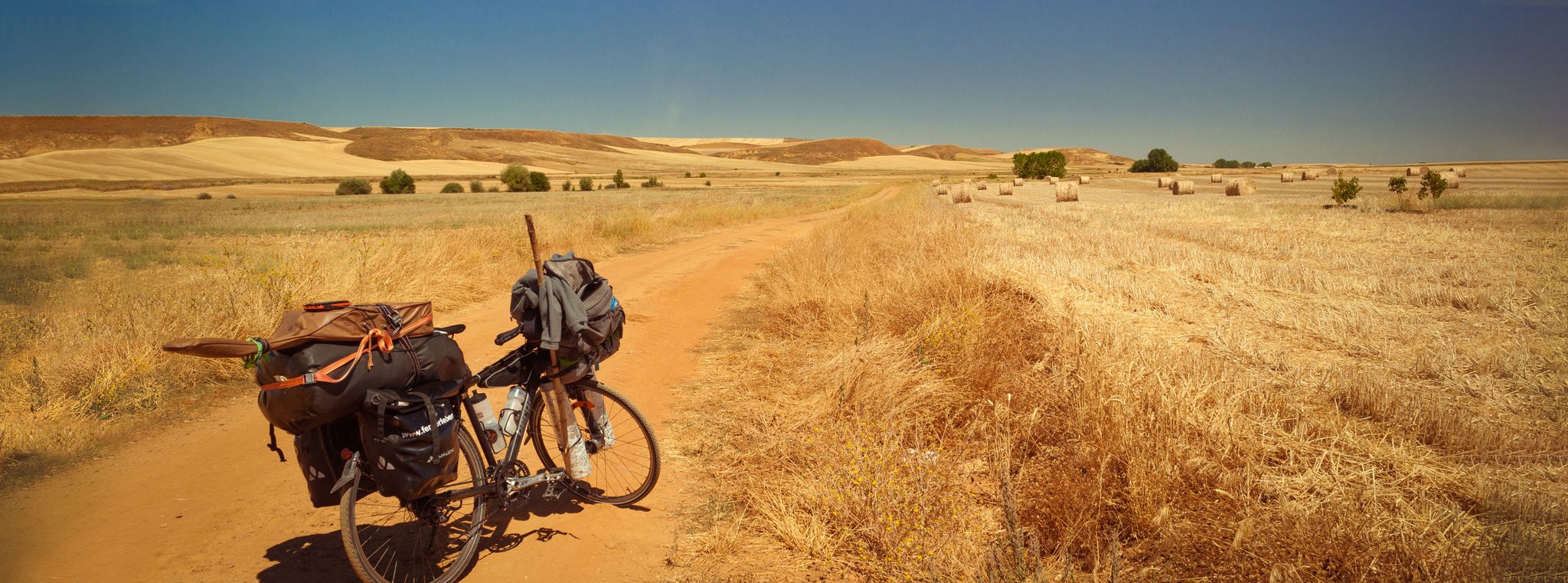
Camino Francés and Camino Finisterre – Cycling pilgrimages in Spain
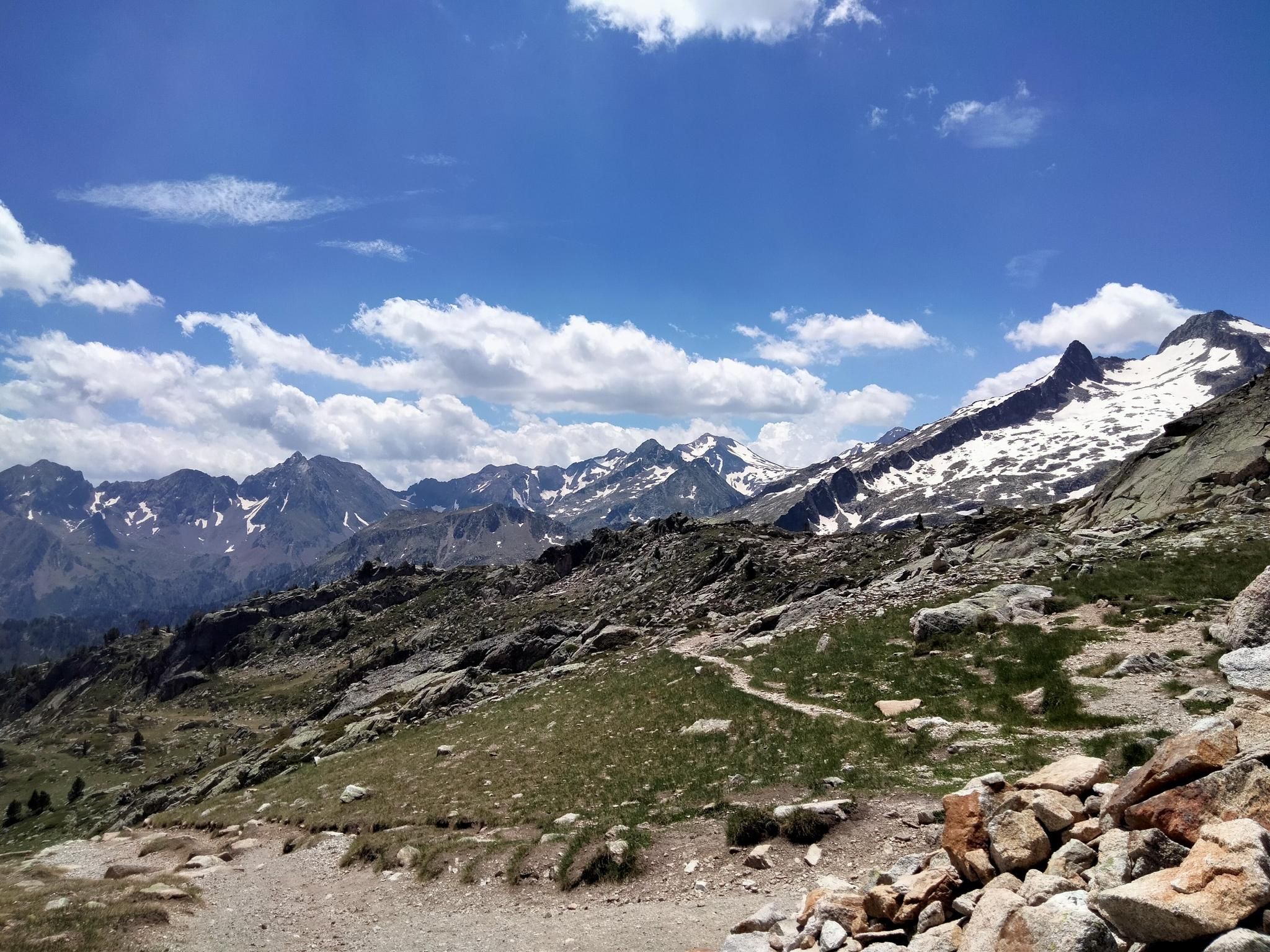
Hexatrek, the western and central Pyrenees – Between mountains and the ocean
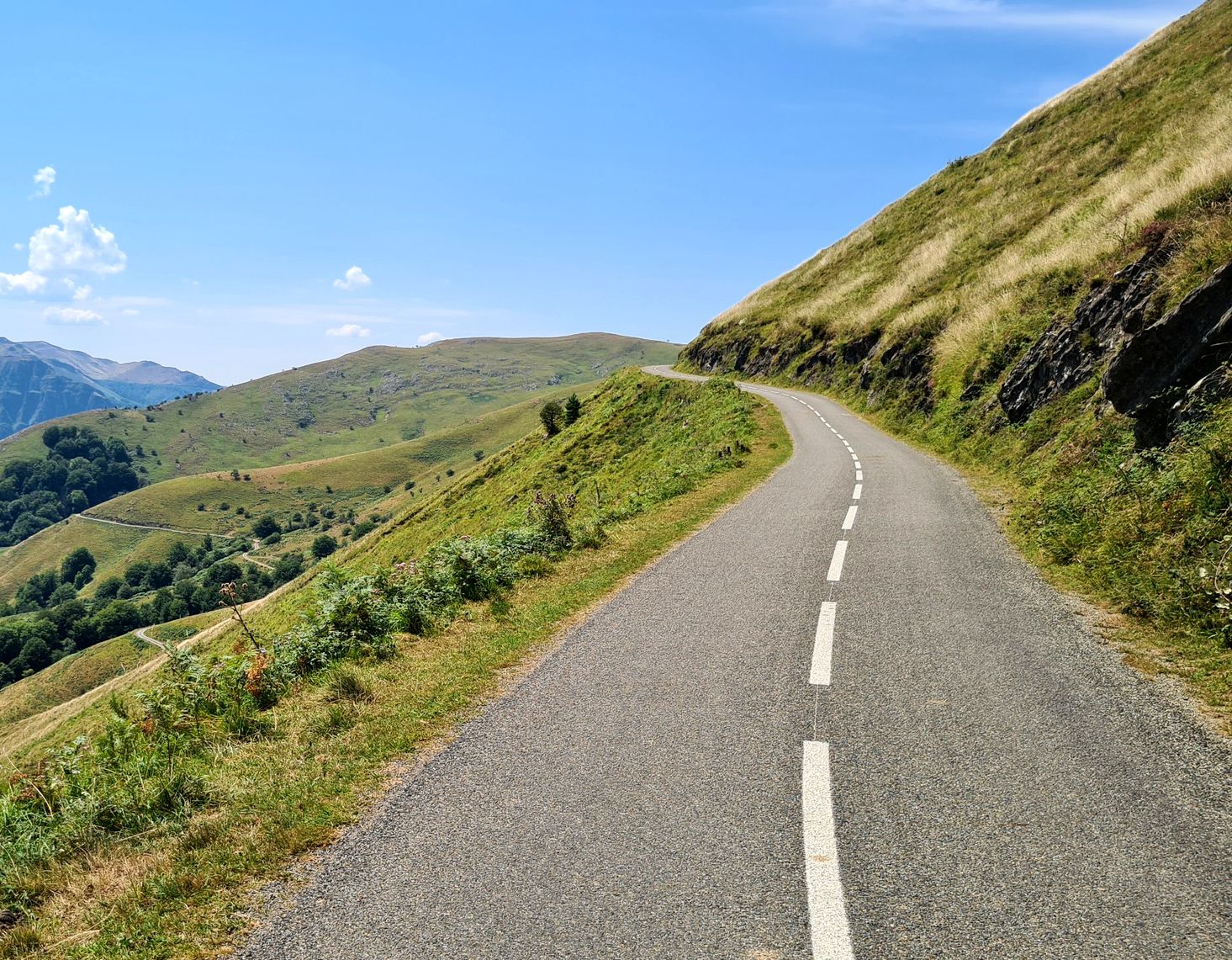
Basque Country mountain passes – Panorama rides
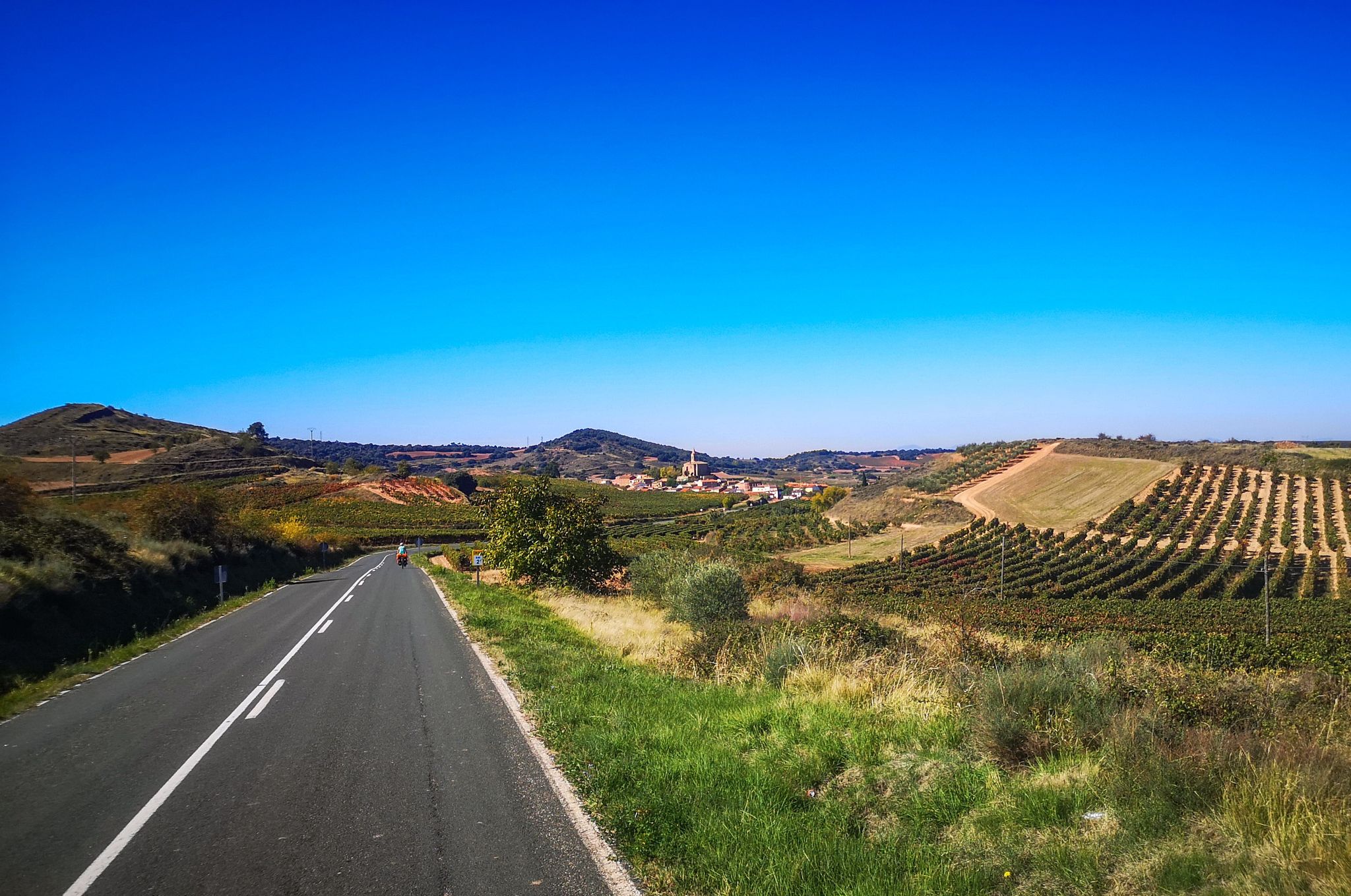
Santiago de Compostela – A journey through northern Spain (10 days)
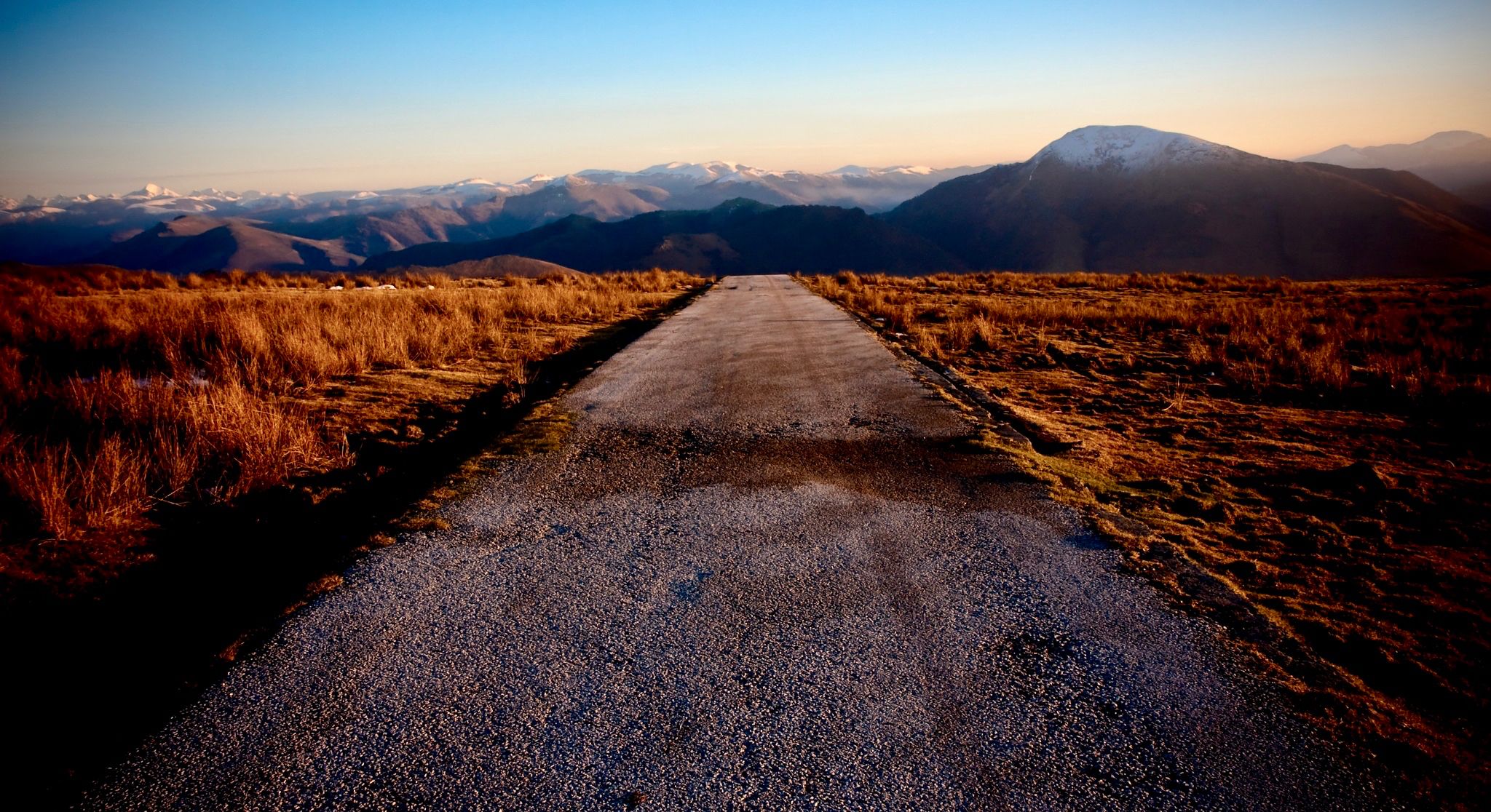
Coast to coast across the Pyrenees on your road bike
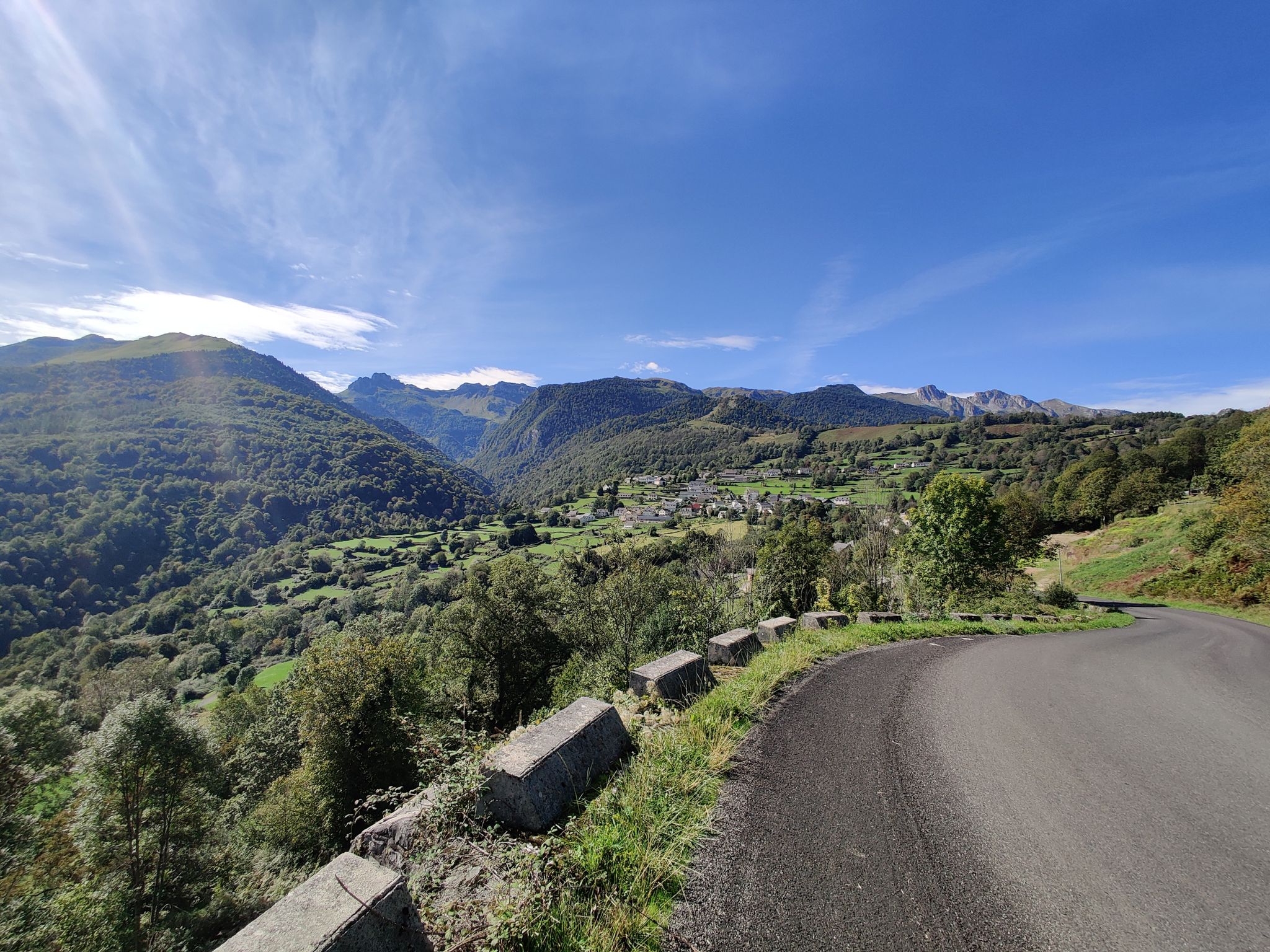
From the Atlantic to the Mediterranean – Route des Cols in the Pyrénées
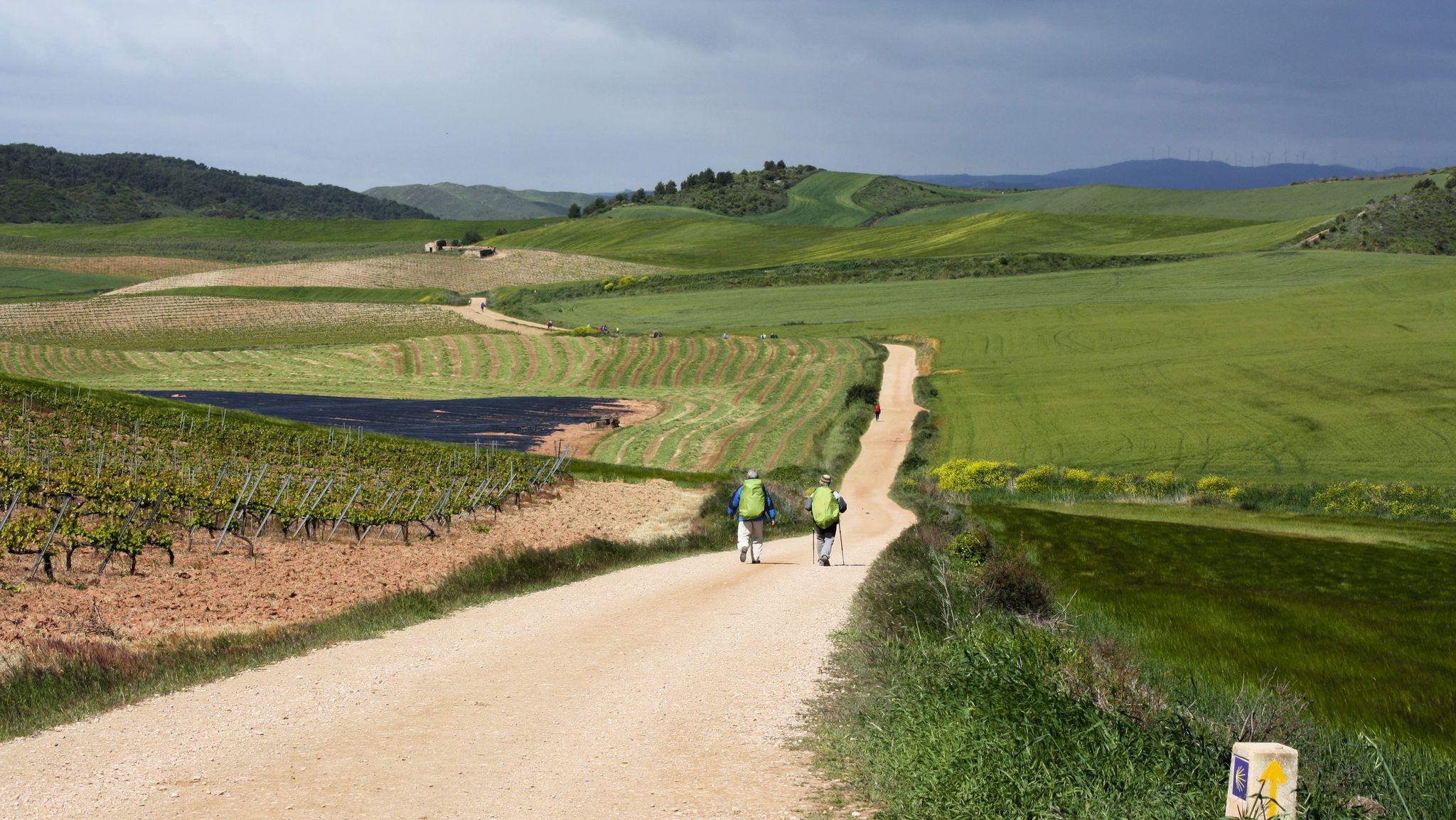
An Iberian pilgrimage – French Way of Saint James
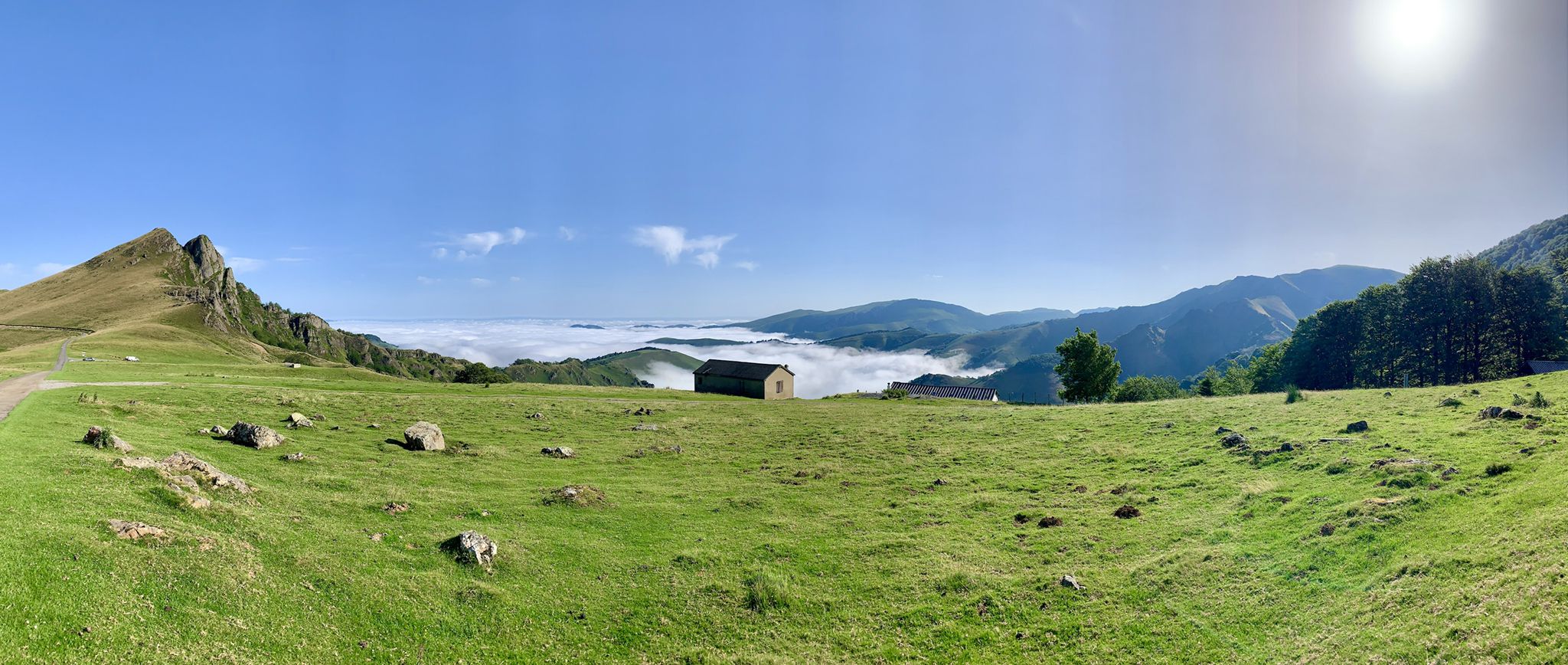
The Western Pyrenees – crossing the Pyrenees on the GR 10
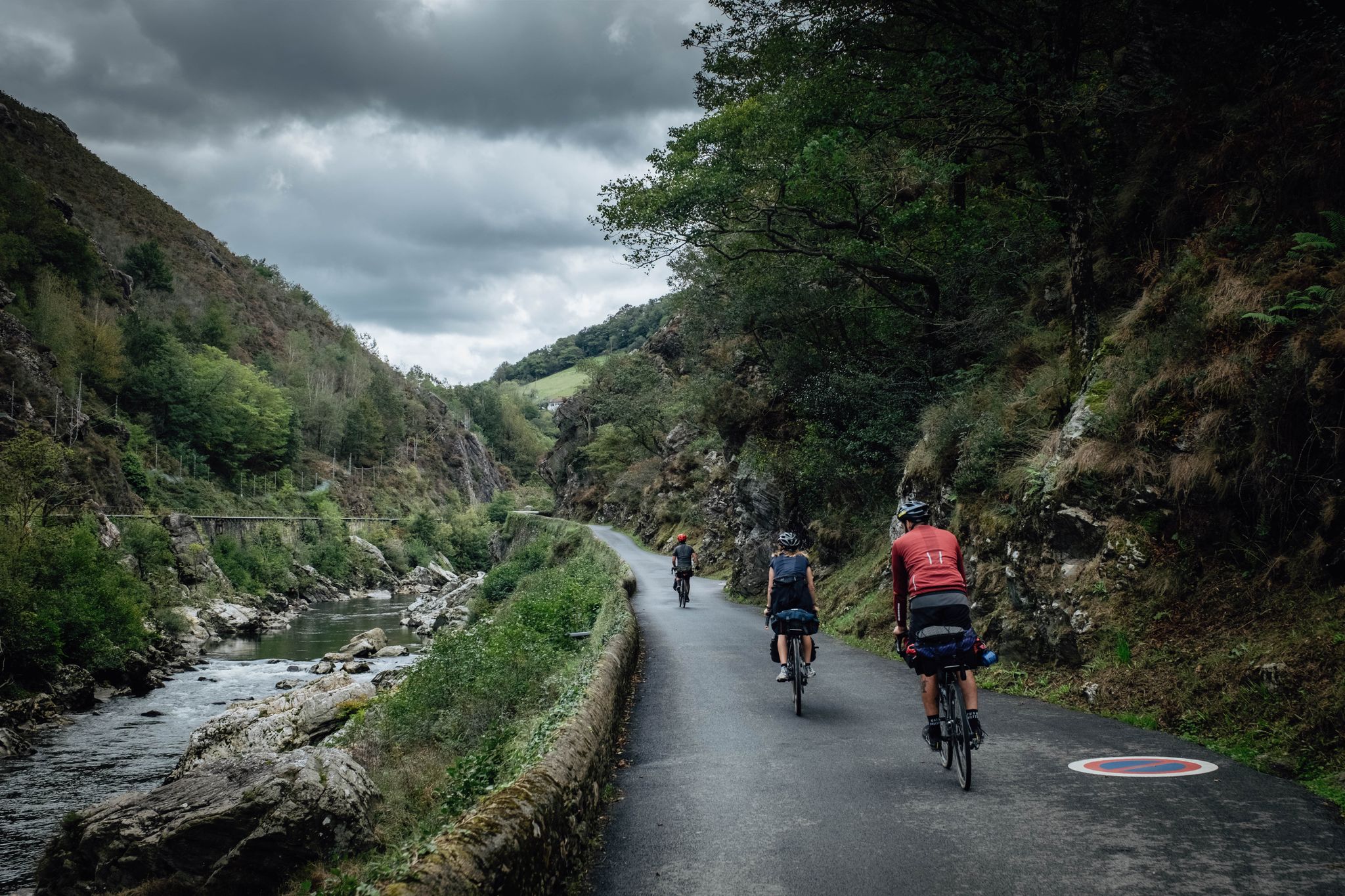
The flavours of France’s southwest – cycling through the delicacies
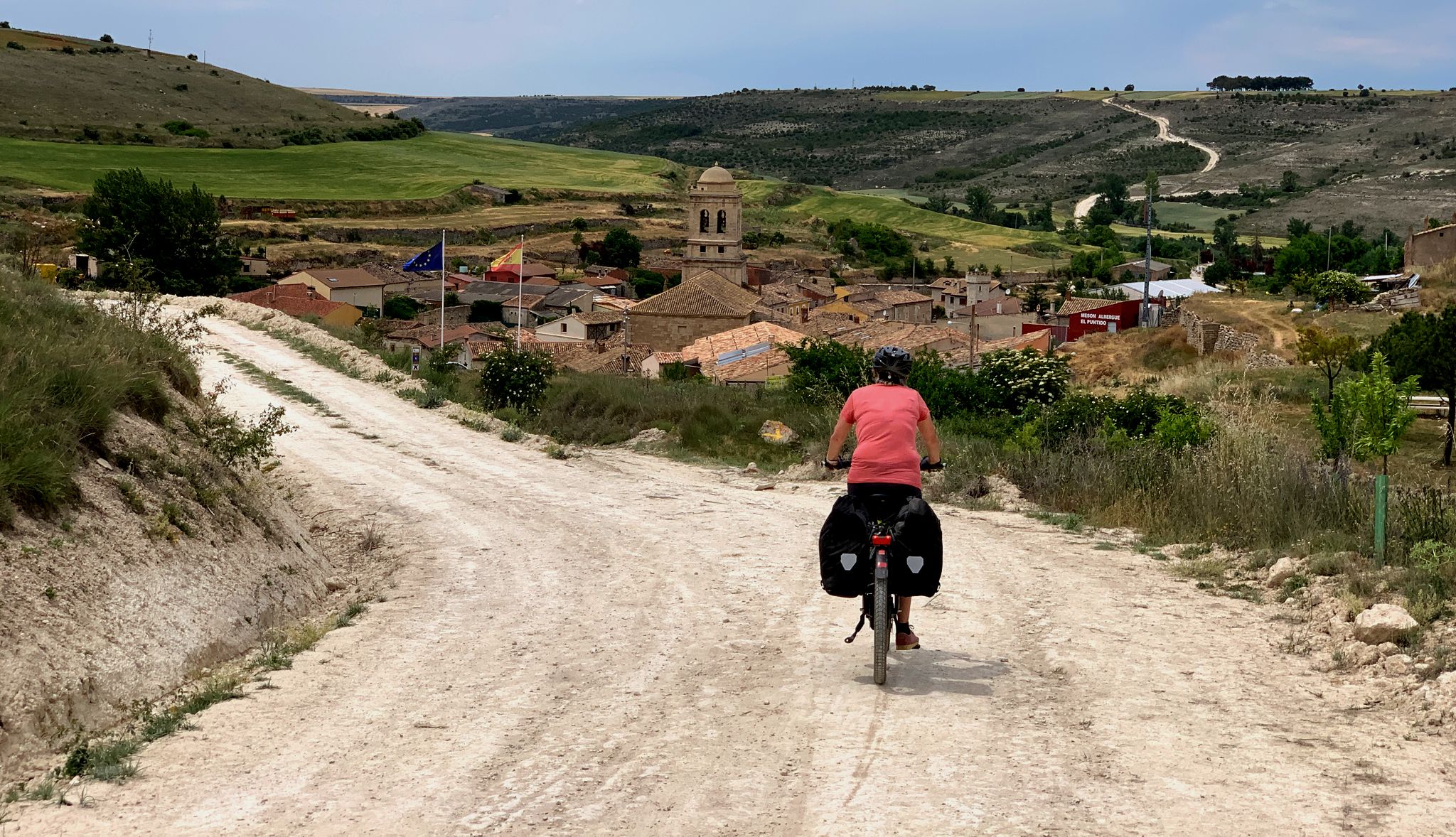
The Pilgrim Route — EuroVelo 3 through Spain
Other adventures around Saint-Jean-Pied-De-Port


Tips from the Community

There is a restaurant upstairs (actually several, but only one was open in July)
0
0

Walk from the Ispeguy pass, narrow path, best worn in hiking shoes, some scree slopes, magnificent view!
2
0

It is a typical small village in Iparralde, right next to the main town Sant-Jean-Pied-Port-de-Port. There is nothing special about it, but if you pass by it, you should enjoy it. There is a nice fountain in the centre of the village.
1
0

Before starting the climb: check the weather forecast and make sure you have the appropriate clothing. The climb can be done in the clouds (fog) towards the end. A fluorescent vest is not an exaggerated luxury. The road is sometimes narrow, the cars drive fast. For the descent, it is best to take a windbreaker and an undershirt with long sleeves. Light gloves prevent your hands from getting numb, which makes braking more difficult. At the top near the inn at the border crossing, horses walk freely on the road. During the descent along the Basque side you can meet a real pig (180+ kg) in the middle of the road.
0
0

The starting point of the Camino Frances. Many pilgrims start from here and are so excited that they can't really enjoy the beautiful town.
6
0

No need to climb high peaks to admire the peaks of the Basque Country. A few steps from Saint-Jean-Pied-de-Port, where the variants of the Way of Saint James intersect, Ispoure houses a high orientation table which allows you to observe the surrounding peaks. With a picnic table and bench nearby, it's a perfect site to get away from it all.
1
0

This 1.5km semi-discontinuous line section is not enjoyable. I don't like pushing my bike on a Single track w sharp rocks under my feet as big overgrown thorny bushes by my sides. It's not overly steep but half is up ad half is down.
1
0

Frequently Asked Questions
How many no-traffic gravel bike trails are available around Saint-Jean-Pied-de-Port?
Our guide features several carefully curated no-traffic gravel bike routes around Saint-Jean-Pied-de-Port. While the region boasts an extensive cycling network, these specific routes are chosen for their quiet roads and off-road segments, providing a serene gravel biking experience away from vehicle traffic.
What is the best time of year for traffic-free gravel biking in Saint-Jean-Pied-de-Port?
The best time for gravel biking in Saint-Jean-Pied-de-Port is generally from spring to autumn. Spring offers lush green landscapes and pleasant temperatures, while autumn provides vibrant colors and cooler weather. Summer can be warm, especially in the valleys, but higher elevation routes offer relief. Winter can be challenging due to snow in the Pyrenees passes, making many routes inaccessible.
What kind of terrain can I expect on these no-traffic gravel routes?
The terrain around Saint-Jean-Pied-de-Port is diverse, ranging from rolling hills and lush forests to more demanding mountainous sections. You'll encounter a mix of unpaved tracks, quiet country roads, and some challenging climbs, especially as you approach the Pyrenees. Routes like To Munhoa – Aharza Pass loop from Ascarat involve significant elevation gain, characteristic of the region's mountainous landscape.
Are there any challenging no-traffic gravel routes for experienced riders?
Yes, the region offers challenging no-traffic gravel routes that will test experienced riders. For instance, the Saint-Étienne-de-Baïgorry – Ispéguy Pass loop from Ossès-St Martin d'Arrossa is classified as difficult, featuring over 1300 meters of elevation gain and covering more than 50 kilometers. These routes often include steep ascents and descents through mountainous terrain.
Can I find any easy or beginner-friendly no-traffic gravel routes?
While many routes in the Pyrenean foothills can be demanding, there are options for beginners or those seeking a less strenuous ride. Look for routes that stick to lower elevations or follow river valleys, which tend to have more gradual ascents. The Larla – Saint-Martin-d'Arrossa loop from Ossès-St Martin d'Arrossa, while still rated difficult, is shorter in distance and elevation compared to some of the longer mountain passes, making it a good option to build experience.
What landmarks or viewpoints can I see on these no-traffic gravel routes?
Many routes offer stunning views and pass by significant landmarks. You can expect panoramic vistas of the Pyrenees, especially from higher passes like Aharza Pass or the Munhoa Summit. The historic Saint-Jean-Pied-de-Port Old Town itself is a highlight, and routes often traverse picturesque villages like Saint-Étienne-de-Baïgorry, nestled in the valleys.
Are there any historical sites accessible by gravel bike?
Absolutely. Saint-Jean-Pied-de-Port is a renowned starting point for the Camino de Santiago, and many gravel routes follow or cross sections of this ancient pilgrimage path. You can cycle past historic structures and through villages that have welcomed pilgrims for centuries. The Orisson Mountain Hut and Inn, a famous stop on the Camino, offers incredible views and a sense of history.
Are there circular no-traffic gravel routes available?
Yes, several routes are designed as loops, allowing you to start and end in the same location without needing shuttle services. Examples include the Saint-Étienne-de-Baïgorry – Ispéguy Pass loop and the To Munhoa – Aharza Pass loop, both offering a complete journey back to your starting point.
Is parking available near the trailheads for these routes?
Parking is generally available in and around the towns and villages that serve as starting points for these routes, such as Ossès-St Martin d'Arrossa or Ascarat. It's advisable to check local signage for specific parking regulations and availability, especially during peak seasons. Many villages have public parking areas suitable for accessing the trails.
What do other gravel bikers enjoy most about riding in Saint-Jean-Pied-de-Port?
The komoot community highly rates the gravel biking experience in Saint-Jean-Pied-de-Port, with an average score of 4.75 stars. Reviewers often praise the stunning Pyrenean landscapes, the challenging yet rewarding climbs, and the sense of adventure found on the quiet, traffic-free paths. The blend of natural beauty and historical significance, particularly along sections of the Camino de Santiago, is frequently highlighted as a major draw.
Are there options for food and drink along these no-traffic gravel routes?
While many routes venture into remote areas, you'll often pass through charming Basque villages where you can find cafes, bakeries, and small restaurants. Towns like Saint-Jean-Pied-de-Port and Saint-Étienne-de-Baïgorry offer ample opportunities to refuel. It's always a good idea to carry sufficient water and snacks, especially on longer or more remote sections, as services can be sparse between villages.
Most popular routes around Saint-Jean-Pied-De-Port
Most popular attractions around Saint-Jean-Pied-De-Port

Get inspired with the komoot mobile app


Explore more
Browse the best Gravel rides in other regions.
