The best hikes from bus stations in Yukon
4.8
(159)
1,246
hikers
3
hikes
Bus station hiking trails in Yukon offer access to a vast, untamed wilderness characterized by diverse landscapes. The region features lush boreal forests, rugged alpine environments, and dramatic geological formations such as basalt cliffs and granite peaks. Rivers and lakes are prominent features, providing varied terrain for exploration.
Best bus station hiking trails in Yukon
- The most popular bus station hiking route is Miles Canyon – Whitehorse, a 10.3 miles (16.6 km) trail that takes 4 hours 19 minutes…
Last updated: May 3, 2026
5.0
(9)
31
hikers
16.6km
04:19
100m
100m
Moderate hike. Good fitness required. Easily-accessible paths. Suitable for all skill levels.
5.0
(11)
40
hikers
17.7km
04:38
130m
130m
Moderate hike. Good fitness required. Easily-accessible paths. Suitable for all skill levels.

Sign up for free
1
hikers
Easy hike. Great for any fitness level. Easily-accessible paths. Suitable for all skill levels.
Our route recommendations are based on thousands of hikes, rides, and runs completed by other people on komoot.
Start today with a free account
Your next adventure awaits.
Login or Signup
Popular around Yukon

Hikes from bus stations in the Pelly Mountains

Hikes from bus stations around Yukon
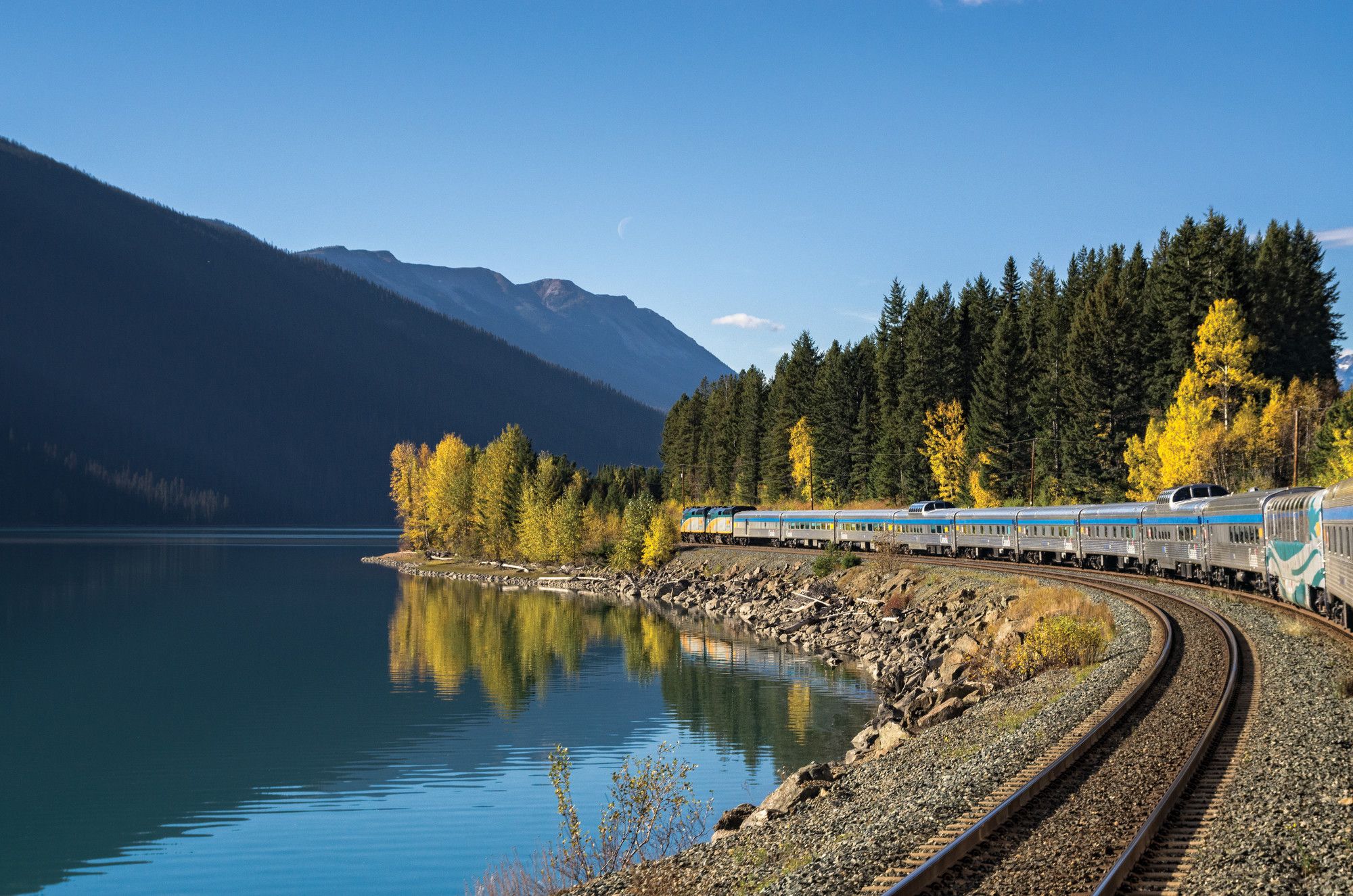
Canada by train – scenic hikes from Western stations
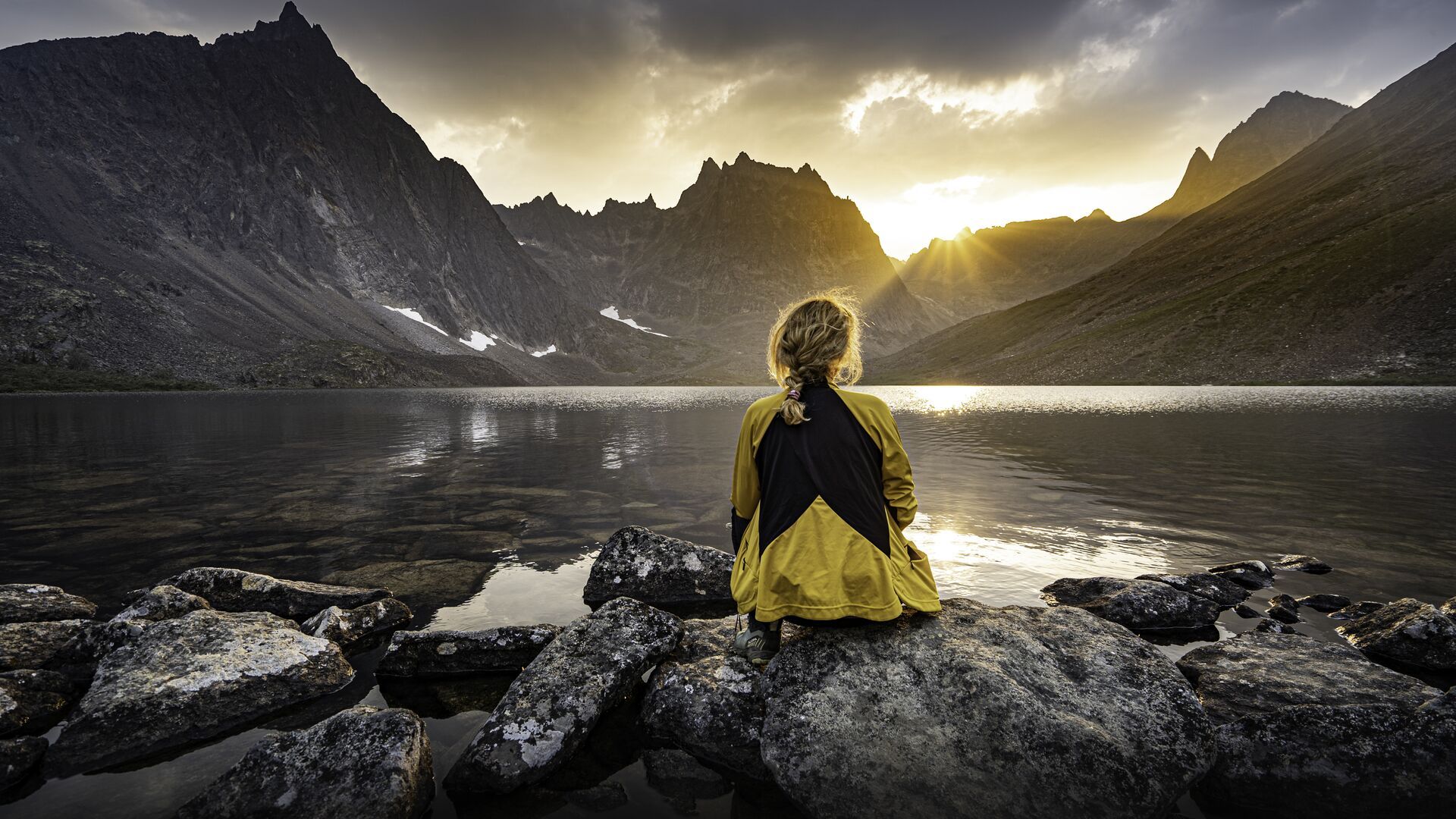
The longest footpath in the world – Trans Canada Trail
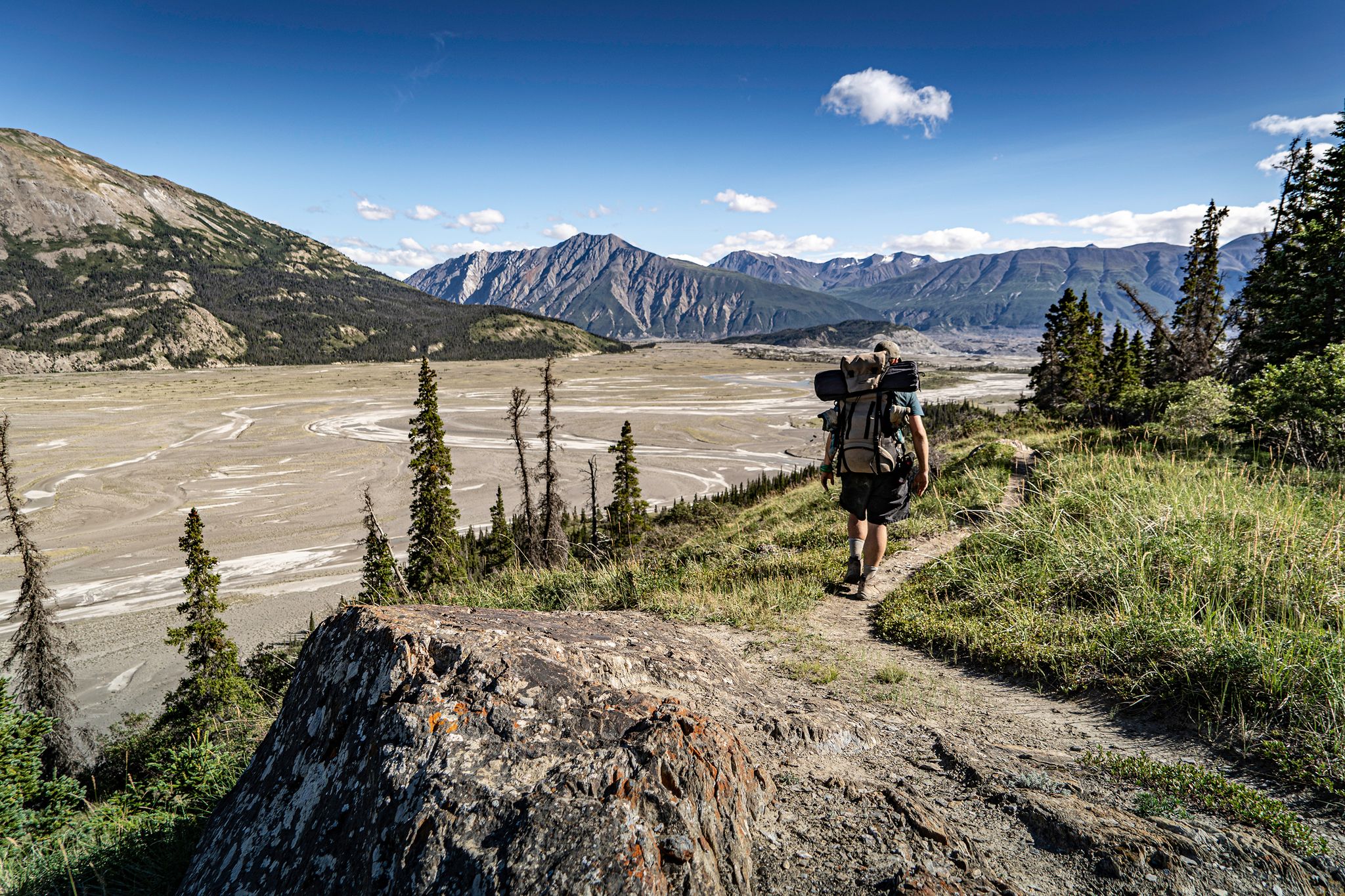
Adventure Yukon – stunning hikes on your road trip
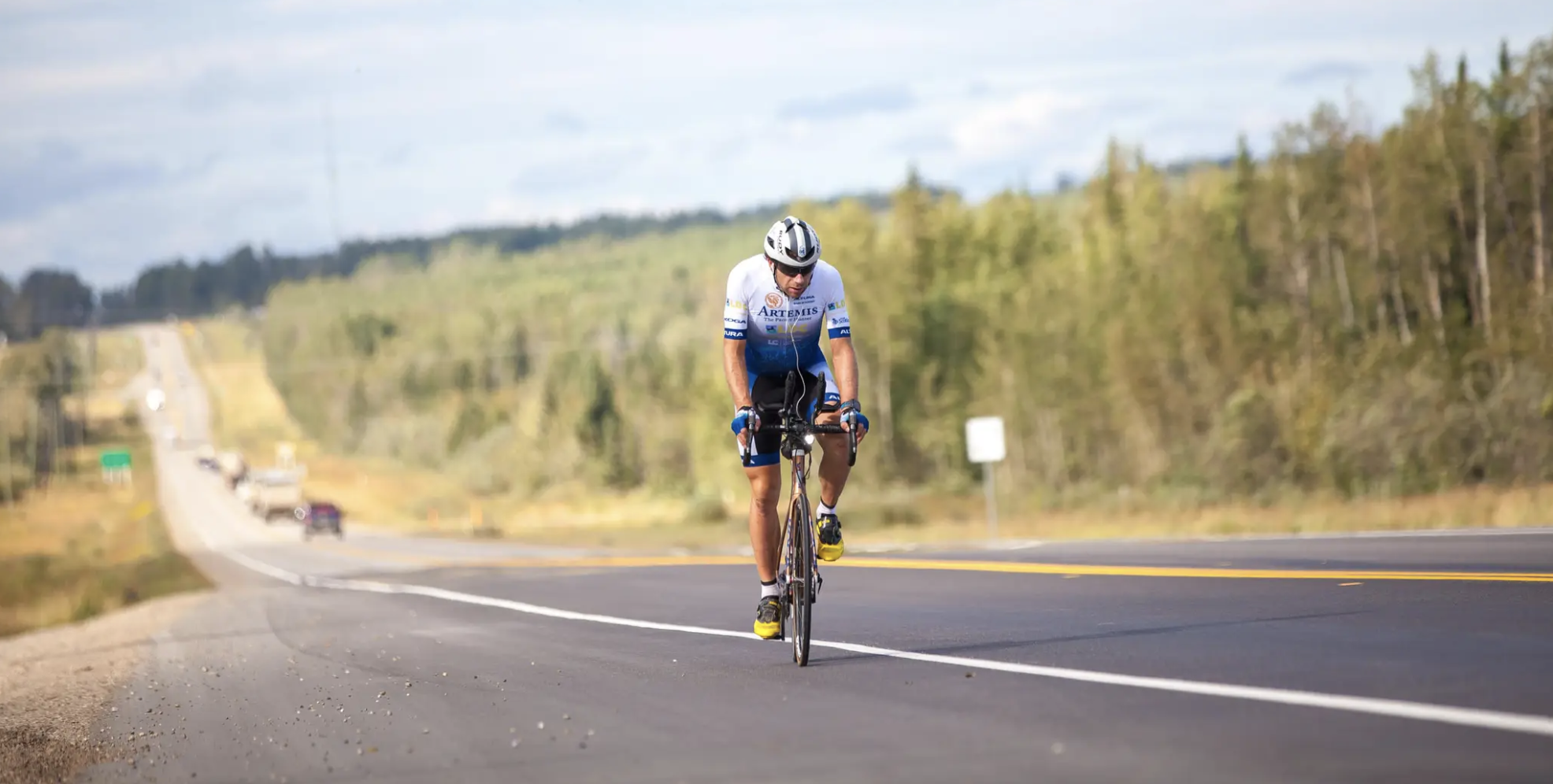
Around the World in 80 Days
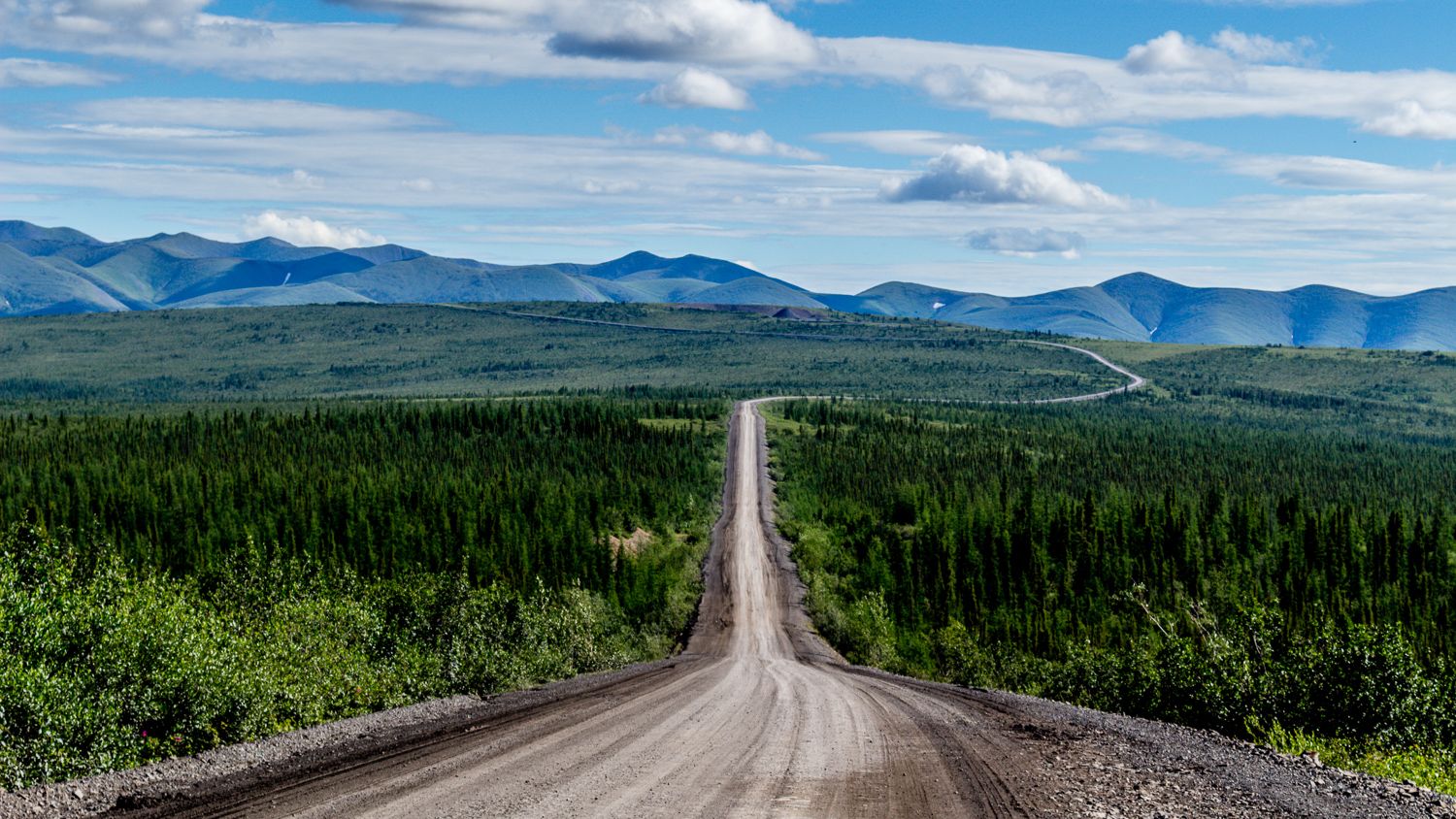
Canada's Dempster Highway — make gravel great again
Other adventures in Yukon


Tips from the Community

Before the Whitehorse Dam was built, the canyon was home to rapids. Today, its calm waters are an extension of Lake Schwatka. The setting they form with the basalt walls of the gorge is perfect for peaceful hiking.
1
0

The Miles Canyon Suspension Bridge spans the emerald-green waters of the Yukon River where it flows through the volcanic rock walls of Miles Canyon. The bridge was built in 1922 to help cross the Yukon River before there were any nearby roads. Today's modern suspension bridge was built in the same spot and is a pedestrian-only bridge that gently sways.
2
0

Whitehorse, the capital and largest city of the Yukon Territory in northwestern Canada, sits on the Yukon River, North America's third-longest river. Whitehorse is home to one of the world's longest wooden fish ladders that let salmon bypass the hydroelectric dam. The Kwanlin Dün First Nation and the Ta'an Kwäch’än Council lived here and used this river 10,000 years before settlers arrived.
1
0
The bridge offers the opportunity to get to the other side of the canyon and thus to the trails very close to the river.
0
0


Very beautiful suspension bridge over the Yukon River and Canyon!
1
0

The Whitehorse Water Aerodrome is a seaplane base on Schwatka Lake, south of Whitehorse. The airport is managed by Erik Nielsen Whitehorse International Airport.
3
1
The rocks in Miles Canyon are basalts, formed by lava flows millions of years ago. The canyon was later carved by the flowing waters of the Yukon River. During the Klondike Gold Rush at the end of the 19th century, the White Horse Rapids in the narrow canyon were a dreaded obstacle that gold seekers had to navigate by boat on their way to the goldfields further north. There are conflicting accounts of the number of casualties and property damage during the journey through the rapids. The North West Mounted Police intervened and prohibited passage; only qualified captains were permitted to attempt the voyage. Those on the boats had to bypass the canyon on a footpath located above. At the end of 1897, businessman Norman Macaulay and a team built a streetcar on the east bank of the Yukon River in just three weeks. Rails made of pine and spruce piles were laid on wooden sleepers on a gravel bed. Horses were used to pull streetcars loaded with goods along the wooden rails. Boats could also be transported on the Macaulay Tramway to bypass the rapids. South of the (present-day) suspension bridge, at the point where the tramway began, Canyon City, a small settlement, grew up with a hotel, saloon, restaurant, stables, the mounted police, as well as cabins and tents. https://www.yukon-news.com/letters-opinions/old-tramway-is-now-part-of-whitehorse-history/ With the construction and completion of the White Pass & Yukon Route Railway from Skagway to Whitehorse in 1900, both the tramway and Canyon City lost their purpose. The rapids of Miles Canyon disappeared with the construction of the hydroelectric power station and the creation of Schwatka Lake in 1959. Today, Miles Canyon and the suspension bridge over the Yukon River are popular destinations near Whitehorse. https://yukoninfo.com/whitehorse-info-miles-canyon/
1
1
Frequently Asked Questions
How many bus-accessible hiking trails are available in Yukon?
Currently, there are 3 hiking trails in Yukon that are easily accessible from bus stations. These routes offer a convenient way to explore the region's natural beauty without needing a car.
Are there easy hiking trails accessible by bus in Yukon?
Yes, for those seeking a more relaxed experience, the Whitehorse Waterfront Wharf – Whitehorse City Center loop from Whitehorse is an easy option. This route is relatively short and flat, making it suitable for beginners or a leisurely stroll.
Which bus-accessible trails are suitable for families?
The Whitehorse Waterfront Wharf – Whitehorse City Center loop from Whitehorse is an excellent choice for families. Its easy difficulty and relatively short distance make it manageable for children, offering pleasant views along the Yukon River.
Are there any circular hiking routes accessible by bus?
Yes, both the Miles Canyon – Miles Canyon Suspension Bridge loop from Whitehorse and the Whitehorse Waterfront Wharf – Whitehorse City Center loop from Whitehorse are circular routes. These allow you to start and end your hike at the same point, often near a bus stop, providing a convenient and complete experience.
What kind of natural attractions can I expect to see on these bus-accessible trails?
The trails accessible by bus, particularly those around Whitehorse, offer stunning natural features. You can explore the dramatic basalt cliffs and turquoise waters of Miles Canyon, and cross the iconic Miles Canyon Suspension Bridge. The Yukon River itself is a prominent feature, offering scenic views and a sense of the region's vastness.
What is the best time of year for bus-accessible hikes in Yukon?
The best time for hiking in Yukon is generally from late spring to early autumn (May to September). During summer, the extended daylight hours of the 'Midnight Sun' allow for longer exploration. Autumn brings vibrant colors, especially in areas like Kluane National Park, though the bus-accessible trails around Whitehorse also offer beautiful seasonal changes.
Can I spot wildlife on bus-accessible trails in Yukon?
While wildlife sightings are never guaranteed, Yukon is rich in biodiversity. On trails like those around Miles Canyon, you might encounter various bird species. For more extensive wildlife viewing opportunities, the broader Yukon region is known for caribou, moose, Dall sheep, and even grizzly bears, particularly in areas like Kluane National Park and Tombstone Territorial Park.
Are there any historical landmarks along these bus-accessible routes?
Yes, the trails around Whitehorse offer glimpses into the region's history. The Whitehorse Waterfront Wharf – Whitehorse City Center loop from Whitehorse passes by the Whitehorse Waterfront Wharf and is close to the S.S. Klondike National Historic Site, providing insights into the Klondike Gold Rush era.
What do other hikers enjoy most about hiking in Yukon?
The area is highly rated by the komoot community, with an average score of 4.75 stars. Reviewers often praise the immediate access to nature even from urban centers like Whitehorse, the dramatic landscapes, and the sense of untouched wilderness. The convenience of bus-accessible trails is also frequently highlighted.
Are bus-accessible trails in Yukon suitable for dog walking?
Many trails in Yukon, including those accessible by bus, are dog-friendly. However, it's always recommended to keep your dog on a leash, especially in areas where wildlife might be present, and to follow local regulations regarding pet waste and trail etiquette. Always check specific trail rules before heading out.
What should I wear for hiking near Yukon bus stations?
Even on bus-accessible trails, it's wise to dress in layers, as Yukon weather can change quickly. Sturdy hiking shoes are recommended, along with waterproof outer layers. Depending on the season, consider bringing insect repellent, sun protection, and plenty of water. Always check the forecast before your hike.
Most popular attractions in Yukon

Get inspired with the komoot mobile app


Didn’t find what you were looking for?
Check out more Hikes throughout Yukon below and find the perfect route in your destination.
Explore more
Browse the best Hikes in other regions.
