The best hikes from bus stations around Campiña Del Sur
4.3
(503)
1,999
hikers
72
hikes
Bus station hiking trails around Campiña Del Sur traverse a landscape characterized by rolling agricultural plains, riverine ecosystems, and Mediterranean woodlands. The region features expansive fields of wheat and olive groves, interspersed with green corridors along rivers like the Corbones and Guadaira. Hikers can also explore dehesas with scattered cork and holm oaks, and repurposed railway lines known as "greenways," such as the Via Verde de la Campiña, which offer accessible paths.
Best bus station hiking trails around Campiña Del…
Last updated: October 10, 2026
4.8
(4)
59
hikers
6.81km
02:01
200m
200m
Moderate hike. Good fitness required. Easily-accessible paths. Suitable for all skill levels.
5.0
(4)
41
hikers
Moderate hike. Good fitness required. Easily-accessible paths. Suitable for all skill levels.

3.5
(4)
16
hikers
11.5km
03:42
510m
500m
Moderate hike. Good fitness required. Easily-accessible paths. Suitable for all skill levels.
3.8
(5)
17
hikers
6.32km
01:44
100m
100m
Easy hike. Great for any fitness level. Easily-accessible paths. Suitable for all skill levels.
4.0
(2)
17
hikers
Easy hike. Great for any fitness level. Easily-accessible paths. Suitable for all skill levels.
Get access to more routes and recommendations from other explorers.
Already have an account?
Our route recommendations are based on thousands of hikes, rides, and runs completed by other people on komoot.
Start today with a free account
Your next adventure awaits.
Popular around Campiña Del Sur
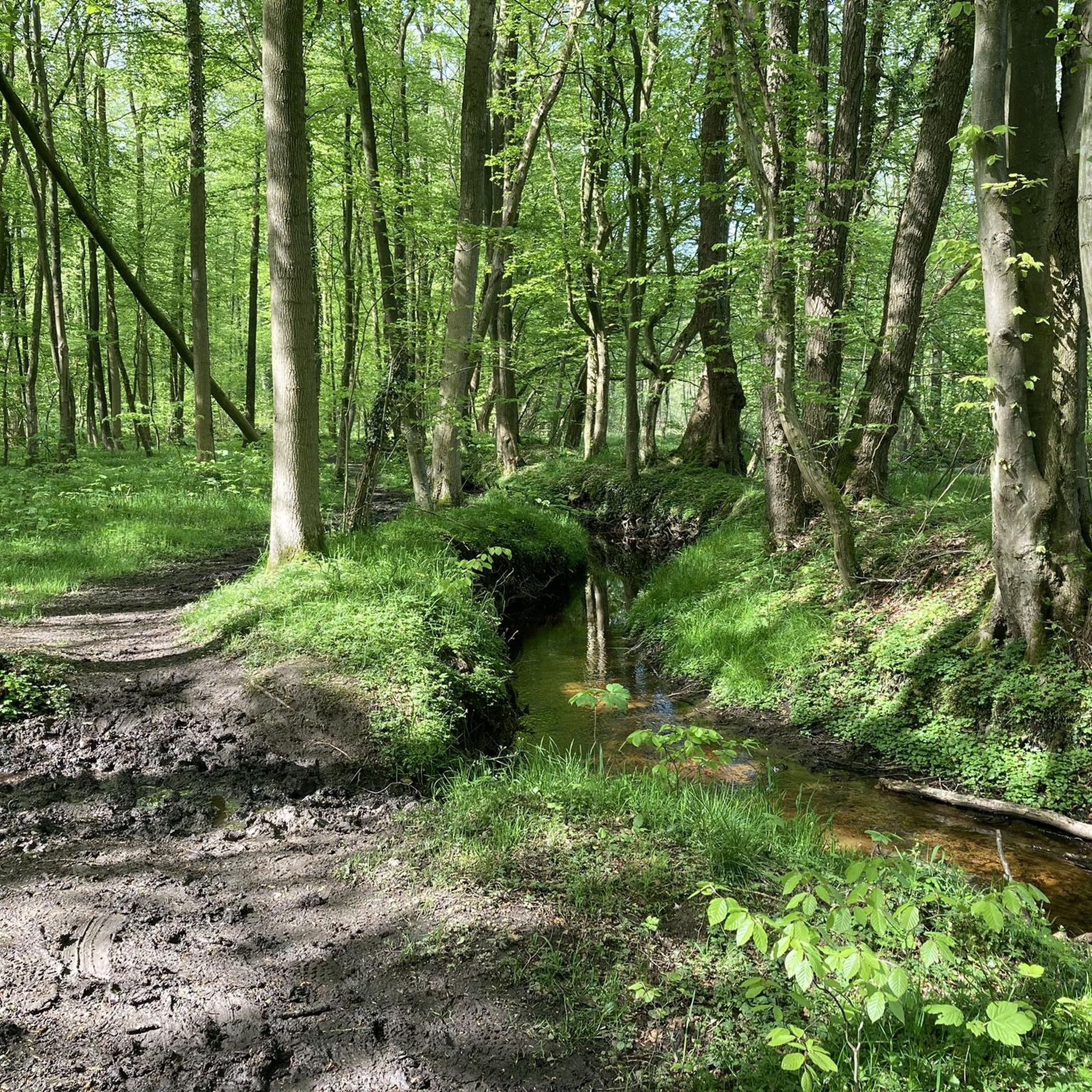
Hikes from bus stations in Cerro San Cristóbal
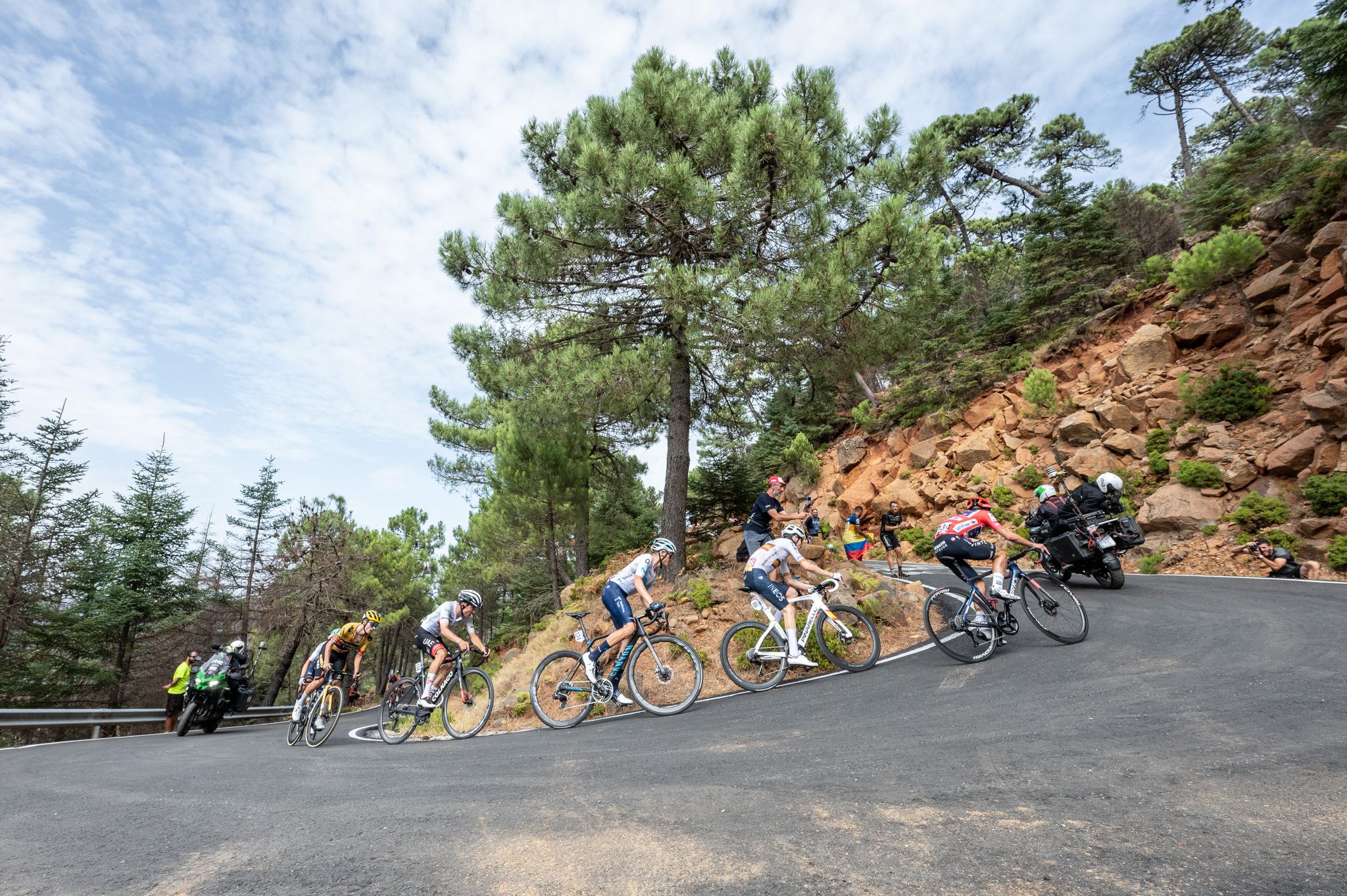
La Vuelta 26 — All Official Stages
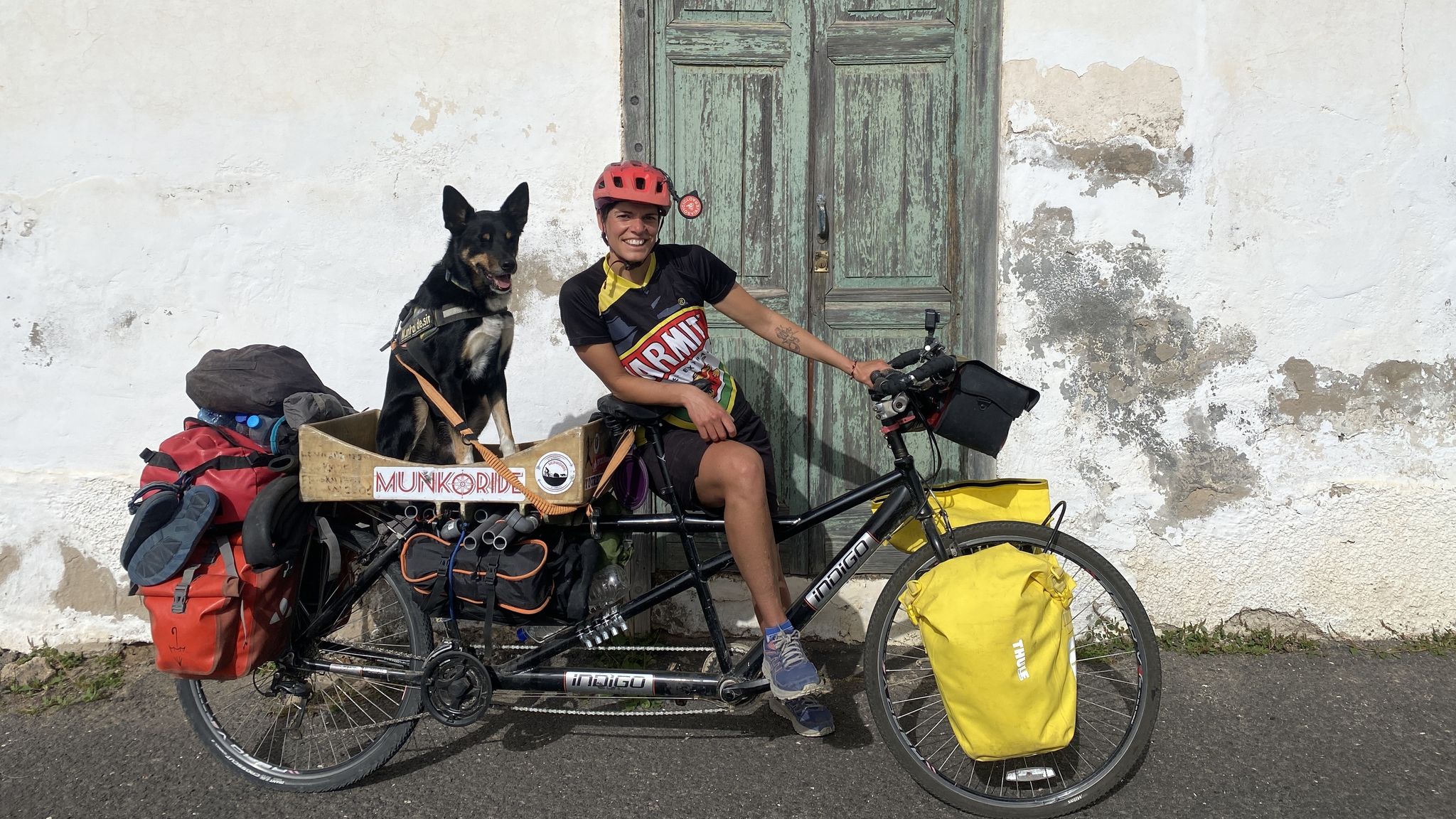
A winter getaway along the greenways of Andalusia in Spain
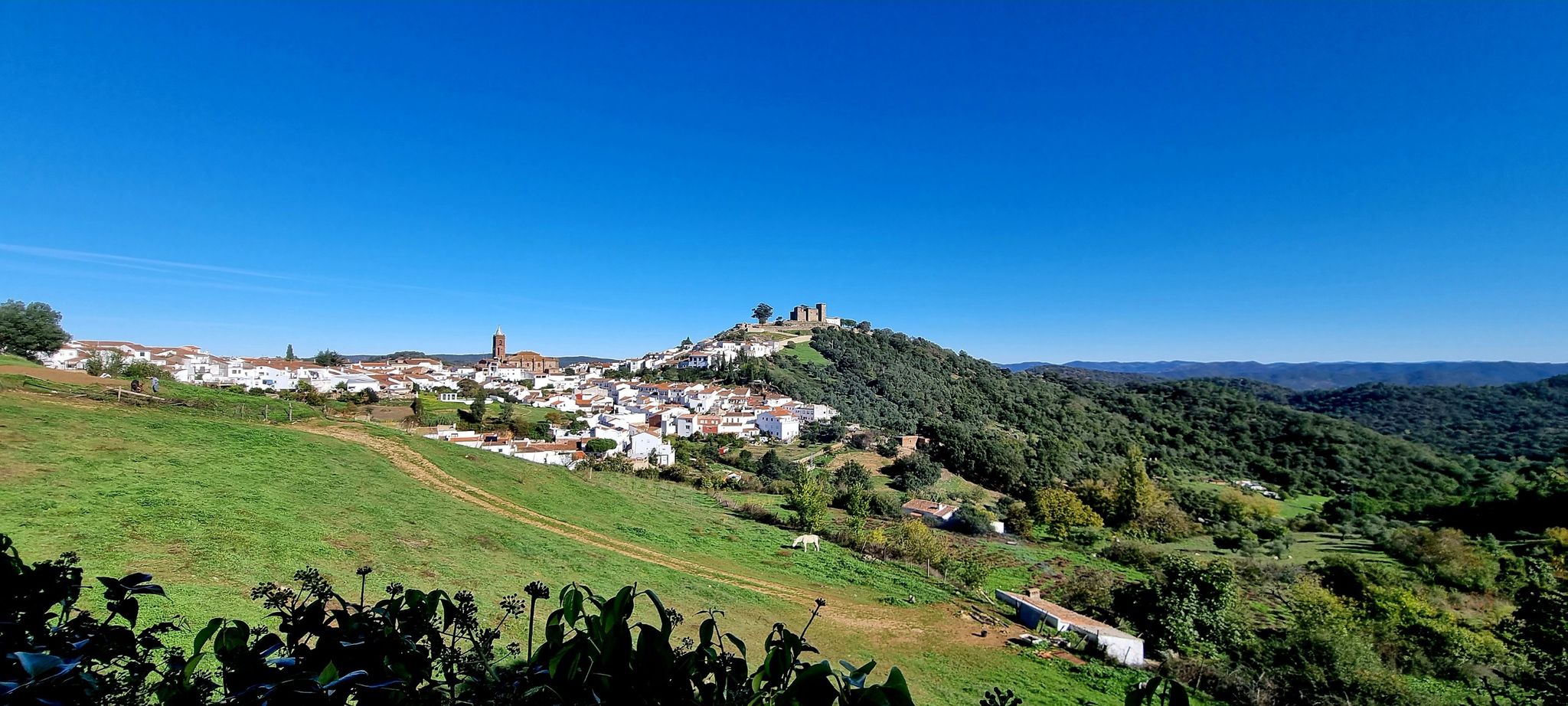
European Divide Trail across the Iberian Peninsula – south
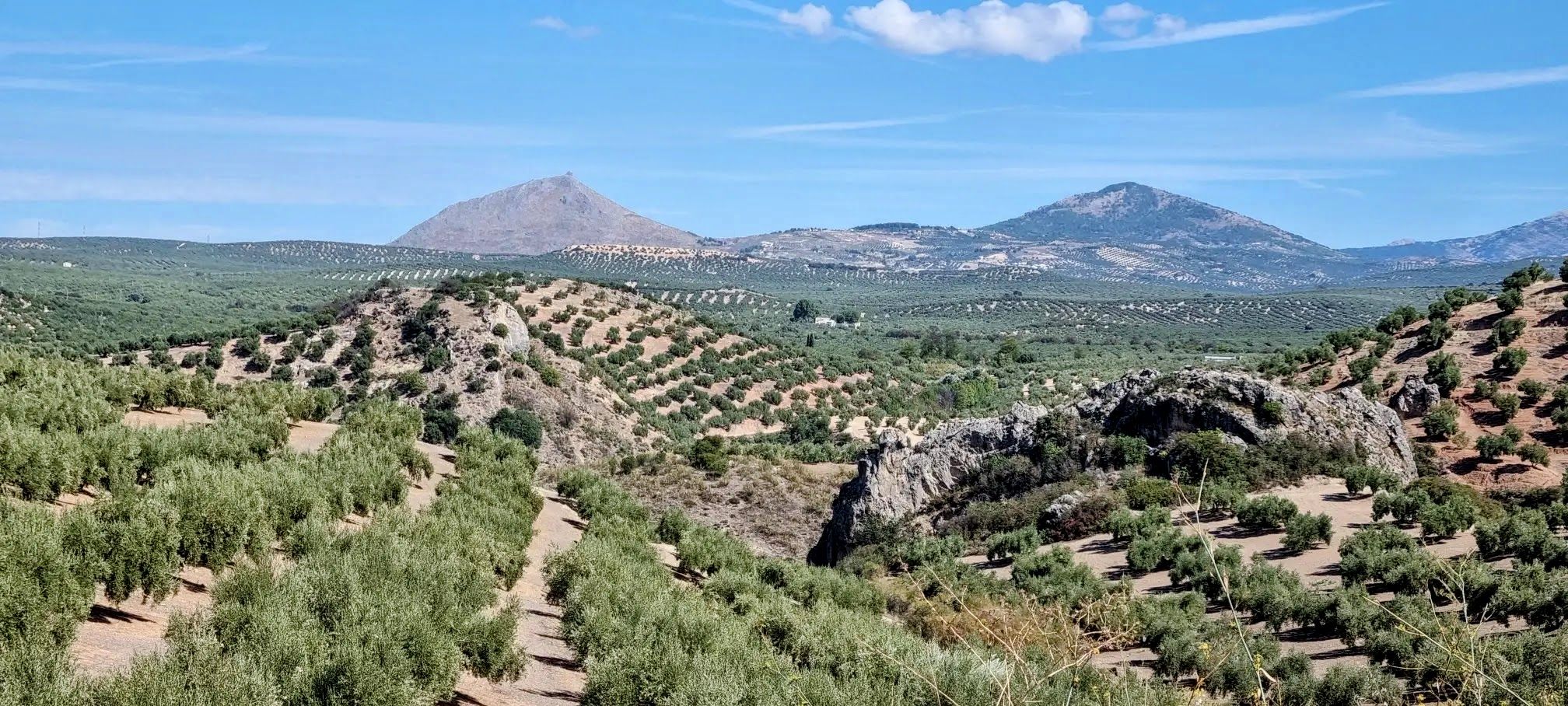
On the trail of olive oil through Andalusia — Vía Verde del Aceite
From the Alcazaba to the Alcazar – an Andalusian Adventure
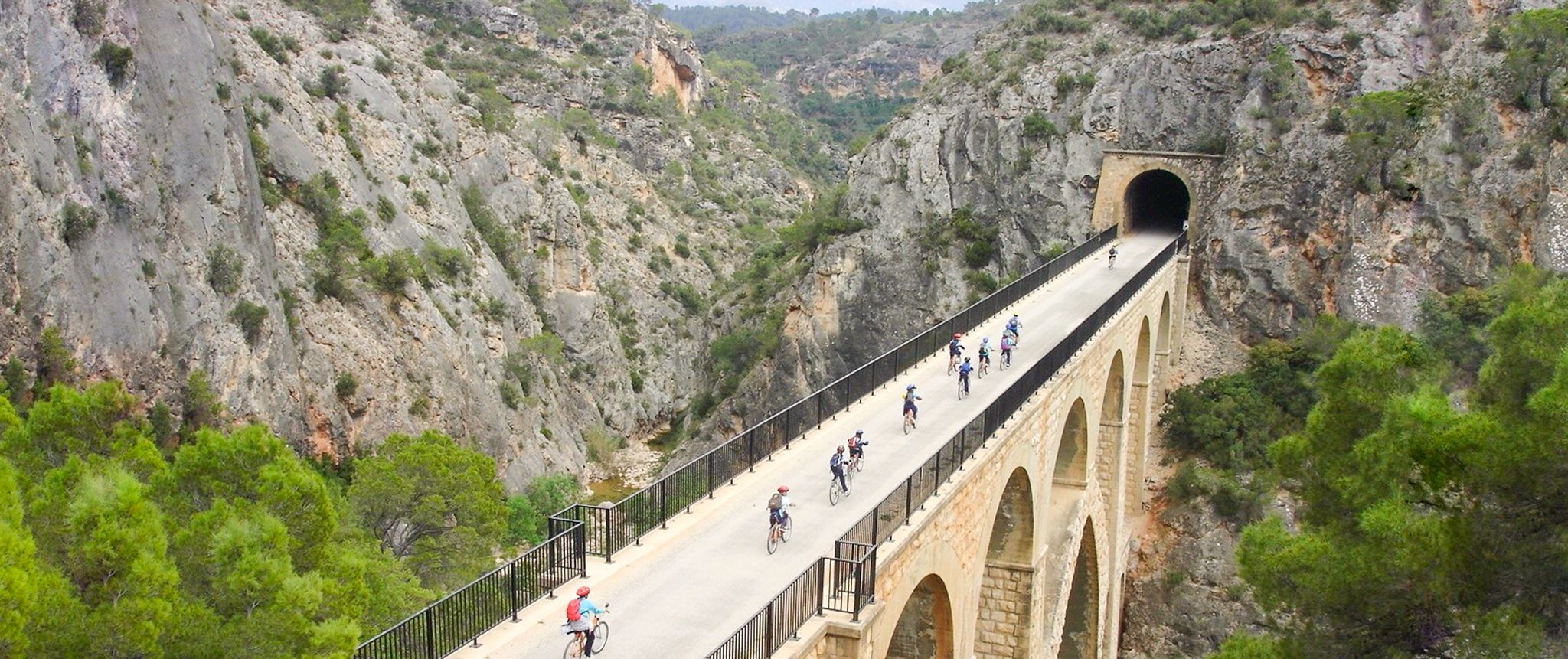
Vías Verdes – traffic-free cycling along railway history in Spain
Other adventures around Campiña Del Sur


Tips from the Community


Meeting point!!! Meeting point!!!
7
2

This point determines a strategic position for photographing the imposing Jaén cathedral from the ring road. Anyone passing by stops almost out of obligation when they turn their head and are met with this impressive view of the old part of the city and the cathedral.
19
0
It is not a locomotive, but a mid-19th century train car that presides over the beginning of the Via Verde del Aceite. It is a shame that vandalism has left it like this, as a witness to the present that reflects the reality of our society.
19
1

In this oval-shaped neoclassical church, which is of particular architectural purity, the eye is drawn by a monumental Assumption of Mary by the 18th-century painter Mariano Salvador Maella.
8
0
The Arch of San Lorenzo in Jaén, Spain is located at the intersection of Almendros Aguilar and Madre de Dios streets. It is part of the former church of San Lorenzo, built between the 13th and 14th centuries. The interior features Moorish tilework and paneling, as well as a small chapel.
9
0
This 16th-century church in Gothic Isabella style was built on the remains of a Moorish mosque. All that remains of it now is the charming patio* with the basin for ritual washing and the fruit trees, which give the patio a rural feel. Inside, the beautiful altarpiece by Jacopo Florentino (L'indaco) and the 18th-century relief of Mary Magdalene by Mateo Medina attract attention.
11
0
This is a large wooden pergola that the Provincial Council is placing at the beginning of the Vía Verde del Aceite, to give greater splendour to the exit towards Puente Genil in Cordoba.
26
0
Frequently Asked Questions
How many bus station accessible hiking trails are available in Campiña Del Sur?
There are over 50 hiking trails in Campiña Del Sur that are easily accessible from bus stations, offering a wide range of experiences for all skill levels.
What is the best time of year to hike in Campiña Del Sur, especially using bus access?
The best time for hiking in Campiña Del Sur is typically during spring (March to May) and autumn (September to November). During these seasons, the weather is mild and pleasant, and the agricultural plains are either vibrant green or golden. Summer can be very hot, making early morning or late afternoon hikes preferable, while winter offers cooler temperatures but some routes might be muddy after rain.
What kind of landscapes can I expect to see on bus-accessible hikes in Campiña Del Sur?
Hikes in Campiña Del Sur offer a diverse landscape. You'll primarily encounter rolling agricultural plains, often covered with olive groves, wheat, and cotton fields. Many routes also feature riverine ecosystems with lush vegetation along rivers like the Corbones and Guadaira, and some trails pass through dehesas with scattered cork and holm oaks. You might also discover unique geological formations and repurposed 'Greenways' (Vías Verdes) along old railway lines.
Are there easy bus-accessible hikes suitable for beginners or families?
Yes, Campiña Del Sur offers over 30 easy bus-accessible routes perfect for beginners or families. These trails often follow gentler terrain, such as the 'Greenways'. An example is the Huge pergola – Rest area km 1 loop from Fuente del Alamillo, 15, which is an easy, shorter option.
Can I find circular hiking routes that start and end at bus stations?
Many of the bus-accessible routes in Campiña Del Sur are designed as circular walks, allowing you to return to your starting point without needing additional transport. For instance, the Torredonjimeno Station loop from Torredonjimeno is a moderate circular hike that starts and ends conveniently near the station.
Are there any historical sites or landmarks along these bus-accessible routes?
Absolutely. Many trails in Campiña Del Sur integrate the region's rich history. You can explore routes that pass through or near charming villages, ancient ruins, and impressive castles. For example, the Remains of the castle wall – Castle of Santa Catalina loop from Estación de Jaén takes you past significant historical points like the Remains of the castle wall and the iconic Castle of Santa Catalina.
What do other hikers enjoy most about the bus-accessible trails in Campiña Del Sur?
The trails in Campiña Del Sur are highly rated by the komoot community, with an average score of 4.25 stars. Reviewers often praise the serene agricultural landscapes, the well-maintained 'Greenways', and the opportunity to discover historical sites and charming villages directly from public transport hubs. The blend of natural beauty and cultural immersion is frequently highlighted.
What kind of wildlife can I expect to see on hikes near bus stops?
The natural areas, especially the riverine ecosystems and dehesas, provide excellent opportunities for wildlife observation. You might spot various bird species, amphibians like the European pond turtle and Mediterranean tree frog, and signs of otter activity near rivers. The changing agricultural fields also attract different types of birds throughout the year.
Are there any longer or more challenging bus-accessible hikes for experienced hikers?
Yes, for those seeking a greater challenge, Campiña Del Sur offers a few more difficult bus-accessible routes. These trails typically feature more significant elevation changes and longer distances. An example is the Castle of Santa Catalina – Refugio de la Mella loop from Jaén, which is a demanding hike with substantial ascents and descents.
Can I find places to eat or drink near the bus-accessible trails?
Many bus-accessible trails pass through or near charming villages and towns in Campiña Del Sur. These locations often have local cafes, bars, and restaurants where you can enjoy traditional Andalusian cuisine and refreshments after your hike. It's a great way to experience the local culture and hospitality.
Are there any bus-accessible trails that feature water elements or potential swimming spots?
While there are no prominent waterfalls, the region is characterized by several riverine ecosystems, including the Corbones and Guadaira rivers, and significant wetlands with lagoons like Zóñar and Tíscar. Some trails follow these rivers, offering scenic views of the water and riverside vegetation. While not designated swimming spots, these areas provide a refreshing natural environment.
Most popular routes around Campiña Del Sur
Most popular attractions around Campiña Del Sur

Get inspired with the komoot mobile app


Didn’t find what you were looking for?
Check out more Hikes throughout Campiña Del Sur below and find the perfect route in your destination.
Explore more
Browse the best Hikes in other regions.
