Attractions and Places To See around Stausee Franzensfeste - Lake di Fortezza - Top 4
Best attractions and places to see around Stausee Franzensfeste - Lake di Fortezza, an artificial reservoir in South Tyrol, offers a blend of historical significance and natural beauty. This area serves as a transit hub, marking the boundary between the Wipptal and Eisacktal valleys. Visitors can explore the imposing Franzensfeste Fortress, enjoy scenic views of the lake, and discover ancient Roman roads. The region also provides extensive opportunities for cycling and hiking trails Stausee Franzensfeste amidst alpine scenery.
Best attractions…
Last updated: July 15, 2026
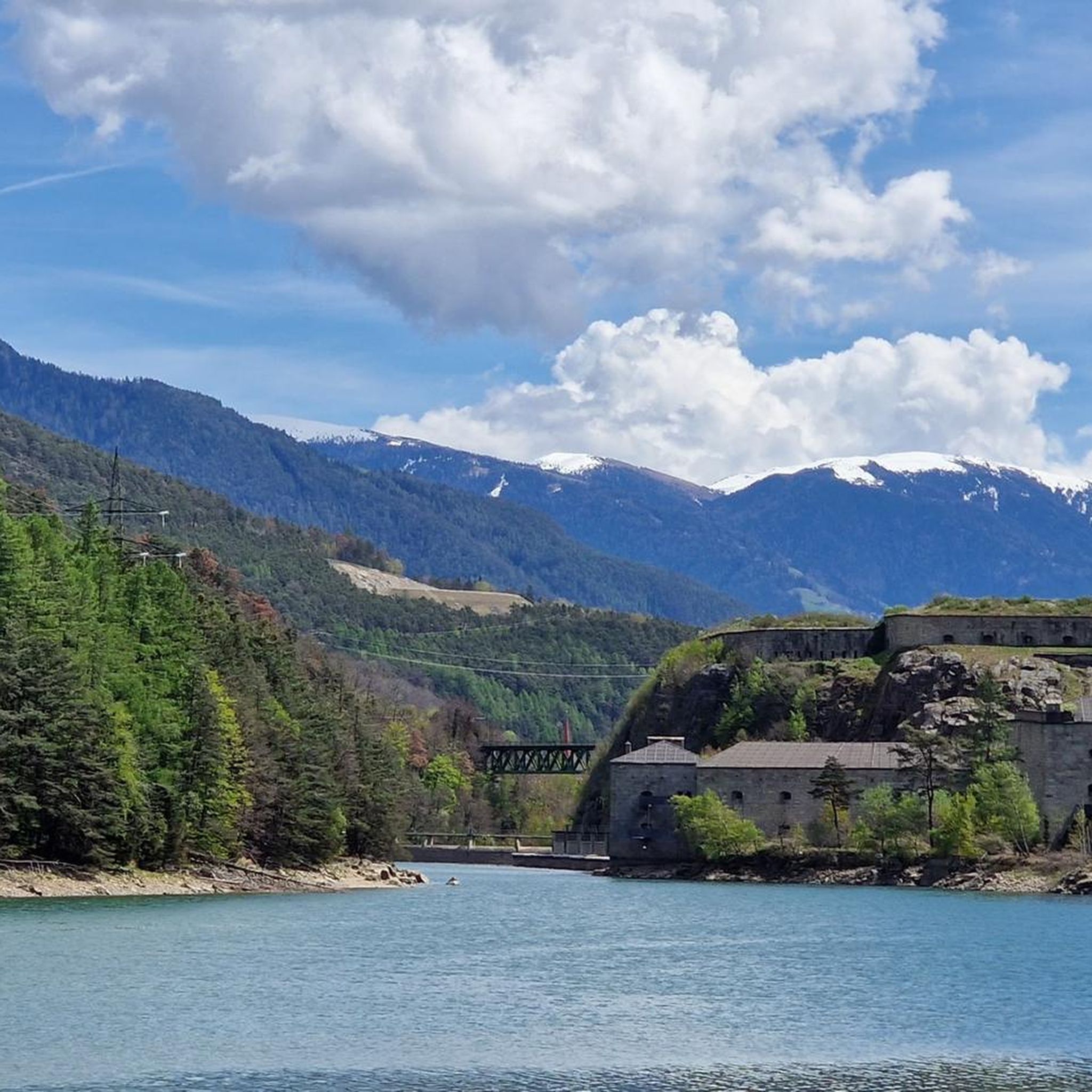
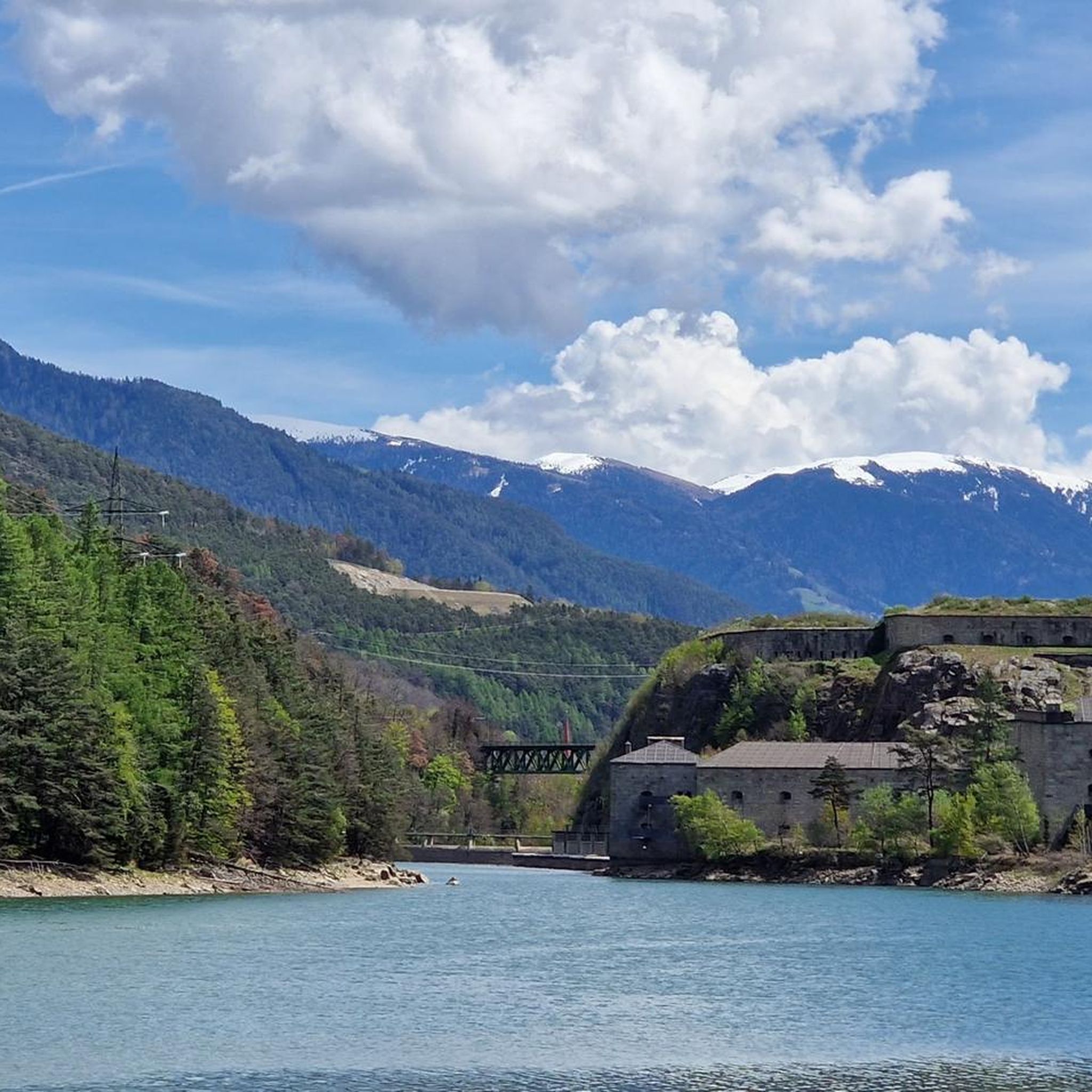
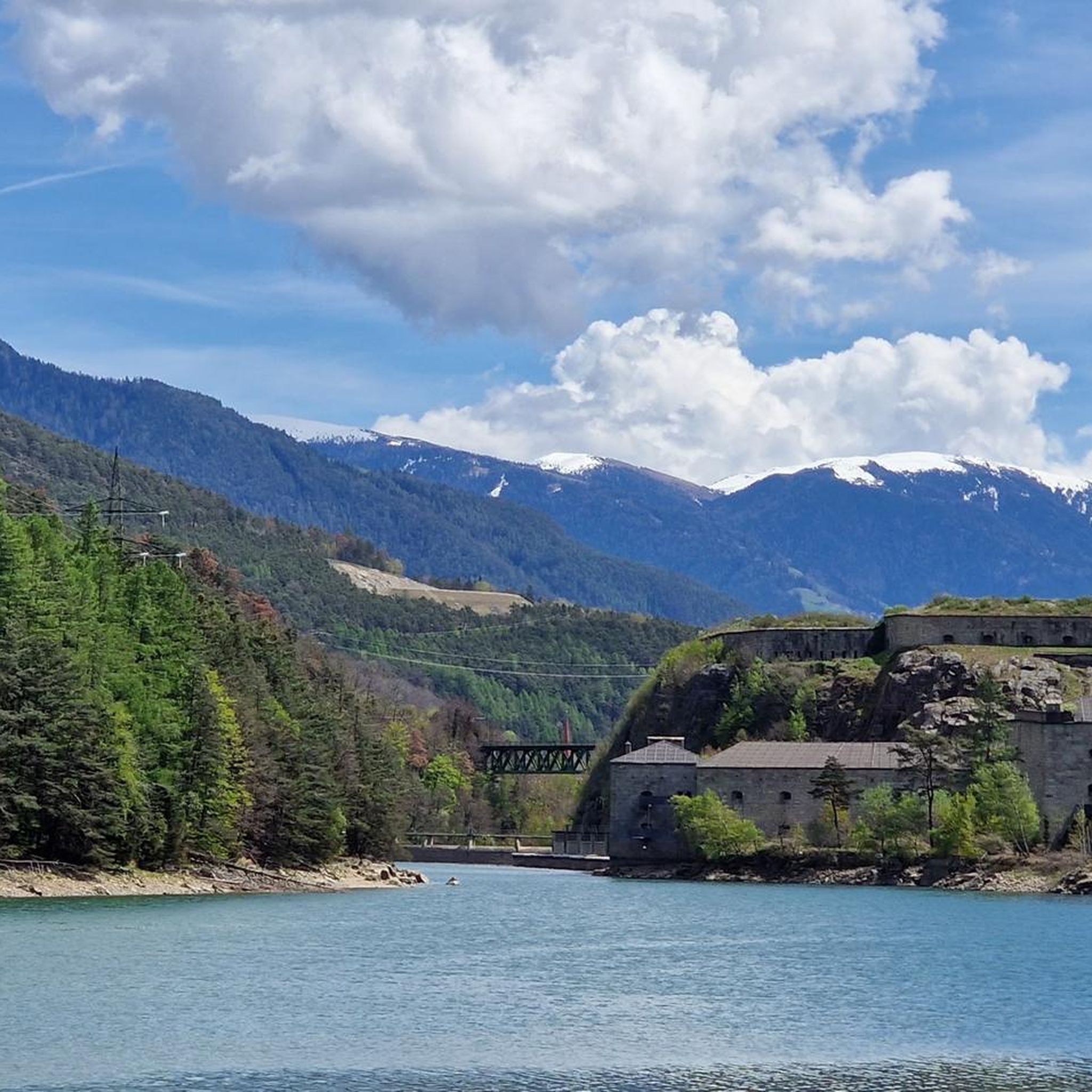
View of the Fortress
Highlight • Viewpoint
Translated by Google •
Tip by

View of Forte di Fortezza
Highlight • Viewpoint
Translated by Google •
Tip by

Sign up now to discover places like this
Get recommendations on the best single tracks, peaks, & plenty of other exciting outdoor places.
Sign up for free
Historical Information Board: Reservoir and Autobahn
Highlight • Historical Site
Translated by Google •
Tip by

Very nice alternative to the main road
Highlight (Segment) • Cycleway
Translated by Google •
Tip by

Start today with a free account
Your next adventure awaits.
Login or Signup
Popular around Stausee Franzensfeste - Lake di Fortezza
Cycling around Stausee Franzensfeste - Lake di Fortezza
Road Cycling Routes around Stausee Franzensfeste - Lake di Fortezza
MTB Trails around Stausee Franzensfeste - Lake di Fortezza
Hiking around Stausee Franzensfeste - Lake di Fortezza
Mountain Hikes around Stausee Franzensfeste - Lake di Fortezza
Running Trails around Stausee Franzensfeste - Lake di Fortezza
Gravel biking around Stausee Franzensfeste - Lake di Fortezza
Tips from the Community

A small section is gravel, but no problem with a road bike. Mostly a cycle path, with some quiet side roads through vineyards.
0
0

Very nice cycle path with a great panorama of the mountains.
0
0
Very nice cycle path with a great panorama of the mountains.
0
0

that's really impressive!
0
0

Nice view of Franzenfeste. Traffic during the season is similar to that on the highway above...
0
0

Great view of the reservoir and fortress from the cycle path.
4
0

Here you can cycle in a relaxed manner
0
0
Here you can cycle in a relaxed manner
1
0
Frequently Asked Questions
What historical sites can I explore around Stausee Franzensfeste?
The most prominent historical site is the Franzensfeste Fortress (Fortezza Fortress), an imposing 19th-century Austrian military fortification. It now functions as a museum, hosting cultural events and exhibitions. You can also discover well-preserved sections of Ancient Roman Roads in the Reif area and on the Blasbichl hill, highlighting the region's past as a transit route. Another site of historical interest is Sachsenklemme (Saxons' Gorge), significant for its role in the Tyrolean Rebellion of 1809, which now features an inn with an in-house brewery.
Are there any viewpoints offering scenic perspectives of the lake and fortress?
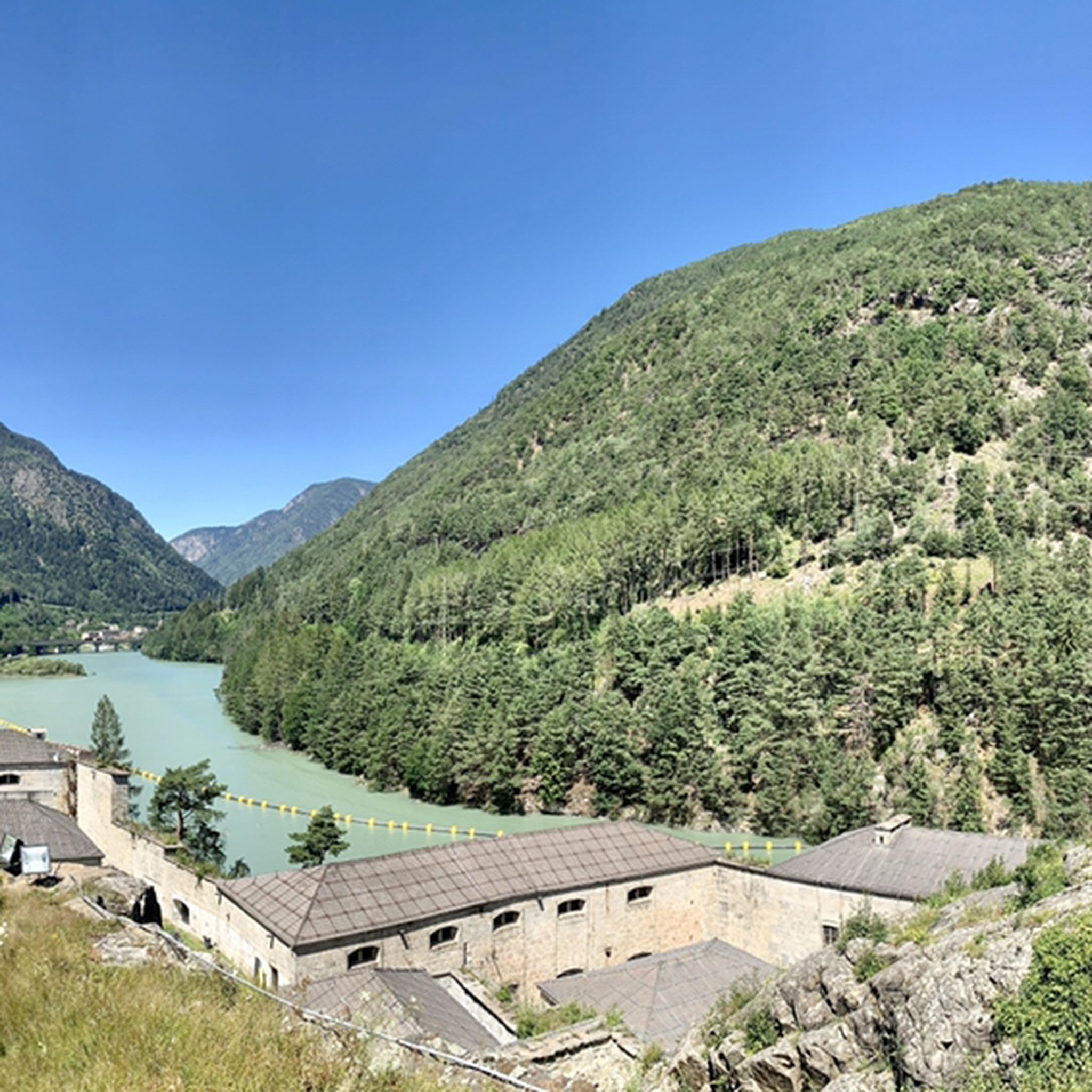
Yes, there are several excellent viewpoints. The most popular is View of Forte di Fortezza, which offers a great perspective of the Franzensfeste Fortress towering over the reservoir, located along the Brennerstrasse. Another highly-rated spot is View of the Fortress, particularly favored by cyclists, providing unique views of the fortress situated below the Autobahn.
What kind of cycling opportunities are available near Stausee Franzensfeste?
Stausee Franzensfeste is a hub for cyclists, with the renowned Munich-Lake Garda cycle path passing through. It also serves as a junction for the Upper Valle Isarco, Valle Isarco, and Val Pusteria cycle paths, offering extensive opportunities for exploring South Tyrol on two wheels. For specific routes, you can find various options in the Road Cycling Routes around Stausee Franzensfeste - Lake di Fortezza guide, or explore Gravel biking routes.
Are there hiking trails suitable for different skill levels?
Yes, numerous hiking trails lead from the village into the surrounding mountains, which are characterized by steep valley flanks and stunning alpine scenery from the Zillertal and Sarntal Alps. While specific difficulty levels vary, you can find a range of options in the Running Trails around Stausee Franzensfeste - Lake di Fortezza guide, which also includes walking routes.
What is the Stausee Franzensfeste (Lake di Fortezza) itself?
The Stausee Franzensfeste, also known as Lake di Fortezza, is an artificial reservoir created between 1939 and 1940 primarily to generate electricity for the Brenner railway line. It's a picturesque spot known for its bluish-green shimmer on sunny days and serves as a popular photographic subject, especially with the fortress as its backdrop. The dam itself is approximately 65 meters high.
What do visitors enjoy most about the attractions here?
Visitors particularly appreciate the stunning views of the Franzensfeste Fortress and the reservoir. Highlights like View of Forte di Fortezza are praised for their great perspective. The area's blend of historical significance, natural beauty, and opportunities for outdoor activities like cycling and hiking are also highly valued by the komoot community, with attractions receiving over 1000 upvotes and 93 photos.
Are there any family-friendly activities or sites around the lake?
Many of the viewpoints and historical sites are suitable for families. For instance, the View of Forte di Fortezza and View of the Fortress are categorized as family-friendly. The extensive cycling paths also offer a great way for families to explore the region together. Additionally, a climbing garden near the upper part of the fortress includes a via ferrata suitable for beginners, which can be an exciting family adventure.
How can I get to Stausee Franzensfeste by public transport?
The village of Fortezza (Franzensfeste) is a crucial transport hub with a railway station. It serves both the Brenner and Val Pusteria railway lines, providing convenient access to the local attractions and making it easy to reach the area by public transport.
Is there information available about the region's infrastructure or modern engineering projects?
Yes, for those interested in the region's infrastructure and modern engineering, there is a Historical Information Board: Reservoir and Autobahn which provides interesting details about the reservoir's construction and the Autobahn. Additionally, an Infopoint related to the Brenner Base Tunnel is located nearby, offering insights into this massive contemporary engineering project.
What other cultural points of interest can I find in the village of Fortezza?
Within the village of Fortezza (Franzensfeste), you can visit the Church of the Sacred Heart of Jesus, which was built in 1898 and consecrated a year later. The village itself, as a vital transport hub, offers a glimpse into the local life and history of the area.
Can I find information about the Franzensfeste Fortress's history and current use?
The Franzensfeste Fortress, built between 1833 and 1838, is a significant example of Austrian military architecture, covering 65,000 square meters. It was originally intended to guard the Brenner Pass. Today, it functions as a museum, part of the South Tyrol Regional Museums, and hosts various cultural events, including a biennial art exhibition. Guided tours are available, offering insights into its history and architecture.
Most popular routes around Stausee Franzensfeste - Lake di Fortezza

Get inspired with the komoot mobile app


Explore more
Still not found the Highlight you’re looking for? See guides of the top attractions in other regions:
