The best hikes from bus stations around Épernay
4.5
(1135)
6,138
hikers
74
hikes
Bus station hiking trails around Épernay traverse a landscape characterized by sprawling vineyards, rolling hills, and dense forests. The region, nestled in the heart of the Champagne area, features the Montagne de Reims Regional Natural Park and the picturesque Marne Valley. Hikers encounter varied terrain, including chalk ridges and gentle paths along the river, offering diverse outdoor experiences.
Best bus station hiking trails around Épernay
- The most popular bus station hiking route is Mount Bernon – Saran Castle loop from…
Last updated: July 2, 2026
4.5
(11)
171
hikers
4.54km
01:11
30m
30m
Easy hike. Great for any fitness level. Easily-accessible paths. Suitable for all skill levels.
3.6
(15)
78
hikers
7.99km
02:11
130m
130m
Moderate hike. Good fitness required. Easily-accessible paths. Suitable for all skill levels.

Sign up for free
4.8
(4)
66
hikers
2.85km
00:45
20m
20m
Easy hike. Great for any fitness level. Easily-accessible paths. Suitable for all skill levels.
3.0
(1)
66
hikers
2.56km
00:40
20m
20m
Easy hike. Great for any fitness level. Easily-accessible paths. Suitable for all skill levels.
4.5
(2)
27
hikers
9.78km
02:40
150m
150m
Moderate hike. Good fitness required. Easily-accessible paths. Suitable for all skill levels.
Get access to more routes and recommendations from other explorers.
Sign up for free
Already have an account?
Our route recommendations are based on thousands of hikes, rides, and runs completed by other people on komoot.
Start today with a free account
Your next adventure awaits.
Login or Signup
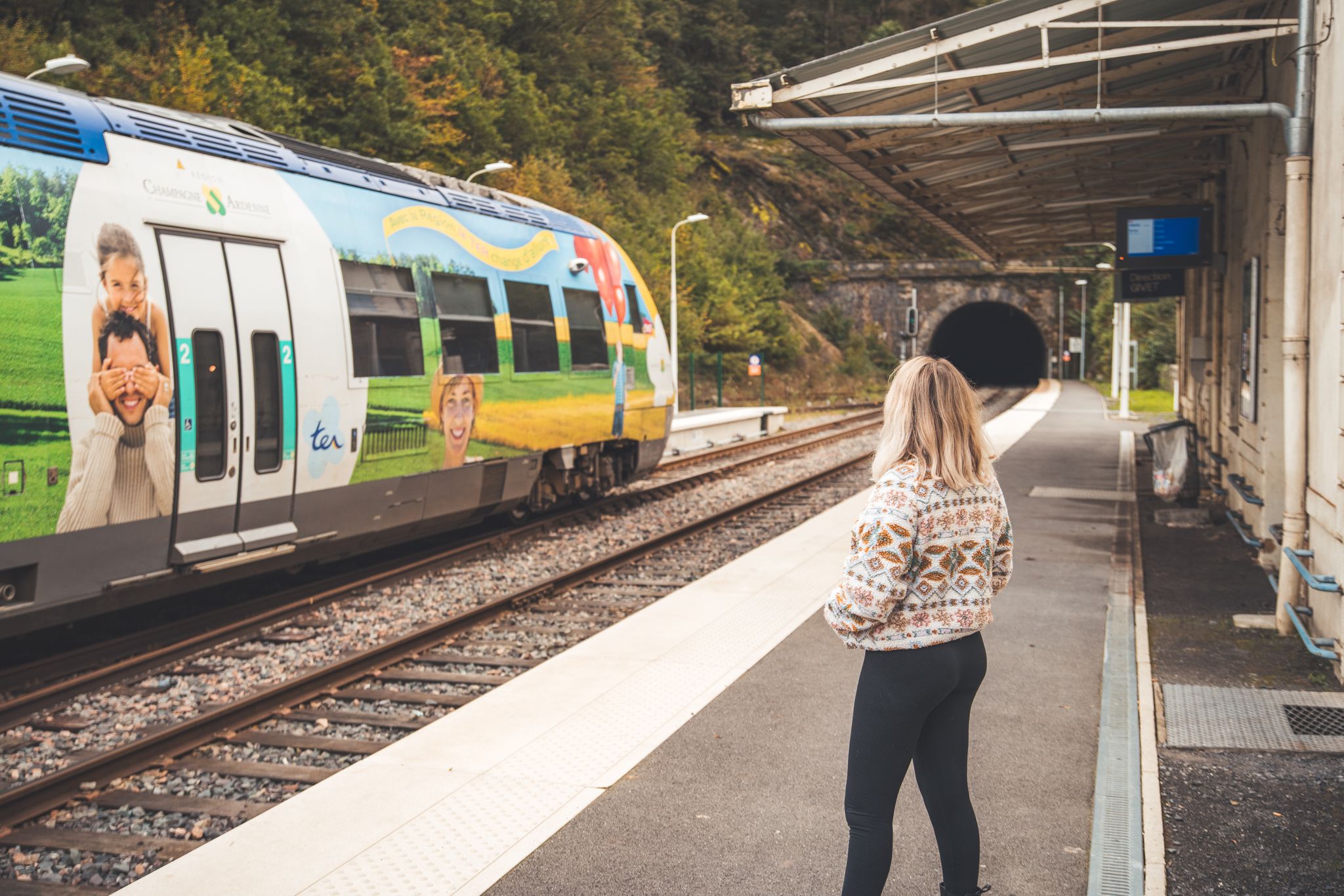
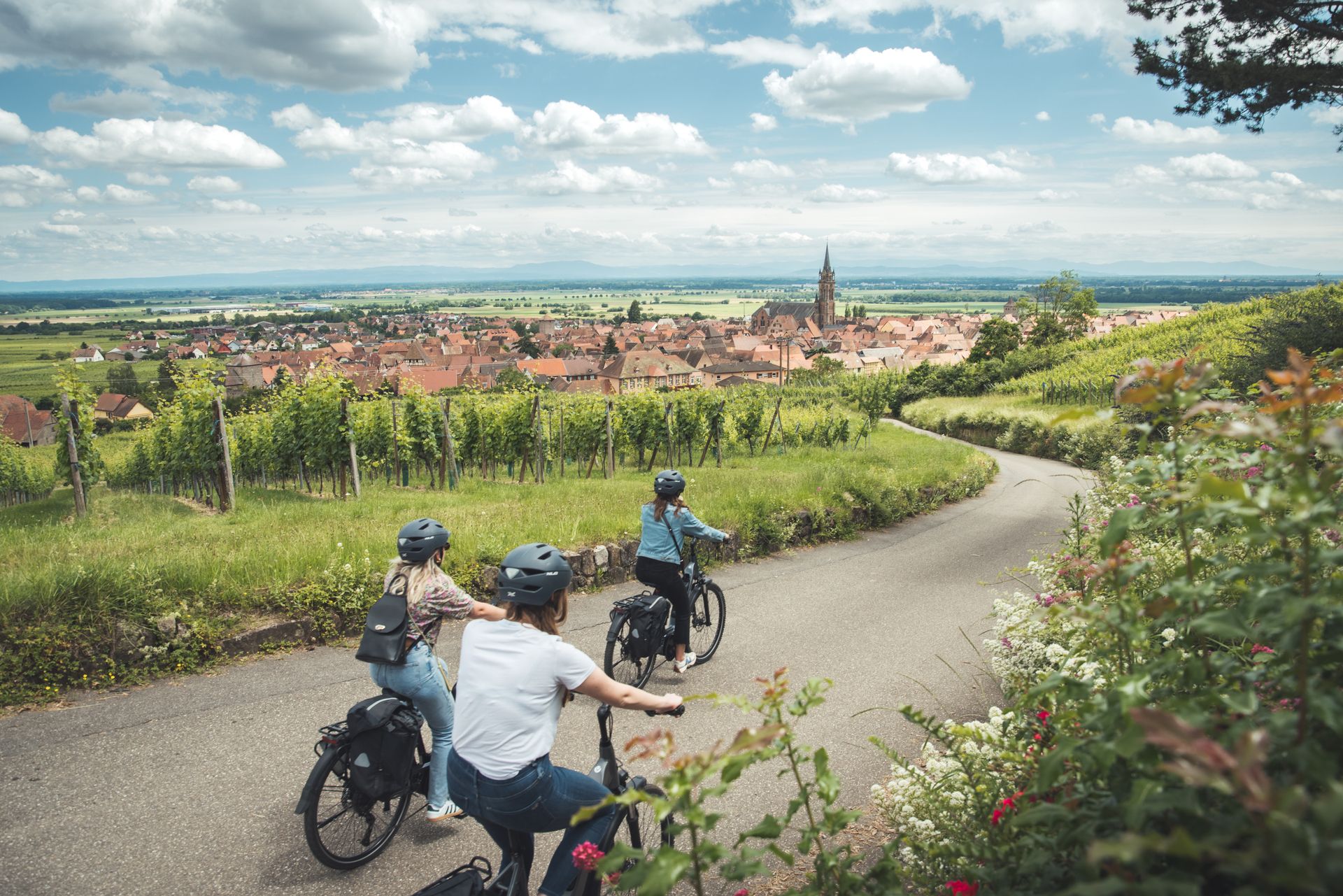
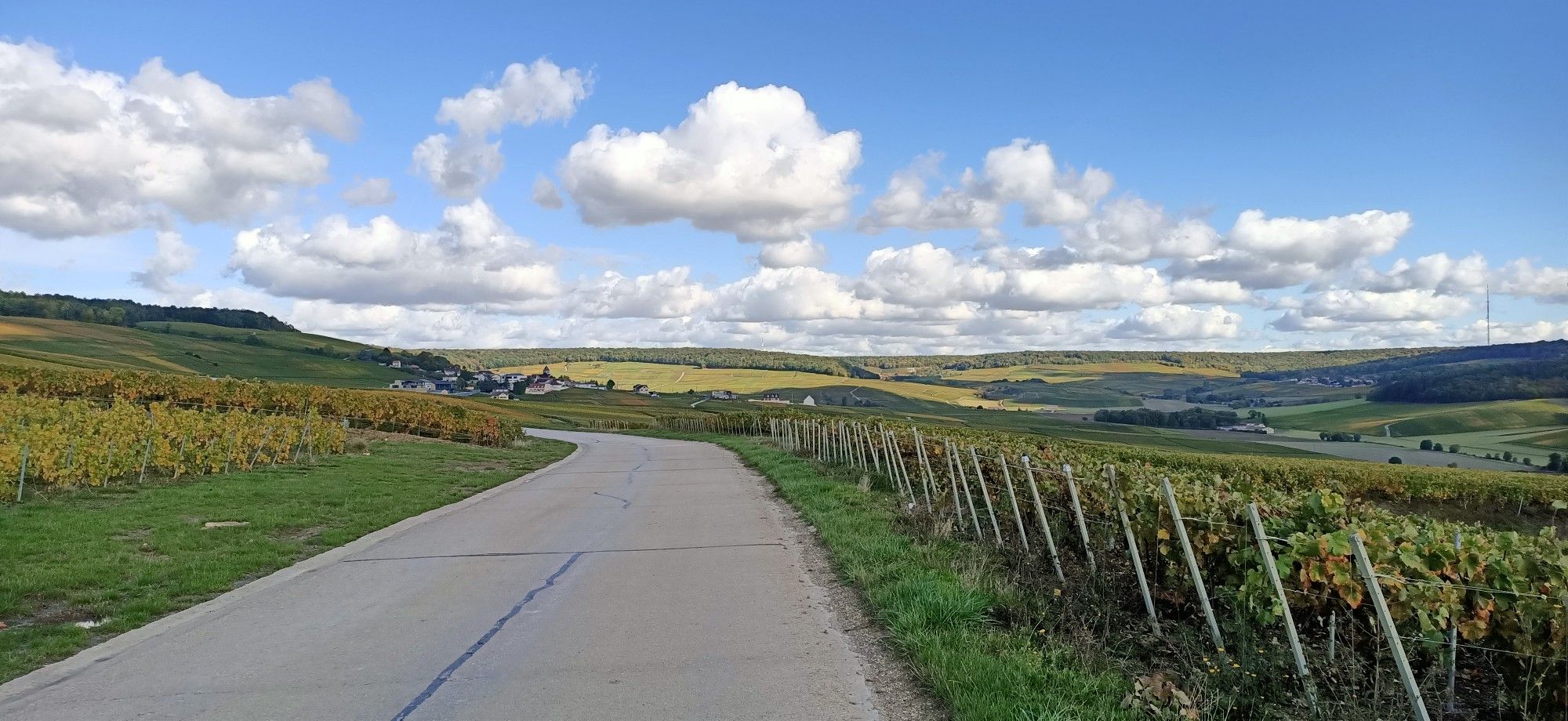
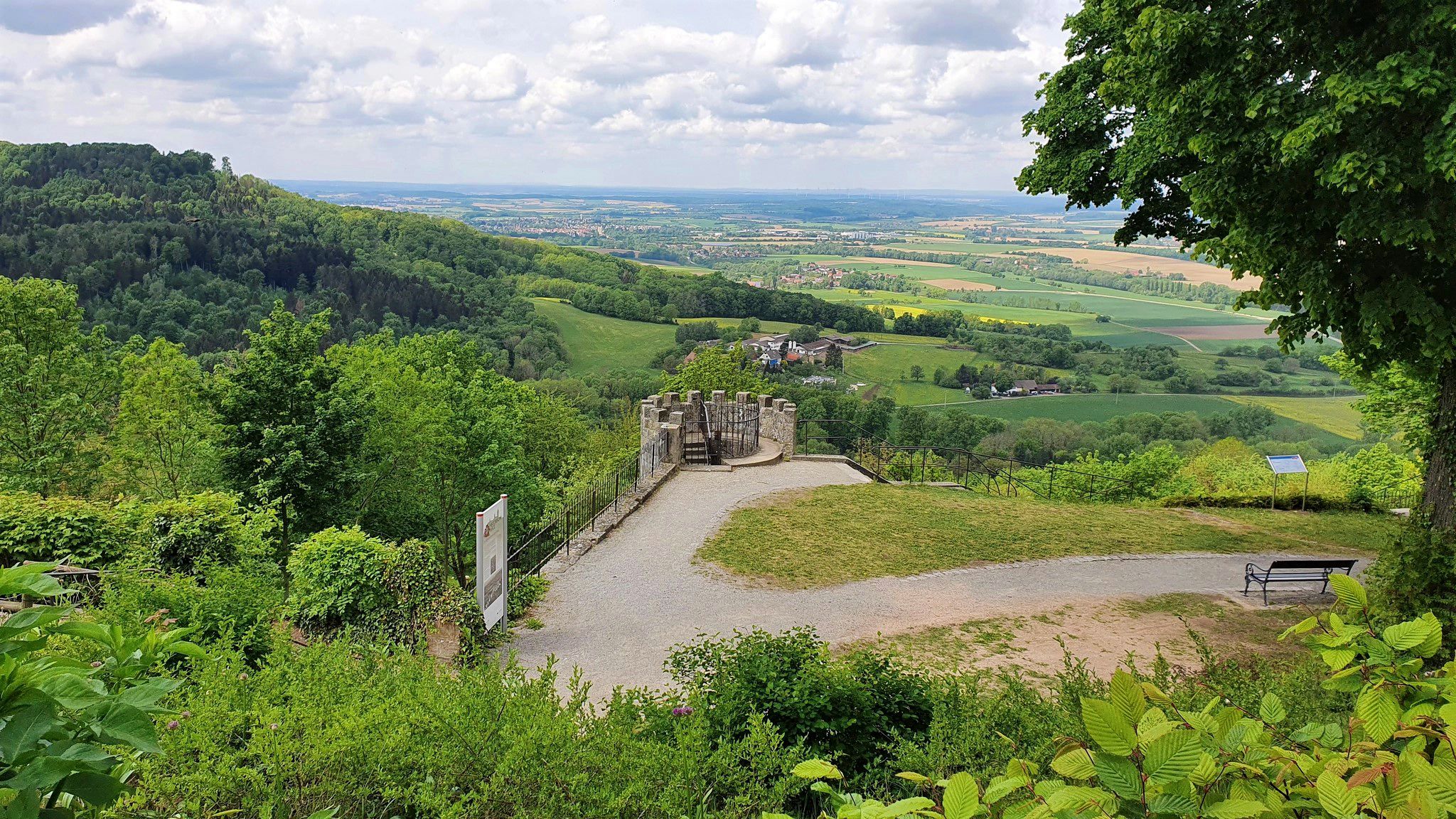
Other adventures around Épernay


Tips from the Community

The Avenue de Champagne in Épernay is a prestigious 1.6-kilometer-long avenue known as the "richest avenue in the world" for its millions of bottles of champagne in underground cellars. Along the avenue are famous champagne houses, historic villas, gardens, and two listed monuments: the City Hall and Château Perrier. The avenue is the city's main tourist attraction and the scene of events such as the "Soirée Blanche" and "Habits de Lumière." Since 2015, the avenue has been part of the Champagne UNESCO World Heritage Site.
3
1
Perrier-Jouët is a champagne house founded in 1811 by Pierre-Nicholas-Marie Perrier. The company is located in Épernay and has a house style characteristic of the city. Épernay is located near the Côte des Blancs, a region primarily planted with Chardonnay, and therefore uses a lot of Chardonnay in its champagnes. Source: Wikipedia
3
1

Some of the buildings are monumental and an expression of capital - but even the small winemakers have very good champagnes to offer that are in no way inferior to the big houses!
1
0

The beginning of the most famous street in the entire Champagne region, with a selection of renowned champagne houses on either side of the avenue, each more chic - or more pompous - than the last.
1
0
Champagnes Mercier Blanc de Noir is described as the house's iconic champagne. It contains only Pinot Noir (80%) and Pinot Menunier (20%), hence the name. Mercier Brut contains 20% Chardonnay and a relatively high proportion of Pinot Meunier, which prevents the champagne from aging optimally. This champagne is sold young and should be consumed quickly. Mercier Brut Millésimé contains 50% Chardonnay, primarily from the Montagne de Reims. The grapes used are from a single vintage. Mercier Brut Rosé, a rosé champagne, is made of 60% Pinot Noir and 40% Pinot Meunier. Mercier Cuvée Boulle d'Or is the prestige cuvée. Formerly sold under the name Réserve de l'Émpereur, this champagne, which is only produced in small quantities, contains 60% Chardonnay. The bottle bears no vintage. Pinot Meunier produces a lively, fresh, and floral champagne. The vine is winter-hardy, and the grape ripens early in the autumn, increasing the chances of a good harvest in the northern Champagne region. The fact that the wine from this grape doesn't age as well isn't a problem for a house like Mercier; they prefer an accessible, fresh, and affordable champagne.[2] Source: Wikipedia
3
0
Mercier owns 225 hectares of vineyards in 20 crus, but also buys harvests from contract growers to supplement its own grape harvest. Some of the grapes come from the less-regarded departments of Aisne and Aube, located a considerable distance from Épernay. This allows the wine to be produced more cheaply than that of other Champagne houses. Mercier champagnes cost half or less than those of Champagne houses like Taittinger and Moët & Chandon. Mercier sells approximately 7 million bottles of champagne annually. The Mercier Champagne House is part of Louis Vuitton Moët Hennessy (LVMH). This holding company owns several Champagne houses, namely Moët & Chandon, Veuve Clicquot, Canard-Duchêne, Ruinart, and Henriot.
3
0
Mercier is a popular champagne company, founded in 1858 by Eugène Mercier. Mercier has always used advertising designed to entice the masses to drink champagne. In 1889, Mercier presented a cask at the World's Fair in Paris that could hold 210,000 bottles of champagne. In 1900, thousands of visitors to the World's Fair, champagne glasses in hand, were allowed to float over Paris in a large balloon. At the Espace Mercier in Épernay, you can visit the giant cask and ride an electric train through part of the 18-kilometer cellars carved into the limestone cliffs.
3
0
In 2011[9], the idea for the current Museum of Champagne and Regional Archaeology was born. The project was approved by the French Ministry of Culture in 2014, and in 2016 the renovation work was entrusted to the architectural firm Frenak + Jullien. Work began in 2018, under the supervision of the chief architect of historical monuments Lionel Dubois. Château Perrier has now been restored and contains one of the most important archaeological exhibits in France, with some 80,000 regional artefacts (dating from the Paleolithic to the Early Middle Period) and 4,000 artefacts relating to the history of Champagne wine (since 1960).[10]
4
0
Frequently Asked Questions
How many bus-accessible hiking trails are there around Épernay?
There are over 75 hiking routes around Épernay that are easily accessible from bus stations, offering a wide range of options for all skill levels. You'll find everything from leisurely strolls through vineyards to more challenging treks in the Montagne de Reims Regional Natural Park.
What kind of landscapes can I expect on bus-accessible hikes near Épernay?
Hiking from Épernay's bus stations will immerse you in the iconic landscapes of the Champagne region. Expect to traverse sprawling vineyards, dense forests within the Montagne de Reims Regional Natural Park, and paths along the picturesque Marne Valley. Many trails also offer breathtaking views from chalk ridges like the Côte des Blancs.
Are there any easy, family-friendly hikes accessible by bus from Épernay?
Yes, there are many easy, family-friendly options. For a gentle introduction, consider the Champagne House Boizel – Town Hall loop from Épernay, which is a short, easy walk within the town itself. Many trails winding through villages and vineyards are also suitable for families, though stroller accessibility can vary depending on the path surface.
Can I bring my dog on these bus-accessible trails?
Generally, dogs are welcome on most hiking trails in the Épernay region, especially in natural areas like the Montagne de Reims Regional Natural Park. However, it's always best to keep them on a leash, particularly when passing through vineyards, agricultural land, or near wildlife. Be mindful of local regulations, especially in protected areas or when using public transport to reach trailheads.
Which bus-accessible trails offer the best panoramic views of the Champagne vineyards?
For truly unforgettable panoramic views, look for routes that ascend to points like Mont Bernon or the Belvedere of Cramant. The Mount Bernon – Saran Castle loop from Épernay, while moderate, offers expansive vistas of the vineyards, Épernay, and the Marne Valley. Many trails passing through villages like Hautvillers or Chavot-Courcourt also provide stunning vineyard panoramas.
Are there any historical or cultural landmarks I can visit on bus-accessible hikes?
Absolutely! Many bus-accessible routes pass by significant landmarks. For instance, trails around Hautvillers often lead to the historic Abbaye de Hautvillers, known as the 'birthplace of Champagne.' Within Épernay, you can explore the famous Avenue de Champagne or the Town Hall. The region is dotted with charming villages, each with its own historical character.
What are some good options for a half-day hike from an Épernay bus station?
For a rewarding half-day hike, consider routes that are typically between 5 to 10 kilometers. The Moët Loge – Saran Castle loop from Chouilly is a moderate option just under 10 km, offering a good balance of distance and scenery. Shorter loops directly from Épernay, like the Town Hall – Épernay Central Square loop, are also perfect for a quick exploration.
Are there circular hiking routes accessible by bus from Épernay?
Yes, many of the hiking routes accessible by bus from Épernay are designed as circular loops, allowing you to start and end at the same point without needing to retrace your steps. This is ideal for exploring the diverse landscapes without logistical concerns. Look for routes explicitly labeled as 'loop' or 'circuit' in their descriptions.
What is the best time of year to go hiking from Épernay's bus stations?
The best time for hiking in the Épernay region is generally from spring to autumn (April to October). Spring brings blooming wildflowers and fresh greenery, while autumn offers stunning colors in the vineyards and forests, especially during harvest season. Summers are pleasant, but can be warm, so early mornings or late afternoons are recommended. Winter hiking is possible, but some paths might be muddy or slippery, and bus schedules may be reduced.
Are there any moderate or more challenging bus-accessible hikes for experienced hikers?
Yes, for those seeking a more challenging experience, there are several moderate to difficult routes. The Mount Bernon – Moët Loge loop from Chouilly is a moderate, longer hike that covers significant elevation changes and offers extensive views. These routes often venture deeper into the Montagne de Reims or explore the chalk ridges, providing more strenuous climbs and descents.
Can I find places to eat or drink along bus-accessible hiking routes?
Many bus-accessible hiking routes pass through or near charming Champagne villages such as Hautvillers, Ay, or Chouilly. These villages often have local bakeries, cafes, restaurants, or even Champagne houses where you can stop for refreshments or a meal. It's a great way to experience local culture and cuisine during your hike.
What do other hikers say about the bus-accessible trails around Épernay?
The bus-accessible trails around Épernay are highly rated by the komoot community, with an average score of 4.4 stars. Reviewers often praise the stunning vineyard views, the well-maintained paths, and the convenience of accessing beautiful natural areas directly from public transport. Many highlight the unique experience of walking through a UNESCO World Heritage landscape.
Most popular routes around Épernay
Most popular attractions around Épernay

Get inspired with the komoot mobile app


Explore more
Browse the best Hikes in other regions.
