The best traffic-free bike rides around Villamartín
4.7
(42)
718
riders
49
rides
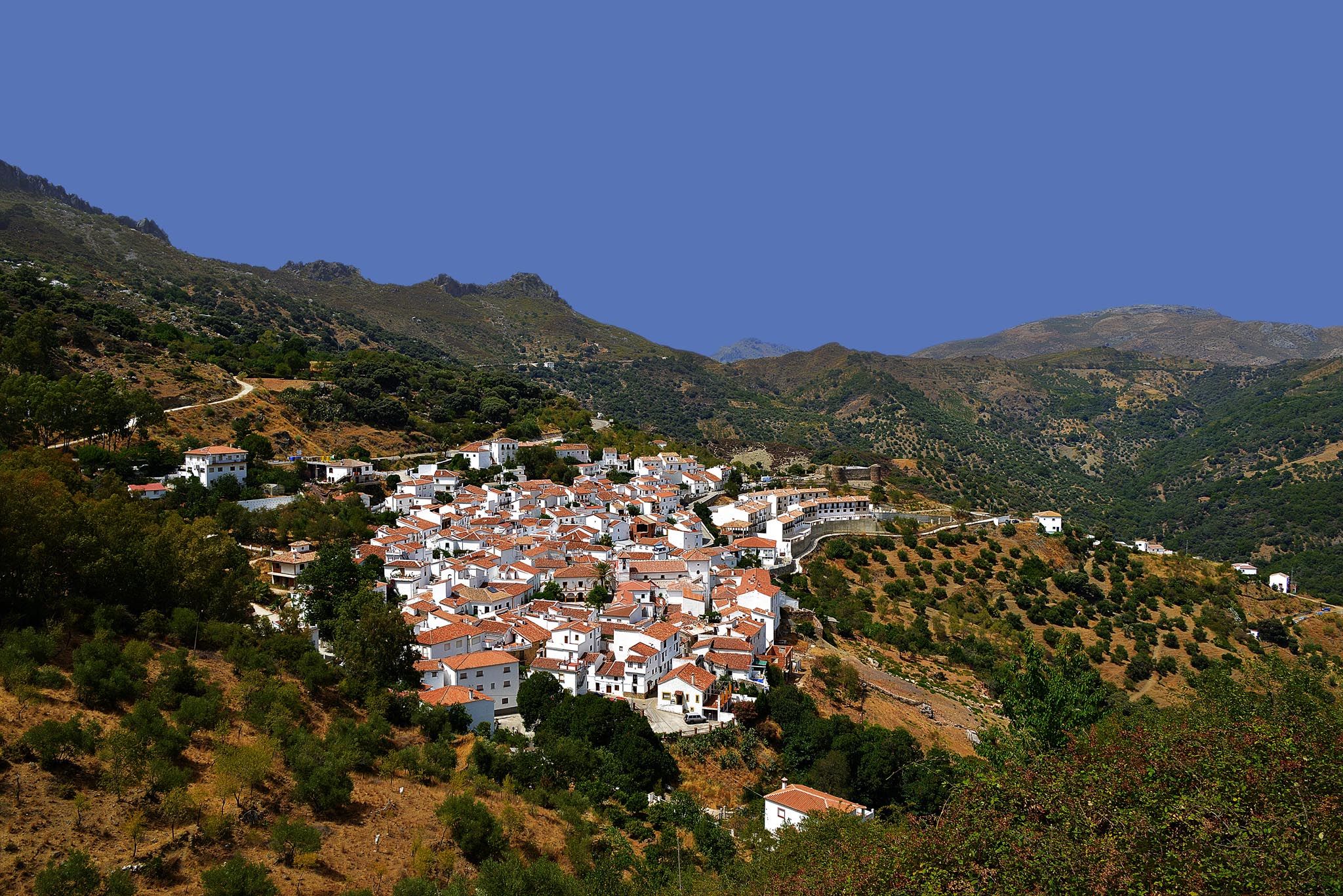
Touring cycling around Villamartín offers diverse landscapes, including river valleys, gentle hills, and coastal proximity. The region features Mediterranean scenery with palm trees and pines, providing varied terrain for cyclists. Natural areas like the Bornos Reservoir and unique salt lakes near Torrevieja present distinctive natural beauty. The topography supports a range of routes, from less challenging rides to more demanding excursions with elevation gains.
Best no traffic touring cycling routes around Villamartín
- The most popular no traffic touring cycling route…
Last updated: July 15, 2026
13
riders
Hard bike ride. Very good fitness required. Mostly paved surfaces. Suitable for all skill levels.
10
riders
73.9km
06:44
1,440m
1,440m
Hard bike ride. Very good fitness required. Mostly paved surfaces. Suitable for all skill levels.

Sign up for free
5.0
(1)
9
riders
52.5km
03:40
890m
890m
Hard bike ride. Very good fitness required. Mostly paved surfaces. Suitable for all skill levels.
7
riders
Moderate bike ride. Good fitness required. Mostly paved surfaces. Suitable for all skill levels.
5.0
(1)
4
riders
Moderate bike ride. Good fitness required. Mostly paved surfaces. Suitable for all skill levels.
Get access to more routes and recommendations from other explorers.
Sign up for free
Already have an account?
Our route recommendations are based on thousands of hikes, rides, and runs completed by other people on komoot.
Start today with a free account
Your next adventure awaits.
Login or Signup
Other adventures around Villamartín

Tips from the Community

They have a great menu at affordable prices 👍
0
0

The Guadalete is a river in the south of Spain, in the region of Andalusia. The river rises near Grazalema (near the Peñón Grande) and flows 157 kilometres further on in El Puerto de Santa María, in the Gulf of Cádiz, into the Atlantic Ocean.
7
0
Puerto Serrano is a farming village located in a rolling rural area at the northwestern edge of the Sierra de Cádiz mountains. The town is situated just off the highway from Seville to Ronda, near the border with the province of Seville, but is easily overlooked by those heading to either city. Puerto Serrano, modern in appearance and with a population of about 7,000, is located near the Guadalete River and, to the south, a hill called Picacho.
8
0
The Iglesia de Santa María Magdalena in Puerto Serrano is a beautiful church located on Calle de la Magdalena. It was originally built in the 17th century, but was given its current neoclassical style after a renovation in the late 18th century, thanks to the initiative of Fernando Rosales. The church has an impressive three-window elevation with red marble columns and a bell tower. Inside is the baptistery and the sacristy, and the paintings are in the style of the School of Seville, similar to the work of Alonso Cano.
7
0
A large picnic area where indeed quite a few cars are parked. Plenty of space.
8
0
The terminus of the Vía Verde de la Sierra between Olvera (Cádiz) and Puerto Serrano, built on the old railway infrastructure between Jerez de la Frontera and Almargen, built at the beginning of the twentieth century but never used due to a collective suicide of more than 20 inhabitants, which was created by a Masonic sect. The station is currently dedicated to rural tourism.
9
0
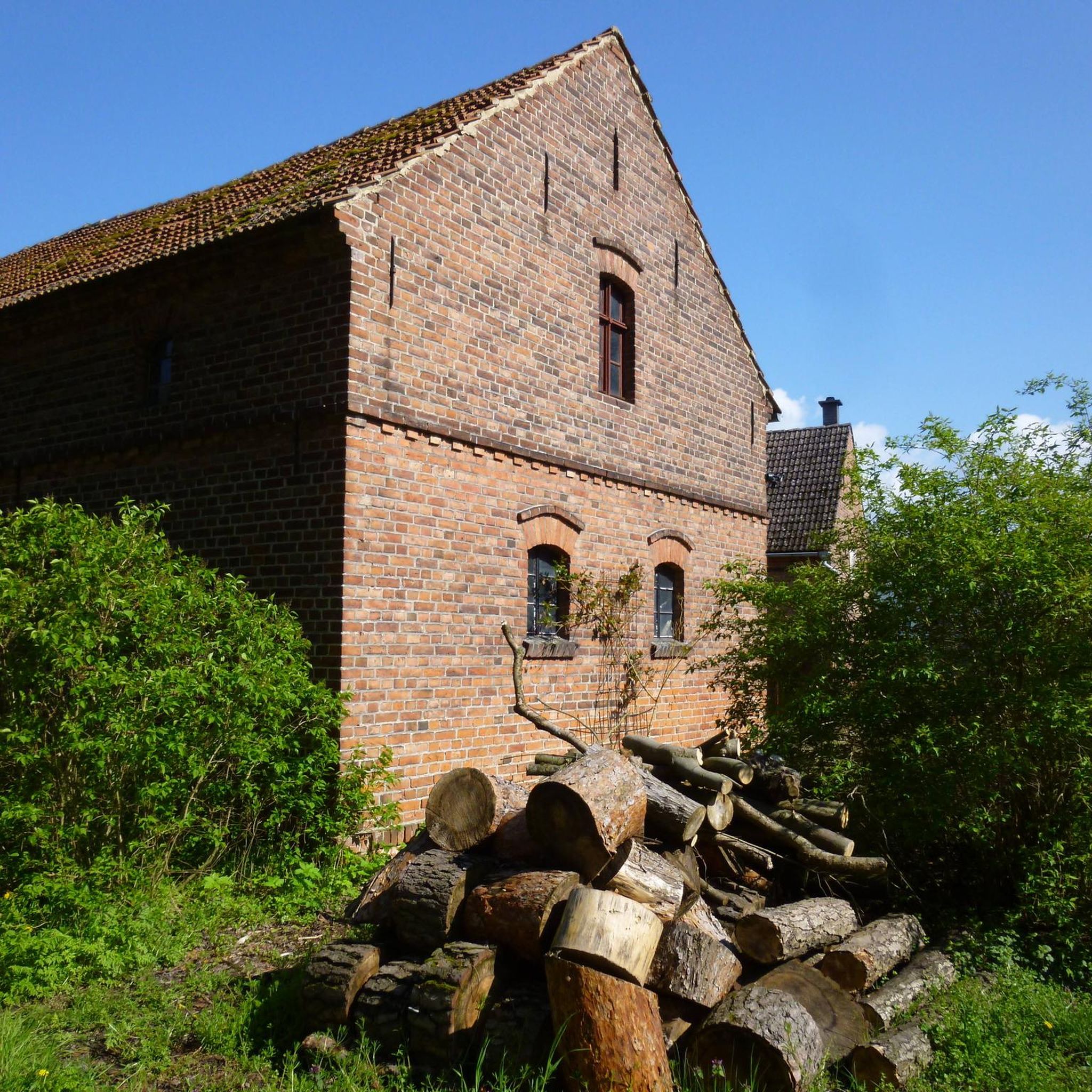
The Molino de Siré is a historic molino in Puerto Serrano, located in the Sierra de Cádiz. Originally built as a Carmelite convent in the 17th century, it was later converted into an oil and grain mill. The molino has a beautiful fachada with a large tower and a central square that has now been adapted to the function of the mill. The building has been recognised as a Site of Special Cultural Heritage by the Junta de Andalucía.
7
0
The Salinas Romanas de Iptuci are located in Prado del Rey, in the province of Cádiz and are one of the last inland salt production areas still in use in the province. These salt production areas have a rich history dating back to the Phoenicians, approximately 3,000 years ago, and were later developed during the Roman period. The salt production areas use hot underground springs that bring water with a high salt content to the surface. The water is gradually concentrated in different basins, where the salt crystals are finally isolated by evaporation under the sun.
8
0
Frequently Asked Questions
How many no-traffic touring cycling routes are available around Villamartín?
There are over 40 dedicated no-traffic touring cycling routes around Villamartín, offering a wide range of options for various skill levels. These routes allow you to explore the diverse landscapes of the Costa Blanca region.
What is the best time of year for no-traffic touring cycling in Villamartín?
Villamartín enjoys a Mediterranean climate with approximately 300 days of sunshine annually, making it suitable for year-round cycling. However, the spring (March-May) and autumn (September-November) months offer particularly pleasant temperatures, ideal for touring without the intense summer heat.
Are there any easy no-traffic touring cycling routes suitable for beginners or families?
Yes, Villamartín offers several easier no-traffic routes perfect for beginners or families. These routes often feature gentler terrain and shorter distances. While specific easy routes are not detailed here, komoot's guide lists 3 easy routes, and the region's Vía Verde de la Sierra trail is known for being accessible and scenic.
What kind of landscapes can I expect on these no-traffic cycling routes?
The no-traffic routes around Villamartín traverse a diverse range of landscapes. You'll encounter picturesque Mediterranean scenery with palm trees and pines, river valleys, gentle hills, and unique salt lakes. Some routes also offer views of reservoirs like the Bornos Reservoir, providing a varied and scenic cycling experience.
Are there any circular no-traffic touring cycling routes?
Yes, many of the no-traffic touring cycling routes around Villamartín are designed as loops, allowing you to start and finish at the same point. An example is the Roman Saltworks of Iptuci – Bornos Reservoir Viewpoint loop from Villamartín, which offers extensive views and a rewarding circular journey.
What are some interesting sights or landmarks along the no-traffic cycling routes?
The routes often pass by significant natural and historical points of interest. You can explore areas like the Majaceite River Trail, the Ruins of the Majaceite River Water Mill, or cycle along sections of the Vía Verde de la Sierra, which features old railway lines, tunnels, and viaducts like the Viaducto de Los Azares.
How long are the no-traffic touring cycling routes in Villamartín?
The routes vary significantly in length. You can find shorter routes, such as the Prado del Rey – Roman Saltworks of Iptuci loop from Prado del Rey at approximately 24 km, to longer, more challenging expeditions like the Roman Saltworks of Iptuci – View of the Majaceite Valley loop from Villamartín, which spans over 73 km.
Are there advanced or challenging no-traffic cycling routes for experienced riders?
Absolutely. Villamartín offers 21 difficult-grade no-traffic touring cycling routes for experienced riders. These routes often feature significant elevation gains and longer distances, such as the Viaducto de Los Azares – Bastian Tunnel loop from Villamartín, which covers over 68 km with substantial climbing.
What do other touring cyclists enjoy most about the no-traffic routes in Villamartín?
The komoot community highly rates the touring cycling experience in Villamartín, with an average score of 4.5 stars. Reviewers often praise the region's diverse and picturesque Mediterranean landscapes, the quiet roads, and the opportunity to combine cycling with cultural exploration of historical sites and natural features like the Bornos Reservoir.
Is public transport available to reach the starting points of these no-traffic cycling routes?
While Villamartín itself is a well-known destination, public transport options directly to the specific starting points of all no-traffic cycling routes can be limited. It's often recommended to use a car to reach the main trailheads or consider local bike rental services that might offer delivery or guided tours from central locations.
Are there cafes or places to stop for refreshments along the no-traffic touring cycling routes?
Many routes pass through or near small towns and villages where you can find local cafes, restaurants, or shops to refuel. While specific amenities vary by route, the region is generally well-equipped to cater to cyclists, especially in more populated areas or along popular trails like the Vía Verde de la Sierra.
Most popular routes around Villamartín
Most popular attractions around Villamartín

Get inspired with the komoot mobile app


Explore more
Browse the best Cycling routes in other regions.
