Attractions and Places To See around Szczebrzeszyński Park Krajobrazowy - Top 15
Best attractions and places to see around Szczebrzeszyński Park Krajobrazowy offer a diverse range of experiences, from historical sites to natural geological features. The region is characterized by its unique loess gorges and extensive forests, providing opportunities for exploration. Visitors can discover significant religious buildings and tranquil natural spots, making it a destination for those interested in both cultural heritage and outdoor activities.
Best attractions and places to see around Szczebrzeszyński Park Krajobrazowy
- The most popular attraction is World War…
Last updated: July 8, 2026
St. Isidore's Church in Topólcza
Highlight • Religious Site
Translated by Google •
Tip by

Pond in Podlesie Małe
Highlight • Lake
Translated by Google •
Tip by
Sign up now to discover places like this
Get recommendations on the best single tracks, peaks, & plenty of other exciting outdoor places.
Sign up for free
Basilica of St. Anthony of Padua in Radecznica
Highlight • Religious Site
Translated by Google •
Tip by

World War I Cemetery in Zaporze
Highlight • Historical Site
Translated by Google •
Tip by
Loess gorge
Highlight • Gorge
Translated by Google •
Tip by
Sign up for free to discover even more attractions around Szczebrzeszyński Park Krajobrazowy.
Sign up for free
Already have an account?
Start today with a free account
Your next adventure awaits.
Login or Signup
Popular around Szczebrzeszyński Park Krajobrazowy
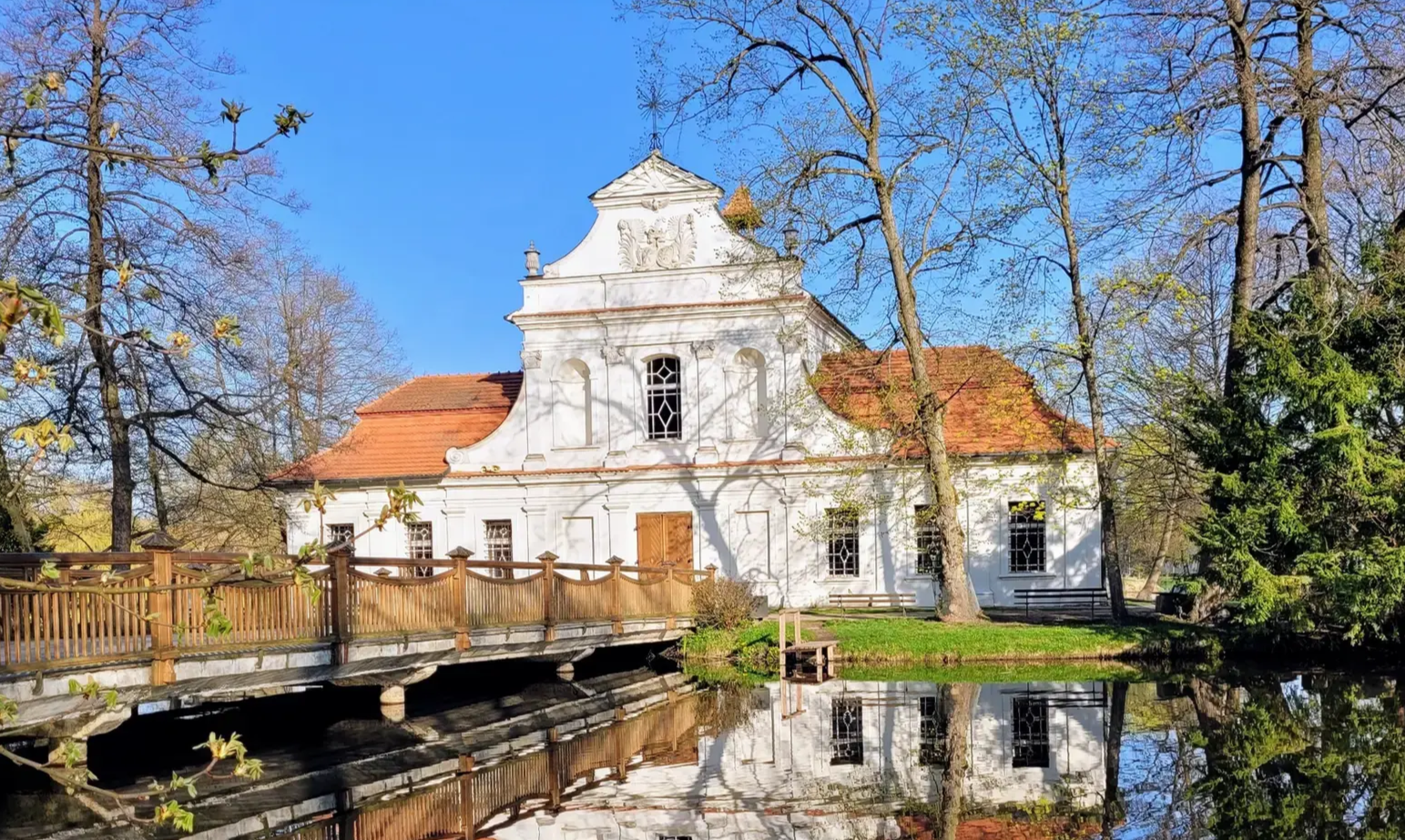
Central Roztocze Trail - beautiful forests and magnificent monuments
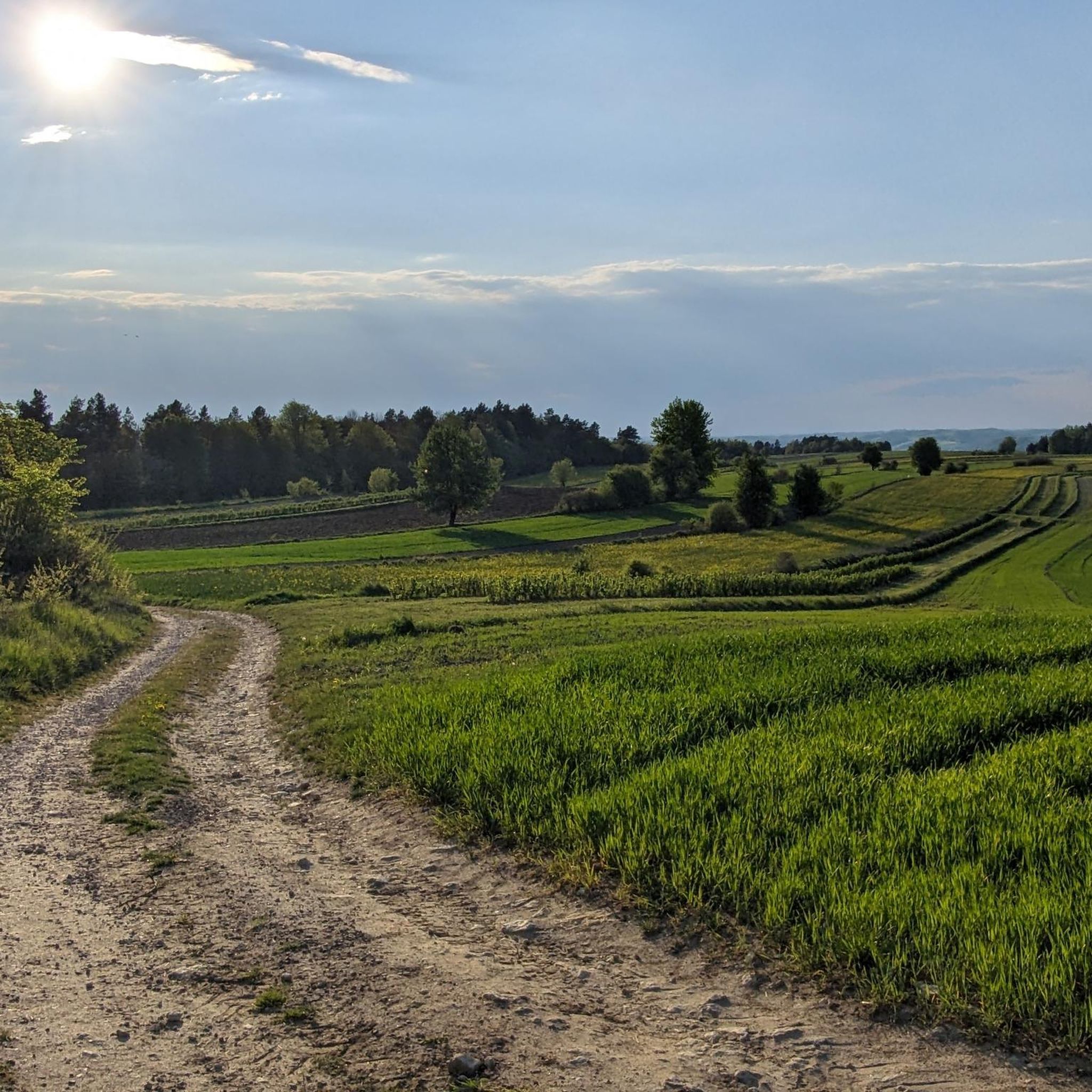
Hiking around Szczebrzeszyński Park Krajobrazowy
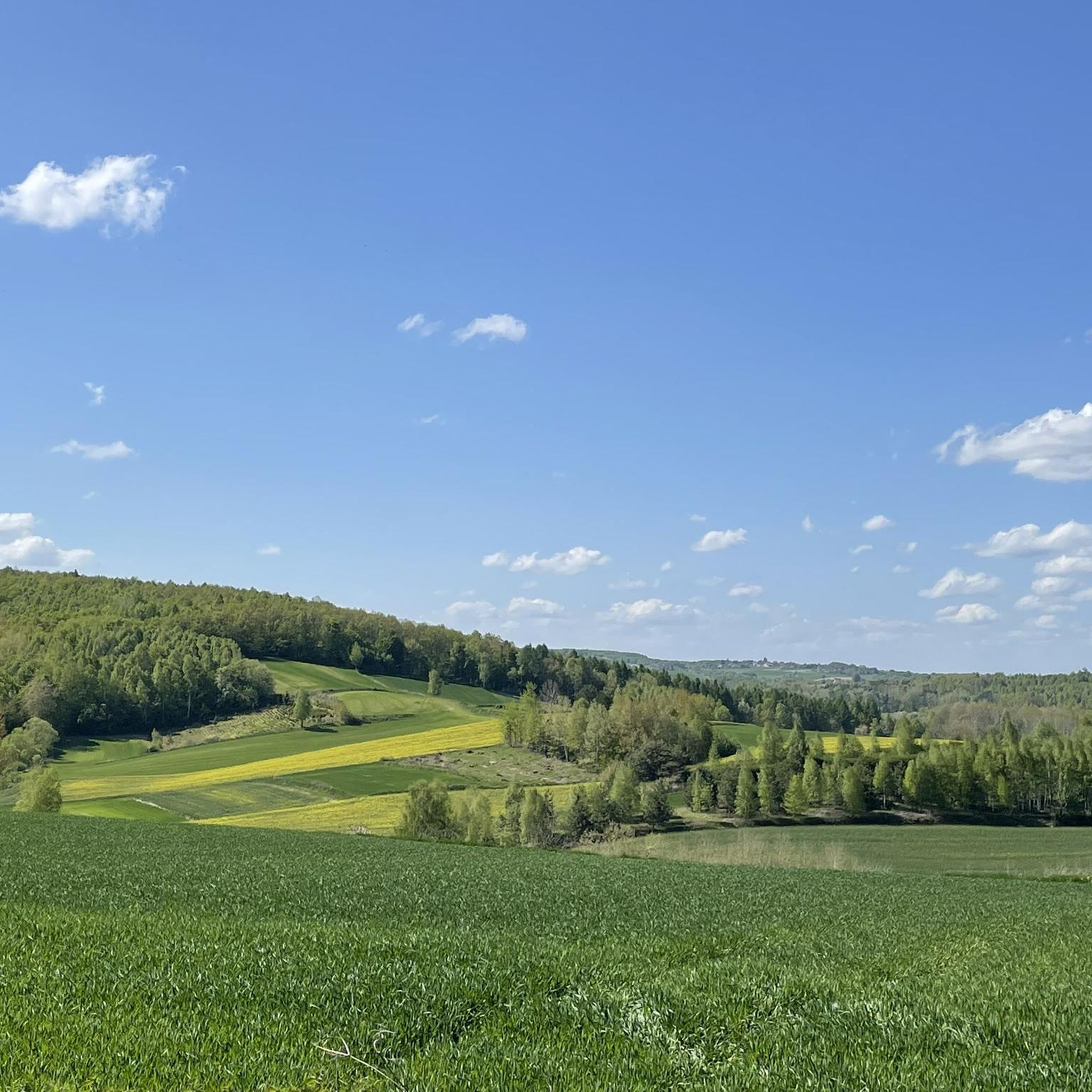
Road Cycling Routes around Szczebrzeszyński Park Krajobrazowy
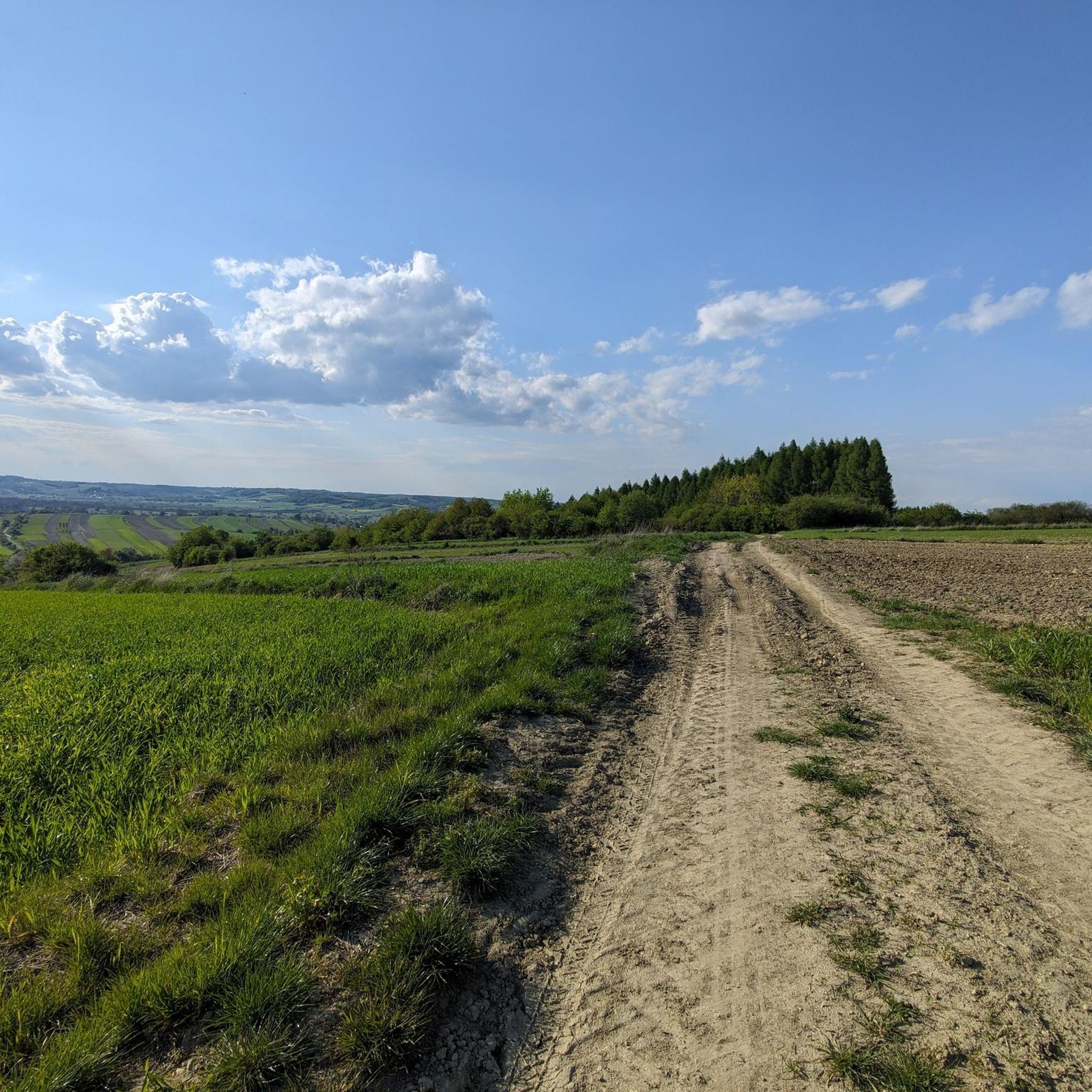
Running Trails around Szczebrzeszyński Park Krajobrazowy
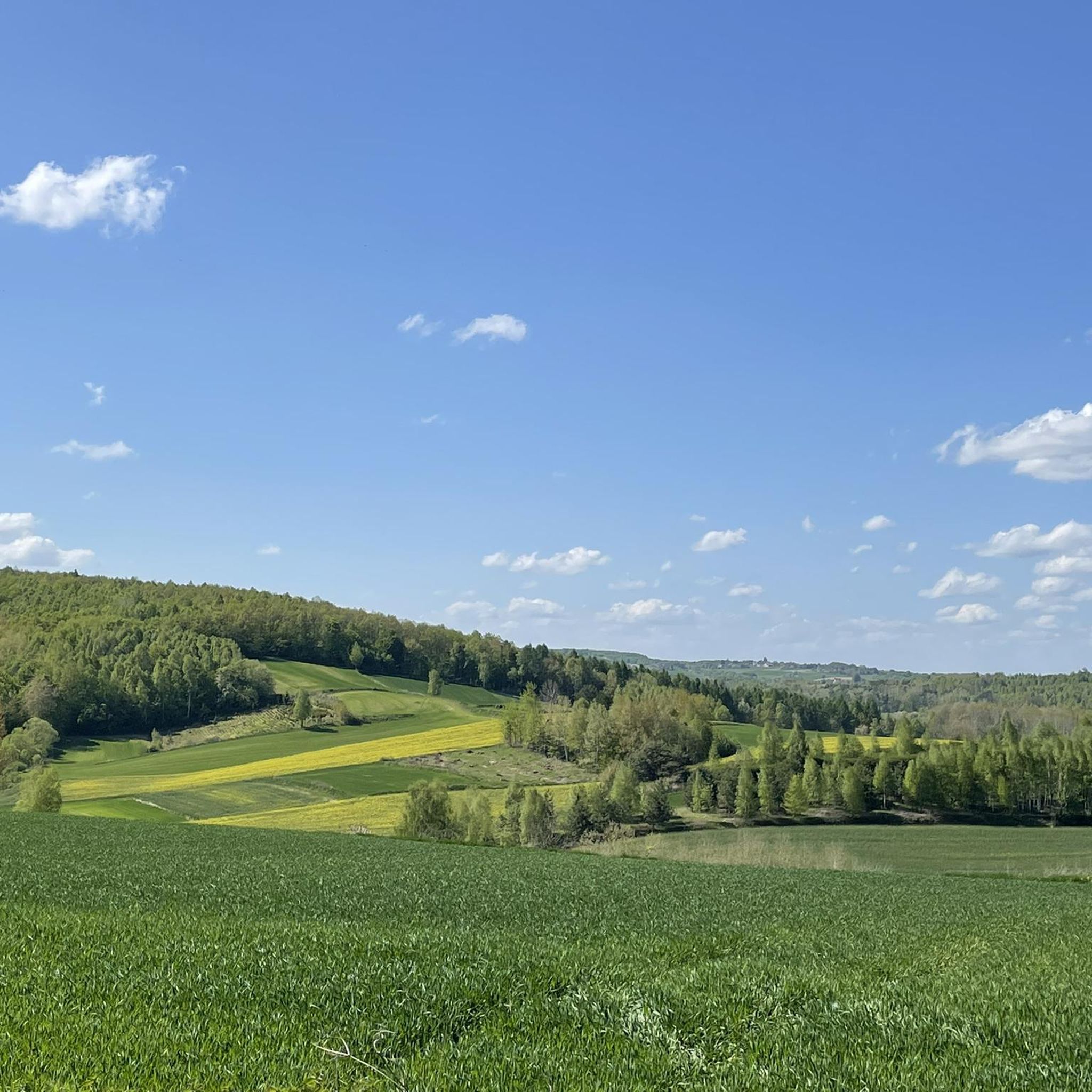
MTB Trails around Szczebrzeszyński Park Krajobrazowy
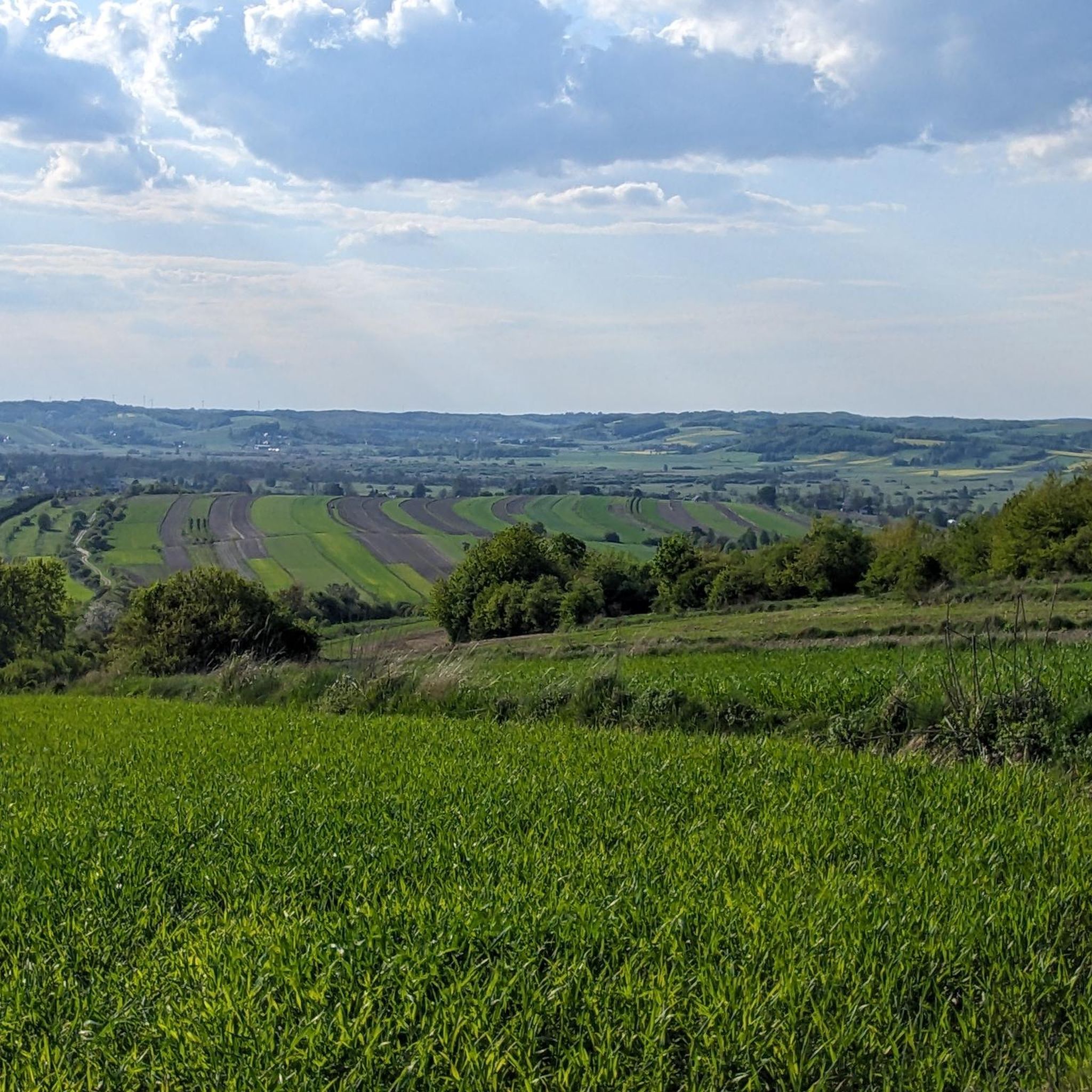
Cycling around Szczebrzeszyński Park Krajobrazowy
Gravel biking around Szczebrzeszyński Park Krajobrazowy
Other adventures around Szczebrzeszyński Park Krajobrazowy

Tips from the Community

A historic war cemetery. 2,090 Austrian soldiers and 1,672 soldiers from the Tsarist army are buried here in mass graves. At the entrance is the Church of Our Lady of the Immaculate Conception, founded by the Olejarski family from Zaporz in 1921.
0
0
A historic Baroque church and Bernardine monastery. The basilica is dedicated to St. Anthony of Padua, who appeared to Simon, a weaver from the village of Radecznica, on nearby Łysa Góra. The church has a long history dating back to the 17th century and is well worth a visit.
0
0

When visiting Topólcza, it is worth stopping by the local church, which has an interesting, multicultural history. Originally an Orthodox church, later a Uniate church, it eventually became a Catholic church. The church's architecture features elements of the Byzantine style. Inside, the 17th-century painting of the Virgin Mary and Child and the polychromes made in 2002 are worthy of note. The area around Topólcza offers peaceful bike paths, perfect for a contemplative ride.
2
0
The reservoir in Podlesie Małe is a charming place in Roztocze, located right next to the Central Cycling Trail of Roztocze. It is a small reservoir surrounded by forests, which is an ideal stop for a rest during a bike trip. Here you can admire picturesque landscapes, and on hot days, cool off in the water or simply relax on the shore. There are forest paths nearby that encourage short walks. It is worth taking snacks and water with you, because there is no extensive catering infrastructure in the area.
1
0

In Topólcza, there was originally an Orthodox parish belonging to the Chełm diocese. The first mentions date back to the mid-16th century. After the Brest Synod in 1596, the Orthodox church in Topólcza became a Uniate (Greek Catholic) church of the Nativity of the Mother of God. After the fall of the January Uprising in 1864, when the wave of Russification in the Kingdom of Poland intensified, Tsar Alexander II Romanov abolished the union, forcing the Greek Catholics to convert to Orthodoxy in 1875. At that time, the parish priest in Topólcza was Fr. Jan Grzegorzewski, who submitted to the Tsar's order. In 1906, Vladimir Galikowski, another Orthodox parish priest in Topólcza, began efforts to build a brick church, the plans of which were made by the architect Aleksander Puring. The construction of the church in 1911, funded by the Paschałow family, was led by the brothers Gerwazy and Stanisław Kaczorowski from Warsaw. As a result of World War I, the Orthodox population in Topólcza and the surrounding area decreased significantly. At the end of June 1915, the last Orthodox priest, together with most of his faithful, fled from the approaching Austrian troops into the depths of Russia, and in 1917 the Austrians handed the church over to the Catholic Church. On April 5, 1919, the Bishop of Lublin, Marian Leon Fulman, established a Roman Catholic parish in Topólcza, appointing Fr. Jan Makulec as its parish priest. In May 1919, the so-called reconciliation of the temple took place, which was carried out by the dean from Szczebrzeszyn. The parish church in Topólcza, single-nave, in the Byzantine style, is built of red brick. There are two sacristies by the presbytery, and a tower with a porch on the pediment. Inside, there are wooden altarpieces for the main altar and two side altarpieces, adapted in 1919-1920 from its former furnishings. During the reconstruction of the church in the interwar period, among other things, the domes were removed and the roof was rebuilt. In the altarpiece of the main altar, there is a painting (icon) of the Mother of God with Child, painted on wood by Lviv painters, with a gilded dress from the first half of the 17th century. In the side altar, on the right side, there is a painting of St. Isidore the Orach, painted in 1927 in Warsaw, and on the left - a painting of the Sacred Heart of the Lord Jesus. The altars were rebuilt in 1969. In 2002, the painter Janusz Szpyt from Lubaczów created a polychrome in the church. At that time, the following icons were found: the Nativity of the Mother of God, an angel with a tablet with 12 feasts, the baptism of Jesus in the Jordan, and Orthodox saints (patrons of the founders of the church). A scene of the offering of the Mother of God was painted on the ceiling of the presbytery, and the figures of the four evangelists with attributes (St. John - eagle, St. Luke - ox, St. Mark - lion, and St. Matthew - angel). Above the altars of the side altars were paintings of the Servants of God: John Paul II and Stefan Cardinal Wyszyński. In 2003, two stained glass windows were installed in the presbytery: Jesus the Merciful and Our Lady of the Sowing. Sculptures created during the annual Roztocze sculpture open-airs were placed around the temple. In 2005, the relics of St. Isidore were brought from the Vatican to the church in Topólcza. To commemorate the pilgrimage of the copy of the Image of Our Lady of Częstochowa and the 85th anniversary of the parish, a new belfry was built in 2004, which currently houses bells named Józef and Mary, consecrated on October 20, 1957 by the dean of Szczebrzeszyn, Fr. Stanisław Szepietowski.
0
2
Near Szczebrzeszyn, in the Szczebrzeszyn Landscape Park, you will find paths through beautiful loess gorges, which everyone associates only with Kazimierz Dolny. The path leads through a beautiful dense forest. An ideal place to stay in silence among nature. After rainfall, it may be difficult to walk through the mud that forms.
3
0

Beautiful Church of St. Anthony
0
0

Beautiful church and monastery from the 17th century. https://pl.wikipedia.org/wiki/Bazylika_%C5%9Bw._Antoniego_z_Padwy_w_Radecznicy
0
0
Frequently Asked Questions
What kind of historical sites can I visit around Szczebrzeszyński Park Krajobrazowy?
The region offers significant historical sites, including the World War I Cemetery in Zaporze, a solemn resting place for over 3,700 Austrian and Tsarist soldiers. You can also explore the Basilica of St. Anthony of Padua in Radecznica, a historic Baroque church and Bernardine monastery dating back to the 17th century, and St. Isidore's Church in Topólcza, known for its multicultural history and Byzantine architectural elements.
Are there any natural attractions or geological features to explore?
Yes, Szczebrzeszyński Park Krajobrazowy is known for its unique natural features. You can explore impressive loess gorges, similar to those found in Kazimierz Dolny, which offer paths through dense forests. Additionally, the Pond in Podlesie Małe provides a charming natural reservoir surrounded by forests, perfect for a rest or a short walk.
What outdoor activities can I do near these attractions?
The area around Szczebrzeszyński Park Krajobrazowy is excellent for outdoor activities. You can find numerous routes for cycling, including the Central Cycling Trail of Roztocze. For hikers, there are options ranging from easy trails like the Historical and natural trail to Wzgórze Polak, to more challenging hiking routes, such as the Shelter in Uszczany Dół Ravine – Loess gorge loop.
Are there family-friendly attractions in the area?
Many attractions around Szczebrzeszyński Park Krajobrazowy are suitable for families. The World War I Cemetery in Zaporze and the Basilica of St. Anthony of Padua in Radecznica offer educational and cultural experiences. For nature, the Pond in Podlesie Małe is a great spot for a relaxing break with forest paths nearby. St. Isidore's Church in Topólcza also welcomes families interested in its unique history.
What is the difficulty level of hiking trails in Szczebrzeszyński Park Krajobrazowy?
Hiking trails in the park vary in difficulty. You can find easy routes like the Historical and natural trail to Wzgórze Polak, which is just over 2 km. There are also moderate trails, such as the Shelter in Uszczany Dół Ravine – Loess gorge loop (around 8 km), and more difficult options like the Beautiful rapeseed fields – German Transit Camp Memorial loop (over 20 km).
Are there any circular walks available?
Yes, the area offers several circular routes. For cycling, you can find loops like the Krasnobród Reservoir – Polish ponies loop (65 km) or the Green Velo Rest Area loop (58 km). Hiking options include the Piaseczna Góra – Zwierzyniec Brewery loop (7.4 km) and the Shelter in Uszczany Dół Ravine – Loess gorge loop (8 km). You can explore more options in the hiking guides.
What do visitors enjoy most about the attractions in this region?
Visitors appreciate the diverse experiences offered, from the historical depth of sites like the World War I Cemetery and the Basilica of St. Anthony of Padua, to the tranquil beauty of natural spots like the Pond in Podlesie Małe. The unique loess gorges and extensive forests also provide opportunities for quiet reflection and scenic views, making it a destination for both cultural heritage and outdoor activities.
Can I find places for quiet reflection or contemplation?
Absolutely. The World War I Cemetery in Zaporze offers a poignant atmosphere for reflection. Religious buildings like the Basilica of St. Anthony of Padua in Radecznica and St. Isidore's Church in Topólcza provide serene environments. Additionally, the paths through the loess gorges and around the Pond in Podlesie Małe are ideal for peaceful moments in nature.
Are there any hidden gems or less-known spots worth visiting?
While the guide focuses on popular attractions, the region itself, with its unique loess gorges and extensive forests, holds many opportunities for discovery. Exploring the less-traveled forest paths around the Pond in Podlesie Małe or delving deeper into the trails within the loess gorges can lead to peaceful, less crowded experiences. The multicultural history of St. Isidore's Church in Topólcza also offers a unique historical narrative that might be considered a hidden gem for those interested in local heritage.
What is the best time to visit Szczebrzeszyński Park Krajobrazowy for outdoor activities?
The best time to visit for outdoor activities generally depends on your preference. Spring and autumn offer pleasant temperatures for hiking and cycling, with vibrant foliage or blooming nature. Summer is ideal for enjoying the Pond in Podlesie Małe and its surrounding paths. Be aware that after rainfall, paths through the loess gorges may become muddy.
Are there any attractions that are wheelchair accessible?
While specific accessibility information for all attractions is not detailed, natural trails and historical sites in the region often present varied terrain. The paths through the loess gorges, for instance, can be challenging, especially after rain. It is advisable to check specific conditions or contact local visitor centers for detailed accessibility information on individual sites like the World War I Cemetery or the Basilica of St. Anthony of Padua before your visit.
Most popular routes around Szczebrzeszyński Park Krajobrazowy

Get inspired with the komoot mobile app


Explore more
Still not found the Highlight you’re looking for? See guides of the top attractions in other regions:
