The best traffic-free bike rides around Kortessem
4.7
(20)
276
riders
26
rides
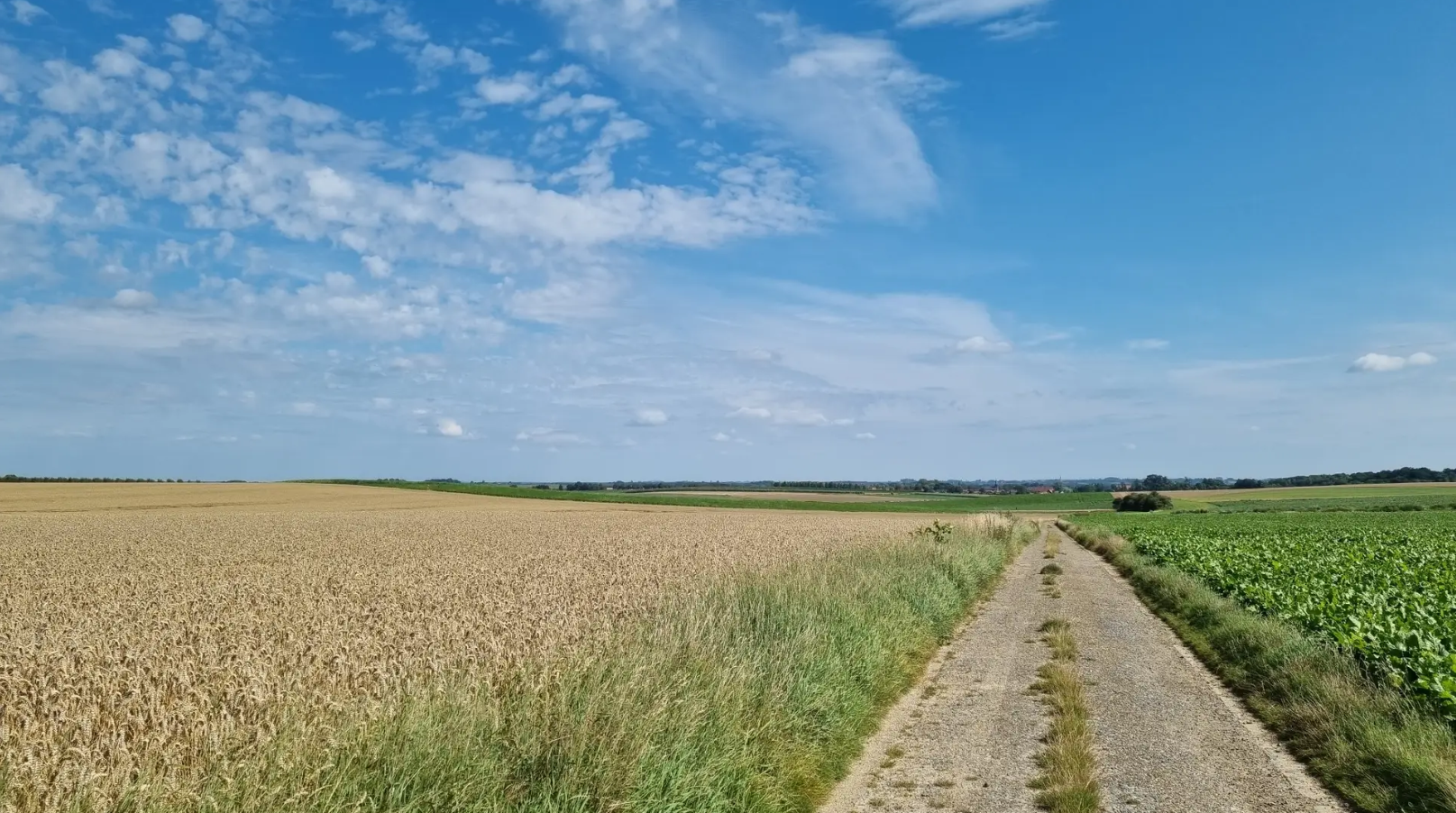
No traffic road cycling routes around Kortessem are primarily characterized by the gently rolling terrain of the Haspengouw region, featuring agricultural fields, orchards, and quiet country roads. The area is integrated into Limburg's extensive cycling network, providing well-maintained paths suitable for road bikes. Elevations are generally mild, with occasional low hills rather than significant climbs. This landscape offers a mix of open views and passages through small, historic villages.
Best no traffic road cycling routes around Kortessem
- The most popular…
Last updated: June 30, 2026
35
riders
34.6km
01:40
200m
200m
Moderate road ride. Great for any fitness level. Some segments of this route may be unpaved and difficult to ride.
21
riders
24.3km
01:13
180m
180m
Moderate road ride. Great for any fitness level. Some segments of this route may be unpaved and difficult to ride.

Sign up for free
23
riders
31.1km
01:25
140m
140m
Easy road ride. Great for any fitness level. Mostly well-paved surfaces and easy to ride.
11
riders
38.6km
01:43
140m
140m
Moderate road ride. Great for any fitness level. Some segments of this route may be unpaved and difficult to ride.
10
riders
53.5km
02:39
390m
390m
Moderate road ride. Good fitness required. Some segments of this route may be unpaved and difficult to ride.
Get access to more routes and recommendations from other explorers.
Sign up for free
Already have an account?
Our route recommendations are based on thousands of hikes, rides, and runs completed by other people on komoot.
Start today with a free account
Your next adventure awaits.
Login or Signup


Other adventures around Kortessem

Tips from the Community

This place used to be the location of the Motmolen, the nature reserve is named after it: https://youtu.be/dvlbNrtk4W0?feature=shared
3
0

The artwork #inconcreto is both a tourist attraction and a viewpoint. #inconcreto is a concrete head over four meters high and slightly less wide. This landscape artwork by Frits Jeuris is about the contrast between abstract and concrete. A place that inspires reflection and fresh ideas. From the top of the giant concrete head, you overlook the surroundings.
6
0
Together with building number 40, this site forms a beautiful, enclosed unit. Number 40 probably served as the former residence of farm number 39, better known as the Kasteelhoeve. The whole dates back to the 18th century and still breathes the atmosphere of a classic, enclosed farm, although it has been adapted and rebuilt over time.
5
0
On the site where a lordly manor stood in the Middle Ages, the castle of Hardelingen was built in the 19th century. The site had continuous habitation from an early date and was closely linked for centuries to agricultural exploitation in the fertile valley of the Werm. As a lordly manor, the domain functioned not only as a residence but also as an economic center that managed and structured the surrounding land within the traditional Haspengouw agricultural landscape. Today, the castle of Hardelingen, located in the quiet village of Werm, represents a valuable example of the transformation of a medieval lordly manor into a stately 19th-century country residence. The castle and its surrounding park landscape strikingly illustrate the neoclassical ideals of order, harmony, and scenic beauty, thus occupying a special place within the heritage of Haspengouw. Want to know more about the past? Click through to https://www.burchten-kastelen.be/provincies/limburg/042%20Kasteel%20van%20Hardelingen/Kasteel%20van%20Hardelingen.html
6
0
As early as the 7th century, a wood-and-clay church is said to have stood here. The following saints are said to be buried there: Lambertus, Landoaldus, Amantius, Vinciana, and Landrada. These were followers of Saint Amandus, who is also supposedly buried there. In the second half of the 8th century, the relics of these saints were supposedly elevated to the altar. The saints are known as the Saints of Wintershoven. Around 1200, a single-nave Romanesque church was built of natural stone (coal sandstone, iron sandstone, flint, blue limestone, and the like). Fragments of Roman roof tiles were also incorporated into the church. Many of these building materials likely came from a nearby Roman villa. The building had a single nave, comprised four bays, and had an integrated west tower. The west facade, the two side walls, and the foundations of the choir of this building have been preserved. At the front of the south facade stood a small round-arched doorway, now bricked up, the Paradise Gate, which, in addition to the churchyard, also provided access to the presbytery. Excavations were carried out in the church from 1967 to 1968. Several graves, burial vaults, and three postholes from the original wooden church were uncovered, but no trace of the Saints of Wintershoven was found.
6
0

The lock system was built during the canal construction in the 1930s and includes three locks and a road bridge.
0
0

Just outside the village center of Widooie, on Kasteelweg, lies the beautifully preserved Widooie Castle: a secluded castle farm with deep historical roots. Four wings surrounding a rectangular courtyard form a harmonious whole, with marlstone bands, ornate wall anchors, and a stately gate dating from 1662 where the coat of arms of Richard Vaes still proudly stands. The corner tower, the classically renovated residential wing, and the 17th-century barns together tell the story of a place where generations have come and gone for centuries.
1
0

The fall of water, small and large, still has a great attraction. Here you can enjoy it. Take your time and sit down at the water's edge.
12
0
Frequently Asked Questions
How many no-traffic road cycling routes are available around Kortessem?
There are over 25 dedicated no-traffic road cycling routes around Kortessem, ranging from easy to moderate difficulty. This includes 6 easy routes and 19 moderate routes, ensuring options for various fitness levels.
What unique cycling experiences can I find near Kortessem?
Kortessem's location in Limburg, known as a 'bike paradise,' offers access to several innovative cycling experiences. You can try 'Cycling through Water' near Bokrijk, 'Cycling through the Trees' in Bosland National Park, or 'Cycling through Heathland' in Hoge Kempen National Park. These routes provide unique perspectives on the region's diverse landscapes.
Are there any easy no-traffic road cycling routes for beginners?
Yes, there are several easy no-traffic road cycling routes. An excellent option is the Ter Herken Road – Hardelingstraat Climb loop from Kortessem, which is approximately 30.6 km long and features gentle elevation changes, perfect for those new to road cycling or looking for a relaxed ride.
What kind of landmarks or natural attractions can I see along these routes?
The routes around Kortessem offer a variety of interesting sights. You might encounter historical sites like Heks Castle or the Floating Chapel of Helshoven. Nature lovers can explore areas like the Pond and bench in De Maten Nature Reserve or visit the Bokrijk Arboretum. There are also several viewpoints, such as the Observation tower in Nature reserve De Herkwinning, offering scenic vistas.
What do other road cyclists think about the no-traffic routes in Kortessem?
The no-traffic road cycling routes around Kortessem are highly regarded by the komoot community, with an average rating of 4.7 out of 5 stars from 20 reviews. Cyclists often praise the well-maintained paths, the peaceful countryside, and the excellent integration into Limburg's wider cycling network.
Are there any longer, more challenging no-traffic road cycling routes?
For those seeking a longer ride, the Widooie Castle – Glainberg Climb loop from Kortessem is a moderate route spanning over 54 km with significant elevation gain. Another good option is the Diepenbeek Lock – Ter Herken Road loop from Guigoven, which covers approximately 38 km.
How does the Limburg cycle node network enhance cycling around Kortessem?
Kortessem is an integral part of the extensive Limburg cycle node network, which spans over 6,000 km. This system uses numbered nodes and clear signage, making it incredibly easy to plan and navigate customized routes. It also highlights points of interest, nature reserves, and refreshment stops, greatly enhancing the overall cycling experience.
Can I find circular no-traffic road cycling routes starting from Kortessem?
Yes, many of the no-traffic road cycling routes around Kortessem are designed as loops, allowing you to start and finish in the same location. Examples include the Kasteel Hoogveld – Hoogveld Windmill loop from Kortessem and the Hardelingstraat Climb – Zammelenkerkveld loop from Kortessem.
What is the best time of year to enjoy no-traffic road cycling in Kortessem?
The Haspengouw region, where Kortessem is located, is particularly beautiful during spring when the fruit orchards are in bloom, and in autumn with its vibrant foliage. However, the well-maintained cycle paths and generally mild climate make it suitable for cycling from early spring through late autumn. Always check local weather conditions before heading out.
Where can I find more information about the Limburg cycle network?
For detailed information on the extensive Limburg cycle node network and its features, you can visit the official tourism website: visitgenk.be. This resource provides valuable insights into planning your cycling adventures in the region.
Are there any unique man-made structures or shelters along the routes?
Yes, beyond natural beauty, you might discover interesting man-made structures. These include unique installations like the Dré Wapenaar Tree Tents, various bird hides such as the Schoenbroek Pond Bird Hide, and other shelters like the Branch hut and wooden bridge over the Oude Jeker, offering unique points of interest during your ride.
Most popular attractions around Kortessem

Get inspired with the komoot mobile app


Explore more
Browse the best Road cycling routes in other regions.
