The best traffic-free bike rides around Lillianes
4.7
(190)
3,875
riders
39
rides
No traffic touring cycling routes around Lillianes traverse the picturesque lower Lys Valley in Italy's Aosta Valley. The region is characterized by lush valleys, terraced hillsides, and surrounding mountain peaks, with the Lys River flowing through the heart of the area. Elevations around Lillianes are approximately 650 meters, offering a mix of gentle riverside paths and routes leading into higher terrain. The landscape also features extensive chestnut groves and ancient mule tracks, providing varied cycling experiences.
Best no traffic touring…
Last updated: October 17, 2026
4.3
(3)
32
riders
35.0km
03:09
1,260m
1,260m
Hard bike ride. Very good fitness required. Mostly paved surfaces. Suitable for all skill levels.
5.0
(3)
26
riders
27.3km
02:07
620m
620m
Hard bike ride. Very good fitness required. Mostly paved surfaces. Suitable for all skill levels.

5.0
(2)
23
riders
46.3km
04:46
1,870m
1,870m
Hard bike ride. Very good fitness required. Mostly paved surfaces. Suitable for all skill levels.
21
riders
24.8km
02:12
780m
770m
Hard bike ride. Very good fitness required. Mostly paved surfaces. Suitable for all skill levels.
5.0
(2)
30
riders
17.5km
01:23
300m
300m
Moderate bike ride. Good fitness required. Mostly paved surfaces. Suitable for all skill levels.
Get access to more routes and recommendations from other explorers.
Already have an account?
Our route recommendations are based on thousands of hikes, rides, and runs completed by other people on komoot.
Start today with a free account
Your next adventure awaits.
Popular around Lillianes
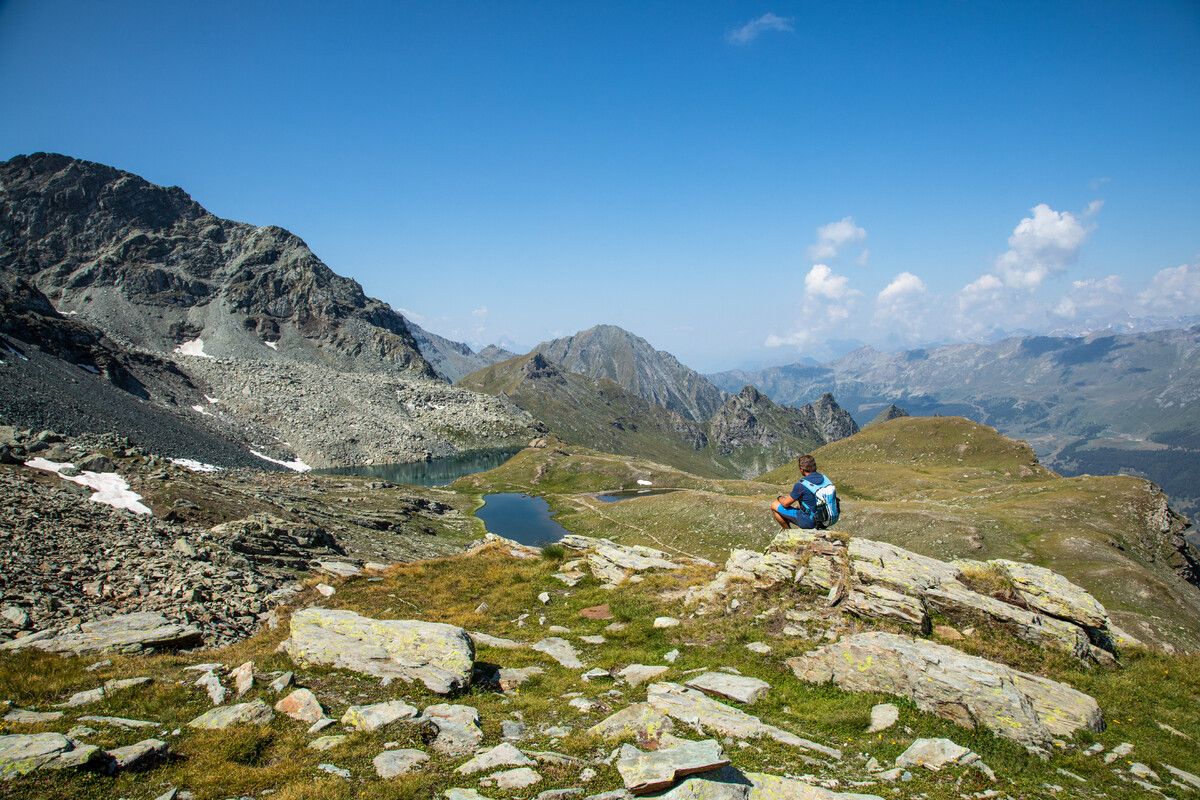
Alta Via n. 1 of the Aosta Valley — a walk among Italian giants
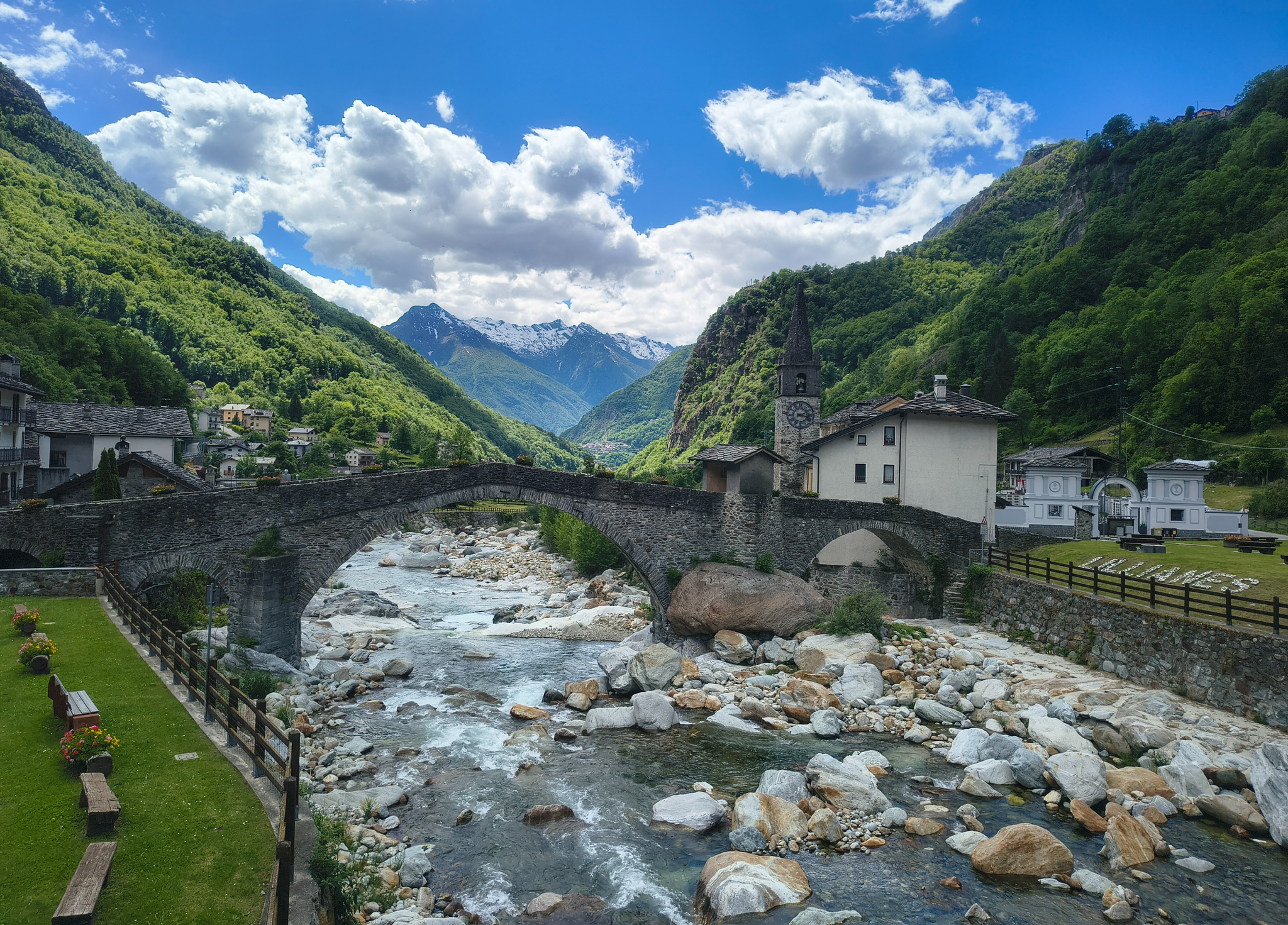
Three days on the Cammino Balteo – The historic Aosta Valley
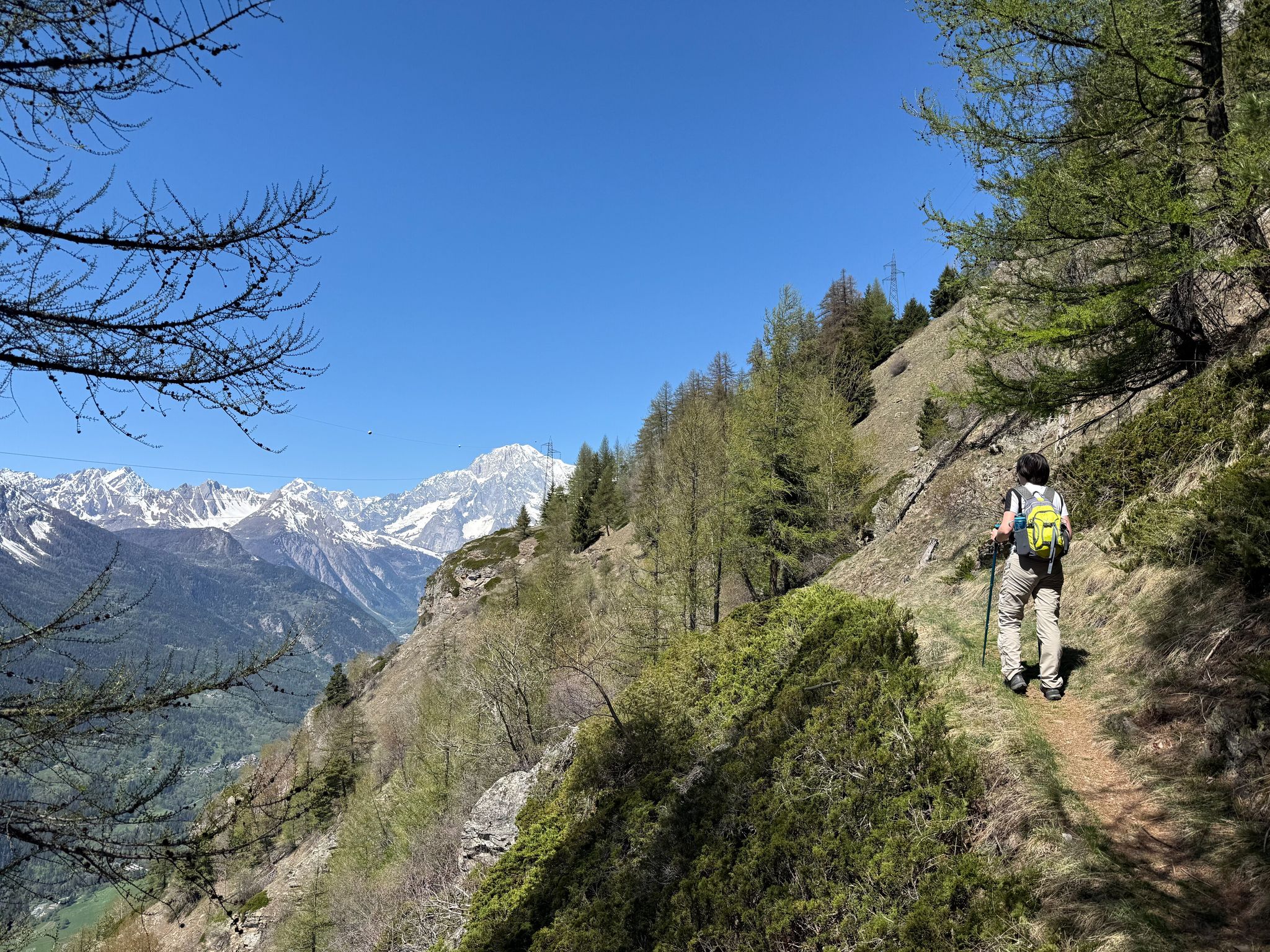
Cammino Balteo – castles, vineyards and trails of the Aosta Valley
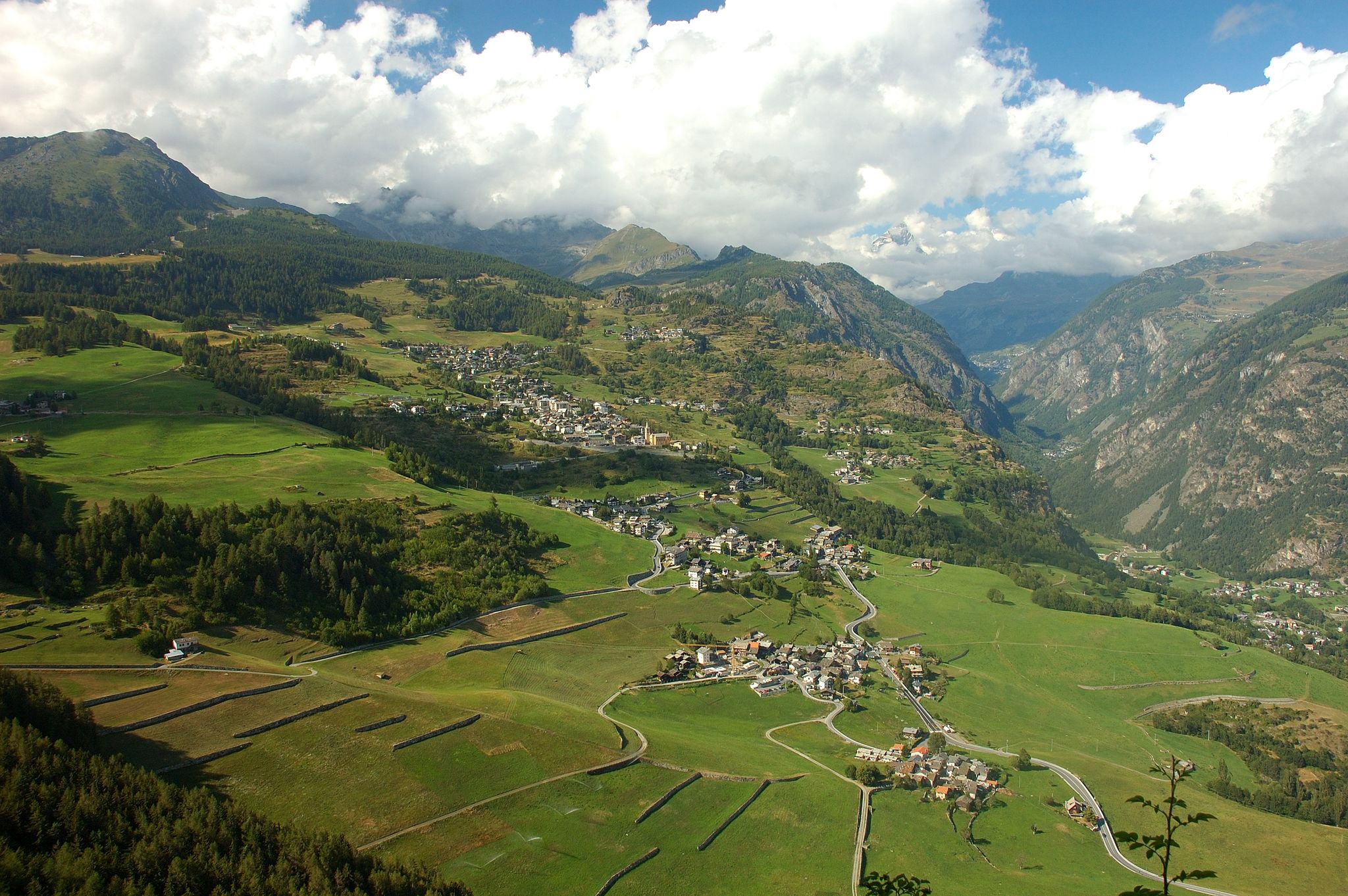
Paths, castles and views of Italy’s Aosta Valley – Cammino Balteo
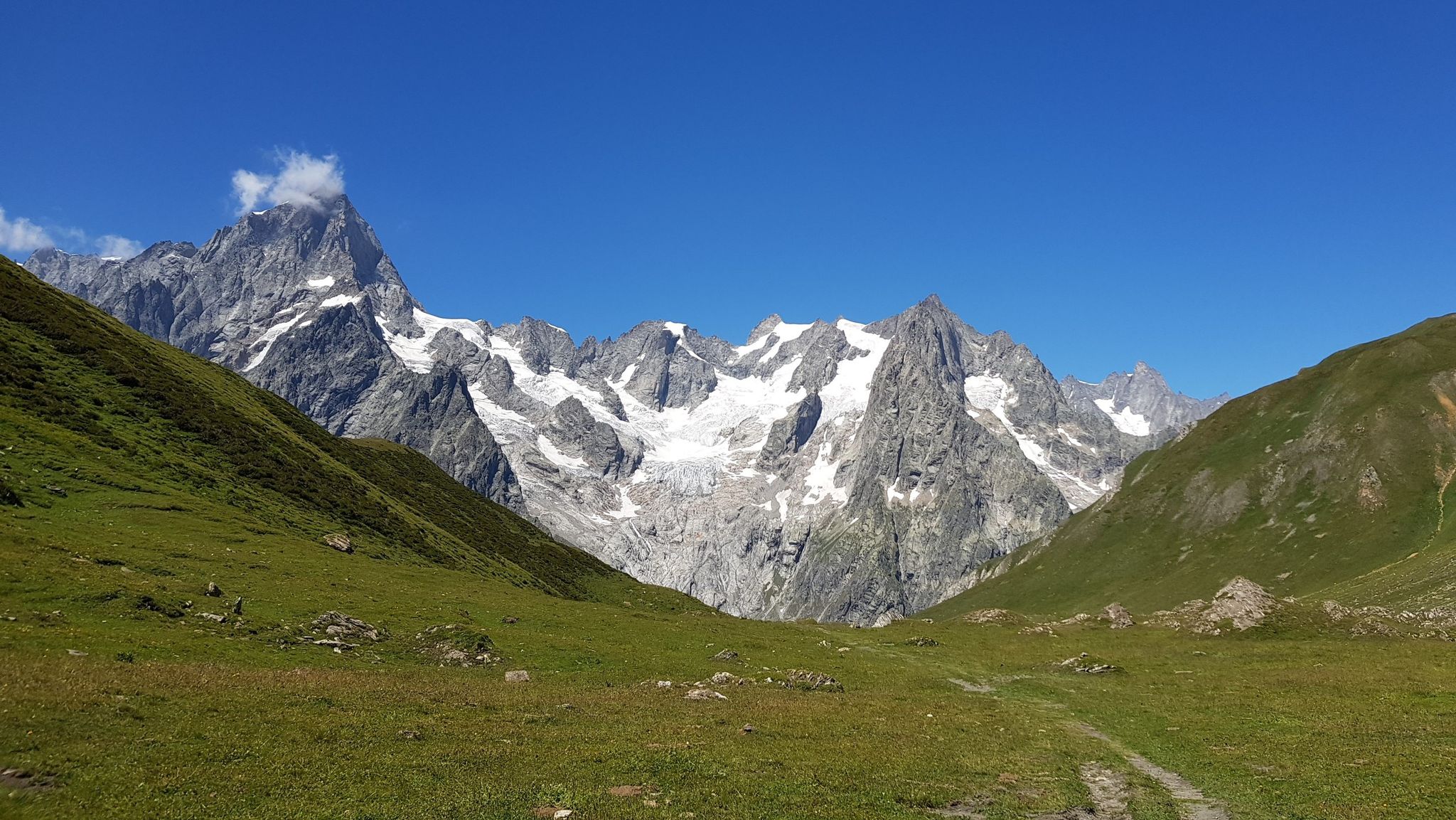
A walk among Italian giants — Aosta Valley High Route 1

Traffic-free bike rides around Lillianes
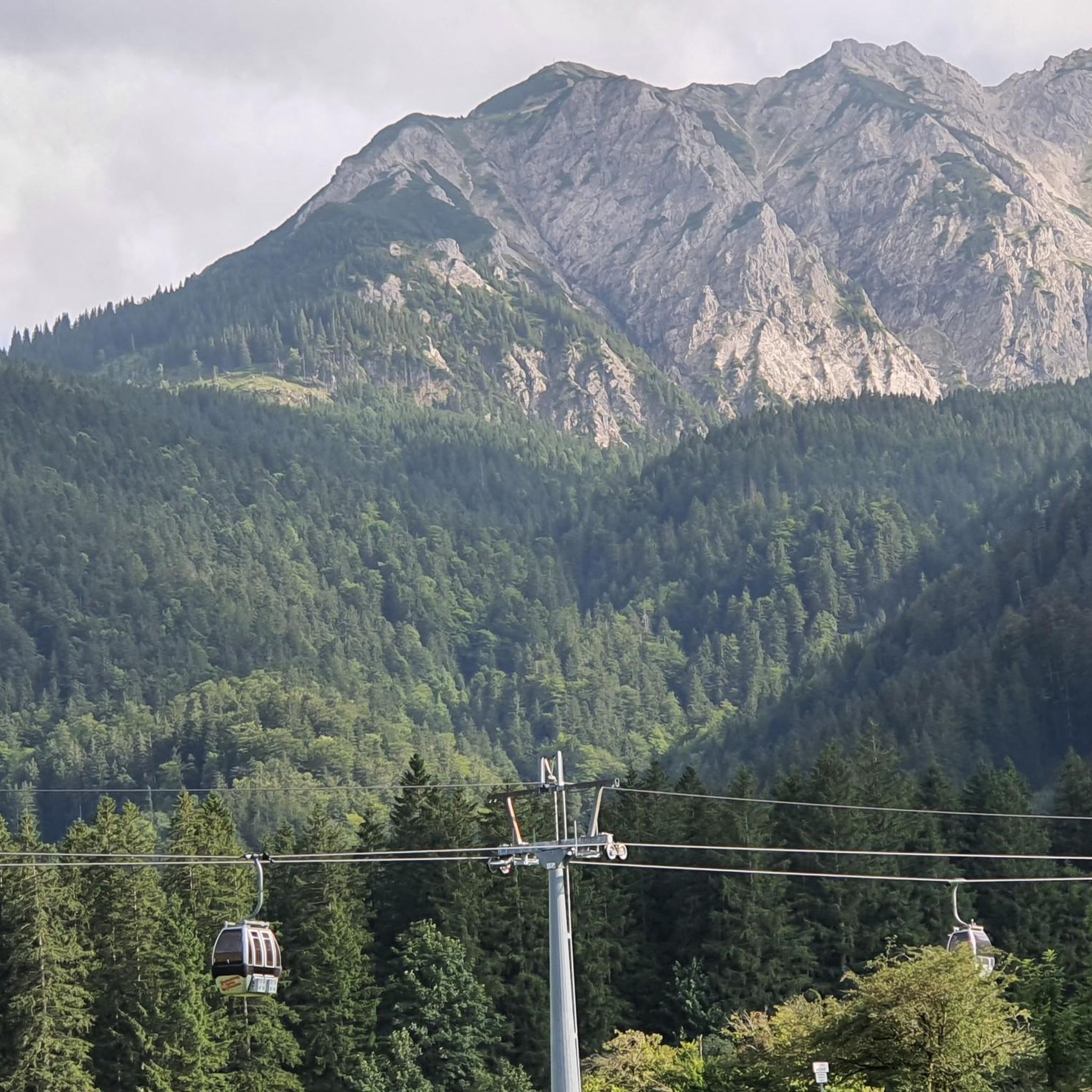
Traffic-free bike rides around Lillianes
Other adventures around Lillianes


Tips from the Community

From the Sanctuary's website: "The Sanctuary of Graglia, located in the Biella region, is a 17th-century place of worship dedicated to the Madonna of Loreto. Immersed in nature, it combines spirituality and baroque architecture. Originally conceived as a Sacro Monte project, it is today a destination for pilgrimages and offers an atmosphere of peace and contemplation."
0
0

Excellent hospitality for pilgrims
0
0

The Castello di Suzey stands on an inaccessible rocky spur, in a position that in the 14th century guaranteed absolute control over the transit of the Lys valley. The structure is a classic example of a medieval enclosure castle, dominated by a massive quadrangular tower and surrounded by the remains of a fortified village now swallowed by vegetation. This stronghold was the headquarters of the lords of Suzey, a branch of the Vallaise known for their bellicose nature and independence from central powers. A famous anecdote concerns the family's determination to defend their privileges: it is said that the lords of Suzey imposed such severe transit taxes that they sparked fierce disputes with merchants and neighboring communities, turning the castle into a sort of armed customs post. A local legend also tells that the castle was connected to the other Vallaise properties in Perloz via a network of secret passages dug directly into the rock, used to move troops and riches away from prying eyes during sieges. Another popular tale describes the castle's end as a dramatic event: a devastating fire, which broke out during an enemy attack, would have marked the definitive abandonment of the structure.
0
0

The Santuario di Oropa is one of the most important Marian places of worship in Piedmont, Italy, located at about 1,159 m above sea level on the mountainside of the Valle d’Oropa, just above Biella. It is famous for its religious history, imposing architecture, and the surrounding natural landscape.
10
0

In gravel I don't know, it depends a lot on the gears. You go up with a 33-36 MTB but in some places a more agile gear can be helpful...
0
0
End of the climb. Well-deserved rest while admiring a crazy view...
0
0
The view of the Mombarone basin is stunning. And turning 180° there is a view of Monte Rosa. Truly an enchanting and wild place...
0
0
Frequently Asked Questions
How many no traffic touring cycling routes are available around Lillianes?
There are over 35 no traffic touring cycling routes around Lillianes, offering a variety of experiences for different skill levels. You'll find a mix of easy, moderate, and difficult routes to explore the beautiful Lys Valley.
Are there easy no traffic touring cycling routes suitable for beginners in Lillianes?
Yes, while many routes are moderate to difficult, there is at least one easy no traffic touring cycling route available, perfect for beginners or those seeking a relaxed ride. These routes often follow the serene Lys River, providing a gentle introduction to the area's beauty.
What natural features or historical sites can I see along the no traffic touring cycling routes near Lillianes?
Lillianes offers a rich blend of natural beauty and historical charm. You can discover the enchanting waterfall on the Bouro stream, explore ancient chestnut groves, or visit the fascinating Plan des Sorcières archaeological site. Historically, don't miss the iconic Roman Arch and Road in Donnas, the impressive Fort Bard, or the majestic Oropa Sanctuary. The Medieval Stone Bridge of Lillianes itself is a unique architectural masterpiece.
Are there any circular no traffic touring cycling routes available around Lillianes?
Yes, several no traffic touring cycling routes around Lillianes are designed as loops, allowing you to start and end in the same location. For example, consider the challenging Pont-Saint-Martin loop from Pont-Saint-Martin or the scenic View of Donnas – Pont-Saint-Martin loop from Pont-Saint-Martin for a rewarding circular experience.
What is the best time of year for no traffic touring cycling in Lillianes?
The Aosta Valley, including Lillianes, is ideal for touring cycling from spring through autumn. During these seasons, the weather is generally pleasant, and the lush valleys and mountain scenery are at their most vibrant. Summer also offers opportunities, with the Lys stream providing a refreshing backdrop.
Where can I find parking for the no traffic cycling routes in Lillianes?
Lillianes, being a village, typically offers various public parking areas. It's advisable to check local signage upon arrival for designated parking spots, especially near the village center or trailheads, to ensure convenient access to the no traffic cycling routes.
Is it possible to access the no traffic cycling routes in Lillianes using public transport?
Public transport options in the Aosta Valley can connect you to Lillianes. While specific services for transporting bikes directly to trailheads might be limited, regional buses often serve the valley. It's recommended to check local bus schedules and their bike carriage policies in advance for the most up-to-date information.
Are there places to eat or stay along the no traffic touring cycling routes in Lillianes?
Lillianes and its surrounding hamlets offer various options for refreshments and accommodation. You'll find traditional eateries and guesthouses within the village. For longer routes, consider exploring nearby huts like Rifugio della Balma or Lago della Vecchia Hut for a unique experience, though these may require a detour from strictly no-traffic paths.
Which no traffic touring cycling routes offer the most scenic views in Lillianes?
Many routes in Lillianes boast stunning scenery, characterized by lush valleys, the Lys River, and majestic mountain peaks. Routes that traverse the terraced hillsides or lead to higher hamlets often provide panoramic viewpoints overlooking the entire Lys Valley. The paths exploring the 'tour of the villages' are particularly scenic, showcasing traditional rural architecture amidst beautiful landscapes.
What do other touring cyclists enjoy the most about touring cycling in Lillianes?
The area is highly rated by the komoot community, with an average score of 4.5 stars. Reviewers often praise the serene environment, the absence of traffic, and the stunning natural beauty of the Aosta Valley. The blend of challenging ascents and peaceful riverside paths, coupled with historical landmarks, makes for a memorable cycling experience.
Are there family-friendly no traffic cycling routes in Lillianes?
Yes, Lillianes offers routes suitable for families looking for a safe and enjoyable cycling experience away from traffic. These routes often follow gentler paths along the Lys River or through the quieter hamlets, allowing families to explore the beautiful surroundings at a leisurely pace. Always check the route difficulty to ensure it matches your family's capabilities.
Can I bring my dog on the no traffic cycling routes around Lillianes?
Many of the natural trails and paths around Lillianes are dog-friendly, allowing you to enjoy the no traffic cycling routes with your canine companion. However, it's always best to keep your dog on a leash, especially in more populated areas or near wildlife, and to be mindful of local regulations regarding pets on trails.
Most popular routes around Lillianes
Most popular attractions around Lillianes

Get inspired with the komoot mobile app


Explore more
Browse the best Cycling routes in other regions.
