The best traffic-free bike rides around Carbònia/Carbonia
4.4
(60)
572
riders
36
rides
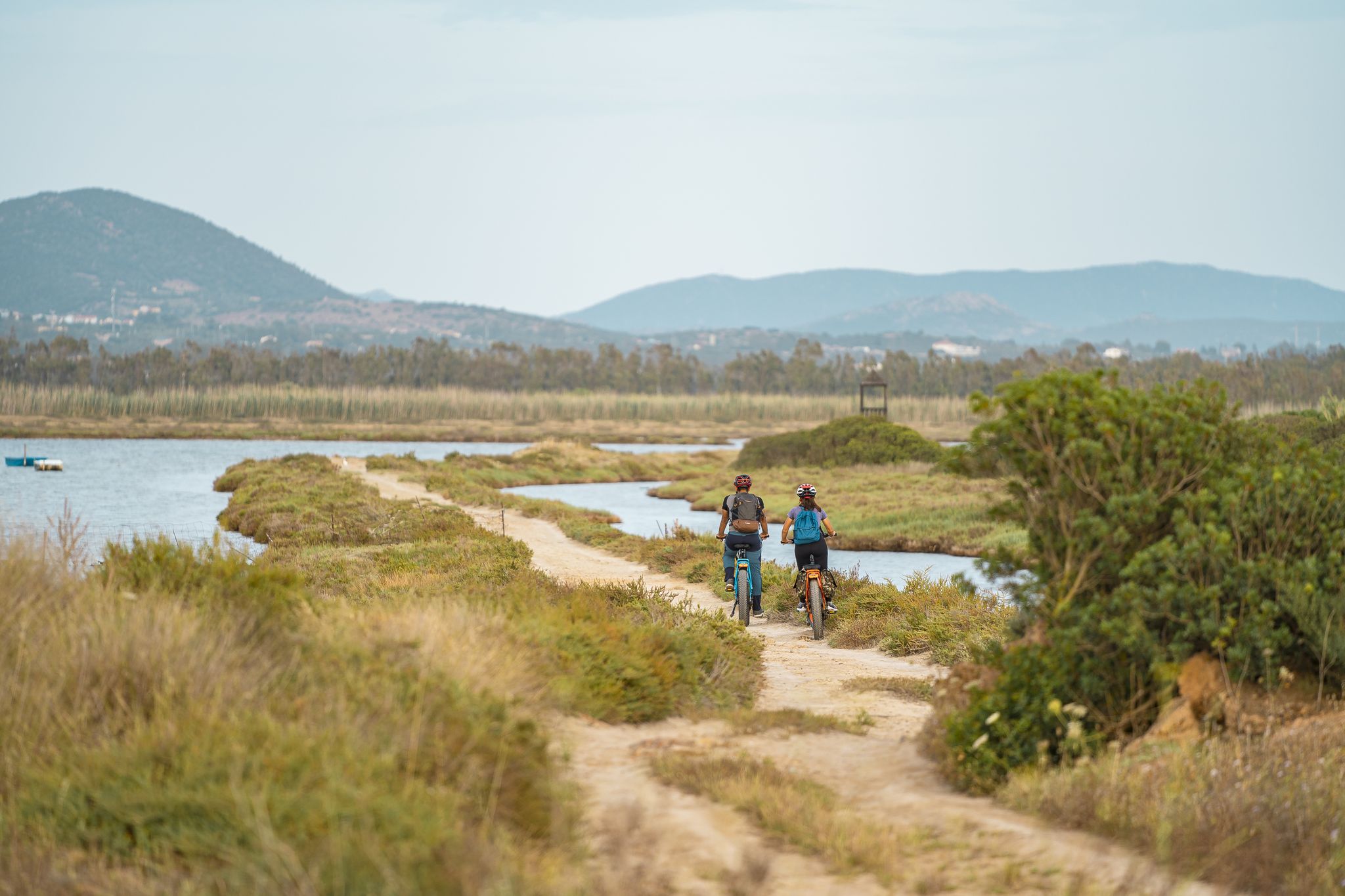
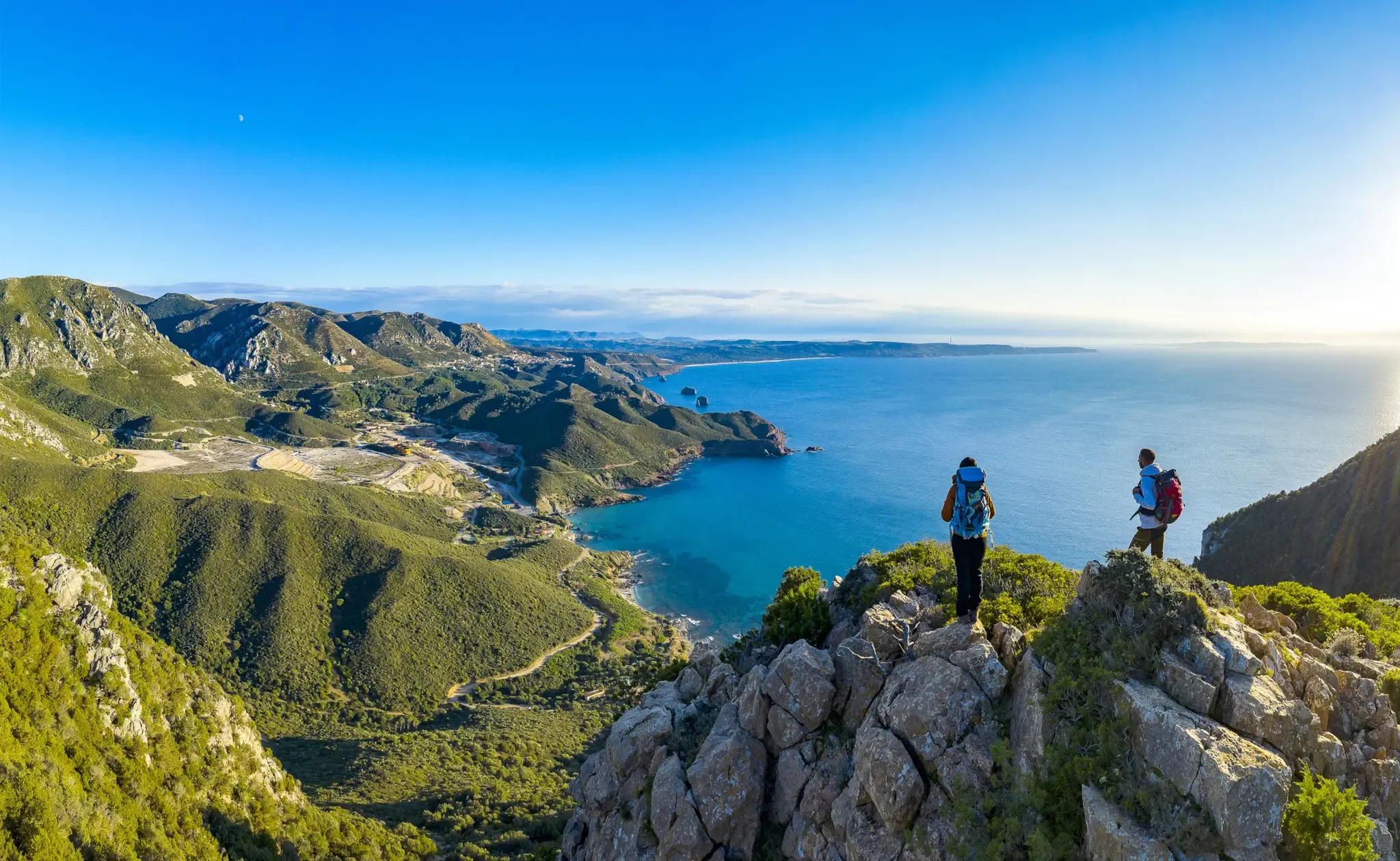
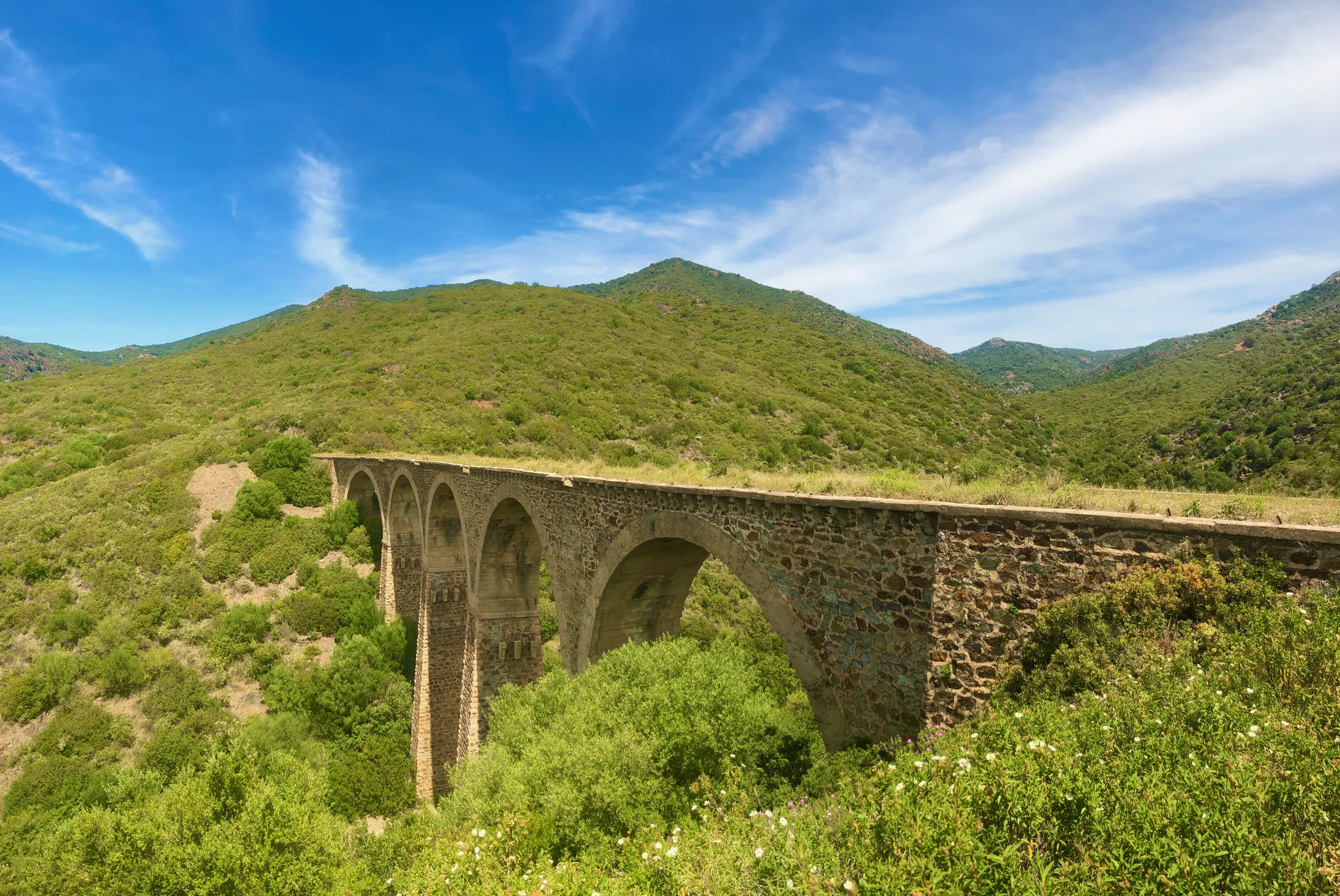
No traffic touring cycling routes around Carbònia/Carbonia traverse a diverse landscape in southwestern Sardinia, characterized by coastal areas with dramatic cliffs and crystal-clear waters, alongside inland wooded areas and open fields. The region's terrain also features historical mining landscapes and archaeological sites, offering varied cycling experiences. These routes often utilize old mining paths and infrastructure, providing a unique blend of natural beauty and industrial heritage. The mild climate allows for year-round exploration of these varied environments.
Best no traffic touring…
Last updated: July 13, 2026
5
riders
50.8km
03:17
520m
520m
Hard bike ride. Very good fitness required. Mostly paved surfaces. Suitable for all skill levels.
14
riders
50.7km
03:36
420m
420m
Moderate bike ride. Good fitness required. Mostly paved surfaces. Suitable for all skill levels.

Sign up for free
19
riders
37.1km
02:51
410m
410m
Moderate bike ride. Good fitness required. Mostly paved surfaces. Suitable for all skill levels.
14
riders
Hard bike ride. Very good fitness required. Mostly paved surfaces. Suitable for all skill levels.
4.0
(2)
9
riders
Hard bike ride. Very good fitness required. Mostly paved surfaces. Suitable for all skill levels.
Get access to more routes and recommendations from other explorers.
Sign up for free
Already have an account?
Our route recommendations are based on thousands of hikes, rides, and runs completed by other people on komoot.
Start today with a free account
Your next adventure awaits.
Login or Signup


Other adventures around Carbònia/Carbonia


Tips from the Community

The Umbrian pilgrimage site of Assisi has produced two important figures: "Santa Chiara" also deserves to be honored alongside "San Francisco." She lived at the same time as Francis: Clare was born in (or around) 1193 and died in 1253. Her general feast day in the liturgical calendar is August 11, the day of her death, for all major Christian denominations; in addition, there are regional or religious order-specific feast days. Besides the church dedicated to her, there are two significant places in Assisi itself where one can follow in her footsteps: the Church of the Holy Sepulchre in the center of Assisi (see https://www.komoot.com/de-de/highlight/361280 for more information), and the Monastery of San Damiano (see https://www.komoot.com/de-de/highlight/361272), located just outside the historic city walls.
0
0

Remnants of the Miniera di Montepino: rusted buildings, collapsed walls, and quiet details that still feel alive. A short detour into Sardinia’s mining past — then back to the ride, with dust on your legs and a story in your pocket.
0
0

The journey takes a relaxing 45 minutes.
3
0
Among the churches, the Cathedral of Santa Chiara (dating back to the 13th century), the churches of Madonna delle Grazie, Del Collegio, a Jesuit temple, and San Francesco, one of Sardinia's best-preserved and most important buildings in the Gothic-Catalan style, which houses an altarpiece dating back to 1560, are particularly worth seeing.
5
0
Beautifully painted house on a small square with a fountain.
0
0
Iglesiente, the region at the center of the Sardinian mining epic and of which it is the capital, derives its name. It has a population of 27,000 and is the episcopal see and heir to the ancient diocese of Sulcis. Iglesias means "churches" in Spanish. It is no coincidence that in a city with a glorious past, especially under Catalan-Aragonese rule (when it was a royal city), the celebrations surrounding the Good Friday customs stand out, recalling Spanish customs in form and color. The mystery processions on Holy Tuesday and Holy Friday are particularly impressive. Among the churches, the Cathedral of Santa Chiara (dating back to the 13th century), the churches of Madonna delle Grazie, Del Collegio, a Jesuit temple, and San Francesco, one of Sardinia's best-preserved and most important buildings in the Gothic-Catalan style, which houses an altarpiece dating back to 1560, are particularly worth seeing.
0
0

The former Cortoghiana mine was founded in 1889, following the discovery of an important deposit of fossil coal on site. The deposit was only partially exploited due to the presence of aquifers and the high costs of extraction and transportation.
0
0

A great museum to learn about the mining history of Iglesias. There is a large collection of minerals as well as different tools used in mining production.
0
0
Frequently Asked Questions
How many no-traffic touring cycling routes are available around Carbònia/Carbonia?
There are over 35 no-traffic touring cycling routes available around Carbònia/Carbonia, offering a wide range of options for different skill levels and preferences.
What is the best season for no-traffic touring cycling in Carbònia/Carbonia?
The mild climate of the Sulcis Iglesiente region allows for year-round outdoor exploration. However, spring and autumn offer particularly pleasant temperatures for touring cycling, avoiding the peak heat of summer while still enjoying the beautiful landscapes.
What is the general difficulty level of no-traffic touring cycling routes in this region?
The routes around Carbònia/Carbonia cater to various fitness levels. While there are 3 easy routes, the majority are moderate (16 routes) or difficult (16 routes), often featuring varied terrain and some elevation changes. For example, the Cape Altano – Portoscuso loop from Carbonia Serbariu is a moderate option, while the Piazza Sella, Iglesias – St. John's Cave loop from Cixerri is considered difficult.
Are there any loop routes for no-traffic touring cycling in the Carbònia/Carbonia area?
Yes, many of the no-traffic touring cycling routes in the region are designed as loops, allowing you to start and end at the same point. Examples include the Holy Grail – B&B Luvia Spa loop from Carbonia Serbariu and the Portoscuso – Porto Paglietta Beach loop from Parco archeologico di Monte Sirai.
What historical sites can I explore on a no-traffic touring cycling route near Carbonia?
The region is rich in history. You can cycle past sites like the Monte Sirai Archaeological Park, which features Phoenician-Punic and Nuragic ruins. The area's mining heritage is also prominent, with routes often utilizing old mining paths. You can find ancient burial sites such as the Montessu Necropolis or the Domus de Janas Tombs 1–5.
Are there scenic viewpoints or natural monuments along these routes?
Absolutely. The Sulcis Iglesiente region offers stunning coastal views and unique natural formations. You can cycle along the Nebida Belvedere Walk, offering dramatic coastal vistas, or pass by Masua beach with views of Pan di Zucchero, the iconic sea stack. Cape Altano also provides excellent panoramic views.
Can I combine my no-traffic cycling tour with a visit to a cave?
Yes, the area around Carbònia/Carbonia features several interesting caves. The San Giovanni Cave is a notable natural monument that can be incorporated into your cycling itinerary, offering a unique underground experience.
Are there family-friendly no-traffic touring cycling routes in Carbònia/Carbonia?
While many routes have moderate to difficult ratings, there are easier options suitable for families. The 'Carbonia Cycle Path – Sant'Antioco–Palmas Cycle Path loop' mentioned in regional research is mostly on well-paved surfaces and suitable for all skill levels, providing a good family-friendly choice for a no-traffic experience.
What do other touring cyclists enjoy most about touring cycling in Carbònia/Carbonia?
The komoot community rates the touring cycling experience in Carbònia/Carbonia highly, with an average score of 4.15 stars. Reviewers often praise the region's diverse landscapes, from dramatic coastlines to historical mining trails, and the opportunity to explore ancient sites and natural monuments on quiet, traffic-free paths.
Is it possible to find parking near the start of these no-traffic cycling routes?
Yes, many popular starting points for cycling routes in Carbònia/Carbonia, especially those near towns or significant attractions, offer designated parking areas. For example, routes starting from Carbonia Serbariu or Parco archeologico di Monte Sirai typically have parking facilities nearby.
Are there any cafes or places to stop for refreshments along the no-traffic routes?
While many routes are designed to be traffic-free, they often pass through or near small towns and villages where you can find local cafes, bars, and restaurants. It's always a good idea to check your route in advance and plan stops for refreshments, especially on longer tours.
Most popular routes around Carbònia/Carbonia
Most popular attractions around Carbònia/Carbonia

Get inspired with the komoot mobile app


Explore more
Browse the best Cycling routes in other regions.
