The best gravel rides around Carbònia/Carbonia
5.0
(2)
61
riders
14
rides
Gravel biking around Carbònia/Carbonia features a landscape of coastal roads, lagoons, and inland areas with varied terrain. The region is known for its rocky cliffs, sea views, and historic pathways, providing diverse settings for gravel bike trails. Routes often traverse former railway lines and cycle paths, connecting different parts of the area. This environment offers challenging gravel biking opportunities for experienced riders.
Best gravel bike trails around Carbònia/Carbonia
- The most popular gravel bike trail is View of Rocky Cliffs and…
Last updated: July 8, 2026
12
riders
83.0km
05:32
300m
300m
Hard gravel ride. Very good fitness required. Mostly paved surfaces. Suitable for all skill levels.
5.0
(1)
11
riders
36.3km
02:18
620m
620m
Hard gravel ride. Very good fitness required. Mostly paved surfaces. Suitable for all skill levels.

Sign up for free
6
riders
33.1km
02:14
590m
590m
Hard gravel ride. Very good fitness required. Mostly paved surfaces. Suitable for all skill levels.
8
riders
93.9km
07:01
1,400m
1,400m
Hard gravel ride. Very good fitness required. Mostly paved surfaces. Suitable for all skill levels.
4
riders
151km
10:50
2,280m
2,280m
Hard gravel ride. Very good fitness required. Mostly paved surfaces. Suitable for all skill levels.
Get access to more routes and recommendations from other explorers.
Sign up for free
Already have an account?
Our route recommendations are based on thousands of hikes, rides, and runs completed by other people on komoot.
Start today with a free account
Your next adventure awaits.
Login or Signup
Popular around Carbònia/Carbonia
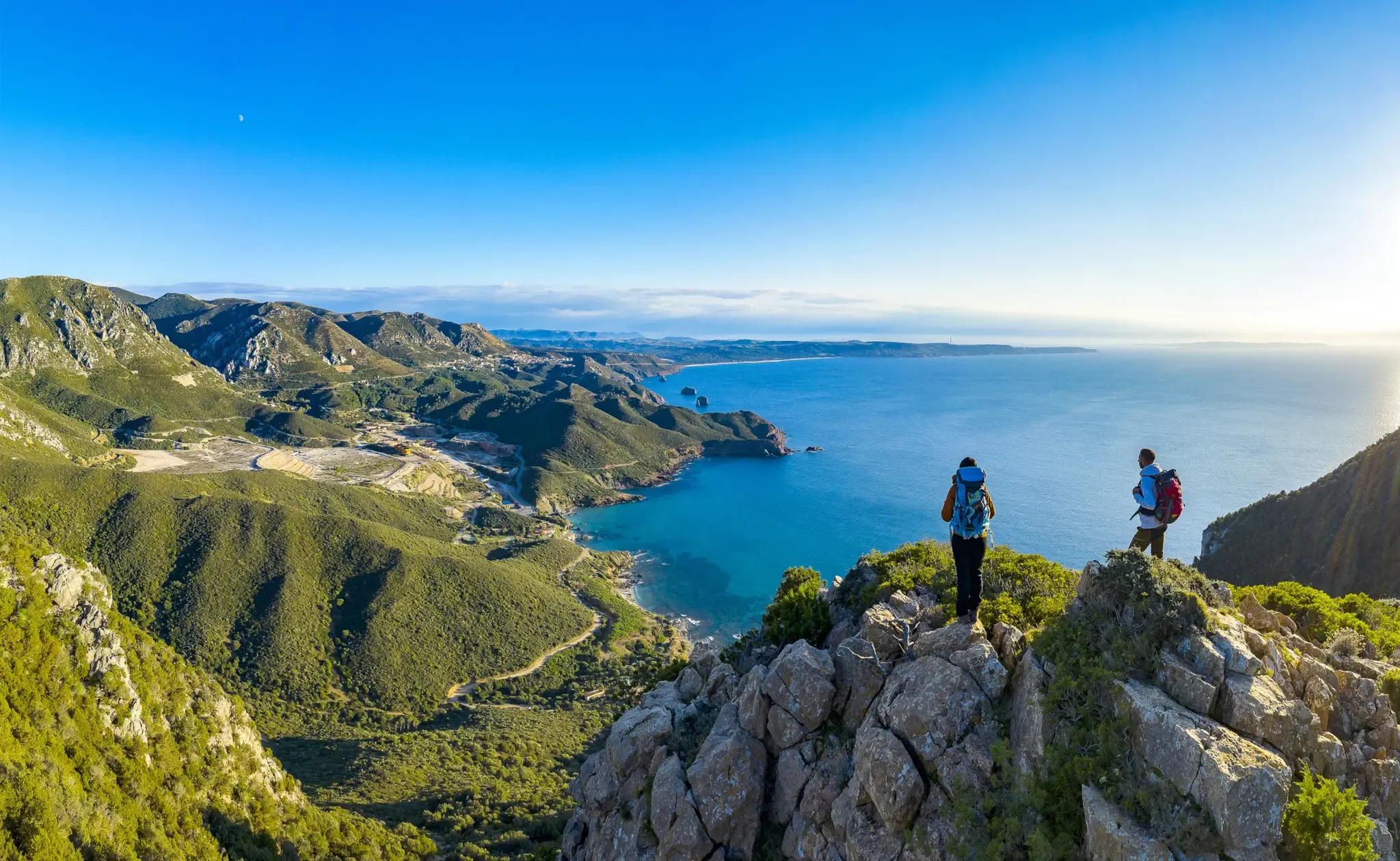
Cammino Minerario di Santa Barbara – memories of ancient Sardinia
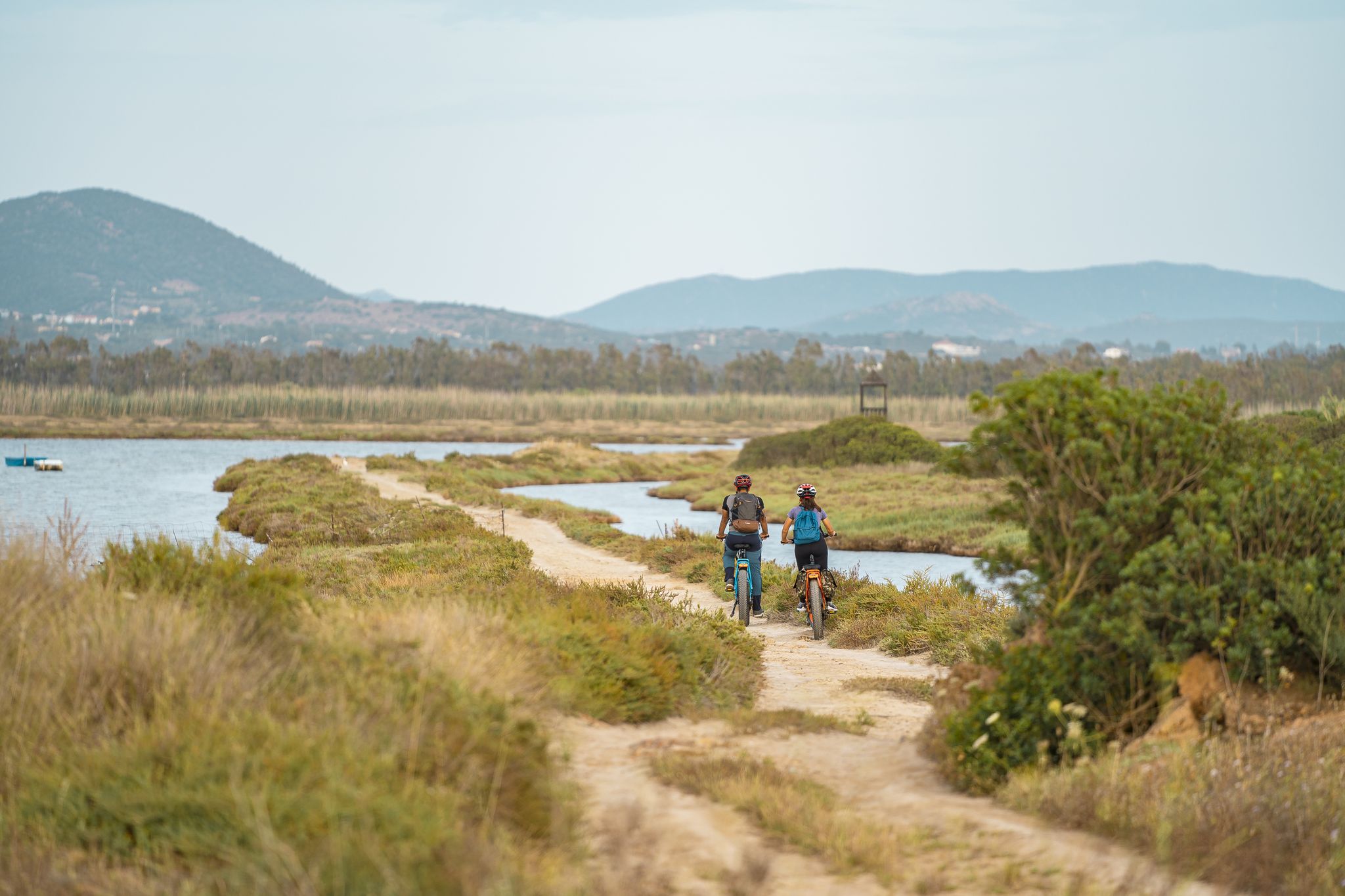
Ciclovia del Cammino Minerario di Santa Barbara
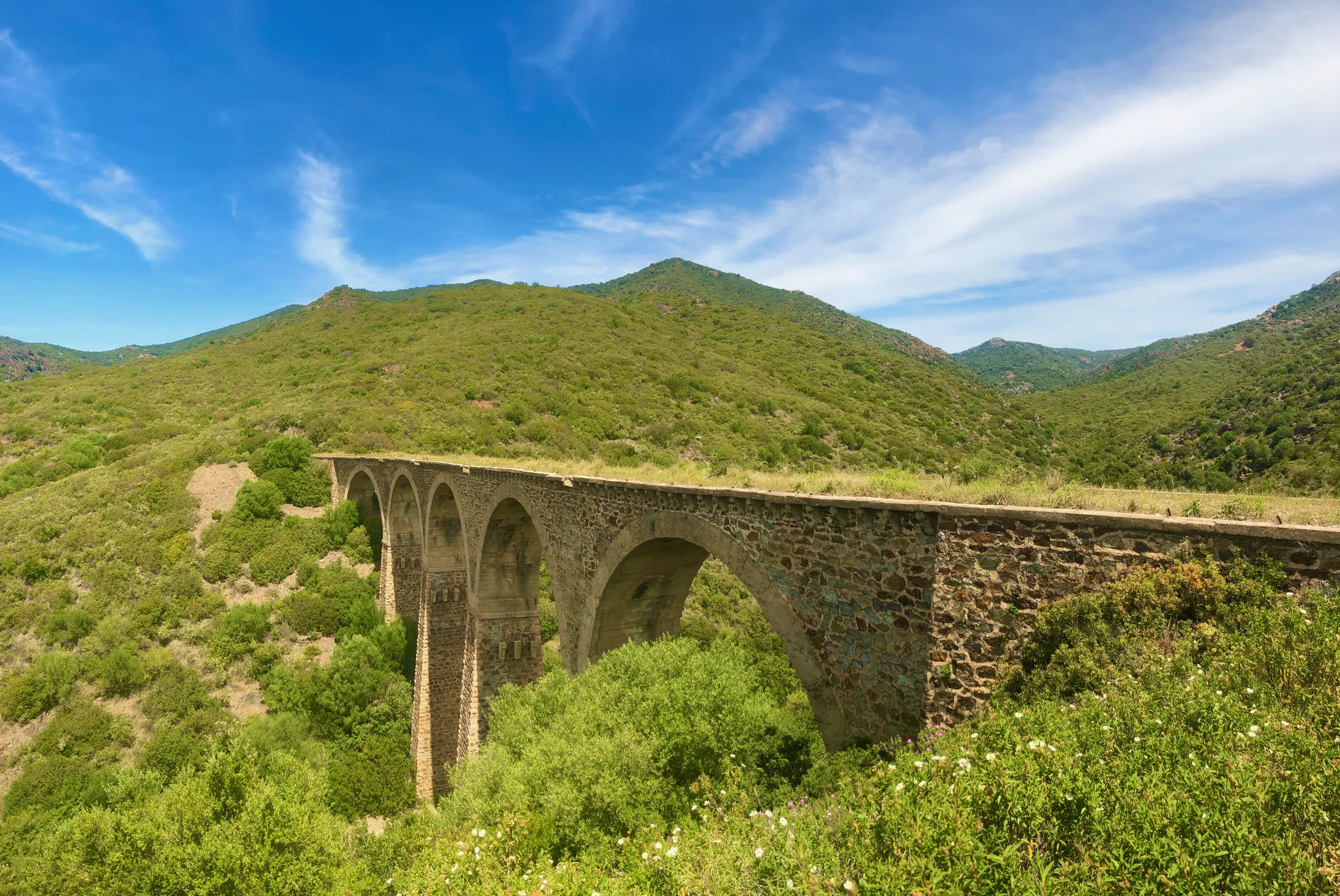
Cycling through the origins of Sardinia – Sulcis Loop
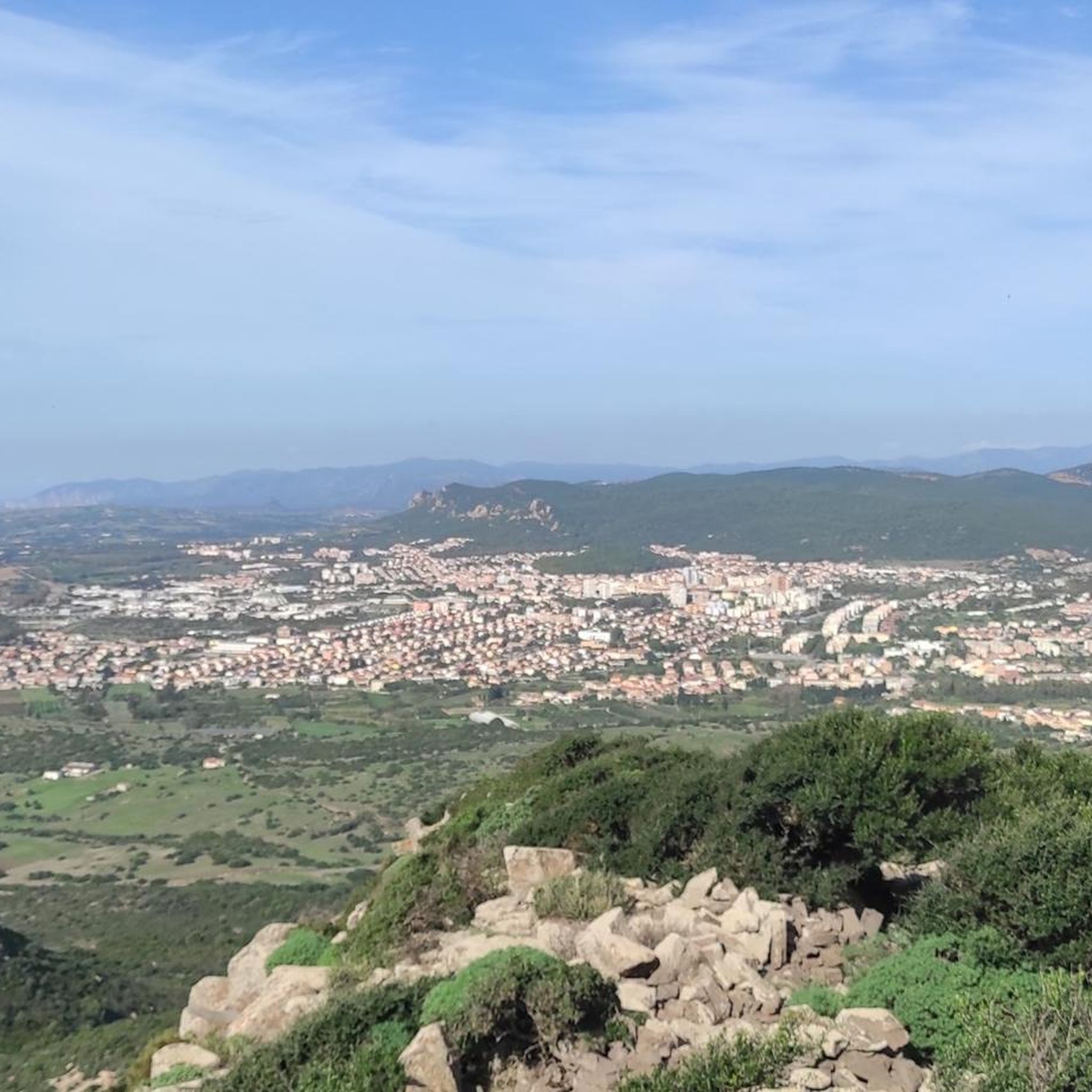
Road Cycling Routes around Carbònia/Carbonia
Cycling around Carbònia/Carbonia
MTB Trails around Carbònia/Carbonia
Running Trails around Carbònia/Carbonia
Hiking around Carbònia/Carbonia
Other adventures around Carbònia/Carbonia


Tips from the Community

The position of the town of Buggerru is quite unique, it has its own gulf
0
0
The climb is very hard but it's totally worth it, it feels like you're in the middle of a sea of rocks
0
0

Buggerru is an old mining town. Not only the workers but also the company executives lived here.
4
0
You really have to put in the effort here. The scenery is very charming.
3
0

Nuxis is a small village inhabited since prehistoric times and rich in cultural layers. Among its attractions are the Church of San Pietro, built in 1853, and the Byzantine country church of Sant’Elia di Tattinu. The town of Nuxis is characterized by a vibrant use of mural art: several contemporary murals decorate walls and facades, depicting scenes from local life, portraits of residents, and moments of collective memory. The village has several accommodations, as well as markets and restaurants where you can refresh yourself and stock up on supplies.
1
0
Known as the Sulcis Railway, this narrow-gauge line was built in the 1920s by the Ferrovie Meridionali Sarde (Sardinian Southern Railways) to connect the mining areas of Sulcis with coastal towns and ports of embarkation. The route passed through isolated landscapes and wooded valleys, serving villages and mines that are now partly abandoned. Today, bridges, tunnels, and disused stations remain, testifying to the era when the railway was the main means of communication for miners and goods in the southwest of the island.
1
0
A site of industrial archaeology right on a beautiful coastline. Buggerru was founded in 1864 as a mining village. Today it is a holiday resort with around 1,000 inhabitants, a fifth of what it had at the beginning of the 20th century. The present village, with the parish church dedicated to St. John the Baptist, consists of fan-shaped houses where the valley of Monte Caitas flows into the sea, a channel that gave its name to the Malfidano mine, the most important mine during the mining era from the second half of the 19th century to the beginning of the 20th century. It was active until 1979: in just over a century, Buggerru, already known for its silver in Roman times, produced more than 1 million tons of zinc and 200,000 tons of lead. Its modern small port lies beneath the exit of the Henry Tunnel, now an open-air museum, once a railway tunnel for the transport of extracted minerals.
2
0
The Rosas Mine, active from 1849 to 1980 for the extraction of silver-bearing galena, lead, and zinc, is now a multi-purpose museum that chronicles the mining history of the Sulcis region. A guided tour allows access to the underground tunnels and a close-up look at the restored structures, while nearby hiking trails allow visitors to explore the natural environment and traces of the mining activity. For updated hours, costs, and reservations: https://museorosasnarcao.it/.
1
0
Frequently Asked Questions
What are the typical difficulty levels for gravel bike trails in Carbònia/Carbonia?
Gravel biking around Carbònia/Carbonia is primarily characterized by challenging routes. The region's landscape, with its rocky cliffs and varied terrain, means many trails feature significant elevation gain. Out of the 14 available routes, 8 are classified as difficult, and 6 as moderate, making it an ideal destination for experienced riders seeking a challenge.
What are the typical lengths of gravel bike routes around Carbònia/Carbonia?
The gravel bike routes in Carbònia/Carbonia vary significantly in length. For instance, the View of Rocky Cliffs and Sea – Pan di Zucchero Sea Stack loop from Iglesias is about 22.5 miles (36.2 km), while longer routes like the View of Sant'Antioco Lagoon – Sant'Antioco–Palmas Cycle Path loop from Santu Giuanni Suèrgiu/San Giovanni Suergiu extend to 52.6 miles (84.7 km). You can also find very long tours such as the Sa Reina monumental olive tree – Grotte di Is Zuddas loop from Narcau/Narcao, which is over 68 miles (109 km).
Are there any family-friendly gravel biking options in Carbònia/Carbonia?
Given that most gravel bike trails in Carbònia/Carbonia are rated as moderate to difficult, with significant elevation gain, they are generally more suited for experienced riders. While specific family-friendly routes are not highlighted, families with older, experienced children might enjoy sections of the coastal paths or former railway lines, but should be prepared for challenging terrain.
What kind of scenery can I expect on the gravel bike trails in Carbònia/Carbonia?
The region offers diverse scenery, from coastal roads with dramatic rocky cliffs and sea views, such as those found on the View of Rocky Cliffs and Sea – Pan di Zucchero Sea Stack loop from Iglesias, to tranquil lagoon-side routes like the View of Sant'Antioco Lagoon – Sant'Antioco–Palmas Cycle Path loop from Santu Giuanni Suèrgiu/San Giovanni Suergiu. Many trails also incorporate historic pathways and sections of old railway lines, providing a blend of natural beauty and historical interest.
What are some notable attractions or landmarks along the gravel bike routes?
Several routes pass by significant natural and historical sites. For example, the San Giovanni Cave – Sa Reina monumental olive tree loop from Narcau/Narcao takes you near the impressive San Giovanni Cave. Other highlights in the area include the Masua beach and view of Pan di Zucchero, and the ancient Montessu Necropolis.
What is the best season for gravel biking in Carbònia/Carbonia?
The spring and autumn months are generally ideal for gravel biking in Carbònia/Carbonia. During these seasons, the weather is typically mild and pleasant, making for comfortable riding conditions. Summers can be very hot, especially inland, so if you plan to ride in summer, it's advisable to start early in the morning to avoid the midday heat and carry plenty of water.
Are there any less crowded gravel trails in Carbònia/Carbonia?
While some popular coastal routes can see more activity, many inland trails and sections of former railway lines offer a more secluded experience. Routes that venture further into the varied terrain away from the immediate coast, such as the San Giovanni Cave – Sa Reina monumental olive tree loop from Narcau/Narcao, may provide a quieter ride, allowing you to enjoy the natural surroundings with fewer people.
What do other gravel bikers enjoy most about gravel biking in Carbònia/Carbonia?
The area is highly rated by the komoot community, with an average score of 4.3 stars. Reviewers often praise the diverse landscape, from stunning coastal views to historic inland paths, and the challenging nature of the routes. The unique blend of sea, lagoons, and rugged terrain provides a memorable experience for those seeking adventure.
Is public transport an option for accessing gravel bike trails in Carbònia/Carbonia?
While Carbònia/Carbonia has some public transport connections, direct access to all trailheads by public transport might be limited. It's advisable to research local bus or train services in advance, especially if you plan to start or end your ride in a more remote location. Some routes, particularly those starting from larger towns like Iglesias or Santu Giuanni Suèrgiu/San Giovanni Suergiu, may be more accessible.
What should I pack for a gravel bike trip in Carbònia/Carbonia?
Given the challenging terrain and varied conditions, it's recommended to pack essentials such as a repair kit, plenty of water, snacks, and appropriate sun protection. Depending on the season, layers of clothing are advisable. For longer rides, consider carrying a portable charger for your phone and navigation device. Always check the weather forecast before heading out.
Can I bring my dog on the gravel bike trails in Carbònia/Carbonia?
While many outdoor areas in Sardinia are dog-friendly, it's important to consider the difficulty and length of the gravel bike trails. The challenging terrain and potential for long distances might not be suitable for all dogs. Always keep your dog on a leash, especially in areas with wildlife or near roads, and ensure you carry enough water for both yourself and your pet.
Are there any specific routes that offer exceptional scenic viewpoints?
Absolutely. The View of Rocky Cliffs and Sea – Pan di Zucchero Sea Stack loop from Iglesias is renowned for its spectacular views of rocky cliffs and the iconic Pan di Zucchero Sea Stack. Additionally, the View of the SP83 Coastal Road – Old Railway of Iglesias loop from Nebida offers breathtaking vistas along the SP83 Coastal Road, providing continuous sea panoramas.
Most popular routes around Carbònia/Carbonia
Most popular attractions around Carbònia/Carbonia

Get inspired with the komoot mobile app


Explore more
Browse the best Gravel rides in other regions.
