Réserve biologique intégrale du Mont Ventoux
Réserve biologique intégrale du Mont Ventoux
Attractions and Places To See around Réserve biologique intégrale du Mont Ventoux - Top 9
Attractions and places to see around Réserve biologique intégrale du Mont Ventoux include a diverse range of natural and cultural sites. This highly protected area, classified as IUCN Category 1a, focuses on biodiversity conservation within the larger Mont Ventoux Biosphere Reserve and Regional Natural Park. The region is a unique biological crossroads where Mediterranean and Alpine habitats converge, supporting over 1,500 plant species and nearly 150 bird species. Visitors can explore varied landscapes from Mediterranean vegetation to alpine flora near…
Last updated: July 6, 2026
Pass of Storms
Highlight • Mountain Pass
Translated by Google •
Tip by

Climbing Mont Ventoux from Malaucène
Highlight (Segment) • Summit
Tip by

Sign up now to discover places like this
Get recommendations on the best single tracks, peaks, & plenty of other exciting outdoor places.
Sign up for free
Mont Ventoux Ascent from Sault
Highlight (Segment) • Climb
Translated by Google •
Tip by

Trail in the Mont Ventoux Reserve
Highlight • Trail
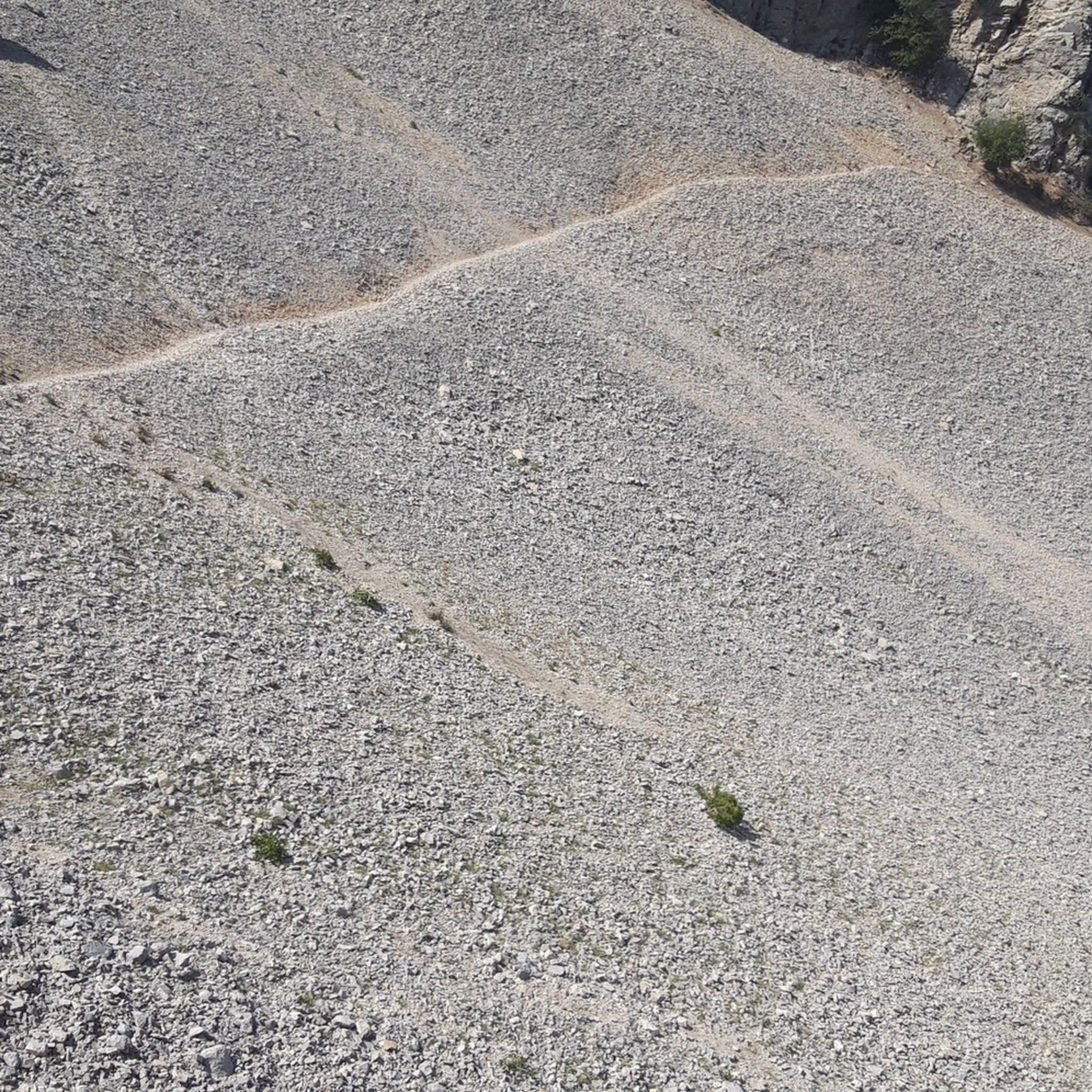
It is gelifraction, also called cryoclasty, which over the millennia has …
Translated by Google •
Tip by
Grand panorama
Highlight • Other
Translated by Google •
Tip by
Sign up for free to discover even more attractions around Réserve biologique intégrale du Mont Ventoux.
Sign up for free
Already have an account?
Start today with a free account
Your next adventure awaits.
Login or Signup
Popular around Réserve biologique intégrale du Mont Ventoux
Hiking around Réserve biologique intégrale du Mont Ventoux
Road Cycling Routes around Réserve biologique intégrale du Mont Ventoux
Running Trails around Réserve biologique intégrale du Mont Ventoux
Cycling around Réserve biologique intégrale du Mont Ventoux
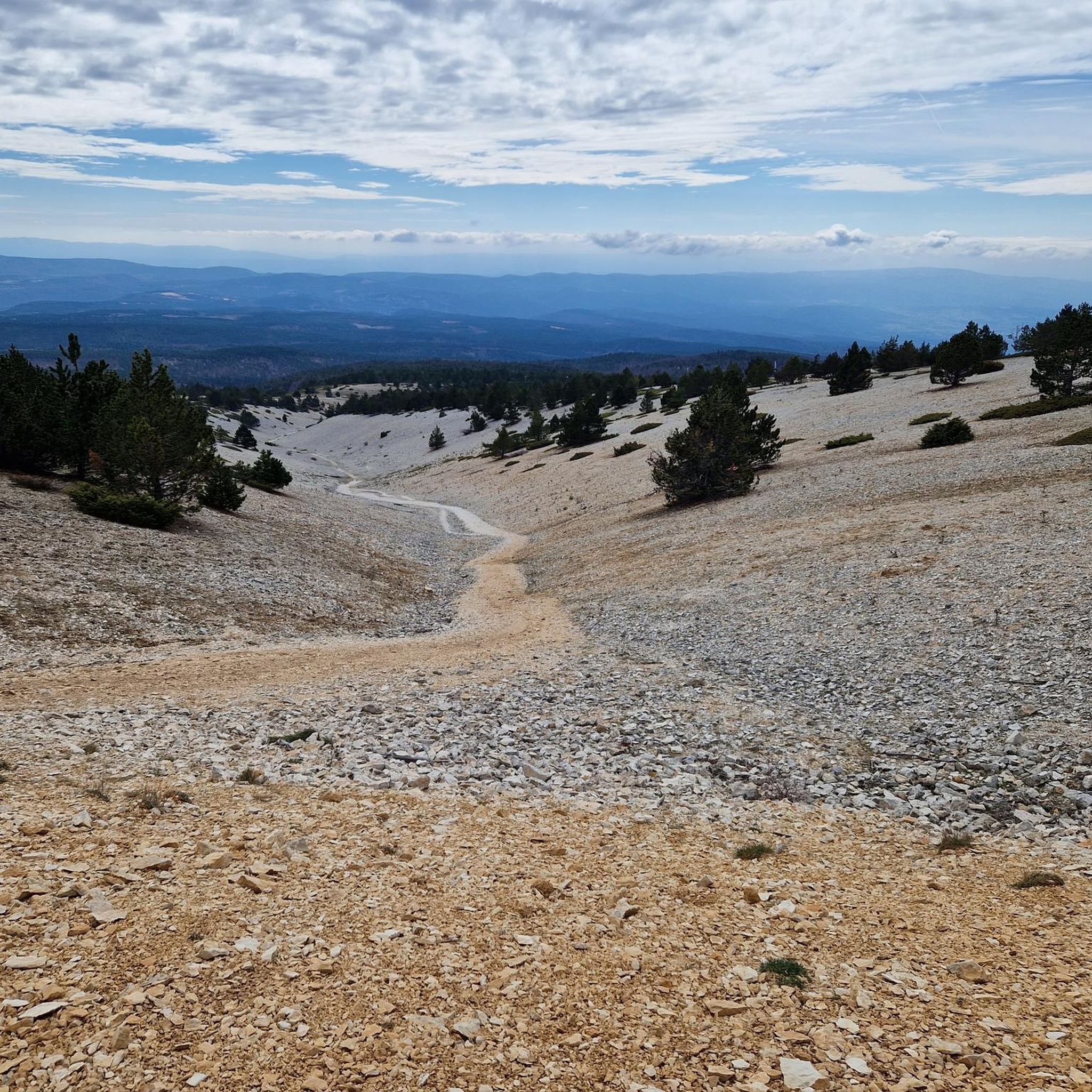
MTB Trails around Réserve biologique intégrale du Mont Ventoux
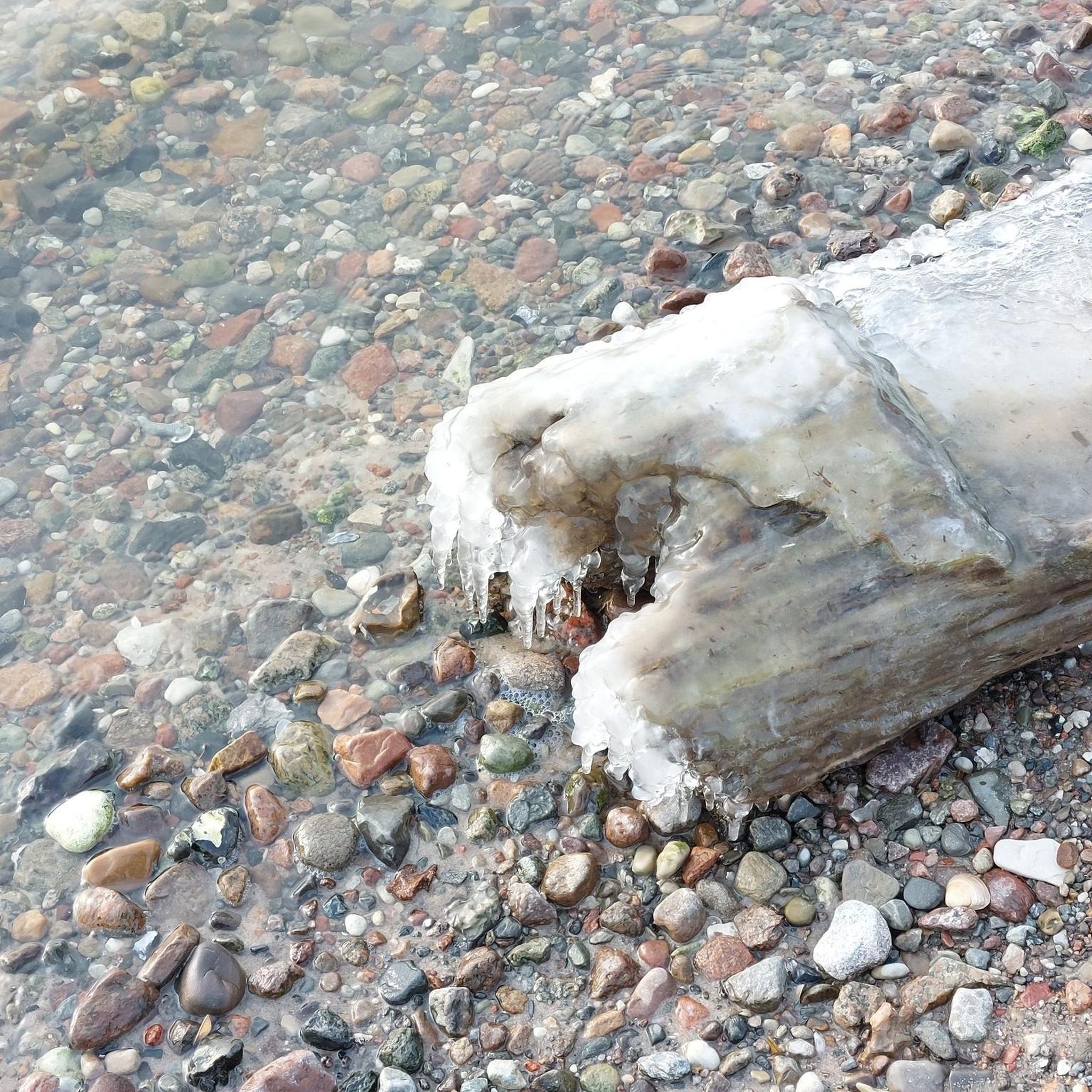
Gravel biking around Réserve biologique intégrale du Mont Ventoux
Mountain Hikes around Réserve biologique intégrale du Mont Ventoux
Tips from the Community

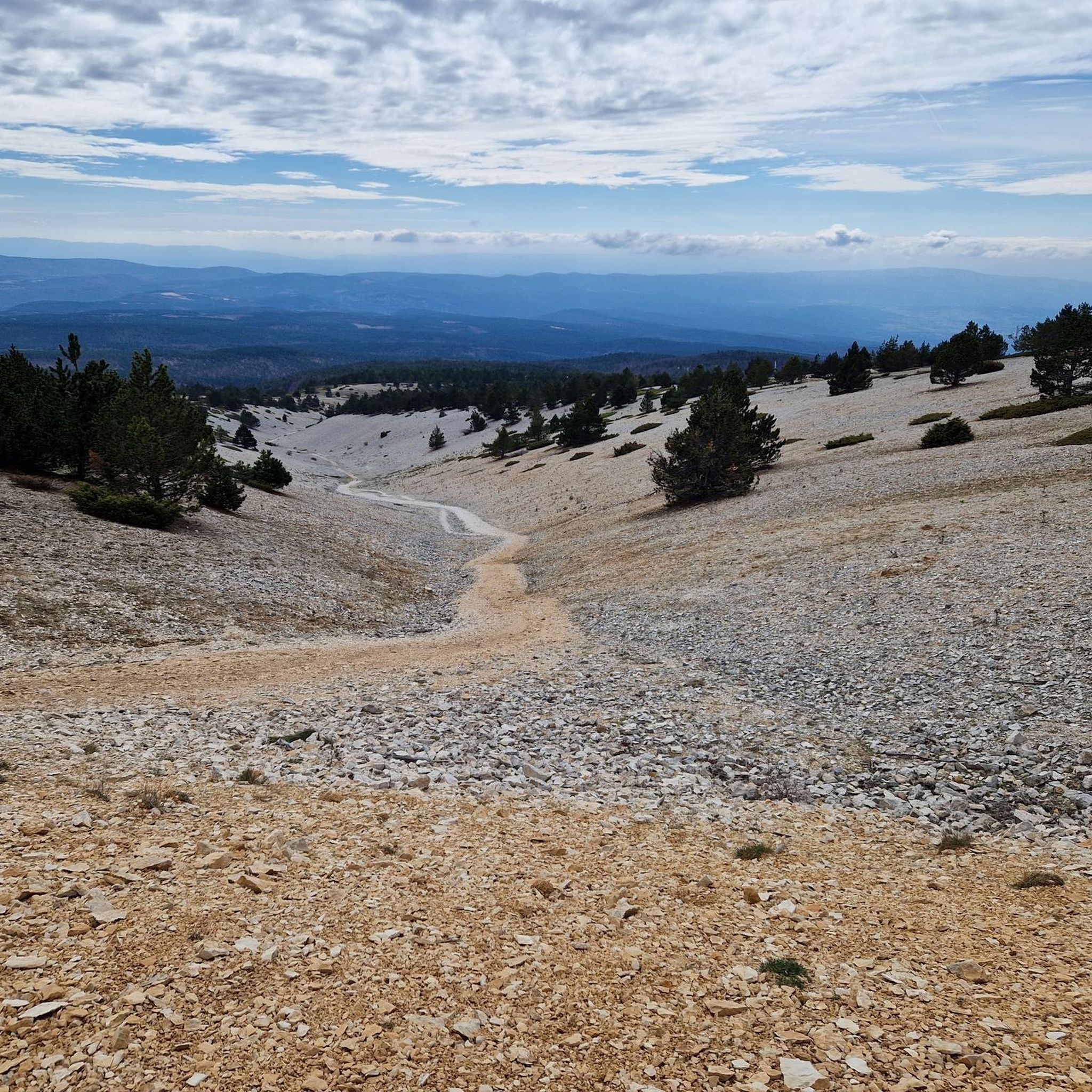
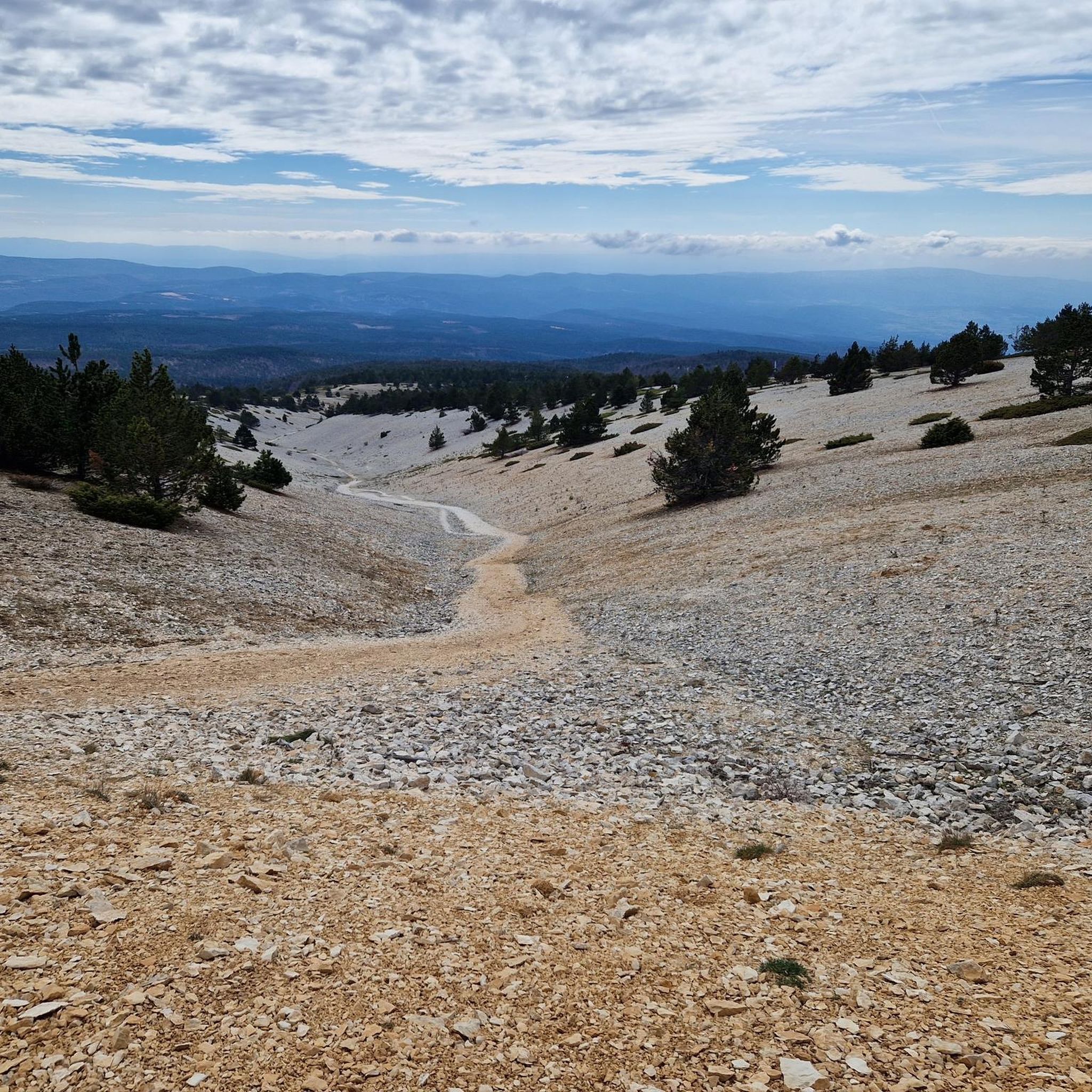
An iconic passage along the ridge, between scree and clearings. Here, you can breathe in the altitude and enjoy a first wide panorama towards the Baronnies and the Lure mountain.
0
0

A superb climb on smooth asphalt, even if it's not the most popular climb. Therefore, traffic is very light, which I personally find more important. Up to Chalet Reynard, you're surrounded by trees. Views are rare. Overall, the climb is very pleasant and suitable for those who want to take it easy.
2
0

Tough climb, very irregular with gradients up to 14%. Especially the 3.5 km before Mont Serein are very difficult. In 2021 "Covid era" the Cannibale left here in September at 6:30 in the morning when it was still dark. Doing the climb of the Ventoux with thousands of lights and seeing the sun rise was a magical moment.
1
0

Climb with a different character. Sometimes around 5% but also a few kilometers at 12%. Very nice view of the top and the Alps. Less busy than the climb from Bedoin.
3
0

Not as famous as the Bedoin climb used often by the Tour de France, but still a very enjoyable, tough climb with beautiful views of the summit
5
1

Even better as a descent.
1
0
Good asphalt, decent gradient.
2
0

Whatever the weather, always a worthwhile challenge
2
1
Frequently Asked Questions
What natural features can I explore around the Réserve biologique intégrale du Mont Ventoux?
The wider Mont Ventoux area, encompassing the Biosphere Reserve and Regional Natural Park, offers diverse natural features. You can explore the unique 'lunar' landscape near the Summit of Mont Ventoux, which provides panoramic views. The Pass of Storms also offers magnificent vistas. Further down, discover the impressive Gorges de la Nesque, a natural site of exceptional interest, and La Cédraie, a 98-hectare cedar forest known for its biodiversity.
Are there opportunities for hiking near the Réserve biologique intégrale du Mont Ventoux?
Yes, the Mont Ventoux area is renowned for its numerous hiking trails. You can find trails catering to various difficulty levels. For instance, the Trail in the Mont Ventoux Reserve showcases unique geological processes. You can also find many mountain hikes, including moderate loops like the "Pass of Storms – Grand panorama loop" or the "Summit of Mont Ventoux loop." For more options, explore the Mountain Hikes around Réserve biologique intégrale du Mont Ventoux guide.
What cycling routes are available in the Mont Ventoux area?
Mont Ventoux is a legendary destination for cyclists. Challenging ascents are famous, such as Climbing Mont Ventoux from Malaucène or the Mont Ventoux Ascent from Sault, which is considered the easiest of the three main access points. The region also offers a variety of cycling and gravel biking routes. You can find detailed routes in the Cycling around Réserve biologique intégrale du Mont Ventoux guide and the Gravel biking around Réserve biologique intégrale du Mont Ventoux guide.
Can I visit charming Provençal villages near the reserve?
Absolutely. The Mont Ventoux area is dotted with many picturesque Provençal villages. These often feature typical architecture, nestled around churches or at the foot of old feudal castles, retaining remnants of ancient ramparts. Villages like Sault, Bédoin, and Malaucène are popular starting points for exploring the mountain and offer local amenities.
What is the best time of year to visit the Mont Ventoux region?
The Mont Ventoux region is beautiful year-round, but the best time depends on your planned activities. Spring (April-May) and autumn (September-October) offer pleasant temperatures for hiking and cycling, with vibrant landscapes. Summer (June-August) is ideal for enjoying the lavender fields around Sault, though the summit can be very hot and crowded. Winter offers opportunities for snow activities at Mont Serein, but access to the summit road may be closed due to snow.
Are there any family-friendly activities or attractions around Mont Ventoux?
While the integral reserve itself is highly protected, the broader Mont Ventoux Regional Natural Park offers family-friendly options. Easy hiking trails are available at lower altitudes, and the Mont Serein Station provides various activities. Exploring the charming villages, visiting local markets, or enjoying the agricultural landscapes of vineyards and lavender fields can also be enjoyable for families.
What unique geological features can be observed?
The Mont Ventoux area is known for its distinctive geological formations. The Trail in the Mont Ventoux Reserve specifically highlights gelifraction, or cryoclasty, a process where successive freeze-thaw cycles transform primordial rock into millions of smaller rocks, creating unique talwegs (stone torrents). The bare, white limestone near the summit also gives it a striking 'lunar' appearance.
Where can I find panoramic views of the Mont Ventoux landscape?
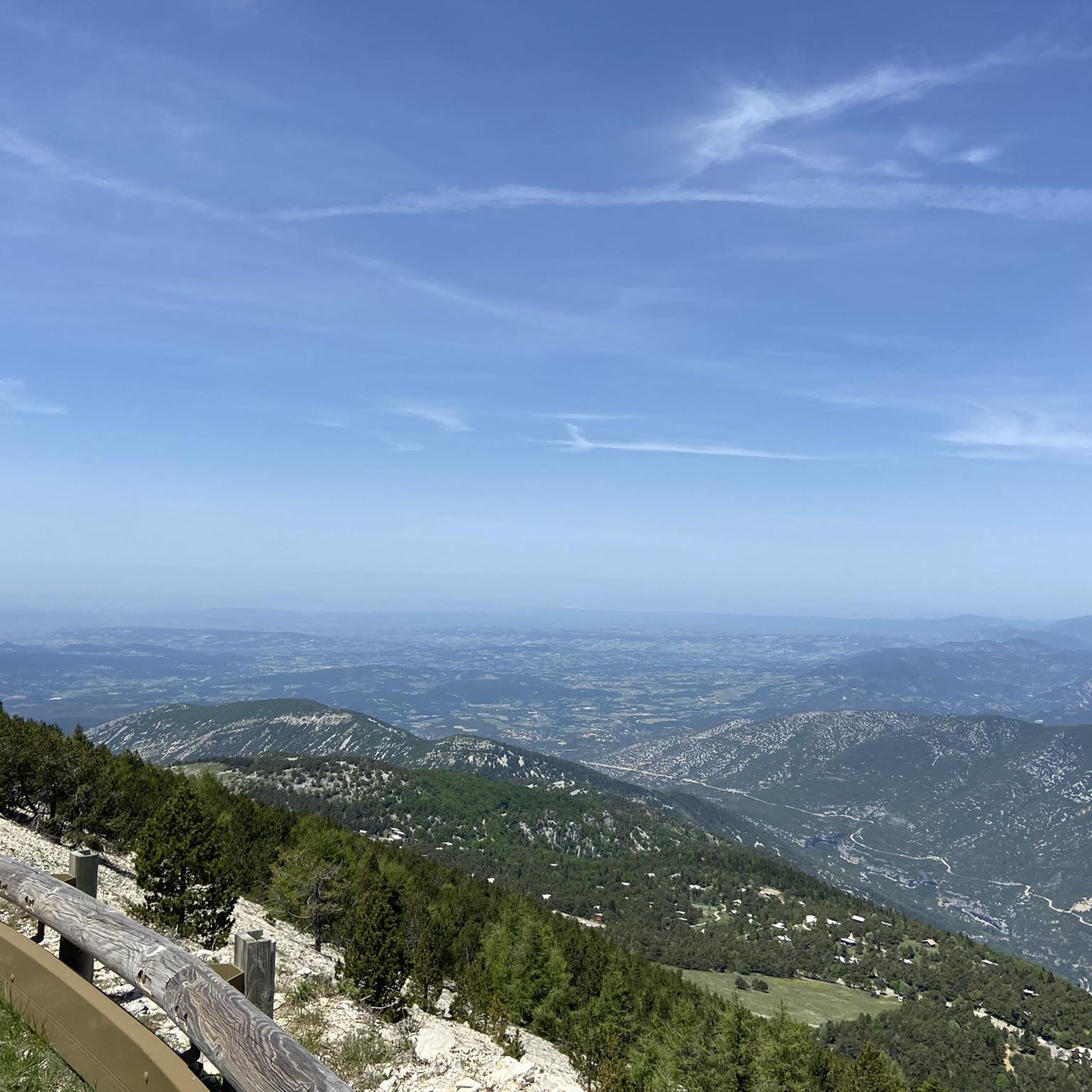
For breathtaking panoramic views, the Summit of Mont Ventoux is unparalleled, offering vistas that can extend to the Alps on clear days. The Pass of Storms, located within the final turns of the ascent, also provides magnificent views. Additionally, the Grand panorama highlight promises extensive scenic overlooks.
Are dogs allowed on trails in the Mont Ventoux area?
Regulations regarding dogs can vary. While the Réserve biologique intégrale du Mont Ventoux has strict protection, the broader Regional Natural Park generally allows dogs on trails, often requiring them to be on a leash. It's always best to check specific signage at trailheads or local tourist information for the most up-to-date regulations for the particular area you plan to visit.
What kind of wildlife can I expect to see in the Mont Ventoux region?
The Mont Ventoux area is a unique biological crossroads where Mediterranean and Alpine habitats meet, resulting in extraordinary biodiversity. You might spot various mammals such as deer, mouflons, chamois, wild boars, and foxes. The region is also home to nearly 150 bird species, including large raptors and nesting birds, particularly in areas like La Cédraie.
Are there any specific regulations for visiting the Réserve biologique intégrale du Mont Ventoux?
The Réserve biologique intégrale du Mont Ventoux is a highly protected area (IUCN Category 1a) primarily dedicated to biodiversity conservation. This means access and activities within the integral reserve itself are very limited and strictly regulated to allow nature to develop freely. Most visitor activities are concentrated in the surrounding Mont Ventoux Biosphere Reserve and Regional Natural Park, which have more permissive rules. Always respect signage and local guidelines.
Where can I find amenities like cafes or accommodation near the attractions?
The charming Provençal villages surrounding Mont Ventoux, such as Sault, Bédoin, and Malaucène, serve as excellent bases for exploring the region. These villages offer a range of amenities including cafes, restaurants, shops, and various accommodation options from hotels to guesthouses. Chalet Reynard, located on the ascent to Mont Ventoux, also provides facilities.
What agricultural landscapes are characteristic of the Mont Ventoux region?
Agriculture is a vital part of the Mont Ventoux region's cultural heritage and landscape. You'll find extensive vineyards producing Ventoux AOC wines, ancient olive groves, and fruit orchards, notably cherry production from the Vaucluse hillsides. The iconic lavender fields, especially around Sault, are a major draw, particularly when in bloom during the summer months.
Most popular routes around Réserve biologique intégrale du Mont Ventoux
Most popular attractions around Réserve biologique intégrale du Mont Ventoux

Get inspired with the komoot mobile app


Explore more
Still not found the Highlight you’re looking for? See guides of the top attractions in other regions:
