The best dog-friendly hikes and walks around Albert Canal
4.4
(58826)
327,148
hikers
745
hikes
Dog friendly hiking trails around Albert Canal offer diverse landscapes, from well-maintained towpaths to areas with striking limestone formations. The canal itself, a 130-kilometer-long waterway, provides extensive routes alongside the water, featuring relatively flat terrain. Near Kanne, the canal cuts through a limestone mountain range, revealing rock formations and varied terrain. The region combines natural beauty with historical landmarks, providing accessible outdoor experiences.
Best dog friendly hiking trails around Albert Canal
- The most popular dog friendly hiking route is Augustijnen…
Last updated: July 12, 2026
4.4
(43)
336
hikers
5.98km
01:31
20m
20m
Easy hike. Great for any fitness level. Easily-accessible paths. Suitable for all skill levels.
3.6
(7)
88
hikers
Easy hike. Great for any fitness level. Easily-accessible paths. Suitable for all skill levels.

Sign up for free
4.1
(8)
38
hikers
5.46km
01:23
10m
10m
Easy hike. Great for any fitness level. Easily-accessible paths. Suitable for all skill levels.
4.6
(9)
61
hikers
Moderate hike. Good fitness required. Easily-accessible paths. Suitable for all skill levels.
4.8
(12)
62
hikers
25.1km
06:23
60m
60m
Hard hike. Very good fitness required. Easily-accessible paths. Suitable for all skill levels.
Get access to more routes and recommendations from other explorers.
Sign up for free
Already have an account?
Our route recommendations are based on thousands of hikes, rides, and runs completed by other people on komoot.
Start today with a free account
Your next adventure awaits.
Login or Signup
Popular around Albert Canal


Tips from the Community

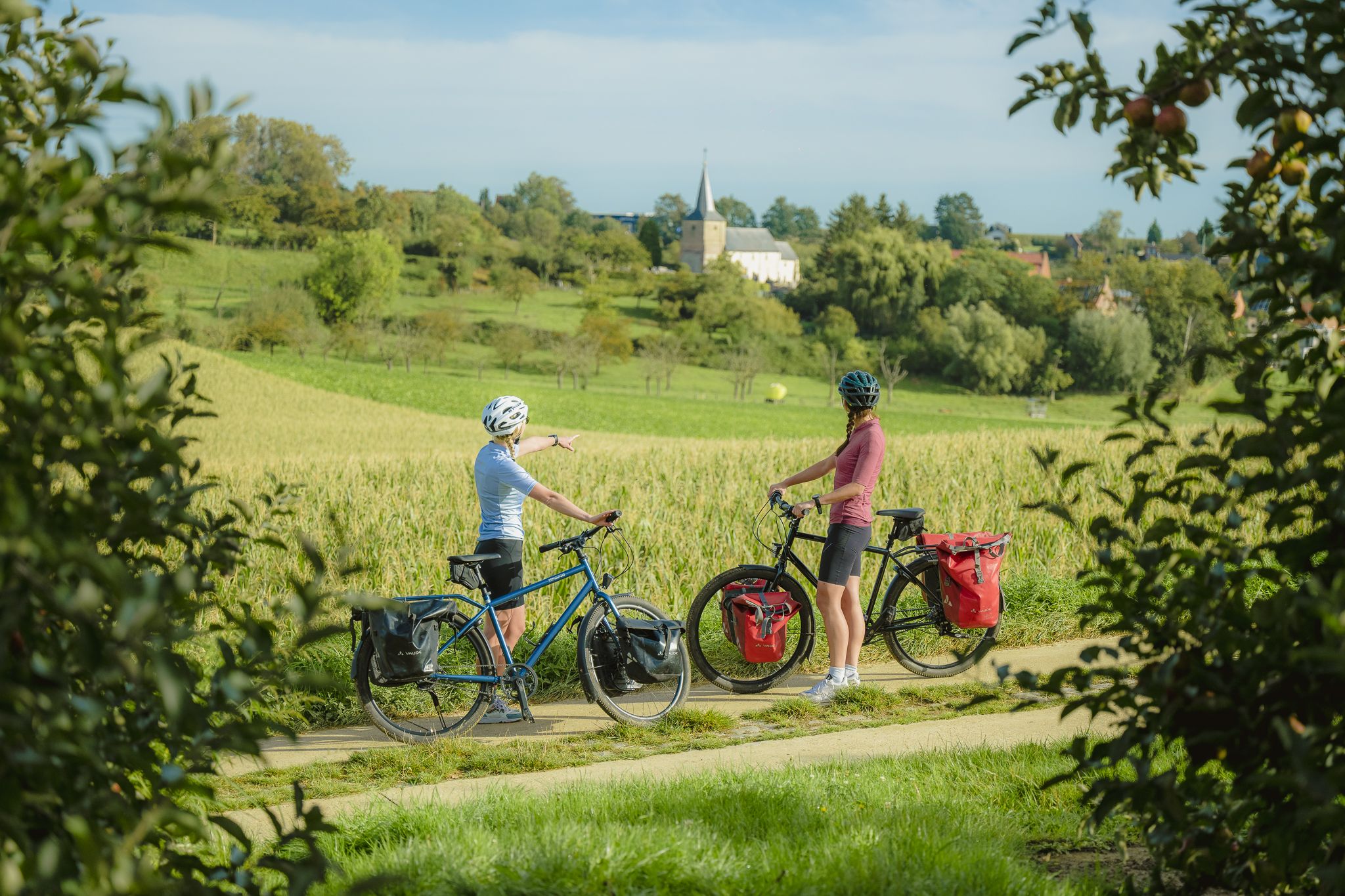
The cycle path through the water leads cyclists over a 212-meter-long and three-meter-wide concrete path, with water at eye level on both sides. Swans and other waterfowl swim along the banks, curiously watching the cyclists. Since its opening, interest in this unique cycle path has been enormous. On average, 800 visitors per day explore this unforgettable part of the Limburg cycle network, with peaks on Saturdays and Sundays, and on some days even up to 5,000 cyclists.
1
1

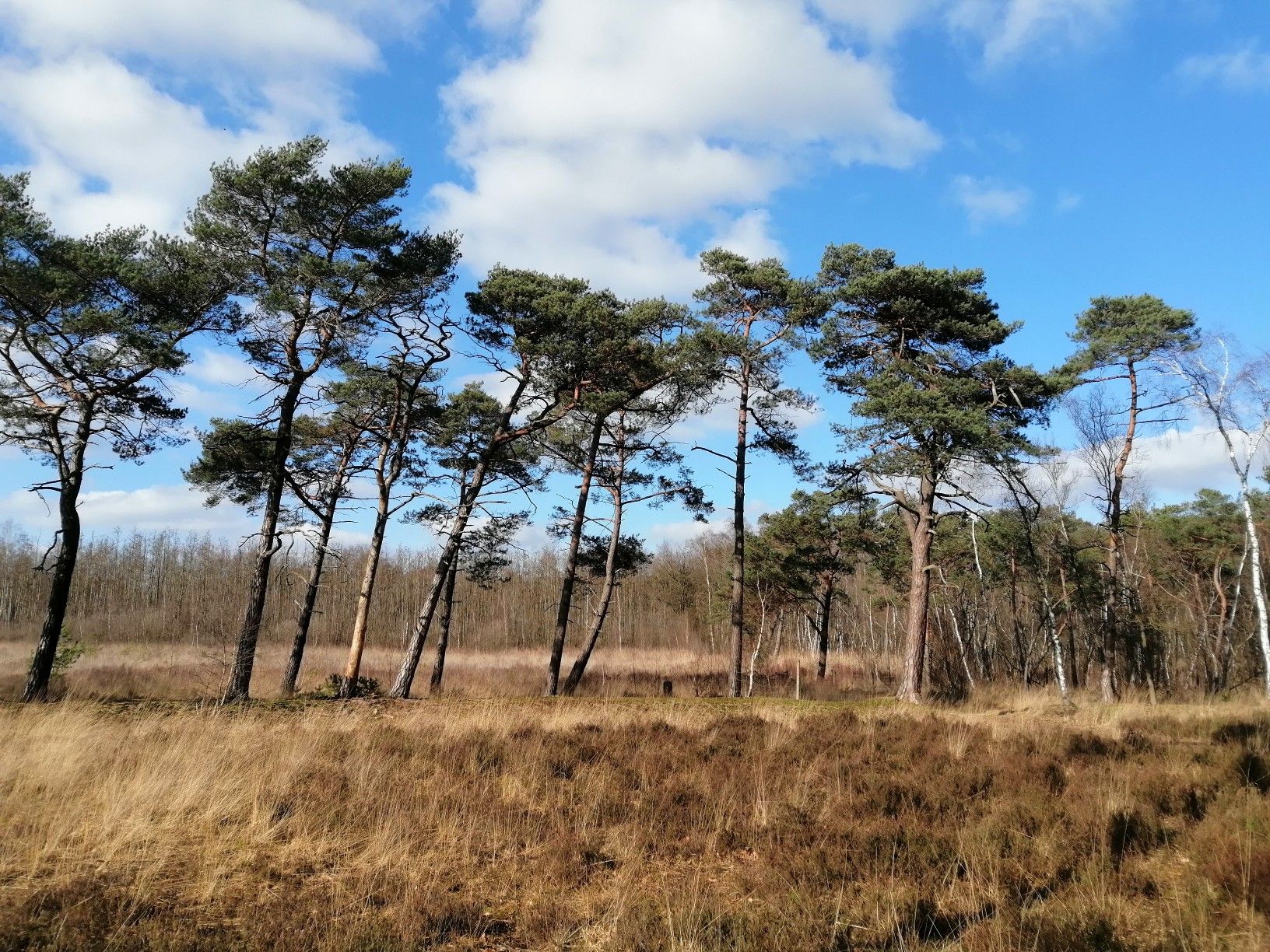
The heath landscape is a remnant of a historical, extensive agricultural ecosystem. Of the area of heath that existed around 1850, about 5 percent remained at the end of the twentieth century. The remaining heathlands are now nature reserves or are used as military training grounds. Today, heath is scarce in Flanders and still covers 0.6 to 1 percent of the total area: about 7,700 to 13,000 hectares. Nevertheless, the heath landscape is of great importance for the preservation of biodiversity: 13% of the most endangered animal and plant species in Flanders can be found in the heath landscape.
1
0
The name Maten is related to the English "meadows". The area is part of De Wijers, a pond complex on the transition from the Kempens Plateau to the Demer Valley. On the poor sandy soils of the Kempen, fish farming was a source of extra protein. As early as the Middle Ages, series of ponds were created by means of simple cross-dikes in the valley. The overflow from one pond simultaneously forms the supply for the next pond. For the ponds in De Maten, the Stiemerbeek valley was dammed up several times. As fish farming became more intensive in the first half of the twentieth century, many ponds were given separate inlets and outlets. In De Maten, you will still find a mix of both systems. The water management is therefore a complex part of the management of one of the oldest nature reserves in Flanders.
3
0
Ornithology or bird science is a specialization of zoology that deals with the study of birds. It includes the classification of species and observation of behavior, migration, song, and flight patterns. Birds are ringed, among other things, to learn more about their migratory behavior and age. An ornithologist is a practitioner of ornithology. A hobby ornithologist is a birdwatcher.
1
0

The Bumblebee in the De Maten nature reserve isn't just an animal or insect habitat, but a pond (étang), a water feature that forms part of the rich pond landscape in this beautiful nature reserve between Genk and Diepenbeek (Belgium). The Bumblebee is one of the many ponds in De Maten that together form the pond complex belonging to the De Wijers landscape (the land of 1001 ponds). This pond is located near waterways such as Schutwijer and Sint-Janswijer and is part of the hiking networks that run through the reserve. You'll encounter the Bumblebee when following routes that pass various ponds, such as the walks along Volmolenweg and the paths around the Slagmolen. These routes allow you to experience the character of De Maten and its variety of open water, reed beds, and wetlands that support a rich bird and plant life. The Bumblebee is located in the northeastern part of the reserve, not far from paths and other ponds that offer views of the water and nature. It's a lovely spot for quiet, bird song, and reflections in the water during your walk. Bring binoculars when walking around De Maten, as the ponds, including De Hommelaar, often attract waterfowl and other wildlife, especially early in the morning or at sunset.
1
0
Bokrijklaan has been the main entrance to the Bokrijk estate for centuries. This avenue connects the surrounding landscape with the castle and the estate and was deliberately designed as a straight line and connecting axis typical of historic estates. Those who walk or cycle here are essentially following in the footsteps of generations of visitors, residents, and workers who entered the estate via this route. The avenue is characterized by rows of trees on both sides, which not only give structure to the landscape but also provide shelter and rhythm. Throughout the seasons, the character of Bokrijklaan changes: fresh green in spring, cool and shady in summer, warm colors in autumn, and understated yet powerful in winter.
1
0

From Bokrijklaan you can not only reach the open-air museum, but also the starting point of the cycling and hiking trails into the De Wijers nature reserve, where the famous section “Fietsen door het Water” is located.
1
0

The best time is somewhere between the end of July and mid-August, when the heath is at its most beautiful.
2
0
Frequently Asked Questions
How many dog-friendly hiking trails are available around the Albert Canal?
There are over 700 dog-friendly hiking trails around the Albert Canal, offering a wide variety of options for you and your canine companion. With 434 easy, 268 moderate, and 32 difficult routes, you're sure to find a perfect adventure.
What kind of terrain can I expect on dog-friendly hikes along the Albert Canal?
The Albert Canal region offers diverse terrain. Many routes follow well-maintained towpaths, providing relatively flat and easy walking. However, near Kanne, south of Maastricht, you can find more challenging hikes with elevation gains and striking limestone formations, offering a more varied experience for you and your dog.
Are there easy dog-friendly walks suitable for all fitness levels and older dogs?
Yes, absolutely. Over 430 of the dog-friendly trails around the Albert Canal are rated as easy. These often follow the canal's towpaths, providing flat and accessible routes perfect for a leisurely stroll with dogs of all ages and fitness levels. A good example is the Augustijnen Pond – Stiemerbeek loop from Natuurreservaat De Maten.
Are there any specific trails designed for dog training or activities?
Yes, for those looking for specific dog activities, you can find routes like the Dog Slalom Training Area – Dog Training A-Frame Bridge loop from Tessenderlo-Ham. This trail incorporates features that can be fun for training and exercising your dog.
What interesting landmarks or natural features can I see on dog-friendly hikes?
Many dog-friendly routes offer views of impressive landmarks and natural features. You can explore the significant Lanaye Lock complex, walk along the scenic Albert Canal Towpath at Kanne with its steep rock walls, or cross the modern Kanne Bridge. For natural wonders, consider trails near the Thier des Vignes Flint Caves or the St. Pietersberg Marl Caves.
Are there any longer, more challenging dog-friendly hikes for experienced hikers?
Yes, for those seeking a greater challenge, there are 32 difficult dog-friendly routes available. These often feature more significant elevation changes and longer distances. An example is the Augustijnen Pond – De Maten Nature Reserve loop from Dauteweijers, which covers over 25 km.
What do other hikers enjoy the most about hiking in Albert Canal with their dogs?
The Albert Canal area is highly rated by the komoot community, with an average score of 4.36 stars. Reviewers often praise the well-maintained towpaths, the scenic waterfront views, and the accessibility of many trails, making it a pleasant experience for both hikers and their dogs.
Are there dog-friendly circular routes available?
Yes, many of the dog-friendly trails around the Albert Canal are circular, allowing you to start and end your hike at the same point. This is convenient for parking and exploring without needing to retrace your steps. For instance, the Along the Grote Nete – Scenic bend on the Grote Nete loop from Winkelomheide is a pleasant circular option.
What is the best time of year to hike with my dog along the Albert Canal?
The Albert Canal offers pleasant hiking conditions throughout much of the year. Spring and autumn provide comfortable temperatures and beautiful scenery, with fewer crowds. Summer can be enjoyable, especially on shaded routes, but remember to bring plenty of water for your dog. Winter walks are also possible, offering a different, often tranquil, perspective of the canal and its surroundings.
Are there any moderate dog-friendly trails that offer a good balance of distance and challenge?
Certainly. There are 268 moderate dog-friendly trails around the Albert Canal that provide a good balance. These routes might include slightly longer distances or gentle elevation changes, offering a more engaging experience without being overly strenuous. The Multimovepad Kepkensberg – Kepkensberg Trenches loop from Tessenderlo-Ham is a moderate option, covering over 16 km.
Most popular routes around Albert Canal
Most popular attractions around Albert Canal

Get inspired with the komoot mobile app


Explore more
Browse the best Hikes in other regions.
