The best walks and hikes around Albert Canal
4.4
(62833)
343,131
hikers
39
hikes
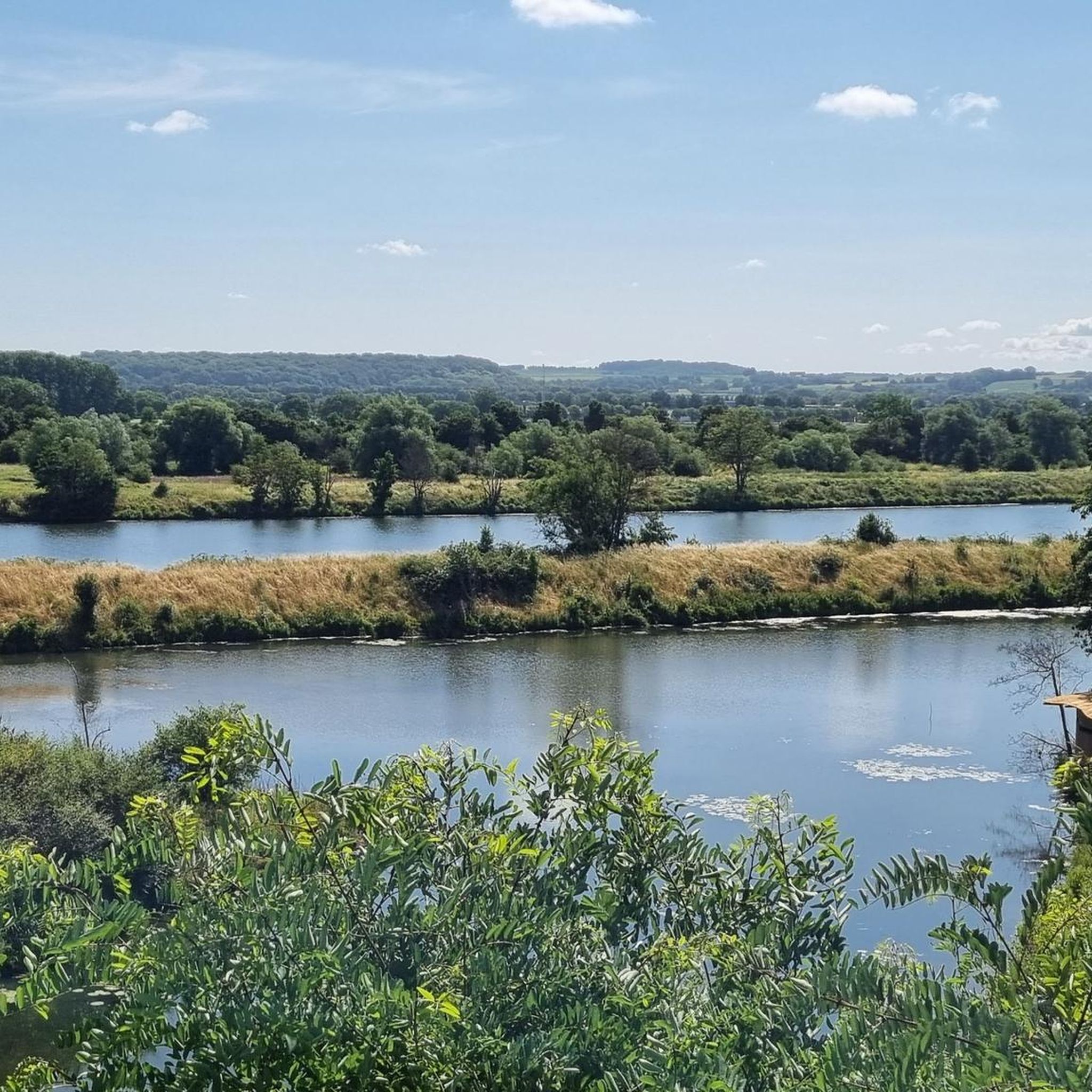
Hiking around Albert Canal features diverse landscapes along its 130-kilometer stretch, offering a mix of engineered waterways and natural geological formations. The region is characterized by largely flat, accessible towpaths along the canal, contrasting with more rugged terrain around limestone hills like Mount Saint Peter. Hikers can explore areas bounded by the Meuse River, which has carved out backwaters and old channels, adding to the natural diversity. The canal itself cuts through ridges, creating dramatic landscapes and varied hiking experiences.
…Last updated: August 22, 2026
4.6
(258)
934
hikers
8.11km
02:11
110m
110m
Moderate hike. Good fitness required. Mostly accessible paths. Sure-footedness required.
4.7
(396)
2,068
hikers
17.9km
04:58
310m
310m
Hard hike. Good fitness required. Sure-footedness, sturdy shoes and alpine experience required.

Sign up for free
4.3
(8)
48
hikers
Hard hike. Very good fitness required. Easily-accessible paths. Suitable for all skill levels.
4.2
(9)
48
hikers
6.99km
01:49
40m
40m
Easy hike. Great for any fitness level. Easily-accessible paths. Suitable for all skill levels.
4.3
(15)
52
hikers
Moderate hike. Good fitness required. Easily-accessible paths. Suitable for all skill levels.
Get access to more routes and recommendations from other explorers.
Sign up for free
Already have an account?
Our route recommendations are based on thousands of hikes, rides, and runs completed by other people on komoot.
Start today with a free account
Your next adventure awaits.
Login or Signup
Popular around Albert Canal



Tips from the Community

Under the bridge is the Albert beach, which is super nice
0
0

Sint-Pietersberg offers a unique mosaic of open chalk grasslands and light-permeable forests, worth visiting for every nature lover. On the 'Sint-Pietersberg' you will feel like you are in a foreign country. Where else can you find such beautiful hills and such a special marl landscape? The Plateau of Caestert consists of valuable slope forests and chalk grasslands, a rare biotope in Flanders. Beneath the forests and grasslands are unique marl quarries, which form a true paradise for a dozen species of bats.
3
0
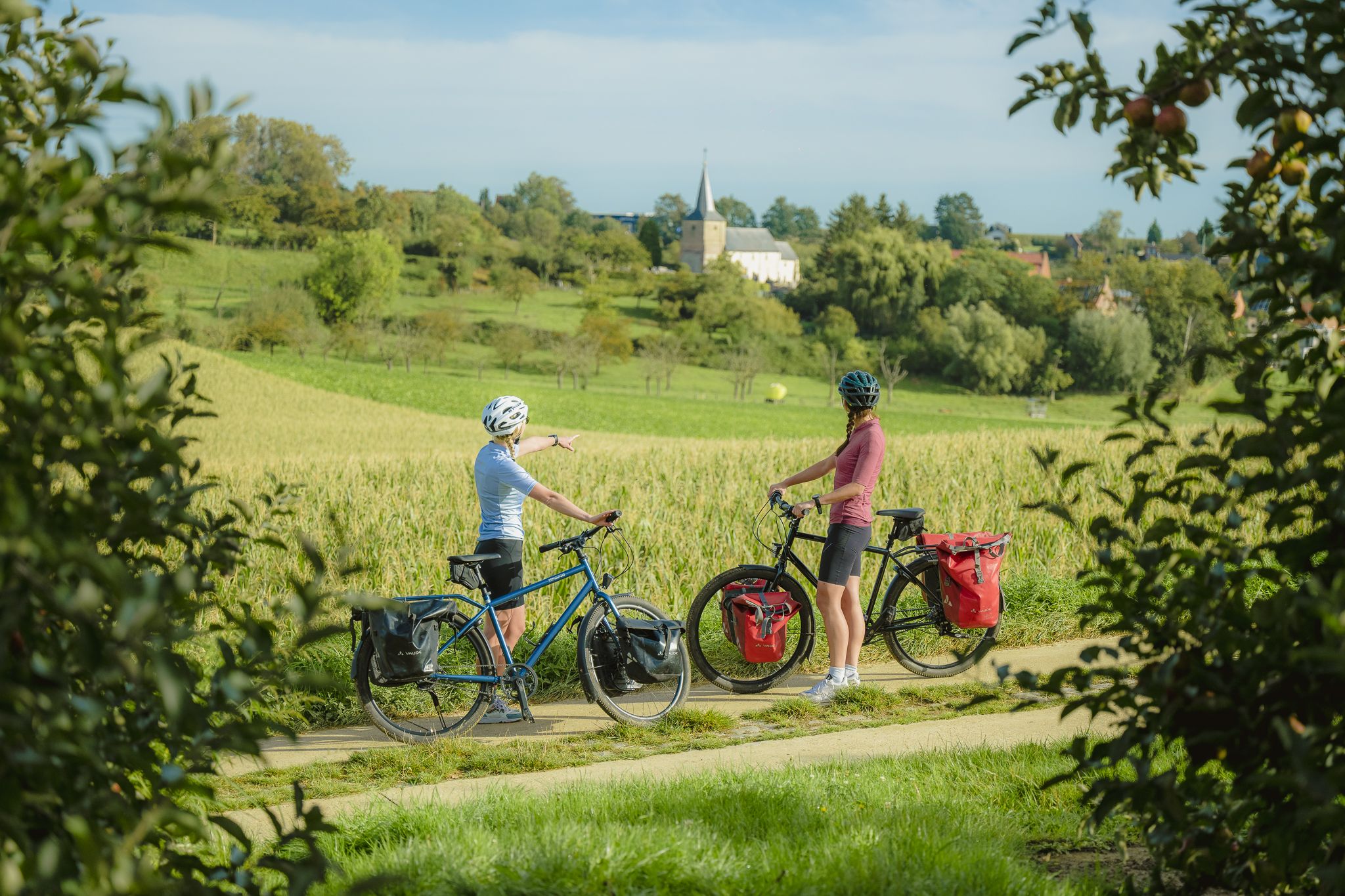
The fathers walked from their monastery in Maastricht across the border to Kanne to reach the Jesuit Quarry. The 'Jezuitenpad' is therefore the specific route that took the Maastricht fathers across the Belgian border and through the forests of Kanne. The small bridge is part of this route.
3
0
On both sides of the bridge (and the Albert Canal), there is a parking lot under the bridge. Several walks start from both parking lots.
3
0

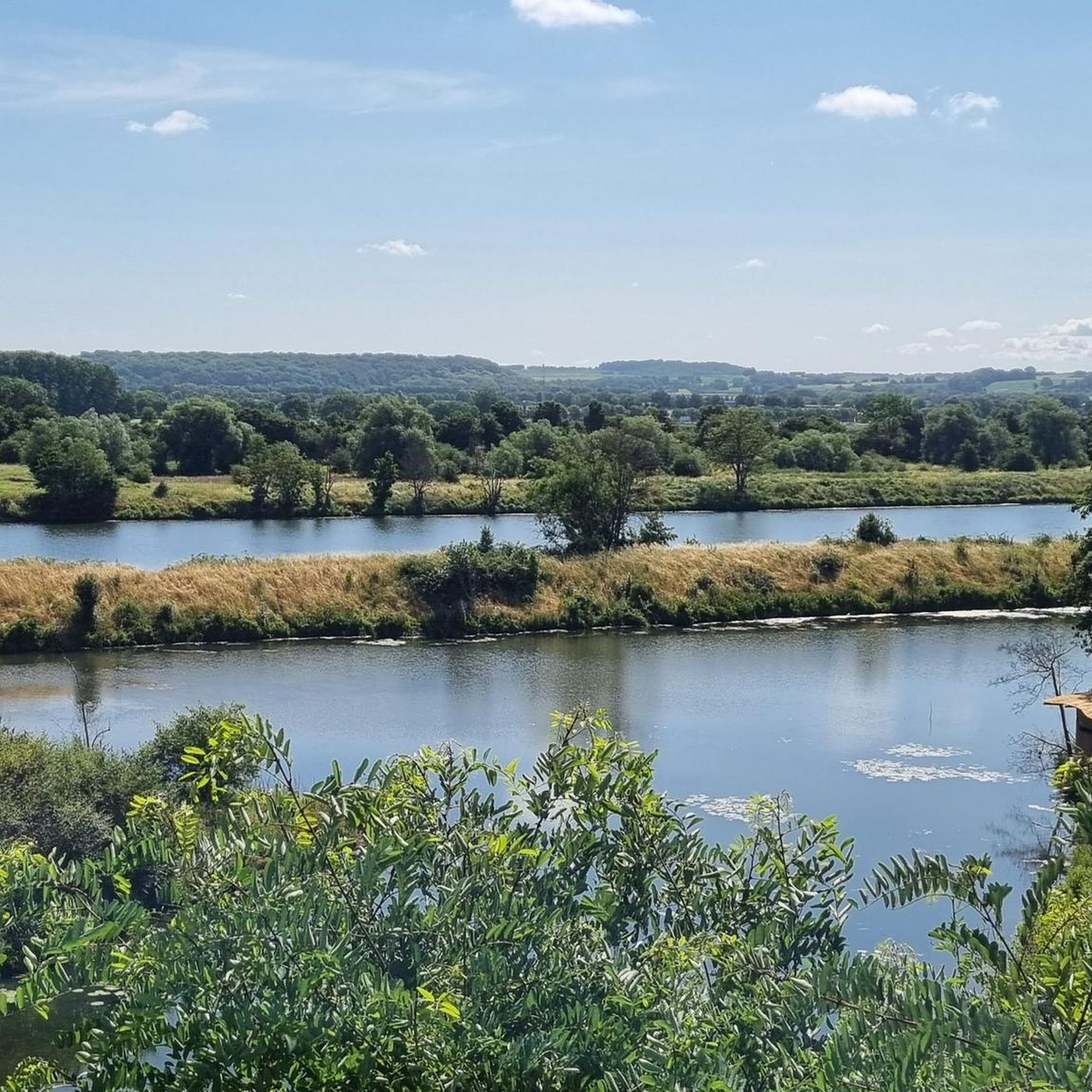
The detour to the ruin is worth it, especially to the ruin itself! The view is great, you look directly at the Maas.
1
0
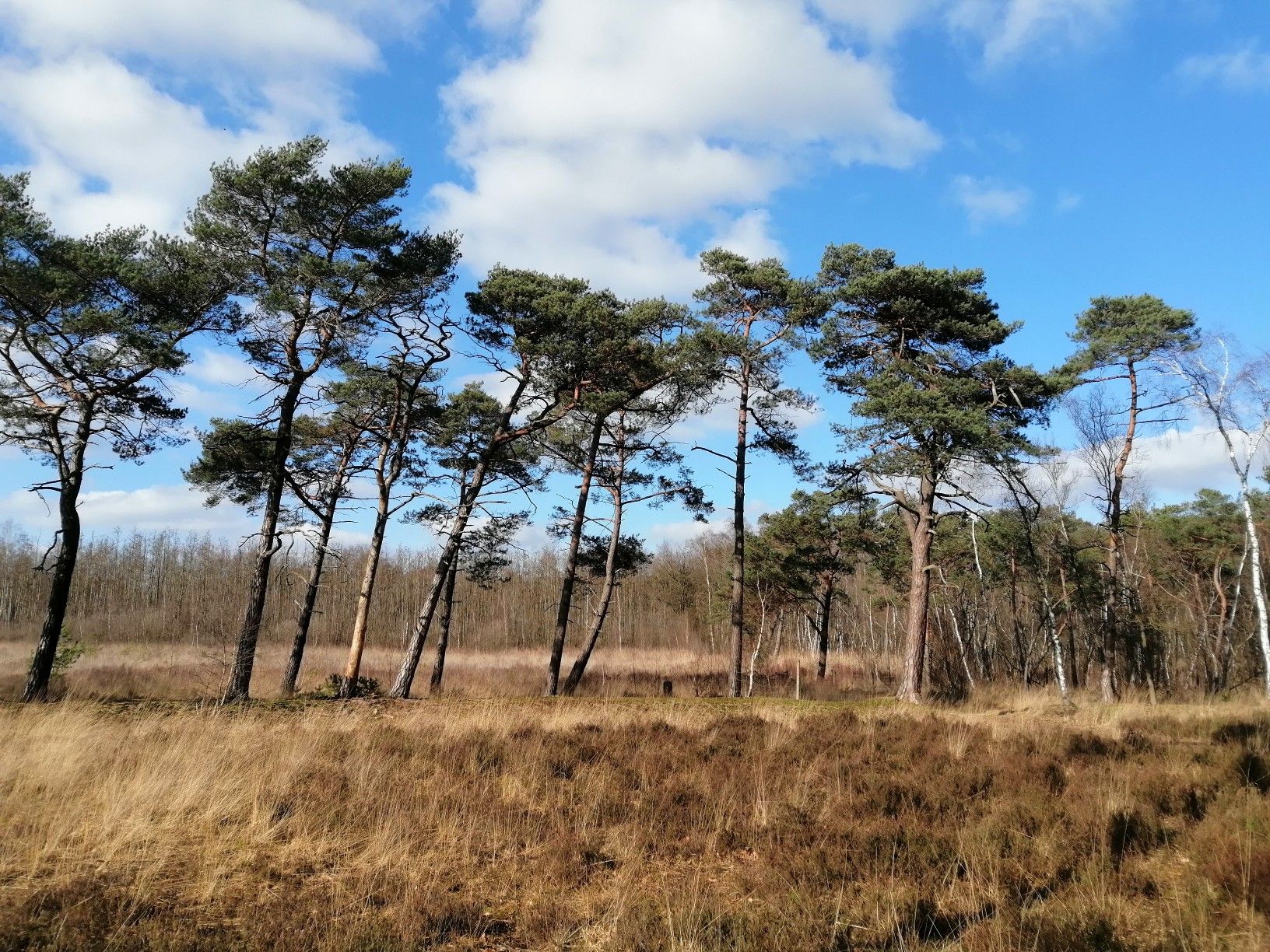
The heath landscape is a remnant of a historical, extensive agricultural ecosystem. Of the area of heath that existed around 1850, about 5 percent remained at the end of the twentieth century. The remaining heathlands are now nature reserves or are used as military training grounds. Today, heath is scarce in Flanders and still covers 0.6 to 1 percent of the total area: about 7,700 to 13,000 hectares. Nevertheless, the heath landscape is of great importance for the preservation of biodiversity: 13% of the most endangered animal and plant species in Flanders can be found in the heath landscape.
1
0
Ornithology or bird science is a specialization of zoology that deals with the study of birds. It includes the classification of species and observation of behavior, migration, song, and flight patterns. Birds are ringed, among other things, to learn more about their migratory behavior and age. An ornithologist is a practitioner of ornithology. A hobby ornithologist is a birdwatcher.
1
0
The Neercanne castle is built on the original site of Roman fortifications whose caves still exist and are used as a wine cellar. In the hall, the original staircase with a railing on wide columns is still present. Weapon trophies are depicted in relief on the ceiling. Currently, the castle is used as a hotel and restaurant. The restaurant has been awarded one star by the Michelin Guide.
5
0
Frequently Asked Questions
What kind of terrain can I expect on hikes along the Albert Canal?
The Albert Canal region offers a diverse landscape. You'll find largely flat, accessible towpaths directly alongside the canal, which are often paved. In contrast, areas like Mount Saint Peter feature more rugged terrain with limestone hills and significant elevation changes. The region is also characterized by backwaters and old channels carved by the Meuse River, adding to the natural variety.
Are there options for different hiking abilities around the Albert Canal?
Yes, the Albert Canal region caters to a wide range of hiking abilities. Our guide features over 35 routes, with 20 easy trails, 12 moderate options, and 3 more difficult paths. This ensures there's something for everyone, from leisurely strolls to more challenging treks.
What natural features or landmarks can I see while hiking along the Albert Canal?
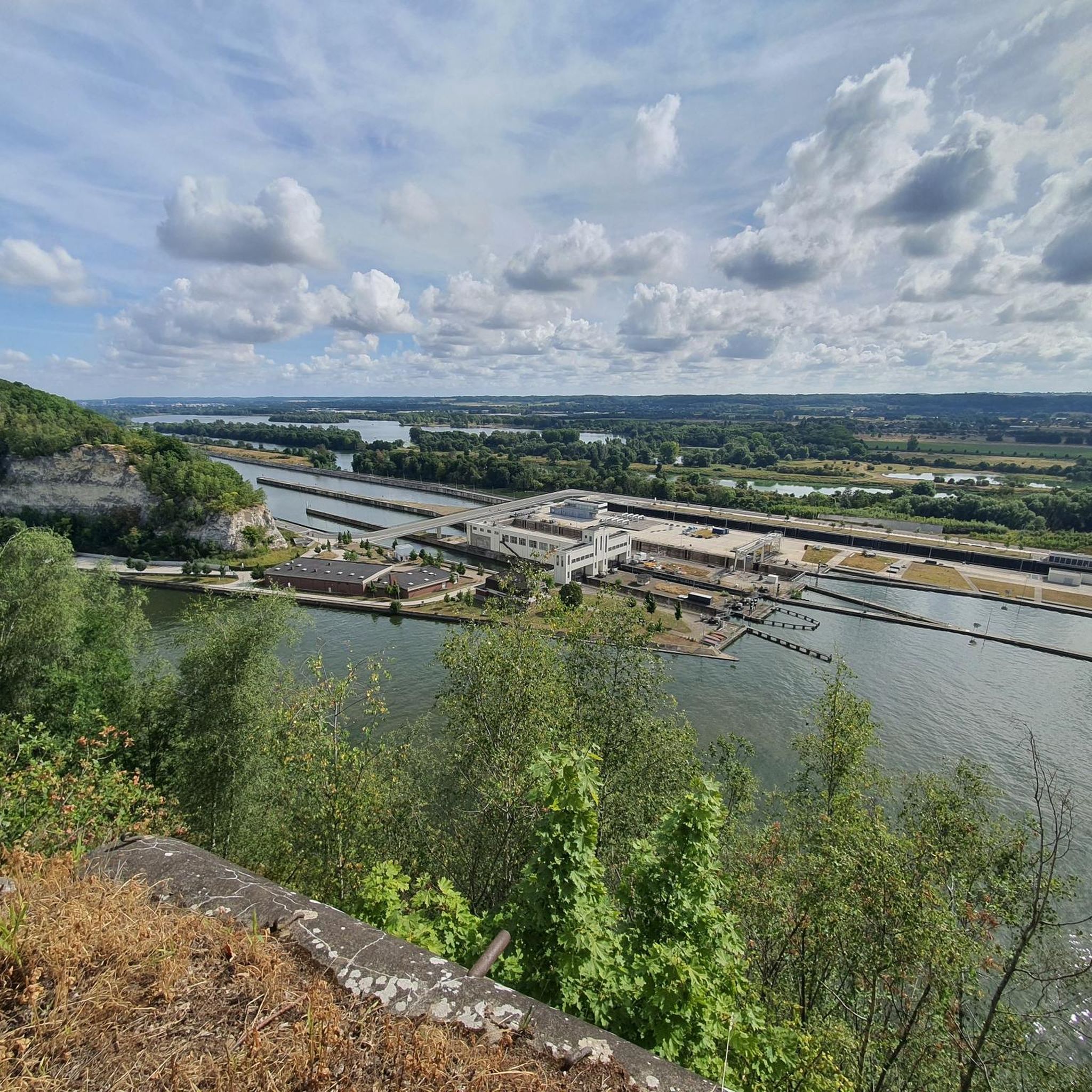
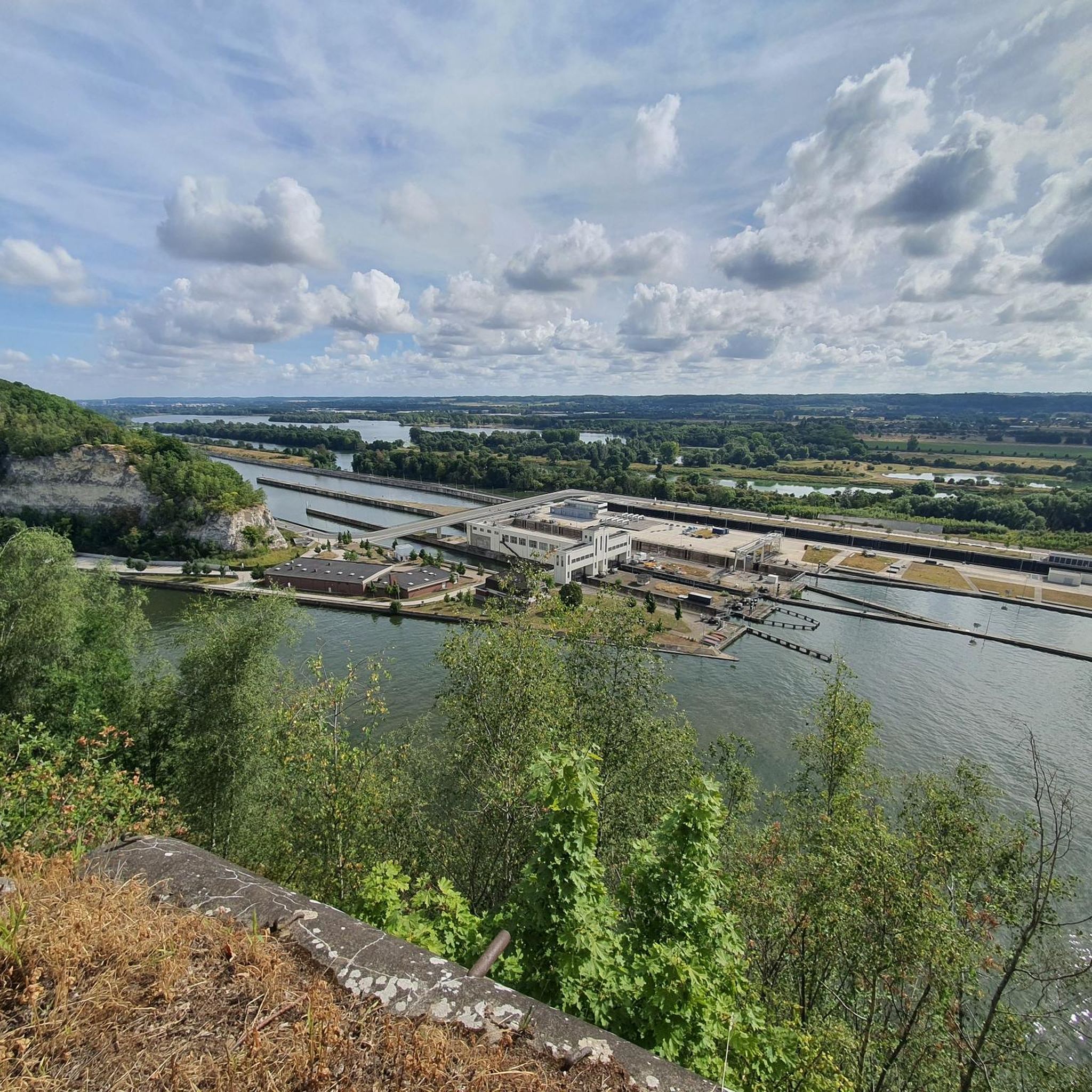
Hikers can explore a variety of natural features and landmarks. The canal itself is a prominent feature, and you can see impressive structures like the Lanaye Lock. Near Kanne, you'll find scenic views of a steep rock wall with a bunker integrated into it. The area also boasts unique geological formations like the limestone deposits and flint nodules of Mount Saint Peter, and the Meuse River's backwaters.
Are there any historical sites or interesting structures to explore?
Absolutely. The region is rich in history and interesting structures. You can visit the impressive Lanaye Lock, an important piece of infrastructure. Near Kanne, the Kanne Bridge offers pedestrian access and views. For those interested in historical sites, the Fort Sint Pieter – ENCI Quarry Viewpoint loop from Montagne Saint-Pierre explores the historical significance of the Mount Saint Peter area.
What is the typical length of hiking trails along the Albert Canal?
Hiking trails along the Albert Canal vary significantly in length. For instance, the Kanne Grenzeloos - Orange hiking route is about 8.1 km (5.0 miles), while the Path to De Apostelhoeve – Château Neercanne loop from Kanne extends to approximately 18 km (11.2 miles). There are options for short, easy walks and longer, more challenging day hikes.
Are the hiking trails around the Albert Canal suitable for families with children?
Yes, many trails along the Albert Canal are suitable for families. The largely flat and accessible towpaths provide easy walking surfaces. For example, the Albert Canal at Cannerberg – Vroenhoven Bridge loop from Kanne is an easy 7 km (4.4 miles) trail that is often completed in under two hours, making it a good option for families.
Can I bring my dog on the hiking trails?
Generally, many hiking trails along the Albert Canal are dog-friendly, especially the canal-side paths. However, it's always recommended to check specific trail regulations or local signage, as some nature reserves or protected areas might have restrictions or require dogs to be on a leash.
What are the parking options for hikers?
Parking facilities are generally available near popular starting points for hikes along the Albert Canal, particularly in villages like Kanne or Montagne Saint-Pierre. It's advisable to check specific route descriptions on komoot for details on parking availability at the trailhead you plan to use.
How can I reach the hiking trails using public transport?
Public transport options exist to reach various points along the Albert Canal, particularly in larger towns or villages situated on the canal. Buses often connect these locations. For specific trailheads, it's best to research local bus routes that serve the starting point of your chosen hike.
Are there places to eat or stay near the hiking trails?
Yes, villages and towns along the Albert Canal, such as Kanne, Vroenhoven, and areas around Montagne Saint-Pierre, offer various amenities. You can find cafes, pubs, and accommodation options to refuel or stay overnight, making it convenient for longer hiking trips.
What is the best time of year to hike along the Albert Canal?
The Albert Canal region is enjoyable for hiking throughout much of the year. Spring and autumn offer pleasant temperatures and beautiful scenery, with blooming flora or vibrant fall colors. Summer is also popular, though paths can be busier. Winter hiking is possible, but some unpaved sections might be muddy, and daylight hours are shorter.
Do I need any permits to hike in the Albert Canal region?
Generally, no specific permits are required for hiking on public trails along the Albert Canal. However, if you plan to enter any designated nature reserves or private lands, it's always wise to check for any specific access rules or requirements.
What do other hikers enjoy most about the Albert Canal trails?
The Albert Canal trails are highly rated by the komoot community, with an average score of 4.4 stars from over 11,000 reviews. Hikers often praise the tranquil canal-side paths, the unique geological features of Mount Saint Peter, and the variety of routes that cater to different fitness levels. The scenic views, particularly near Kanne, are frequently highlighted as a favorite aspect.
Most popular routes around Albert Canal
Most popular attractions around Albert Canal

Get inspired with the komoot mobile app


Explore more
Browse the best Hikes in other regions.
