Attractions and Places To See around Parque Nacional de Picos de Europa - Top 20
Best attractions and places to see around Parque Nacional de Picos de Europa include dramatic mountain landscapes, glacial lakes, and medieval villages across Asturias, Cantabria, and Castile y León. This national park features diverse natural features and significant cultural sites. The region is characterized by rugged peaks, deep gorges, and traditional settlements. It offers a variety of experiences for visitors exploring its natural and historical elements.
Best attractions and places to see around Parque Nacional de Picos de Europa
- The…
Last updated: August 30, 2026
6 km on the Ruta del Cares
Highlight • Gorge
Translated by Google •
Tip by

El Cable Viewpoint
Highlight • Viewpoint
Translated by Google •
Tip by

Sign up now to discover places like this
Get recommendations on the best single tracks, peaks, & plenty of other exciting outdoor places.
Sign up for free
Dwarves' Tunnels on the Cares Trail
Highlight • Structure
Translated by Google •
Tip by
Fuente Dé Cable Car
Highlight • Rest Area
Translated by Google •
Tip by

Ruins of the Shepherds’ Settlement on the Ruta del Cares
Highlight • Settlement
Translated by Google •
Tip by
Sign up for free to discover even more attractions around Parque Nacional de Picos de Europa.
Sign up for free
Already have an account?
Start today with a free account
Your next adventure awaits.
Login or Signup
Popular around Parque Nacional de Picos de Europa
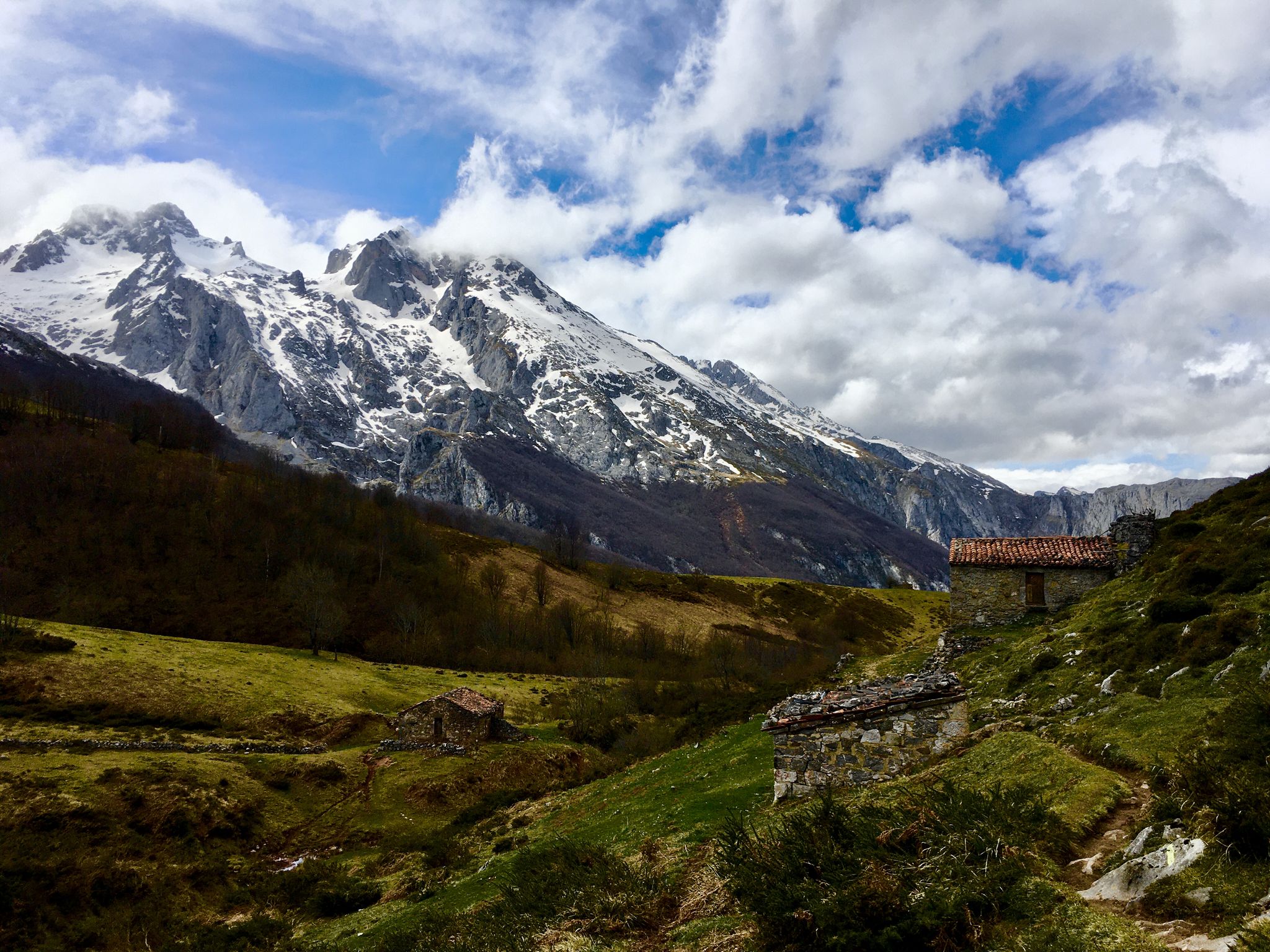
Route of the Reconquest (GR 202) – In the footsteps of an army
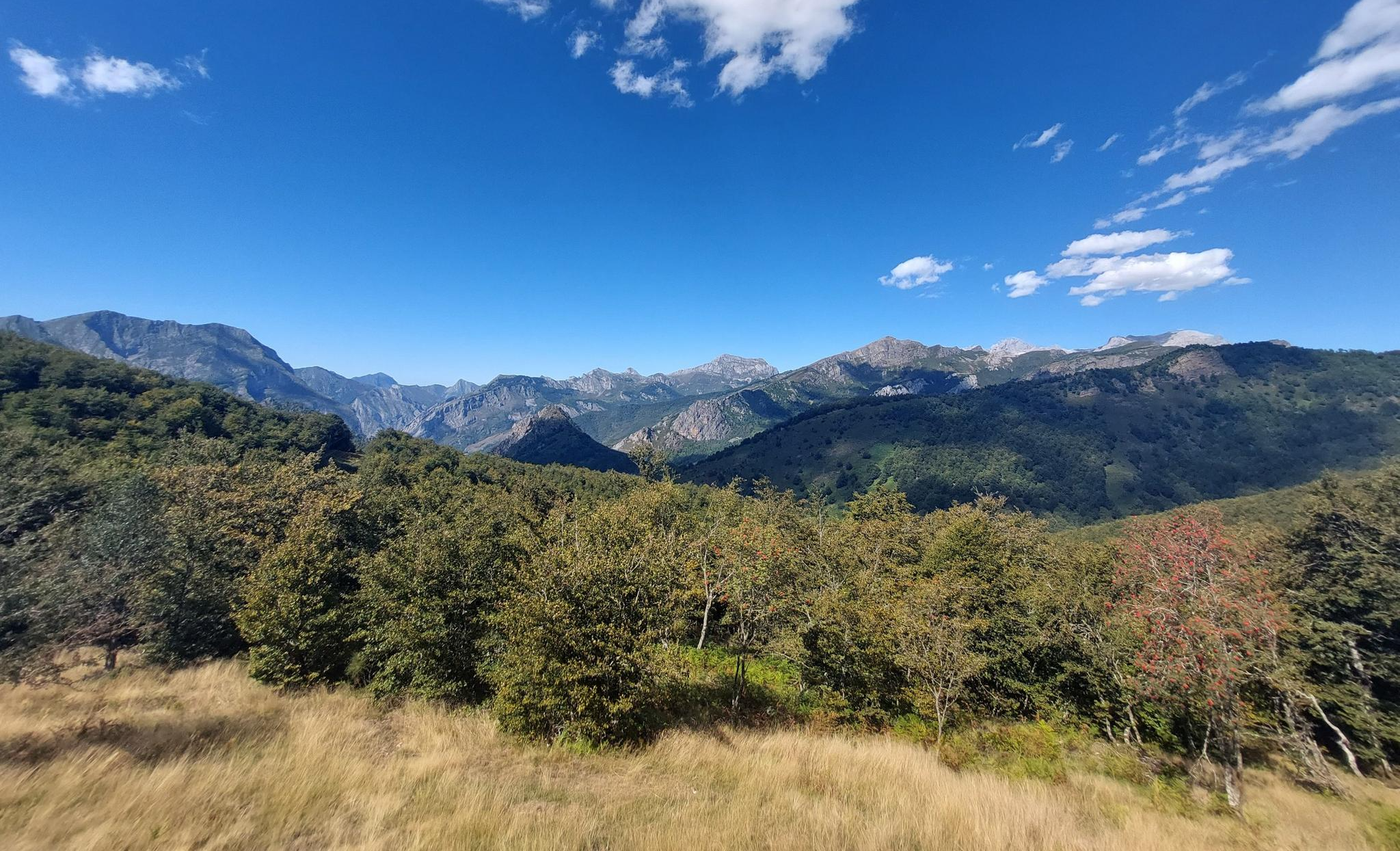
Senda del Arcediano (GR 210) - A historical hike through the Picos del Picos
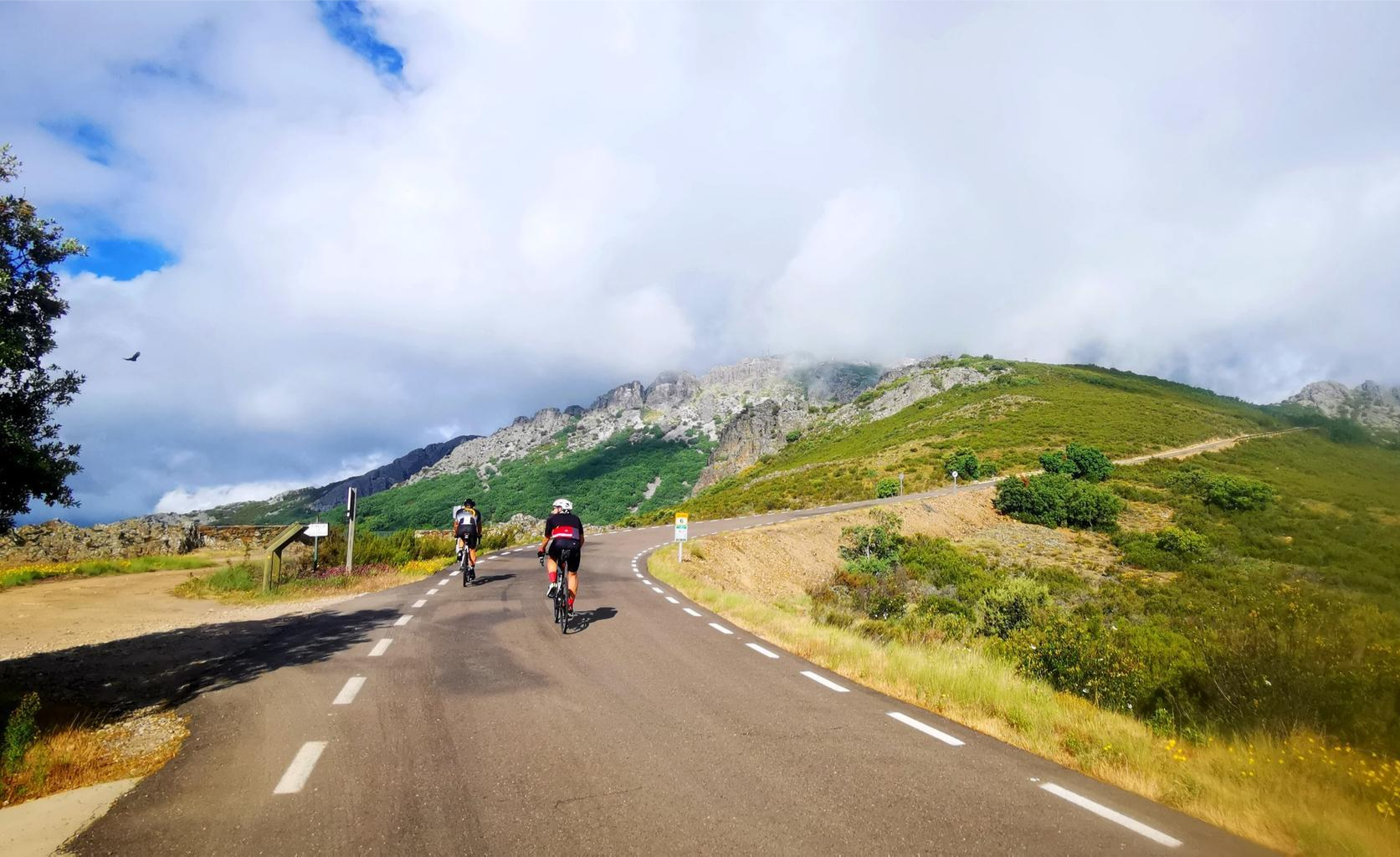
Legendary climbs - Ports of La Vuelta a España
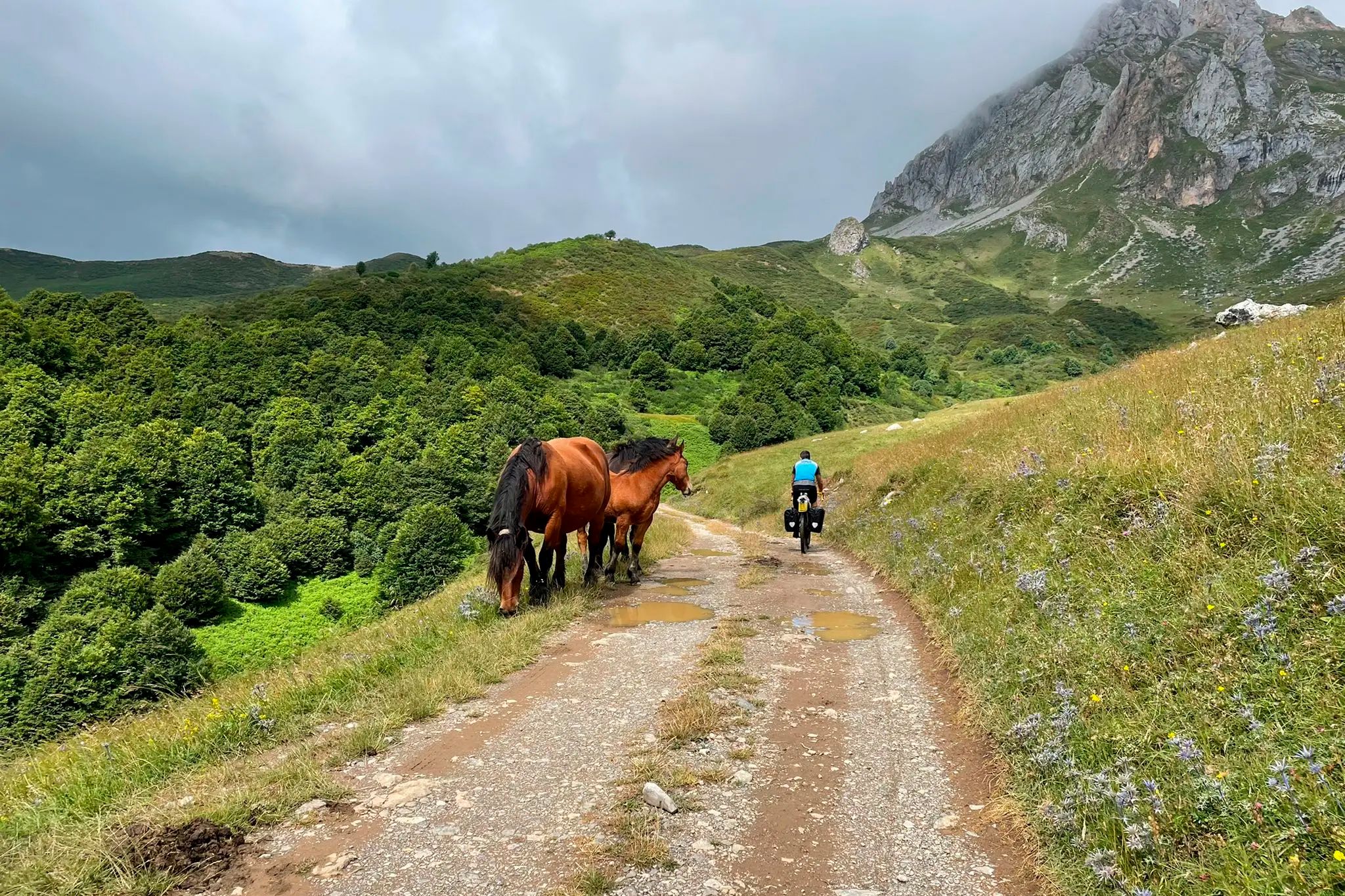
TransCantabrica – Extreme mountain biking in northern Spain
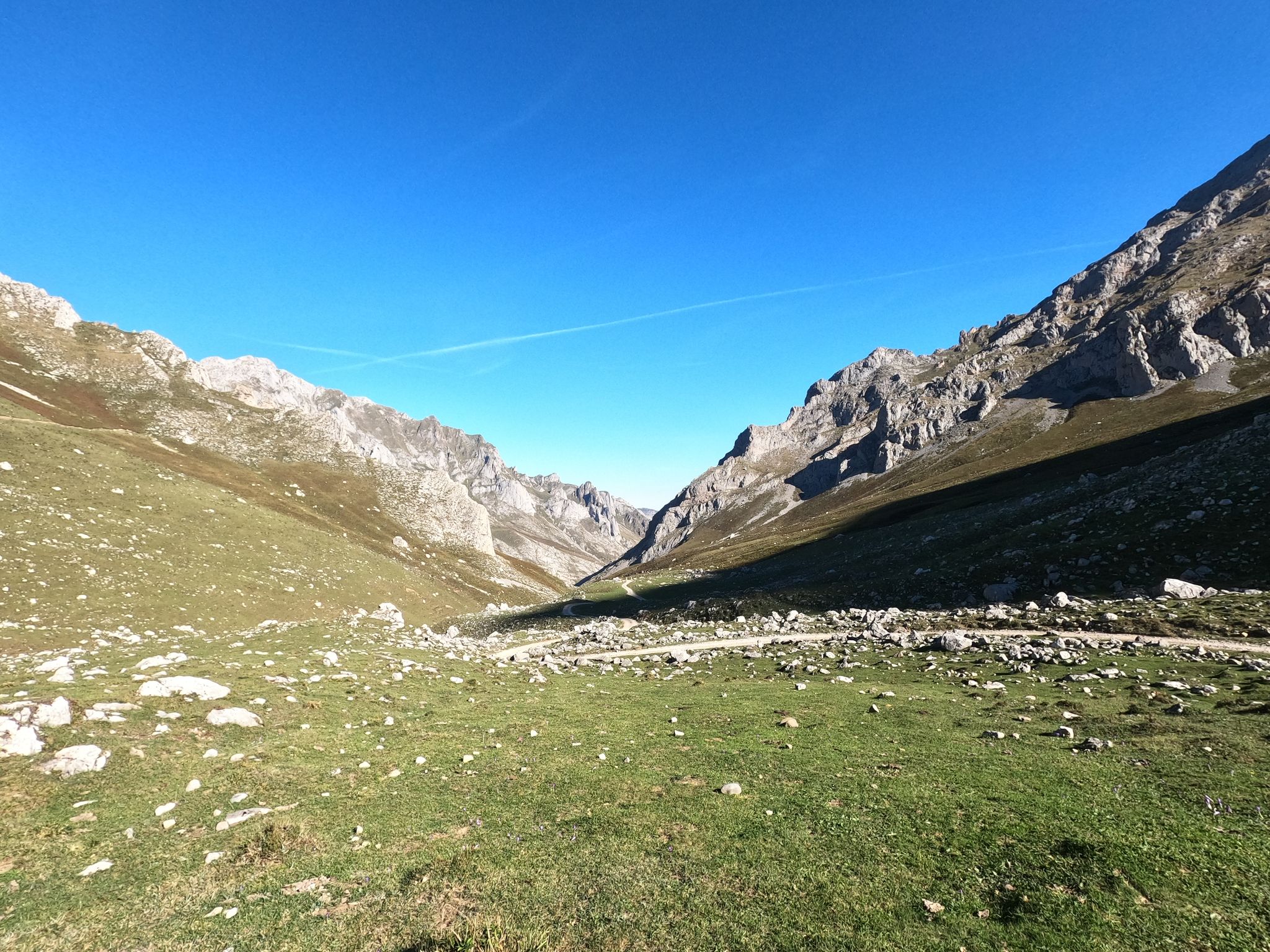
From statue to statue – Reconquista Challenge
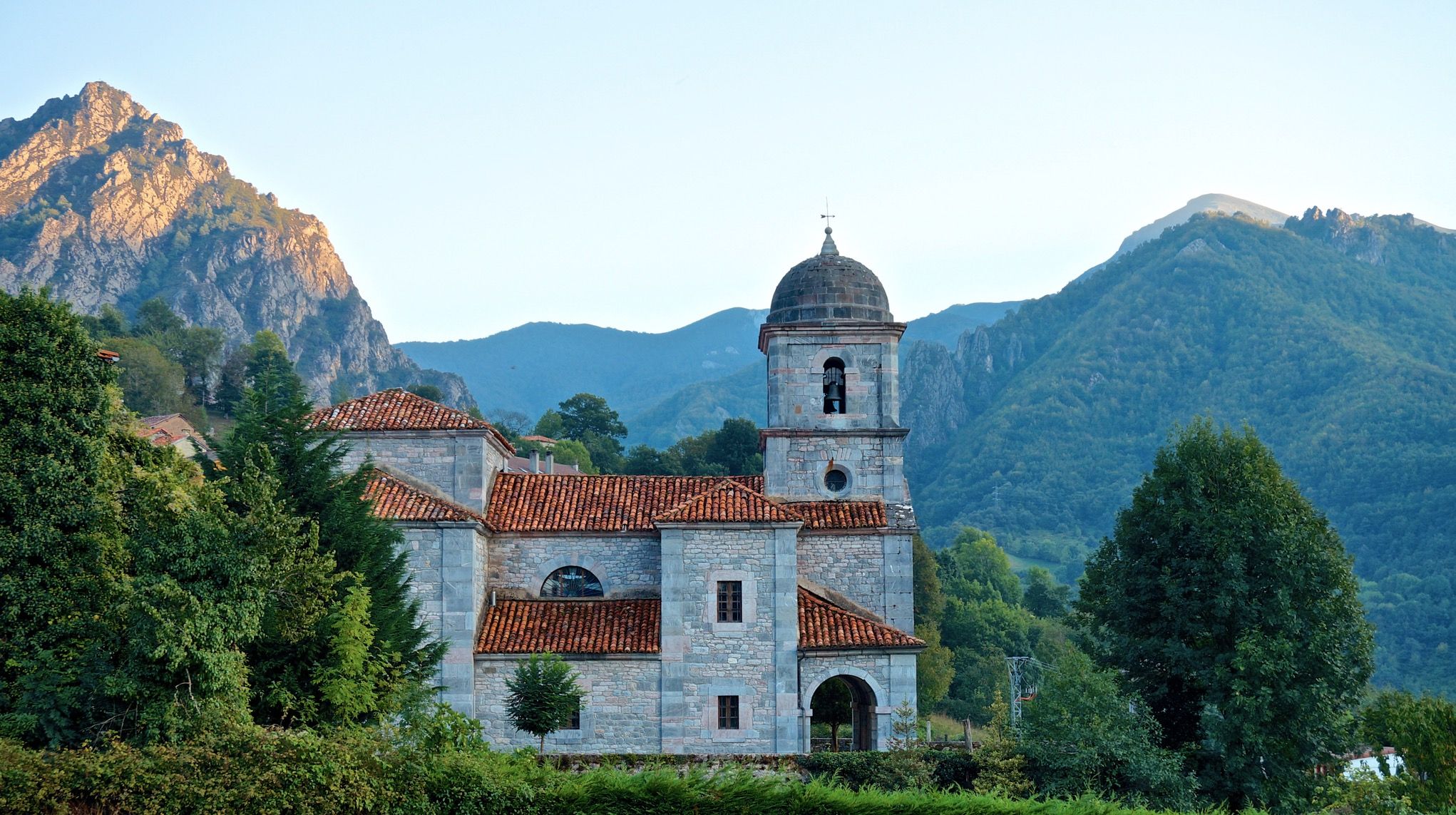
A trip through the mountains – Pedales de León MTB
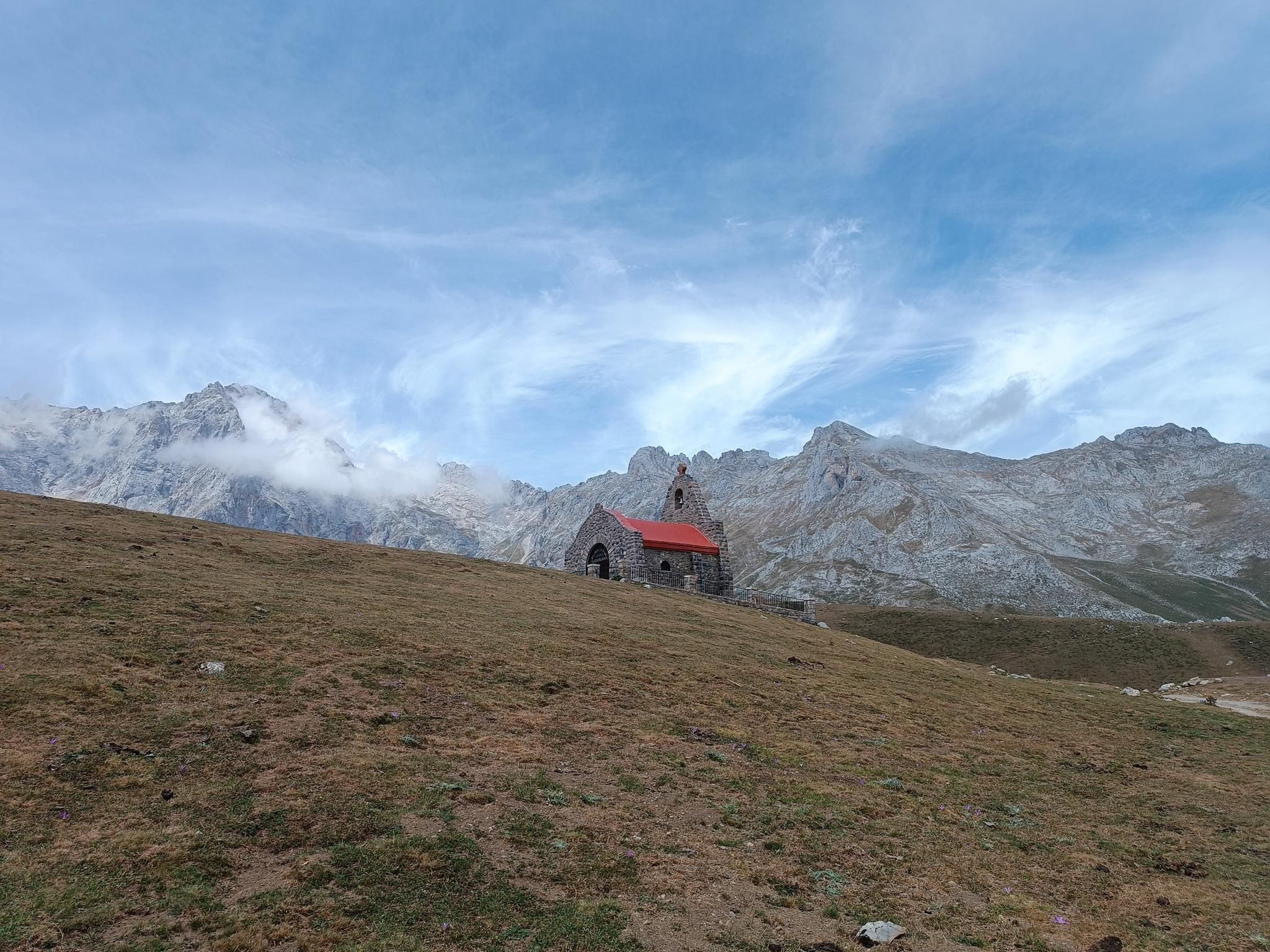
A pilgrimage to the peaks – Camino de los Santuarios
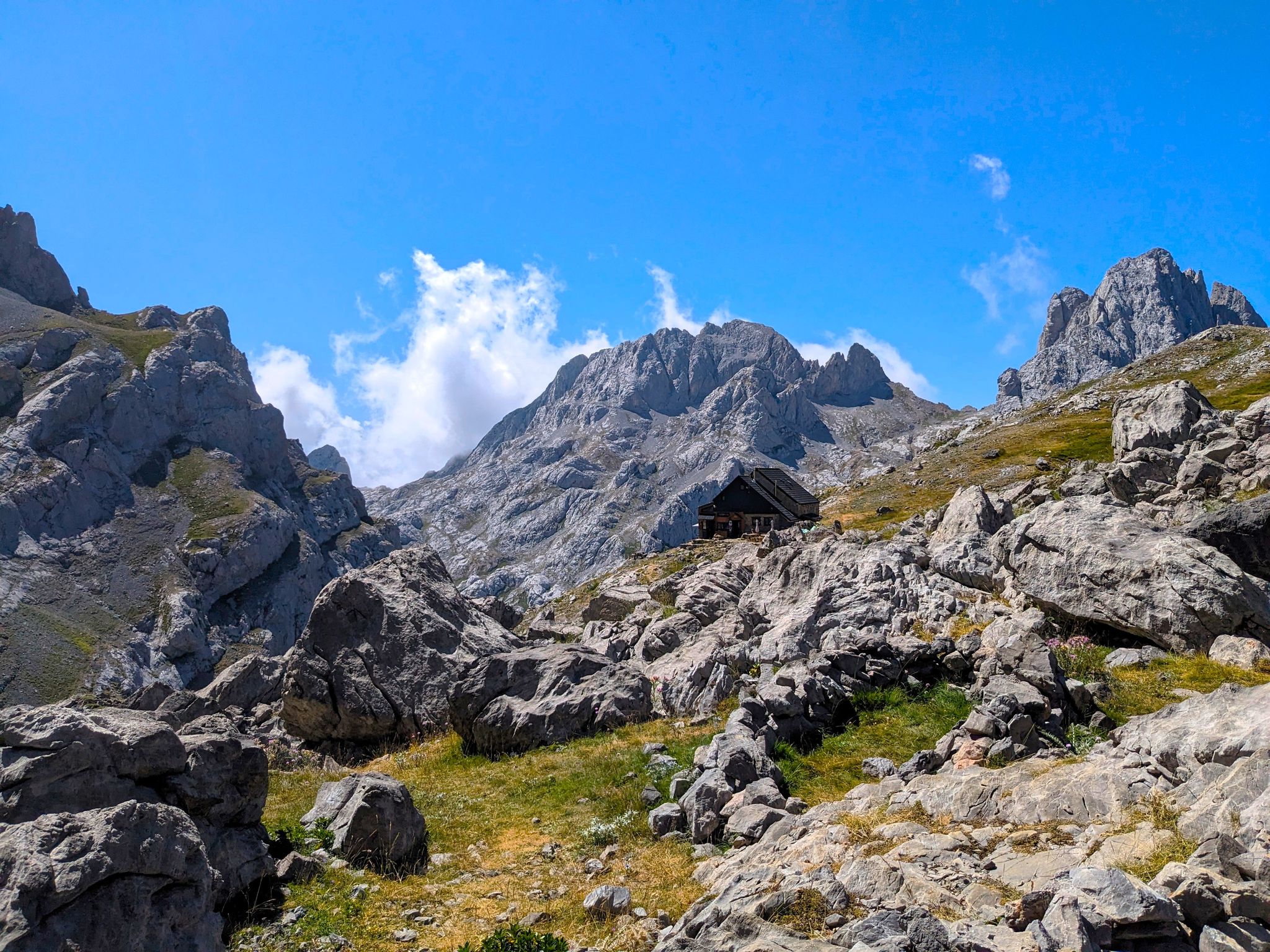
The untamed Collado Jermoso – Picos de Europa
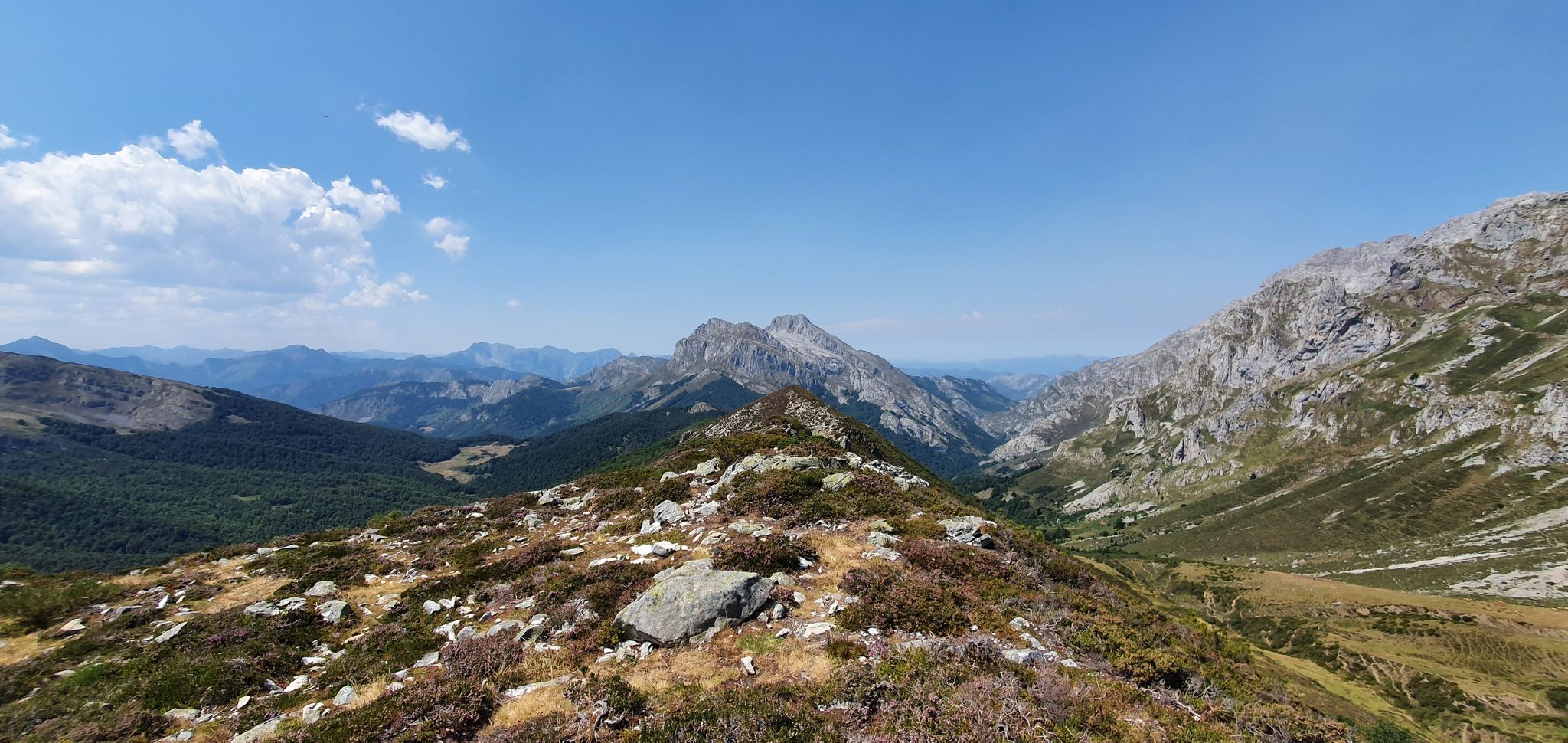
Four days hiking in Spain’s Picos de Europa – Anillo Vindio
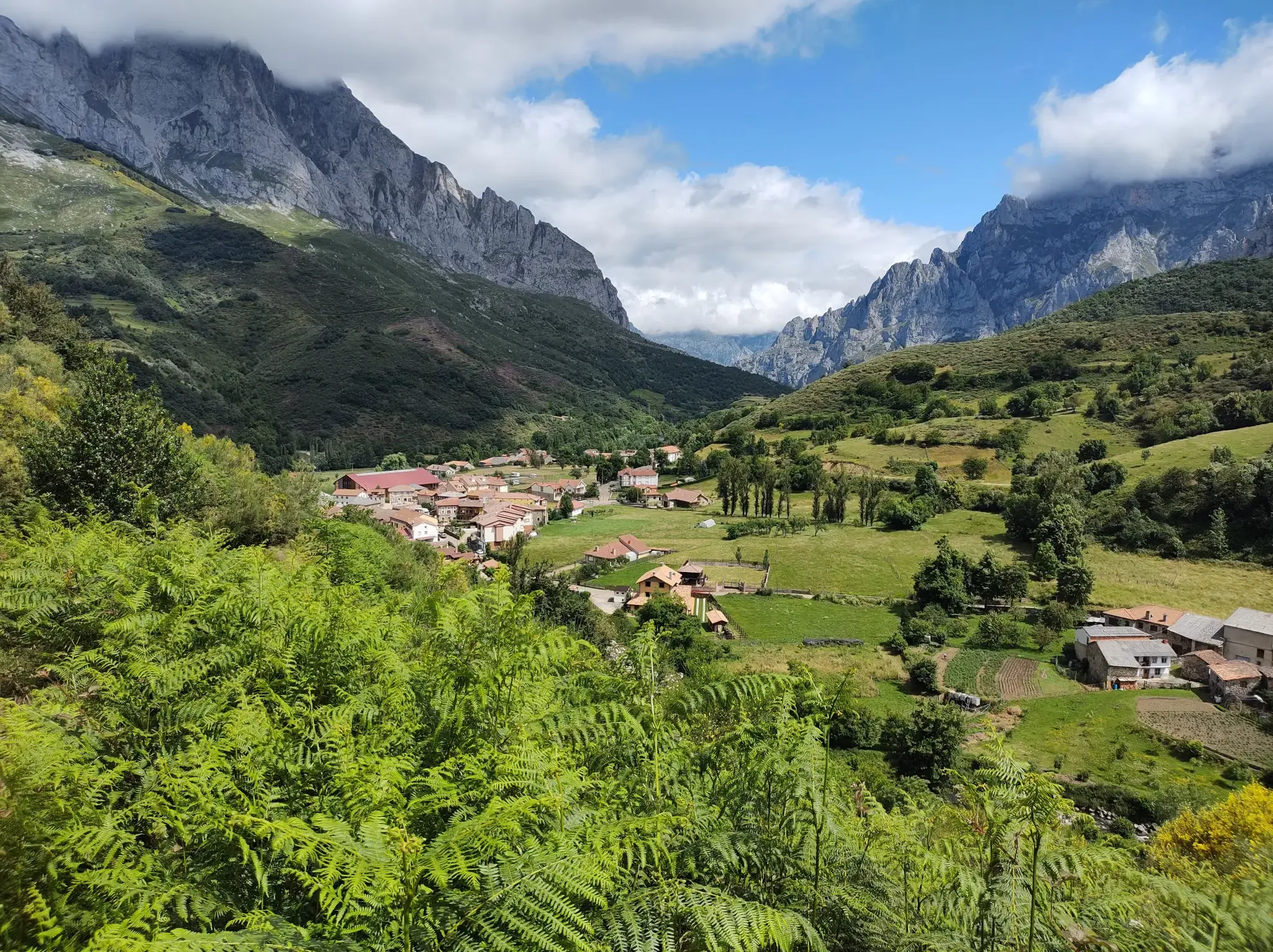
Hike Spain’s Picos de Europa – Ring of Peaks, Three Massifs
Other adventures around Parque Nacional de Picos de Europa


Tips from the Community

Spectacular landscapes. The cable car ride also offers beautiful views. I visited/walked around there and loved it, I recommend it.👍🥾
0
0

Mega canyon in a mega backdrop
5
1
Great vantage point! Can be reached on foot by hiking along the Rio Duje.
2
0

A lush and diverse environment with abundant species of birds, ibex and other animals. In addition, the area is perfect for taking photos. And of course, one of the main attractions of Fuente Dé is its cable car, which ascends visitors to an altitude of around 1,823 meters. The cable car ride is spectacular and offers panoramic views.
5
0

Fuente Dé is a small, magical village. It actually has almost no houses, but rather a campsite and a parador, as well as its famous funicular railway for ascending to the Picos de Europa. Its glacial cirque, dotted with beech forests, and the source of the Deva River make it a geomorphological point of interest. The views from the village toward the vertical limestone walls of the Picos de Europa are incredible.
0
0

Here is a small series of short tunnels - one of the beautiful photo opportunities of the Ruta del Cares.
4
0
If you start in Poncebos, this is where the most beautiful part of the Ruta del Cares begins. From here to the dam wall just before Caín, the gorge gets narrower and narrower, the rock faces ever steeper - and the photos ever more beautiful. The rest of the way to Caín is almost completely flat and the path is very easy to walk, so that you can enjoy the divine to the fullest.
4
3
An abandoned small shepherd's settlement towards the end of the climb to the beginning of the Ruta del Cares - a nice photo opportunity or a first place to rest if you are struggling with the climb. Between the upper house and the lower buildings, the path leads over an old staircase - on the way back downhill you should be careful here, you can easily slip on the smooth limestone.
4
0
Frequently Asked Questions
What are some of the most spectacular hiking trails in Picos de Europa?
The Ruta del Cares is often hailed as one of the most spectacular hikes, winding through a deep gorge with jaw-dropping views, tunnels, and bridges. The first 6 kilometers from Caín are particularly impressive. For other outdoor activities, you can explore various mountain hikes, MTB trails, and running routes listed in the Mountain Hikes around Parque Nacional de Picos de Europa guide.
Where can I find the best panoramic views of the Picos de Europa?
For unforgettable panoramic views, take the Fuente Dé Cable Car, which ascends to an altitude of around 1,823 meters. At the top, the El Cable Viewpoint offers stunning vistas of the Picos de Europa, the Liébana Valley, and the Cantabrian Mountains. Additionally, the park is dotted with numerous viewpoints such as Mirador del Pozo de la Oración, Mirador de la Reina, and Mirador del Corzo.
Are there family-friendly attractions or activities in Picos de Europa?
Yes, several attractions are suitable for families. The Fuente Dé Cable Car provides an exciting ride and access to high mountain views without strenuous hiking, making it accessible for most. The Lakes of Covadonga offer beautiful, relatively easy walks around the glacial lakes, perfect for a family outing. Many viewpoints, including El Cable Viewpoint, are also easily accessible and offer spectacular scenery.
What historical and cultural sites can I visit in the Picos de Europa region?
The region is rich in history. The Sanctuary of Covadonga is a significant historical and religious site, featuring the Holy Cave and an imposing basilica. The medieval village of Potes, considered the capital of Liébana, offers cobbled streets, historic stone houses, and sights like the Torre del Infantado. Santo Toribio de Liébana is an important pilgrimage site housing a relic believed to be a fragment of the Cross of Christ. You can also explore prehistoric caves with ancient paintings, such as El Pindal, La Loja, and Buxu.
What natural features define the landscape of Picos de Europa?
The Picos de Europa are characterized by dramatic mountain landscapes, deep gorges, and glacial lakes. Notable features include the breathtaking Lakes of Covadonga (Enol and Ercina), the iconic limestone peak of Naranjo de Bulnes (Picu Urriellu), and the highest peak, Torre de Cerredo. The spectacular Desfiladero de la Hermida is a 21-kilometer-long gorge offering a stunning scenic drive.
What are some unique villages to visit in the Picos de Europa?
Beyond Potes, consider visiting Bulnes, a remote village only accessible by a funicular railway from Poncebos, offering a unique isolated charm. Sotres, the highest village in Picos de Europa, is known for its traditional character, stunning views, and Cabrales cheese production. Mogrovejo is another picturesque village with beautifully preserved historic buildings and a mountain backdrop.
Are there any specific man-made structures or historical ruins along the trails?
Yes, along the Ruta del Cares, you can encounter the Dwarves' Tunnels, a series of 71 tunnels carved into the rock. Further along the trail, you'll find the Ruins of the Shepherds’ Settlement, an abandoned village in a unique canyon setting, often inhabited by mountain goats.
What is the best time of year to visit Picos de Europa for hiking?
While the guide doesn't specify, generally, the warmer months from late spring to early autumn (May to October) are ideal for hiking in Picos de Europa, offering more stable weather and snow-free trails at lower to mid-altitudes. However, conditions can vary, and higher elevations may retain snow longer. Always check local weather forecasts before your visit.
What kind of outdoor activities can I do near the attractions?
The region offers a wide range of outdoor activities. You can find numerous mountain hikes, such as the 'Viewpoint – Horcados Rojos loop from Fuente Dé', detailed in the Mountain Hikes around Parque Nacional de Picos de Europa guide. For cycling enthusiasts, there are MTB trails like the 'Ándara Massif Trail' in the MTB Trails around Parque Nacional de Picos de Europa guide. Running trails, including the 'Lakes of Covadonga Circular Trail', are also available in the Running Trails around Parque Nacional de Picos de Europa guide.
What do visitors enjoy most about the attractions in Picos de Europa?
Visitors frequently praise the stunning natural beauty and the sense of adventure. The Ruta del Cares is loved for its spectacular views and immersive nature experience. The Fuente Dé Cable Car and El Cable Viewpoint are highly rated for their panoramic vistas and easy access to high mountain terrain. The diverse environment, rich in bird species, ibex, and other animals, also contributes to a memorable experience.
Are there any towns that serve as good starting points for exploring the Picos de Europa?
Cangas de Onís, once the first capital of the Kingdom of Asturias, is a popular starting point for many hiking trails and features a famous Roman bridge. Potes, recognized as one of Spain's most beautiful villages, is another excellent base, especially for exploring the Liébana region and accessing the Fuente Dé Cable Car.
Most popular routes around Parque Nacional de Picos de Europa
Most popular attractions around Parque Nacional de Picos de Europa

Get inspired with the komoot mobile app


Explore more
Still not found the Highlight you’re looking for? See guides of the top attractions in other regions:
