The best city hikes and walks around Park Krajobrazowy Doliny Bobru
4.6
(1328)
9,913
hikers
61
hikes
Urban hiking trails around Park Krajobrazowy Doliny Bobru traverse a landscape shaped by the Bóbr River, which carves through hills and creates varied terrain. The region features diverse geological structures, including rock walls and outcrops, particularly along the river's course. Hikers will find well-preserved forests, wetlands, and oxbow lakes, contributing to a rich natural environment. The park's relief is influenced by its position between the Izera Foothills and the Kaczawskie Mountains.
Best urban hiking trails around Park Krajobrazowy Doliny Bobru
…Last updated: July 12, 2026
4.2
(5)
9
hikers
11.9km
03:02
30m
30m
Moderate hike. Good fitness required. Easily-accessible paths. Suitable for all skill levels.
5
hikers
Moderate hike. Good fitness required. Easily-accessible paths. Suitable for all skill levels.

Sign up for free
4.4
(13)
148
hikers
Easy hike. Great for any fitness level. Easily-accessible paths. Suitable for all skill levels.
5.0
(3)
12
hikers
10.1km
02:35
40m
40m
Moderate hike. Good fitness required. Easily-accessible paths. Suitable for all skill levels.
4.0
(2)
8
hikers
Easy hike. Great for any fitness level. Easily-accessible paths. Suitable for all skill levels.
Get access to more routes and recommendations from other explorers.
Sign up for free
Already have an account?
Our route recommendations are based on thousands of hikes, rides, and runs completed by other people on komoot.
Start today with a free account
Your next adventure awaits.
Login or Signup
Popular around Park Krajobrazowy Doliny Bobru
Other adventures around Park Krajobrazowy Doliny Bobru

Tips from the Community


📍 Location The chapel is located on St. Anne's Hill (Wzgórze św. Anny) in the Sobieszów district, south of the city center. Surrounded by forests and hiking trails – ideal for spiritual walks. Nearby: Ruins of Chojnik Castle Karkonosze National Park Panoramic view of the Jelenia Góra Valley 🎨 Architecture & Features Exterior: Rectangular building with a gable roof, small turret with a bell. Interior: Baroque altar with a statue of St. Anne Simple benches and wood paneling Votive offerings and small mementos from pilgrims 🕊️ Spiritual Atmosphere The chapel is a place of silence and contemplation – popular with hikers, believers, and history buffs. Often a destination for May devotions, rosary prayers, and family visits. Associated with local legends of protection and healing.
0
0
The historic tram in Jelenia Góra was a significant part of the city's infrastructure and a symbol of the region's technological development. Here's a brief overview of its history and significance: 🚋 Origins & Development Opening: On April 10, 1897, operations began with gas-powered trams between the main station and Herischdorf (now Malinnik). Electrification: The line was electrified as early as 1900, with sections to Cieplice (Bad Warmbrunn) and later to Podgórzyn Górny. Gauge: Originally 1435 mm (standard gauge), later converted to 1000 mm to better manage the tight curves and gradients of the old town. 🗺️ Route map Urban lines: Main Station – Plac Ratuszowy – Zajezdnia (Depot) Main Station – Plac Ratuszowy – Koszary (Barracks) Interurban lines: Jelenia Góra – Cieplice – Sobieszów Cieplice – Podgórzyn – Podgórzyn Górny The maximum network length was 19.2 km – one of the longest tram routes in Lower Silesia. 📉 End of service Decommissioning: Starting in the 1950s, lines were gradually closed. Last day of operation: The last tram ran on April 28, 1969 – the farewell was ceremonial and free for all passengers. 🏛️ Memories & Traces No preserved vehicles remain in the cityscape, but: Photos and documents in the Karkonosze Museum Remnants of the track and former curved tracks are still visible in Cieplice and along ul. Bankowa Street names and stop names recall the route
0
0
The so-called Castle Tower of Jelenia Góra is a relic of the medieval city fortifications and is often referred to locally as "Baszta Grodzka." It is one of the few remaining elements of the former city wall and offers fascinating insights into the region's defensive architecture. 🏰 Baszta Grodzka – The Castle Tower Location: On the southeastern edge of the Old Town, near Grodzka Street and not far from Plac Ratuszowy (Market Square). Built: Probably in the 14th century, as part of the city wall and to secure one of the city gates. Function: Served as a defensive tower, observation point, and place of refuge during attacks. 🧱 Architecture Materials: Fieldstone and brick, with typical Gothic elements. Form: Round tower with a conical roof, now restored. Special features: Archery slits and small windows Partially preserved remains of the walls in the surrounding area Historical inscriptions and traces of reconstruction 🏛️ Current use The tower is not permanently open to the public, but is occasionally opened for city tours or historical events. It serves as a monument to the medieval city structure and is a popular photo subject. 🗺️ Surroundings Nearby: Church of St. Erasmus and St. Pancras Market square with town hall and Neptune fountain Sculpture of Szczudlarz Jeleniogórski Historic town houses with arcades
0
0
Jelenia Góra's Town Hall (Ratusz w Jeleniej Górze) is an architectural gem and the central building on Plac Ratuszowy, the city's historic market square. It combines Baroque elegance with urban functionality and is a symbol of the region's long administrative tradition. 🏛️ Architecture & History Built: Originally in the 18th century (1729–1749), after a devastating fire. Style: Baroque with Neoclassical elements, particularly evident in the symmetrical façade and tower. Special Features: Arcades on the ground floor – typical of Silesian towns, provide shelter and space for shops. Tower with clock – a central focal point, formerly also used as a fire alarm. Interiors: Partially restored, with historic ceilings and murals. 🏙️ Function & Use Today, the seat of the city administration (Urząd Miasta), including the mayor's office and the council chamber. A venue for receptions, exhibitions, and ceremonies. Part of the urban ensemble with surrounding town houses, fountains, and sculptures. 📍 Surroundings & Sights Directly on Plac Ratuszowy, surrounded by: Neptune Fountain Sculpture "Szczudlarz Jeleniogórski" by Vahan Bego Arcaded houses with cafés, galleries, and shops Deer sculptures – the city's heraldic animal 🎨 Significance for the city The town hall is not only an administrative center, but also a monument that defines the city's identity. It represents the civic self-government that has been practiced in Jelenia Góra for centuries. A popular venue for city tours, photo opportunities, and cultural events.
1
0
The sculpture "Szczudlarz Jeleniogórski" (English: The Stilt Walker of Jelenia Góra) is a striking work of art in Town Hall Square (Plac Ratuszowy) and a symbol of the city's cultural identity. Here are the key details: 🎭 Background & Significance Artist: Created by Armenian-Polish artist Vahan Bego, known for his expressive sculptures and multimedia works. Unveiled: On August 2, 2013, as a memorial to the International Street Theater Festival, which has been held annually in Jelenia Góra since 1983. Symbolism: The stilt walker represents creativity, movement, and theatrical freedom—a tribute to street art and its roots in the city. 🧱 Design & Location Location: Directly at the Town Hall, seemingly "growing out" from the corner of the building—a surprising and playful effect. Material: Bronze-like patinated, with a dynamic posture and extra-long stilts. Photo motif: A popular meeting place and backdrop for tourist photos – a real eye-catcher alongside the city's classic deer figures. 🖼️ Other works by Vahan Bego in the region Don Quixote with Sancho Panza – Sculpture at Skwer przy ul. Uroczej in Jelenia Góra. WAZE – Large-format wall relief in Zgorzelec (over 100m²), together with Michał Bulak.
0
0

Sculpture "Abduction of Europe" by Vahan Bego, from Armenia. He has lived in Poland since 1993. Artanddemocracy.wordpress.com
0
0
Very nice arcades with restaurants
1
0
Frequently Asked Questions
How many urban hiking trails are available in Park Krajobrazowy Doliny Bobru?
There are over 50 urban hiking trails in the Park Krajobrazowy Doliny Bobru region, offering a variety of experiences from easy strolls to more moderate walks. Many of these routes are well-suited for exploring the charming towns and their immediate surroundings.
What makes urban hiking in Park Krajobrazowy Doliny Bobru unique?
Urban hiking in this region offers a distinctive blend of historical architecture, cultural landmarks, and immediate access to the natural beauty of the Bóbr River valley. You can explore picturesque town centers while still enjoying scenic river views, geological formations, and lush forests that often border the urban areas.
Are there easy urban hikes suitable for beginners or families?
Yes, many urban trails in the Bóbr Valley are easy and suitable for beginners or families. For example, the Market Square in Jelenia Góra – Jelenia Góra Town Hall loop from Jelenia Góra is an easy 3.7 km walk, perfect for a relaxed exploration of the city center. Another great option is the Jelenia Góra Town Hall – Market Square in Jelenia Góra loop from Jelenia Góra, which is even shorter at just under 3 km.
Are there any circular urban walks in the area?
Yes, many of the urban hiking routes in Park Krajobrazowy Doliny Bobru are designed as circular walks, allowing you to start and end at the same point. The Schaffgotsch Palace loop from Jelenia Góra Zachodnia is a moderate 12 km circular route that takes you through varied urban and semi-urban landscapes.
What historical or natural sights can I explore on urban hikes?
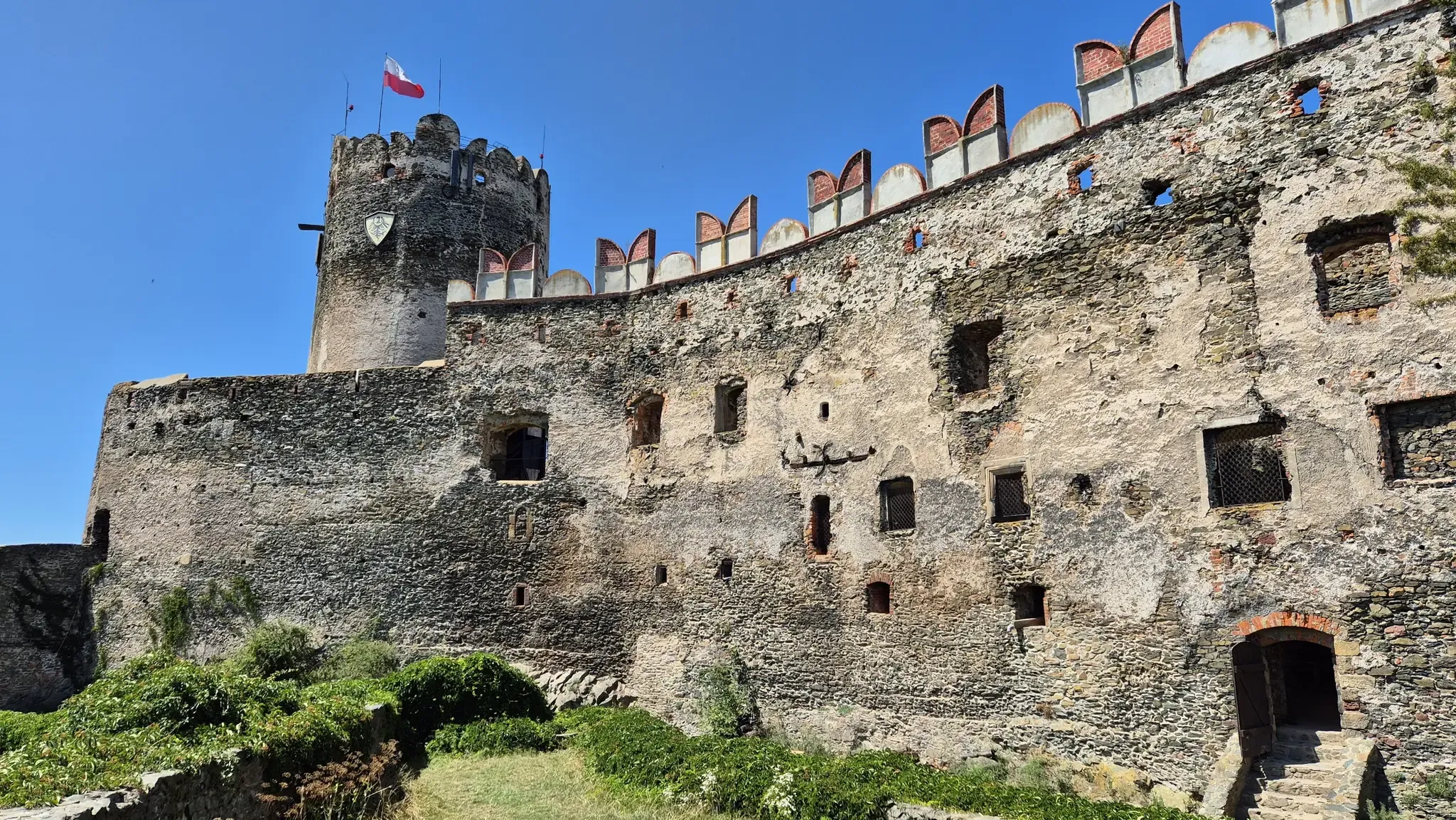
Urban hikes in the Bóbr Valley often lead you past significant historical and natural attractions. You can discover landmarks like the Wleń Castle Ruins, explore the unique Lwówek Rocks, or visit the Perła Zachodu Mountain Lodge, which is a popular stop for hikers. The region is rich in both cultural heritage and geological diversity.
Are there any viewpoints along the urban trails?
Yes, several urban hiking routes offer excellent viewpoints. The region's varied terrain, with hills and river gorges, provides natural opportunities for panoramic vistas. For instance, routes around Lwówek Śląski might offer views of the town and surrounding landscapes, including the unique rock formations. The Lwówek Switzerland – Lwówek Śląski Town Hall loop from gmina Lwówek Śląski is a moderate route that allows you to experience the scenic 'Lwówek Switzerland' area.
Can I find waterfalls on urban hikes in the Bóbr Valley?
While the Bóbr Valley is known for its river and gorges, you can find specific natural features like the Wild Waterfall, which might be accessible or visible from some urban or semi-urban trails, especially those venturing slightly outside the immediate city centers into the more natural park areas.
Are urban hiking trails in Park Krajobrazowy Doliny Bobru dog-friendly?
Generally, urban hiking trails in the Park Krajobrazowy Doliny Bobru are dog-friendly, especially on public paths and in parks. However, it's always advisable to keep dogs on a leash, particularly in town centers, near wildlife, or in protected natural areas. Always check local regulations for specific areas or attractions you plan to visit.
Are there options for food or drink along the urban trails?
Yes, since these are urban hikes, you'll find numerous cafes, restaurants, and shops in the towns and villages along the routes. Places like Jelenia Góra and Lwówek Śląski offer plenty of opportunities to stop for a meal or a refreshing drink. The Perła Zachodu Mountain Lodge is also a popular spot for refreshments.
What do other hikers enjoy most about urban trails in Park Krajobrazowy Doliny Bobru?
The komoot community highly rates the urban trails in Park Krajobrazowy Doliny Bobru, with an average score of 4.5 stars. Hikers frequently praise the combination of historical charm and natural beauty, the well-maintained paths, and the accessibility of these routes. The ability to explore cultural sights while enjoying the scenic river valley is a particular highlight for many.
Is public transport available to access urban hiking trails?
Yes, major towns like Jelenia Góra and Lwówek Śląski, which serve as starting points for many urban hikes, are well-connected by public transport, including local buses and regional trains. This makes it convenient to reach trailheads without needing a car. Always check local timetables for the most current information.
Where can I park when starting an urban hike?
In the towns and villages within and around Park Krajobrazowy Doliny Bobru, you will typically find designated parking areas, often near town centers or popular attractions. For example, when starting a hike in Jelenia Góra or Lwówek Śląski, there are usually public parking lots available. Some trailheads on the outskirts of towns may also have smaller parking facilities.
Most popular routes around Park Krajobrazowy Doliny Bobru
Most popular attractions around Park Krajobrazowy Doliny Bobru

Get inspired with the komoot mobile app


Explore more
Browse the best Hikes in other regions.
