The best traffic-free bike rides around Mörschwil
4.5
(97)
397
riders
42
rides
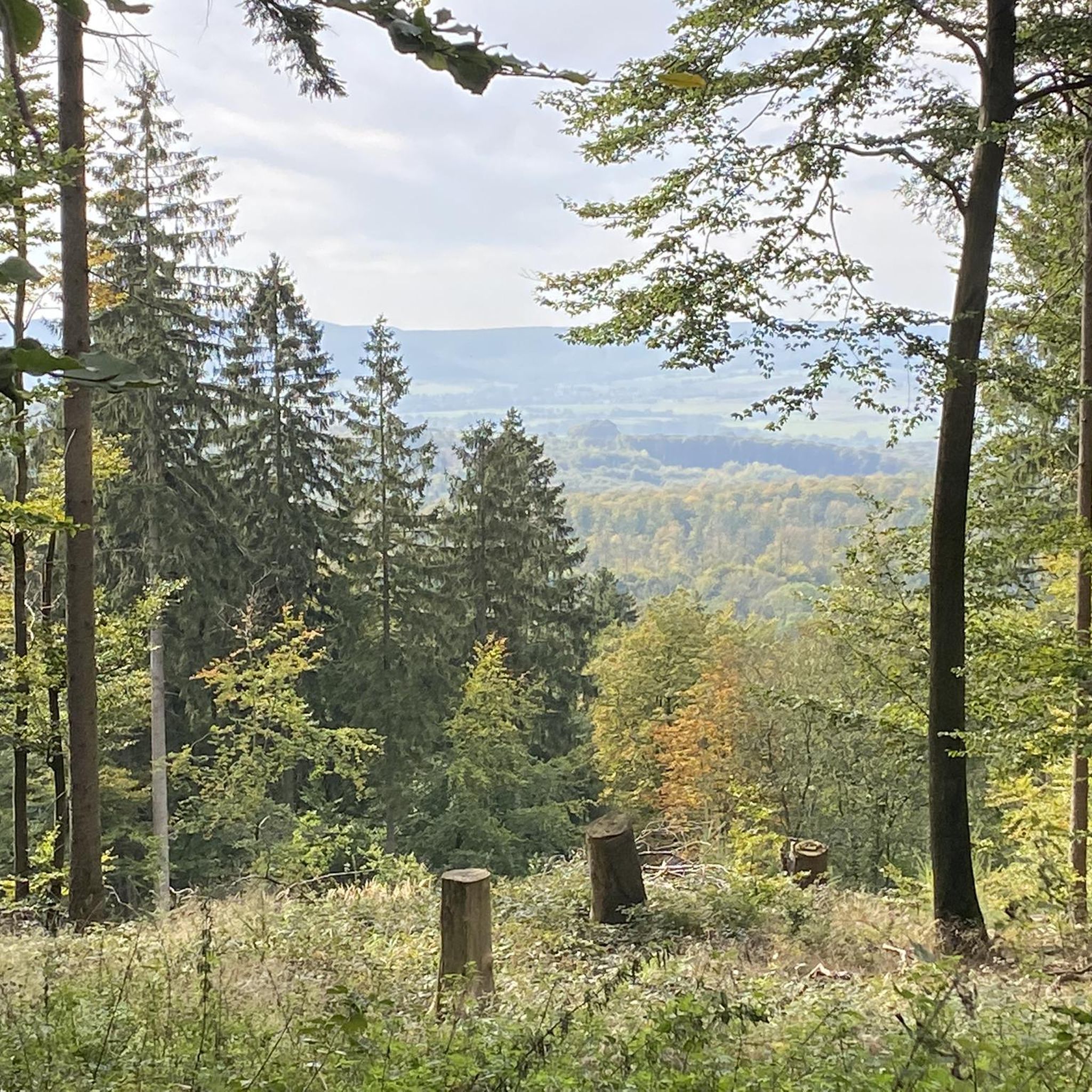
Gravel biking around Mörschwil offers diverse terrain in a hilly pre-Alpine landscape within the St. Gallen-Lake Constance region. The area features an extensive network of dirt tracks and unsurfaced roads, providing varied riding experiences. Routes traverse gentle hills, forests, and meadows, often with views of Lake Constance and the Alpstein massif. This region is characterized by its mix of natural features, from serene waters to challenging ascents.
Best no traffic gravel bike trails around Mörschwil
- The most popular no traffic…
Last updated: July 12, 2026
4.6
(5)
31
riders
28.5km
02:12
570m
570m
Hard gravel ride. Very good fitness required. Mostly paved surfaces. Suitable for all skill levels.
5.0
(2)
36
riders
36.3km
02:47
710m
710m
Hard gravel ride. Very good fitness required. Mostly paved surfaces. Suitable for all skill levels.

Sign up for free
13
riders
40.4km
03:18
810m
810m
Hard gravel ride. Very good fitness required. Mostly paved surfaces. Suitable for all skill levels.
3.0
(2)
14
riders
30.3km
02:41
780m
780m
Hard gravel ride. Very good fitness required. You may need to push your bike for some segments of this route.
5.0
(1)
19
riders
19.9km
01:38
470m
470m
Hard gravel ride. Very good fitness required. Mostly paved surfaces. Suitable for all skill levels.
Get access to more routes and recommendations from other explorers.
Sign up for free
Already have an account?
Our route recommendations are based on thousands of hikes, rides, and runs completed by other people on komoot.
Start today with a free account
Your next adventure awaits.
Login or Signup
Popular around Mörschwil

Tips from the Community

Since 1983, the Collegiate Church and Cathedral of St. Gallen (actually Collegiate Church of St. Gallus and Otmar) and the entire Abbey District have been part of the UNESCO World Heritage Site. The baroque new building of the Benedictine monastery church, built between 1755 and 1766, stands where Saint Gallus is said to be buried. From 720 onwards, Abbot Otmar organised the construction work around the crypt, and his successor Gozbert began the construction of the new monastery church from 820 onwards. The construction of the Collegiate Church in its present form - it is one of the last monumental sacred buildings of the late Baroque period - was planned by Gabriel Loser and Johann Caspar Bagnato. Its two 68-metre-high towers tower above the old town of St. Gallen.
8
0


Cathedral, St. Gallen Several earlier structures preceded the monumental church. Originally, the chapel of Saint Gallus stood on this site, where the saint was buried around 640. Later buildings incorporated Gallus's tomb. Around 720 (the founding of the monastery), a stone church was built. By the 9th century, the church had already reached its present length. In the 15th century, a new choir in the Gothic style was constructed. In 1756, the monks embarked on the final phase of the church's reconstruction, which was completed in 1766. The renowned architect Johann Kaspar Bagnato played a significant role in the design, while Johann Michael Beer oversaw the construction. The patrons were Abbots Cölestin Gugger von Staudach and Beda Angehrn. After the dissolution of the monastery, the church became a cathedral (bishop's church) in 1824. The church underwent interior renovations from 1961 to 1967 and exterior renovations from 2000 to 2003. The church has an elongated, rectangular floor plan. Within this plan, a rotunda (round structure) is inserted, resembling a transept. On the eastern end, the striking twin-tower facade rises as a dominant feature, the emblem of the Diocese, City, and Canton of St. Gallen. The facade's sculptural decoration includes figures of Saints Maurice and Desiderius and a relief depicting the Coronation of the Virgin Mary by the Holy Trinity. The interior of the church is a three-aisled, free-pillared structure with a central dome (rotunda). High-quality stucco work, vault paintings, altars, and the choir stalls are among the highlights of the interior. The concept of harmoniously coordinated art forms is the work of Christian Wentzinger, sculptor and painter. Text / Source: City of St. Gallen, Town Hall, 9001 St. Gallen https://www.stadt.sg.ch/home/freizeit-tourismus/stgallen-entdecken/stiftsbezirk-unesco-weltkulturerbe.html
16
1


Of course, you can also ride past a castle on a mountain bike.
1
0

Info: Bridge currently closed due to construction. August 18, 2025
0
0

A very nice local recreation area. You can swim in the ponds.
0
0
Frequently Asked Questions
How many no-traffic gravel bike trails are available around Mörschwil?
There are over 40 dedicated no-traffic gravel bike trails around Mörschwil, offering a wide range of options for exploring the region's beautiful landscapes away from cars. These routes are designed to provide a peaceful and immersive cycling experience.
What is the best time of year to enjoy traffic-free gravel biking in Mörschwil?
The region around Mörschwil is generally excellent for gravel biking from spring through autumn. During these seasons, you'll experience pleasant temperatures and lush scenery. While some trails may be accessible in winter, it's advisable to check local conditions for snow and ice, especially in higher elevations, to ensure a safe and enjoyable ride.
Are there any family-friendly no-traffic gravel routes in Mörschwil?
While many routes in Mörschwil are rated as 'difficult' due to elevation changes, the 'no-traffic' aspect makes them safer for families. For a more manageable experience, look for routes with less elevation gain. Always check the route details for distance and elevation to ensure it matches your family's fitness level. The varied terrain, from forests to meadows, offers engaging rides for all.
Can I find circular no-traffic gravel routes around Mörschwil?
Yes, many of the no-traffic gravel bike trails around Mörschwil are designed as circular routes, allowing you to start and end at the same point. This is ideal for day trips. An example is the Drei Weieren – Waldegg loop from Notkersegg, which offers a scenic circular journey.
What kind of scenery can I expect on these traffic-free gravel trails?
The no-traffic gravel trails in Mörschwil offer incredibly diverse scenery. You'll ride through hilly pre-Alpine landscapes, past lush meadows, and dense forests. Many routes provide stunning views of the Alpstein massif and the majestic Säntis mountain. Some trails also offer glimpses of Lake Constance, especially routes closer to towns like Rorschach.
Are there any notable attractions or viewpoints along the no-traffic gravel routes?
Absolutely! Many routes pass by or offer views of interesting landmarks. For historical insights, you might encounter highlights like Arbon Old Town or various castles such as St. Anna Castle and Wartensee Castle. For natural beauty, keep an eye out for waterfalls like Mühletöbeli Gorge Waterfall. Routes like Alpstein View – Gallus Square loop from Birnbäumen are specifically named for their panoramic vistas.
How challenging are the no-traffic gravel bike trails in Mörschwil?
The majority of the no-traffic gravel bike trails around Mörschwil are rated as 'difficult' due to significant elevation gains, often exceeding 400 meters over distances of 20-30 km. For example, the View of Notkersegg Monastery – Ruppen Pass loop from Birnbäumen involves over 1100 meters of climbing. These routes are best suited for experienced gravel bikers looking for a good workout and rewarding views.
What do other gravel bikers say about the no-traffic routes in Mörschwil?
The no-traffic gravel routes in Mörschwil are highly rated by the komoot community, with an average score of 4.39 stars. Reviewers often praise the peacefulness of the trails, the stunning pre-Alpine scenery, and the challenging yet rewarding climbs that offer panoramic views of the region, including Lake Constance and the Alpstein massif.
Are there any no-traffic gravel routes that offer views of Lake Constance?
Yes, several routes provide beautiful views of Lake Constance. The View of Lake Constance – Goldach Suspension Bridge loop from Rorschach Stadt is a prime example, offering scenic vistas of the lake and its surroundings. These routes often combine hilly terrain with refreshing stretches near the water.
Are dogs allowed on the no-traffic gravel bike trails?
Generally, dogs are welcome on most public trails in the Mörschwil region, especially on gravel paths and forest roads. However, it's always recommended to keep them on a leash, particularly when passing through agricultural areas, near livestock, or in nature reserves. Always be mindful of local regulations and other trail users.
Where can I park my car when accessing these no-traffic gravel trails?
Parking options vary depending on the specific trailhead. Many routes start from villages or towns like Birnbäumen or Notkersegg, where public parking may be available. It's advisable to check the starting point of your chosen route on komoot for specific parking recommendations or nearby public transport connections to reach the trailhead.
Are there any routes that pass by historical ruins or castles?
Yes, the region is rich in history. For example, the Steinerburg Ruins – Ruggisberg Marian Chapel loop from Birnbäumen takes you past historical sites. You can also find routes that offer views of or pass near castles like Roggwil Castle and Mammertshofen Castle, adding a cultural dimension to your ride.
Most popular attractions around Mörschwil

Get inspired with the komoot mobile app


Explore more
Browse the best Gravel rides in other regions.
