The best family-friendly hikes and walks in Meath
4.6
(226)
2,878
hikers
56
hikes
Family friendly hiking trails in Meath traverse a landscape rich in history and natural diversity, characterized by river valleys, unique boglands, and gentle hills. The region features the Boyne Valley, offering scenic paths along the River Boyne, and distinct raised bog ecosystems with boardwalk trails. Woodlands and coastal areas provide varied terrain, from tranquil forest walks to open beach strolls.
Best family friendly hiking trails in Meath
- The most popular family friendly hiking route is Trim Historic Trail, a…
Last updated: October 12, 2026
5.0
(3)
43
hikers
4.41km
01:07
10m
10m
Explore medieval history on the easy 2.7-mile Trim Historic Trail, featuring Trim Castle and the River Boyne in Ireland.
4.9
(8)
46
hikers
4.53km
01:09
20m
10m
Hike the easy 2.8-mile Girley Bog Eco Walk through ancient raised bog and forest, perfect for wildlife spotting in County Meath.

4.9
(10)
47
hikers
12.4km
03:11
50m
50m
Moderate hike. Good fitness required. Easily-accessible paths. Suitable for all skill levels.
4.4
(9)
27
hikers
12.6km
03:21
130m
130m
Hike the Brú na Bóinne World Heritage loop, a moderate 7.8-mile trail exploring ancient passage tombs like Newgrange and Knowth in Ireland.
4.5
(2)
22
hikers
10.8km
02:43
10m
10m
Hike the 6.7-mile Laytown to Mornington Bay beach walk, a moderate coastal route with dunes, a lighthouse, and varied terrain.
Get access to more routes and recommendations from other explorers.
Already have an account?
Our route recommendations are based on thousands of hikes, rides, and runs completed by other people on komoot.
Start today with a free account
Your next adventure awaits.
Popular around Meath
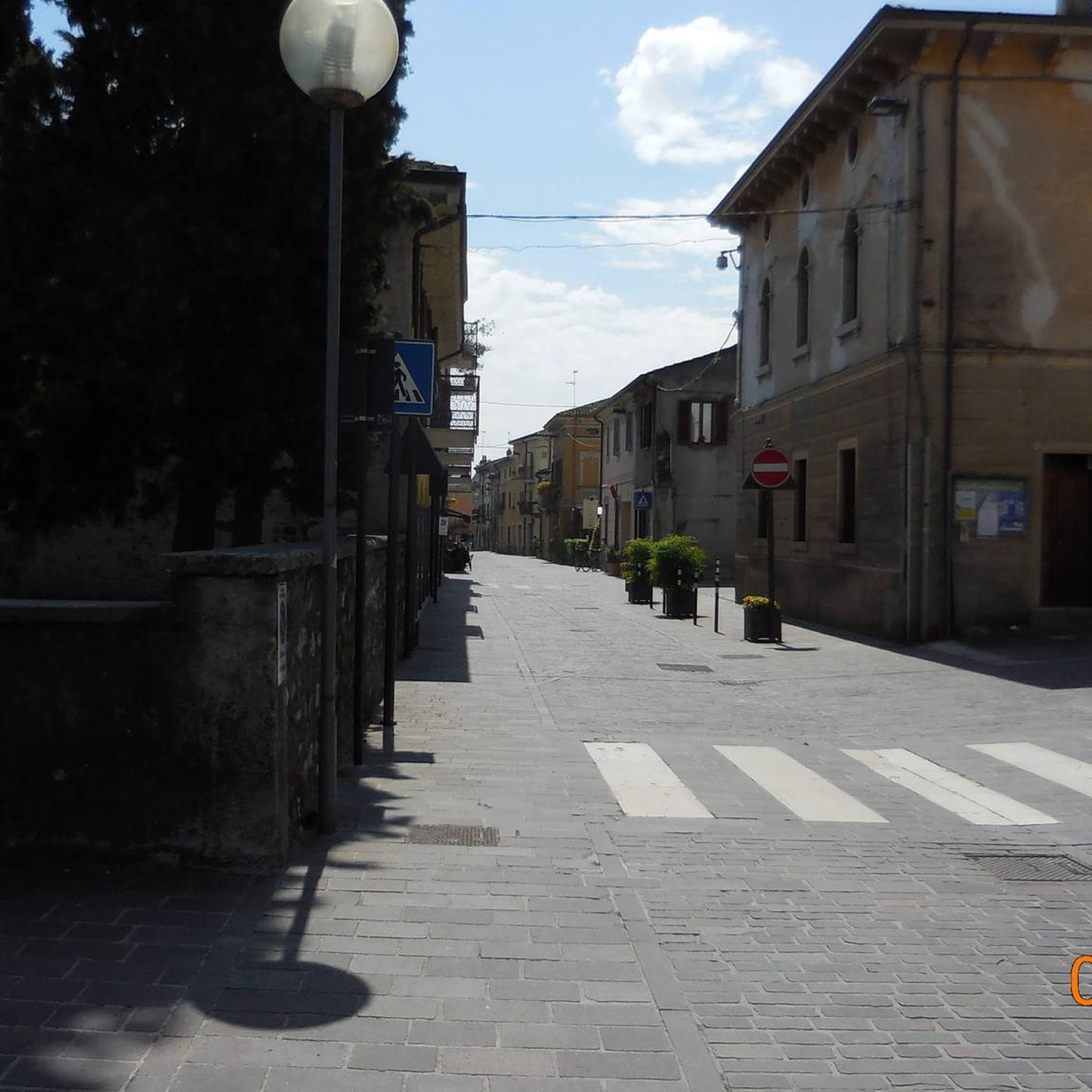
Family-friendly hikes around The Municipal District of Kells

Family-friendly hikes around The Municipal District of Laytown — Bettystown

Family-friendly hikes around Trim

Family-friendly hikes around The Municipal District of Ashbourne

Family-friendly hikes around The Municipal District of Navan
Family-friendly hikes around Ratoath
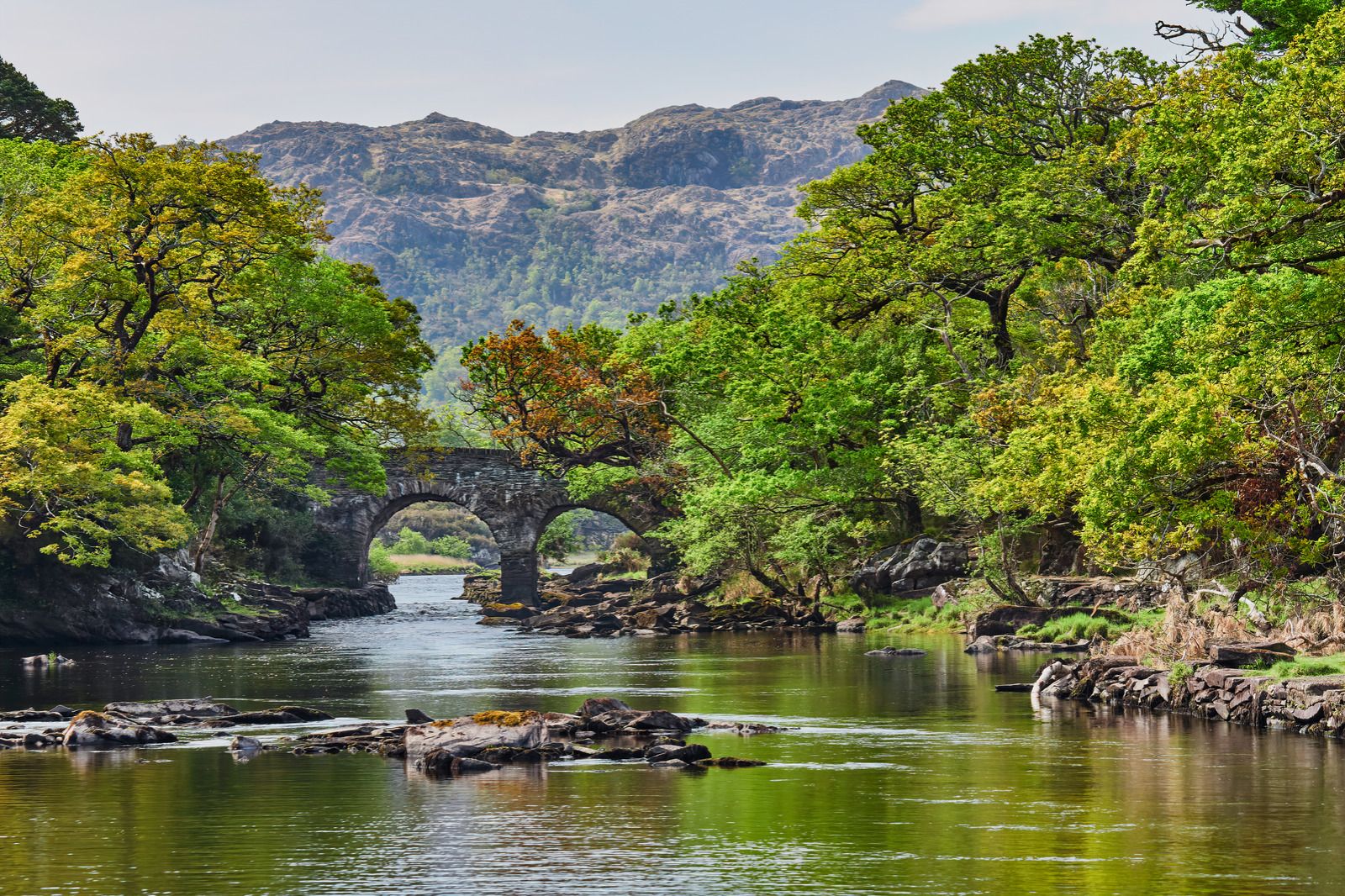
Follow the water - Along Ireland's rivers and lakes
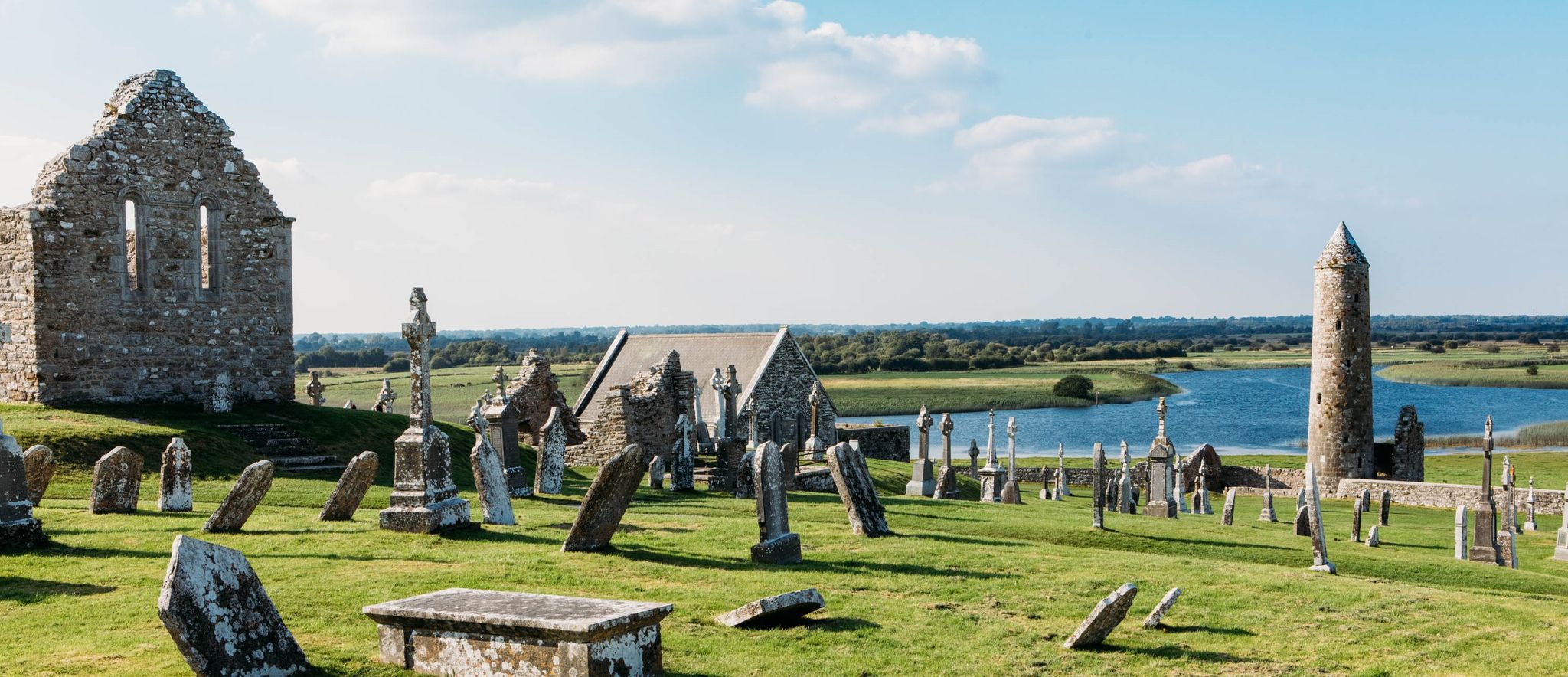
Discover Ireland's past – historical walks on the Emerald Isle
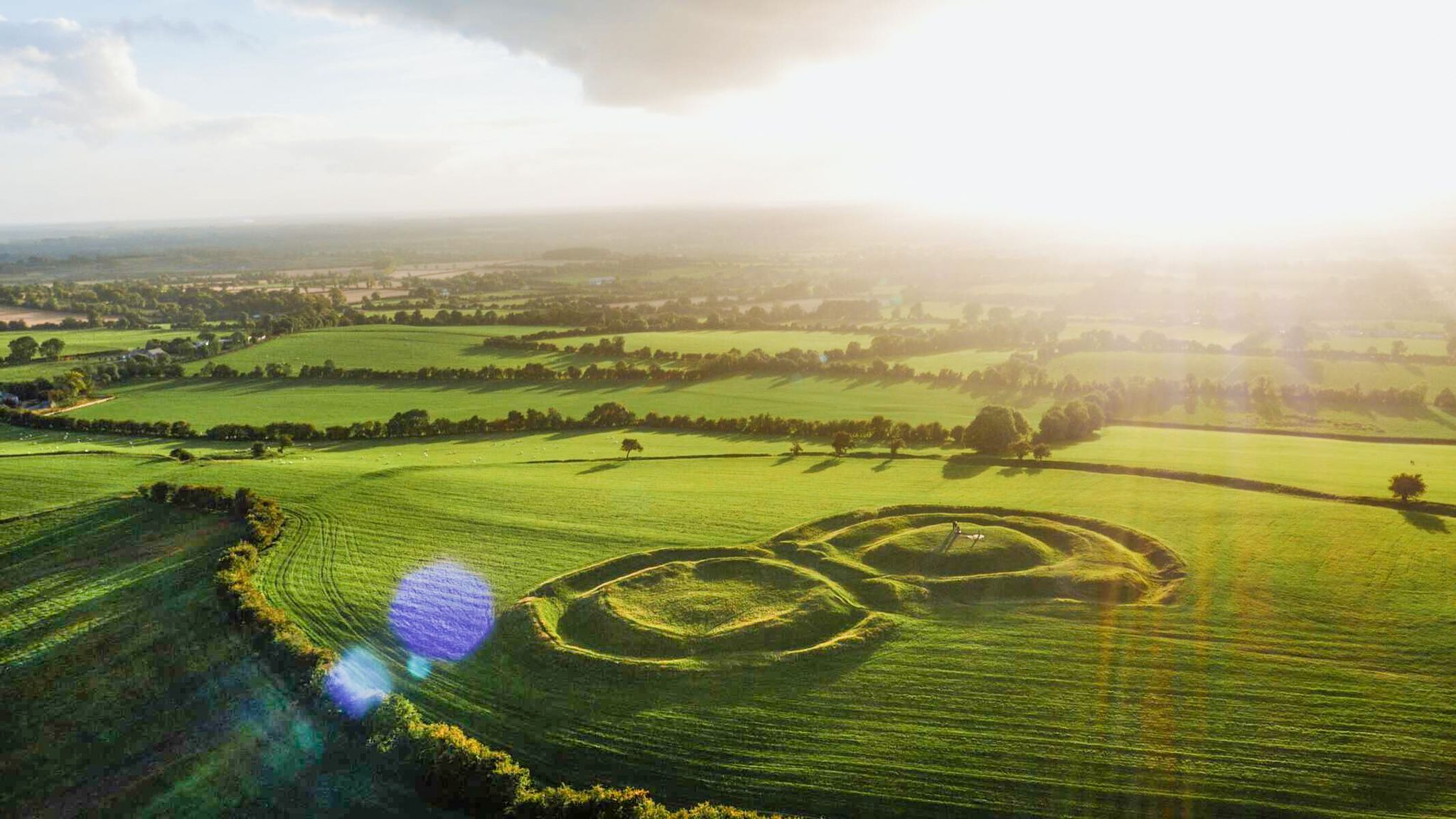
The magical east of Ireland – ancient places, scenic lakes and rocky mountains


Tips from the Community

The imposing castle ruins are located on the south bank of the River Boyne in the town of Trim (County Meath).
3
0
Of the former St. Mary's Abbey, only a few remains are preserved, such as the Yellow Steeple. The Yellow Steeple is the ruin of the bell tower.
3
0

Older than Stonehenge and the pyramids, this monument stands in the green countryside of County Meath and tells stories of a time long gone. The journey here takes you along quiet roads along the Boyne until you finally stand in front of the massive burial mound. The intricate decorations on the stones and the special architecture of the cross-shaped chamber are impressive. It is amazing how people back then were able to create such precise construction without modern tools. If you take a break here, you can feel the special energy of the place - as if history itself is whispering through the wind. A detour is worthwhile, especially if you want to incorporate a little culture into your cycling tour. The journey is easy and there are plenty of places to park your bike and explore the area.
1
0

Underground secrets... Newgrange isn't the only passage tomb in Ireland, of course. There are two more in Brú na Bóinne. Along with the nearby Knowth and Dowth tombs, Newgrange has been a UNESCO World Heritage Site since 1993. Not bad for a site that was once doomed to become a quarry! Nearby, at Oldcastle in County Meath, you'll find a lesser-known collection of passage tombs. Around a handful of hills in Loughcrew are several cairns dating back to around 3200 BC. More mysterious and difficult to reach, exploring them is even more like Indiana Jones. If you get the feeling you're being watched, you might be right. About 60km away, on the summit of Slieve Gullion in County Armagh, the passage of another tomb points directly towards Loughcrew. The two cairns at Slieve Gullion are located on either side of the summit lake. The southern grave is said to be aligned with the sunset on the winter solstice. In good weather you can even see Dublin Bay from here. (Source: https://www.ireland.com/de-de/magazine/built-heritage/newgrange/)
2
1
5,000 years. That makes Newgrange older than Stonehenge. It's also older than the Egyptian pyramids. But over the past five millennia, the passage tomb has lost none of its fascination. But let's start from the beginning: There is no direct access to Newgrange. If you're driving, don't let your sat nav take you to Brú na Bóinne/Boyne Valley (latitude 53.694567, longitude 6.4463). The visitor center there sells tickets and you can take a shuttle bus for a guided tour. If you don't have a car, that's no problem either: you can book a day trip from Dublin. Arriving at the iconic tomb is an overwhelming experience. You stand in front of an 80m wide mound, lined with decorated stones and covered in white Wicklow quartzite. A guide tells you about the myths and history behind the landmark. Newgrange could have been a tomb or a temple. Nobody knows for sure. The truth will remain hidden forever. (Source:https://www.ireland.com/de-de/magazine/built-heritage/newgrange/)
2
1
Newgrange was built by a farming community that flourished on the fertile soils of the Boyne Valley. Knowth and Dowth are similar mounds that, together with Newgrange, have been declared a UNESCO World Heritage Site. Archaeologists classified Newgrange as a passage grave, but today Newgrange is recognised as much more than a passage grave. The designation "Ancient Temple" is more fitting, a place of astrological, spiritual, religious and ceremonial significance, much like today's cathedrals are places of prestige and worship where dignitaries can find their final rest. Newgrange is a large, kidney-shaped mound covering over an acre of land, supported at its base by 97 kerbstones, some of which are richly decorated with megalithic art. The 19m (62ft) long inner passage leads to a cruciform chamber with a corbelled roof. The time and labour invested in the construction of Newgrange suggest a well-organised society with specialised groups responsible for various aspects of the build. Newgrange is part of a complex of monuments erected along a bend in the River Boyne, known generically as Brú na Bóinne. The other two main monuments are Knowth (the largest) and Dowth, but there are up to 35 smaller mounds throughout the area. (Source: https://www.newgrange.com/)
5
0
interesting @Christian427: In 1995 I was there with a friend. We could even spend the night on the meadow next door. A top experience with a couple and after a shared breakfast in the morning we went to visit Newgrange. Today we were there: a mega visitor center, however with (entrance fee: 5 Euros) absolutely ok and really well prepared. However, we were on our way back to Dublin and the next bus didn't leave for another 1.5 hours. A visit from the inside was not possible, only from the outside (according to the lady at the ticket counter). The shuttle bus tour would be just over 50 minutes and with the stop about 2 hours (however, only bookable online in advance). Visitor center alone does not have to/cannot be booked online.
3
0

Mornington Beach is a picturesque stretch of coastline backed by rolling sand dunes, the beach offers visitors a serene and tranquil setting to enjoy the natural beauty of the Irish coast. Mornington Beach is known for its fine, golden sand and gentle waves, making it a popular destination for swimming, sunbathing, and beachcombing. The beach is well-maintained and clean, with access points and parking available for visitors. The water quality at Mornington is generally good, though it is monitored regularly by the Environmental Protection Agency (EPA) to ensure safety for bathers. The Mornington Peninsula is home to an extensive system of sand dunes, known as "The Cups", which provide a stunning natural backdrop to the beach. These dunes are a protected habitat, home to a variety of plant and animal species. Visitors can explore the dunes on designated walking trails, taking in the panoramic views of the coastline and the nearby Boyne estuary.
7
0
Frequently Asked Questions
How many family-friendly hiking trails are available in Meath?
Meath offers a fantastic selection of family-friendly hiking trails, with over 50 routes to explore. The majority of these, around 38, are rated as easy, making them perfect for families with children of all ages.
What kind of landscapes can we expect on family hikes in Meath?
Meath's family-friendly trails showcase a diverse range of landscapes. You can enjoy peaceful riverside walks along the Boyne Valley, explore unique boglands with boardwalks like the Girley Bog Eco Walk, or wander through tranquil forests. The county also features gentle hills offering panoramic views, and even coastal stretches for a different kind of stroll.
Are there any historical landmarks or attractions we can visit along the trails?
Absolutely! Meath is rich in history. Many family-friendly trails pass by significant sites. For instance, the Trim Historic Trail allows you to explore the area around Trim Castle and the Yellow Steeple. You can also find trails near the ancient Hill of Tara or the world-renowned Newgrange Passage Tomb within the Brú na Bóinne area.
What is the best time of year to go hiking with family in Meath?
Spring and summer are generally ideal for family hikes in Meath, offering milder weather and longer daylight hours. The landscapes are vibrant, and many attractions are fully open. However, the unique boglands and forest trails can be enjoyed year-round, with autumn providing beautiful foliage and winter offering crisp, quiet walks, though some paths might be muddier.
Are there any circular routes suitable for families?
Yes, Meath offers several excellent circular routes perfect for families. The Girley Bog Eco Walk is a popular looped trail with boardwalks, offering an immersive nature experience. Another option is the Jamestown Bog loop, which is also easy and family-friendly. For a longer historical loop, consider the Brú na Bóinne World Heritage loop.
Can we bring our dog on family hikes in Meath?
Many trails in Meath are dog-friendly, especially those in forest parks and along towpaths. However, it's always best to check specific trail regulations before you go, as some nature reserves or protected historical sites may have restrictions or require dogs to be on a leash. Always ensure your dog is under control and clean up after them.
What do other hikers say about family-friendly trails in Meath?
The family-friendly trails in Meath are highly rated by the komoot community, with an average score of 4.65 out of 5 stars from over 160 ratings. Reviewers often praise the well-maintained paths, the blend of natural beauty with historical sites, and the suitability of the routes for all ages, making them perfect for a family day out.
Are there options for public transport to reach hiking trails in Meath?
While some trails, particularly those near larger towns like Trim or Navan, may be accessible via local bus services, many of Meath's more rural hiking spots are best reached by car. The Royal Canal Way, for example, has sections that are more accessible by public transport. It's advisable to check local bus routes and timetables for specific trailheads.
Are there any easy riverside walks suitable for families?
Yes, the Boyne Valley offers several lovely riverside walks. The Boyne Navigation Towpath from Navan is a great example, providing a relatively flat and scenic route along the River Boyne, perfect for a leisurely family stroll. These paths often feature lush meadows and glimpses of ancient ruins.
What should we pack for a family hike in Meath?
For family hikes in Meath, it's always wise to pack layers of clothing suitable for changing weather, waterproof jackets, comfortable walking shoes, and plenty of water and snacks. Depending on the trail, insect repellent can be useful, especially in boggy or wooded areas. Don't forget a camera to capture the beautiful landscapes and historical sites!
Are there any trails that are particularly good for toddlers or buggies?
For toddlers and buggies, look for trails that are relatively flat and have well-maintained, wide surfaces. The boardwalk sections of the Girley Bog Eco Walk are excellent, as are many parts of the Royal Canal Way. Forest walks like those in Balrath Wood often have accessible paths suitable for buggies, providing a smooth experience for little ones.
Most popular attractions in Meath

Get inspired with the komoot mobile app


Didn’t find what you were looking for?
Check out more Hikes throughout Meath below and find the perfect route in your destination.
Explore more
Browse the best Hikes in other regions.
