The best hikes from bus stations in Western Australia
4.7
(1455)
17,432
hikers
108
hikes
Bus station hiking trails in Western Australia traverse a diverse landscape, from rugged coastlines and pristine beaches to ancient forests and unique geological formations. The region features a mix of coastal paths, river gorges, and trails through jarrah and karri woodlands. Hikers can explore areas with limestone pillars, granite outcrops, and rolling hills, offering varied terrain for public transport accessible hikes.
Best bus station hiking trails in Western Australia
- The most popular bus station hiking route is Yaberoo Budjara Heritage…
Last updated: July 9, 2026
5.0
(2)
21
hikers
21.1km
06:07
560m
560m
Hard hike. Very good fitness required. Easily-accessible paths. Suitable for all skill levels.
20
hikers
6.81km
02:03
230m
230m
Moderate hike. Good fitness required. Easily-accessible paths. Suitable for all skill levels.

Sign up for free
5.0
(1)
8
hikers
15.8km
04:11
160m
160m
Moderate hike. Good fitness required. Easily-accessible paths. Suitable for all skill levels.
4.8
(16)
64
hikers
19.0km
05:23
410m
410m
Hard hike. Very good fitness required. Easily-accessible paths. Suitable for all skill levels.
4.7
(3)
80
hikers
Easy hike. Great for any fitness level. Easily-accessible paths. Suitable for all skill levels.
Get access to more routes and recommendations from other explorers.
Sign up for free
Already have an account?
Our route recommendations are based on thousands of hikes, rides, and runs completed by other people on komoot.
Start today with a free account
Your next adventure awaits.
Login or Signup
Popular around Western Australia
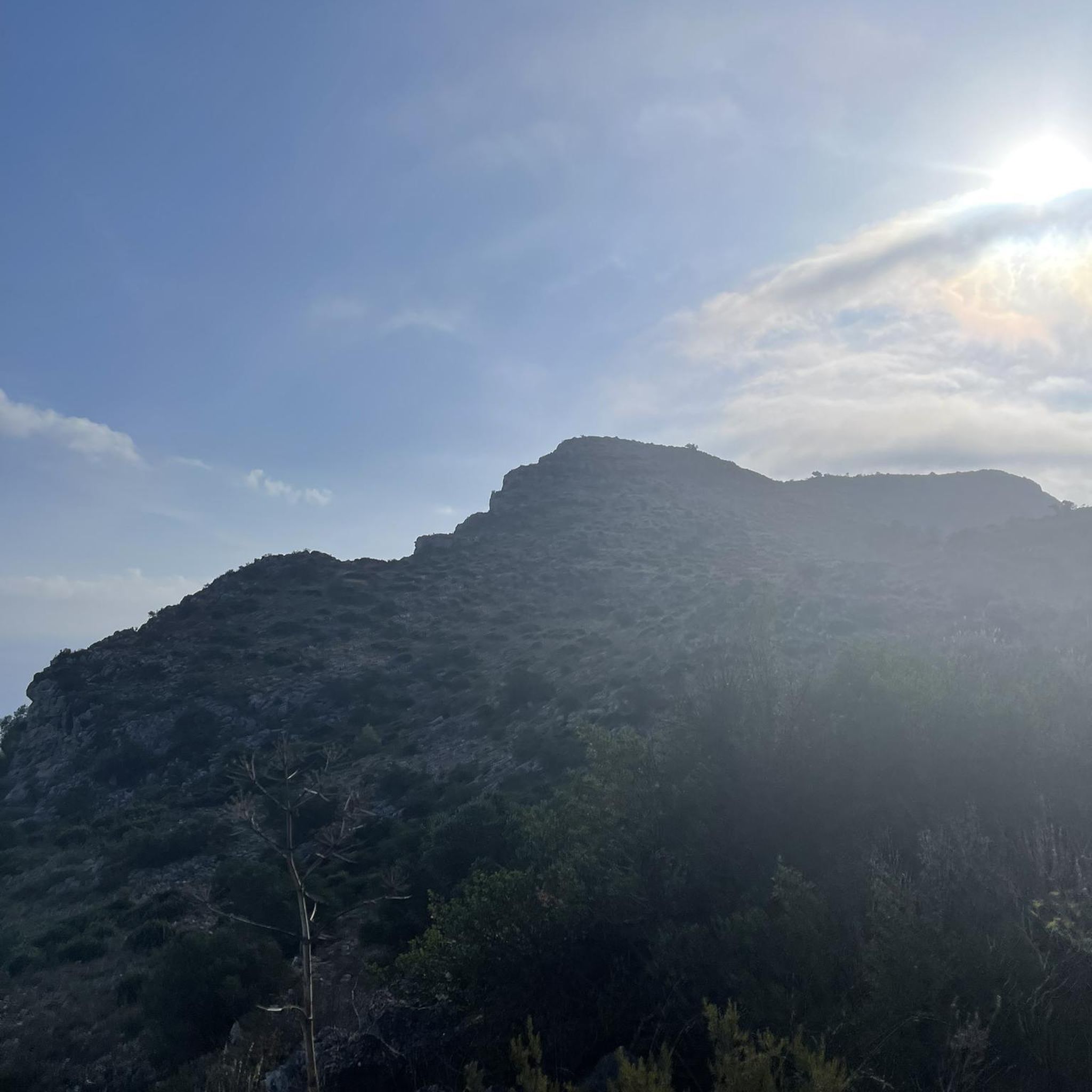
Hikes from bus stations in Beelu National Park
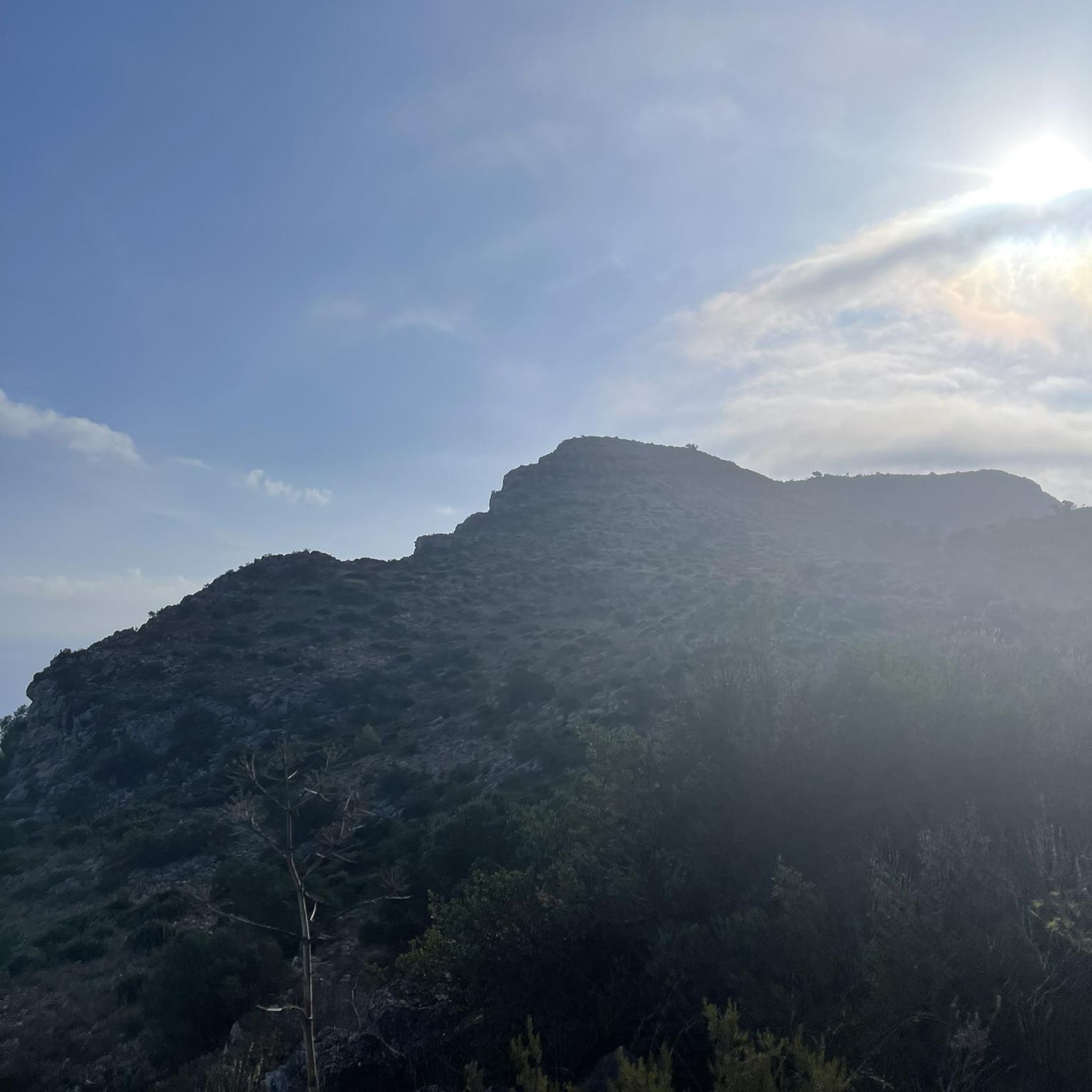
Hikes from bus stations in Kalamunda National Park

Hikes from bus stations in Greenmount National Park
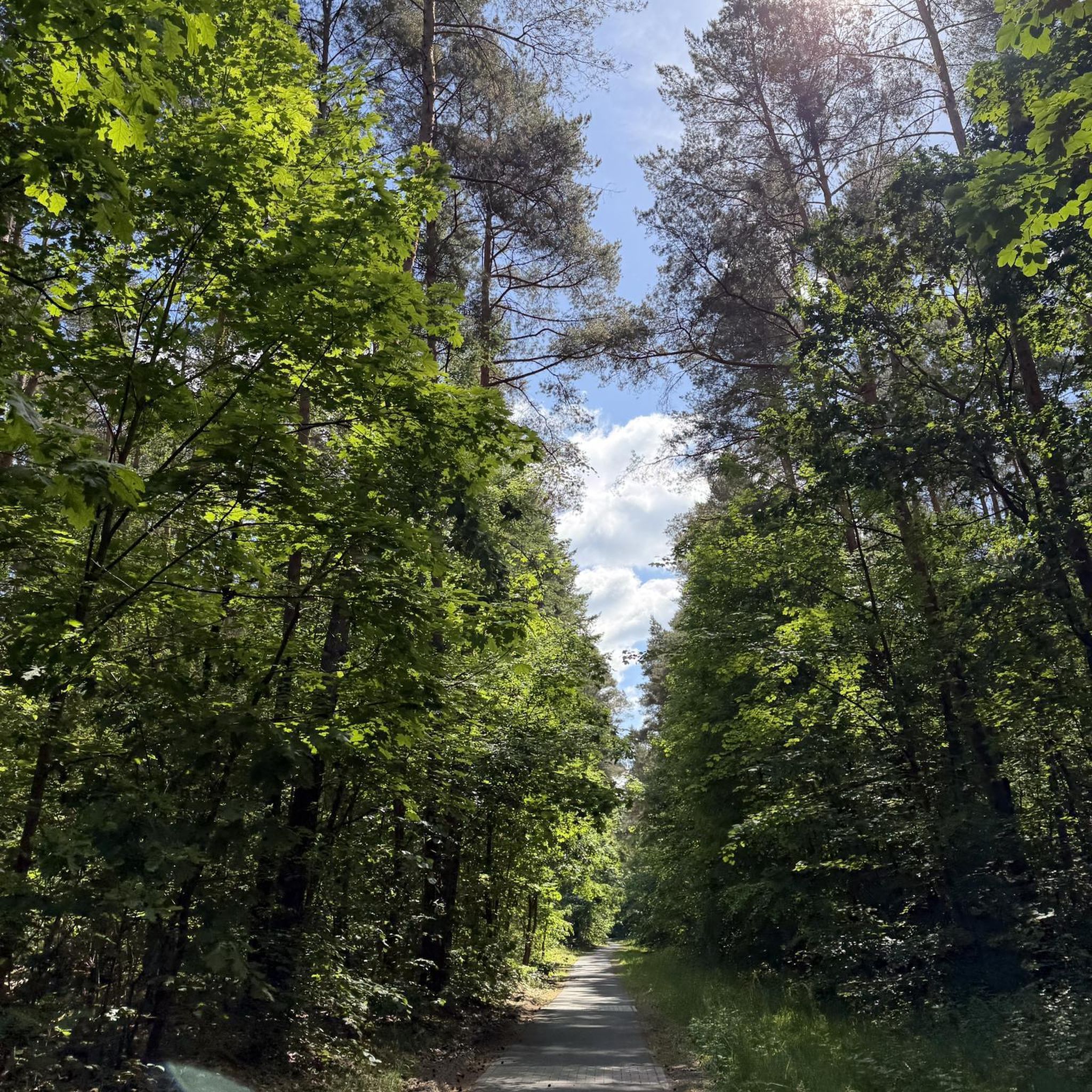
Hikes from bus stations in Korung National Park

Hikes from bus stations in Mundy Regional Park
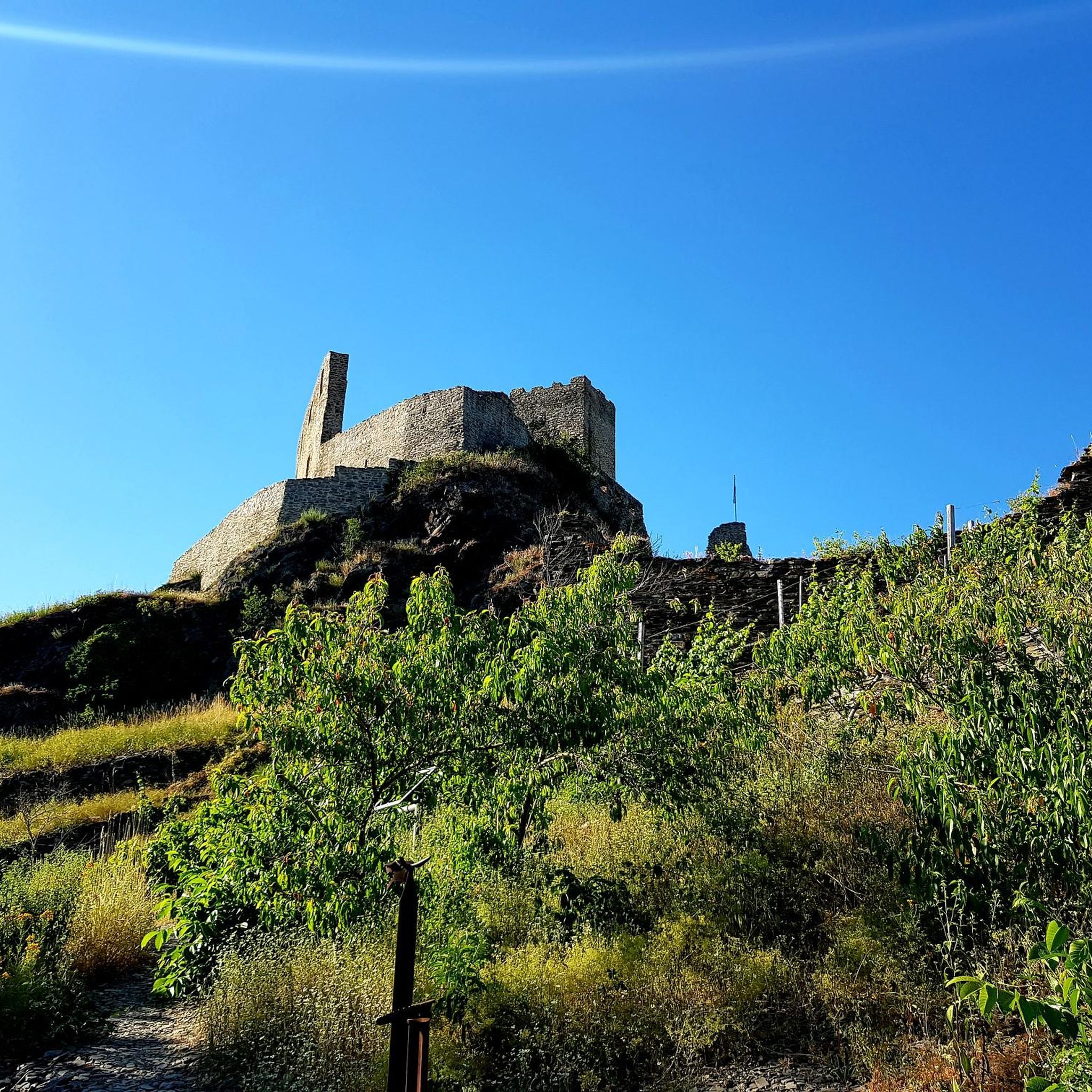
Hikes from bus stations in Kings Park Botanic Gardens

Hikes from bus stations in Canning River Regional Park

Hikes from bus stations in Bold Park Botanic Gardens

Hikes from bus stations in Herdsman Lake Regional Park
Hikes from bus stations in Bibra Lake Reserve
Other adventures in Western Australia

Tips from the Community

Kalamunda Mountain Bike Park has well-maintained trails that range from beginner to advanced trails. On site there is a bike rental service called Rock and Roll Mountain Biking, and a café called Trails Hub Café that serves food as well, open from 8 am to 3 pm on Fridays, Saturdays and Sundays (closed weekdays).
0
0
Hewett's Hill Hut, sometimes also spelled Hewitt's Hut, was the first shelter built along the 1,000-kilometer Bibbulmun Track. Nestled in the Jarrah and Wandoo forests of Beelu National Park, the hut can only be reached by bushwalking. It's close to the trail's northern terminus, so this rustic, three-sided wooden timber hut often becomes southbound thru hikers' first night stop. There's a pit toilet and a rainwater catch, so treat or filter all water before drinking.
0
0

Built in the 1930s this boathouse has become a famous landmark along the Swan River in Perth. The picturesque locale and easy access have made it popular with photographers from around the world.
1
0

The Bibbulmun Track northern terminus marks the official beginning of one of Australia’s great long-distance walks, stretching about one thousand kilometres from Kalamunda to Albany on Western Australia’s south coast. The trail is named after the Bibbulmun people of the Noongar Nation, and walkers are guided by the famous yellow Waugal trail markers representing the Rainbow Serpent from Noongar culture. Information boards, track maps, and nearby bushland trails make this a popular starting point for both day walkers and long-distance hikers.
0
0
This section of the Bibbulmun Track winds through jarrah and marri forest beside Piesse Brook on the way to Rocky Pools in Kalamunda National Park. Narrow dirt trail, rocky creek crossings, and granite outcrops give this stretch a more natural and rugged feel than many of the wider management tracks nearby. During winter and spring, flowing water, damp forest, and wildflowers make this one of the more scenic creekside sections close to Perth.
0
0
Located along the edge of Kings Park, Dryandra Lookout overlooks the Swan River with clear views toward the Perth skyline. The lookout sits above the escarpment, creating a more elevated perspective compared to lower riverside sections. It’s one of several viewpoints along the perimeter, with open sightlines across the water and city.
0
0
One of the best parts about John Forrest National Park is just how close it is the Perth. At just 24 kilometres from town you can be out on the trails less than 30 minutes after leaving the city limits. From this view point you can see Perth in the distance for a reminder of just how close these two very different worlds are.
0
0
Located just 30 minutes east of Perth, John Forrest National Park was established in 1900 and is Western Australia’s oldest national park. It is famous for its jarrah and marri forests, dramatic rocky outcrops, and seasonal (winter-spring) waterfalls. Set on the traditional lands of the Whadjuk people, the park is a popular multi-use destination where hikers, mountain bikers, and families share the terrain. Swan View Tunnel on the Railway Reserve Heritage Trail is a unique feature of the park and it offers a cool, dark passage through the hillside for those exploring on foot or by bike. Kangaroos and other wildlife often lounge near the picnic areas, visitors are reminded to keep dogs at home in order to protect the park's diverse wildflower displays and local wildlife.
0
0
Frequently Asked Questions
How many bus-accessible hiking trails are there in Western Australia?
Western Australia offers a wide range of bus-accessible hiking opportunities. Our guide features over 130 distinct routes that you can reach using public transport, catering to various skill levels from easy strolls to more challenging treks.
What do other hikers say about the bus station trails in Western Australia?
The bus-accessible trails in Western Australia are highly regarded by the komoot community, boasting an average rating of 4.7 stars from over 1300 reviews. Hikers frequently praise the diverse landscapes, the convenience of public transport access, and the well-maintained paths.
What is the best time of year to go hiking from bus stations in Western Australia?
The best time for hiking in Western Australia is generally during spring (September to November) when the wildflowers are in full bloom, or autumn (March to May) for milder temperatures. Summer can be very hot, especially inland, while winter offers cooler weather but some trails might be wet. Always check local conditions before heading out.
Are there any easy, family-friendly hikes accessible by bus in Western Australia?
Yes, many bus-accessible trails are suitable for families and beginners. For example, the Jetty Lookout on Lake Monger – View of Perth Skyline loop from Glendalough offers a gentle 5.3 km walk with minimal elevation, perfect for a relaxed outing. Another easy option is the Jetty Lookout on Lake Monger – View of Perth Skyline loop from Subiaco Oval, which is slightly longer but still very accessible.
Can I bring my dog on these bus-accessible trails?
Dog policies vary significantly across Western Australian parks and reserves. While some trails, particularly in regional parks or local reserves, may allow dogs on leash, national parks generally prohibit them to protect native wildlife. Always check the specific park's regulations before planning your trip. For example, trails around Lake Monger are often dog-friendly, but always keep them on a leash.
Are there any circular routes available from bus stations?
Yes, many bus-accessible trails are designed as circular routes, allowing you to start and end at the same point, often conveniently near a bus stop. Examples include the Jetty Lookout on Lake Monger loop and the Serpentine Falls loop, which offer varied scenery without the need for a return journey on the same path.
What kind of natural features or attractions can I expect to see on these bus-accessible hikes?
Western Australia's bus-accessible trails offer a diverse range of natural beauty. You can encounter stunning coastal views, ancient forests, unique geological formations, and vibrant wildflowers. Highlights include the Munda Biddi Trail Northern Terminus, the majestic Fernhook Falls, and the dramatic landscapes of Stirling Range National Park, home to peaks like Bluff Knoll Summit.
Are there any waterfalls accessible from bus station trails?
Yes, Western Australia is home to several beautiful waterfalls, and some are accessible via bus routes. While specific bus routes to all waterfalls can vary, areas like Serpentine National Park, which features the Serpentine Falls, offer trails that can be reached by public transport. The Serpentine Falls loop is one such example.
Are there amenities like cafes or pubs near the bus station hiking trails?
Many bus-accessible hiking areas, especially those closer to Perth or in well-established regional towns like Mundaring or Kalamunda, offer amenities such as cafes, pubs, and accommodation. It's always a good idea to check local listings for specific services available near your chosen bus stop or trail entry point.
Do I need permits for hiking in national parks accessible by bus?
Entry fees or permits may be required for some national parks in Western Australia, even if you arrive by bus. For example, parks like John Forrest National Park or Serpentine National Park typically have entry fees per vehicle, but sometimes a per-person fee applies for walkers or cyclists. Always check the official Parks and Wildlife Service website for the latest information on fees and any required bookings before your visit.
What kind of terrain and elevation can I expect on these trails?
The terrain and elevation on bus-accessible trails in Western Australia are incredibly varied, reflecting the region's diverse landscapes. You can find flat, easy paths around lakes and coastal areas, such as the Lake Monger loops with minimal elevation gain. In contrast, trails in the Perth Hills or near the Stirling Ranges, like the Serpentine Falls loop, can involve moderate climbs and descents, offering more challenging experiences with significant elevation changes.
Can I spot wildlife on these bus-accessible trails?
Western Australia's diverse ecosystems mean that wildlife spotting is a common and rewarding experience on many trails. You might encounter kangaroos, wallabies, various bird species, and unique reptiles. Coastal trails often offer opportunities to see marine life, while forest trails are rich in birdlife. Early mornings or late afternoons are generally the best times for wildlife viewing.
Most popular routes in Western Australia
Most popular attractions in Western Australia

Get inspired with the komoot mobile app


Didn’t find what you were looking for?
Check out more Hikes throughout Western Australia below and find the perfect route in your destination.
Explore more
Browse the best Hikes in other regions.
