The best family-friendly hikes and walks around Mühlhausen/Thüringen
4.5
(850)
3,523
hikers
300
hikes
Family friendly hiking trails around Mühlhausen/Thüringen traverse a landscape characterized by rolling hills, extensive forests, and picturesque river valleys. The region is home to the Mühlhausen City Forest, one of Thuringia's largest municipal forests, which borders the Hainich National Park. Hikers can explore diverse natural features, including karst springs and the fertile floodplain of the Unstrut River. The area offers a variety of trails suitable for families, ranging from easy walks along historic city walls to moderate paths through woodlands.
…Last updated: July 11, 2026
4.7
(50)
168
hikers
9.89km
02:40
130m
130m
Moderate hike. Good fitness required. Easily-accessible paths. Suitable for all skill levels.
4.5
(23)
136
hikers
Easy hike. Great for any fitness level. Easily-accessible paths. Suitable for all skill levels.

Sign up for free
4.7
(29)
117
hikers
6.27km
01:43
90m
90m
Easy hike. Great for any fitness level. Easily-accessible paths. Suitable for all skill levels.
4.7
(19)
61
hikers
Moderate hike. Good fitness required. Easily-accessible paths. Suitable for all skill levels.
4.4
(10)
39
hikers
Moderate hike. Good fitness required. Easily-accessible paths. Suitable for all skill levels.
Get access to more routes and recommendations from other explorers.
Sign up for free
Already have an account?
Our route recommendations are based on thousands of hikes, rides, and runs completed by other people on komoot.
Start today with a free account
Your next adventure awaits.
Login or Signup
Popular around Mühlhausen/Thüringen
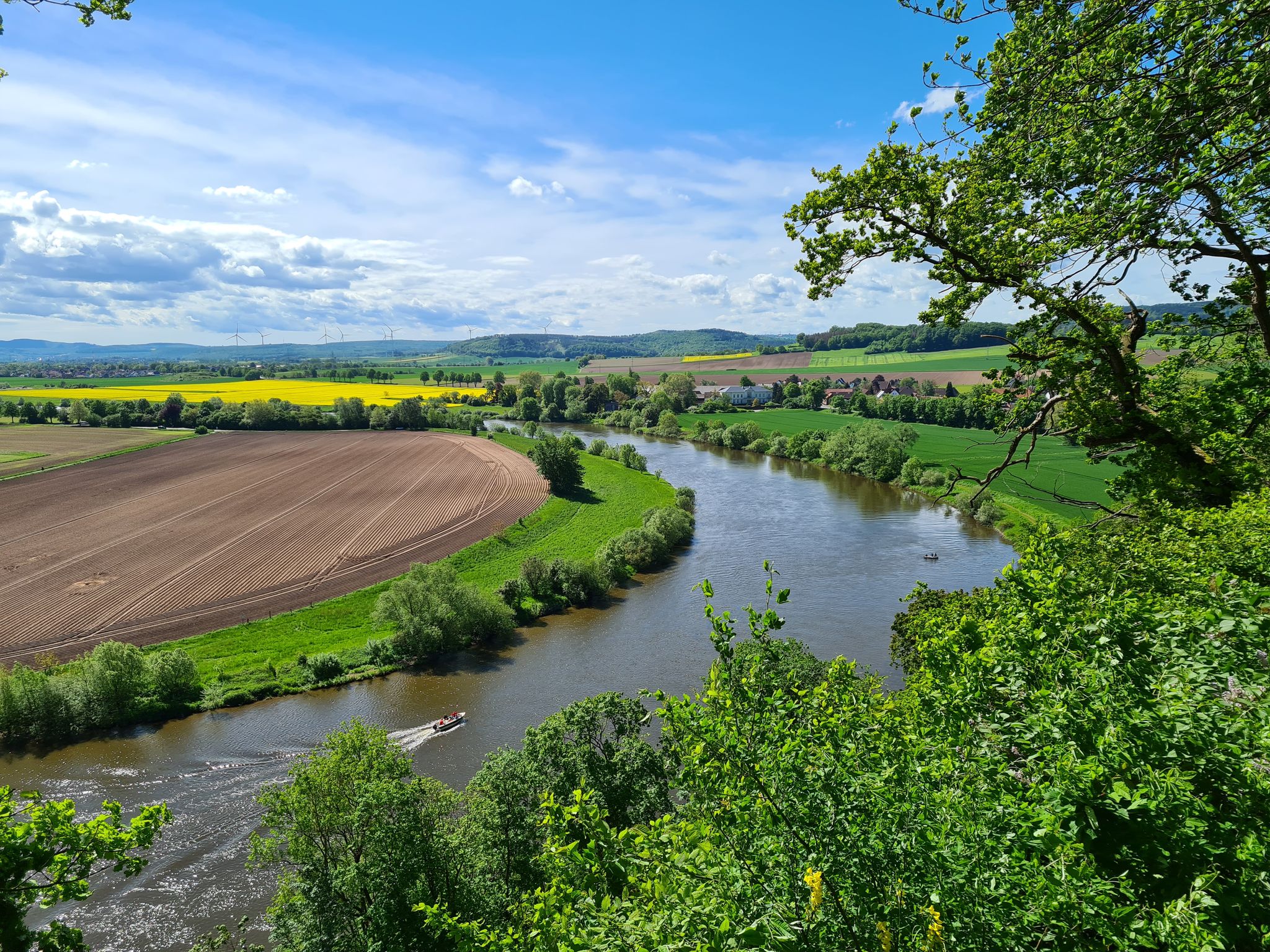
Loccum-Volkenroda pilgrim's way – From monastery to monastery
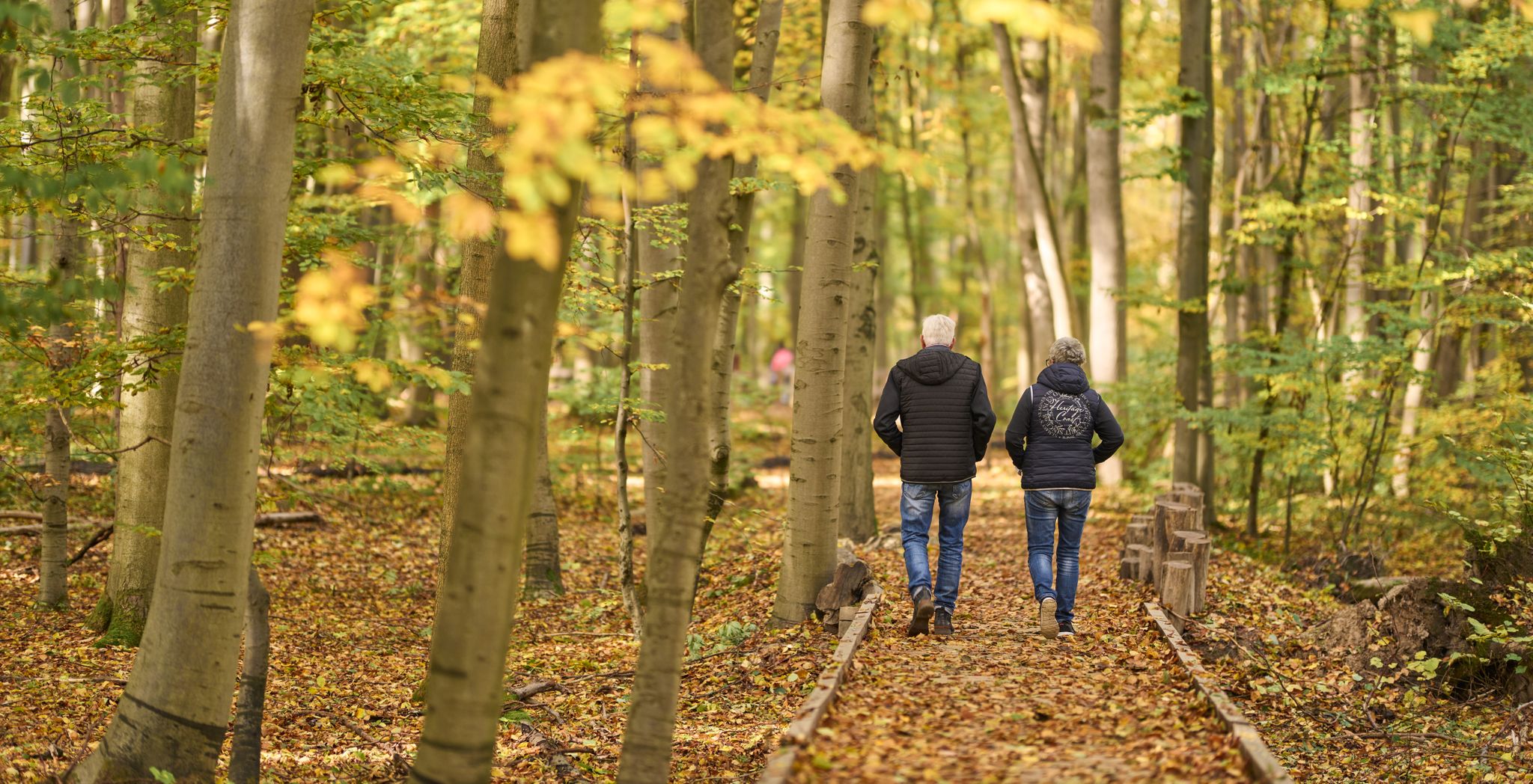
The Waagebalkenweg - in two days through the Hainich
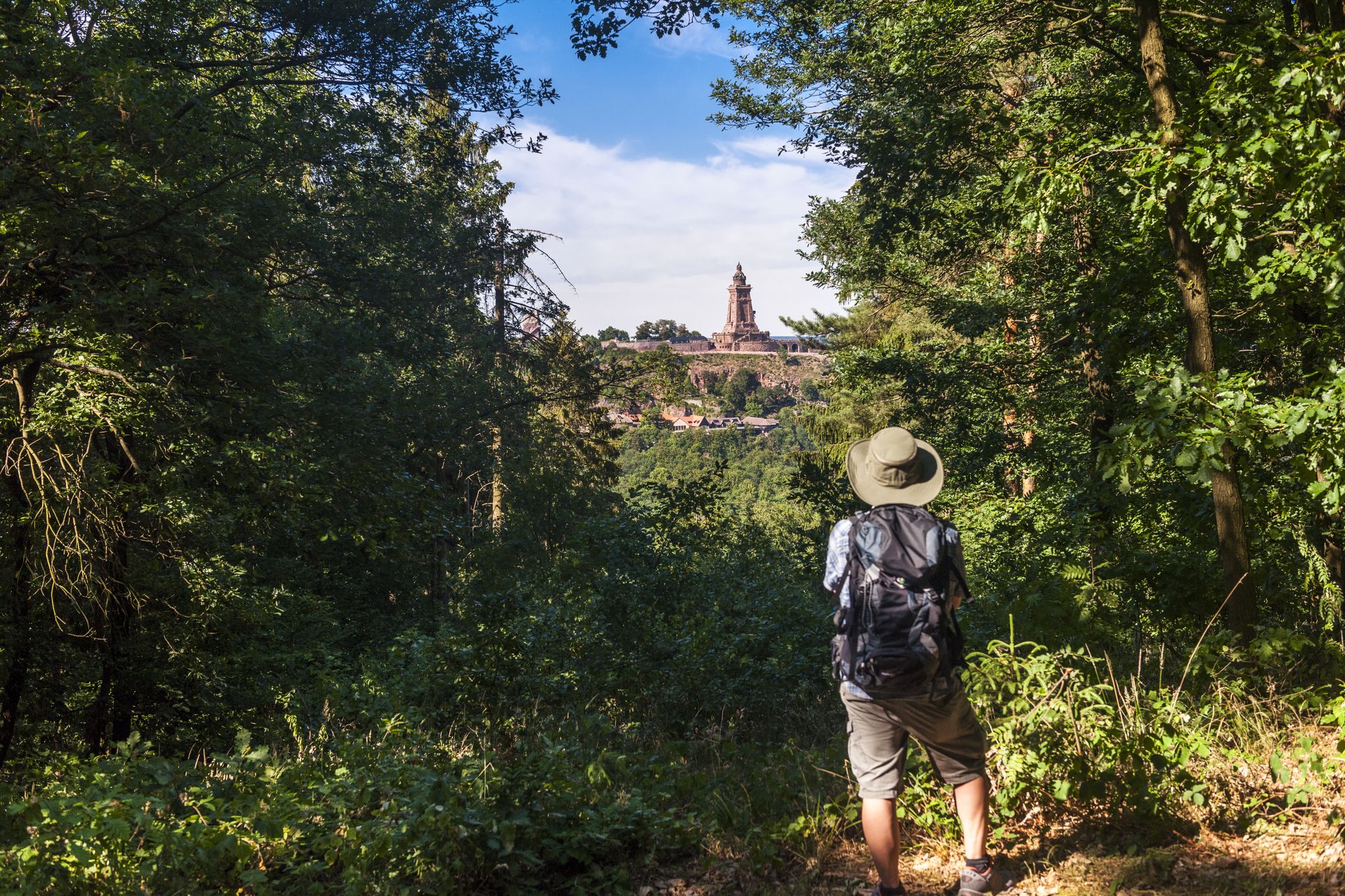
Hiking in Germany’s Kyffhäuser hills – 15 days on the Barbarossa Trail
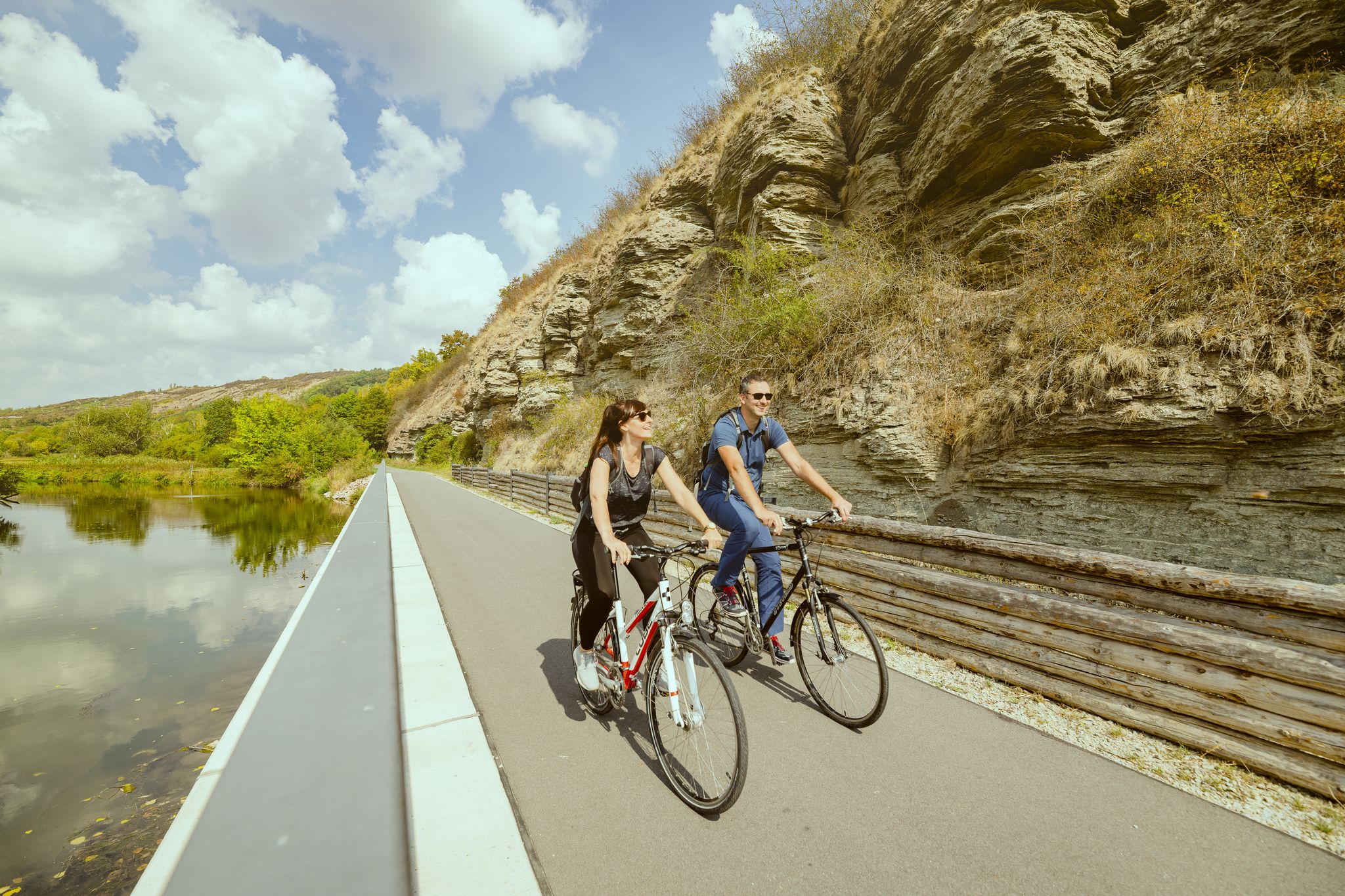
Unstrut Cycle Path – from the source in Eichsfeld to the River Saale
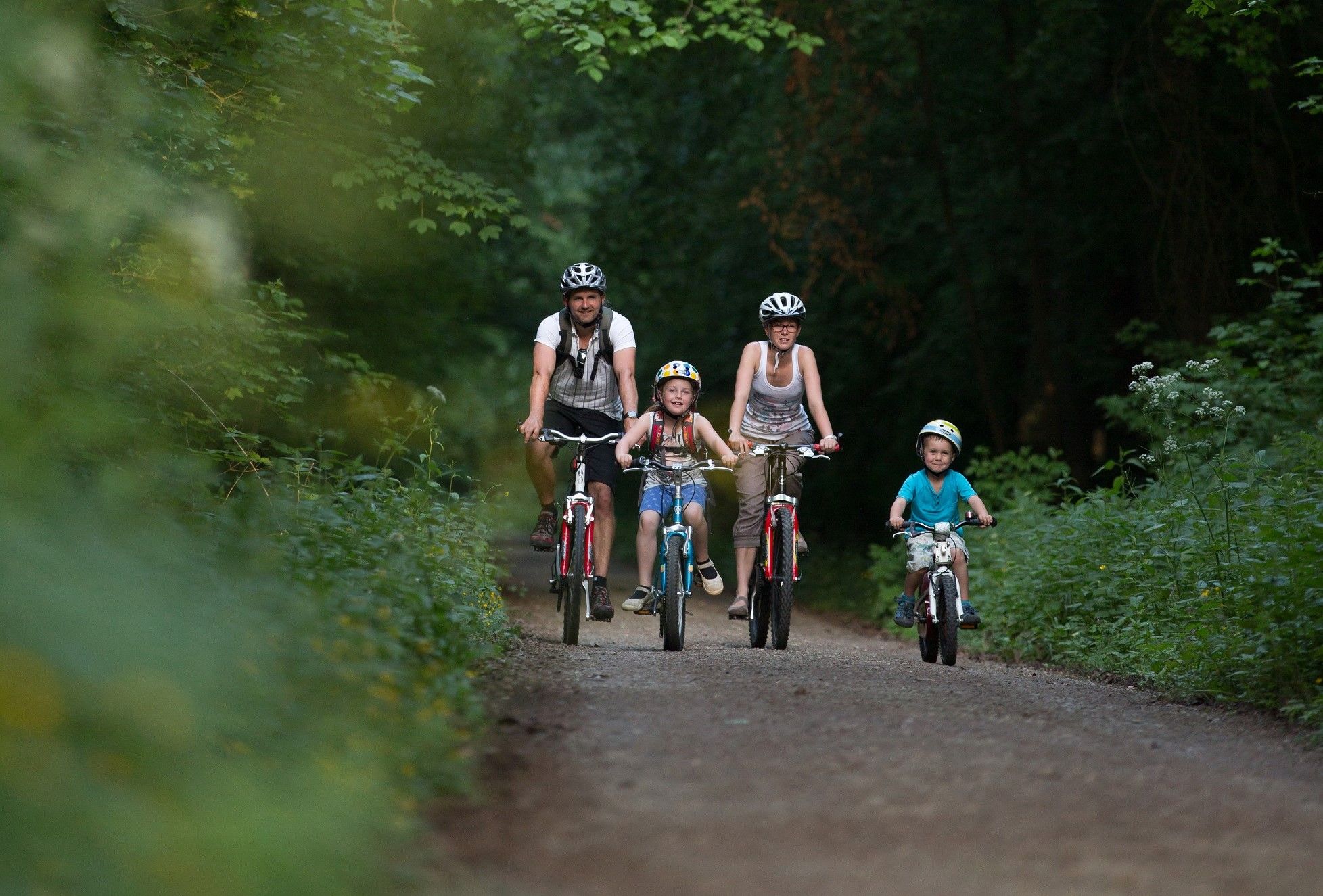
Cycling through Hainich National Park

Fast-paced trails and steep summits – outdoors in Thuringia
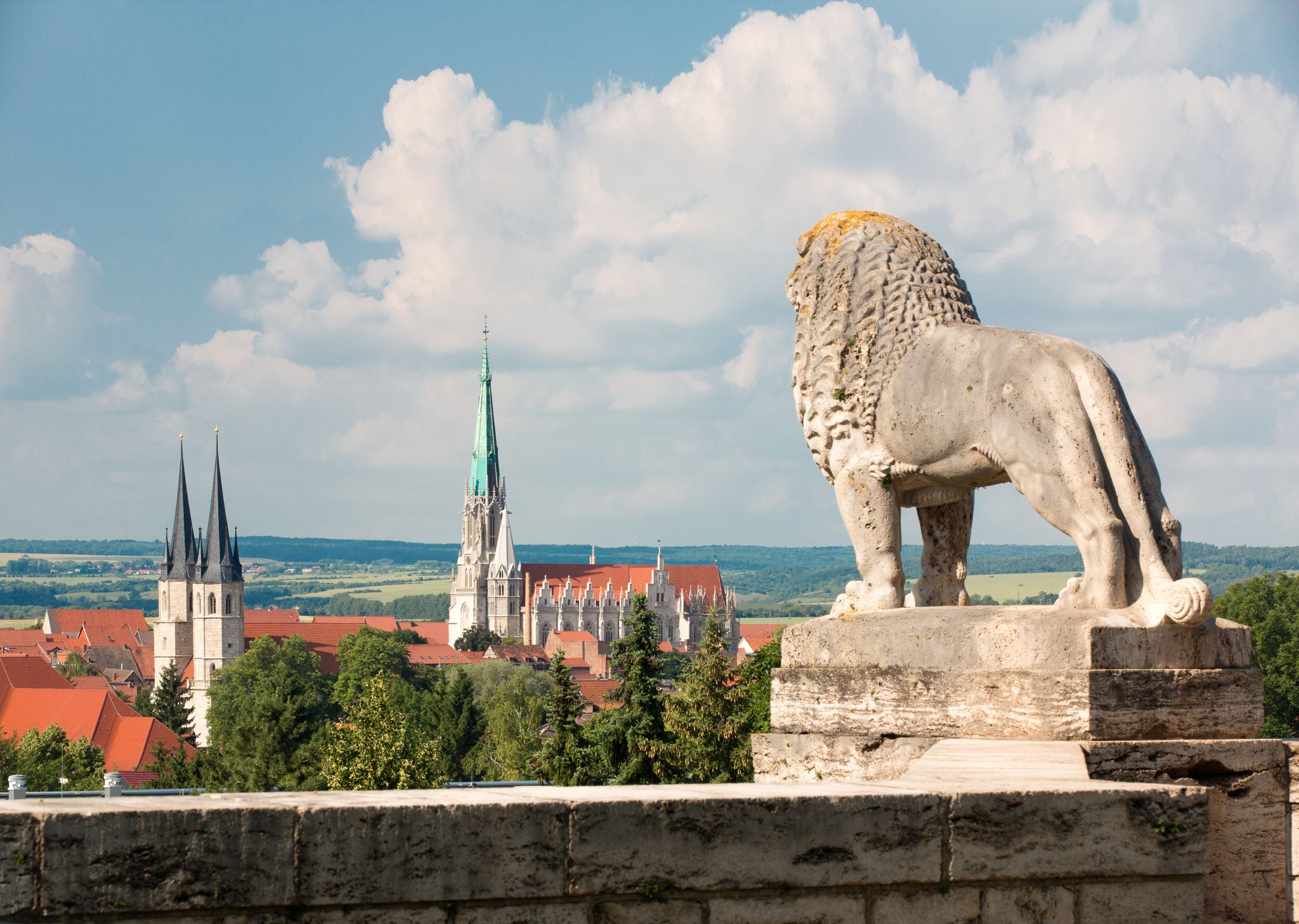
Die schönsten Stadtrundgänge durch die mittelalterliche Stadt Mühlhausen/Thüringen
Other adventures around Mühlhausen/Thüringen


Tips from the Community

Directly below the parking lot.
0
0

The mill was first documented in 1631. In 1679, it was rebuilt and subsequently used as both a tanning mill and a grinding mill. The mill wheel remained until 1958. The building complex still exists today: in 1994, the main building was renovated and converted into residential units. The southern, historic half-timbered building now houses commercial spaces, and a millstone is displayed in front of the building.
1
0
The inner, oldest city wall of Mühlhausen was almost 2.8 kilometers long (of which 2.2 kilometers are preserved to this day) and enclosed an area of around 50 hectares. This area had the shape of a slightly rounded and not entirely regular rectangle, whose maximum east-west extent is almost twice as long (1000 meters) as its maximum north-south extent (500 meters). Its original structure included the four main gates, namely the Görmartor in the northeast, the Erfurter Tor in the southeast, the Felchtaer Tor in the southwest, and the Frauentor, named after the Marienkirche (=Frauenkirche), in the northwest, as well as probably four posterns: the Eselspforte and the Burgpforte on the north side, and the - unnamed - postern at the exit of Brunnenkreßstraße and another, only inferred, postern to Spielbergstraße on the south side. It is unclear whether the original main access to the castle via Breitenstraße was already closed with the construction of the wall between the castle and the city before 1251 or only after the demolition of the castle from 1256 onwards. As material for the inner (and later also outer) city wall, including the gates and towers, the travertine found in Mühlhausen and quarried here was used, a geologically young freshwater limestone. The inner city wall was constructed as a double-shell masonry. Its thickness up to the height of the rampart varies between approximately 1.5 meters and - reached only exceptionally - a maximum of 2 meters. Source: https://www.muehlhausen.de/tourismus/erkunden/sehenswuerdigkeiten/besondere-baudenkmaeler/stadtmauer/
1
0
The church is the parish church of the Mühlhausen old town and was gifted to the Teutonic Order in 1227. The current building was constructed between 1270 and 1300 as an early Gothic hall church, influenced by French cathedral architecture. It possesses significant art-historical elements such as a rose window, medieval stained glass, a late Gothic carved altar, and tomb slabs of important personalities. After the Reformation, religious expressions changed, and much of the original furnishings were lost. The west towers still date from the predecessor building and house historical bells. The church also developed into an important center for Protestant church music, with a peak in the work of Johann Sebastian Bach in the early 18th century.
1
0
From the Hohen Graben, visitors enjoy a beautiful view of the imposing double-towered St. James' Church. Construction of the present-day St. James' Church began around 1280. An inscription, now lost, attributes the imperial figure in the arch of the north portal to Henry VII. Another inscription names 1363 as the year of completion of the church. The motif of the unequal couple is taken up in the impressive tower group completed in 1418. After the Reformation, the church seems to have been used only sporadically. It lost almost all its furnishings in the last century. St. James' Church was extensively renovated from 1992 to 2004 with financial support from the state of Thuringia, the federal-state program "Urban Monument Protection," and the German Foundation for Monument Protection. Since April 2004, St. James' Church has housed the city library with a children's library and a sound library. Interesting for visitors: so-called "Archaeological Windows" provide insights into the church's construction history. Source: https://www.thueringen.info/kultur/muehlhausen-stadtbibliothek-jakobikirche/
1
0
The outer Frauentor in Mühlhausen is a preserved part of the medieval city fortifications and is located today on Johannisstraße. It belonged to the outer ring of the city walls and was part of a complex gate system that, together with the inner Frauentor, secured access to the city. This staggered construction served defensive purposes, as attackers had to overcome several gates in succession. The outer Frauentor was presumably built during the expansion of the city fortifications in the 14th century, as Mühlhausen continued to grow and required additional protection. In addition to its military function, it was also an important entrance for merchants and travelers. An important road led through the gate in the direction of the Marienkirche, which also explains the name "Frauentor".
1
0

Is the café still open?
0
0
The associated parking lot is on the 1st floor of the "Trabantenhaus"!
1
0
Frequently Asked Questions
How many family-friendly hiking trails are there in Mühlhausen/Thüringen?
There are over 300 family-friendly hiking trails around Mühlhausen/Thüringen, with more than 220 of them rated as easy, making them perfect for outings with children. The region offers a diverse network of paths suitable for various ages and abilities.
Are there any easy circular routes suitable for families?
Yes, many of the family-friendly trails in the region are circular, offering convenient starting and ending points. An easy option is the St. Mary's Church, Mühlhausen – Mühlhausen City Walls loop from Mühlhausen (Thür), which allows you to explore the historic city wall.
What kind of natural features can we expect to see on these hikes?
The region boasts a mix of natural beauty, from the extensive Mühlhausen City Forest, known for its sequoia trees and the Spittelbrunnen karst spring, to the rolling hills and picturesque river valleys of the Unstrut. You'll also find natural springs and ponds, particularly along routes like the 'Mill route' mentioned in regional research.
Are there any trails with playgrounds or barbecue areas?
Yes, some routes are designed with family amenities in mind. For example, the Playground With Barbecue Area – Wendel Hut loop from Pfafferode is a moderate trail that includes both a playground and a barbecue area, perfect for a family day out.
What historical landmarks or attractions can we visit along the trails?
Mühlhausen/Thüringen is rich in history. You can explore the nearly completely preserved medieval city wall, with parts accessible on foot, offering unique views of the city. The St. Mary's Church, Mühlhausen – Mühlhausen City Walls loop is a great way to experience this. Other notable sites include the Opfermoor Archaeological Site and the impressive Werratal Cliffs Near Frankenroda and Falken.
Are there any trails that offer good viewpoints?
Absolutely. The region's rolling hills provide numerous opportunities for scenic vistas. Hiking along the Mühlhausen City Wall, especially from the Rabenturm tower, offers panoramic views of the city and surrounding countryside. The Hanstein Castle Ruins, though not directly on a listed route here, are also known for expansive views over the Unstrut valley.
What do other hikers say about the family-friendly trails in Mühlhausen/Thüringen?
The komoot community highly rates the trails in this area, with an average score of 4.6 stars. Reviewers often praise the well-maintained paths, the blend of natural beauty and historical sites, and the suitability of many routes for families with children.
Can we find trails that pass by lakes or water features?
Yes, the area features several natural water bodies. You can find trails near the Hünenteich or the Schwanenteich Mühlhausen. The 'Mill route' (not a specific komoot tour in this guide, but a regional concept) also highlights various springs like the Popperöder Brunnenhaus and the Thomasquelle.
Are there any longer, moderate family hikes for older children?
For families with older children looking for a bit more challenge, the Playground With Barbecue Area – Mittelmühle Historic Mill loop from Mühlhausen/Thüringen is a moderate, longer option. It covers over 17 km and offers diverse scenery.
What is the best time of year for family hiking in this region?
Spring and autumn are particularly pleasant for family hikes in Mühlhausen/Thüringen, with mild temperatures and beautiful scenery. Spring brings blooming flowers, while autumn offers vibrant foliage. Summer is also suitable, especially in the shaded forest areas like the Mühlhausen City Forest.
Are there any trails that combine nature with historical sites within the city?
Yes, the Frauentor (Outer Women's Gate) – St. James' Church, Mühlhausen loop from Mühlhausen/Thüringen is a moderate route that takes you through parts of the historic city while offering glimpses of the surrounding nature, making it a great blend for families interested in both.
Most popular routes around Mühlhausen/Thüringen
Most popular attractions around Mühlhausen/Thüringen

Get inspired with the komoot mobile app


Explore more
Browse the best Hikes in other regions.
