The best traffic-free bike rides around Winkel (Eifel)
4.5
(3646)
17,356
riders
207
rides
No traffic touring cycling routes around Winkel (Eifel) traverse a landscape shaped by volcanic origins, featuring distinctive maars, volcanic cones, and basalt formations. The region offers varied terrain, from gently rolling hills to more challenging climbs, often following serene river valleys and disused railway lines. These former railway paths provide largely asphalted surfaces with gentle gradients, ideal for comfortable, traffic-free journeys. The area is characterized by a network of paths through enchanted forests and past charming villages.
Best no traffic…
Last updated: July 11, 2026
4.7
(181)
1,000
riders
Moderate bike ride. Good fitness required. Mostly paved surfaces. Suitable for all skill levels.
4.2
(12)
42
riders
17.5km
01:13
190m
190m
Moderate bike ride. Good fitness required. Mostly paved surfaces. Suitable for all skill levels.

Sign up for free
3.8
(6)
28
riders
22.2km
01:42
290m
290m
Moderate bike ride. Good fitness required. Mostly paved surfaces. Suitable for all skill levels.
4.8
(10)
25
riders
24.3km
01:49
320m
330m
Moderate bike ride. Good fitness required. Mostly paved surfaces. Suitable for all skill levels.
5.0
(6)
23
riders
34.2km
02:46
480m
470m
Hard bike ride. Very good fitness required. You may need to push your bike for some segments of this route.
Get access to more routes and recommendations from other explorers.
Sign up for free
Already have an account?
Our route recommendations are based on thousands of hikes, rides, and runs completed by other people on komoot.
Start today with a free account
Your next adventure awaits.
Login or Signup
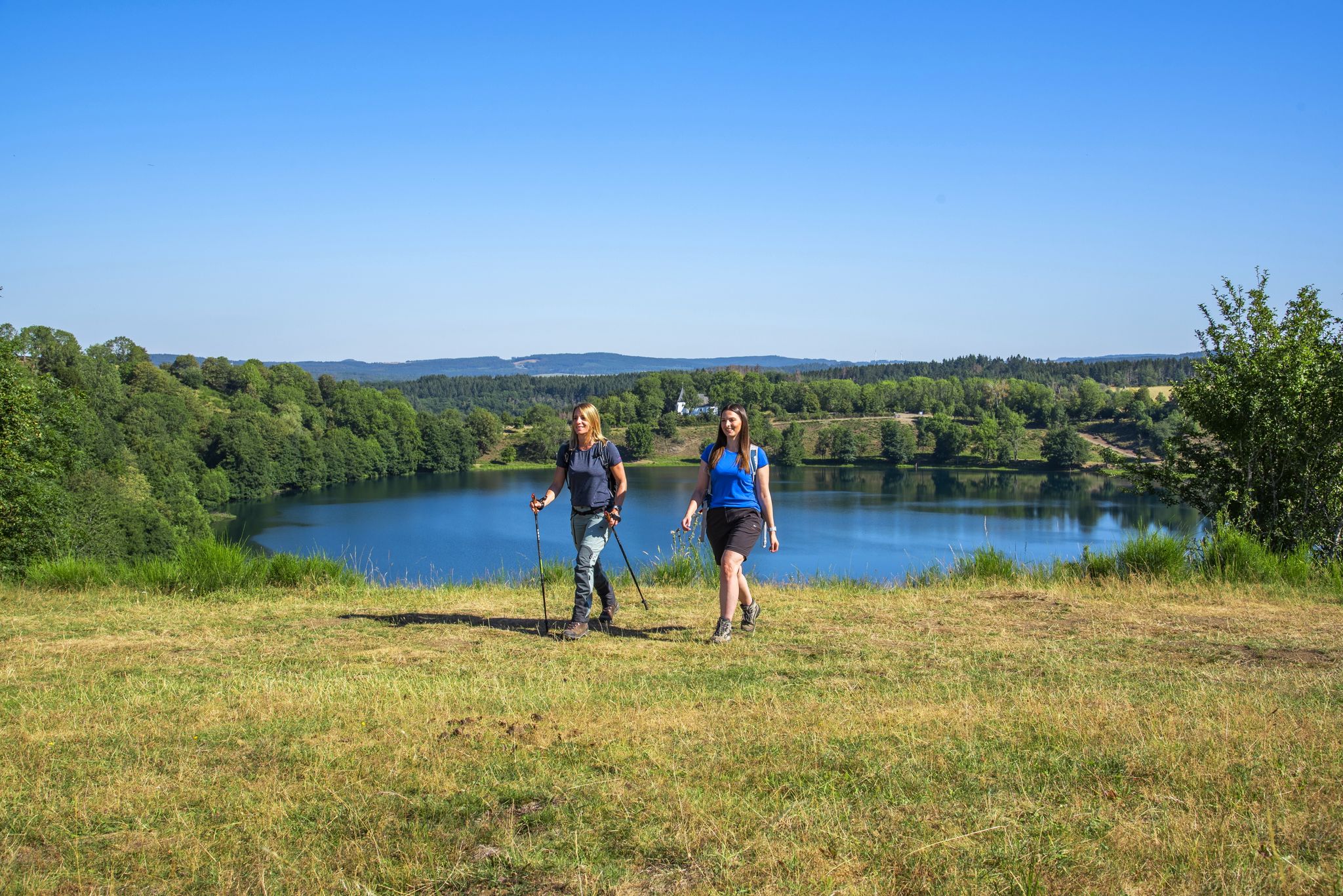
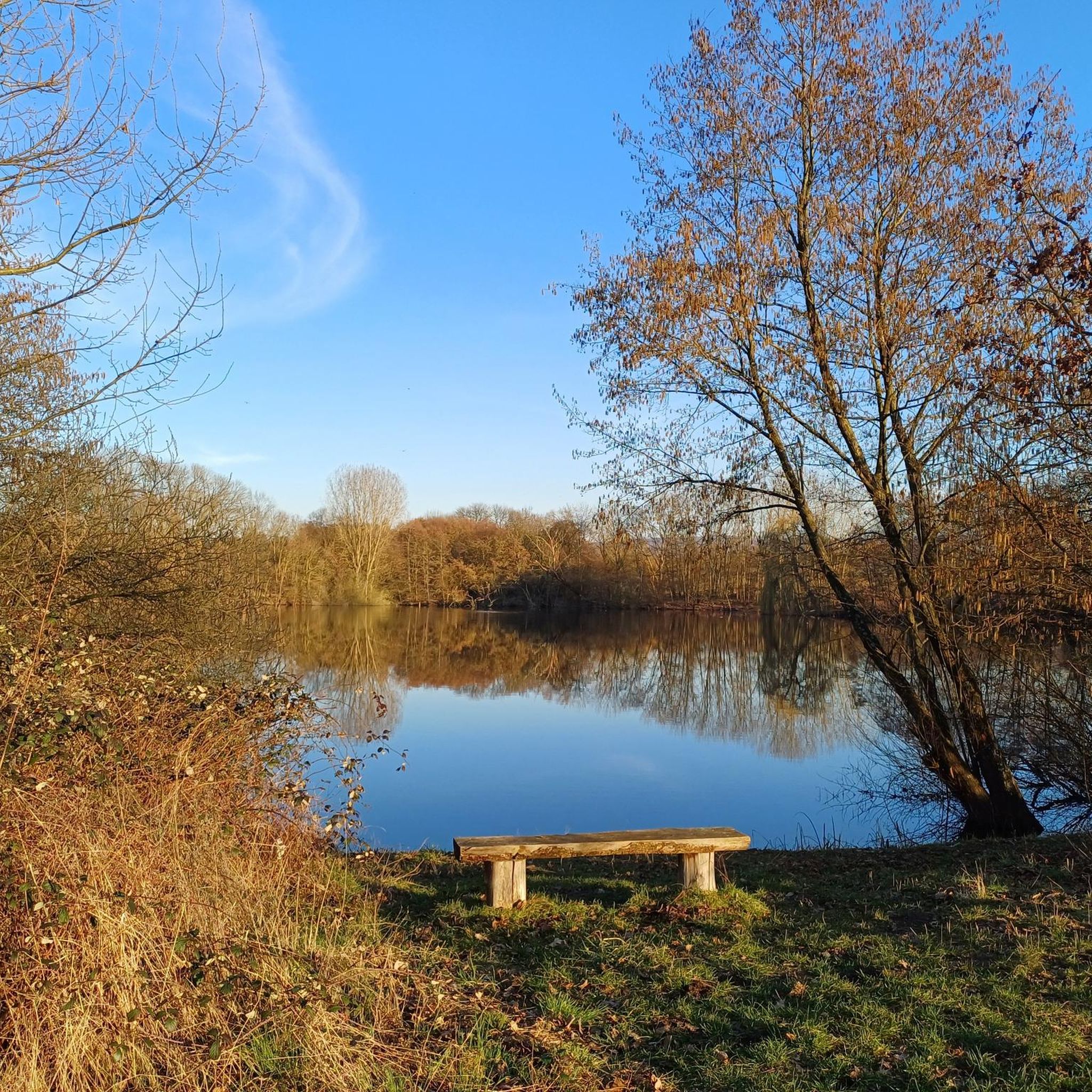
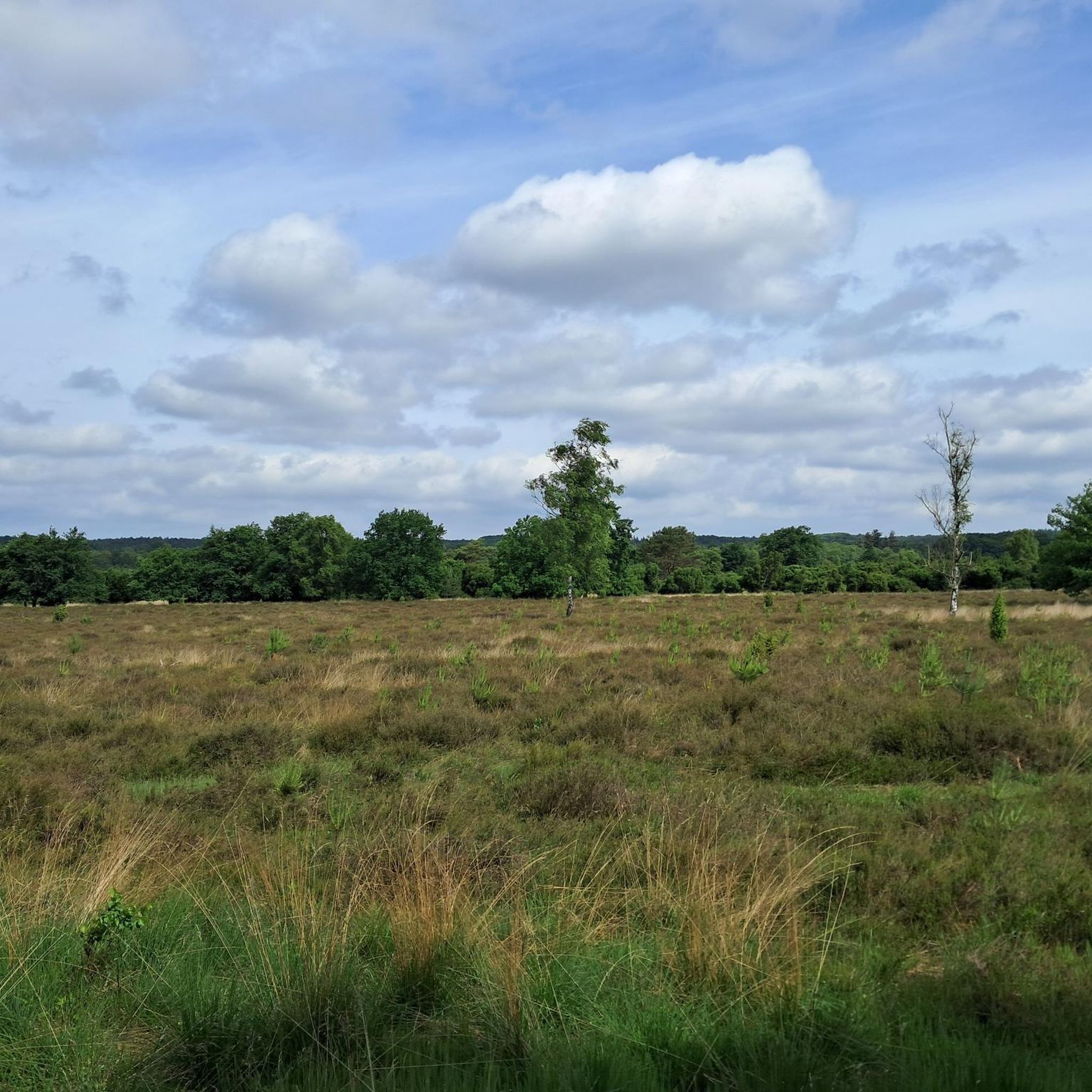
Other adventures around Winkel (Eifel)

Tips from the Community


A truly amazing experience for young and old. Turn on the lights – even though the tunnel is lit. And in hot weather, it's like riding through a "refrigerator."
0
0

"Old Station" Schalkenmehren Passenger service between Daun and Wittlich was discontinued on November 1, 1981. Schalkenmehren. Approaching the Old Station in Schalkenmehren on the former railway line, today's Maare-Mosel cycle path, and seeing the station building, it's hard to believe that it was opened as a fourth-class railway station exactly 100 years ago. But how did it all begin 100 years ago? Surveying for the Daun-Wittlich railway line began as early as 1897. General preparatory work for the single-track line began in 1907. But it would take some time before the Daun-Schalkenmehren-Gillenfeld section opened on December 1, 1909, with the line running over the 28-meter-high Daun viaduct and through the 560-meter-long Schalkenmehren railway tunnel, "Großes Schlitzohr" (Great Sly Fox). The extension from Gillenfeld to Manderscheid to Pantenburg was completed on May 1, 1910, and the extension from Manderscheid-Pantenburg to Wittlich, signifying the completion of the entire line, was completed on July 1, 1910. The completion of the Daun-Wittlich railway line brought rapid development to the village of Schalkenmehren. In the first year of the line's existence (1910), 18,968 tickets were sold in Schalkenmehren, followed by 25,057 in 1913, 27,969 in 1919, and even 30,279 in 1922. In addition, Schalkenmehren station was designed for general cargo traffic and the receipt and dispatch of wagonloads. Text / Source: www.volksfreund.de/ https://www.volksfreund.de/region/vulkaneifel/ein-schmuckstueck-fuer-nostalgiker_aid-5712448
13
0
Old Railway Tunnel "Großes Schlitzohr" near Daun At the end of the first decade of the 20th century, the railway tunnel was driven 560 meters through the mountain. 80 years later, it was converted into a cycle path. The tunnel contains several niches with rounded arches, through which the water seeping in above is drained. The sound of this water has been a part of this place for almost 100 years. Text / Source: Institut Denkunternehmung, Hörscheider Straße 20, 54552 Darscheid https://denkunternehmung.de/alter-eisenbahntunnel-grosses-schlitzohr-bei-daun
16
0


Here you can take a break with a wonderful view of Strohn.
1
0

To us, a mill pond like the one presented to the biker here may seem very ordinary, but in the fantasy world of someone like Otfried Preußler (1923 to 2013), who became famous with the children's books he wrote, things look very different: It is also the habitat of a water sprite family, and his book "The Little Water Sprite", which is still popular today, tells of the adventures that the family's offspring experience in the mill pond. The "Stiftung Lesen" reviews it: "The water sprite invited twenty-seven relatives - and twenty-six came. Twelve water sprites with their wives, a well man and the bridge woman from St. Nepomuk's Bridge! And they all accepted the invitation because they want to see the little water sprite that the water sprite dad is so proud of. And he can be - because the cheeky little shirt-faced boy can already swim, barely having been born. And he learns everything else faster than his worried parents would like. His friend, the cautious carp Cyprinus, can sometimes only wiggle his fins... The children's book classic from 1956 has already enchanted generations of readers, who can then pass on their own childhood memories as well as the fantastic adventures of the little water sprite when reading aloud to children aged around 5 and above." (Text source: Stiftung Lesen)
0
0

A real photo opportunity: The viaduct in Daun impresses with its imposing architecture and blends perfectly into the nature of the Volcanic Eifel. The view from below is particularly beautiful - ideal for a short break or a snapshot. If you take your time, you can enjoy the atmosphere. Perfect as a stopover for hikers and cyclists!
5
0
Frequently Asked Questions
How many no traffic touring cycling routes are available around Winkel (Eifel)?
There are over 200 traffic-free touring cycling routes available around Winkel (Eifel). These routes cater to various skill levels, with approximately 50 easy routes, over 100 moderate routes, and around 50 more challenging options.
What is the best time of year for traffic-free cycling in Winkel (Eifel)?
The Eifel region is beautiful year-round, but for touring cycling, spring through autumn offers the most pleasant conditions. During these seasons, you can fully enjoy the volcanic landscape, maars, and river valleys without the extremes of winter weather. Many routes are well-maintained, making them accessible for a significant part of the year.
Are there easy routes suitable for beginners or families with children?
Yes, the Eifel region is known for its family-friendly cycling infrastructure. Many traffic-free routes are built on disused railway lines, offering gentle gradients (less than 2.5 percent) and largely asphalted surfaces. These are ideal for leisurely rides, families, and beginners. An example of a moderate route that offers a scenic loop is the Holzmaar – Cycle path on a railroad line loop from Gillenfeld.
What kind of terrain can I expect on these traffic-free routes?
You can expect varied terrain, from gently rolling hills to paths through enchanted forests and picturesque river valleys. The region's volcanic origins mean you'll encounter distinctive landscapes, including maars (volcanic lakes) and basalt formations. Routes often follow old railway lines, providing smooth, low-gradient paths, while others might offer more undulating sections with rewarding panoramic views.
Are there circular no-traffic cycling routes in the Eifel region?
Yes, many traffic-free routes in the Eifel are designed as circular tours, allowing you to start and end at the same point. This makes planning easier and eliminates the need for shuttle services. For instance, the Immerath Maar – Strohner Lava Bomb loop from Gillenfeld is a moderate circular route that showcases the region's unique geological features.
What attractions or viewpoints can I see along the traffic-free cycling routes?
The Eifel region offers numerous attractions and viewpoints. You can discover volcanic maars like the Schalkenmehrener Maar or enjoy panoramic vistas from spots like the Dronke Tower on the Mäuseberg. Some routes also pass by interesting geological formations such as the Falkenlay Stone Age Caves or unique structures like the Großes Schlitzohr Tunnel.
Are there places to eat or stay along the routes?
Yes, the Eifel region is well-equipped for cyclists. You'll find charming towns, farm stores, and restaurants dotted along and near many routes, providing opportunities for relaxing breaks and local culinary experiences. There are also bike-friendly accommodations available, and some tour operators even offer packages that include luggage transport.
Can I reach these traffic-free cycling routes by public transport?
The Eifel region has public transport options, but their accessibility with bicycles can vary. While some train lines and bus routes allow bikes, it's advisable to check specific schedules and regulations for bicycle transport in advance. For detailed information on public transport in the Eifel, it's best to consult local transport authorities.
Where can I park my car to access these routes?
Many trailheads and popular starting points for cycling routes in the Eifel, especially those built on former railway lines or near maars, offer designated parking areas. These are often well-signposted in towns and villages. For example, routes starting from Gillenfeld, like the challenging Strohner Lava Bomb – Schutzalf Memorial Bell Tower loop from Gillenfeld, typically have parking available nearby.
Are the routes suitable for cycling with dogs?
Many traffic-free routes, particularly those on former railway lines or through forests, are generally suitable for cycling with dogs, provided your dog is well-behaved and accustomed to cycling alongside a bike. Always keep your dog on a leash, especially in areas with wildlife or other cyclists, and ensure you carry enough water for both of you. Be mindful of local regulations regarding dogs in nature reserves or specific attractions.
What do other touring cyclists say about the traffic-free routes in Winkel (Eifel)?
The traffic-free touring cycling routes around Winkel (Eifel) are highly rated by the komoot community, with an average score of 4.5 stars based on over 2,200 ratings. Reviewers often praise the quiet, scenic paths, the unique volcanic landscapes, and the well-maintained surfaces that make for a pleasant and safe cycling experience.
Are there any routes that offer particularly good views of the maars?
Yes, the Eifel is famous for its volcanic maars, and several routes offer stunning views. The View of the Pulvermaar – Immerath Maar loop from Gillenfeld is a moderate route that provides excellent vistas of these unique volcanic lakes. You can also find specific viewpoints like the View of the Gemünden maar along various paths.
Most popular routes around Winkel (Eifel)
Most popular attractions around Winkel (Eifel)

Get inspired with the komoot mobile app


Explore more
Browse the best Cycling routes in other regions.
