Attractions and Places To See around Reserva Natural da Montanha do Pico - Top 6
Best attractions and places to see around Reserva Natural da Montanha do Pico include Portugal's highest peak, Montanha do Pico, which offers dramatic volcanic landscapes and panoramic views. The region is characterized by its distinct volcanic origins, featuring extensive basaltic lava flows and unique natural features. It also encompasses significant cultural sites, such as the UNESCO World Heritage vineyard culture landscape. This area provides a blend of challenging ascents and opportunities to explore unique geological formations and historical traditions.
Best attractions and places to see around Reserva Natural da Montanha do Pico
- The most popular attractions is Pico Mountain Summit, a summit that offers panoramic views of the surrounding islands. A good physical condition is necessary for the ascent, which is a challenging but rewarding experience.
- Another must-see spot is Mountain House (Pico Mountain House), a facilities hub located at 1,230 meters altitude. This serves as a crucial starting point for climbers, offering registration, support, educational panels, and panoramic views for those not undertaking the full climb.
- Visitors also love Piquinho – Highest Point of Portugal (2351 m), a summit within the main crater of Montanha do Pico. From this point, visitors can enjoy fantastic panoramic views and observe hot steam emanating from the volcanically active area.
- Reserva Natural da Montanha do Pico is known for its volcanic summits, viewpoints, and facilities for hikers. The area offers a variety of attractions to see and explore, from challenging mountain ascents to informative visitor centers.
- The attractions around Reserva Natural da Montanha do Pico are appreciated by the komoot community, with over 230 upvotes and 180 photos shared.
Last updated: July 14, 2026
Pico Mountain Summit
Highlight • Summit
Good condition necessary for the ascent.
Descent extremely impassable.
Translated by Google •
Tip by

Mountain House (Pico Mountain House)
Highlight • Rest Area
Translated by Google •
Tip by

Sign up now to discover places like this
Get recommendations on the best single tracks, peaks, & plenty of other exciting outdoor places.
Sign up for free
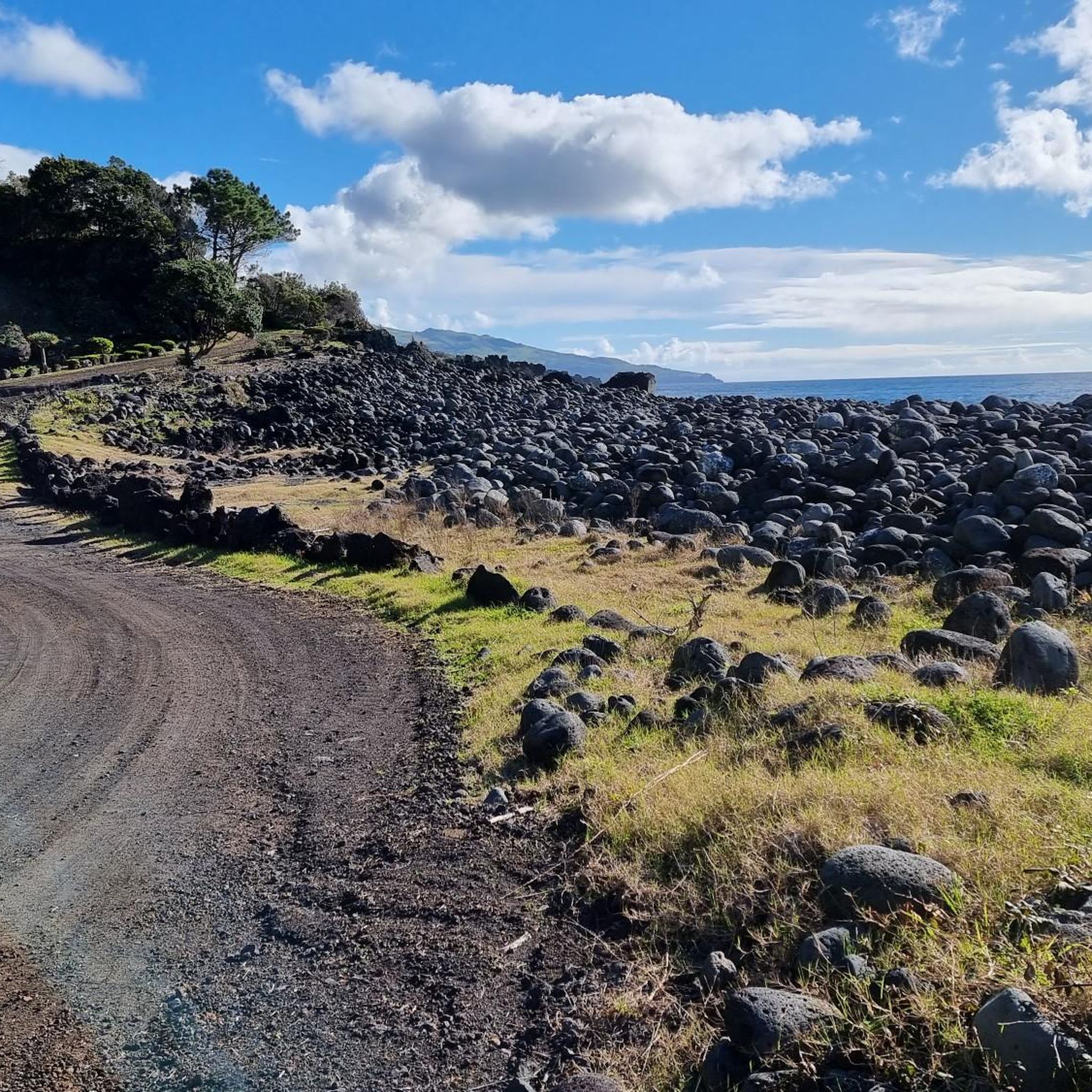
Lava formations on Montanha do Pico
Highlight • Natural Monument
Translated by Google •
Tip by

Piquinho – Highest Point of Portugal (2351 m)
Highlight • Summit
Translated by Google •
Tip by
View of Madalena, Faial, and São Jorge
Highlight (Segment) • Viewpoint
I recommend this section as a small downer if you're not allowed to climb Pico 😩
Translated by Google •
Tip by

Start today with a free account
Your next adventure awaits.
Login or Signup
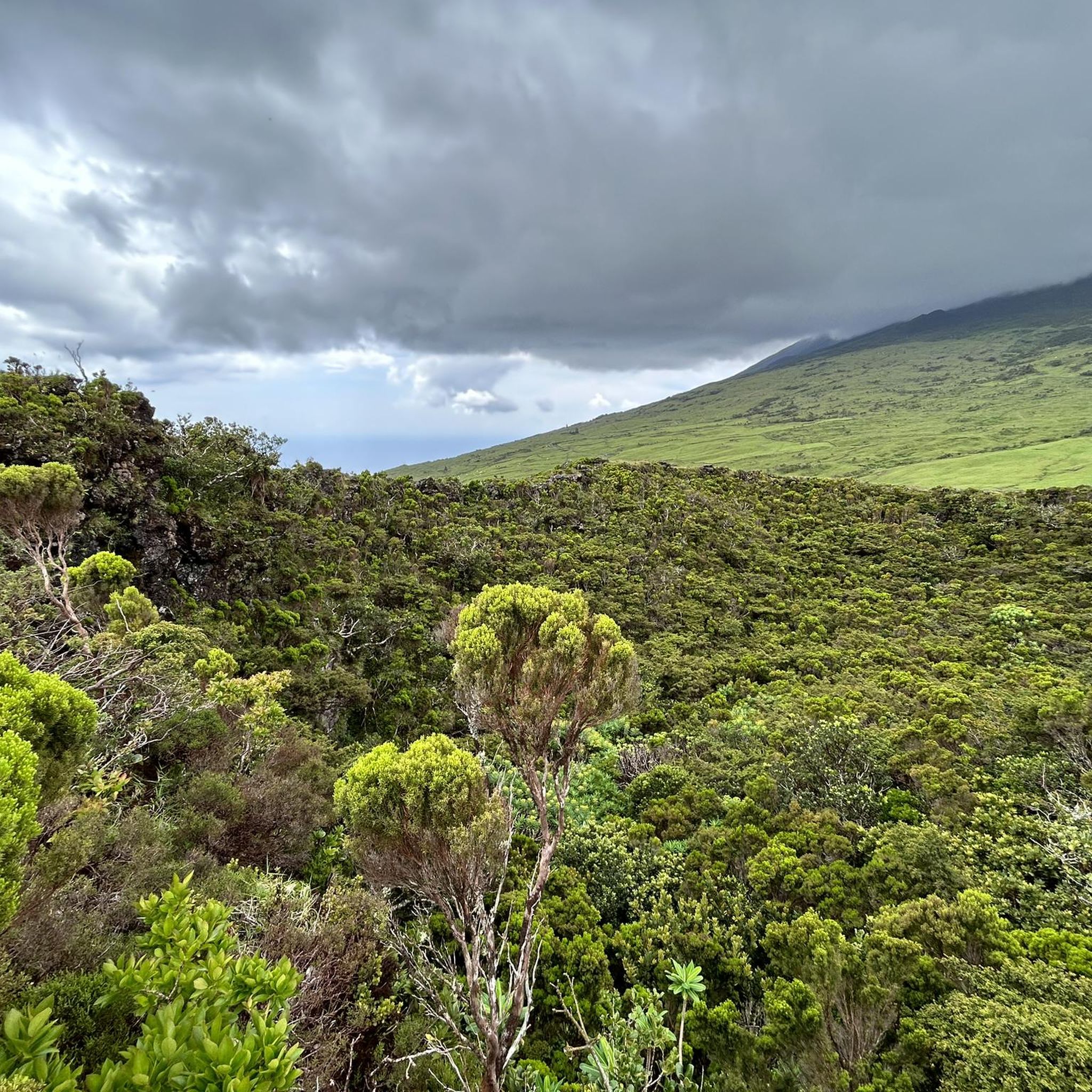
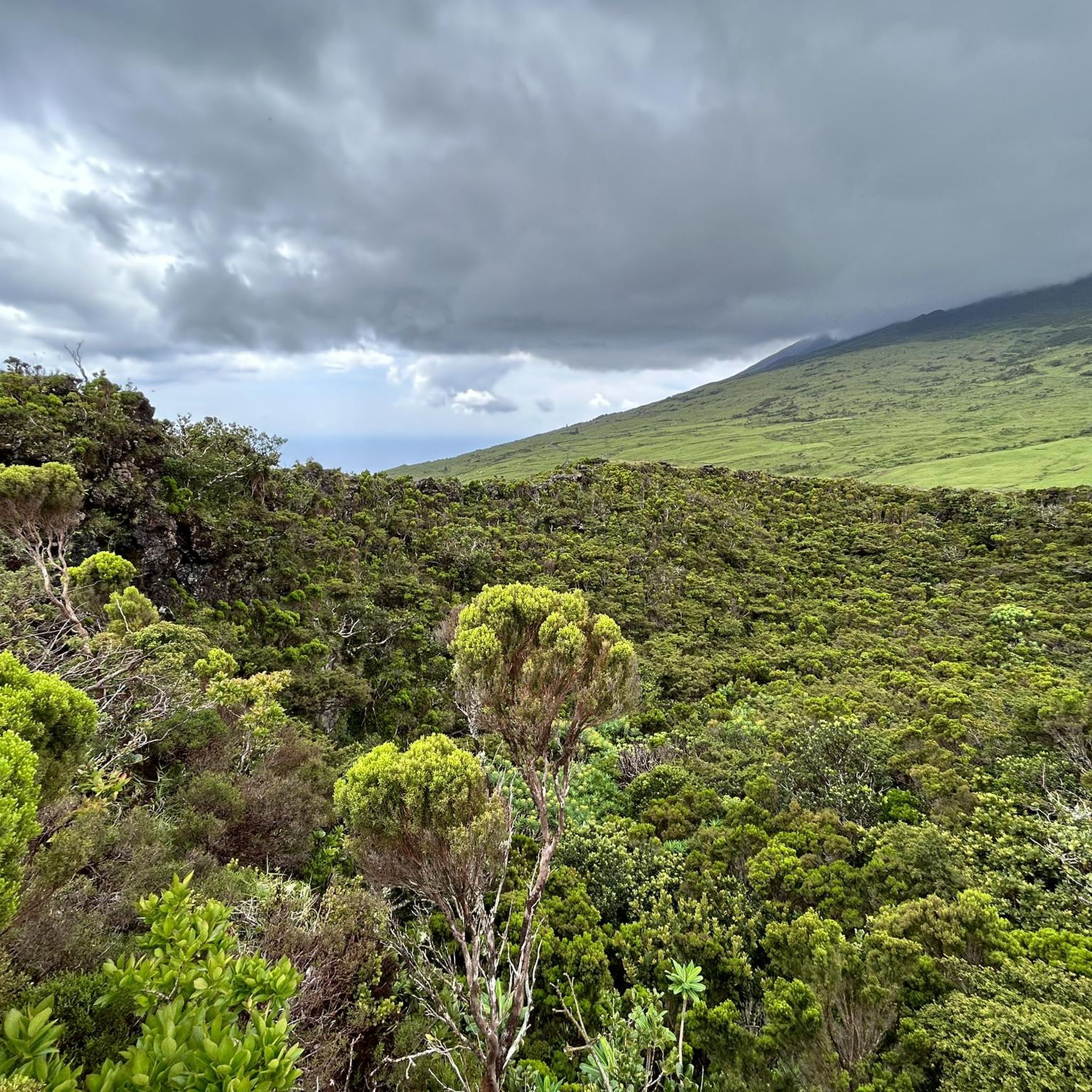
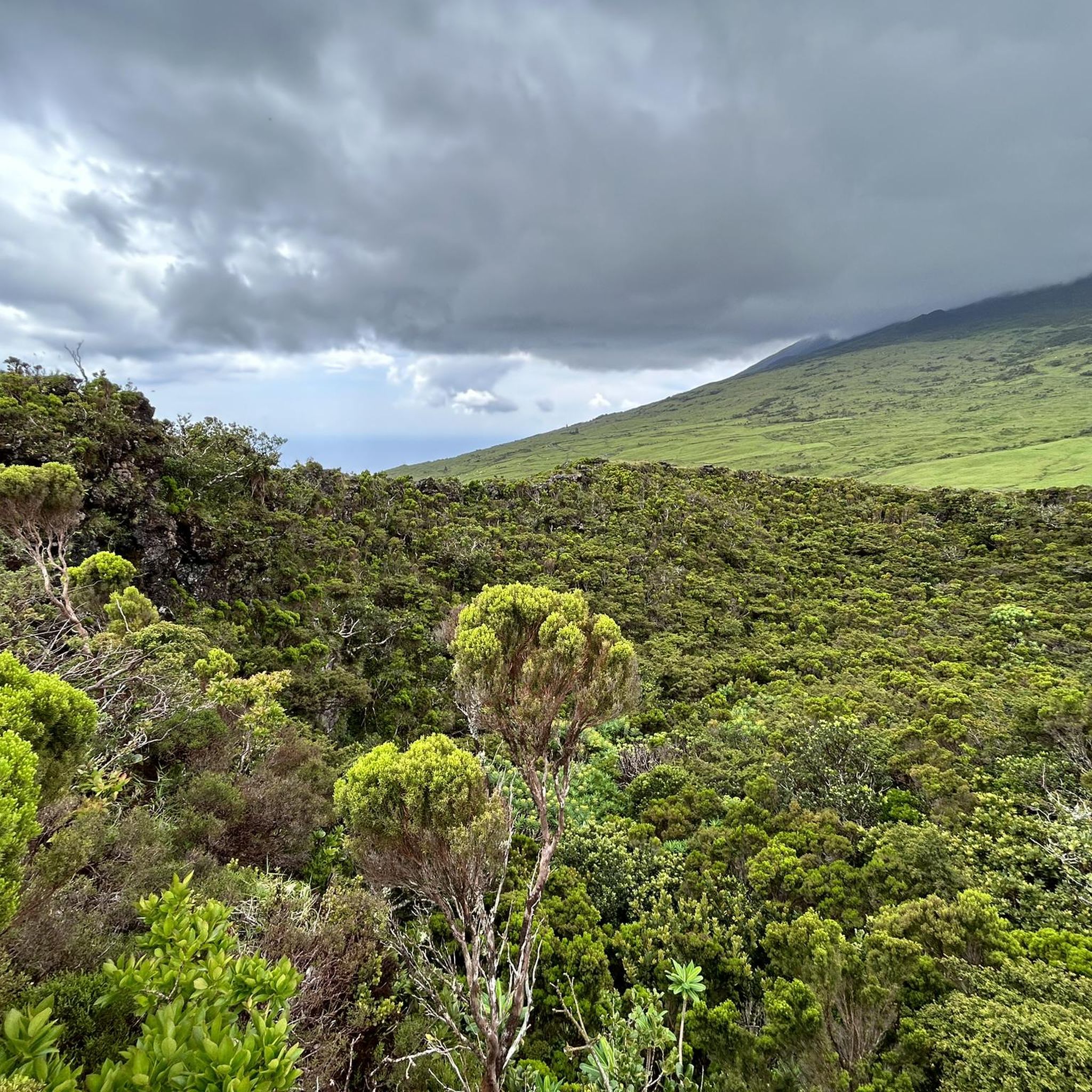
Tips from the Community

A very beautiful hiking trail, with great views of the Pico summit, as well as the town of Madalena and the islands of Faial and São Jorge. I recommend this section as a small downer if you're not allowed to climb Pico 😩
0
0

Cold and hot drinks! Ice cream! Enjoy!
0
0
It is the highest mountain in Portugal, the third highest mountain in the Atlantic, and on top of that, you can experience the heat emanating from a virtually extinct volcano at the summit!
1
0

From Piquinho, Portugal's highest point at 2,351 meters above sea level, you can enjoy fantastic panoramic views. The hot steam and pleasantly warm stones are fascinating—they invite you to linger and enjoy the view. There are 47 trail markers leading to the summit, which are very helpful.
0
0
At the start of the Pico, each hiker is registered, has to pay a fee (2025: 25€) and receives a GPS transmitter.
0
0

Permission for the climb is necessary and can be applied for online, costs 25€ per person.
3
1

For those who are going to venture up Pico Mountain, Casa da Montanha is a mandatory stop. Its function is to register and control those who decide to venture towards the summit. A prior authorization request must be made. For those who just come to cycle, it is possible to find something to eat.
0
0
Mandatory stop before starting the climb to the top of Pico Mountain. Its function is to register and control those who decide to venture towards the peak. A prior authorization request must be made. There are educational panels on site and you can find something to eat as a snack.
1
0
Frequently Asked Questions
Do I need a permit to climb Montanha do Pico?
Yes, a permit is mandatory for climbing Montanha do Pico. You must register at the Mountain House (Pico Mountain House), which serves as a registration and support center at 1,230 meters altitude. It's recommended to apply for authorization in advance. The cost for the ascent is €15 to the crater rim, with an additional €5 for the summit (as of 07/2019), or €25 per person if applied for online. Climbers are equipped with a GPS locating device for safety.
How long does it typically take to climb Montanha do Pico?
The ascent to the summit of Montanha do Pico is challenging and generally takes about 3 hours up and 3 to 3.5 hours down. It's advisable to start early, ideally around 8:00 am, as there's a daily limit of 160 people allowed on the mountain. The total hiking distance for the ascent is approximately 7.5 km.
What should I wear and bring for the Montanha do Pico ascent?
For the challenging ascent of Montanha do Pico, good physical condition is necessary. You should wear good hiking shoes and bring enough water, small provisions, a thin sweater, a fleece jacket, a rain jacket, and sunscreen. Gloves are also recommended for the 'Kraxelei' (scrambling) sections, especially when reaching Piquinho – Highest Point of Portugal (2351 m).
Is there parking available at the Montanha do Pico trailhead?
Yes, free parking is available at the Mountain House Parking Lot. This is the starting point for the tour to the Pico volcano's summit and crater. Remember that pre-registration is required to climb the summit.
What unique natural features can I explore besides Montanha do Pico?
Beyond the main peak, the region boasts diverse volcanic landscapes. You can explore the main crater of Montanha do Pico, observe fumaroles emanating sulfurous gases at Piquinho, and discover several beautiful volcanic crater lagoons on the island's plateau, such as Lagoa do Capitão and Lagoa do Caiado. The coastline also features natural swimming pools formed by volcanic rock formations.
Are there any impressive caves or lava tubes to visit on Pico Island?
Yes, Pico Island is home to Gruta das Torres, Portugal's largest lava tube. This impressive natural monument extends over 5,000 meters and offers guided tours, allowing visitors to explore its fascinating underground world of stalactites and stalagmites.
What cultural sites reflect the history of Pico Island?
Pico Island offers rich cultural insights. The Pico Island Vineyard Culture Landscape is a UNESCO World Heritage site, showcasing unique viticulture with vineyards cultivated in black lava stone corrals. You can learn more at the Museu do Vinho (Wine Museum). The Museu dos Baleeiros (Whaling Museum) in Lajes do Pico preserves the island's whaling tradition, which has now transitioned into whale and dolphin watching tours.
Are there hiking trails suitable for different skill levels around Reserva Natural da Montanha do Pico?
While the ascent of Montanha do Pico is challenging, there are other hiking opportunities. You can find various trails, including moderate options like the 'Hiking loop from São Caetano' or 'View of Small Volcanic Cones – View of Pico Mountain loop'. For more details on hiking routes, visit the Hiking around Reserva Natural da Montanha do Pico guide.
What other outdoor activities can I do near Reserva Natural da Montanha do Pico?
Beyond hiking, the area offers excellent opportunities for road cycling and running. You can explore routes like the 'Church of Saint Mary Magdalene – View of Pico Mountain loop' for road cycling or the 'Pico Mountain Trail' for running. For more information on specific routes, check out the Road Cycling Routes around Reserva Natural da Montanha do Pico guide and the Running Trails around Reserva Natural da Montanha do Pico guide.
Are there family-friendly activities or walks in the area?
While the main mountain ascent is challenging, families can enjoy exploring the volcanic crater lagoons like Lagoa do Capitão, which offers lush scenery. The natural pools along the coastline provide refreshing swimming opportunities. Educational panels at the Mountain House also offer insights into the mountain's geology and biology.
When is the best time to visit Reserva Natural da Montanha do Pico?
The best time to visit Reserva Natural da Montanha do Pico for climbing is typically during the warmer, drier months, generally from May to September, when weather conditions are more stable. However, conditions on the mountain can change rapidly, so always check forecasts and be prepared for varying weather.
What do visitors appreciate most about the attractions around Reserva Natural da Montanha do Pico?
Visitors consistently praise the spectacular panoramic views from the summit of Montanha do Pico, including Pico Mountain Summit and Piquinho, which offer sights of the surrounding islands. The unique experience of observing hot steam from the volcanically active areas is also a highlight. The Mountain House is valued for its support and educational resources for climbers.
Most popular routes around Reserva Natural da Montanha do Pico

Get inspired with the komoot mobile app


Explore more
Still not found the Highlight you’re looking for? See guides of the top attractions in other regions:
