Attractions and Places To See around Connemara National Park - Top 13
Best attractions and places to see around Connemara National Park are found within County Galway, Ireland. Established in 1980, the park encompasses approximately 2,000 to 2,957 hectares of mountains, bogs, heaths, grasslands, and forests. This region offers a representation of Ireland's rugged landscapes, featuring both natural beauty and historical sites. Visitors can explore diverse ecosystems and archaeological remnants.
Best attractions and places to see around Connemara National Park
- The most popular attractions is Diamond Hill Summit, a summit that…
Last updated: October 9, 2026
Diamond Hill Summit
Highlight • Summit
Translated by Google •
Tip by

View of Diamond Hill from the Stone Junction
Highlight • Viewpoint
Translated by Google •
Tip by

Sign up now to discover places like this
Get recommendations on the best single tracks, peaks, & plenty of other exciting outdoor places.
Connemara National Park Visitor Centre
Highlight • Rest Area
Translated by Google •
Tip by

View of Diamond Hill and bays from Letterfrack
Highlight (Segment) • Viewpoint
Translated by Google •
Tip by
Bog Road Trail, Connemara National Park
Highlight (Segment) • Trail
Translated by Google •
Tip by

Sign up for free to discover even more attractions around Connemara National Park.
Already have an account?
Start today with a free account
Your next adventure awaits.
Popular around Connemara National Park
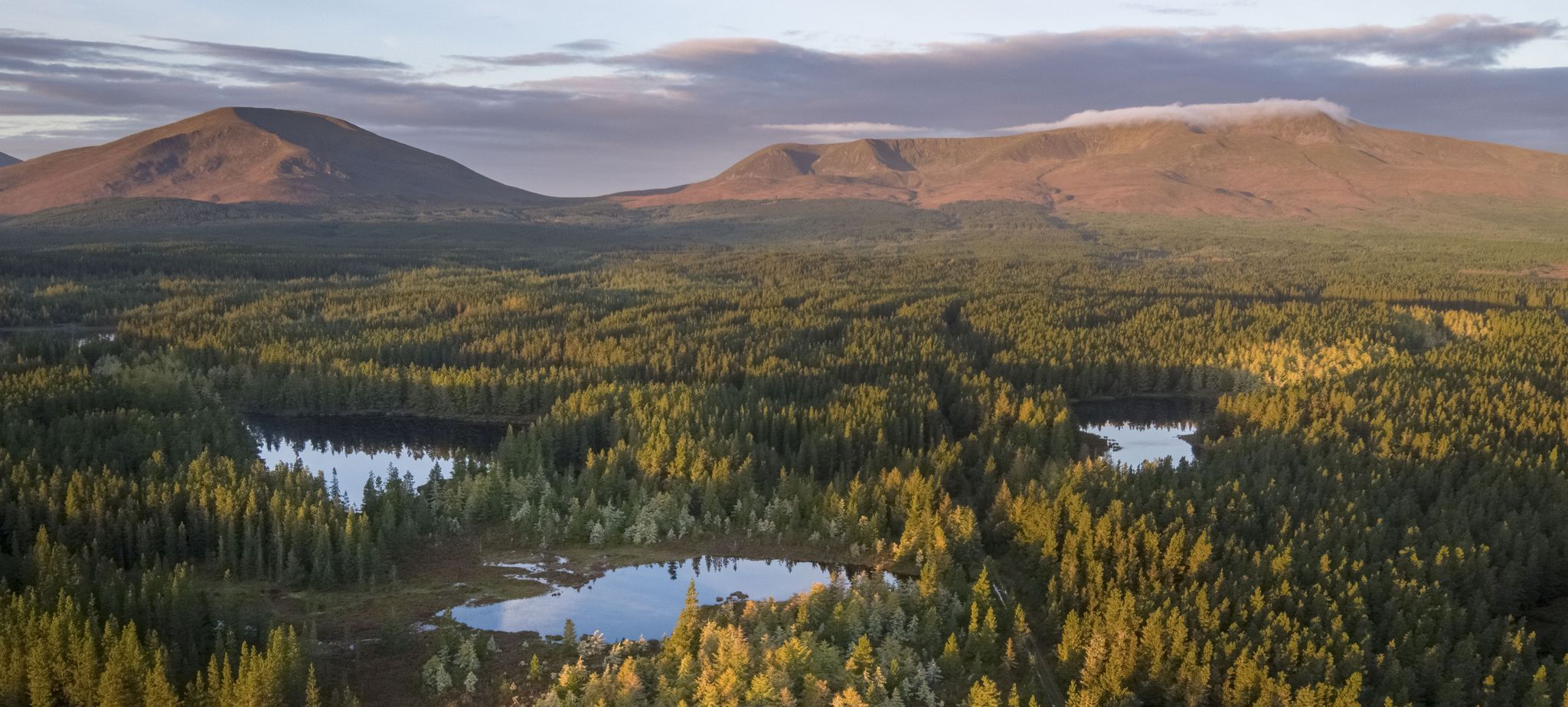
Discover Ireland's unspoilt nature in its national parks
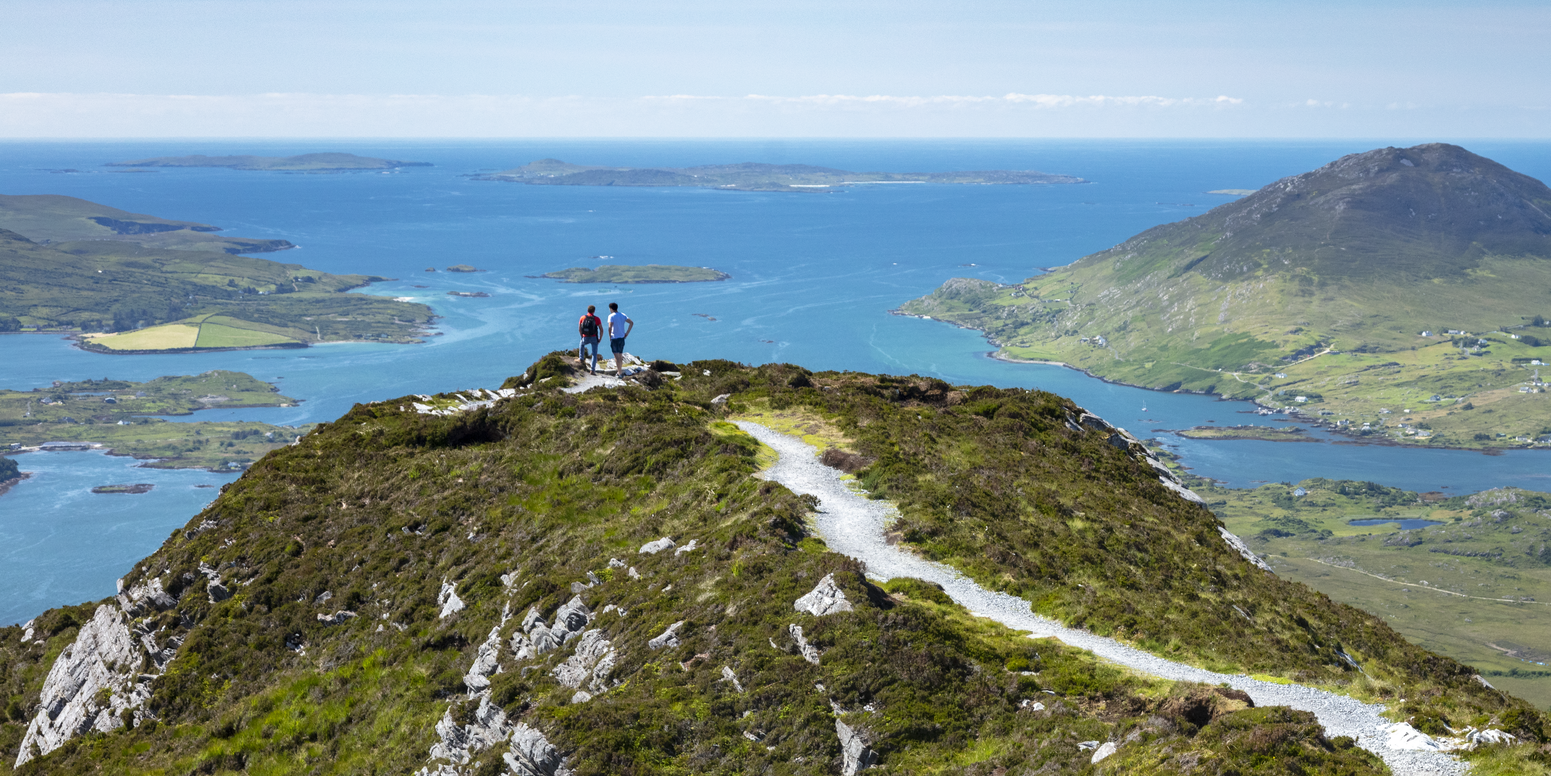
Between waves and peaks — to the best views in Ireland
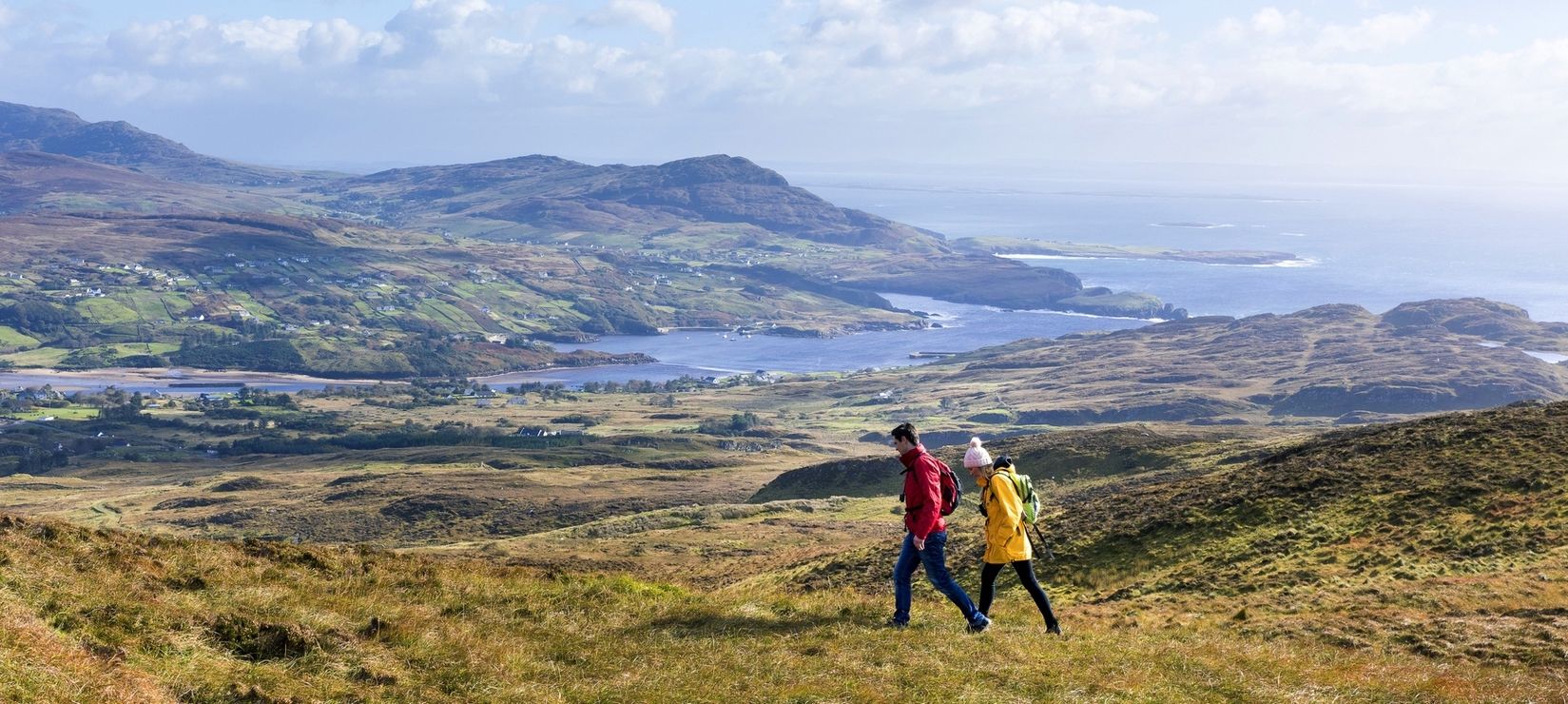
Wild Atlantic Way — day hikes for your road trip along Ireland's coastline
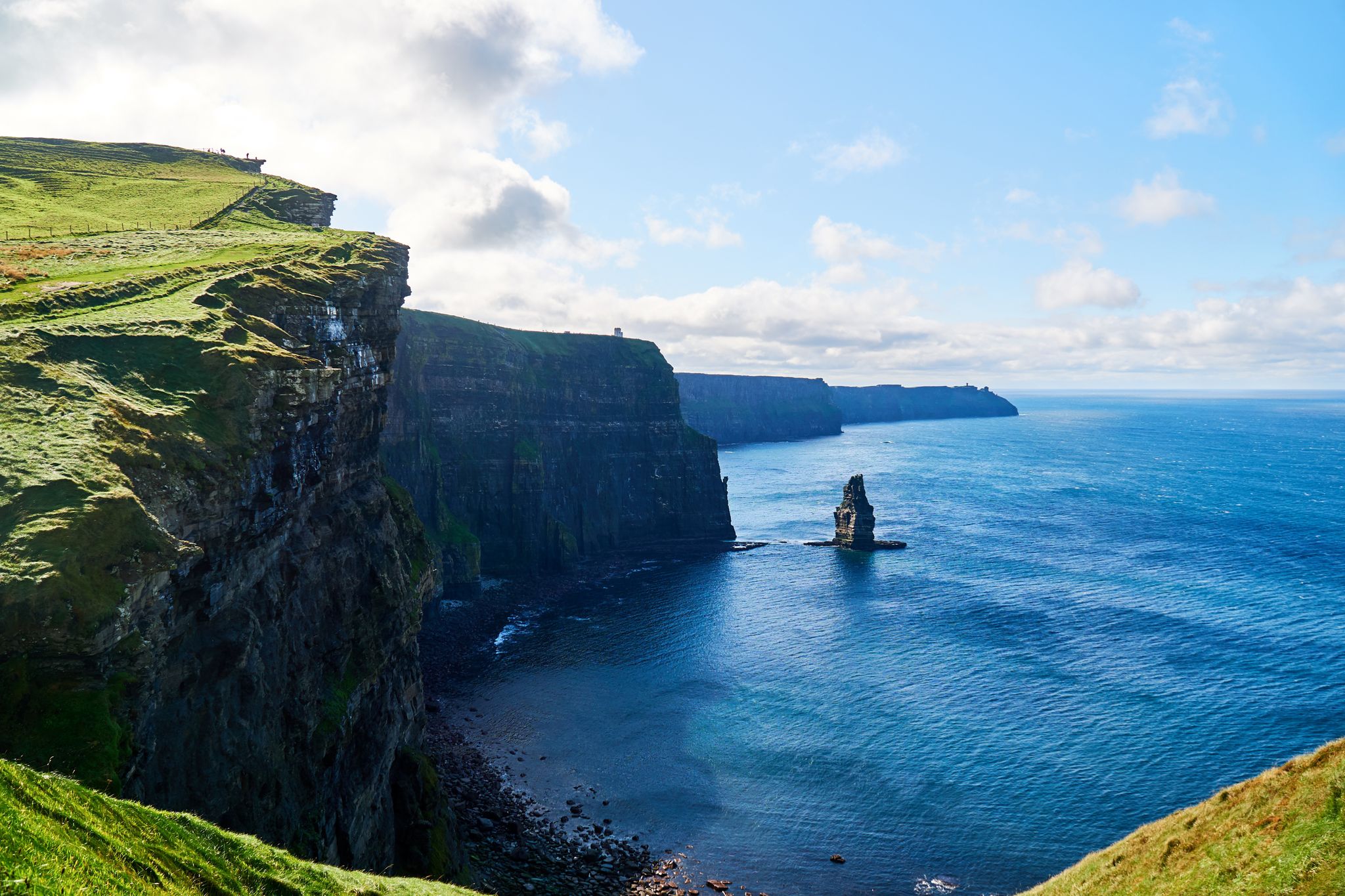
The Cliffs of Moher to Diamond Hill – hiking the Wild Atlantic Way in Ireland
Ireland's wild west
Hiking around Connemara National Park
Road Cycling Routes around Connemara National Park
Cycling around Connemara National Park
Running Trails around Connemara National Park
Other adventures around Connemara National Park


Tips from the Community


Wonderful view over the bays and lakes of Conemara
1
0

Nice circular route, just don't let it be too windy 🙈
0
1

The visitor center in Connemara National Park is the perfect starting point for anyone wanting to explore Connemara's unique landscape. It not only provides valuable information about the park's flora and fauna, but also about the numerous hiking trails that lead through this stunning region of Ireland. With a small but informative exhibition that is free to access, visitors can learn about Connemara's natural beauty before embarking on their hike. The center also offers picnic benches for a pleasant outdoor rest, a tea room for refreshments and public toilets for visitors. The Visitor Center's opening hours are 9 a.m. to 5:30 p.m. daily from March to October, giving visitors plenty of time to explore the park at their leisure. Entry to the visitor center and the national park itself is free, which makes a visit even more attractive. For those planning a hike, be it a climb to Diamond Hill or a leisurely stroll through the moorland, the visitor center is an excellent resource to help you prepare. Friendly staff are available to answer questions and offer tips to make the hike an unforgettable experience. In addition, the visitor center offers the opportunity to fortify yourself with a snack before or after the hike and to use the beautiful seating areas to relax. Two free museums within the center also invite you to delve even deeper into the history and culture of Connemara.
2
0
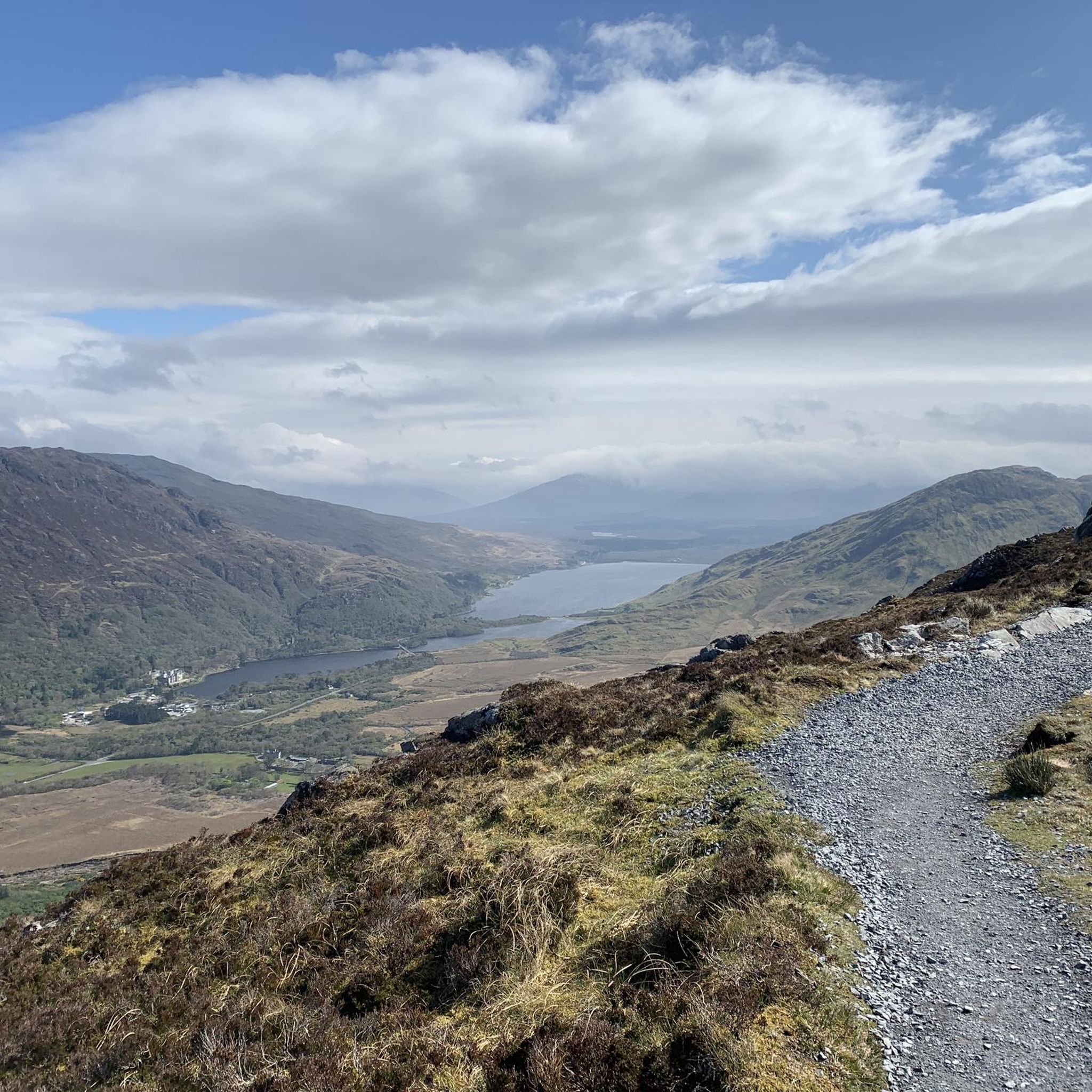
Diamond Hill, with its Irish name Binn Ghuaire, is a prominent peak in Connemara National Park in County Galway, Ireland. Although the mountain is not one of Ireland's highest peaks, at just 442 meters high, it still offers impressive views of the surrounding Connemara countryside and is particularly popular with walkers due to its well-maintained paths and relative ease of access. The walk to Diamond Hill is an experience that not only takes walkers through a variety of landscapes including heather, moorland, woodland and open spaces, but also breathtaking views of the sea, coast, neighboring Kylemore Abbey and the striking mountain range of the Twelve Bens offers. The well-marked trails and boardwalk system make the hike accessible to families with children and less experienced hikers. For those looking for a challenge, there are longer routes that cover multiple peaks, as well as the Diamond Hill Loop Trail, which is a more challenging option at 6.5 kilometers long with some steeper sections. Regardless of the route chosen, hikers should wear rain and windproof clothing and be prepared for changeable weather conditions, which can often occur in this region of Ireland. The best time to visit is in spring, when the gorse is in bloom and the landscape is bathed in a sea of yellow, or in summer, when the days are longer and the chance of good weather is higher. However, Diamond Hill offers unique views and experiences in every season. It should be noted that Diamond Hill is located in a protected area. Visitors should therefore adhere to local regulations, respect flora and fauna and not litter. Entry to Connemara National Park and parking are free, and the hike to Diamond Hill is an excellent way to experience the beauty of the Irish countryside while practicing a respectful approach to nature.
3
0

Small museum and the opportunity to have a snack.
1
0

There is a large stone where you can look behind for protection from the wind
0
2
It's great there
0
1
Frequently Asked Questions
What natural features can I explore in Connemara National Park?
Connemara National Park is rich in natural beauty. You can explore the iconic peaks of the Twelve Bens mountain range, expansive boglands and heathlands, and the impressive Sruffaunboy Waterfall. The park's diverse ecosystems support a variety of flora and fauna.
Are there any significant viewpoints in Connemara National Park?
Yes, the summit of Diamond Hill Summit is arguably the most popular, offering breathtaking panoramic views of the surrounding Connemara countryside, the Atlantic coastline, and the Twelve Bens. Another excellent spot is the View of Diamond Hill from the Stone Junction, which provides impressive perspectives of Diamond Hill itself.
What kind of wildlife can I expect to see in Connemara National Park?
The park is home to diverse wildlife, including native red deer, foxes, wild goats, and the famed Connemara ponies. Birdlife is also abundant, with species such as meadow pipits, skylarks, and various birds of prey.
What are the most popular hiking trails in Connemara National Park?
The trails leading up Diamond Hill are very popular, with options ranging from easy to challenging, including the Lower Diamond Hill Trail, Upper Diamond Hill Trail, and the Diamond Hill Loop. You can find more hiking options on the Easy hikes around Connemara National Park guide.
Are there any historical or cultural sites within the park?
Yes, the park contains several historical sites. You can find 4,000-year-old megalithic court tombs, remnants of an abandoned 19th-century farm on the slopes of Diamond Hill, and a 19th-century graveyard. Archaeological surveys have also revealed pre-bog walls and Bronze Age hut sites.
What facilities are available at the Connemara National Park Visitor Centre?
The Connemara National Park Visitor Centre, located near Letterfrack, serves as a starting point for many trails. It offers valuable information about the park's geography, wildlife, and history through educational displays and short films. Facilities include an indoor picnic area, a playground, and The Hungry Hiker Café.
What is the best time to visit Connemara National Park?
Connemara National Park is open year-round. The Visitor Centre is open daily from March to October, while the park grounds and trails are accessible all year. Visiting during spring or autumn can offer pleasant weather and vibrant landscapes, though the park's rugged beauty is present in all seasons.
Are there family-friendly activities available in Connemara National Park?
Yes, the park offers several family-friendly options. The Visitor Centre has a playground and educational displays. There are also easier walking trails, such as the Lower Diamond Hill Trail, and a self-guided Tree Trail that winds past native and introduced tree species with natural history and folklore information.
What outdoor activities, besides hiking, can I do near these attractions?
Beyond hiking, you can find various outdoor activities. There are several running trails, including the Diamond Hill Circular. Cycling is also popular, with routes like the Kylemore Lough & Lough Fee loop, detailed in the Cycling around Connemara National Park guide.
Is there parking available at Connemara National Park?
Yes, parking is available at the Connemara National Park Visitor Centre, which serves as the main access point for many trails and facilities.
What is the Connemara National Park Tree Trail?
The Tree Trail is a self-guided 40-minute loop within the park. It features native and introduced tree species, each marked with information about its natural history and folklore, offering an engaging and educational walk.
Can I visit Kylemore Abbey and Victorian Walled Garden when exploring the park?
While not strictly inside the national park boundaries, Kylemore Abbey and Victorian Walled Garden is a significant historical and cultural landmark in the broader Connemara region. It is often visited in conjunction with the park and can even be seen from Diamond Hill.
Most popular routes around Connemara National Park
Most popular attractions around Connemara National Park

Get inspired with the komoot mobile app


