The best running trails around Connemara National Park
5.0
(5)
403
runners
10
runs
Jogging around Connemara National Park offers diverse terrain across its 2,000 hectares in County Galway. The landscape features rugged mountains, expansive boglands, heathlands, and grasslands, providing varied running experiences. Prominent features include the Twelve Bens mountain range and Diamond Hill, which offer significant elevation changes and panoramic views. The park's ecosystems also incorporate woodlands and water features like the Polladirk River, creating a dynamic environment for runners.
Best jogging routes around Connemara National Park
- The most popular jogging route is Diamond Hill Circular, a 4.9 miles (7.8 km) trail that takes 1 hour to complete. This difficult route ascends Diamond Hill, offering panoramic views of the surrounding mountains and coastline.
- Another top favourite among local runners is Glencoaghan Horseshoe, a difficult 10.7 miles (17.2 km) path. This challenging route navigates through mountainous terrain with significant elevation gain, providing a strenuous workout.
- Local runners also love the Running loop from Tully, a 7.3 miles (11.7 km) trail leading through varied Connemara landscapes, often completed in about 1 hour 14 minutes.
- Jogging around Connemara National Park is defined by its rugged mountains, expansive boglands, and coastal vistas. The network offers options for different ability levels, from easy loops to challenging mountain ascents.
- The routes in Connemara National Park are highly rated by the komoot community with an average score of 5.0 stars from 4 reviews. More than 300 runners have used komoot to explore Connemara National Park's varied terrain.
Last updated: June 28, 2026
5.0
(3)
240
runners
7.81km
01:00
370m
370m
Hard run. Very good fitness required. Mostly paved surfaces. Suitable for all skill levels.
20
runners
3.07km
00:21
90m
90m
Easy run. Great for any fitness level. Mostly paved surfaces. Suitable for all skill levels.

Sign up for free
20
runners
17.2km
03:35
1,330m
1,320m
Hard run. Very good fitness required. Sure-footedness, sturdy shoes and alpine experience required.
9
runners
11.7km
01:14
140m
140m
Moderate run. Good fitness required. Mostly paved surfaces. Suitable for all skill levels.
5
runners
8.03km
00:58
70m
70m
Moderate run. Good fitness required. Mostly paved surfaces. Suitable for all skill levels.
Get access to more routes and recommendations from other explorers.
Sign up for free
Already have an account?
Our route recommendations are based on thousands of hikes, rides, and runs completed by other people on komoot.
Start today with a free account
Your next adventure awaits.
Login or Signup
Popular around Connemara National Park
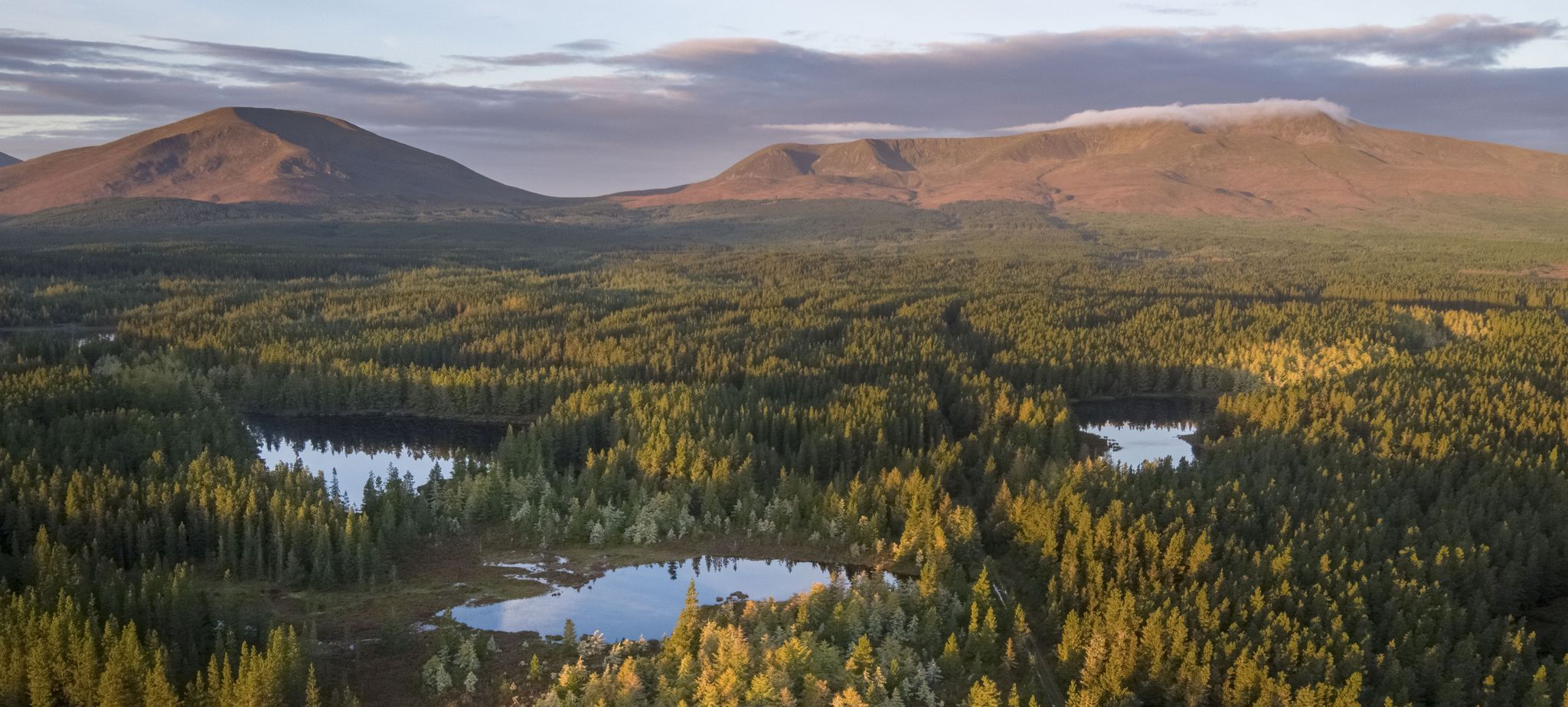
Discover Ireland's unspoilt nature in its national parks
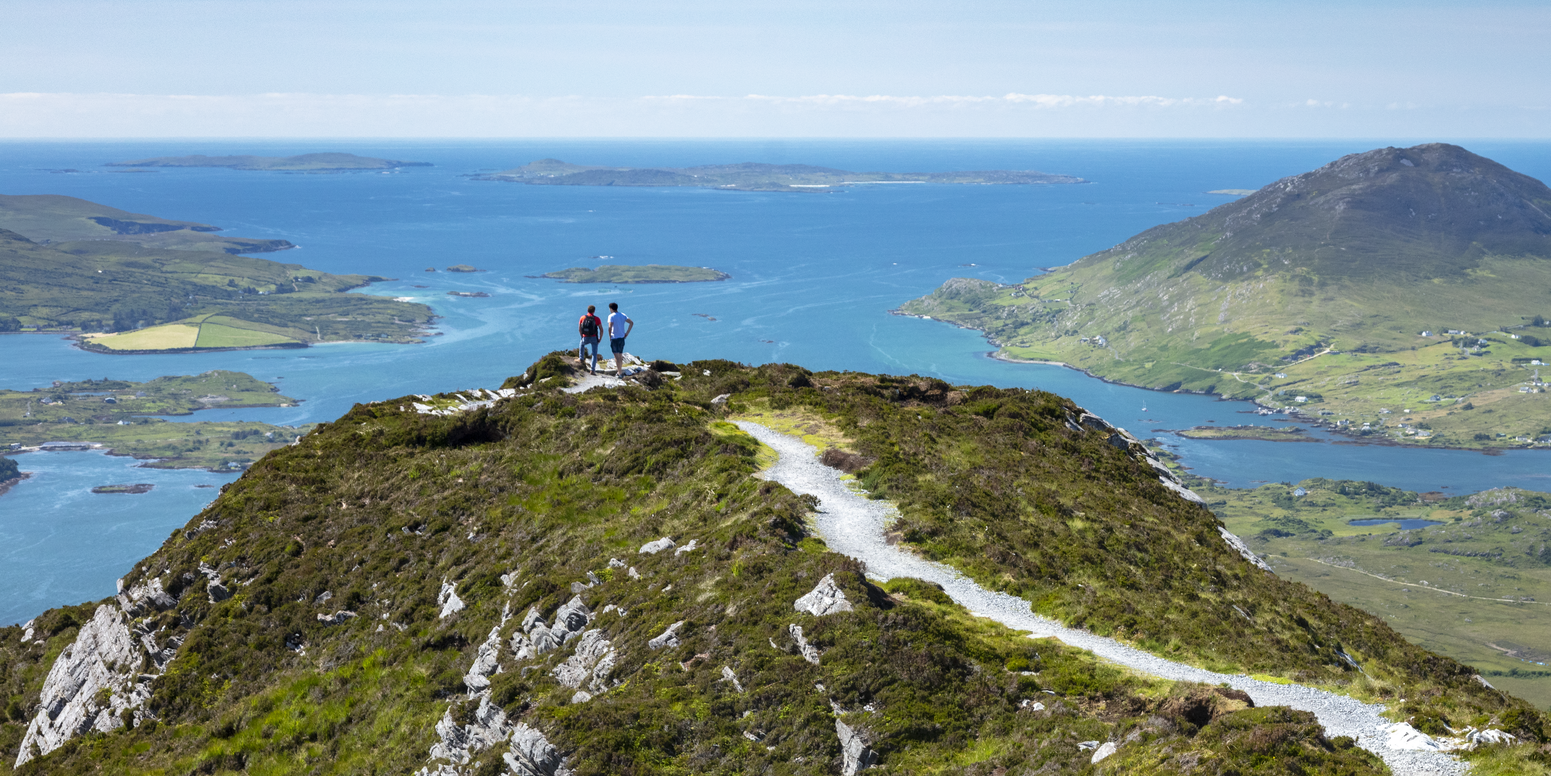
Between waves and peaks — to the best views in Ireland
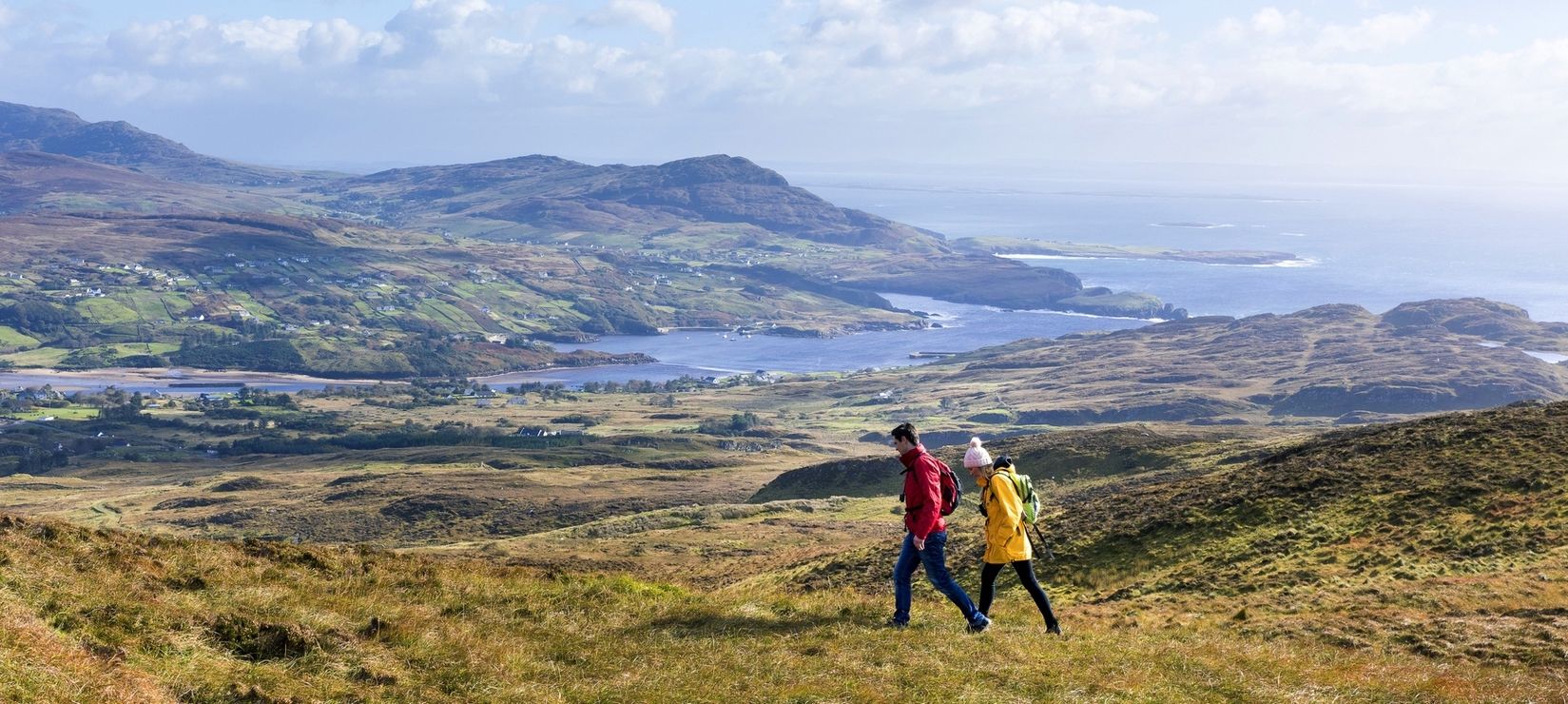
Wild Atlantic Way — day hikes for your road trip along Ireland's coastline
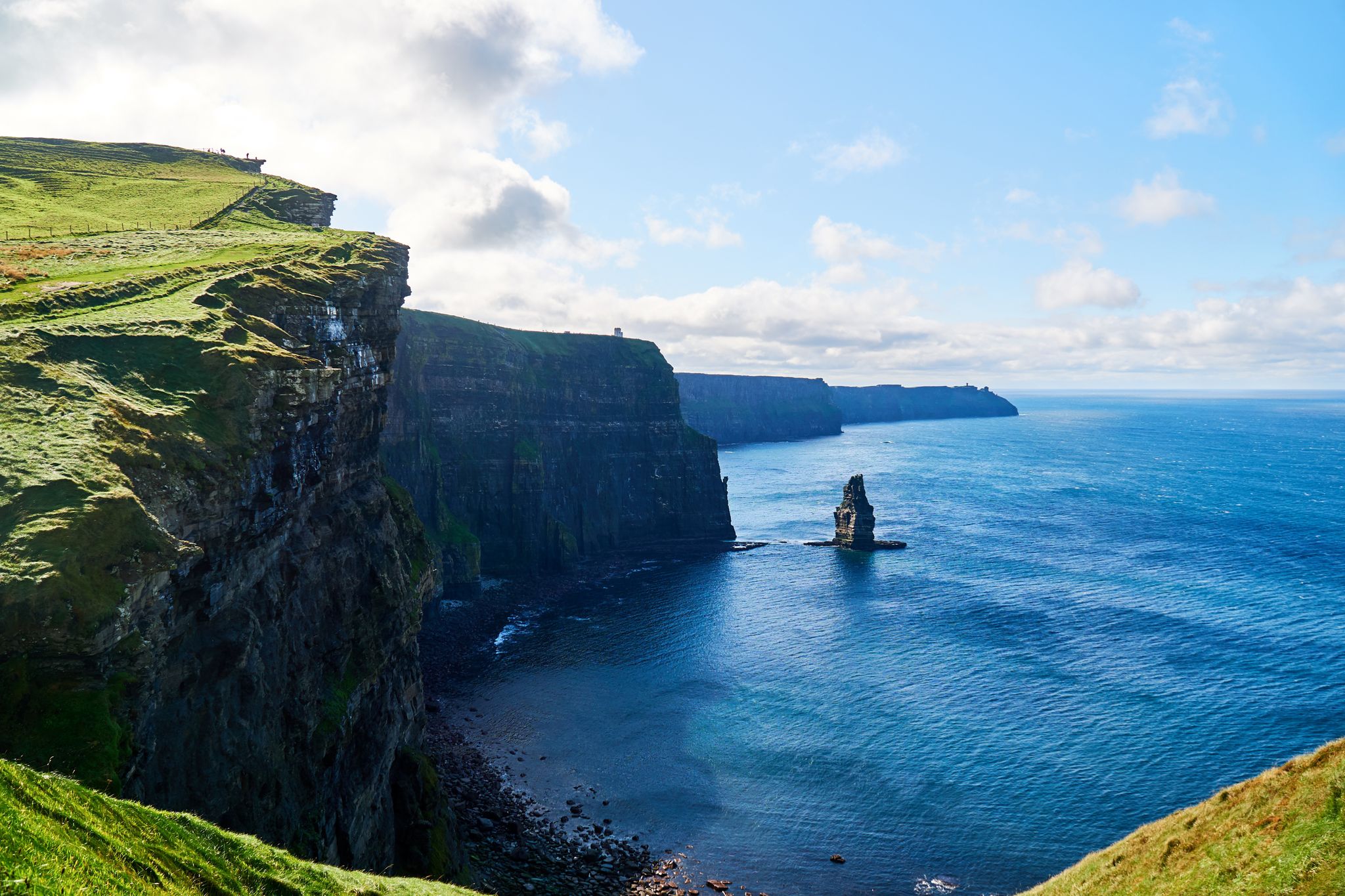
The Cliffs of Moher to Diamond Hill – hiking the Wild Atlantic Way in Ireland
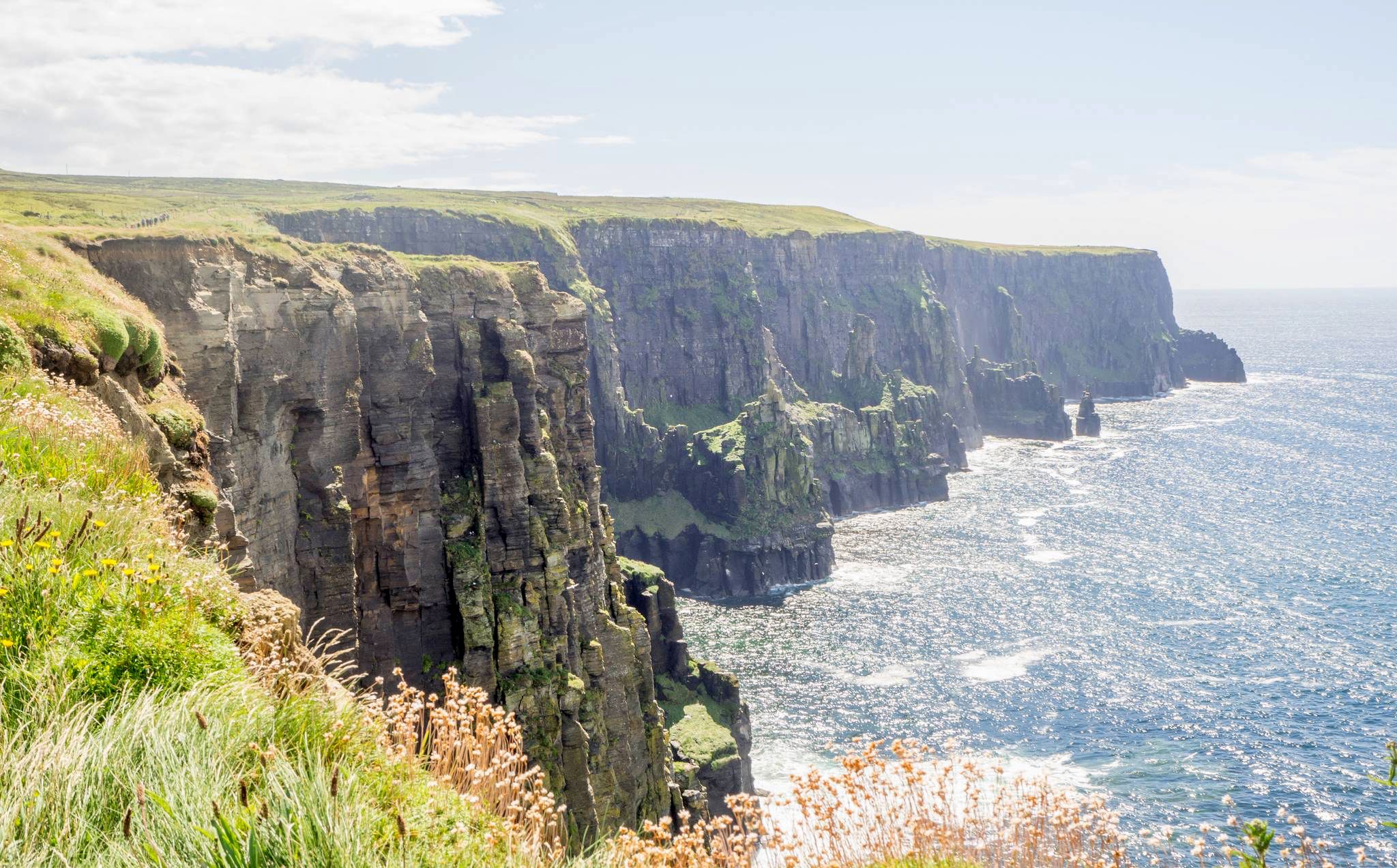
Ireland's wild west
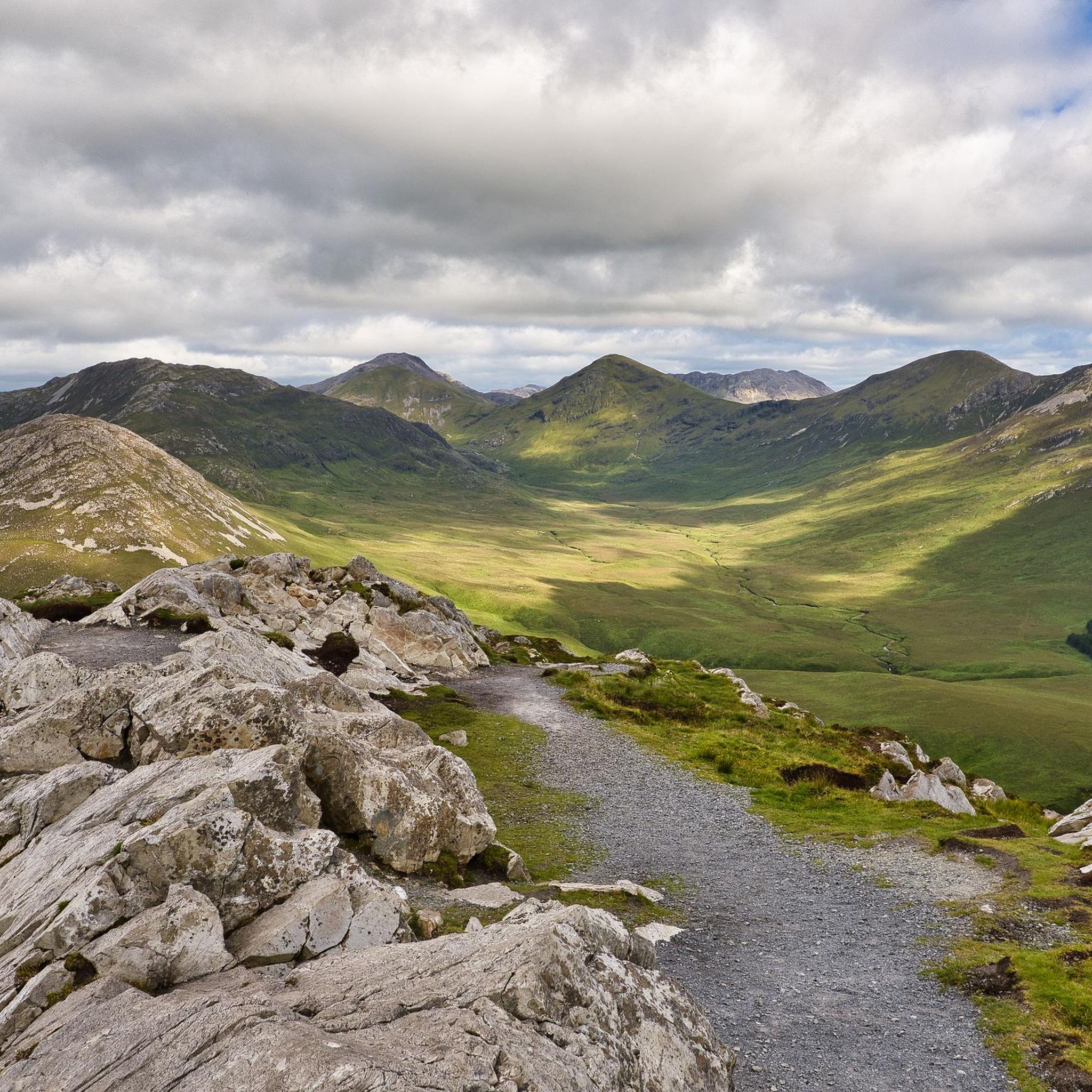
Hiking around Connemara National Park
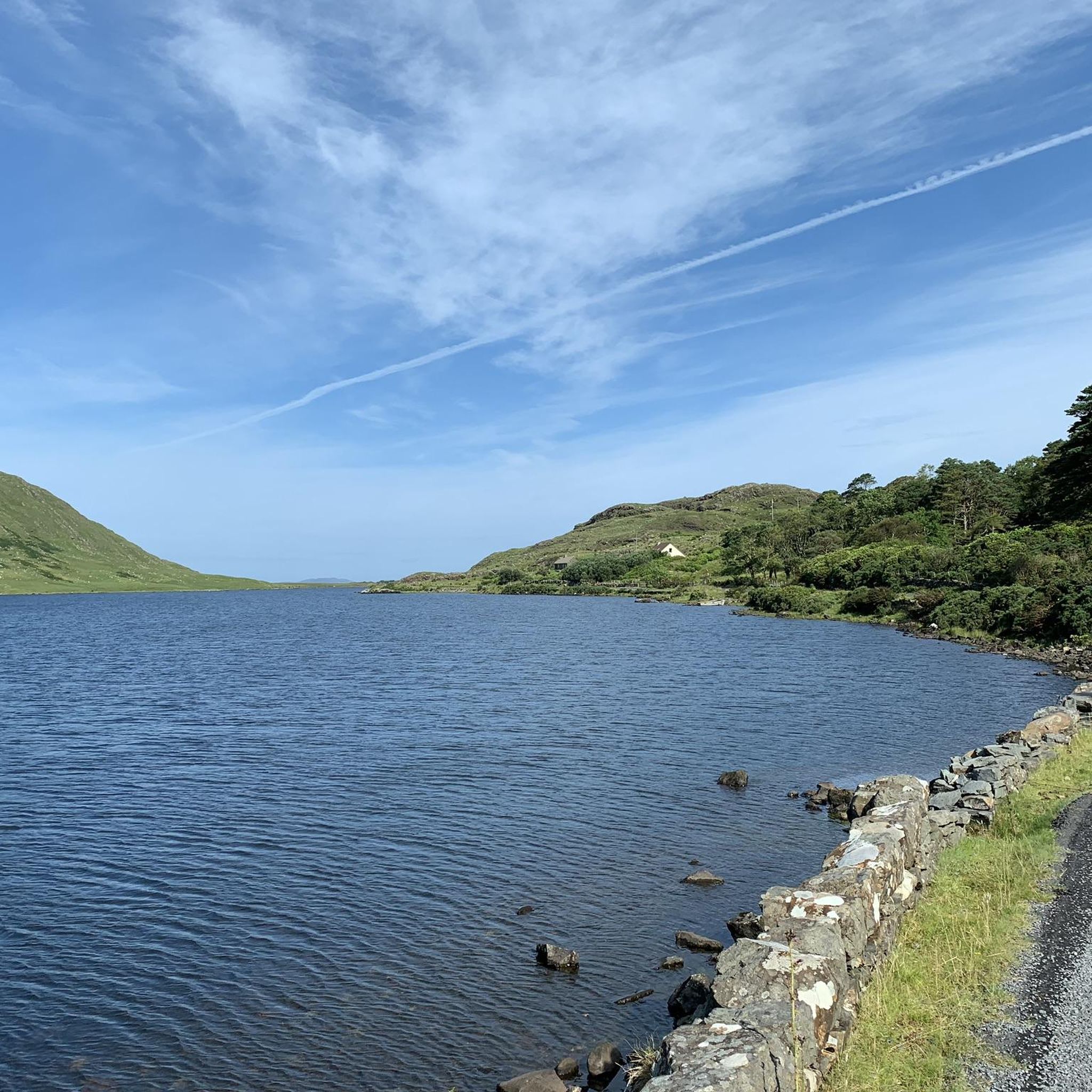
Road Cycling Routes around Connemara National Park
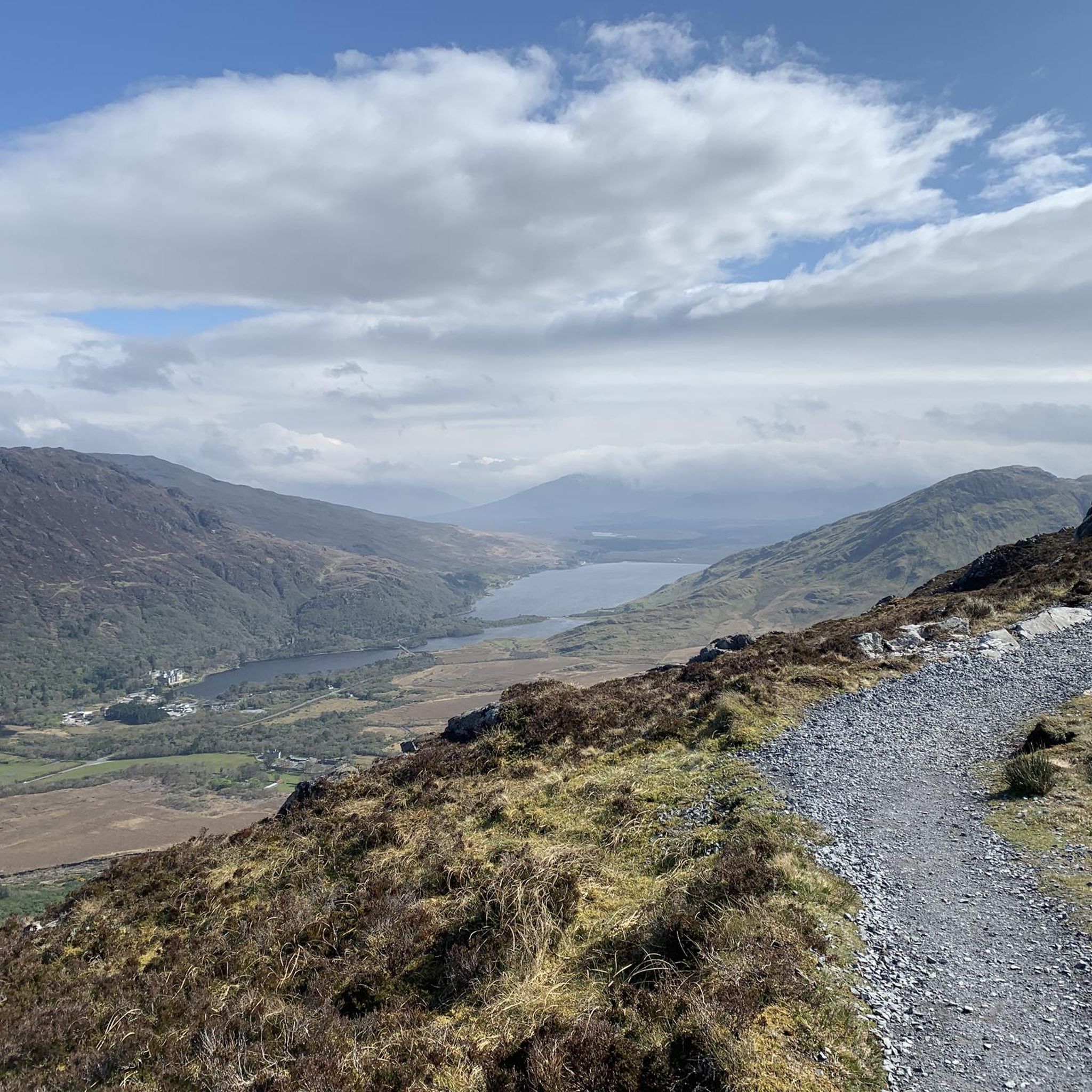
Cycling around Connemara National Park
Other adventures around Connemara National Park


Tips from the Community

The Ben Lettery Connemara Hostel is an iconic resting point for adventurers, spectacularly located at the foot of the mountain of the same name, Ben Lettery. As part of the famous Twelve Bens, the mountain's pointed peak dominates the view from the hostel, while the front overlooks the shimmering lakes of the Ballynahinch valley. This former lodge breathes the authentic atmosphere of the Irish wilderness and is the perfect base for mountaineers wanting to tackle the 'Glencoaghan Horseshoe' or cyclists exploring the R341 towards Roundstone. It is a place where the rugged granite walls and the vast peat landscape meet, right on the border of the mountains and the ocean.
2
0

At 711 metres, Bencorr is the second highest peak of the ’12 Bens of Connemara’, which has some of the finest walking in Ireland. The mountains are not very high, the highest being only 730 metres, but they offer wonderful hiking opportunities with super scenery and are a feast for the eyes. As with all mountains, however, treat them with respect and ensure you are properly equipped at all times.
0
0


Ben Lettery Hostel is the ideal basecamp for exploring the Twelve Bens and wider Connemara. It has all the amenities you'd expect, including a drying room for when those Atlantic fronts are up to no good. As well as standard rooms, there are also three bell tents for more of a glamping vibe.
1
0
A spine of shattered quartzite, Benbreen (Binn Braoin in Irish) is a long ridge rather than a classic pointed summit. There's some fun scrambling to be had, as well as knockout views. One of the highlights of the Glencoaghan Horseshoe, it's the fourth highest summit in the Twelve Bens range.
0
0
The third highest of the Twelve Bens, Bencollaghduff (Binn Dubh in Irish) is a gorgeous peak right in the heart of the range. It marks around the halfway point of the Glencoaghan Horseshoe, one of Ireland's finest mountain journeys. Expect glorious views from the summit on a clear day, with Benbaun dominating matters to the northwest.
0
0
The second highest of the spectacular Twelve Bens, Bencorr (Binn Chorr in Irish) is a beautiful peak. It's one of the highlights of the Glencoaghan Horseshoe, one of Ireland's great mountain routes. In Carrot Ridge, the mountain boasts one of Ireland's great rock climbing ridges too, with routes of varying difficulty.
0
0

Wonderful view over the bays and lakes of Conemara
1
0
Frequently Asked Questions
How many running routes are available in Connemara National Park?
Komoot offers a selection of 12 dedicated running routes in Connemara National Park. These range from easy loops to challenging mountain ascents, catering to various fitness levels.
What kind of terrain can I expect on running trails in Connemara National Park?
The park offers diverse terrain, including rugged mountains, expansive boglands, heathlands, grasslands, and woodlands. You'll find everything from well-maintained paths with wooden platforms and rock steps, particularly on popular routes like Diamond Hill, to more rugged, natural trails in mountainous areas. The landscape features significant elevation changes, especially in the Twelve Bens range.
Are there easy running routes suitable for beginners in Connemara National Park?
Yes, there are easy running options. For instance, the Viewpoint at Diamond Hill loop from Ballynakill ED is an easy 3 km route. The park also features nature trails like the Sruffaunboy Nature Trail, which are suitable for more leisurely runs or walks.
How challenging are the running routes on Diamond Hill?
Diamond Hill offers routes of varying difficulty. The Diamond Hill Circular is classified as difficult, covering 7.8 km with significant elevation gain. It provides spectacular panoramic views but requires a good level of fitness. There are also easier sections and lower loops around Diamond Hill for those seeking a less strenuous experience.
Can I find circular running routes in Connemara National Park?
Yes, many of the running routes in Connemara National Park are circular. A popular example is the Diamond Hill Circular. Other options include the Running loop from Tully and the Running loop from Barnaheskabaunia, both offering varied landscapes in a loop format.
What scenic viewpoints or landmarks can I see while running in Connemara National Park?
Running in the park offers breathtaking views. You can expect panoramic vistas of the Twelve Bens mountain range, Kylemore Abbey, and the Atlantic coastline with islands like Inishbofin and Inishturk. Specific highlights include the Diamond Hill Summit, the View of Diamond Hill from the Stone Junction, and the View of the Twelve Bens. The Ellis Wood Nature Trail also features cascading waterfalls.
What kind of wildlife might I encounter while running in the park?
Connemara National Park is a sanctuary for diverse wildlife. You might spot the famous Connemara ponies, red deer, and a variety of bird species such as skylarks, peregrine falcons, kestrels, and meadow pipits. The park's varied habitats support a rich array of plant and animal life.
Is parking available at Connemara National Park for runners?
Yes, parking facilities are available at Connemara National Park, particularly near the visitor center in Letterfrack, which serves as a common starting point for many trails, including those leading to Diamond Hill.
How can I reach Connemara National Park using public transport?
While direct public transport options might be limited, buses often serve nearby towns like Clifden and Letterfrack. For detailed and up-to-date information on public transport routes and schedules to the park, it's advisable to check local transport provider websites or the official Connemara National Park website.
Are the running trails in Connemara National Park dog-friendly?
Connemara National Park generally welcomes dogs, but they must be kept on a leash at all times to protect wildlife and livestock. Specific rules may apply to certain areas or during particular seasons, so it's best to check the park's official guidelines before your visit.
When is the best time of year to go running in Connemara National Park?
The park is beautiful year-round, but late spring to early autumn (May to September) generally offers the most favorable weather for running, with milder temperatures and longer daylight hours. During summer, you can enjoy the vibrant yellow gorse and purple heather. Be prepared for changeable weather conditions regardless of the season, and always check the forecast.
What do other runners enjoy the most about jogging in Connemara National Park?
The running routes in Connemara National Park are highly rated by the komoot community, with an average score of 5.0 stars from 4 reviews. Runners often praise the stunning natural beauty, the diverse terrain offering varied challenges, and the panoramic views from peaks like Diamond Hill. The well-maintained trails and the sense of immersion in nature are frequently highlighted.
Are there cafes or facilities near the running trails in Connemara National Park?
The Connemara National Park Visitor Centre in Letterfrack offers facilities, including exhibitions and information. Letterfrack village, adjacent to the park, also provides amenities such as cafes and pubs where you can refuel after your run. For more information on visitor facilities, you can consult the National Park's official site.
Most popular routes around Connemara National Park
Most popular attractions around Connemara National Park

Get inspired with the komoot mobile app


Explore more
Browse the best Running Trails & Routes in other regions.
