The best hikes from bus stations around Frauenstein
4.7
(10899)
37,553
hikers
123
hikes
Bus station hiking trails around Frauenstein lead through the diverse landscapes of the Ore Mountains (Erzgebirge), characterized by dense forests, clear streams, and scenic valleys. The region features impressive dams like Klingenberg and Rauschenbach, offering panoramic views. Hikers can explore the Gimmlitz valley with its historic mills and areas known for unique technical monuments. The terrain provides a mix of gentle paths and more challenging sections, catering to various hiking preferences.
Best bus station hiking trails around Frauenstein
- The most…
Last updated: July 10, 2026
4.6
(129)
449
hikers
10.7km
03:00
200m
200m
Moderate hike. Good fitness required. Mostly accessible paths. Sure-footedness required.
4.6
(233)
789
hikers
Moderate hike. Good fitness required. Mostly accessible paths. Sure-footedness required.

Sign up for free
4.6
(53)
140
hikers
Moderate hike. Good fitness required. Mostly accessible paths. Sure-footedness required.
4.8
(37)
116
hikers
8.39km
02:15
100m
100m
Moderate hike. Good fitness required. Easily-accessible paths. Suitable for all skill levels.
4.9
(17)
55
hikers
6.32km
01:47
140m
140m
Easy hike. Great for any fitness level. Easily-accessible paths. Suitable for all skill levels.
Get access to more routes and recommendations from other explorers.
Sign up for free
Already have an account?
Our route recommendations are based on thousands of hikes, rides, and runs completed by other people on komoot.
Start today with a free account
Your next adventure awaits.
Login or Signup

Other adventures around Frauenstein


Tips from the Community

You learn a lot of interesting facts about silver mining.
0
1

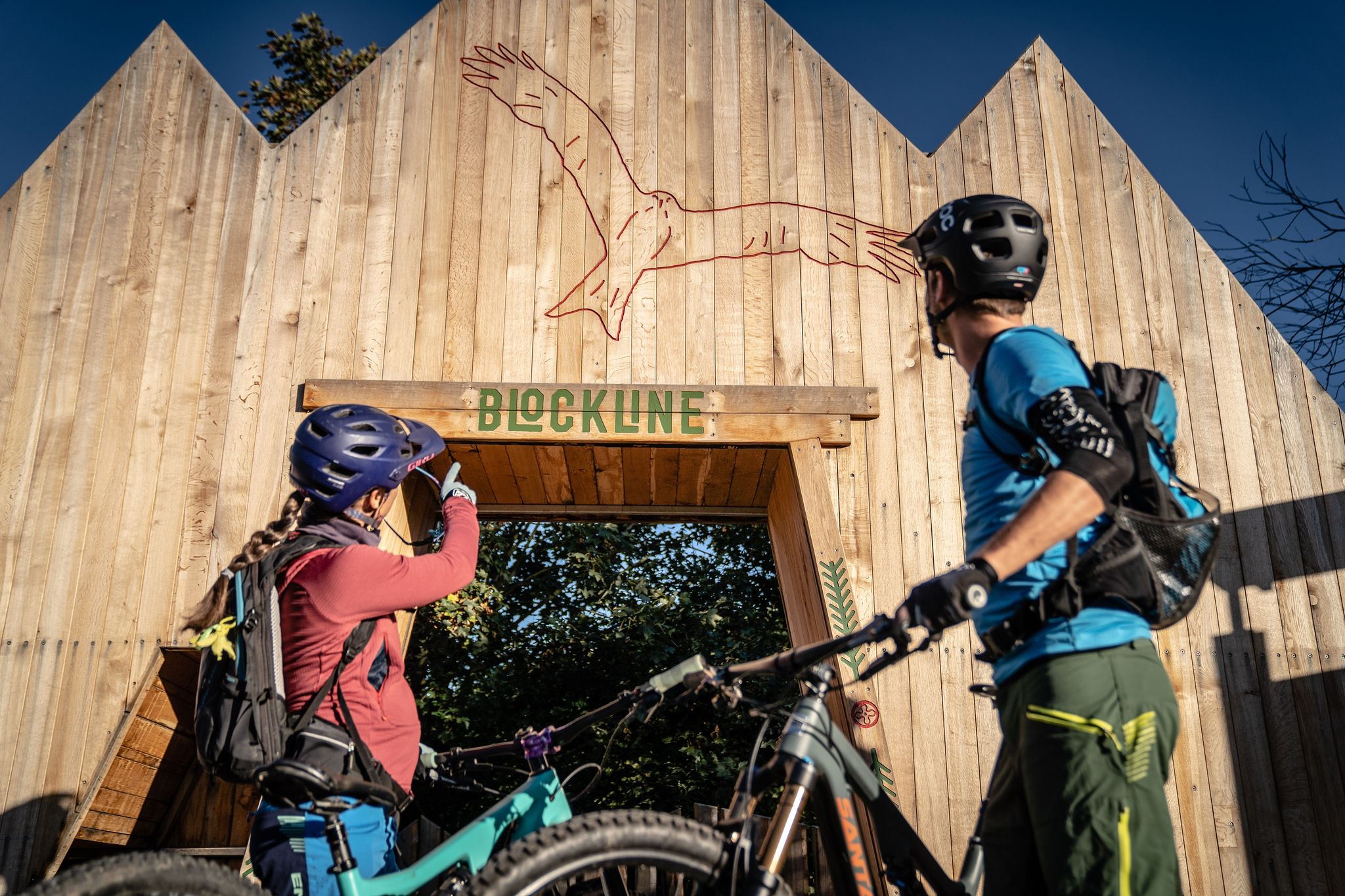
Blockline: signposted bike route in parts of the Ore Mountains, mostly with rest areas
3
0

The Royal Saxon Triangulation was a national survey conducted between 1862 and 1890 that mapped the Kingdom of Saxony with a precise triangular network to create the basis for accurate maps. The network consisted of 158 points, including 36 main stations for the Central European Triangulation System, at which survey pillars were erected. These pillars are now technical monuments and bear witness to one of the most precise land surveys in Europe during the 19th century.
2
2
Frauenstein Castle is a Renaissance castle in the Ore Mountains, located right next to a medieval castle ruin that is considered a landmark of the town and was built around 1200. The castle was built in 1585 to meet growing housing needs and today houses the Gottfried Silbermann Museum, dedicated to the famous organ builder. Unfortunately, it was hazy today, so we didn't have a view.
2
1
In the Ore Mountains, specifically in Frauenstein, there is a Saxon postal milepost located in the market square, indicating distances to other locations. It is a replica and refers to the historical postal system, in which the mileposts served as distance markers.
2
1
The mirror vault, which extends across the entire ceiling of the church, is decorated with illusionistic, ornamental grisaille paintings and depictions of putti in the Neo-Renaissance style. The organ was built in 1873 by the Kreutzbach company and restored in 2008. Also noteworthy are the large pulpit altar in Neo-Renaissance form, the two oil paintings of Moses and John the Baptist by Emil Sachse, the three original stained-glass windows, and the newly cast bells in the church tower in 2022, while the older ones from 1952 found their place in front of the church. The new casting was only made possible by generous donations, which raised €130,000. Thus, the city church "Zu unserer lieben Frau" (Our Lady) is not just a sacred monument, but also the church of a vibrant Christian community. See: https://kirchenbezirk-freiberg.de/kirchort/frauenstein
2
1
In the fires of 1728 and 1869, Frauenstein lost the two organs by Gottfried Silbermann, who had built them for his hometown church in 1711 and 1738, respectively. The town church, built in 1873, presents itself in a largely unaltered form both inside and out, having undergone no major alterations in the past 150 years. The plans for the new building were drawn up by Chemnitz professor Emil Alwin Gottschaldt; those for the 48-meter-high tower were drawn up by the chief architect Karl Moritz Haenel. The exterior and interior design follow the Neo-Renaissance style. Since the town church contains virtually no furnishings dating from before 1873, it appears to be a seamless blend of the early imperial period, while the new churches in the surrounding area were built later. The town church of Frauenstein thus holds a special significance in the sacred architecture of this region and is well worth a longer visit.
3
1
With the relocation of the village of Frauenstein to its present-day location, the new town church, "Zu unserer lieben Frau," was built on the market square between 1483 and 1491, although the commission for its construction had already been given in 1449. Next to it, the town hall was built between 1602 and 1612, also in the center of the market square. The charming complex of the two buildings, like almost the entire town of Frauenstein, was destroyed by fire in 1869. The town hall was relocated to the market side, so that the town church is the only building standing in the center of the town's large market square. The consecration of the newly built church took place on October 3, 1873. However, it was not the sacred building from 1491 that burned down in 1869, but the second town church, which had been built after the great town fire of 1728. Its surrounding walls were used in the construction of the new church from 1870 to 1873.
3
0
Frequently Asked Questions
How many bus station hiking trails are available around Frauenstein?
There are over 120 hiking trails around Frauenstein that are easily accessible from bus stations. These routes offer a variety of experiences, from leisurely strolls to more challenging treks through the picturesque Ore Mountains.
What kind of landscapes can I expect on bus-accessible hikes in Frauenstein?
The bus-accessible hikes around Frauenstein traverse the beautiful landscapes of the Ore Mountains (Erzgebirge). You can expect dense forests, clear streams, and scenic valleys like the Gimmlitz valley. Many routes also offer panoramic views of the Freiberger Mulde and Gimmlitz rivers, and impressive dams such as the Klingenberg Dam and Rauschenbach Dam.
Are there easy hiking trails from bus stops suitable for beginners?
Yes, there are plenty of easy routes accessible from bus stops. For instance, the Goldene Scheibe mining field – Rathsmühle Shelter loop from Frauenstein is an easy 6.3 km hike that takes you through pleasant forest paths. Overall, nearly 45 of the bus-accessible routes are rated as easy, making them perfect for beginners or a relaxed day out.
What do other hikers say about the bus station trails in Frauenstein?
The komoot community highly rates the bus station hiking trails around Frauenstein, with an average score of 4.7 out of 5 stars from over 9,400 ratings. Hikers often praise the well-maintained paths, the diverse natural beauty, and the convenience of starting directly from public transport stops.
Are there any circular routes that start and end at a bus station?
Absolutely! Many of the bus-accessible trails are circular, allowing you to return to your starting point without needing additional transport. An example is the Kummermühle Art Rest Area – Illing Mill — Historic Sawmill loop from Nassau, which is a moderate 8.4 km circular route showcasing historic mills and natural beauty.
What are some notable sights or attractions along these bus-accessible routes?
Many bus-accessible routes pass by interesting sights. You might encounter the historic Klingenberg Dam, offering magnificent views, or the Oberbärenburg Observation Tower with its extensive panoramas. The region's mining history is also visible along trails like the 'Silberpfad', and the Frauenstein Castle Ruins are often incorporated into hiking loops.
Are there family-friendly hiking options from bus stations?
Yes, several routes are suitable for families. The 'Wilde Wege' (Wild Paths) nature trail, for example, provides engaging information about local flora and fauna, making it popular with children. Look for shorter, easier routes with minimal elevation gain for a pleasant family outing.
Can I bring my dog on these bus station hiking trails?
Generally, dogs are welcome on most hiking trails in the Frauenstein region. However, it's always advisable to keep your dog on a leash, especially in nature reserves or near wildlife. Ensure you carry water for your pet, especially on longer routes, and be mindful of local regulations which may vary.
What is the best time of year to hike from bus stations in Frauenstein?
The region offers great hiking experiences year-round. Spring brings blooming orchids and fresh greenery, while summer provides pleasant temperatures for forest walks. Autumn is particularly scenic with vibrant fall foliage. Even in winter, prepared hikers can enjoy the snowy landscapes, though some paths might be less accessible or require appropriate gear.
Are there places to eat or find accommodation near the bus-accessible trailheads?
Yes, you'll find various options for refreshments and accommodation. Places like Fischerbaude and Bärenfels Nature Hotel & Inn are examples of establishments that cater to hikers. The towns and villages around Frauenstein, such as Nassau, also offer cafes, pubs, and guesthouses within easy reach of bus stops and trail starting points.
What kind of distances and durations can I expect for these bus station hikes?
The bus-accessible hikes around Frauenstein vary significantly in length and duration. You can find shorter routes, like the Goldene Scheibe mining field – Rathsmühle Shelter loop at 6.3 km (approx. 1 hour 45 minutes), to longer, more challenging options such as the Pflüger Wald Parking Area – Bench With View of the Dam loop from Frauenstein, which is 17.6 km and can take over 4 hours. There are options for all fitness levels and time commitments.
Are there any specific themed trails accessible by bus?
Yes, the region features several themed trails. For example, the 'Silbermann Frauenstein-Nassau circular hiking trail' allows you to follow in the footsteps of the famous organ builder Gottfried Silbermann. There's also the 'Silberpfad' (Silver Trail), a mining educational trail highlighting the region's rich mining history, and the 'Kunsterlebnisweg Frauenstein' (Art Experience Trail), which combines nature with art installations.
Most popular routes around Frauenstein
Most popular attractions around Frauenstein

Get inspired with the komoot mobile app


Explore more
Browse the best Hikes in other regions.
