The best traffic-free bike rides in East Devon AONB
4.6
(38)
1,587
riders
37
rides
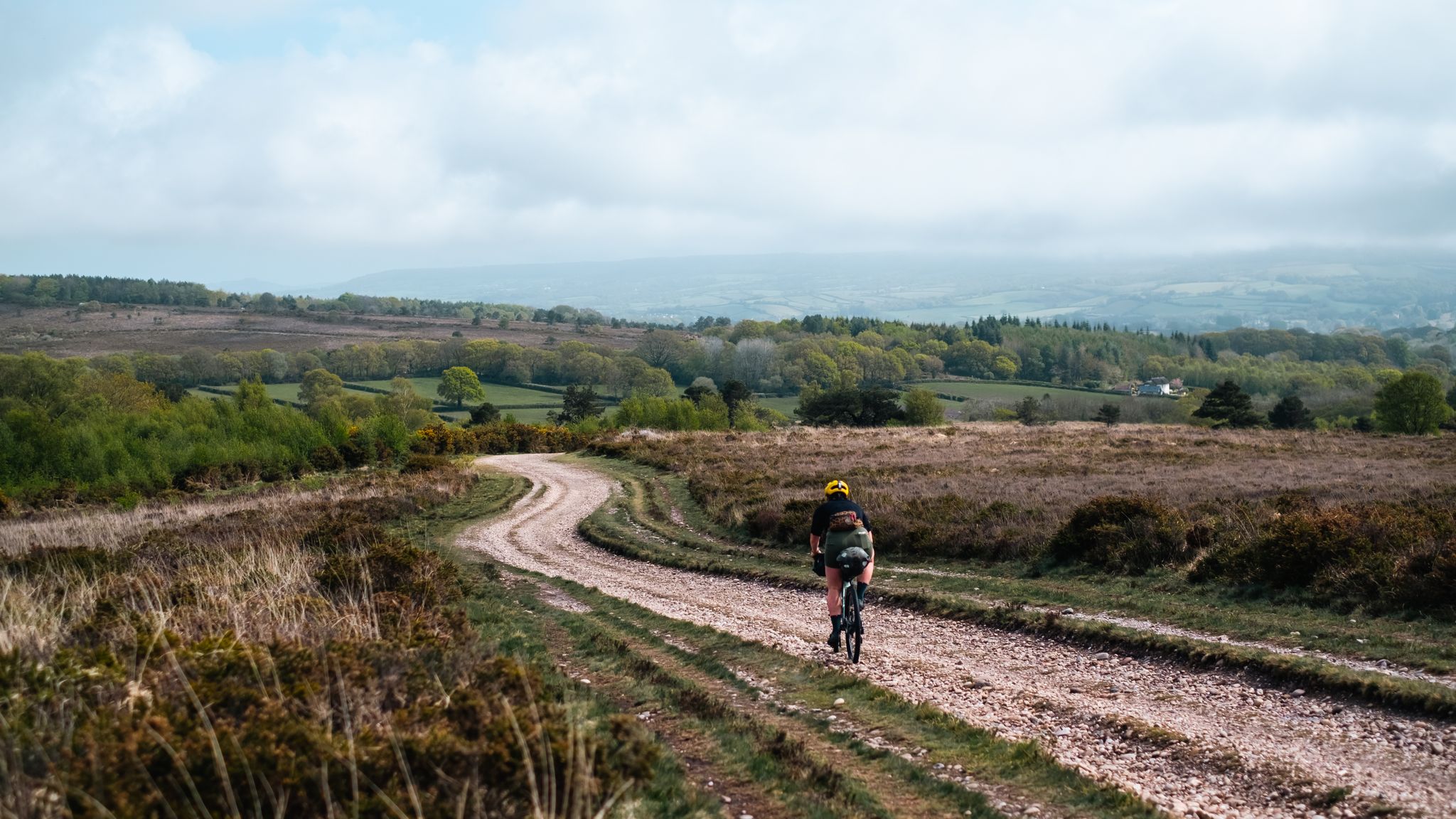
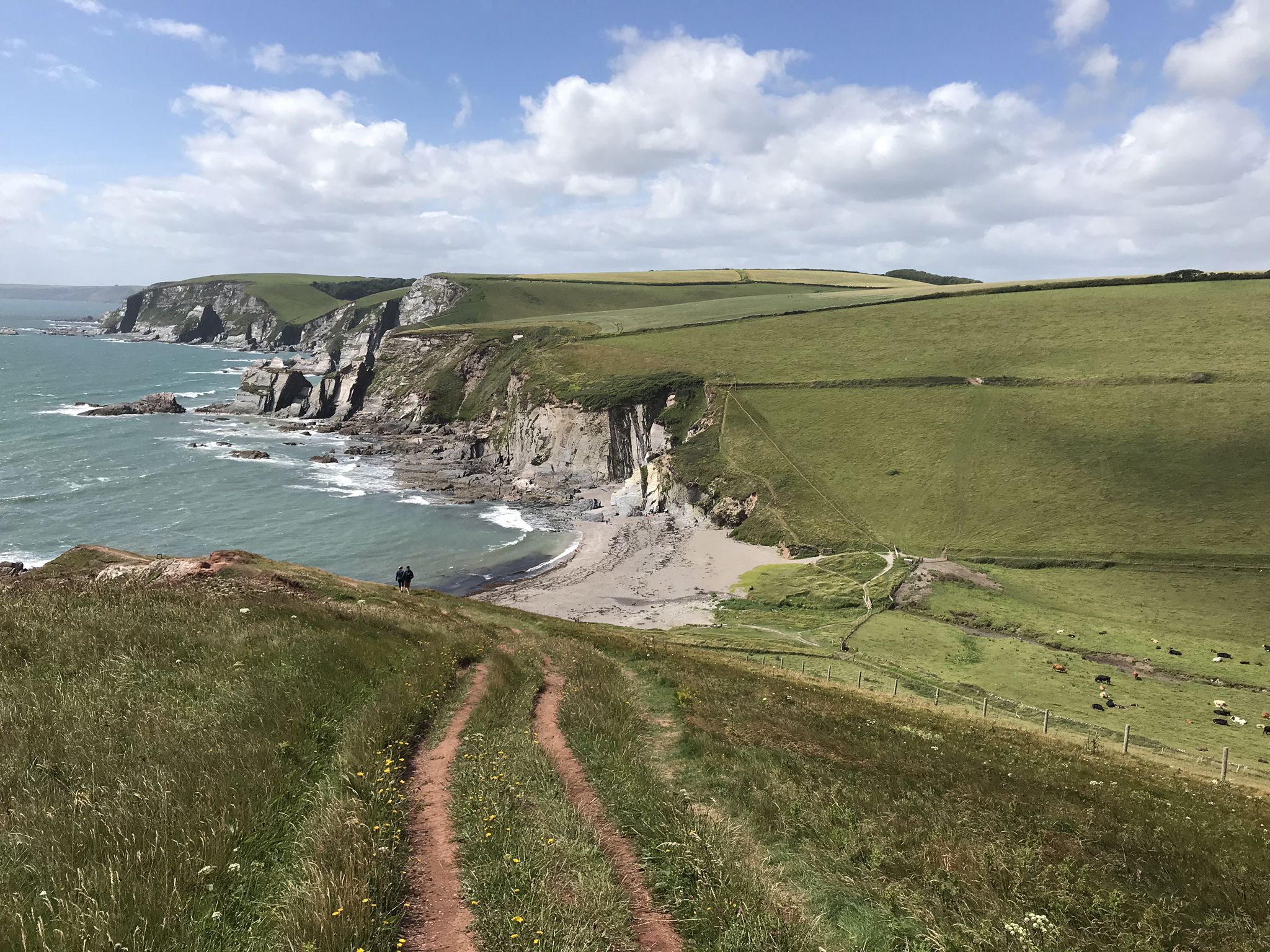
Road cycling in East Devon AONB offers diverse landscapes, from the dramatic cliffs of the Jurassic Coast to rolling inland hills and fertile river valleys. The region is characterized by quiet country lanes, extensive heathlands like Woodbury Common, and dense woodlands, providing varied terrain for no traffic road cycling routes. Cyclists can experience coastal views, gentle gradients along river estuaries such as the Exe, and more challenging climbs through undulating countryside. This area provides a rich network of paths suitable for exploring its natural beauty and charming villages.
Best no traffic road cycling routes in East Devon AONB
- The most popular no traffic road cycling route is Beer & Ottery St Mary loop from Sidmouth, a 30.6 miles (49.2 km) trail that takes 2 hours 47 minutes to complete. This route explores inland villages and varied terrain, offering a mix of ascents and descents.
- Another top favourite among local road cyclists is Budleigh Salterton Seafront – Sidmouth Esplanade loop from Sidmouth College, a moderate 35.7 miles (57.5 km) path. This route features coastal views and passes through popular seaside towns.
- Local road cyclists also love the Country Lanes to Lympstone – Exmouth Beach loop from Colaton Raleigh, a 22.4 miles (36.0 km) trail leading through quiet country lanes and coastal areas, often completed in about 1 hour 45 minutes.
- Road cycling in East Devon AONB is defined by coastal paths, rolling hills, and river valleys. The network offers options for different ability levels, from leisurely rides along estuaries to more challenging routes with significant elevation gain.
- The routes in East Devon AONB are highly rated by the komoot community with an average score of 4.5 stars from over 40 reviews. More than 2000 road cyclists have used komoot to explore East Devon AONB's varied terrain.
Last updated: July 10, 2026
5.0
(3)
32
riders
49.2km
02:47
800m
800m
Cycle the moderate 30.6-mile Beer & Ottery St Mary loop from Sidmouth, gaining 2624 feet through East Devon's scenic coast and countryside.
5.0
(7)
233
riders
Moderate road ride. Good fitness required. Some segments of this route may be unpaved and difficult to ride.

Sign up for free
5.0
(1)
44
riders
Hard road ride. Very good fitness required. Some segments of this route may be unpaved and difficult to ride.
35
riders
58.6km
02:44
480m
480m
Moderate road ride. Good fitness required. Mostly well-paved surfaces and easy to ride.
5.0
(1)
29
riders
45.1km
02:05
400m
400m
Moderate road ride. Good fitness required. Some segments of this route may be unpaved and difficult to ride.
Get access to more routes and recommendations from other explorers.
Sign up for free
Already have an account?
Our route recommendations are based on thousands of hikes, rides, and runs completed by other people on komoot.
Start today with a free account
Your next adventure awaits.
Login or Signup



Tips from the Community

If you enjoy a dramatic entrance, Jacob’s Ladder is Sidmouth’s version of a red carpet—just with more cardio! These iconic white wooden steps link the lush Connaught Gardens to a stunning pebble beach below. As you descend, you get a "bird’s-eye" view of the red Triassic cliffs that look like giant slices of rusty gingerbread. Reach the bottom and you’re in a world of rock pools and crashing waves. Legend says if you climb back up without stopping, you’ve earned an extra large Devon cream tea at the top. Challenge accepted?
0
0
If you’re heading to Beer Beach in East Devon, don’t expect a sandy tropical paradise—and definitely don’t expect actual beer flowing from the cliffs (though the name is a great conversation starter). Instead, you get a quintessential, "old-school" British fishing cove that’s basically a natural suntrap tucked between towering white chalk cliffs. It’s part of the Jurassic Coast, so it’s millions of years of history served with a side of fish and chips. Why it’s a "Vibe": The Boats: This isn't a harbor with a pier; the local fishermen literally winch their colorful boats right up onto the shingle (pebble) beach. It’s like a live-action painting watching them bring in the daily catch of mackerel and crab. The "Pebble Massage": Forget sand in your shoes; here, you get smooth, grey pebbles. Pro-tip: Rent one of the iconic blue and white deckchairs. Your lower back will thank you, and you’ll look like a 1950s movie star. The Beach Cafes: There are little huts right on the shingle where you can grab a crab sandwich or a cream tea. Eating fresh seafood while your toes are three feet from the waves? Hard to beat. The Name: Sadly, "Beer" comes from the Old English word bearu, meaning "grove" or "wood." But don't let that stop you—the village has plenty of actual beer in its cozy pubs like The Anchor Inn, which has a cliff-top garden with elite views. Hidden Gems Nearby: Beer Quarry Caves: Just up the road, you can take a tour of the massive underground caverns where the famous "Beer Stone" was mined for cathedrals like Exeter and Westminster Abbey. It’s like a cool, damp cathedral hidden inside a hill. The Coastal Path: If you walk west toward Branscombe, you’ll tackle some steep "stairway to heaven" climbs, but the views of the white cliffs against the blue sea are pure magic.
0
0


Look out for an entrance onto a footpath on your right, which follows beside the railway tracks on your left, and the exe estuary on your right. The path is too narrow for cycling but great for walking and running.
1
0

Harnessing the power of moving water to drive a mill wheel is an ancient invention of human ingenuity, whose origins can be traced back to ancient times. Thanks to such a design, a watercourse – natural or artificial – made it possible to simply replace human or animal muscle power with the power of natural elements, for example, to grind grain into corn or press oil from fruit. There are essentially two drive variants for watermills: * Either the flowing water simply hits the blades of the water wheel from below to set it in motion; or * the water is guided above the wheel – usually through a so-called "mill channel" – and falls onto the blades. This design utilizes natural gravity to achieve greater efficiency.
2
0


Jurassic Coast - here, as a touring cyclist, you get a nice access with wonderful views, swimming options and good restaurants.
0
0

Just outside Cullompton… lots of parking and seating inside, you can bring your bike in for extra security🚴🏽♂️🚴🏽♂️🚴🏽♂️🚴🏽♂️
1
0
Frequently Asked Questions
How many no traffic road cycling routes are available in East Devon National Landscape?
There are over 35 dedicated no traffic road cycling routes in East Devon National Landscape, offering a variety of experiences for different skill levels.
What is the typical difficulty level for no traffic road cycling in East Devon National Landscape?
Most of the no traffic road cycling routes in East Devon National Landscape are rated as moderate, with a few more challenging options. You'll find a good mix of undulating terrain, from gentle river valleys to more demanding climbs, especially along coastal sections.
What kind of terrain can I expect on no traffic road cycling routes here?
You can expect diverse terrain, including quiet country lanes winding through rolling hills and intimate wooded combes, flat sections along river valleys like the Exe Estuary, and dramatic coastal roads offering sea views. The region also features unique heathlands and dense woodlands.
When is the best time of year for no traffic road cycling in East Devon National Landscape?
The best seasons for no traffic road cycling in East Devon National Landscape are spring and autumn. During these times, you'll experience mild temperatures and fewer tourists, enhancing your ride through the picturesque landscapes.
Are there any circular no traffic road cycling routes in East Devon National Landscape?
Yes, there are several circular options. For example, the Buzzard Route is an 80-mile circular route showcasing the best of East Devon, connecting coastal and market towns. Many local loops also offer circular experiences, such as the Beer & Ottery St Mary loop from Sidmouth.
Are there easy, family-friendly no traffic road cycling options?
Absolutely. The Exe Estuary Trail is a fantastic 16-mile route offering flat terrain and scenic views, ideal for families. Sections of the National Cycle Network Route 2, particularly between Exmouth and Budleigh Salterton, also provide traffic-free paths suitable for easier rides.
What natural features or viewpoints can I see along these routes?
Many routes offer stunning natural features and viewpoints. You can expect breathtaking sea views along the Jurassic Coast, especially near Orcombe Point and Ladram Bay Sea Stacks. Inland, you'll encounter the tranquil River Otter and the unique pebblebed heathlands.
Are there places to stop for refreshments like cafes or pubs along the no traffic routes?
Yes, East Devon National Landscape is dotted with charming villages and towns that offer opportunities for refreshments. Towns like Lympstone, Sidmouth, Budleigh Salterton, and Ottery St Mary have cafes and pubs perfect for a break. Routes like the Steamer Cafe – Talaton Community Shop loop are designed with such stops in mind.
What do other road cyclists enjoy the most about no traffic road cycling in East Devon National Landscape?
The area is highly rated by the komoot community, with an average score of 4.5 stars. Reviewers often praise the quiet country lanes, the dramatic coastal scenery, and the variety of routes that cater to different fitness levels, all while enjoying minimal traffic.
Where can I find parking for no traffic road cycling routes in East Devon National Landscape?
Parking is generally available in the towns and villages that serve as starting points for many routes, such as Sidmouth, Exmouth, and Budleigh Salterton. Many car parks are conveniently located near access points to the National Cycle Network or local loops.
Is public transport accessible for cyclists in East Devon National Landscape?
Yes, public transport options, including trains and buses, serve various towns within East Devon National Landscape. Some services allow bikes, but it's always advisable to check with the specific operator for their bike carriage policies and any restrictions before you travel.
Most popular routes in East Devon AONB
Most popular attractions in East Devon AONB

Get inspired with the komoot mobile app


Explore more
Browse the best Road cycling routes in other regions.
