The best traffic-free bike rides in East Devon AONB
4.6
(17)
74
riders
15
rides
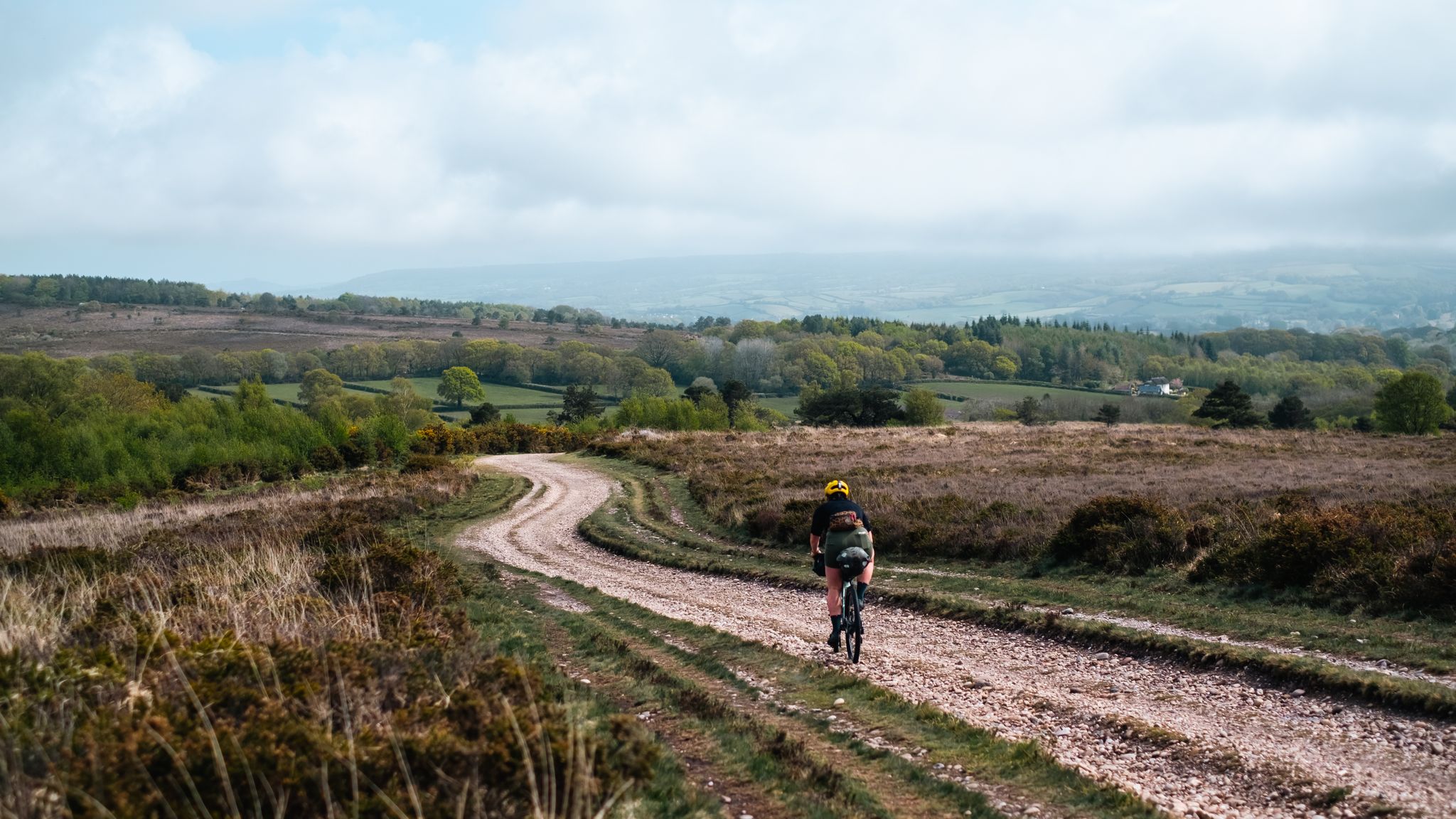
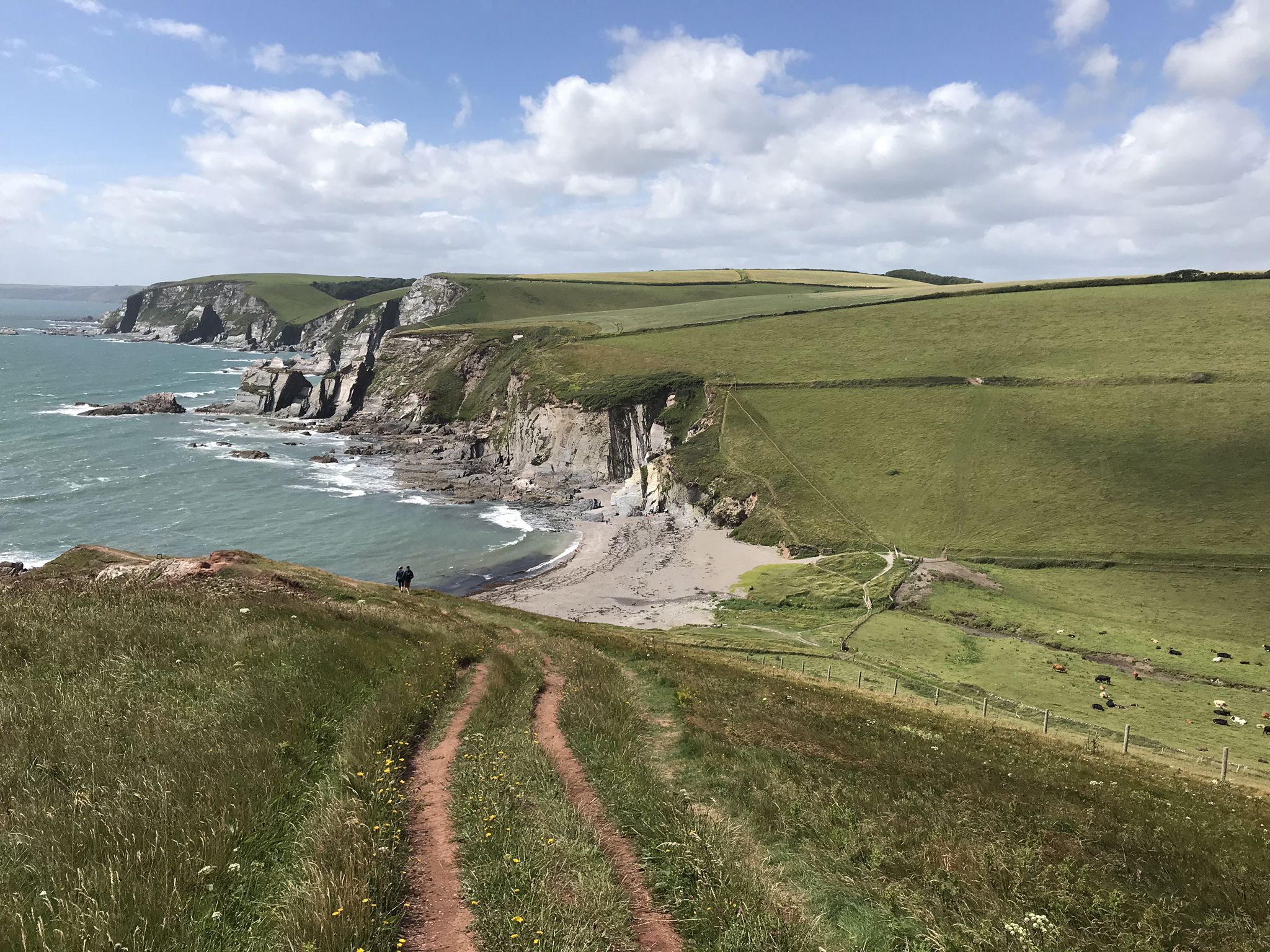
Gravel biking in East Devon AONB offers diverse landscapes for exploration. The region features a varied topography, including intimate wooded combes, expansive heathlands, and fertile river valleys. Riders can experience dramatic towering cliffs along the UNESCO-listed Jurassic Coast, known for its geological marvels. The terrain ranges from Triassic sandstone heaths to more fertile Jurassic and Cretaceous sandstones and limestones, providing a mix of surfaces for no traffic gravel bike trails.
Best no traffic gravel bike trails in East Devon AONB
…Last updated: July 10, 2026
4.8
(5)
23
riders
27.5km
01:55
370m
370m
Moderate gravel ride. Good fitness required. Mostly paved surfaces. Suitable for all skill levels.
3
riders
11.8km
00:54
170m
170m
Moderate gravel ride. Good fitness required. Mostly paved surfaces. Suitable for all skill levels.

Sign up for free
4.0
(1)
9
riders
37.7km
02:42
580m
580m
Hard gravel ride. Very good fitness required. Mostly paved surfaces. Suitable for all skill levels.
5.0
(2)
3
riders
14.3km
01:13
220m
220m
Moderate gravel ride. Good fitness required. Mostly paved surfaces. Suitable for all skill levels.
8
riders
Moderate gravel ride. Good fitness required. Mostly paved surfaces. Suitable for all skill levels.
Get access to more routes and recommendations from other explorers.
Sign up for free
Already have an account?
Our route recommendations are based on thousands of hikes, rides, and runs completed by other people on komoot.
Start today with a free account
Your next adventure awaits.
Login or Signup



Tips from the Community

at the top of a long climb from Sidmouth, a welcome seat for a well-earned breather at Bulverton Hill with views.
1
0

Harnessing the power of moving water to drive a mill wheel is an ancient invention of human ingenuity, whose origins can be traced back to ancient times. Thanks to such a design, a watercourse – natural or artificial – made it possible to simply replace human or animal muscle power with the power of natural elements, for example, to grind grain into corn or press oil from fruit. There are essentially two drive variants for watermills: * Either the flowing water simply hits the blades of the water wheel from below to set it in motion; or * the water is guided above the wheel – usually through a so-called "mill channel" – and falls onto the blades. This design utilizes natural gravity to achieve greater efficiency.
2
0

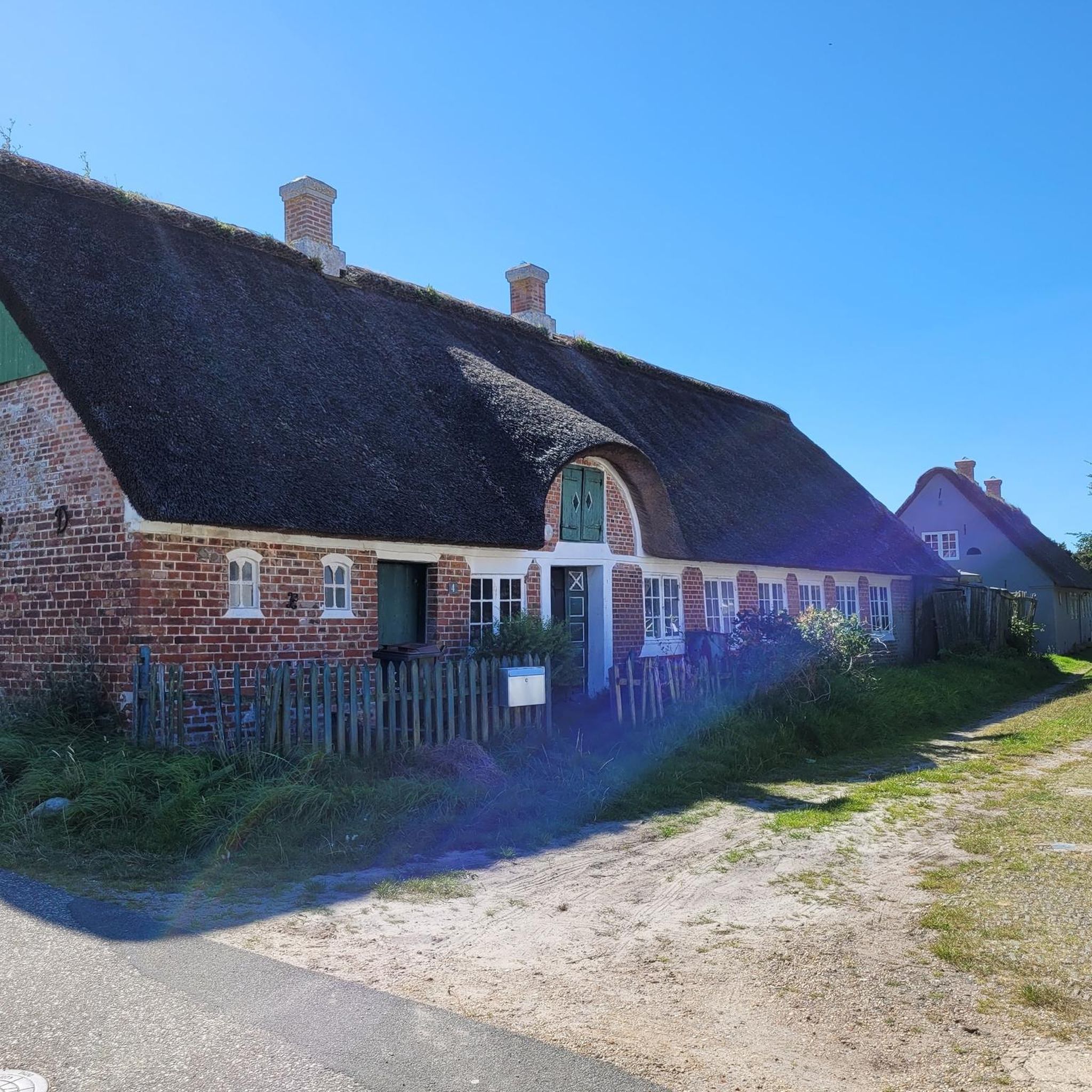
The Bowd looks a decent restaurant - pub to go in. The thatched roofs are common to see in this part of the world. The location seems affluent and tidy
0
0

this road becomes flooded would avoid when on yellow 🟡 weather warning cause you might need a boat, but otherwise it's very pretty and worth a visit great pubs for food nearby and air BnB places
3
0
Using the power of moving water to drive a mill wheel is an ancient invention of the human spirit of discovery, the origins of which can be traced back to times long past. Thanks to such a construction, human or animal muscle power could be replaced by the power of the natural elements through a watercourse - natural or artificial - in order to grind grain into corn or press oil from fruit, for example. There are essentially two different ways of driving watermills: * Either the flowing water simply hits the blades of the water wheel from below to set it in motion; or * the water is guided above the wheel - usually through a so-called "mill channel" - and falls onto the blades; this type of construction is more efficient due to natural gravity.
5
1

Nice flat cycle path. But gets VERY busy with 2 wheeled, 2 legged and 4 legged visitors in the summer months. Watch how you go.
0
0
Nice flat cycle path. But gets VERY busy with 2 wheeled, 2 legged and 4 legged visitors in the summer months. Watch how you go.
0
0
Very muddy and slippy at the moment, as to be expected with all the rain we've had. Had to carry bike across stream for a few feet as too big a gap to jump.
2
0
Frequently Asked Questions
How many no-traffic gravel bike trails are available in East Devon National Landscape?
There are currently 15 curated no-traffic gravel bike trails in the East Devon National Landscape featured in this guide. These routes offer a range of experiences, from easy rides to more challenging adventures, all designed to keep you away from vehicle traffic.
Are there any easy, family-friendly no-traffic gravel routes?
Yes, the East Devon National Landscape offers several routes suitable for families looking for an easy, traffic-free gravel biking experience. For example, the Exe Estuary Trail boardwalk – View over the Exe Estuary loop from Bicton is a moderate route that includes sections of the popular Exe Estuary Trail, known for its flat and accessible paths. The region's extensive network of bridleways and cycle paths, particularly around the river valleys, often provides gentler terrain.
What kind of terrain can I expect on these no-traffic gravel trails?
The East Devon National Landscape boasts a diverse range of terrains perfect for gravel biking. You'll encounter everything from the sandy tracks of the pebble bed heaths, such as those on the East Devon Pebblebed Heaths – East Devon Way loop from Colaton Raleigh, to tranquil woodland paths and sections along lush river valleys. The varied geology ensures a constantly changing landscape, from Triassic sandstone to more fertile Jurassic and Cretaceous areas.
Are there any circular no-traffic gravel bike routes?
Many of the no-traffic gravel routes in the East Devon National Landscape are designed as loops, allowing you to start and finish in the same location. For instance, the Hawkerland Bridleway – Mutters Moor loop from Colaton Raleigh offers a challenging circular ride through varied landscapes. These circular routes are ideal for exploring different parts of the region without needing to retrace your steps.
What attractions can I see along the no-traffic gravel bike trails?
Many routes offer access to stunning natural attractions. Along the coast, you might encounter the dramatic red sandstone stacks of Ladram Bay Sea Stacks or the geological significance of Orcombe Point and the Geoneedle. Inland, the Otter Estuary Nature Reserve is excellent for wildlife spotting, and the River Otter itself provides peaceful scenery. These highlights are often accessible from or visible along the quieter trails.
What do other gravel bikers enjoy most about the no-traffic trails in East Devon National Landscape?
The komoot community highly rates gravel biking in the East Devon National Landscape, with an average score of 4.5 stars. Reviewers frequently praise the sense of escape offered by the extensive network of traffic-free bridleways and cycle paths, the stunning coastal and inland scenery, and the diverse terrain that keeps rides interesting. The quietness and natural beauty are often highlighted as key draws.
Is public transport accessible for reaching these gravel trails?
Yes, public transport can be a good option for accessing some of the gravel trails. The East Devon National Landscape is served by various bus routes, and train stations in nearby towns like Exmouth and Honiton can provide access points, especially for routes that connect to the wider National Cycle Network. It's advisable to check specific bus and train operator policies regarding bikes before planning your journey.
Are there any specific regulations or permits needed for gravel biking in the East Devon National Landscape?
Generally, no specific permits are required for cycling on public bridleways and designated cycle paths within the East Devon National Landscape. However, it's crucial to respect local signage, especially in sensitive areas like nature reserves or private land. Always follow the Countryside Code, stay on marked paths, and be mindful of other users, including walkers and horse riders.
What is the best season for no-traffic gravel biking in East Devon National Landscape?
Spring and autumn are often considered the best seasons for gravel biking in the East Devon National Landscape. The weather is typically milder, and the landscapes are vibrant with spring blooms or autumn colours. Summer can also be excellent, especially along coastal routes, but can be busier. Winter offers a unique, quieter experience, though some trails might be muddier, particularly after heavy rain.
Are there any longer, more challenging no-traffic gravel routes for experienced riders?
For experienced riders seeking a longer, more challenging no-traffic gravel experience, routes like the Hawkerland Bridleway – Mutters Moor loop from Colaton Raleigh offer significant distance and elevation gain. The region also features sections of the East Devon Trail, a longer mixed-terrain route that can be broken into challenging segments, showcasing diverse habitats and requiring good fitness.
Where can I find parking for these no-traffic gravel bike trails?
Many trailheads and popular starting points for gravel routes in the East Devon National Landscape offer parking facilities. For example, routes around areas like Colaton Raleigh or Bystock Nature Reserve often have designated car parks. It's always recommended to check specific route details for parking information, as some smaller trail access points might have limited space.
Can I find cafes or amenities along these no-traffic gravel routes?
While many of the no-traffic gravel routes venture into quieter, more remote areas, you can often find cafes and amenities in the charming villages and towns located within or on the fringes of the East Devon National Landscape. Places like Sidmouth, Beer, and Branscombe offer opportunities for refreshments and supplies, especially if your route passes through or near them. Planning your ride with a stop in mind is a good idea.
Most popular routes in East Devon AONB
Most popular attractions in East Devon AONB

Get inspired with the komoot mobile app


Explore more
Browse the best Gravel rides in other regions.
